

Image of 1957 Austin Healey 100-6, Note: These illustrations use artistic license and may differ from actual historical models.
Performance Metrics
Fundamental Metrics
Emotional Appeal
MMP Rating
| Engine Specifications | |
|---|---|
| Engine: | Inline 6 |
| Displacement: | 2639 cc |
| Horsepower: | 102-117 hp |
| Torque: | 142 lb-ft |
| Compression Ratio: | 8.0:1 |
| Ignition System: | Coil and distributor |
| Cooling System: | Water-cooled |
| Performance Specifications | |
| 0-60 Time: | 10.7 seconds |
| 1/4 Mile Time: | Estimated 17.6 seconds |
| Top Speed: | 103 mph |
| Transmission and Drive | |
| Drive Type: | Rear-wheel drive |
| Transmission Type: | 4-speed manual |
| Fuel and Efficiency | |
| Fuel System Type: | Twin SU carburetors |
| MPG: | 20-25 mpg |
| Dimensions and Brakes | |
| Brakes: | Drum brakes |
| Wheelbase: | 90.0 in |
| Weight: | 2380 lbs |
Note: Specifications for classic cars are given to the best of our ability, considering the limited and variant data available.
1957 Austin-Healey 100-6: The Big Healey Finds Its Voice
The 1957 Austin-Healey 100-6 paired the long bonnet and sporting stance of the original Healey 100 with a new six-cylinder engine, giving Britain’s charismatic roadster more refinement without losing its raw, hands-on character. It was built by the Austin-Healey partnership, formed by Donald Healey’s company and the British Motor Corporation (BMC), and assembled at BMC’s Abingdon works.
The 100-6 replaced the four-cylinder Austin-Healey 100 in 1956. Its name belonged to a family whose identity was closely tied to speed: the original “100” was named for its ability to reach 100 mph. A useful distinction for enthusiasts is that the famous 1953 Jabbeke speed run, which helped establish that reputation, involved an Austin-Healey 100, not the later 100-6. The six-cylinder model carried the idea forward with a smoother engine and room for an occasional passenger in the back.
100-6 Styling and Interior
The 100-6 is unmistakably a Big Healey. Its long, low bonnet, rounded front wings, upright grille, and small windscreen give it a purposeful profile, while the flowing rear bodywork keeps the car looking compact and athletic. The overall design was developed under Donald Healey, with stylist Gerry Coker among the key contributors. Jensen built the body shells, which were then assembled with BMC mechanical components.
The 1957 BN4 was a 2+2 roadster, with a small rear seat that made it more versatile than a strict two-seater. That extra space came at the cost of some luggage room, but it suited the car’s grand-touring character. The later BN6 returned to a two-seat layout, but the BN4 is the version most closely associated with the 1957 model year.
Inside, the cabin is purposeful rather than luxurious. Painted metal, a simple dashboard, clear instruments, and a large steering wheel put the emphasis on driving. Leather upholstery was available, and surviving cars may have leather or period-correct trim depending on specification and restoration history. The seating position is low, the cockpit is snug, and the controls feel mechanical in a way modern sports cars rarely do.
Factory paint combinations varied by year and market. Popular period colors included Healey Blue, red shades such as Colorado Red, Old English White, and black, often paired with contrasting interior trim. Today, Healey Blue and red are especially familiar at shows, though originality and quality of restoration matter more to many collectors than a particular color.
Six-Cylinder Engineering
The headline change was the 2,639 cc, overhead-valve inline-six, fed by twin SU carburetors. Early 100-6 engines produced about 102 horsepower. A revised cylinder head and related updates brought the later “Le Mans” specification to roughly 117 horsepower. Cars and specifications changed over the production run, so buyers should check engine details and documentation rather than assume every 1957 example has the same output.
The 100-6 kept a traditional separate chassis, independent front suspension with coil springs, and a live rear axle on leaf springs. A four-speed manual gearbox was standard, with overdrive available on some cars. Hydraulic drum brakes handled stopping duties. These were well-established technologies, but the combination of a relatively powerful six-cylinder engine, low open body, and sporting chassis made for a compelling road car.
Why the 100-6 Mattered
The 100-6 marked an important step in the evolution of the Big Healey. It replaced the earlier four-cylinder engine with a smoother six, improved the car’s touring manners, and introduced the 2+2 layout. Rather than inventing a new kind of sports car, it refined a successful formula: strong performance, straightforward mechanicals, and an unmistakably British roadster shape.
Against contemporaries, the Healey stood out for its muscular appearance and accessible, competition-inspired character. It was not a delicate, highly specialized machine. Its conventional chassis and serviceable mechanical layout made it suitable for road use, club motorsport, and long-distance touring. Later Austin-Healey models continued to develop the same basic identity, helping the Big Healey become one of the best-known British sports-car lines of its era.
Performance and Road Manners
Performance depends on engine tune, gearing, condition, and the accuracy of period test figures. A healthy standard 100-6 is commonly quoted at around 100 to 105 mph, with a 0-to-60 mph time in the neighborhood of 11 to 12 seconds. A well-sorted Le Mans-specification car can feel livelier, though modern traffic and expectations make clear that this is a classic sports car, not a contemporary performance machine.
On a winding road, the Healey feels direct and engaging. The steering communicates the road, the long bonnet gives the driver a strong sense of the car’s proportions, and the engine rewards a smooth build of revs. Its live rear axle can react sharply to broken pavement, especially if the suspension is tired or the car is driven hard over bumps. In gusty weather, the open cockpit and relatively upright windscreen make the driver aware of every crosswind.
The six-cylinder engine is a major part of the experience. It produces a purposeful growl that deepens under acceleration, while the manual gearbox and mechanical controls ask the driver to take an active role. The ride is firm by modern standards, but a properly maintained example should feel composed rather than harsh. The pleasure is not just in speed; it is in the sound, steering feel, and sense of connection.
Living with a Big Healey
Most 1957 100-6s today are used for weekend drives, classic-car tours, club events, and shows. Some are prepared for historic motorsport, but a valuable, well-restored example is more likely to be enjoyed on the road than subjected to regular competition. The 2+2 cabin offers a little flexibility, though the rear seat is best regarded as occasional seating rather than a practical family bench.
Routine work is familiar to an experienced classic-car owner. The SU carburetors, ignition system, brakes, and suspension can all be serviced without modern diagnostic equipment, and parts support for the Austin-Healey community is generally strong. The car’s age still demands careful inspection. Rust in the chassis, outriggers, sills, floors, and body panels can turn a seemingly manageable project into a major restoration. Cooling-system condition, electrical faults, worn suspension, and poorly tuned carburetors also deserve attention.
As with any classic, purchase condition is more important than a glossy paint job. A specialist inspection should include the chassis and body structure, engine health, gearbox and overdrive operation where fitted, and evidence of previous repair work.
Notable Facts and Common Criticisms
The 100-6 carried the Healey 100 name into a new engine era, but it was not simply an engine swap. The 2+2 BN4 widened the car’s appeal, while the later two-seat BN6 offered a more focused sports-car layout. The “Le Mans” label refers to a higher-performance specification, not a separate body style.
The model’s straightforward construction helped make it a natural choice for sporting use, and Austin-Healeys competed in rallies and endurance events during the period. The car’s most common criticisms are equally straightforward: the cabin can be cramped, the weather protection is limited, the ride is firm, and the rear axle can feel unsettled on rough roads. Lucas-era electrical components and decades of repairs can also create headaches if previous work was poorly done.
Collector Value and Rarity
Production figures vary slightly among references, but a reasonable estimate for the Austin-Healey 100-6 as a whole is about 14,400 cars across the BN4 and BN6 series. The 1957 model is principally the BN4 2+2. That makes it uncommon compared with mass-market cars of the period, but it is not exceptionally rare in the classic sports-car world. Examples appear regularly through specialist dealers, auctions, and enthusiast networks.
As a broad U.S. market estimate, a project car may sell for roughly $15,000 to $30,000, depending on completeness and structural condition. A sound, usable driver might bring about $35,000 to $55,000, while a well-restored, correctly specified example can range from around $55,000 to $85,000 or more. Exceptional cars, desirable specifications, strong provenance, and high-quality restorations can exceed that range. These are general estimates, not appraisals, and condition has a major effect on value.
Big Healey values have generally benefited from lasting enthusiast interest and strong parts support. In recent years, prices have varied by condition and market segment rather than rising uniformly. A poorly restored car may be costly to put right, while an honest, well-documented example is more likely to hold its appeal. Buyers should also distinguish a genuinely correct car from one that has acquired a more powerful engine or other changes during its life.
A Lasting British Roadster
The 1957 Austin-Healey 100-6 brought together a charismatic six-cylinder engine, classic British roadster styling, and practical touches such as the BN4’s occasional rear seat. It is quick enough to feel exciting, simple enough to maintain with the right knowledge, and distinctive enough to draw attention wherever it goes.
More than a link between the four-cylinder 100 and the later Big Healeys, the 100-6 is a rewarding classic in its own right: a car that turns an ordinary drive into an event through sound, feel, and unmistakable character.
1957 Austin Healey 100-6 Catalog of Parts
 1957 Austin Healey 100-6 Accessory Floor Mat - 12"X17"-AC 29Accessory Floor Mat - made of high quality black rubber with molded original emblem. Also designed to be sewn into new carpets. 12"X17", Each
 1957 Austin Healey 100-6 Front and Rear Bumper Arm Grommets-BG 63Front and Rear Bumper Arm Grommets. 2-3/4" wide X 3-3/8" long, with 1-3/16" long inner slot. Pair
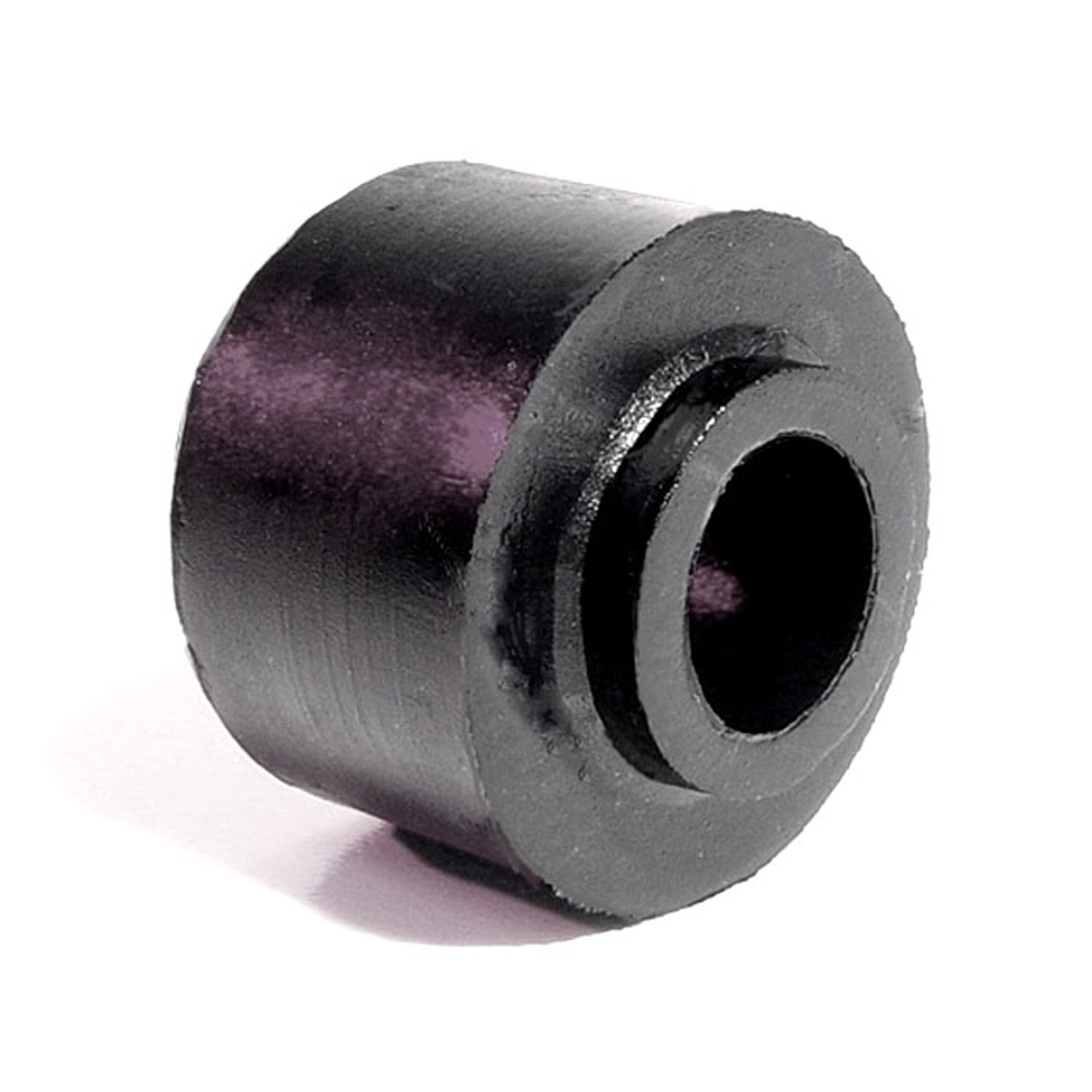 1957 Austin Healey 100-6 Shock Absorber Grommet. 1" bottom O.D., 3/4" high-BN 1Shock Absorber Grommet. 1" bottom O.D., 3/4" high., with 7/16" I.D. Each
 1957 Austin Healey 100-6 Lower 'A' Arm Bushing. Made with metal sleeve-BN 23-CLower 'A' Arm Bushing. Made with metal sleeve. Eight used per car. 1-5/16" upper O.D.. 1" lower O.D., 5/8" I.D. X 15/16" high. Each
 1957 Austin Healey 100-6 Clutch and Brake Pedal Pads. 1-1/2" wide X 3-3/8" long-CB 56Clutch and Brake Pedal Pads. 1-1/2" wide X 3-3/8" long. Pair
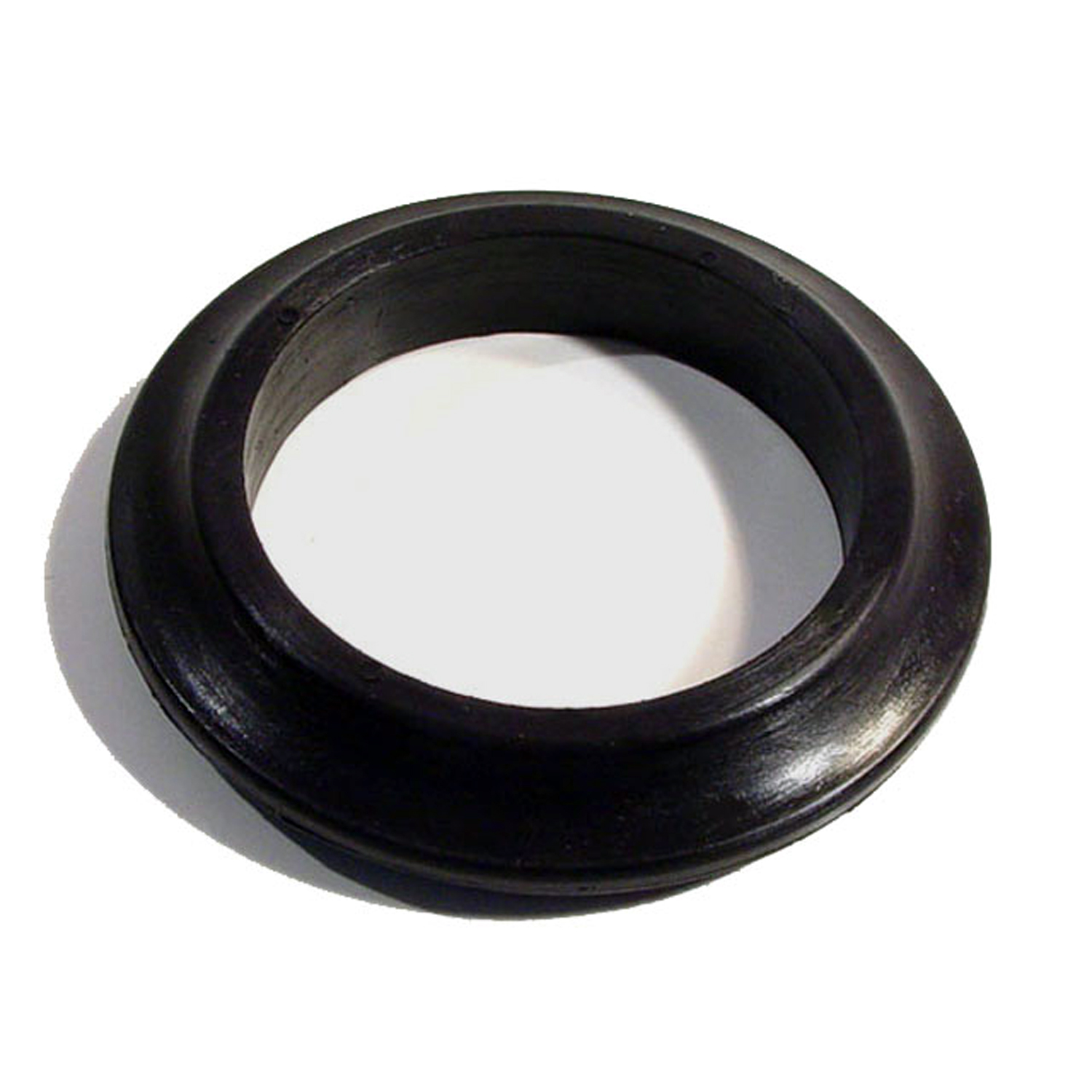 1957 Austin Healey 100-6 Gas Filler Grommet. 2-1/4" I.D., 3-5/16" O.D. Each-GF 21Gas Filler Grommet. 2-1/4" I.D., 3-5/16" O.D. Each
 1957 Austin Healey 100-6 Headlight Ring Seal. 8-1/4" O.D., 6-3/8" I.D. Pair-HR 3Headlight Ring Seal. 8-1/4" O.D., 6-3/8" I.D. Pair
 1957 Austin Healey 100-6 Windshield Post Pads. 2-1/4" wide X 5" long. Pair R&L-MP 111-AWindshield Post Pads. 2-1/4" wide X 5" long. Pair R&L
 1957 Austin Healey 100-6 Tail-light Pads. 2-7/8" wide X 4" long. Pair R&L-MP 111-BTail-light Pads. 2-7/8" wide X 4" long. Pair R&L
 1957 Austin Healey 100-6 Trunk Hinge Pads. 1-1/4" wide X 8-5/8" long. Set-MP 111-CTrunk Hinge Pads. 1-1/4" wide X 8-5/8" long. Set
 1957 Austin Healey 100-6 Dash Mirror Base Pad. 7/8" wide X 2-1/2" long. Each-MP 111-DDash Mirror Base Pad. 7/8" wide X 2-1/2" long. Each
 1957 Austin Healey 100-6 Trunk Handle Pad. 1-5/8" wide X 5-3/4" long. Each-MP 111-TTrunk Handle Pad. 1-5/8" wide X 5-3/4" long. Each
 1957 Austin Healey 100-6 Windshield Wiper Transmission Pad-MP 111-WWindshield Wiper Transmission Pad. 1-1/8" wide X 1-1/2" long. Each
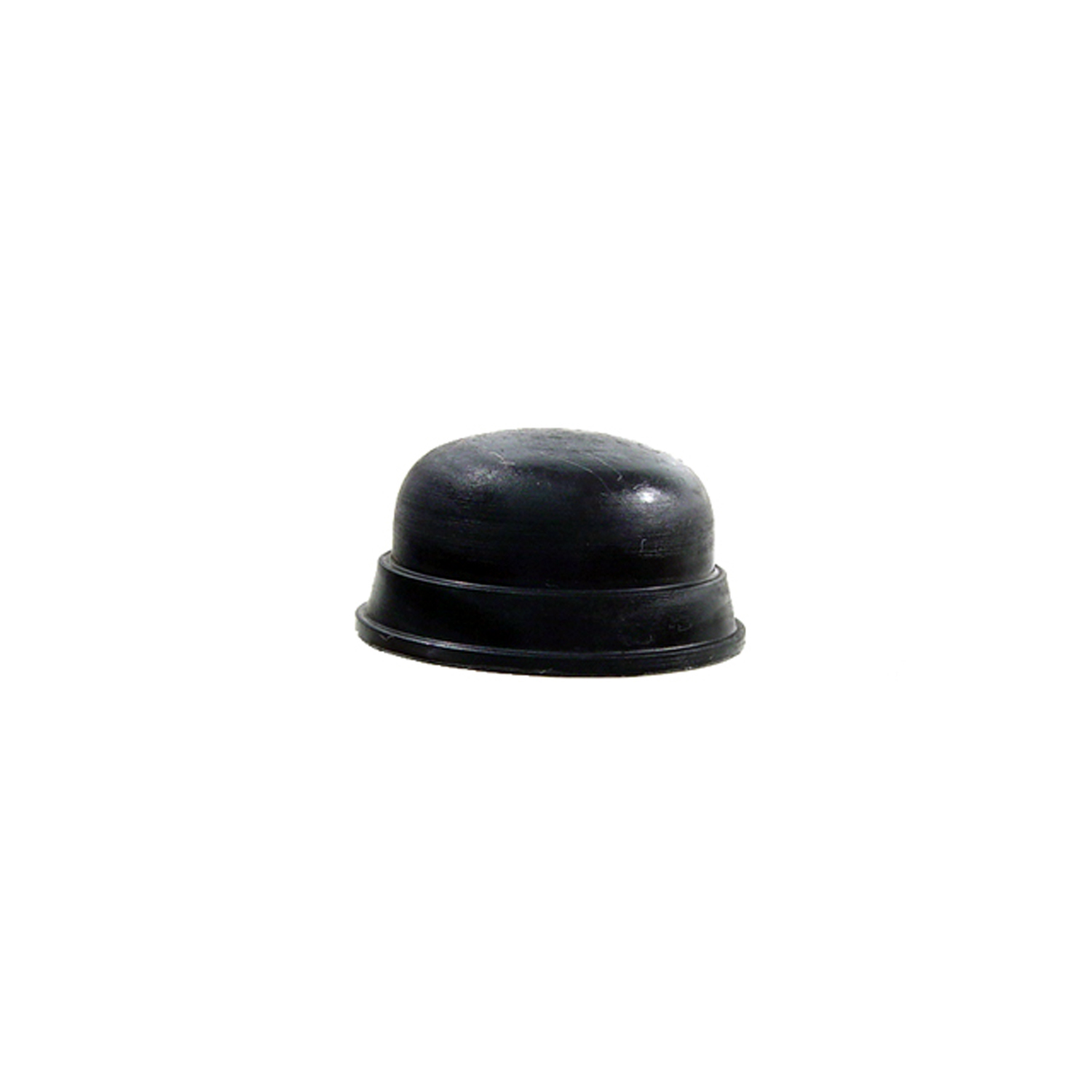 1957 Austin Healey 100-6 Starter Solenoid Button Cover. Perfect reproduction. Each-RP 1Starter Solenoid Button Cover. Perfect reproduction. Each
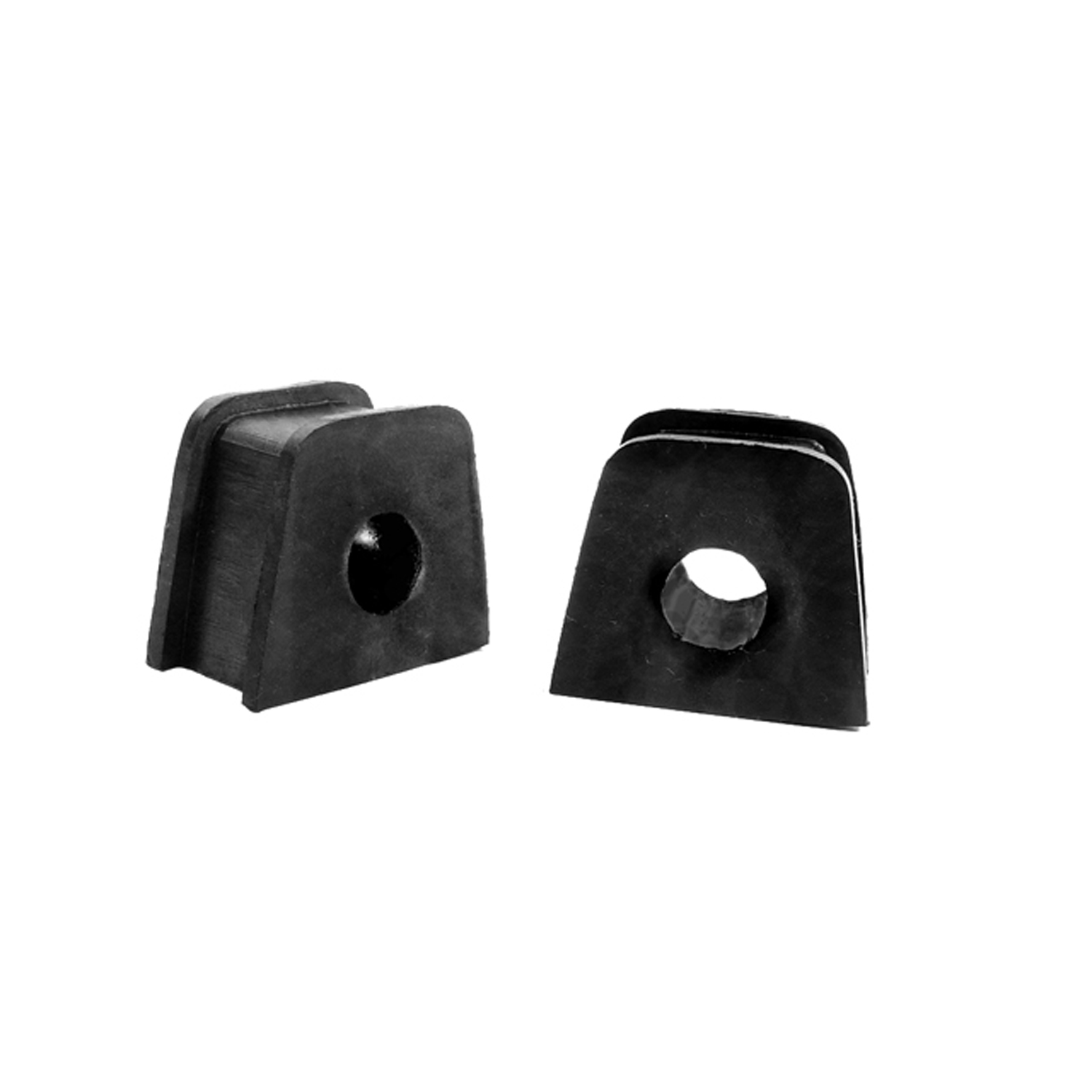 1957 Austin Healey 100-6 Stabilizer Bar Bushings. 1-1/2" high, 3/16" I.D. Pair-RP 22Stabilizer Bar Bushings. 1-1/2" high, 3/16" I.D. Pair
 1957 Austin Healey 100-6 Gas Tank to Trunk Seal & Cushion-RP 25-CGas Tank to Trunk Seal & Cushion. For 6-cylinder models only, does not work on 4-cylinder models. Made of quality black sponge. 19" X 8-1/4" X 1/2". Each
Why Choose Metro?
For over 100 years, Metro Moulded Parts has been the pinnacle of quality in classic car restoration parts. Our commitment to precision and authenticity in every component ensures a perfect fit and an OEM-level appearance.
- Expert Craftsmanship & Quality: Each part is a testament to our dedication to reliability and perfection, crafted from original designs and thoroughly tested.
- Advanced Technology: We use cutting-edge techniques to create flawless, long-lasting parts that surpass others in performance.
- SuperSoft Sponge – The Ultimate Door Seal: Not only are our door seals 30% softer than competitors', but they're also guaranteed to never leak. They effectively reduce wind and road noise, enhancing your classic car's comfort and driving experience.
- Proudly American: Our parts are a product of American craftsmanship, made in the USA with a spirit of excellence and heritage.
- Unrivaled Warranty: We back our products with a 30-year industry-leading warranty, a testament to our confidence in their quality.
Join us in preserving the legacy of classic cars with parts that are crafted for perfection, not just made.