

Image of 1959 Austin Healey 100-6, Note: These illustrations use artistic license and may differ from actual historical models.
Performance Metrics
Fundamental Metrics
Emotional Appeal
MMP Rating
| Engine Specifications | |
|---|---|
| Engine: | Inline 6 |
| Displacement: | 2.6 L (2639 cc) |
| Horsepower: | 117 hp at 4750 rpm |
| Torque: | 149 lb-ft at 3000 rpm |
| Compression Ratio: | 8.6:1 |
| Ignition System: | Lucas ignition system |
| Cooling System: | Liquid cooled |
| Performance Specifications | |
| 0-60 Time: | 10.7 seconds |
| 1/4 Mile Time: | 17.8 seconds |
| Top Speed: | 103 mph |
| Transmission and Drive | |
| Drive Type: | Rear wheel drive |
| Transmission Type: | 4-speed manual with overdrive |
| Fuel and Efficiency | |
| Fuel System Type: | Twin SU carburetors |
| MPG: | 20-25 mpg |
| Dimensions and Brakes | |
| Brakes: | Front disc brakes and rear drum brakes |
| Wheelbase: | 92 inches |
| Weight: | 2380 lbs |
Note: Specifications for classic cars are given to the best of our ability, considering the limited and variant data available.
1959 Austin-Healey 100-6: The Big Healey Finds Its Rhythm
The 1959 Austin-Healey 100-6 is a British roadster with the long bonnet, purposeful stance, and six-cylinder soundtrack that made the Big Healey a sports-car legend. Built by the British Motor Corporation under the Austin-Healey name, it followed the four-cylinder Austin-Healey 100 and brought a smoother, more flexible engine to Donald Healey’s increasingly famous design. One intriguing twist: the 100-6 was already nearing the end of its run in 1959, when the more powerful Austin-Healey 3000 arrived, making this final-year model a bridge between two major chapters of the marque’s history.
The 100-6 was introduced in 1956. Its name reflected its six-cylinder engine and the 100 mph performance the original Healey 100 had made part of the brand’s identity. For 1959, buyers could choose between the four-seat BN4 and the rarer two-seat BN6. Both combined open-air motoring with the muscular character that would define the Big Healey family.
Long Bonnet, Classic Roadster Shape
The Austin-Healey 100-6 looks every inch a postwar British sports car. Its low nose, wide oval grille, sculpted front wings, and long bonnet give it a purposeful profile, while the bonnet scoop adds a hint of competition intent. The short rear deck keeps the design compact and balanced. Details such as the wire wheels, brightwork, and simple bumpers lend the car an elegant finish without softening its athletic character.
Inside, the 100-6 is straightforward and driver-focused. The cabin features a large steering wheel, clear instruments, and a prominent gear lever. Leather seating and traditional trim give the interior a handcrafted feel, though the presentation is more practical than luxurious. The BN4’s rear seats are best suited to children or occasional short trips, while the BN6 trades them for a roomier two-seat layout and extra luggage space.
Unlike some earlier open sports cars, the 100-6 offered wind-up side windows, making it more usable in changeable weather. A folding soft top and removable side screens provided additional protection. The four-speed manual gearbox could be paired with Laycock de Normanville overdrive, a useful option for relaxed cruising at higher speeds. Period paint choices varied by market and production year. Popular combinations included Healey Blue, Colorado Red, Old English White, and British Racing Green, sometimes paired with contrasting trim or body details.
BN4 or BN6: Two Ways to Go Touring
The BN4 is the four-seat roadster and the most familiar 100-6 body style. Its occasional rear seats make it a practical choice for owners who want the classic Healey shape with a little extra flexibility. The BN6, introduced in 1958, is a strict two-seater with a longer luggage area behind the seats. Its cleaner cabin layout and lower production numbers have made it especially appealing to collectors.
Both versions use the same basic chassis and mechanical package. The main choice is about how the car will be used: the BN4 offers occasional extra seating, while the BN6 focuses on two-person touring. Neither is a fixed-roof coupe. The open roadster configuration is the defining and most iconic form of the 100-6.
Why the Austin-Healey 100-6 Matters
The 100-6 marked an important change in the Healey formula. Its 2,639 cc inline-six replaced the original 100’s four-cylinder engine, giving the car a smoother power delivery and a more refined character. Early versions were criticized for feeling less forceful than the four-cylinder car, so BMC revised the engine during production. The improved version, fitted to later cars such as the 1959 model, produced approximately 117 bhp.
That combination of a relatively simple chassis, torquey engine, and usable roadster body helped establish the template for the larger-engined Austin-Healey 3000 that followed. The 100-6 was not a radical design reset, but it was a key development: it kept the Big Healey’s sporting identity while making it more suited to fast touring. Its distinctive proportions and mechanical layout also helped cement the image of the muscular British roadster that remains popular with enthusiasts today.
Compared with many small sports cars of its era, the Healey offered more presence and a more substantial engine. It was not as delicate or light on its feet as some rivals, but it delivered a satisfying blend of open-air excitement and long-distance ability. That balance, rather than any single technical breakthrough, is central to its lasting appeal.
Six-Cylinder Performance and Road Manners
The 1959 Austin-Healey 100-6 pairs its 2.6-liter inline-six with a four-speed manual transmission. Period figures and modern test estimates vary with tune, gearing, and vehicle condition, but a healthy example can reach roughly 100 to 103 mph. Acceleration from 0 to 60 mph is typically in the neighborhood of 10 to 11 seconds. Those numbers made the car genuinely brisk for its time, particularly as a comfortable open roadster rather than a stripped-out racer.
Its front suspension uses independent coil springs, while a live rear axle and leaf springs handle the back end. The setup feels firm and direct, with the car responding well on winding roads when driven smoothly. The steering is unassisted, so parking and low-speed maneuvering require more effort than in a modern car. On rough pavement, the ride can feel busy, and the rear axle may react sharply to larger bumps. A sound chassis, correctly set-up suspension, and properly sized tires make a noticeable difference.
On a spirited drive, the six-cylinder engine is the star. It pulls with a rounded, muscular note and feels happiest building speed through the gears rather than being rushed. The long bonnet and low seating position make the driver feel close to the road, while the manual gearbox keeps the experience hands-on. With the top down, the engine’s induction and exhaust sounds become part of the drive. It is engaging and physical, not quiet or effortless by modern standards.
Living with a Big Healey
A 1959 Austin-Healey 100-6 can serve as a weekend tourer, a show car, or a vintage-event entrant. Its weather equipment and wind-up windows make it more accommodating than a basic open sports car, though most owners treat it as a special-use vehicle rather than a daily commuter. Modern traffic, limited crash protection, and the physical effort involved in driving an older car all call for a little patience.
Mechanical access is generally good, and the car’s straightforward construction is one reason it remains popular with classic-car enthusiasts. Owners with ordinary mechanical skills can handle routine jobs such as servicing, basic electrical work, and many bolt-on repairs. Parts support is strong through specialist suppliers and owners’ clubs. That said, a restoration or major engine rebuild is a substantial undertaking, and poor-quality repairs can quickly become expensive.
Before buying, inspect the chassis and body carefully for corrosion, previous accident damage, and evidence of rushed restoration. Check the engine for oil pressure, overheating, and smoke, and assess the gearbox, overdrive, brakes, and electrical system during a proper road test. A well-maintained car is rewarding; a neglected one can demand significant time and money.
Rally Roots, Rarity, and Common Complaints
The 100-6 carried the Austin-Healey name into international competition. Healeys were campaigned in rallying and endurance events, including the Sebring race meeting in Florida, and the model’s sturdy character suited demanding long-distance use. Competition versions were substantially prepared, so an ordinary road car should not be confused with a factory or works racing machine.
Production figures commonly cited for the 100-6 are about 10,030 BN4s and 2,715 BN6s, or roughly 12,745 cars combined. Figures can differ slightly between reference sources, but the broad picture is clear: the four-seat BN4 is more common, while the two-seat BN6 is comparatively scarce. There is no widely recognized production-car speed record associated with the model, but its roughly 100 mph capability was an impressive part of its appeal when new.
Common criticisms include heavy steering at low speeds, a firm ride, limited rear-seat usefulness in the BN4, and weather protection that falls short of a closed car. Original electrical systems and aging rubber components can also cause frustration if maintenance has been neglected. These are familiar classic-car compromises, not reasons to dismiss the Healey, but they are worth understanding before buying.
1959 Austin-Healey 100-6 Values
Collector values depend heavily on condition, originality, restoration quality, and body style. As a broad U.S. market guide, a project car may fall around $20,000 to $35,000, while a usable driver often lands in the $35,000 to $60,000 range. Well-restored examples commonly bring about $60,000 to $90,000, and exceptional, highly original, or concours-quality cars can exceed $100,000. The rarer BN6 often commands a premium over a comparable BN4.
These are estimates rather than fixed prices: provenance, matching numbers, documentation, and the quality of any restoration can move a car outside the ranges above. Overall, sound examples have shown durable collector interest, with the BN6’s scarcity supporting its appeal. As with most classic sports cars, condition and correctness matter more than simply finding a car advertised as “restored.”
A Distinctive Chapter in the Big Healey Story
The 1959 Austin-Healey 100-6 brought together a handsome roadster body, a smooth six-cylinder engine, and a practical choice of two- or four-seat layouts. It was quick for its era, engaging on a winding road, and important in the transition from the original Healey 100 to the celebrated 3000. Its firm ride and unassisted steering are reminders of a different age of motoring, but they are also part of what makes the car feel so involving.
For collectors and drivers alike, the 100-6 is more than a stepping stone between famous models. It is a charismatic Big Healey in its own right, with a rare mix of touring comfort, sporting character, and unmistakable British style.
1959 Austin Healey 100-6 Catalog of Parts
 1959 Austin Healey 100-6 Accessory Floor Mat - 12"X17"-AC 29Accessory Floor Mat - made of high quality black rubber with molded original emblem. Also designed to be sewn into new carpets. 12"X17", Each
 1959 Austin Healey 100-6 Front and Rear Bumper Arm Grommets-BG 63Front and Rear Bumper Arm Grommets. 2-3/4" wide X 3-3/8" long, with 1-3/16" long inner slot. Pair
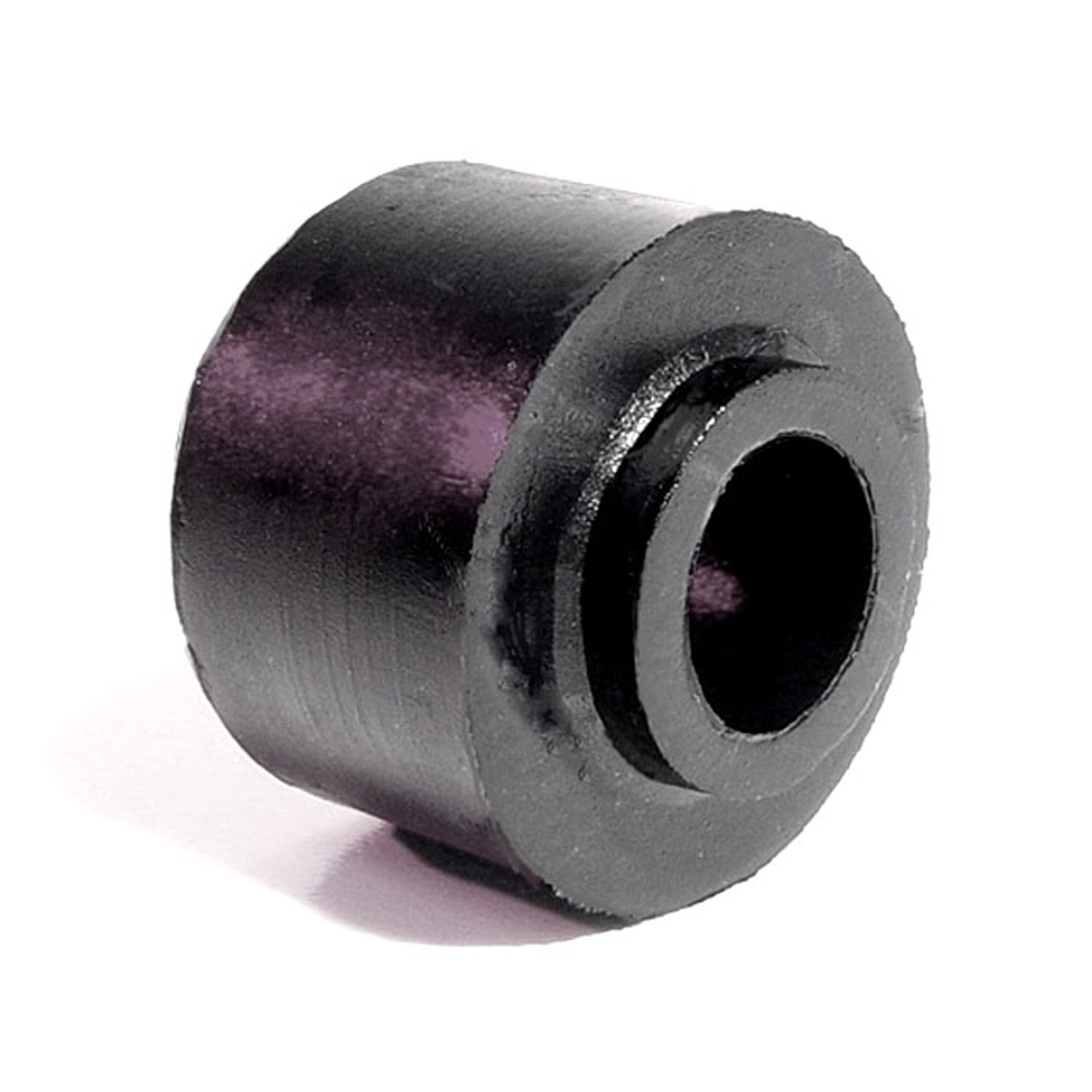 1959 Austin Healey 100-6 Shock Absorber Grommet. 1" bottom O.D., 3/4" high-BN 1Shock Absorber Grommet. 1" bottom O.D., 3/4" high., with 7/16" I.D. Each
 1959 Austin Healey 100-6 Lower 'A' Arm Bushing. Made with metal sleeve-BN 23-CLower 'A' Arm Bushing. Made with metal sleeve. Eight used per car. 1-5/16" upper O.D.. 1" lower O.D., 5/8" I.D. X 15/16" high. Each
 1959 Austin Healey 100-6 Clutch and Brake Pedal Pads. 1-1/2" wide X 3-3/8" long-CB 56Clutch and Brake Pedal Pads. 1-1/2" wide X 3-3/8" long. Pair
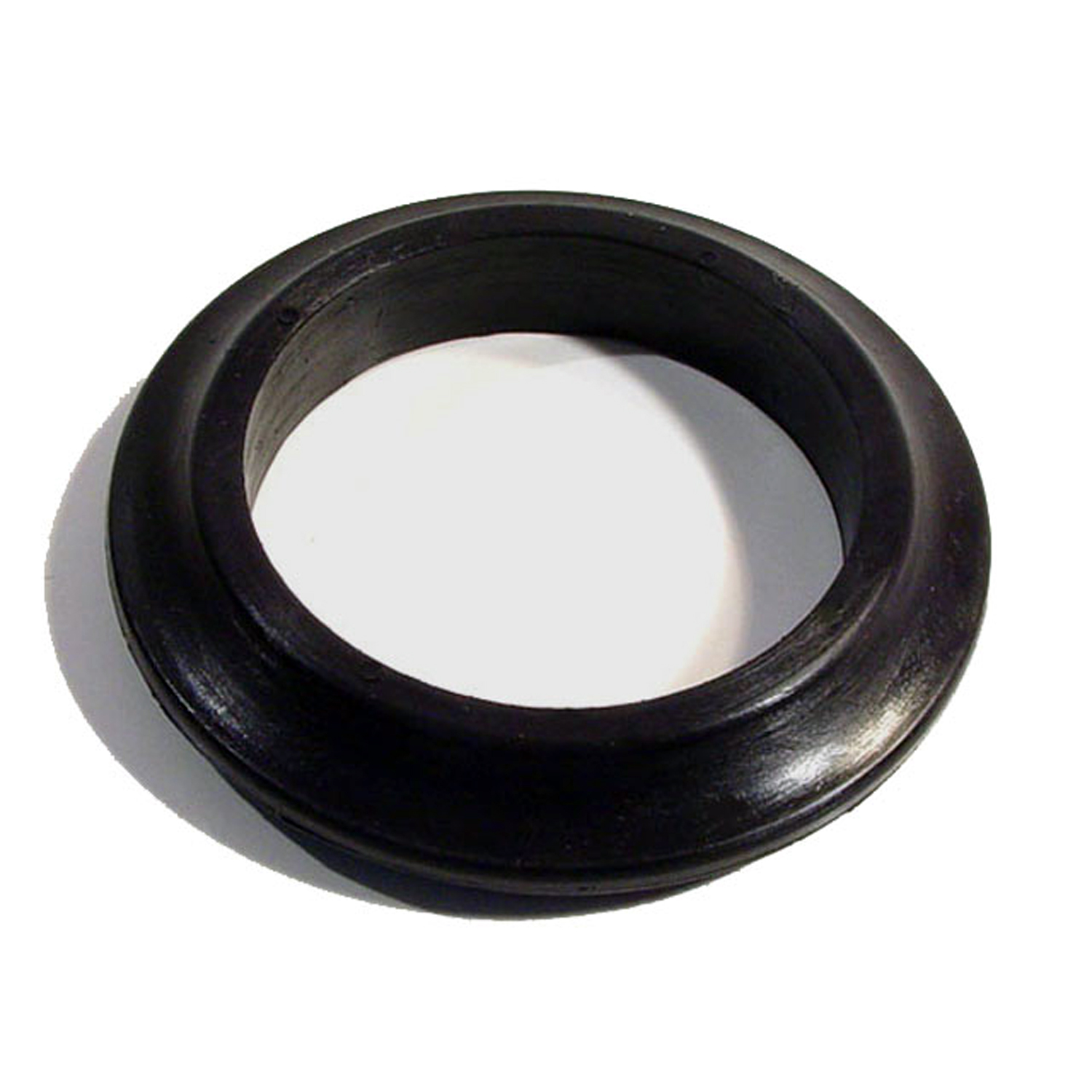 1959 Austin Healey 100-6 Gas Filler Grommet. 2-1/4" I.D., 3-5/16" O.D. Each-GF 21Gas Filler Grommet. 2-1/4" I.D., 3-5/16" O.D. Each
 1959 Austin Healey 100-6 Headlight Ring Seal. 8-1/4" O.D., 6-3/8" I.D. Pair-HR 3Headlight Ring Seal. 8-1/4" O.D., 6-3/8" I.D. Pair
 1959 Austin Healey 100-6 Windshield Post Pads. 2-1/4" wide X 5" long. Pair R&L-MP 111-AWindshield Post Pads. 2-1/4" wide X 5" long. Pair R&L
 1959 Austin Healey 100-6 Tail-light Pads. 2-7/8" wide X 4" long. Pair R&L-MP 111-BTail-light Pads. 2-7/8" wide X 4" long. Pair R&L
 1959 Austin Healey 100-6 Trunk Hinge Pads. 1-1/4" wide X 8-5/8" long. Set-MP 111-CTrunk Hinge Pads. 1-1/4" wide X 8-5/8" long. Set
 1959 Austin Healey 100-6 Dash Mirror Base Pad. 7/8" wide X 2-1/2" long. Each-MP 111-DDash Mirror Base Pad. 7/8" wide X 2-1/2" long. Each
 1959 Austin Healey 100-6 Trunk Handle Pad. 1-5/8" wide X 5-3/4" long. Each-MP 111-TTrunk Handle Pad. 1-5/8" wide X 5-3/4" long. Each
 1959 Austin Healey 100-6 Windshield Wiper Transmission Pad-MP 111-WWindshield Wiper Transmission Pad. 1-1/8" wide X 1-1/2" long. Each
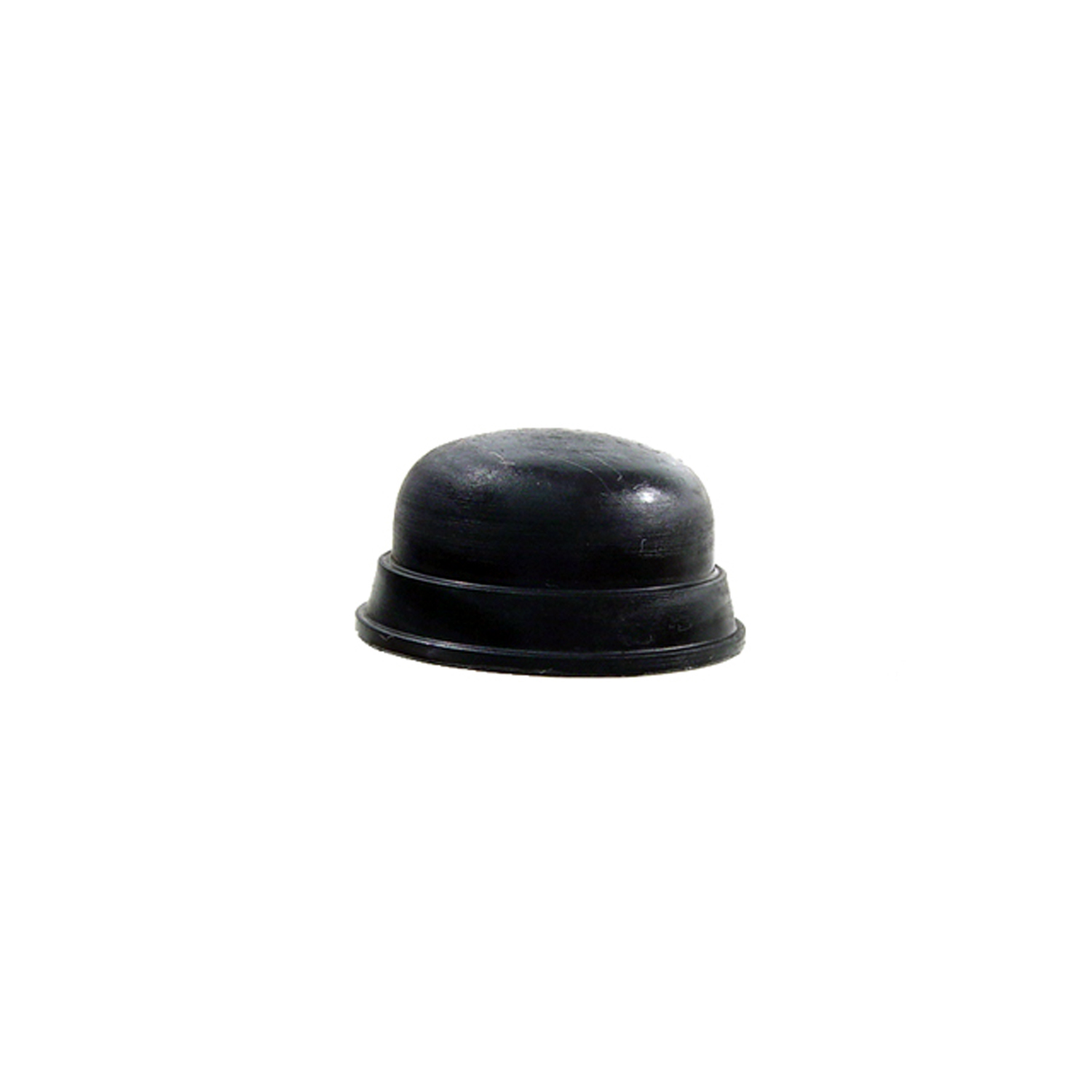 1959 Austin Healey 100-6 Starter Solenoid Button Cover. Perfect reproduction. Each-RP 1Starter Solenoid Button Cover. Perfect reproduction. Each
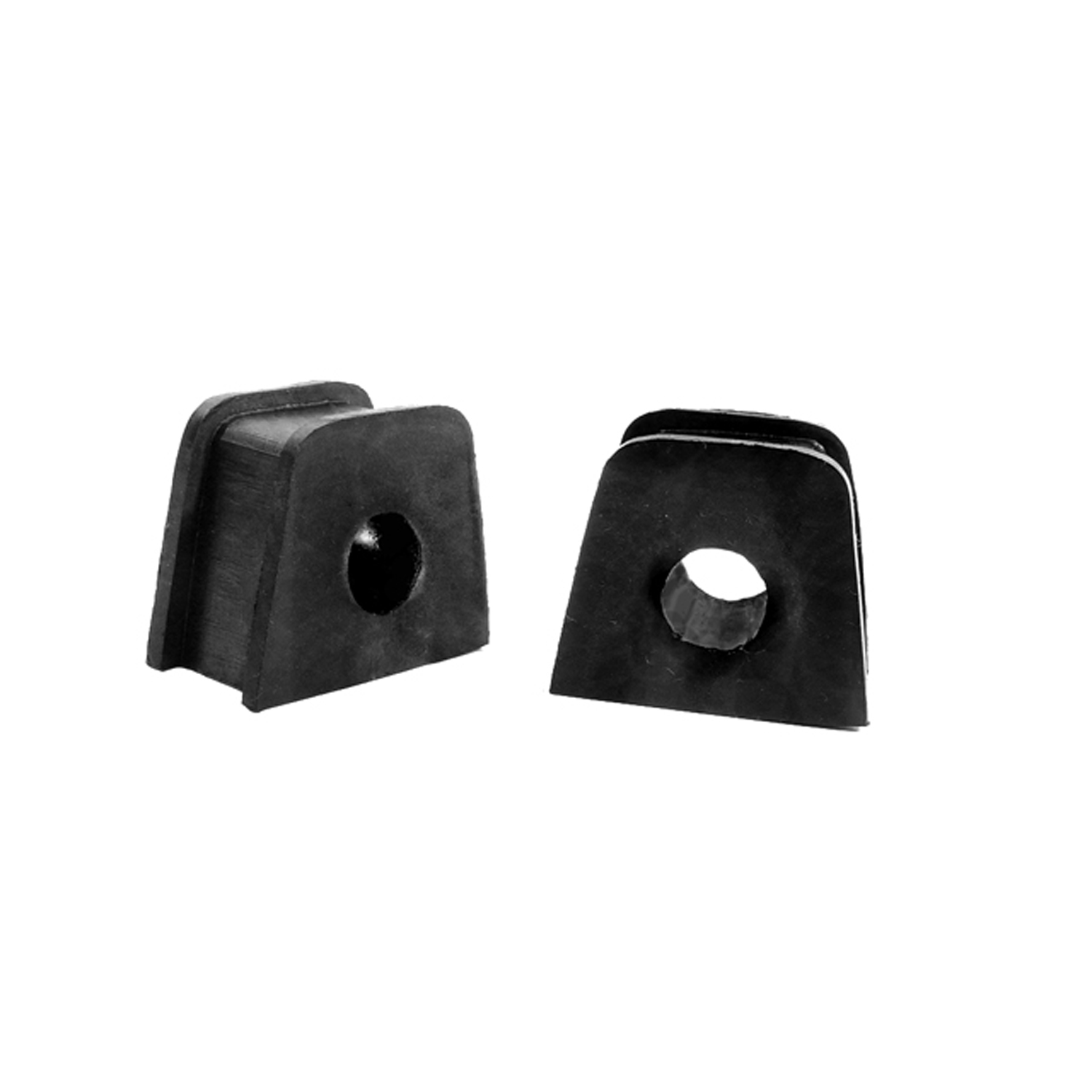 1959 Austin Healey 100-6 Stabilizer Bar Bushings. 1-1/2" high, 3/16" I.D. Pair-RP 22Stabilizer Bar Bushings. 1-1/2" high, 3/16" I.D. Pair
 1959 Austin Healey 100-6 Gas Tank to Trunk Seal & Cushion-RP 25-CGas Tank to Trunk Seal & Cushion. For 6-cylinder models only, does not work on 4-cylinder models. Made of quality black sponge. 19" X 8-1/4" X 1/2". Each
Why Choose Metro?
For over 100 years, Metro Moulded Parts has been the pinnacle of quality in classic car restoration parts. Our commitment to precision and authenticity in every component ensures a perfect fit and an OEM-level appearance.
- Expert Craftsmanship & Quality: Each part is a testament to our dedication to reliability and perfection, crafted from original designs and thoroughly tested.
- Advanced Technology: We use cutting-edge techniques to create flawless, long-lasting parts that surpass others in performance.
- SuperSoft Sponge – The Ultimate Door Seal: Not only are our door seals 30% softer than competitors', but they're also guaranteed to never leak. They effectively reduce wind and road noise, enhancing your classic car's comfort and driving experience.
- Proudly American: Our parts are a product of American craftsmanship, made in the USA with a spirit of excellence and heritage.
- Unrivaled Warranty: We back our products with a 30-year industry-leading warranty, a testament to our confidence in their quality.
Join us in preserving the legacy of classic cars with parts that are crafted for perfection, not just made.