

Image of 1947 Bentley Mk Vi, Note: These illustrations use artistic license and may differ from actual historical models.
Performance Metrics
Fundamental Metrics
Emotional Appeal
MMP Rating
| Engine Specifications | |
|---|---|
| Engine: | 4.3 L F-head I6 |
| Displacement: | 4257 cc |
| Horsepower: | 130 hp |
| Torque: | Not available |
| Compression Ratio: | Not available |
| Ignition System: | Coil ignition |
| Cooling System: | Water-cooled |
| Performance Specifications | |
| 0-60 Time: | Not available |
| 1/4 Mile Time: | Not available |
| Top Speed: | 100 mph |
| Transmission and Drive | |
| Drive Type: | Rear-wheel drive |
| Transmission Type: | 4-speed manual |
| Fuel and Efficiency | |
| Fuel System Type: | Twin SU carburetors |
| MPG: | Not available |
| Dimensions and Brakes | |
| Brakes: | Drum brakes |
| Wheelbase: | 120 inches |
| Weight: | 1850 kg |
Note: Specifications for classic cars are given to the best of our ability, considering the limited and variant data available.
1947 Bentley Mk VI: A Postwar Classic Takes Shape
The 1947 Bentley Mk VI brought a quietly radical idea to the postwar luxury-car market: a Bentley could arrive as a complete, factory-built saloon rather than as a chassis waiting for a coachbuilder to finish the job. Built by Rolls-Royce at Crewe, the Mk VI paired traditional Bentley craftsmanship with a new, more standardized approach to production.
The model had been introduced in 1946, as Britain was still coping with wartime shortages and rationing. Its arrival marked Bentley’s return to civilian car production and gave the company a fresh flagship for an era when prestige cars also had to demonstrate Britain’s ability to earn export revenue. The 1947 example belongs to the early 4.25-litre series, prized for its hand-finished cabin, smooth six-cylinder engine and unmistakably formal presence.
One intriguing distinction: the Mk VI was the first Bentley offered with a complete standard-steel saloon body built in substantial numbers. Buyers could still commission a bespoke body, but many could now order a finished Bentley directly from the factory.
Steel-Saloon Styling and Coachbuilt Alternatives
The standard Mk VI saloon is elegant without being showy. Its long bonnet leads to a tall, upright radiator grille, topped by the familiar Flying B mascot on many cars. Separate headlamps, gently rounded front wings, a high waistline and a formal roof give the car a dignified, prewar character. At the rear, the body is broad and substantial, with a boot shaped to suit the restrained lines rather than chase fashion.
The standard body was produced by Pressed Steel and finished at Crewe. It was a significant change from the labor-intensive coachbuilt bodies associated with earlier Bentleys, but it was not a mass-market shell in the modern sense. Fit, trim and finishing remained suitably luxurious, and the car’s proportions helped it retain the presence expected of the marque.
Inside, the Mk VI is all about traditional materials and careful detail. Depending on specification and later restoration, occupants may find leather upholstery, polished wood veneers, wool carpets, deep seats and a substantial wooden dashboard. The steering wheel, brightwork and instrument panel feel deliberately formal. A well-preserved cabin has the patina and aroma of an older luxury car, rather than the uniform finish of a modern production interior.
There was no single, tightly fixed paint palette in the way buyers might expect from a modern model range. Customers could choose from factory offerings and, in many cases, request individual colors and trim combinations. Dark greens, blues, maroons, blacks and restrained two-tone schemes suit the car particularly well, while coachbuilt examples could be finished to a customer’s personal taste.
For buyers seeking something less familiar than the standard saloon, Bentley supplied chassis to independent coachbuilders. Firms such as H.J. Mulliner and Park Ward created distinctive saloons, drophead coupés and other special bodies. The steel saloon is the most recognizable version, while coachbuilt cars are often the most individual and, depending on their maker and condition, the most collectible.
Engineering for Quiet, Confident Travel
The Mk VI’s 4,257 cc inline-six uses a distinctive F-head layout, with overhead inlet valves and side-mounted exhaust valves. The engine was designed for smooth, flexible power rather than high-revving drama. A four-speed manual gearbox sends power to the rear wheels, and the car’s mechanical character rewards steady, thoughtful inputs.
For its time, the Mk VI combined established Bentley engineering with a more modern package. It had independent front suspension using coil springs, while the rear used a live axle and semi-elliptic leaf springs. The braking system used drum brakes with servo assistance. These features helped make a large, weighty saloon more composed and manageable than its formal appearance might suggest.
The car was also a technological step in how Bentley built and sold its products. The standard steel body made a complete Bentley more repeatable to manufacture and easier to order, while retaining traditional hand finishing. It was not an inexpensive car, but it offered a new route into Bentley ownership for customers who did not require a bespoke body.
Why the Mk VI Mattered
The Mk VI helped define Bentley’s postwar identity. Before it, a buyer commonly purchased a rolling chassis and commissioned a separate coachbuilder. The factory-built saloon made the ownership process simpler and gave Bentley a more consistent model to produce and support.
That change mattered beyond the showroom. It reflected a broader shift in the luxury-car industry toward complete factory-built bodies, without abandoning the craftsmanship and customization that wealthy buyers expected. The Mk VI therefore sits between two worlds: the coachbuilt tradition of the prewar years and the increasingly integrated production methods of the later twentieth century.
Its combination of a smooth six-cylinder engine, substantial construction and understated styling also established a template for later Bentley saloons. The Mk VI did not invent the luxury sports saloon, but it reinforced the idea that a car could be both an elegant long-distance cruiser and a driver’s machine with sporting roots.
Performance and the Bentley Driving Feel
Published performance figures vary with body style, condition and test method, but a healthy standard Mk VI is generally associated with a top speed around 100 mph and a 0-to-60 mph time in the neighborhood of 15 seconds. Those numbers were respectable for a heavy luxury car of the period. Today, they describe a car capable of brisk touring, not modern traffic-light acceleration.
The engine’s appeal is its delivery. Rather than demanding high revs, it offers a smooth, measured pull that suits the car’s weight and long gearing. From the driver’s seat, the experience is less about speed and more about effortless progress: the engine settles into a quiet rhythm, the cabin filters much of the road noise, and the car feels happiest covering distance at a steady pace.
The suspension is comfortable over ordinary road imperfections, though a car of this age should not be expected to glide over every bump like a modern luxury saloon. On winding roads, the Mk VI feels stable and substantial, but its size, weight and body movement call for anticipation. Steering is not as light or precise as a contemporary car’s, and the driver must plan braking and cornering well in advance.
In crosswinds or on uneven roads, the car’s mass can be reassuring, but worn suspension, tired dampers or incorrect tires can quickly make it feel vague. A properly maintained example should feel composed rather than floaty. The best driving impression is one of calm authority: a big Bentley that prefers smooth, considered driving to hurried inputs.
Living with a 1947 Bentley
Most Mk VIs today are used for weekend touring, club events, concours displays and occasional special-occasion driving. A sound example can cover distance comfortably, but it is not usually a practical daily driver. Its size, fuel consumption, age and need for attentive maintenance make regular modern commuting a demanding assignment.
Maintenance is manageable for an experienced classic-car owner, but the Mk VI is not a low-cost project for someone expecting to do every repair with basic tools. Routine servicing is straightforward for a mechanic familiar with older British cars. More involved work, especially on the braking system, engine, transmission, electrical equipment or coachbuilt body, is best entrusted to a specialist.
Reliability depends heavily on upkeep and restoration quality. Many cars have had decades of repairs, and a shiny finish can conceal corrosion, poor structural work or mechanical wear. Before purchase, inspect the chassis and body carefully, check for overheating and oil-pressure concerns, assess the gearbox and clutch, and have the brakes examined by someone who understands the system. Fuel economy is modest by modern standards, often roughly in the 10-to-14-mpg range depending on use and condition.
Rare Details, Notable Context and Common Criticisms
The Mk VI’s most important distinction is also its most useful piece of trivia: it was Bentley’s first postwar model and its first standard-steel saloon. It was built during a period when British industry faced material shortages, and luxury-car exports were seen as an important way to bring money into the country. The car’s polished finish therefore represented more than comfort; it was also a showcase for British manufacturing.
Production totals depend on how sources classify body styles and chassis. A practical estimate is about 5,200 Mk VI cars overall between 1946 and 1952, with roughly 4,000 standard-steel saloons and the balance made up of coachbuilt cars. These figures cover the model’s full production run, not just 1947.
Common criticisms are much the same ones that apply to many large prewar-influenced luxury cars: substantial fuel use, modest acceleration by modern standards, heavy controls, drum brakes and the potential for expensive restoration work. The standard saloon is less rare than some bespoke-bodied Bentleys, so its value depends especially on condition, history and the quality of previous repairs.
Collector Values and Market Outlook
As a broad 2026 guide, a project Mk VI may fall around US$20,000 to US$40,000, while a presentable standard saloon in sound, usable condition may sell for roughly US$45,000 to US$90,000. Exceptional, highly original or concours-quality examples can exceed US$100,000. Coachbuilt cars vary widely: a desirable body style or celebrated coachbuilder can push prices into the US$60,000 to US$150,000-plus range, though condition and provenance remain decisive.
These are broad estimates rather than guaranteed values. Restoration bills can easily outweigh the difference between a merely attractive car and a truly excellent one, so buyers should compare recent sales of similar body styles and arrange a specialist inspection. Values have generally been driven more by condition, originality and coachbuilder than by model year alone. The Mk VI remains an important Bentley, but it is not automatically a fast-appreciating investment; careful ownership and realistic purchase pricing matter more than speculation.
Availability is reasonable for a classic Bentley of this age, particularly in standard-steel saloon form. Bespoke coachbuilt versions are less common, and the most distinctive examples may appear on the market only occasionally. A well-documented car with sound structure and a credible service history is usually a better find than one chosen solely for its color or asking price.
A Bentley Between Two Eras
The 1947 Bentley Mk VI brings together the stately proportions of the coachbuilt era and the practicality of a complete factory-built luxury car. Its smooth 4.25-litre six, carefully finished cabin and confident touring character made it a landmark in Bentley’s postwar story.
It is not the quickest or simplest classic to own, but that is hardly the point. The Mk VI represents the moment Bentley carried its craftsmanship into a new age of production, creating a car that feels both historically significant and genuinely rewarding on the open road.
1947 Bentley Mk Vi Catalog of Parts
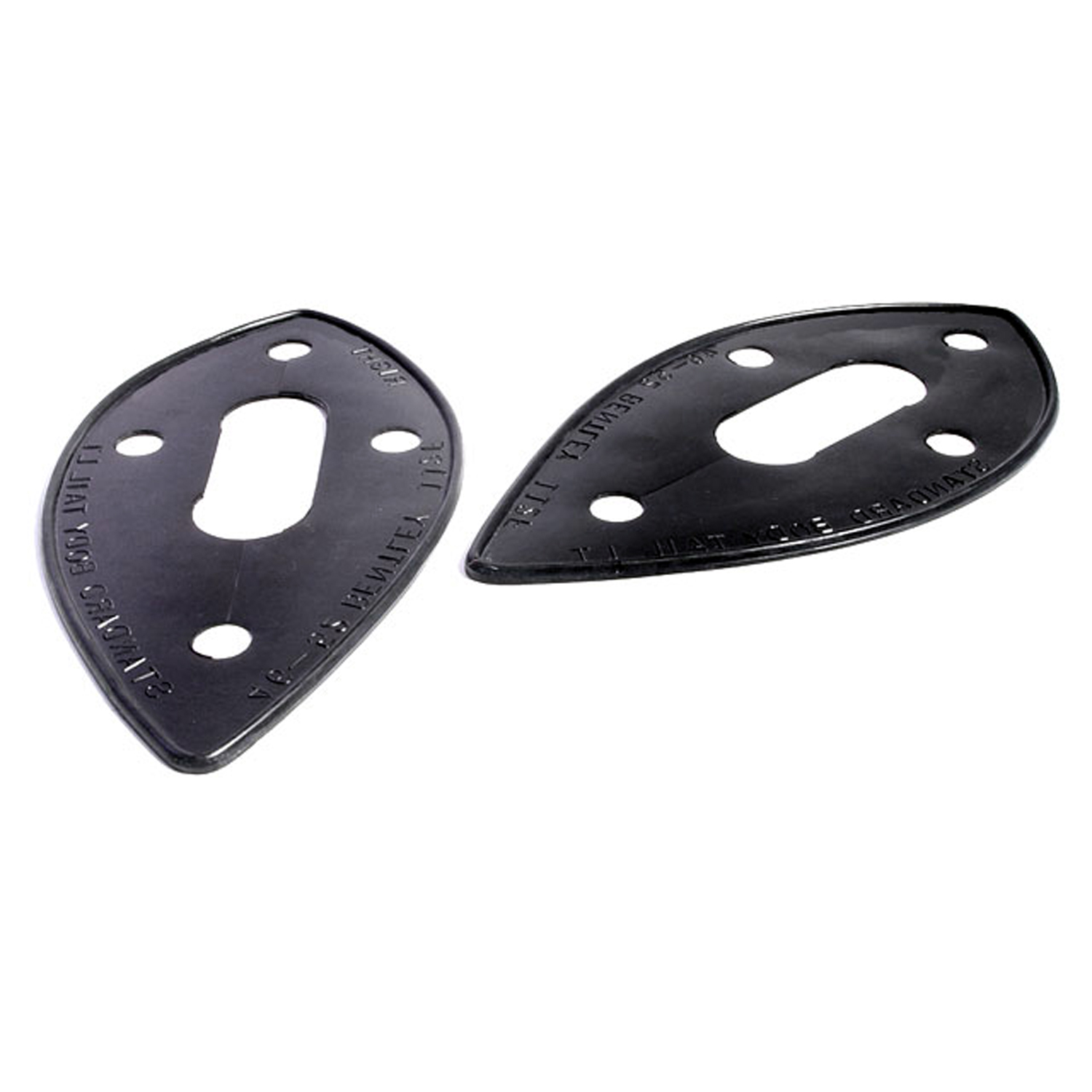 1947 Bentley Mk VI Standard Body Tail-light Pads. 3-7/8" wide X 7-3/8" long-MP 112-FStandard Body Tail-light Pads. 3-7/8" wide X 7-3/8" long. Pair R&L
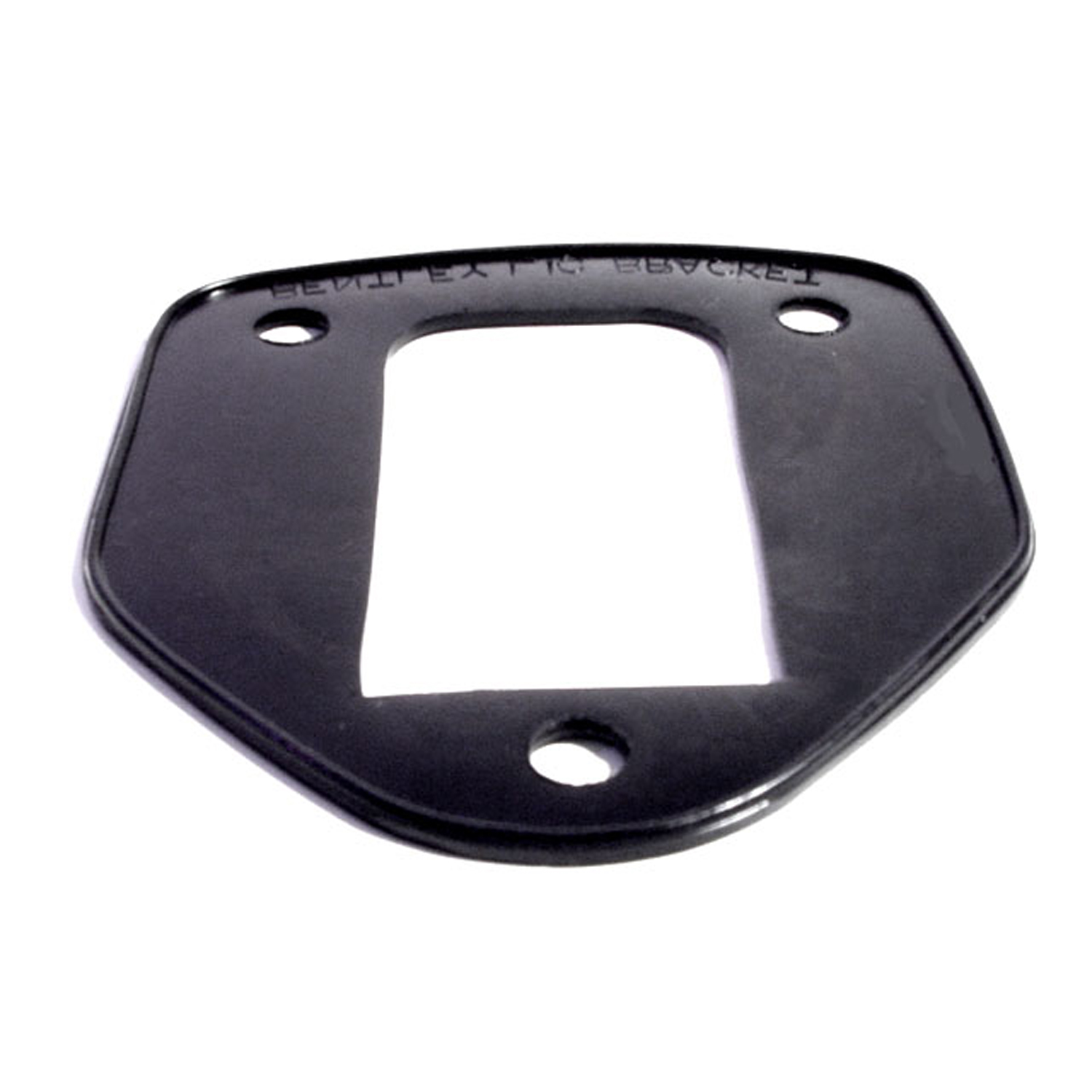 1947 Bentley Mk VI License Bracket Pad. 4-3/8" wide X 5" long. Each-MP 112-JLicense Bracket Pad. 4-3/8" wide X 5" long. Each
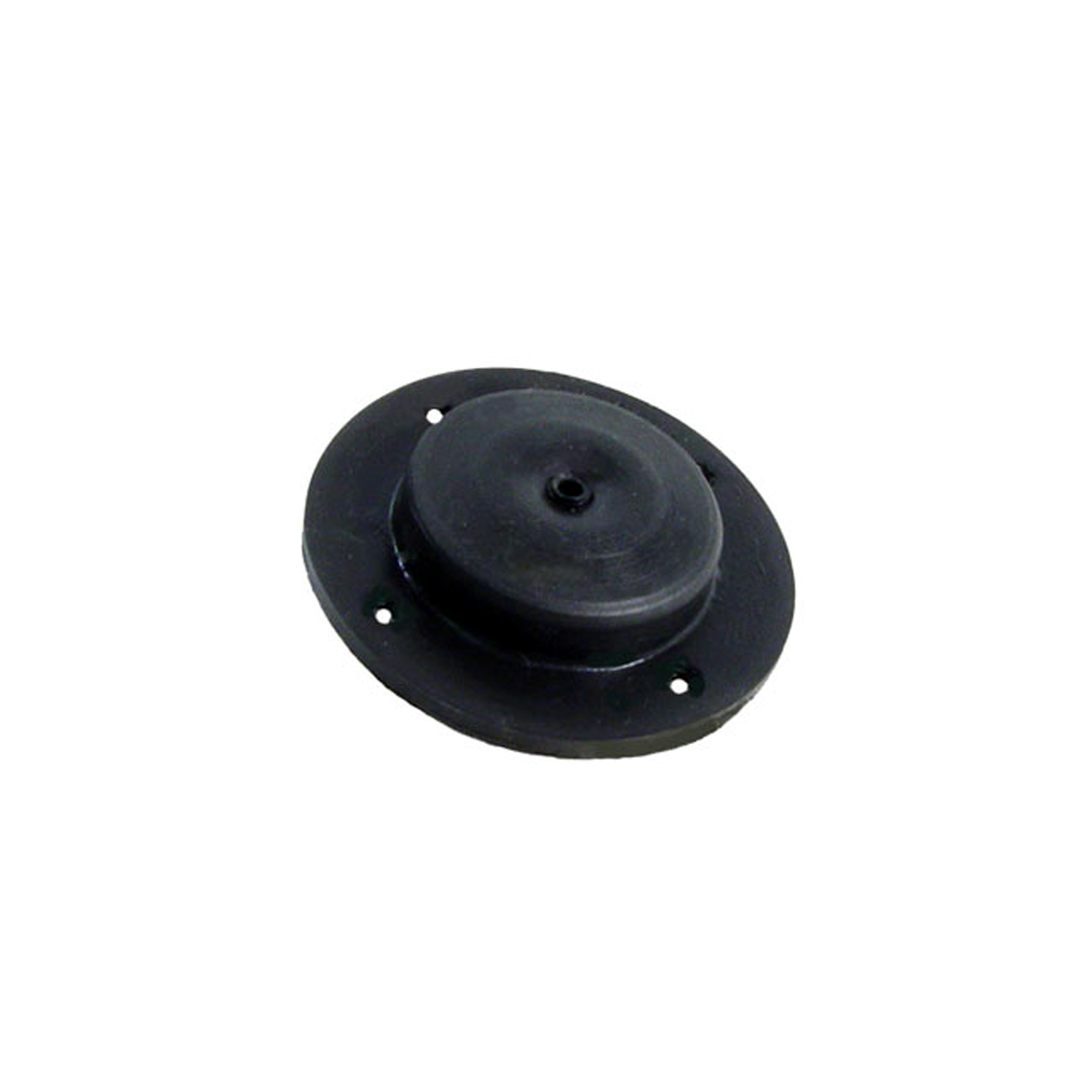 1947 Bentley Mk VI Thermo Tube through Dash Grommet. 2-3/8" O.D. Each-SM 70Thermo Tube through Dash Grommet. 2-3/8" O.D. Each
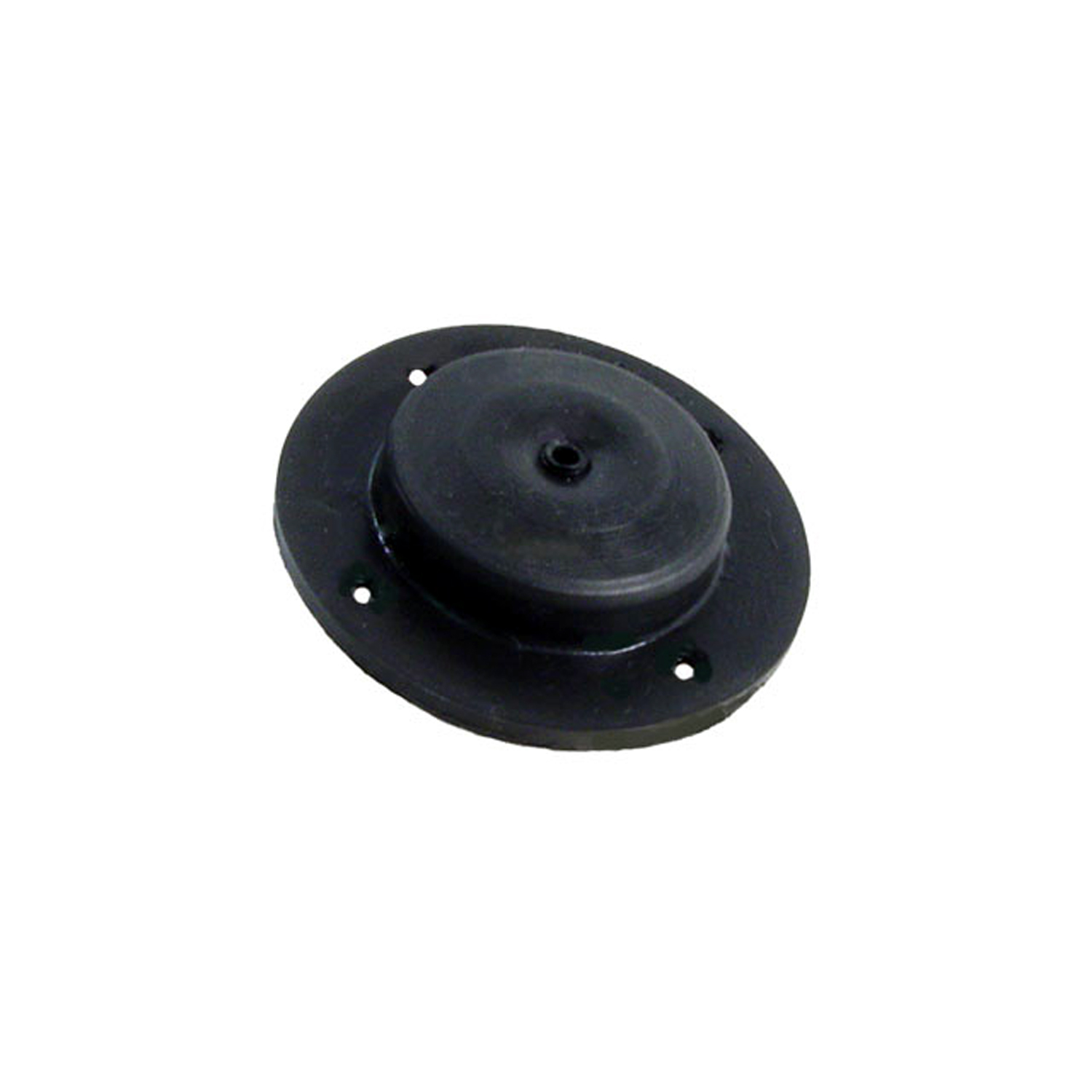 1947 Bentley Mk VI Speedometer Cable through Dash Grommet. 2-3/8" O.D. Each-SM 70-ASpeedometer Cable through Dash Grommet. 2-3/8" O.D. Each
Why Choose Metro?
For over 100 years, Metro Moulded Parts has been the pinnacle of quality in classic car restoration parts. Our commitment to precision and authenticity in every component ensures a perfect fit and an OEM-level appearance.
- Expert Craftsmanship & Quality: Each part is a testament to our dedication to reliability and perfection, crafted from original designs and thoroughly tested.
- Advanced Technology: We use cutting-edge techniques to create flawless, long-lasting parts that surpass others in performance.
- SuperSoft Sponge – The Ultimate Door Seal: Not only are our door seals 30% softer than competitors', but they're also guaranteed to never leak. They effectively reduce wind and road noise, enhancing your classic car's comfort and driving experience.
- Proudly American: Our parts are a product of American craftsmanship, made in the USA with a spirit of excellence and heritage.
- Unrivaled Warranty: We back our products with a 30-year industry-leading warranty, a testament to our confidence in their quality.
Join us in preserving the legacy of classic cars with parts that are crafted for perfection, not just made.