

Image of 1948 Bentley Mk Vi, Note: These illustrations use artistic license and may differ from actual historical models.
Performance Metrics
Fundamental Metrics
Emotional Appeal
MMP Rating
| Engine Specifications | |
|---|---|
| Engine Options: | 4.3 L F-head I6 |
| Displacement Range: | 4257 cc |
| Horsepower Range: | 130 hp |
| Torque: | Not specified for this model |
| Compression Ratio: | Not specified for this model |
| Ignition System: | Coil ignition |
| Cooling System: | Water-cooled |
| Performance Specifications | |
| 0-60 Time: | Not specified for this model |
| 1/4 Mile Time: | Not specified for this model |
| Top Speed: | 100 mph |
| Transmission and Drive | |
| Drive Type: | Rear-wheel drive |
| Transmission Type: | 4-speed manual |
| Fuel and Efficiency | |
| Fuel System Type: | Twin SU carburetors |
| MPG: | Not specified for this model |
| Dimensions and Brakes | |
| Brakes: | Drum brakes |
| Wheelbase: | 120 inches |
| Weight: | 1850 kg |
Note: Specifications for classic cars are given to the best of our ability, considering the limited and variant data available.
1948 Bentley Mk VI: The Postwar Bentley That Brought Craftsmanship to the Road
The 1948 Bentley Mk VI combined the quiet confidence of a hand-finished luxury car with a major change in how Bentleys were built. Introduced in 1946, it was the marque’s first postwar model and the first Bentley offered with a factory-built, all-steel body. That made it a landmark: customers could choose a complete Bentley saloon ready for the road, or buy a chassis and commission a coachbuilder to create something more individual.
Bentley Motors had been part of Rolls-Royce since 1931, and the Mk VI was produced at the company’s Crewe works, a former wartime aircraft-engine factory. The car carried the traditional Bentley emphasis on substantial engineering and long-distance comfort into a new era of more standardized production. One especially appealing detail is that the Mk VI was never limited to a single definition of luxury. Alongside its practical steel saloon, it could be ordered with a distinctive, custom-built body from a prestigious coachbuilder.
Steel Saloon, Bentley Presence
The standard Mk VI saloon has a formal, balanced shape. Its upright radiator grille and winged Bentley badge give the nose an unmistakable presence, while rounded front wings, flowing bonnet lines and separate rear wings keep the design rooted in prewar tradition. The body is tall and stately rather than sleek, but its proportions are remarkably cohesive. Polished brightwork and carefully shaped details provide decoration without making the car look showy.
For the period, the all-steel body was a significant practical step. Built by Pressed Steel and assembled at Crewe, it allowed Bentley to offer a complete car in greater numbers than a coachbuilt-only business could manage. The standard saloon is now the Mk VI silhouette most people recognize, though it is only part of the model’s story.
Inside, the cabin is a study in traditional materials. Depending on specification and condition, owners can expect deep-pile carpeting, leather upholstery, polished walnut veneers, substantial switchgear and a broad dashboard with clear, period instruments. Rear passengers were treated as seriously as the driver, with generous legroom and the sort of quiet, carefully finished environment expected of a luxury saloon. Coachbuilt examples could take this further with bespoke trim, unusual seating arrangements and personalized fittings.
Factory paint choices included restrained colors suited to the car’s dignified character, such as black, dark blue, grey, green and maroon. Many standard saloons wore dark shades, while coachbuilt cars could be finished in more individualized colors or combinations. Because coachwork and paint could be tailored to a customer’s wishes, there is no single color that defines every Mk VI.
Body Choices and Coachbuilt Cars
The best-known body style is the standard steel saloon, sometimes described as the Standard Steel Saloon. It is the most representative version of the Mk VI and the one most often encountered today. Buyers who wanted something rarer could purchase a rolling chassis and commission a body from firms such as Park Ward, H.J. Mulliner or James Young. These coachbuilders created saloons, drophead coupés and other bespoke interpretations, each with its own proportions and details.
Coachbuilt Mk VIs are especially interesting to collectors because the badge alone does not tell the whole story. The body’s maker, design, originality and documented history can all have a substantial effect on value. A well-preserved example by a recognized coachbuilder may be far rarer than a standard saloon, even if both began life on the same Bentley chassis.
Why the Mk VI Mattered
The Mk VI helped reshape Bentley’s postwar identity. Before it, buying a new Bentley often meant commissioning a separate coachbuilt body. The factory-built steel saloon made Bentley ownership more straightforward and helped establish a more repeatable production model without abandoning the marque’s standards of finish. It was not a mass-market car, but it did bring a complete, ready-to-drive Bentley within reach of more customers than a bespoke chassis alone.
Its engineering also reflected a careful balance between tradition and modernization. The Mk VI used independent front suspension, which helped improve comfort and control over uneven roads, alongside a robust rear axle and a strong chassis. The result was a car that felt substantial and composed rather than delicate. Its successor, the R-Type, continued the same general approach, while the famous R-Type Continental later demonstrated how Bentley’s large, refined saloon platform could also inspire a faster grand tourer.
The Mk VI’s impact was less about a single revolutionary gadget than the way it brought a complete, carefully engineered luxury car together. It helped define the postwar Bentley formula: quiet power, durable construction, a high-quality cabin and the ability to cover long distances in comfort.
4.25-Litre Performance and Road Manners
A 1948 Mk VI normally has Bentley’s 4,257 cc, or 4.25-litre, F-head straight-six. This layout used overhead inlet valves and side exhaust valves. Bentley did not emphasize official horsepower figures in the modern way, but period and later estimates commonly put output at around 130 bhp. Power was delivered through a four-speed manual gearbox, typically operated by a column-mounted gear lever, with synchromesh on the upper gears.
Performance depends on the car’s condition, gearing, body and load. A sound standard saloon can reach roughly 90 mph, with some examples capable of a little more in favorable circumstances. A 0-to-60 mph time in the neighborhood of 15 seconds is a reasonable estimate. Those figures are respectable for a large luxury car of the late 1940s, but the Mk VI is best appreciated for how smoothly it gathers speed rather than how quickly it launches.
On a rough road, the Mk VI’s independent front suspension helps take the edge off bumps, while its weight gives it a settled, reassuring feel. It is not a sports car, and a narrow, twisting road calls for measured steering inputs and an appreciation of the car’s size. On faster open roads, however, it feels at home. The steering is deliberate, the ride is composed, and the engine works with a muted, unhurried six-cylinder sound rather than a dramatic bark.
Driving one is a physical experience by modern standards. The column shift, large steering wheel and substantial controls ask the driver to participate, while the long bonnet makes the car feel imposing from behind the wheel. A properly maintained example should feel smooth and confident, not loose or strained. The pleasure comes from traveling quickly and comfortably with very little fuss.
Living with a 1948 Bentley
Most Mk VIs today are used for touring, club events, classic-car rallies and display, rather than everyday commuting. They can cover long distances well, but their age, fuel consumption, size and need for specialist attention make routine modern traffic less appealing. A carefully maintained car can still be driven regularly, though it rewards owners who understand that “usable classic” does not mean “maintenance-free.”
Routine servicing is manageable for an experienced owner with proper tools and workshop information. More involved work, including engine, gearbox, brake or coachwork repairs, is best entrusted to a mechanic familiar with Rolls-Royce and Bentley of the period. Parts and specialist knowledge remain available, but costs can be high. The body deserves particular attention: corrosion, old repairs and deterioration around structural areas can turn a seemingly attractive purchase into an expensive restoration.
Reliability depends heavily on maintenance and the quality of previous repairs. The straight-six is durable when correctly serviced, but neglect can become costly. Buyers should look for evidence of regular mechanical care, sound cooling and oiling systems, healthy brakes, and a body that has not merely been disguised with fresh paint.
Details Collectors Love, and Common Drawbacks
The Mk VI’s most notable distinction is also one of its best conversation starters: it offered customers a factory-built steel saloon while preserving the option of a bespoke coachbuilt body. The total production run is generally quoted at approximately 5,208 cars from 1946 to 1952, including roughly 4,000 standard steel saloons and about 1,200 chassis supplied for coachbuilt bodies. Exact production totals can vary slightly between references. That figure applies to the Mk VI as a model, not to 1948 cars alone.
There is no single celebrated speed or endurance record that defines the Mk VI. Its reputation rests instead on its role as a postwar flagship and on the quality of the cars that survive. Coachbuilt examples can be particularly uncommon, and an original body with clear provenance is a major attraction. The Mk VI also belongs to an important moment in British motoring history, when manufacturers were rebuilding production after wartime restrictions and wealthy customers were once again seeking high-quality touring cars.
The usual criticisms are practical ones. The car is heavy, thirsty by modern standards and not especially quick off the line. Its age means that electrical faults, worn suspension, tired trim and corrosion can all demand attention. Some drivers also find the column gearshift less intuitive than a floor-mounted lever. These are manageable shortcomings for an enthusiast, but they explain why purchase price alone is a poor guide to the cost of ownership.
Collector Value and Market Outlook
As a broad estimate, a standard steel Mk VI in usable but imperfect condition may sell for around US$25,000 to US$45,000. A well-maintained or professionally restored saloon can fall in the US$45,000 to US$80,000 range. Exceptional coachbuilt cars, rare body styles and examples with strong history can reach roughly US$100,000 to US$250,000 or more. These are general ranges rather than guaranteed prices; condition, originality, body style, provenance and location make a substantial difference.
The Mk VI is uncommon but not impossible to find. Its total production was much larger than that of many hand-built prewar Bentleys, yet the surviving cars are spread across international markets and vary greatly in specification and condition. Standard saloons tend to be more available than unusual coachbuilt versions.
Values have generally favored the best examples, especially rare coachbuilt cars with documented histories. More ordinary saloons have had a steadier market, and restoration costs can exceed the value of the finished car if a poor example is bought too cheaply. The strongest long-term prospects belong to cars that are both mechanically sound and historically well documented.
The Bentley That Bridged Two Eras
The 1948 Bentley Mk VI brought together an elegant postwar design, a capable 4.25-litre straight-six and the comfort expected of a luxury touring car. Its standard steel saloon marked an important shift toward factory-built production, while its coachbuilt alternatives preserved the individuality Bentley buyers prized.
It is not a modern performance car, nor does it pretend to be. The Mk VI’s appeal lies in its presence, craftsmanship and unhurried ability to make a long journey feel special. More than a handsome old Bentley, it is the car that helped carry the marque from bespoke prewar traditions into the modern postwar world.
1948 Bentley Mk Vi Catalog of Parts
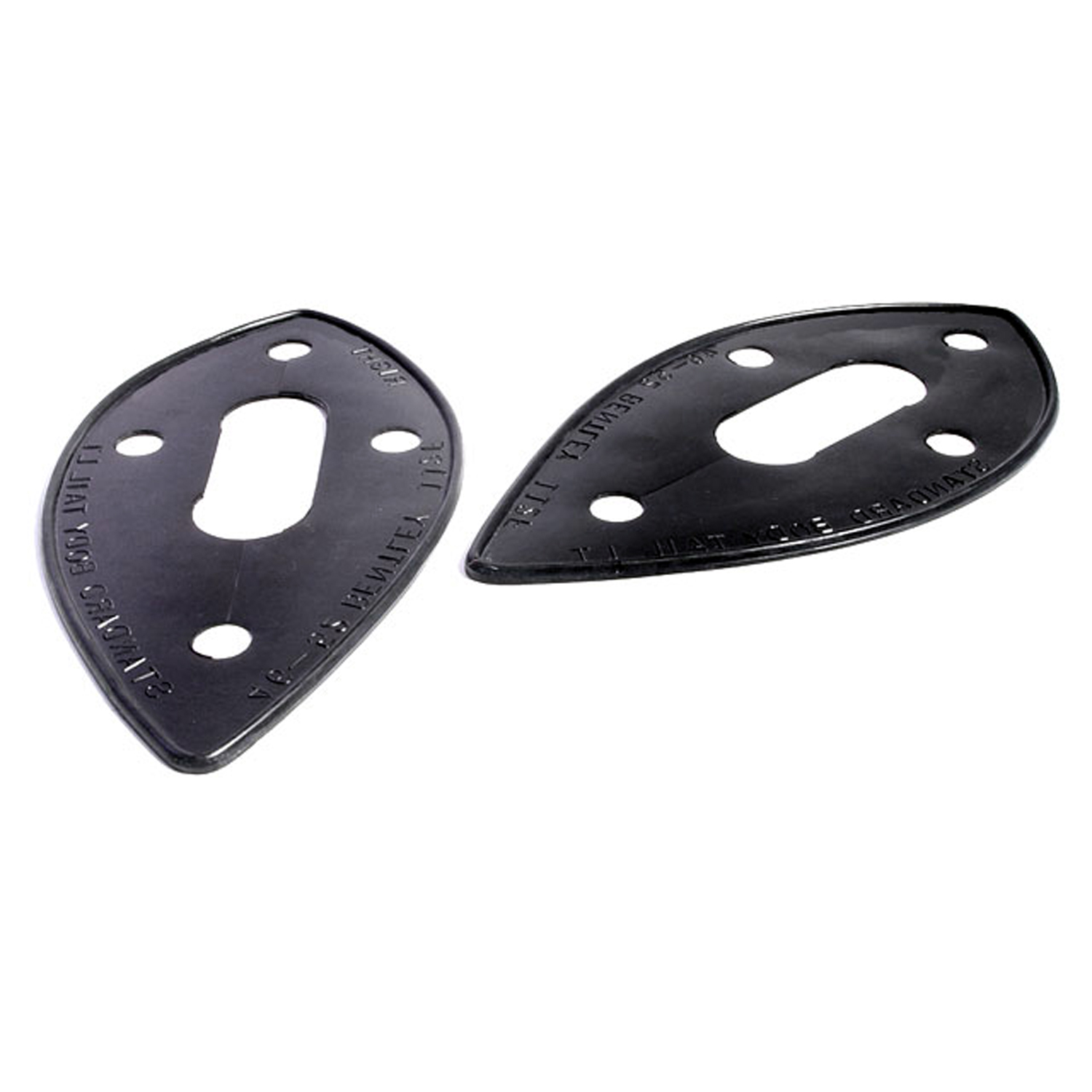 1948 Bentley Mk VI Standard Body Tail-light Pads. 3-7/8" wide X 7-3/8" long-MP 112-FStandard Body Tail-light Pads. 3-7/8" wide X 7-3/8" long. Pair R&L
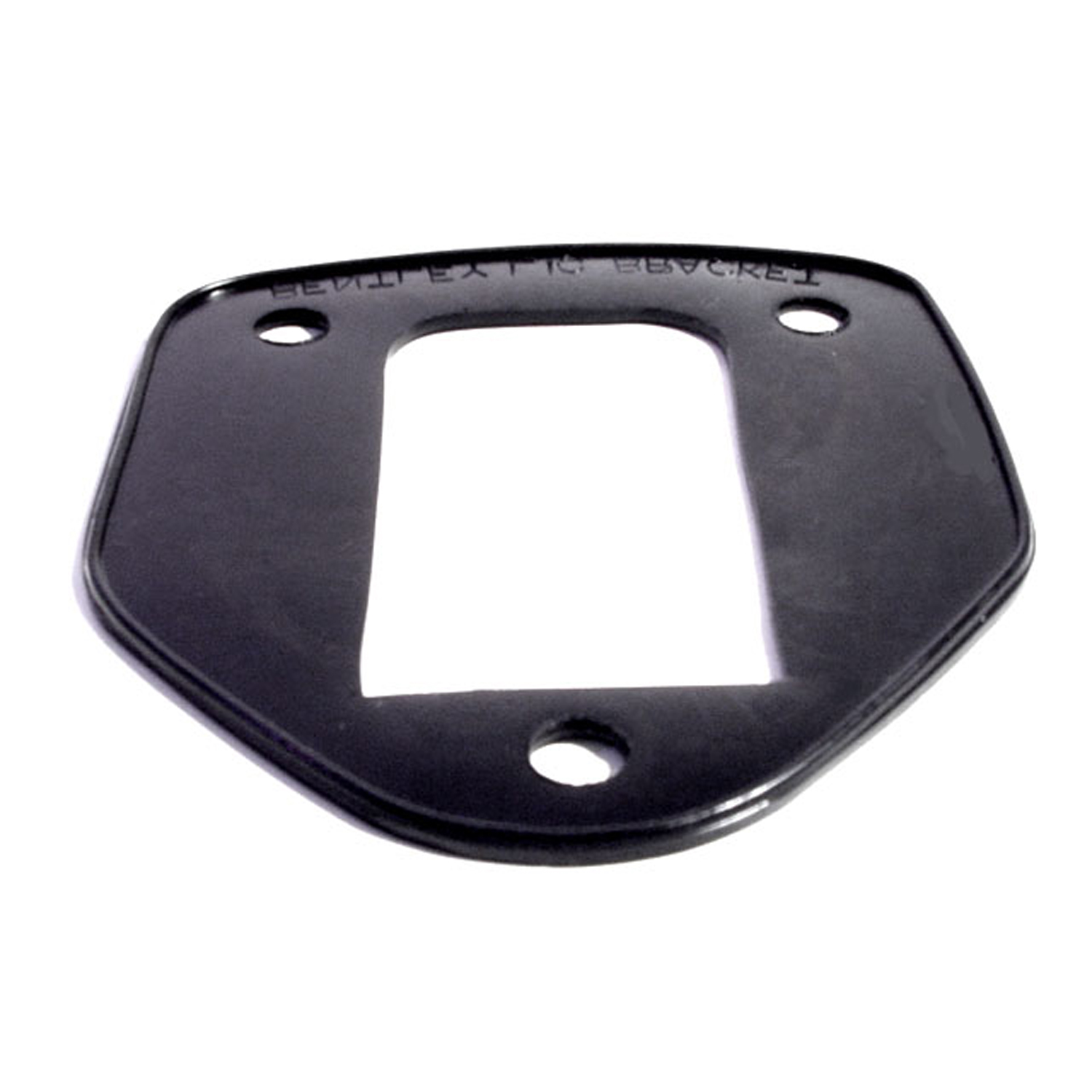 1948 Bentley Mk VI License Bracket Pad. 4-3/8" wide X 5" long. Each-MP 112-JLicense Bracket Pad. 4-3/8" wide X 5" long. Each
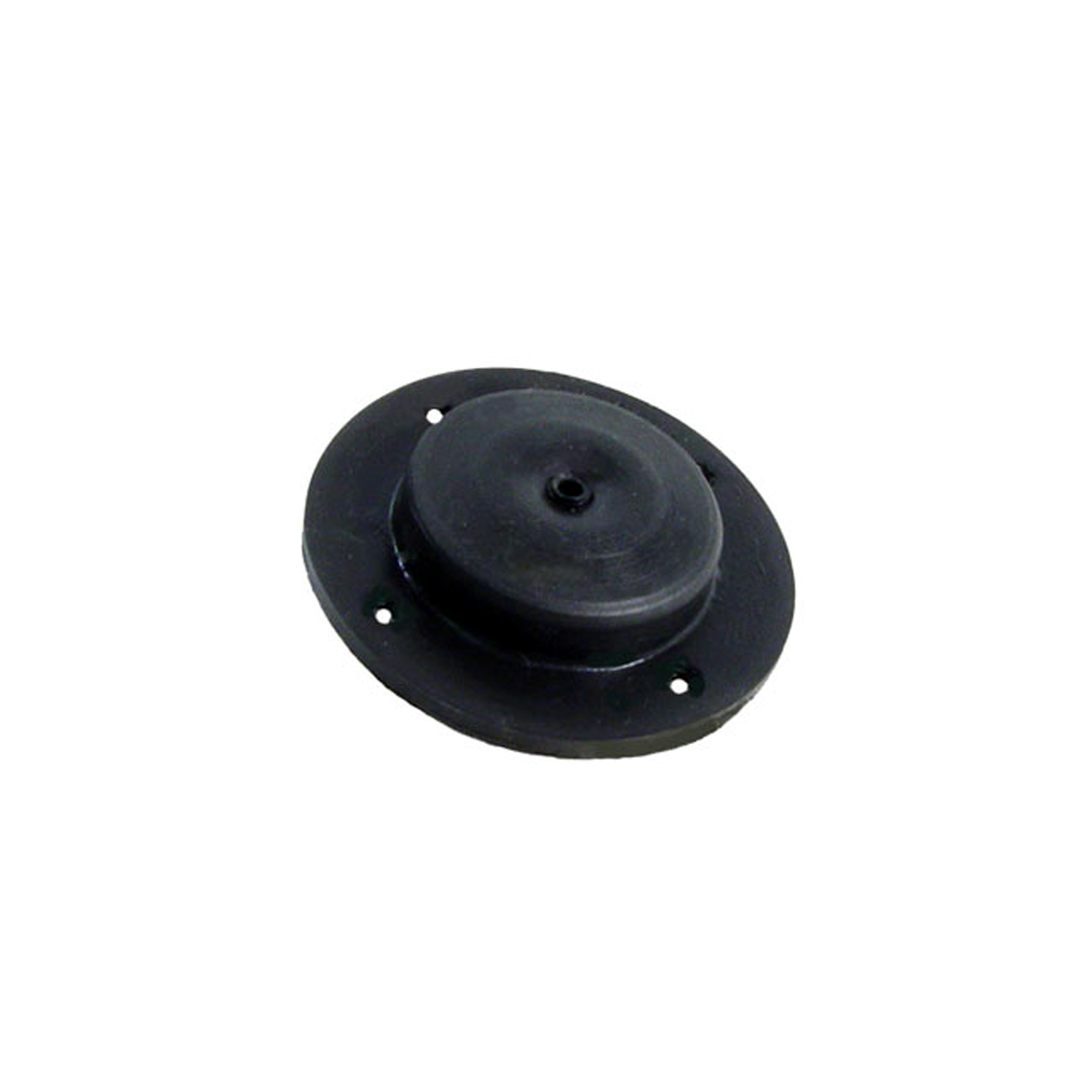 1948 Bentley Mk VI Thermo Tube through Dash Grommet. 2-3/8" O.D. Each-SM 70Thermo Tube through Dash Grommet. 2-3/8" O.D. Each
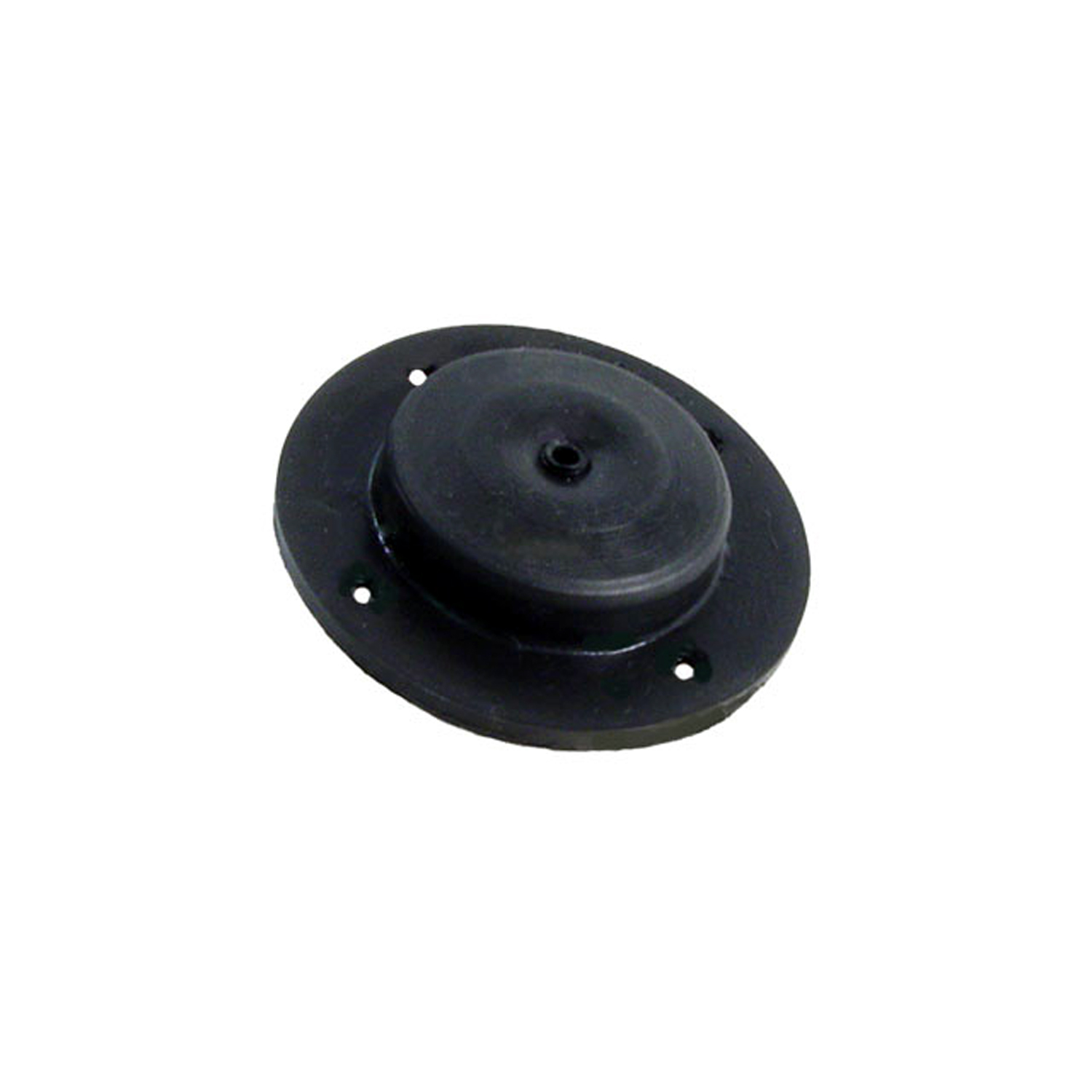 1948 Bentley Mk VI Speedometer Cable through Dash Grommet. 2-3/8" O.D. Each-SM 70-ASpeedometer Cable through Dash Grommet. 2-3/8" O.D. Each
Why Choose Metro?
For over 100 years, Metro Moulded Parts has been the pinnacle of quality in classic car restoration parts. Our commitment to precision and authenticity in every component ensures a perfect fit and an OEM-level appearance.
- Expert Craftsmanship & Quality: Each part is a testament to our dedication to reliability and perfection, crafted from original designs and thoroughly tested.
- Advanced Technology: We use cutting-edge techniques to create flawless, long-lasting parts that surpass others in performance.
- SuperSoft Sponge – The Ultimate Door Seal: Not only are our door seals 30% softer than competitors', but they're also guaranteed to never leak. They effectively reduce wind and road noise, enhancing your classic car's comfort and driving experience.
- Proudly American: Our parts are a product of American craftsmanship, made in the USA with a spirit of excellence and heritage.
- Unrivaled Warranty: We back our products with a 30-year industry-leading warranty, a testament to our confidence in their quality.
Join us in preserving the legacy of classic cars with parts that are crafted for perfection, not just made.