
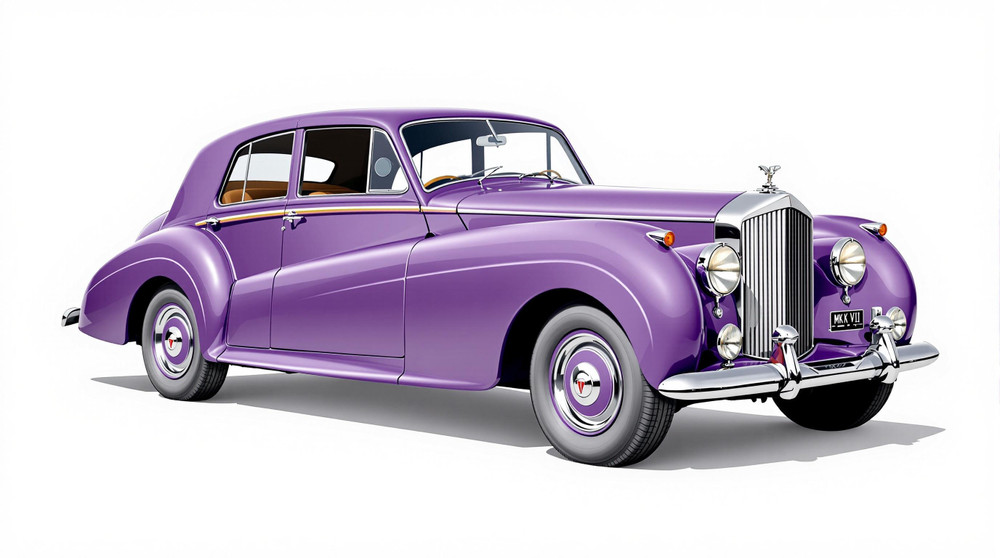
Image of 1950 Bentley Mk Vi, Note: These illustrations use artistic license and may differ from actual historical models.
Performance Metrics
Fundamental Metrics
Emotional Appeal
MMP Rating
| Engine Specifications | |
|---|---|
| Engine: | 4.3 L F-head I6 |
| Displacement: | 4257 cc |
| Horsepower: | 130 hp |
| Torque: | 200 lb-ft |
| Compression Ratio: | 6.7:1 |
| Ignition System: | Coil ignition |
| Cooling System: | Water-cooled |
| Performance Specifications | |
| 0-60 Time: | 15 seconds |
| 1/4 Mile Time: | Not available |
| Top Speed: | 100 mph |
| Transmission and Drive | |
| Drive Type: | Rear-wheel drive |
| Transmission Type: | 4-speed manual |
| Fuel and Efficiency | |
| Fuel System Type: | Twin SU carburetors |
| MPG: | 15 mpg |
| Dimensions and Brakes | |
| Brakes: | Drum brakes |
| Wheelbase: | 120 inches |
| Weight: | 1850 kg |
Note: Specifications for classic cars are given to the best of our ability, considering the limited and variant data available.
1950 Bentley Mk VI: The Postwar Bentley That Rebuilt a Legend
The 1950 Bentley Mk VI brought prewar prestige into a new era, combining a hand-finished luxury interior with a body that could be produced in far greater numbers than traditional coachbuilt Bentleys. Built by Bentley Motors at Crewe, England, it was the marque’s first major postwar model and a pivotal step toward the modern luxury saloon.
Bentley had been part of Rolls-Royce since 1931, and the Mk VI reflected that relationship: it shared engineering and production resources with Rolls-Royce while keeping Bentley’s sporting identity. One notable first was its standard all-steel saloon body, made in cooperation with Pressed Steel. Buyers could still order a bare chassis and commission a specialist coachbuilder, but the ready-bodied Bentley made ownership more straightforward and helped the company reach a broader market.
By 1950, the Mk VI was no longer a brand-new design, but it remained an important symbol of Britain’s industrial recovery. Crewe had spent the war producing aircraft engines, and the return to high-quality motor cars put those manufacturing skills to a different purpose.
Steel Saloon Style and Hand-Finished Detail
The standard Mk VI Saloon has a dignified, upright profile rather than the low, streamlined look of later luxury cars. Its tall radiator grille, separate front wings, long bonnet, and rounded rear body give it an unmistakably formal presence. The proportions are substantial without being ostentatious, and the car’s details, including its brightwork and carefully shaped fenders, reward a closer look.
Inside, the atmosphere is quiet craftsmanship. Depending on specification and condition, owners encounter leather upholstery, polished wood veneers, wool carpets, deep cushions, and a generous amount of bright metal on the controls. The dashboard is formal and legible, while the rear compartment offers the space and comfort expected of a chauffeur-driven car. A well-preserved example feels more like a finely furnished room than a modern cockpit.
The Mk VI was not defined by electronic equipment, which was not part of the period’s luxury-car vocabulary. Its notable technology was mechanical: a smooth six-cylinder engine, a four-speed manual gearbox, independent front suspension, and carefully engineered power assistance for the brakes. Equipment and control details can vary with production date and market, so a particular 1950 car should be checked against its chassis records.
Paint and trim could be selected to suit the buyer, especially on coachbuilt cars. Dark blue, black, maroon, green, and silver are among the colors often associated with these Bentleys, but there was no single signature palette. The best choice was often a restrained body color paired with contrasting leather and polished wood.
Body Styles: Standard Saloon or Coachbuilt Special
The most common and recognizable Mk VI is the Standard Steel Saloon. Its body gave buyers a complete Bentley with a consistent factory design, and it is the version most people picture when they think of the model. For many owners, it also offered the most practical route into Bentley motoring.
Those who wanted something more individual could buy a chassis and have it bodied by firms such as H.J. Mulliner, Park Ward, Hooper, James Young, or Freestone & Webb. Their work included coupés, drophead coupés, limousines, and other bespoke forms. Coachbuilt examples are often more distinctive and can command a premium, though value depends heavily on the design, condition, history, and quality of restoration.
Why the Mk VI Mattered
The Mk VI’s most important contribution was not a single headline-grabbing invention. It was the combination of Bentley character with a standardized, factory-built steel body. Before the war, luxury cars were commonly supplied as a chassis for a separate coachbuilder to finish. The Mk VI preserved that tradition for customers who wanted it while offering a complete saloon that could be built in greater numbers.
That approach helped establish a path for postwar luxury cars: combine specialist craftsmanship with more consistent production. The Mk VI also maintained Bentley’s sporting reputation at a time when the brand was operating within Rolls-Royce’s wider organization. It was quieter and more formal than a dedicated sports car, but its engineering and performance gave it more purpose than a purely ceremonial limousine.
Its influence is visible in the models that followed, particularly the R-Type, which succeeded the Mk VI in 1952. The R-Type continued the family resemblance and developed the same basic idea of a refined, usable Bentley saloon, while offering more luggage space and further mechanical development.
4.25-Litre Power and Period Performance
A 1950 Mk VI uses Bentley’s 4,257cc straight-six engine, with overhead inlet valves and side-mounted exhaust valves. Often described as an F-head layout, this design was intended to balance smooth running with strong low- and mid-range pulling power. The engine is generally paired with a four-speed manual gearbox. Bentley did not always publish a formal horsepower figure, so quoted outputs vary; period descriptions commonly place it in the neighborhood of 130 horsepower.
Performance figures depend on body style, gearing, mechanical condition, and the source of the test. A sound standard saloon is commonly credited with a top speed close to 100 mph and a 0-to-60 mph time in the mid-teens, roughly 15 to 17 seconds. Those numbers were impressive for a large luxury car of the period, but the Mk VI’s real strength was relaxed progress rather than rapid acceleration.
On the road, the six-cylinder engine delivers its power smoothly, with a muted mechanical note that becomes more noticeable under load. The car feels substantial and composed, and its suspension takes the sting out of rough surfaces better than the tall, formal body might suggest. It is not immune to bumps or road undulations, and a worn suspension can make it feel unsettled, but a properly maintained example should ride with an impressive blend of suppleness and control.
On winding roads, the Mk VI rewards a measured driving style. Its size, weight, and relatively slow steering mean it is not a sports car in the modern sense. The steering has a deliberate feel, and the driver needs to plan braking and corner entry rather than dart from turn to turn. The result is a distinctive experience: a broad bonnet ahead, a smooth engine working at modest revs, and a comfortable cabin that encourages unhurried touring.
Living With a 1950 Bentley
The Mk VI is best suited to touring, special occasions, club events, and classic-car shows. Some owners use one regularly, but it is not an ideal choice for tight urban streets, stop-start commutes, or buyers seeking modern levels of convenience and safety. Its appeal lies in the ritual of driving a substantial, handcrafted postwar car.
Maintenance is manageable for a knowledgeable classic-car specialist, but it is not inexpensive. The engine and chassis are robust when serviced correctly, while age-related issues such as corrosion, worn suspension components, brake problems, tired electrical systems, and leaking seals can demand significant attention. The standard steel body deserves especially careful inspection, since rust repair can be costly and extensive.
Repairs are not generally a do-it-yourself undertaking for an inexperienced owner. Parts support and specialist knowledge are available, but some components and coachbuilt body details can be expensive or difficult to source. A detailed pre-purchase inspection by a mechanic familiar with Rolls-Royce and Bentley cars is essential. Service records, chassis documentation, and evidence of quality bodywork are worth real money.
Notable Facts and Common Criticisms
The Mk VI was Bentley’s first postwar model and the first Bentley offered in substantial numbers with a factory-standard steel body. Yet it did not eliminate coachbuilding: buyers could still order a chassis and have a specialist create a highly individual body. That combination of standard production and bespoke craftsmanship is a major part of the model’s appeal.
There is no widely recognized Mk VI speed or endurance record that defines the model. Its achievement was more industrial than sporting: helping return Bentley to production after the war and making a complete Bentley saloon available to more customers. Across the full Mk VI production run, approximately 5,200 cars were built between 1946 and 1952. That total includes different body types, and production figures for a specific year or configuration can vary by source.
Common criticisms are practical rather than mysterious. The car is heavy, its acceleration is modest by modern standards, and its manual gearbox and period brakes require attention from the driver. Steel-body corrosion is a recurring concern, while neglected examples can become expensive restoration projects. Buyers should also remember that a prestigious badge does not make every old Bentley reliable without consistent maintenance.
Collector Values and Market Outlook
As a broad 2026 guide, a usable but imperfect Standard Steel Saloon may fall around $25,000 to $45,000, while a well-maintained or professionally restored example can bring roughly $45,000 to $80,000. Exceptional cars with strong provenance may exceed that range. Coachbuilt examples are harder to price: depending on the maker, design, condition, and documentation, they may sell for approximately $50,000 to $150,000 or more.
These are estimates rather than fixed valuations. Restoration quality, rust, originality, matching documentation, and the identity of the coachbuilder can shift a sale price dramatically. The Mk VI is uncommon compared with ordinary postwar cars, but its production run of roughly 5,200 makes it far from a one-off rarity. Cars do appear on the market, though particularly well-preserved and correctly documented examples are less common.
Values have been selective rather than uniformly rising. Strong examples with desirable coachwork and excellent history remain appealing, while average cars can be held back by restoration costs and a smaller pool of buyers prepared for vintage-car ownership. A buyer should choose condition and provenance over the promise of an investment. The Mk VI is most rewarding when bought to drive and enjoy, not simply to store.
A Bentley Built for the Long Road
The 1950 Bentley Mk VI joined a smooth 4.25-litre engine, a carefully finished cabin, and a formal steel saloon body in a car that helped carry Bentley into the postwar world. It offered owners a choice between factory-built practicality and bespoke coachwork, while preserving the dignified performance expected of the marque.
Today, it asks for patience, careful maintenance, and a willingness to travel at a more deliberate pace. In return, it delivers something increasingly rare: the feeling that every journey is an occasion, and that craftsmanship can be as memorable as speed.
1950 Bentley Mk Vi Catalog of Parts
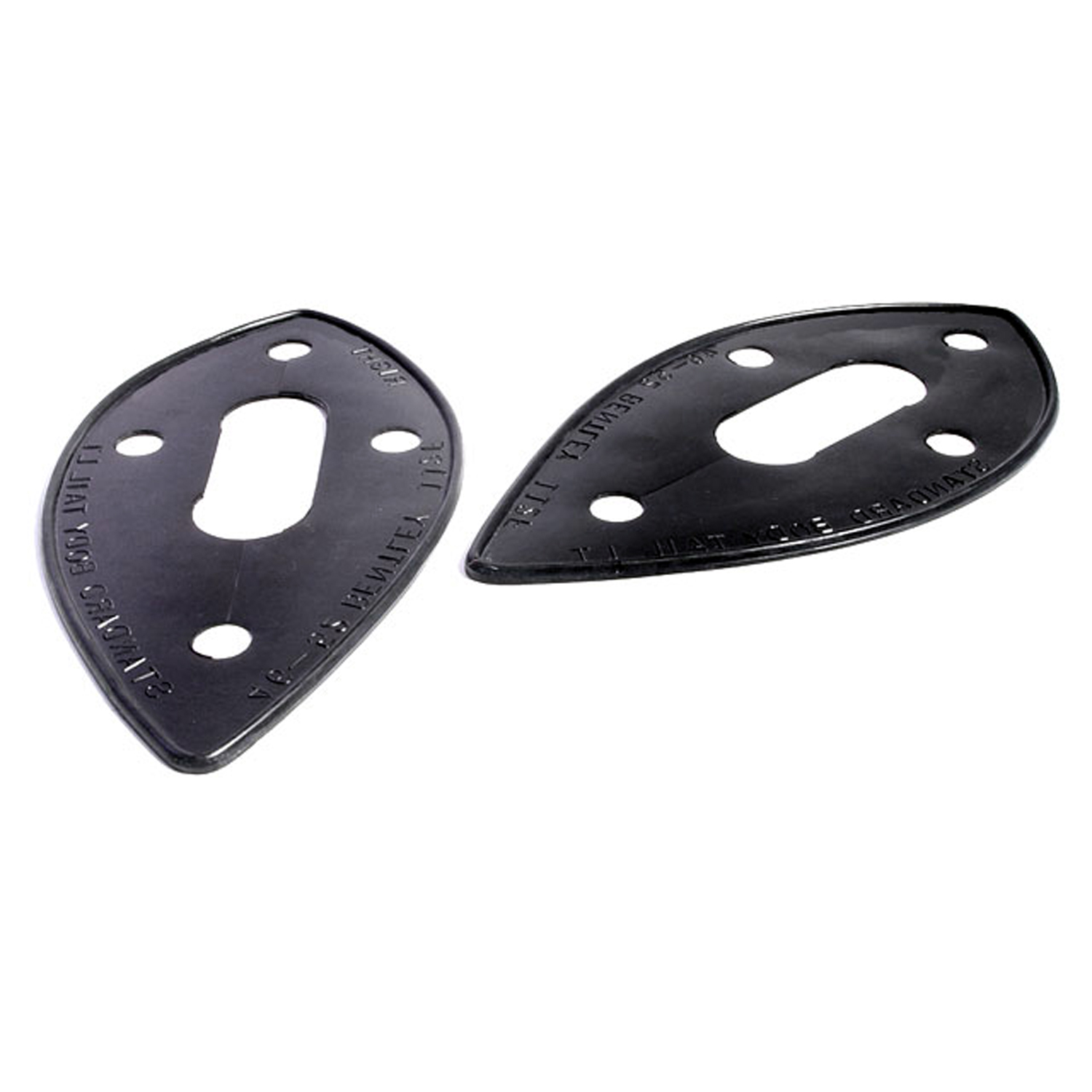 1950 Bentley Mk VI Standard Body Tail-light Pads. 3-7/8" wide X 7-3/8" long-MP 112-FStandard Body Tail-light Pads. 3-7/8" wide X 7-3/8" long. Pair R&L
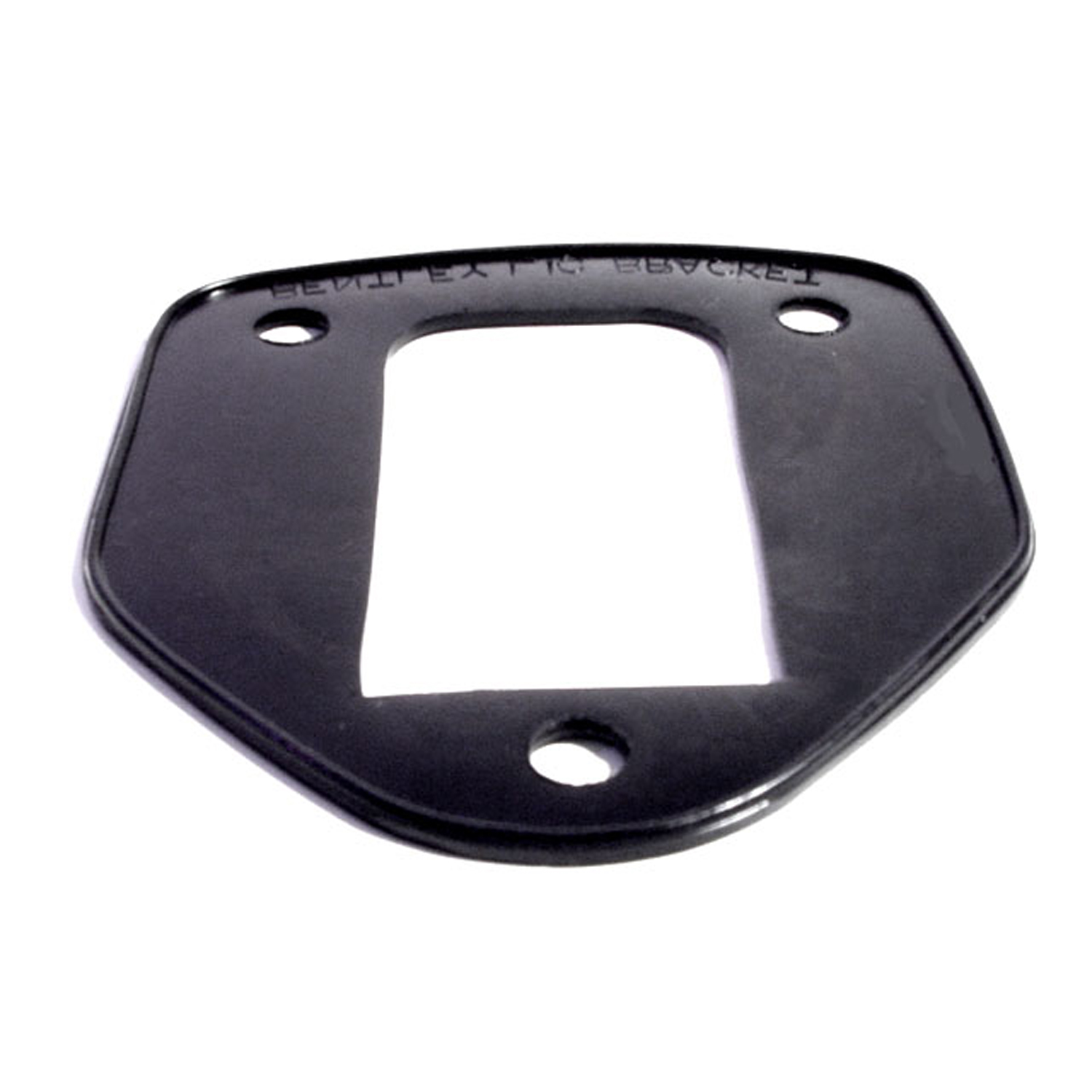 1950 Bentley Mk VI License Bracket Pad. 4-3/8" wide X 5" long. Each-MP 112-JLicense Bracket Pad. 4-3/8" wide X 5" long. Each
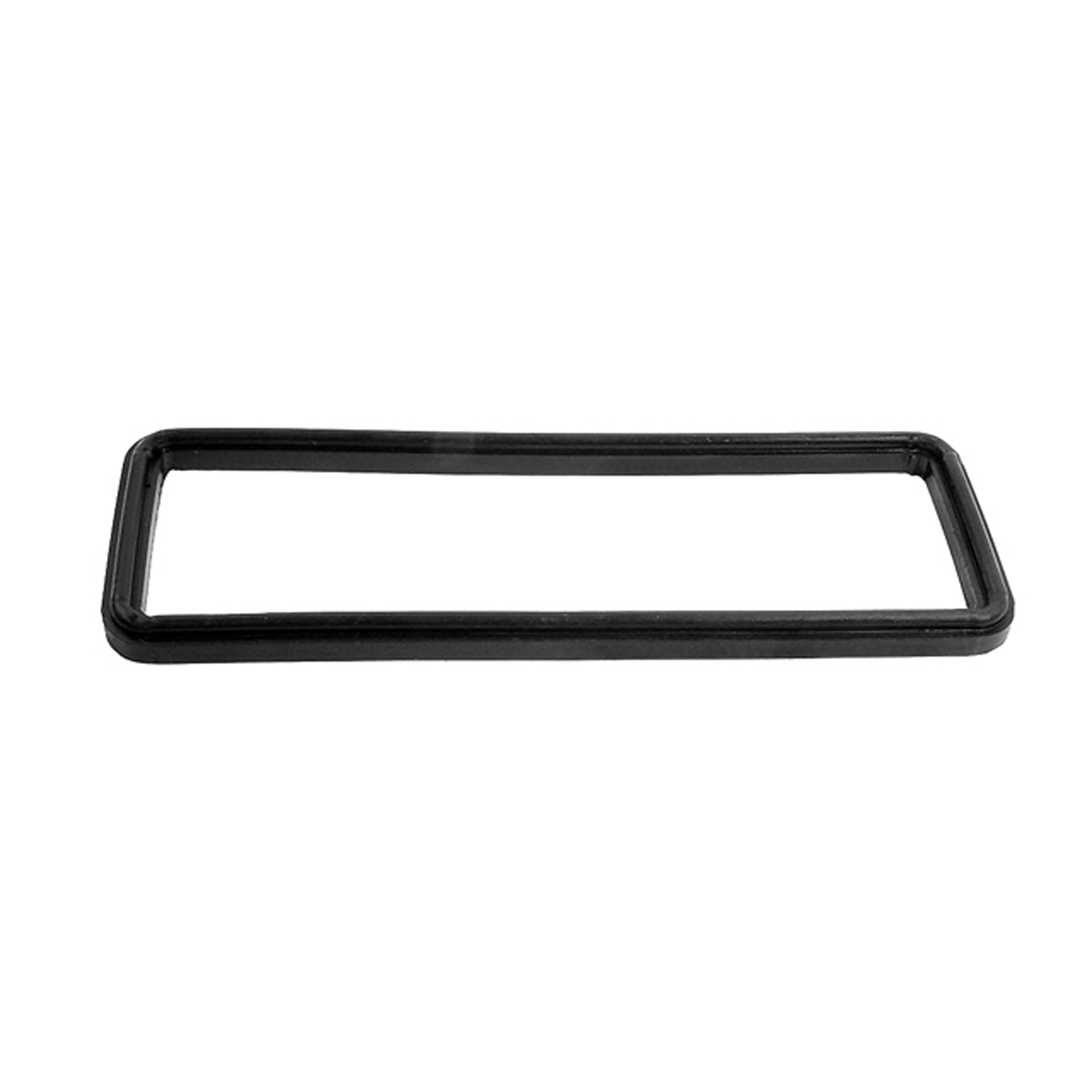 1950 Bentley Mk VI Side Vent Seal. Standard steel saloon-RP 100-FSide Vent Seal. Standard steel saloon. 3" wide X 8-1/2" long. Each
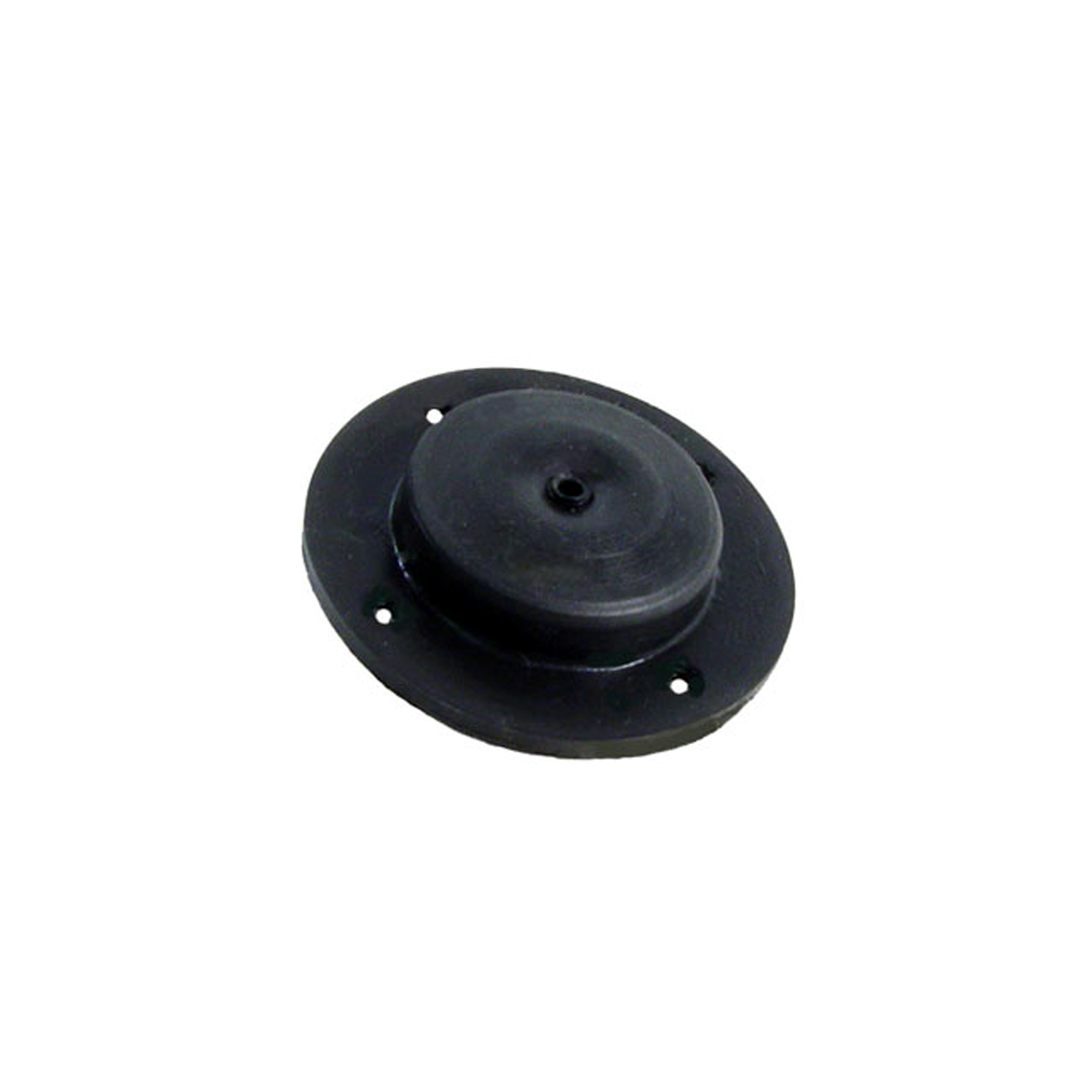 1950 Bentley Mk VI Thermo Tube through Dash Grommet. 2-3/8" O.D. Each-SM 70Thermo Tube through Dash Grommet. 2-3/8" O.D. Each
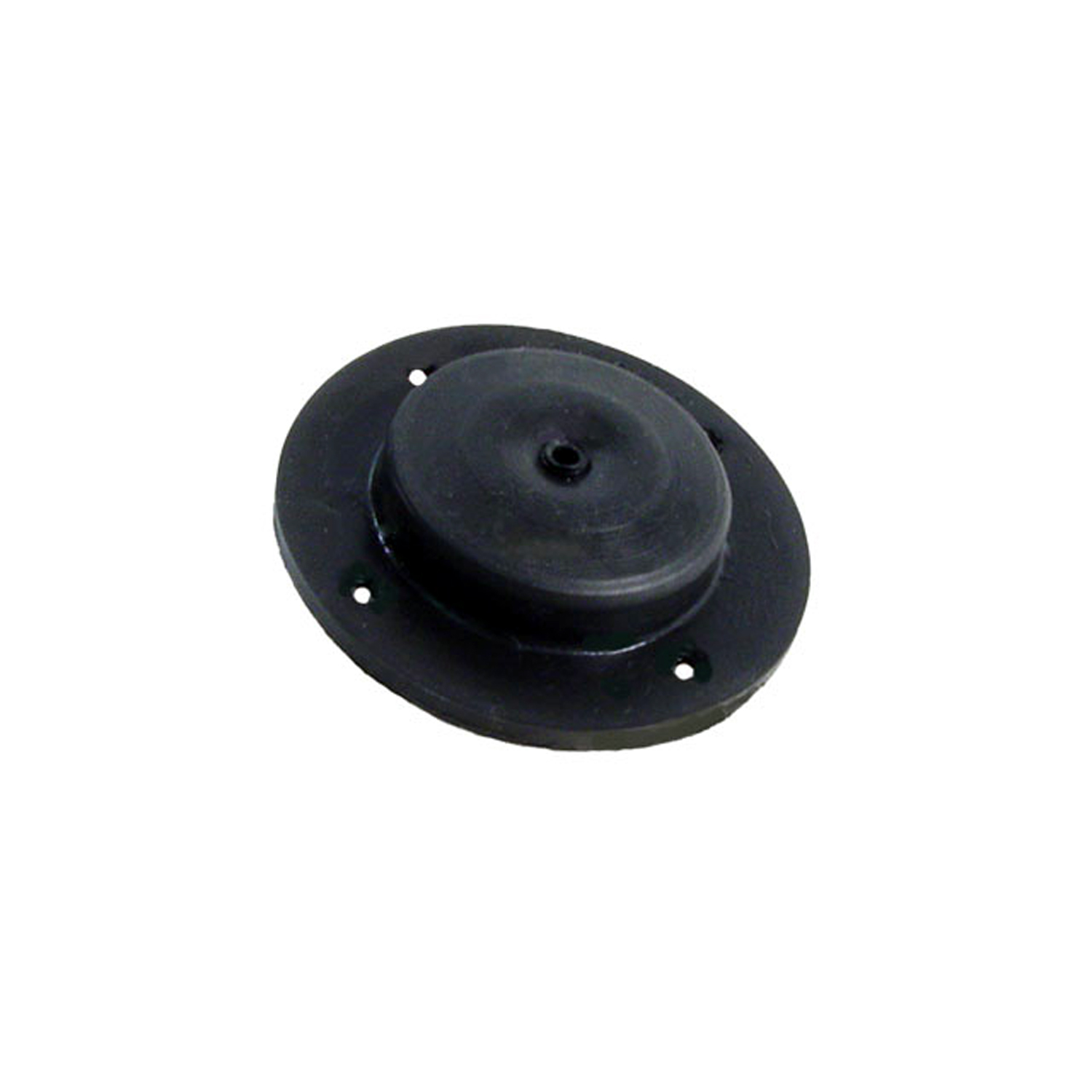 1950 Bentley Mk VI Speedometer Cable through Dash Grommet. 2-3/8" O.D. Each-SM 70-ASpeedometer Cable through Dash Grommet. 2-3/8" O.D. Each
Why Choose Metro?
For over 100 years, Metro Moulded Parts has been the pinnacle of quality in classic car restoration parts. Our commitment to precision and authenticity in every component ensures a perfect fit and an OEM-level appearance.
- Expert Craftsmanship & Quality: Each part is a testament to our dedication to reliability and perfection, crafted from original designs and thoroughly tested.
- Advanced Technology: We use cutting-edge techniques to create flawless, long-lasting parts that surpass others in performance.
- SuperSoft Sponge – The Ultimate Door Seal: Not only are our door seals 30% softer than competitors', but they're also guaranteed to never leak. They effectively reduce wind and road noise, enhancing your classic car's comfort and driving experience.
- Proudly American: Our parts are a product of American craftsmanship, made in the USA with a spirit of excellence and heritage.
- Unrivaled Warranty: We back our products with a 30-year industry-leading warranty, a testament to our confidence in their quality.
Join us in preserving the legacy of classic cars with parts that are crafted for perfection, not just made.