

Image of 1951 Bentley Mk Vi, Note: These illustrations use artistic license and may differ from actual historical models.
Performance Metrics
Fundamental Metrics
Emotional Appeal
MMP Rating
| Engine Specifications | |
|---|---|
| Engine: | 4.3 L F-head I6 |
| Displacement: | 4257 cc |
| Horsepower: | 130 hp |
| Torque: | Estimated 200 lb-ft |
| Compression Ratio: | 6.7:1 |
| Ignition System: | Coil ignition |
| Cooling System: | Water-cooled |
| Performance Specifications | |
| 0-60 Time: | Estimated 15 seconds |
| 1/4 Mile Time: | Not available |
| Top Speed: | 100 mph |
| Transmission and Drive | |
| Drive Type: | Rear-wheel drive |
| Transmission Type: | 4-speed manual |
| Fuel and Efficiency | |
| Fuel System Type: | Twin SU carburetors |
| MPG: | Estimated 15 mpg |
| Dimensions and Brakes | |
| Brakes: | Drum brakes |
| Wheelbase: | 120 inches |
| Weight: | 1850 kg |
Note: Specifications for classic cars are given to the best of our ability, considering the limited and variant data available.
The 1951 Bentley Mk VI made postwar luxury feel less like a one-off commission and more like a car a customer could actually order ready to drive. With stately proportions, hand-finished cabin details and a smooth six-cylinder engine, it brought Bentley craftsmanship to a wider audience while keeping the quiet authority expected of the marque.
1951 Bentley Mk VI: An Overview
Built by Bentley Motors at Rolls-Royce’s Crewe works in England, the Mk VI was the first Bentley introduced after the Second World War. Production began in 1946 and continued through 1952. The 1951 model sits near the end of that run, when buyers could find cars with either the familiar 4.25-litre engine or, depending on build date and specification, the larger 4.566-litre “Big Bore” engine.
The Mk VI marked a major change in Bentley’s approach. Earlier Bentleys were generally supplied as rolling chassis, then sent to specialist coachbuilders for their bodies. The Mk VI was offered as a complete car with a factory-built, all-steel body, known as the Standard Steel Saloon. Customers could still order a chassis for a custom body, but the ready-bodied version made Bentley ownership more accessible and helped the company increase production in the years after the war.
One detail that makes the Mk VI especially interesting is that its factory body was not merely a stopgap for postwar shortages. It established a new direction for Bentley, combining traditional luxury with more standardized manufacturing. The result was a car that looked unmistakably formal but was produced in greater numbers than the bespoke Bentleys that came before it.
Steel Elegance and Hand-Finished Luxury
The Standard Steel Saloon has upright, dignified styling rather than the low, sweeping lines of a later sports saloon. Its tall radiator grille, crowned by the Flying B mascot, gives the front end its unmistakable presence. Long, gently curved wings, a high bonnet and rounded roofline complete a silhouette that feels both substantial and carefully proportioned. Details such as bright window trim and polished bumpers add refinement without making the car look showy.
Inside, the Mk VI balances formal design with genuine comfort. Depending on specification and later restoration, the cabin may feature leather upholstery, polished wood trim, deep carpeting and a generously finished dashboard. The materials were chosen to age well, and the workmanship is a large part of the car’s appeal today. In a well-preserved example, the cabin feels more like a tailored room than a mass-produced car interior.
Equipment and trim could vary between cars, especially when a buyer chose a coachbuilt body. Standard Steel Saloons were often finished in restrained colors such as black, dark blue, deep green, maroon or silver, while coachbuilt cars could be ordered in a much wider range of paints and interior combinations. Dark, formal colors suit the Mk VI’s shape particularly well, though lighter two-tone finishes can emphasize its long bonnet and flowing wings.
The Standard Steel Saloon was the best-known and most numerous body style. For buyers seeking something more individual, Bentley supplied chassis to established coachbuilders including H.J. Mulliner, Park Ward, James Young, Hooper and Freestone & Webb. Their work included coupes, drophead coupés, limousines and other special bodies. These coachbuilt versions are often rarer and can command a premium, but the steel saloon remains the classic image most people associate with the Mk VI.
Engineering for a New Era
The Mk VI’s importance lies less in a single futuristic gadget than in how it brought Bentley engineering into a new production era. Its factory-built steel body reduced the need for a separate coachbuilding commission, while still preserving the quality and comfort expected of the marque. That approach helped define the company’s postwar identity and influenced the more standardized luxury cars that followed.
Power came from a front-mounted, naturally aspirated inline-six. Early cars used a 4.25-litre engine; the larger 4.566-litre version appeared during the model’s production life. Output was not commonly promoted with headline figures, but the engine was designed for smooth, sustained progress rather than high-revving performance. A four-speed manual gearbox, commonly operated by a column-mounted lever, gave the driver direct control while keeping the cabin uncluttered.
The Mk VI also reflects the priorities of its time: robust mechanical engineering, a quiet ride and a sense of reserve power. It was not packed with modern electronics or driver aids. Its appeal came from careful construction, an engine tuned for flexibility and a chassis intended to carry occupants comfortably over long distances.
Performance and Road Manners
Period performance figures vary with engine, body style, gearing and condition, but a healthy Mk VI is generally associated with a top speed around 100 mph. Acceleration from 0 to 60 mph is often estimated at roughly 14 to 16 seconds for a Standard Steel Saloon. The larger 4.566-litre engine can feel stronger, though a heavy coachbuilt body may offset some of that advantage. These are substantial cars, not lightweight sports machines, and their performance is best understood as relaxed, confident pace.
On the road, the six-cylinder engine delivers its power smoothly, making the Mk VI well suited to open highways and steady touring. The car’s weight and long-wheelbase character help it settle over ordinary bumps, though worn suspension components can turn a once-composed ride into a loose or unsettled one. On winding roads, the steering and body remind you that this is a large luxury saloon: it prefers a measured rhythm to quick direction changes.
From behind the wheel, the experience is tactile and unhurried. The engine produces a subdued mechanical hum rather than a loud sporting bark, and the high seating position gives a commanding view of the road. The manual gearbox asks for deliberate, well-timed shifts, while the broad bonnet makes the car feel grand and substantial. A properly maintained Mk VI can be exceptionally pleasant on a long drive, but it does not offer modern levels of braking, steering precision or crash protection.
Living with a Bentley Mk VI
Today, most Mk VIs are cherished touring cars, weekend drivers or show vehicles rather than everyday transport. Their quiet character suits rallies, classic-car tours and formal events. A sound example can cover meaningful distances, but regular use depends on careful maintenance and a realistic understanding of the car’s age.
Routine servicing is manageable for an experienced classic-car owner, but the Mk VI is not an inexpensive car to maintain. Parts are available through specialist suppliers and marque networks, yet major work on the engine, gearbox, suspension or body can be costly. The steel body deserves particular scrutiny for corrosion, especially around the sills, floors, wheel arches and lower door areas. Buyers should also inspect wood trim, leather, electrical components, cooling-system condition and the quality of any past restoration.
Reliability depends heavily on maintenance history. These cars were engineered to last, but age, storage and deferred repairs matter more than the odometer alone. A pre-purchase inspection by a Bentley specialist is strongly recommended. For an average owner, basic care is possible; complex mechanical repairs and restoration work are best left to a shop familiar with postwar Rolls-Royce and Bentley engineering.
Facts, Myths and Common Criticisms
The Mk VI has no major production speed record or famous endurance victory attached to its name. It was built as a luxury touring car, not a racing special. Its notable achievement was commercial and industrial: the Standard Steel Saloon helped Bentley sell a complete, high-quality car in greater numbers than its earlier coachbuilt models.
Production figures are commonly quoted at about 5,208 Mk VI cars in total, including roughly 4,000 Standard Steel Saloons. The remaining cars were supplied as chassis for coachbuilt bodies. These totals cover the model’s full production run, not just 1951, and figures can vary slightly between sources and classifications.
Common criticisms are familiar to anyone shopping for a prewar-style luxury car: the Mk VI is heavy, its performance is modest by modern standards, and restoration can quickly become expensive. The cabin can also feel less spacious than the car’s exterior suggests. Those trade-offs are part of the package, though. The Mk VI rewards a driver who values craftsmanship, presence and smooth touring more than outright speed or modern convenience.
Collector Values and Availability
As a broad guide for the 2026 market, a project or substantially tired Standard Steel Saloon may fall around US$25,000 to US$45,000. A sound, usable example often sits in the US$45,000 to US$85,000 range, while a high-quality, well-documented restoration can reach roughly US$85,000 to US$140,000 or more. These are estimates rather than fixed prices; condition, originality, provenance, engine specification and local market can make a significant difference.
Coachbuilt cars vary even more widely. A rare body by a respected firm, especially one with strong history and excellent restoration work, may sell for well above the price of a standard saloon. A desirable example could exceed US$150,000, with exceptional cars reaching considerably higher. The larger-engine 4.566-litre cars can attract extra interest, but condition and documentation usually matter more than displacement alone.
The Mk VI is uncommon but not exceptionally scarce by prewar Bentley standards. More than five thousand were built, and cars continue to appear through specialist dealers, auctions and marque clubs. Over the long term, top-quality and distinctive coachbuilt examples have the strongest potential to hold or increase value. Ordinary driver-quality cars can be more price-sensitive, in part because buyers factor in the high cost of maintenance and restoration.
Why the Mk VI Still Matters
The 1951 Bentley Mk VI brought together the marque’s familiar strengths: a smooth six-cylinder engine, carefully finished interiors and a commanding road presence. Its Standard Steel Saloon body also represented a turning point, carrying Bentley craftsmanship into a more practical and repeatable form of production. Coachbuilt alternatives kept the door open for individuality, giving the model both broad appeal and lasting variety.
It is not quick or effortless by modern standards, and owning one calls for patience, specialist care and a healthy maintenance budget. But on a quiet road, with the engine humming and the long bonnet stretching ahead, the Mk VI makes a compelling case for a different kind of motoring: unhurried, beautifully made and unmistakably Bentley.
1951 Bentley Mk Vi Catalog of Parts
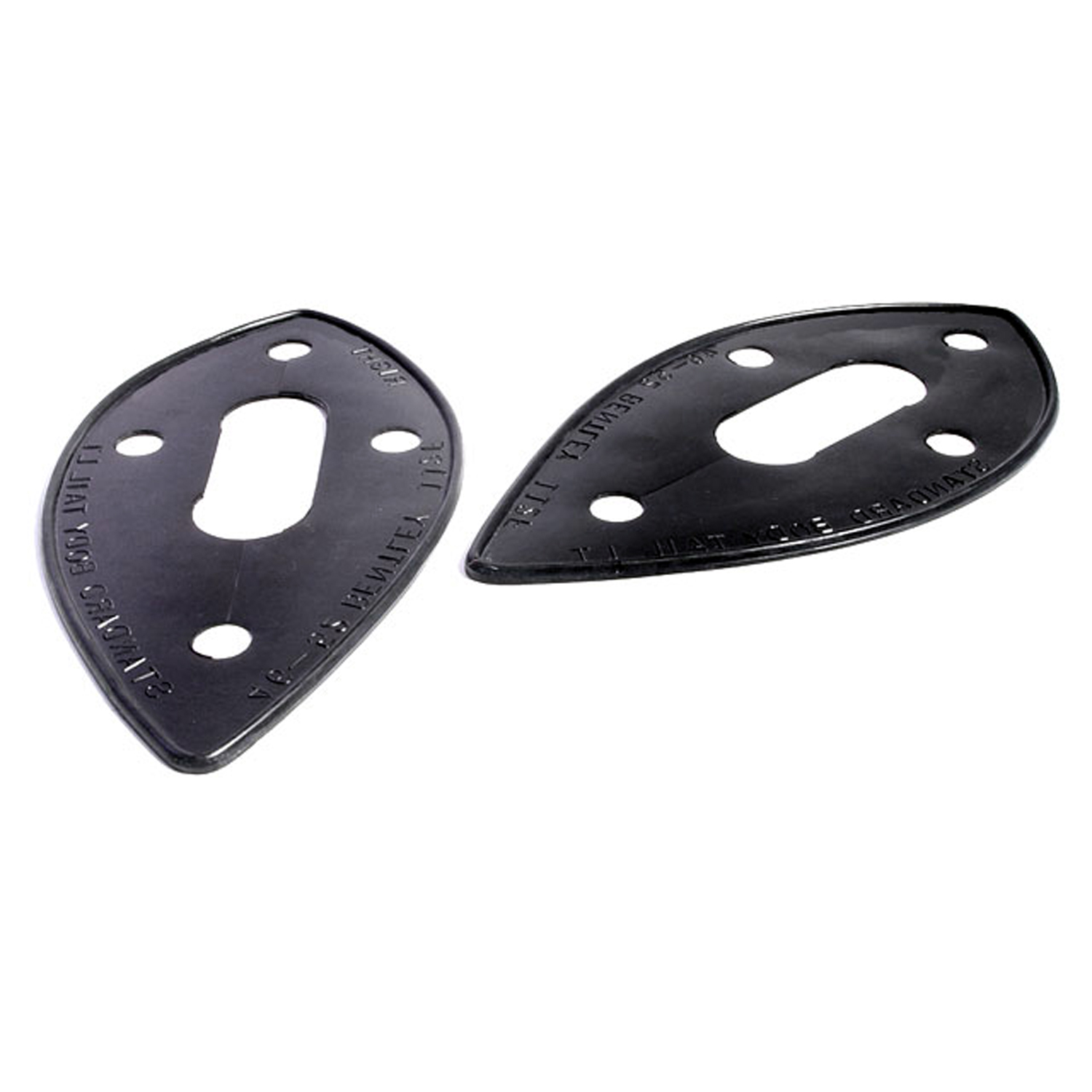 1951 Bentley Mk VI Standard Body Tail-light Pads. 3-7/8" wide X 7-3/8" long-MP 112-FStandard Body Tail-light Pads. 3-7/8" wide X 7-3/8" long. Pair R&L
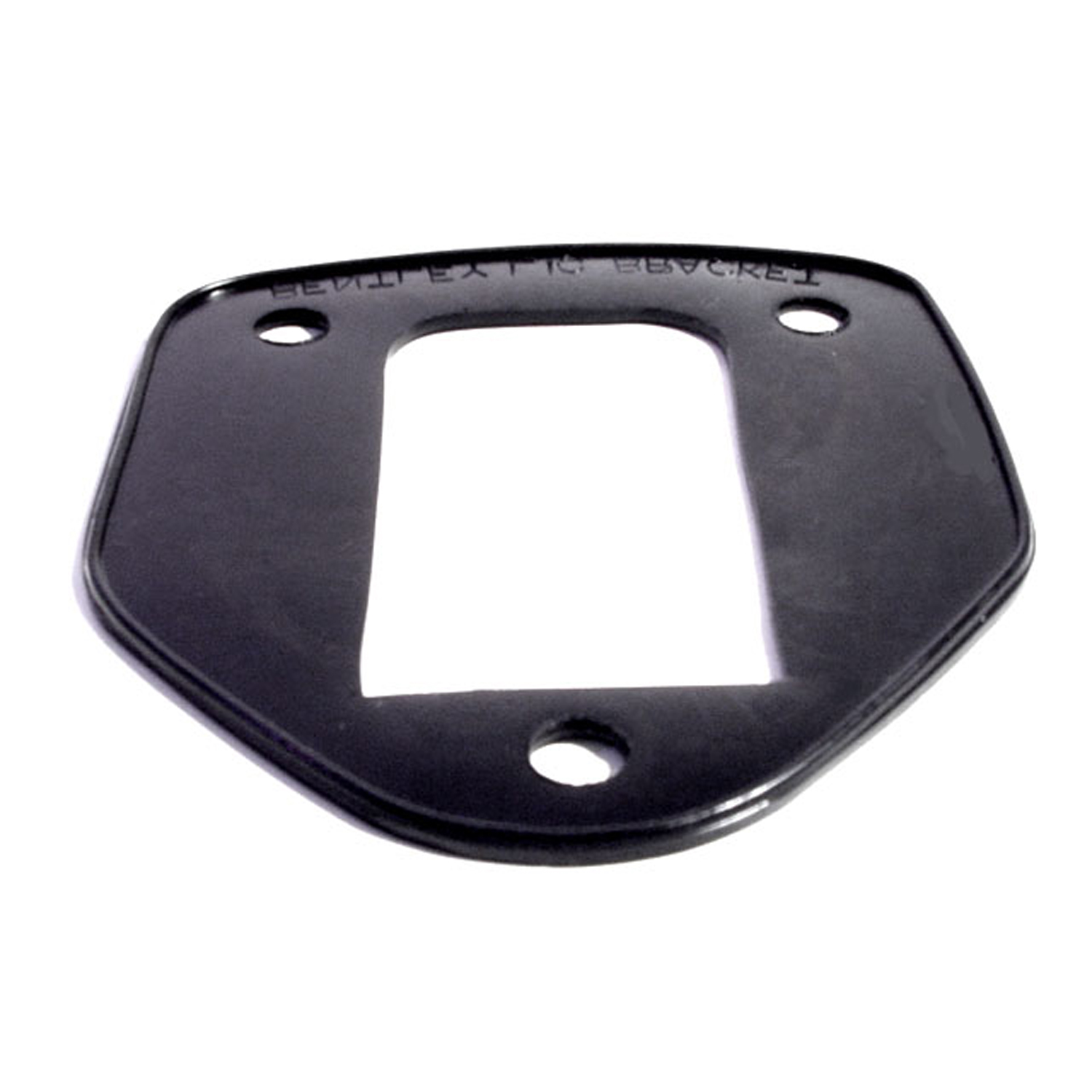 1951 Bentley Mk VI License Bracket Pad. 4-3/8" wide X 5" long. Each-MP 112-JLicense Bracket Pad. 4-3/8" wide X 5" long. Each
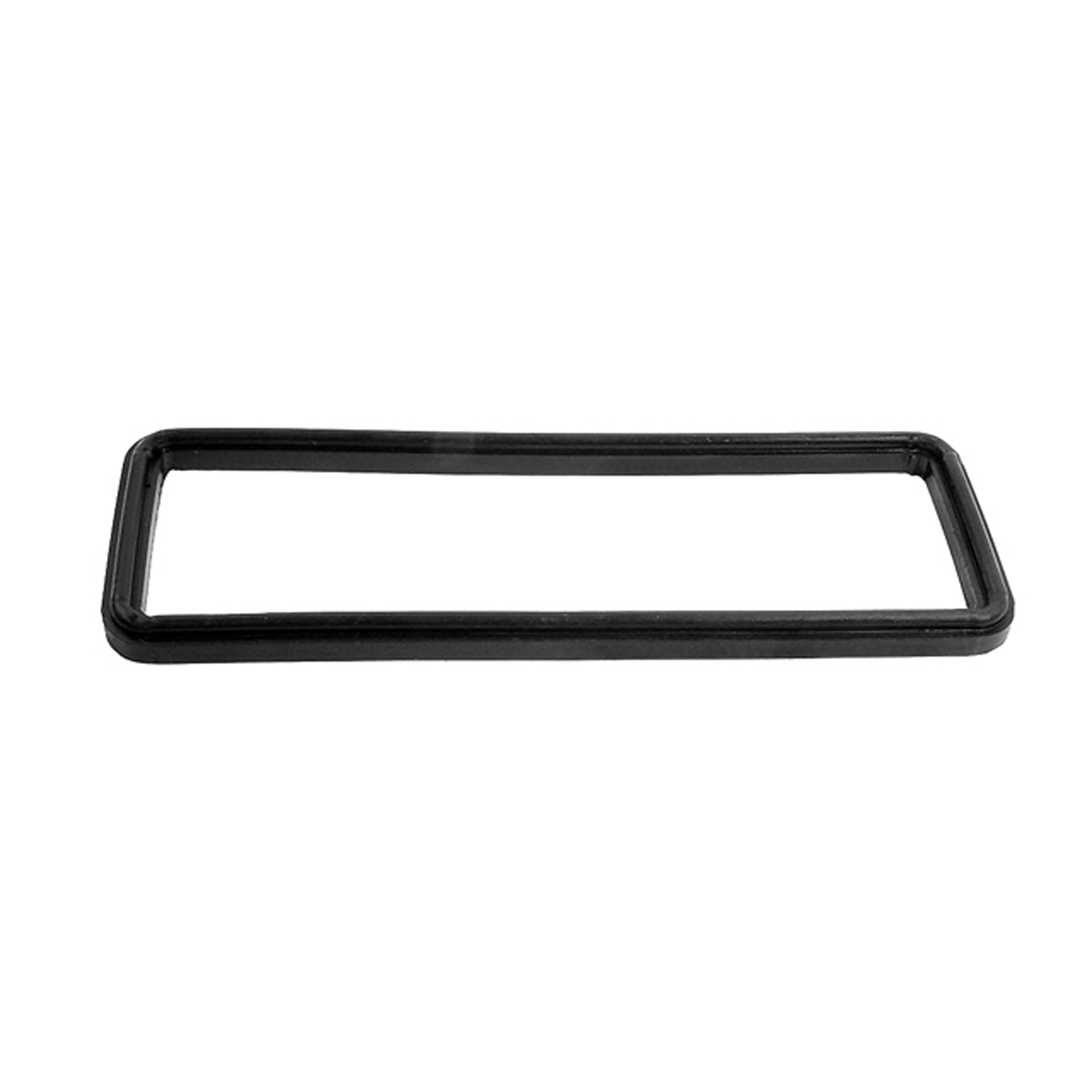 1951 Bentley Mk VI Side Vent Seal. Standard steel saloon-RP 100-FSide Vent Seal. Standard steel saloon. 3" wide X 8-1/2" long. Each
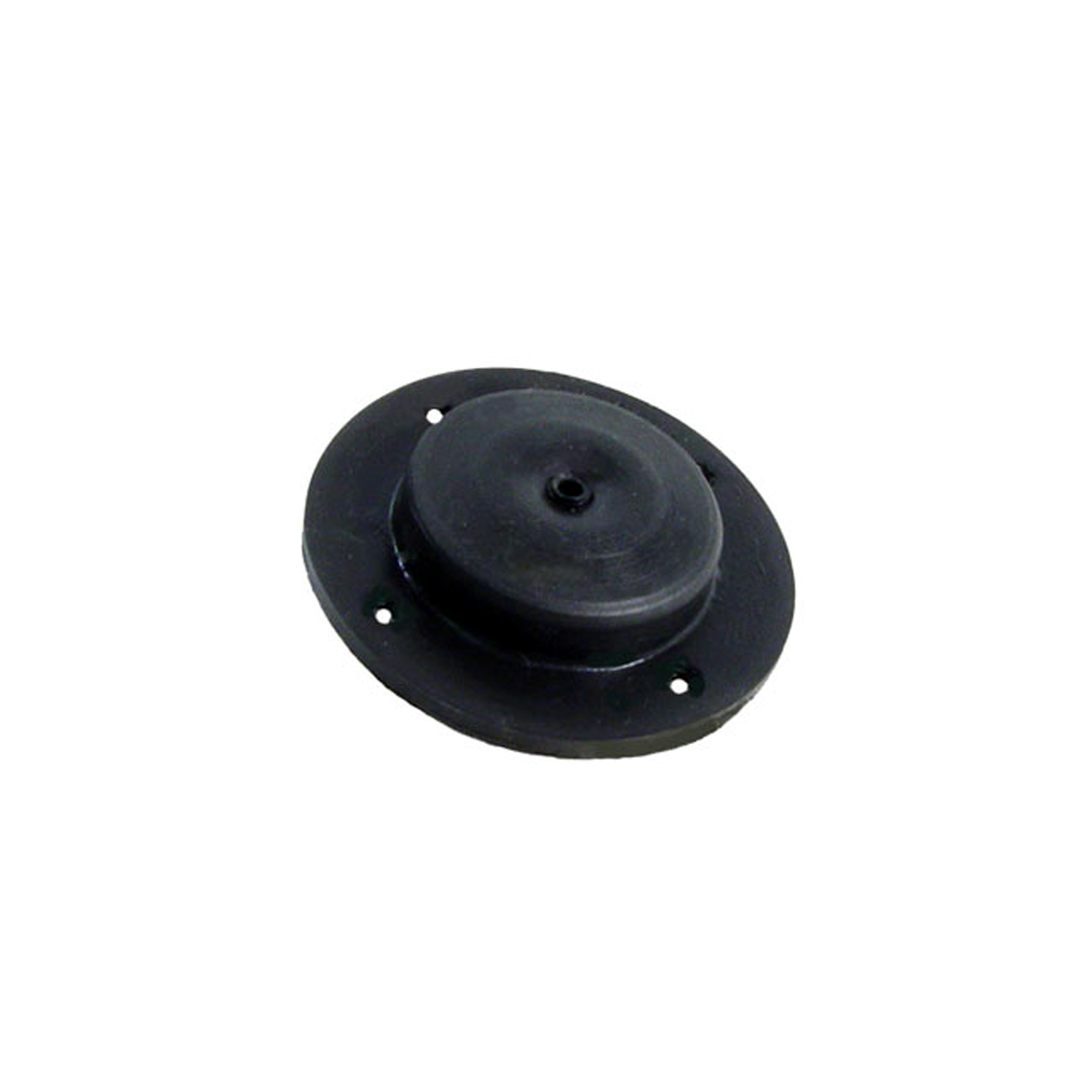 1951 Bentley Mk VI Thermo Tube through Dash Grommet. 2-3/8" O.D. Each-SM 70Thermo Tube through Dash Grommet. 2-3/8" O.D. Each
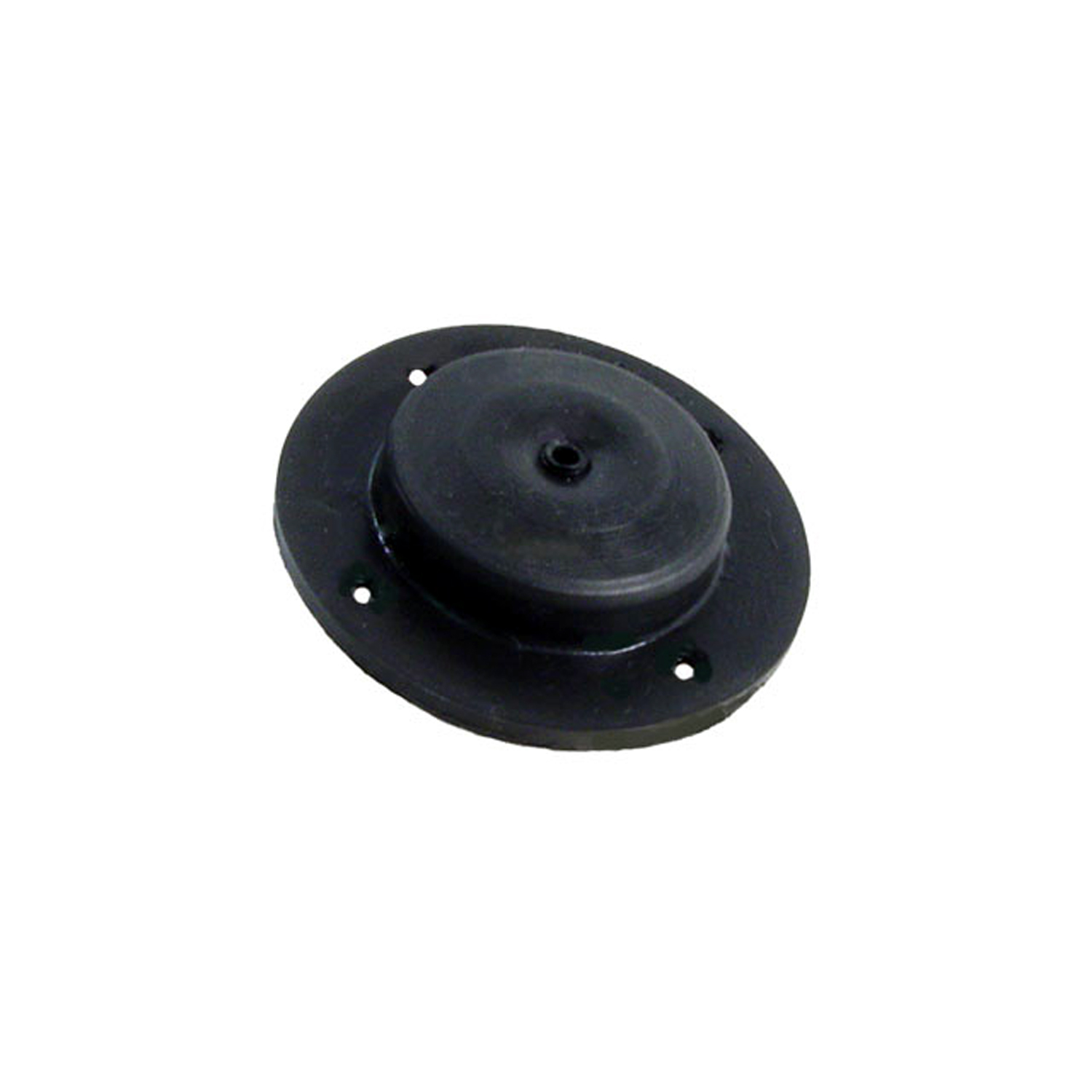 1951 Bentley Mk VI Speedometer Cable through Dash Grommet. 2-3/8" O.D. Each-SM 70-ASpeedometer Cable through Dash Grommet. 2-3/8" O.D. Each
Why Choose Metro?
For over 100 years, Metro Moulded Parts has been the pinnacle of quality in classic car restoration parts. Our commitment to precision and authenticity in every component ensures a perfect fit and an OEM-level appearance.
- Expert Craftsmanship & Quality: Each part is a testament to our dedication to reliability and perfection, crafted from original designs and thoroughly tested.
- Advanced Technology: We use cutting-edge techniques to create flawless, long-lasting parts that surpass others in performance.
- SuperSoft Sponge – The Ultimate Door Seal: Not only are our door seals 30% softer than competitors', but they're also guaranteed to never leak. They effectively reduce wind and road noise, enhancing your classic car's comfort and driving experience.
- Proudly American: Our parts are a product of American craftsmanship, made in the USA with a spirit of excellence and heritage.
- Unrivaled Warranty: We back our products with a 30-year industry-leading warranty, a testament to our confidence in their quality.
Join us in preserving the legacy of classic cars with parts that are crafted for perfection, not just made.