
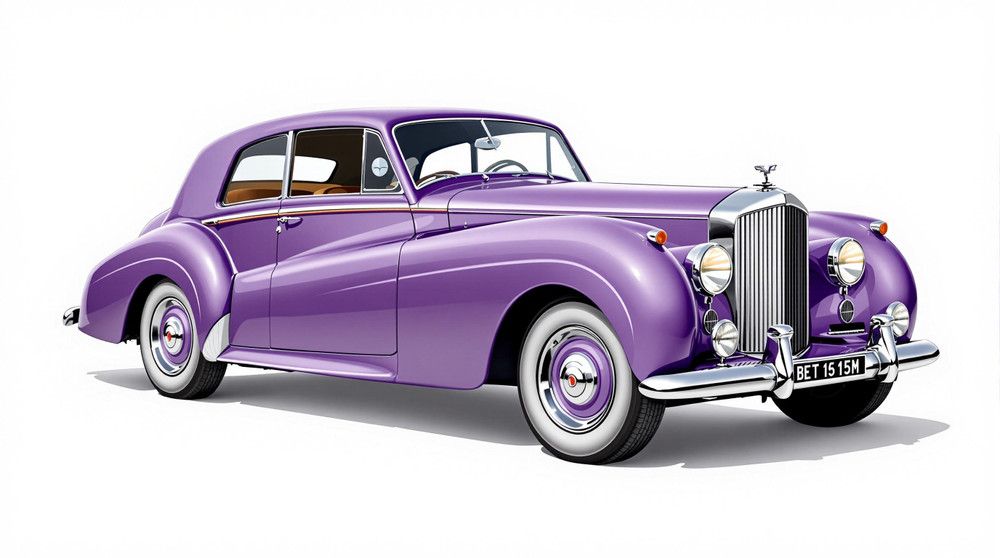
Image of 1952 Bentley Continental, Note: These illustrations use artistic license and may differ from actual historical models.
Performance Metrics
Fundamental Metrics
Emotional Appeal
MMP Rating
| Engine Specifications | |
|---|---|
| Engine Options: | 4.6 L I6 |
| Displacement Range: | 4566 cc |
| Horsepower Range: | Estimated 130-150 hp |
| Torque: | Not available |
| Compression Ratio: | Not available |
| Ignition System: | Standard for the period (likely a distributor and points system) |
| Cooling System: | Liquid-cooled |
| Performance Specifications | |
| 0-60 Time: | Not available |
| 1/4 Mile Time: | Not available |
| Top Speed: | 120 mph |
| Transmission and Drive | |
| Drive Type: | Rear-wheel drive |
| Transmission Type: | 4-speed manual |
| Fuel and Efficiency | |
| Fuel System Type: | Carburetor |
| MPG: | Not available |
| Dimensions and Brakes | |
| Brakes: | Drum brakes |
| Wheelbase: | 120 inches |
| Weight: | Estimated 4000 lbs |
Note: Specifications for classic cars are given to the best of our ability, considering the limited and variant data available.
1952 Bentley Continental: The Fastback That Redefined Grand Touring
The 1952 Bentley Continental was built for drivers who wanted to cross a continent at speed without giving up the refinement of a hand-crafted British luxury car. Officially known as the Bentley R-Type Continental, it combined a powerful straight-six engine, a lightweight coachbuilt body and a remarkable-for-its-day top speed of around 120 mph.
Bentley Motors built the chassis and mechanicals at its Crewe factory, while independent coachbuilders created the bodywork. The result was not a mass-produced luxury coupe but a bespoke grand tourer, tailored to its first owner. At its launch, Bentley promoted the Continental as the fastest four-seat production car in the world, a claim that captured the model’s purpose perfectly.
A notable detail is that the Continental’s celebrated fastback shape was part of a practical speed strategy, not simply a styling flourish. Its low, streamlined body helped the car make the most of its power on the open roads of postwar Europe.
Fastback Design and Coachbuilt Craftsmanship
The best-known R-Type Continental wears a sweeping fastback body by H.J. Mulliner. Its long bonnet, gently sloping roofline and sharply tapered tail give the car an unmistakable profile. Slim front wings flow into the doors, while the low roof and small rear window lend it a purposeful, almost aerodynamic look. The design appears elegant at a standstill, but it also communicates that this Bentley was built to cover ground quickly.
Coachbuilders made each body by hand, so details could vary from car to car. The Continental’s construction used weight-conscious materials, including aluminum body panels, to help offset the substantial weight of its luxury equipment. It remained a large, imposing automobile, but its carefully considered shape and relatively light bodywork helped it perform beyond what many expected of a Bentley.
Inside, owners found a quiet, richly finished cabin rather than a stripped-out sports-car interior. Fine leather upholstery, polished wood trim, wool carpets and carefully fitted controls made long journeys comfortable. The cabin was spacious enough for four, though the sloping roof and sporting layout made the rear seats less generous than those in a conventional saloon.
There was no single standard color palette in the modern sense. Buyers could specify paint and interior trim to suit their tastes, and coachbuilders helped coordinate the finish. Dark blue, black, green, silver and cream are among the colors associated with period Bentleys. Two-tone combinations were also possible, but each car’s specification depended on its original order rather than a universal factory menu.
The fastback coupe is the iconic body style and by far the one most associated with the R-Type Continental. A small number of chassis received other coachwork, including drophead and more individual designs from firms such as Park Ward, Franay and Graber. These alternatives are part of the model’s appeal, but the H.J. Mulliner fastback remains the defining silhouette.
Engineering for High-Speed Touring
Power came from Bentley’s 4.6-liter straight-six, a refined overhead-inlet, side-exhaust-valve design. In Continental tune, the engine used features such as a higher compression ratio and twin SU carburetors to deliver stronger performance than the standard R-Type. Output is commonly quoted at about 153 horsepower, although exact figures can vary by specification and source. A four-speed manual gearbox sent power to the rear wheels.
The Continental was engineered around sustained high-speed travel. Its streamlined body, elevated gearing and carefully developed chassis made it more than a standard saloon dressed in a fashionable shape. The car demonstrated that a luxury automobile could be both quiet and comfortable at speed, helping establish the modern idea of the high-performance grand tourer.
That combination set the Bentley apart from many contemporaries. Some luxury cars prioritized plushness over pace, while dedicated sports cars often asked owners to accept a harsher ride and less accommodating cabin. The R-Type Continental offered a compelling middle ground: rapid, composed and genuinely usable for long-distance journeys.
Performance and the Open-Road Experience
With a well-prepared engine and suitable conditions, the R-Type Continental could reach approximately 120 mph. Period performance figures and later estimates generally put 0-to-60-mph acceleration in the neighborhood of 13 seconds, with results varying according to the car’s body, gearing, condition and test method. Those numbers may seem modest beside a modern performance car, but they were exceptional for a large four-seat luxury automobile in the early 1950s.
On a smooth open road, the Continental feels built to settle into a fast, steady rhythm. The straight-six delivers its power with a measured, polished character, and the engine’s subdued mechanical note suits the car’s grand-touring mission. It is not a modern sports coupe with instant throttle response and light controls. Instead, the driver works with the engine and gearbox, building speed smoothly and planning shifts ahead.
The suspension favors comfort and composure over sharp, track-focused handling. It can absorb ordinary road imperfections with the calmness expected of a Bentley, although rough surfaces and broken pavement remind the driver that this is a substantial car with an older chassis design. On winding roads, its size and weight call for deliberate steering and sensible cornering speeds. The reward is a reassuring, planted feel rather than nimble, point-and-shoot agility.
There is also a physical connection that modern luxury cars often filter away. The driver operates a manual gearbox, feels the road through the steering and must account for the car’s dimensions. That involvement, combined with the engine’s smooth pull and the fastback’s effortless pace, is central to the Continental’s appeal.
Why the R-Type Continental Still Matters
The R-Type Continental helped define the high-speed luxury coupe. Its influence can be seen in the grand touring cars that followed, where manufacturers sought to unite long-distance comfort, elegant coachwork and serious performance. Bentley’s approach also showed the value of aerodynamic thinking in a luxury car. The body was shaped to reduce resistance and support speed, rather than relying on engine power alone.
The model’s small production run made it distinctive from the beginning. Bentley built only about 208 R-Type Continentals between 1952 and 1955, with most wearing H.J. Mulliner fastback coachwork. That limited output, combined with individual specifications and hand-built bodies, has helped preserve the model’s status as a collectible landmark.
Ownership, Maintenance and Reliability
Today, an R-Type Continental is best suited to careful touring, concours events, private collections and occasional shows. It can be driven on the road, but its value, age and specialized construction make it an unlikely everyday commuter. Owners who use one regularly tend to treat it as a cherished touring car, planning routes and maintenance with care.
Mechanical parts are generally more approachable than the hand-built bodywork, but this is not a car for an average owner to maintain without specialist knowledge. The engine, gearbox, braking system and suspension need regular inspection by technicians familiar with postwar Bentley and Rolls-Royce engineering. Body repairs can be especially complex because coachwork is bespoke and aluminum panels may require specialist skills. Parts and labor can be expensive, and a neglected example may require a substantial restoration.
Reliability depends heavily on upkeep. A well-maintained Continental can be a rewarding and capable touring car, but age-related issues, long periods of storage and poor-quality past repairs can create costly problems. A thorough pre-purchase inspection by a marque expert is essential, including checks of the chassis, engine, cooling system, brakes, electrical equipment and coachwork.
Notable Details and Common Criticisms
The Continental’s headline achievement was its combination of four-seat accommodation and a top speed of about 120 mph, earning it a reputation as an exceptionally fast production car of its era. Its bespoke construction is another point of interest: the Bentley factory supplied the mechanical foundation, but independent coachbuilders gave each car its own character.
The model is also sometimes confused with later Bentley Continentals. The 1952 car is the R-Type Continental, a coachbuilt, low-production model from the early 1950s. It is not the same vehicle as the later Continental generations that Bentley produced in much larger numbers.
Common criticisms are closely tied to the car’s age and exclusivity. It is costly to purchase and maintain, offers less modern safety and convenience equipment than a contemporary car, and can feel large on narrow roads. The rear seats are not especially generous, and its ride and handling should not be judged by modern sports-car standards. These trade-offs are part of the package, but they are worth understanding before buying one.
Collector Values and Market Outlook
R-Type Continentals are rare, and suitable examples do not appear on the market in large numbers. A reasonable estimate is about 208 cars built in total, although condition, originality, coachbuilder, specification and documented history have a major effect on individual value. The H.J. Mulliner fastbacks are the most recognized, while unusual coachwork can attract a different and sometimes highly specialized group of collectors.
As a broad guide in the current collector market, a car requiring significant restoration may be valued around $1 million or more, while well-presented examples can fall roughly in the $1.5 million to $2.5 million range. Exceptional, highly original cars with distinguished history may exceed that range. These are estimates rather than fixed prices: auction results and private sales vary, and restoration costs can be substantial.
Over the long term, the model has benefited from its rarity, historical importance and unmistakable design. Values for outstanding examples have generally remained strong, though individual prices can move with the wider collector-car market. Provenance, originality and condition matter far more than simply finding a car described as a 1952 Continental.
A Bentley Built to Cross Continents
The 1952 Bentley R-Type Continental brought together coachbuilt elegance, genuine high-speed ability and the comfort expected of a luxury car. Its fastback body was carefully designed, its straight-six engine delivered effortless touring performance, and its limited production gave each example a special place in Bentley history.
More than a rare collectible, the R-Type Continental helped shape the grand touring car as we know it: a machine made not just to look beautiful, but to carry its occupants swiftly and comfortably toward the next horizon.
1952 Bentley Continental Catalog of Parts
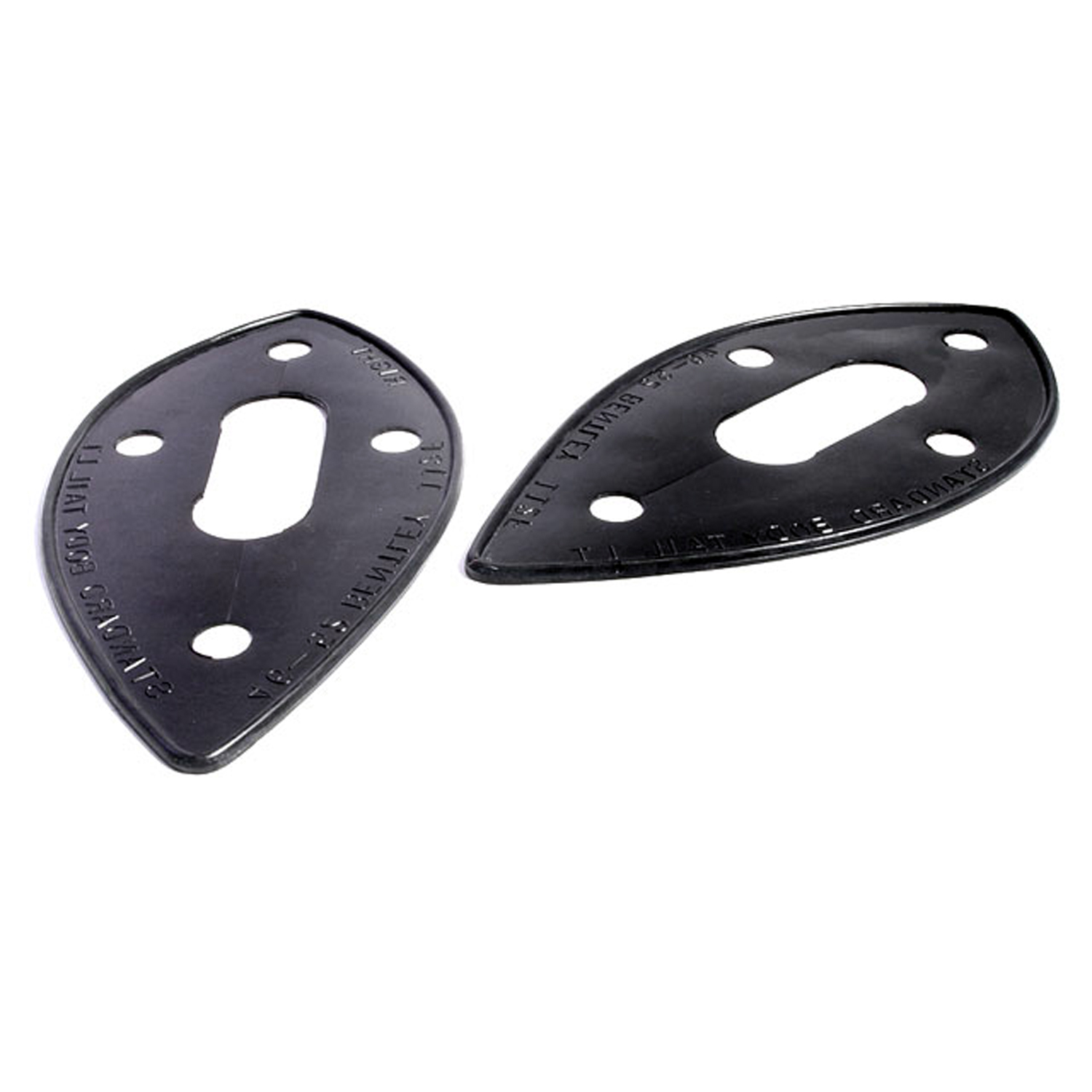 1952 Bentley Continental Standard Body Tail-light Pads. 3-7/8" wide X 7-3/8" long-MP 112-FStandard Body Tail-light Pads. 3-7/8" wide X 7-3/8" long. Pair R&L
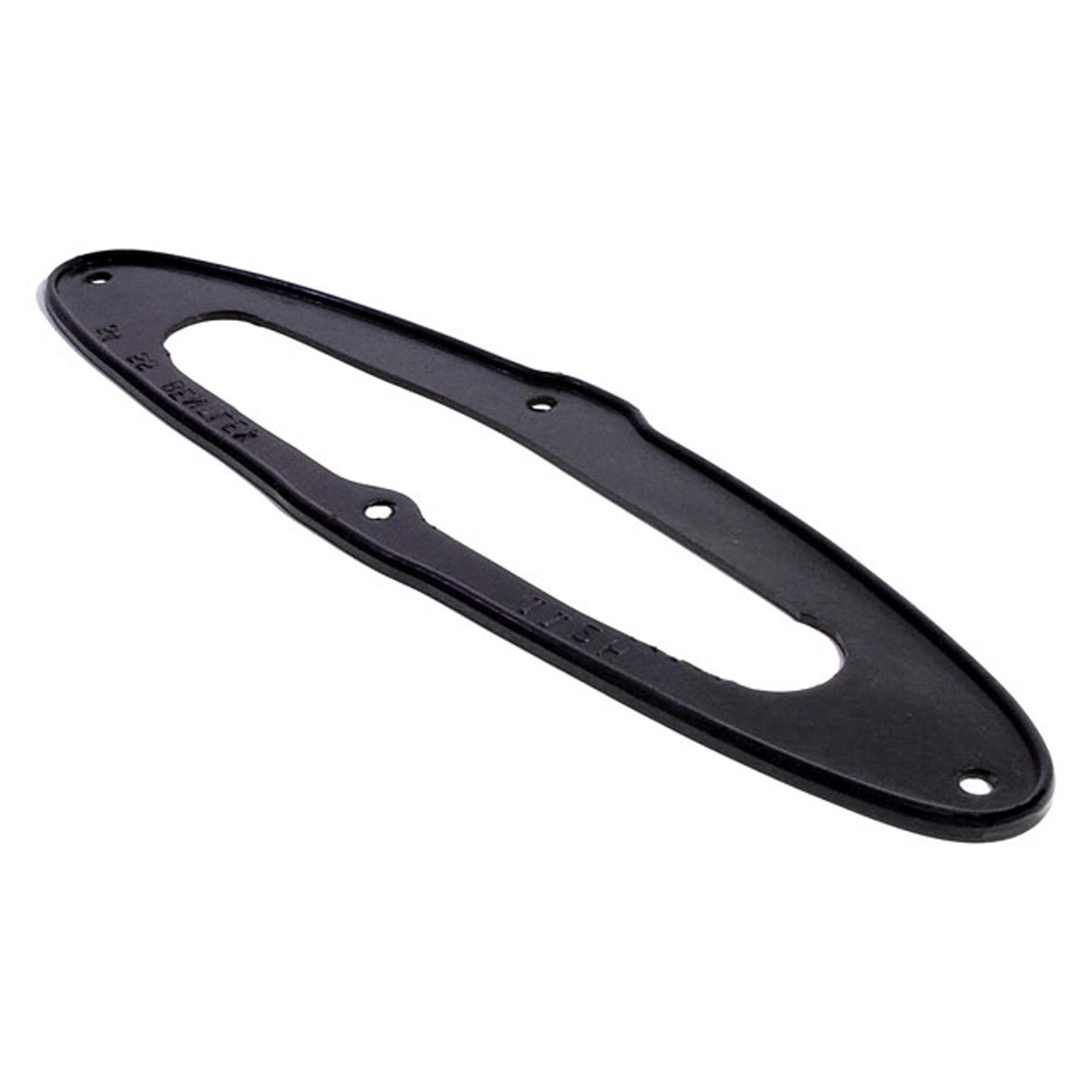 1952 Bentley Continental License Light Pad. 3-1/4" wide X 12" long. Each-MP 112-HLicense Light Pad. 3-1/4" wide X 12" long. Each
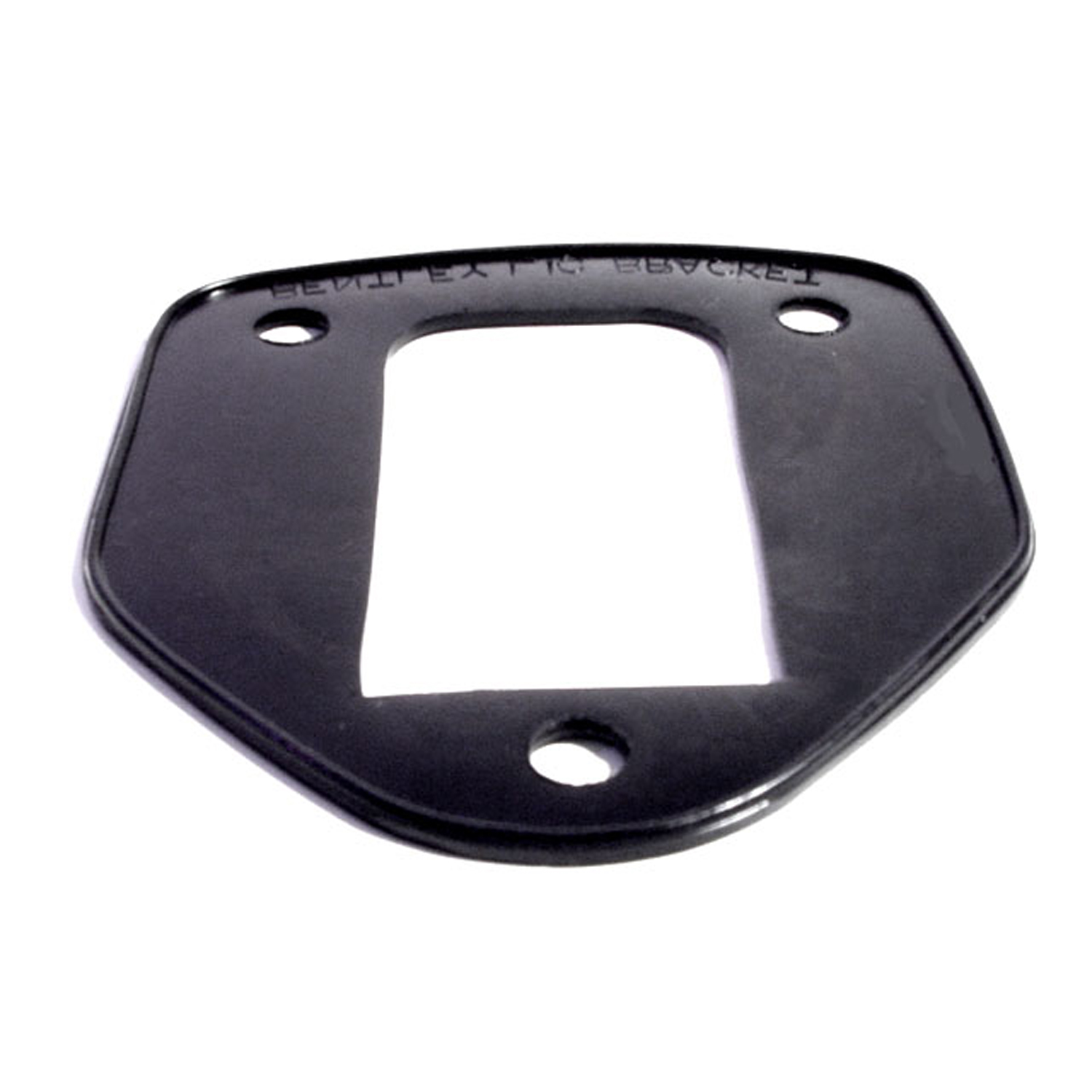 1952 Bentley Continental License Bracket Pad. 4-3/8" wide X 5" long. Each-MP 112-JLicense Bracket Pad. 4-3/8" wide X 5" long. Each
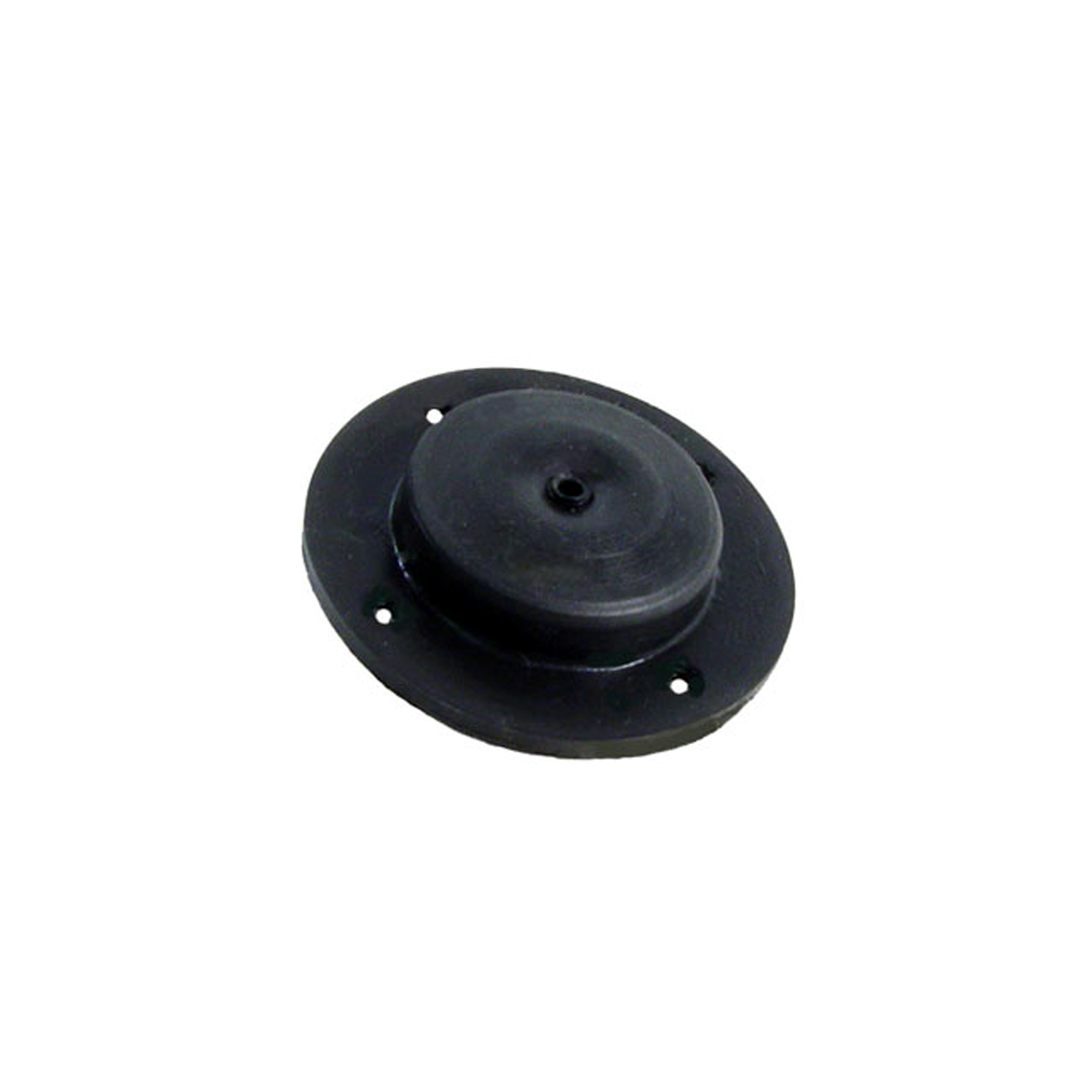 1952 Bentley Continental Thermo Tube through Dash Grommet. 2-3/8" O.D. Each-SM 70Thermo Tube through Dash Grommet. 2-3/8" O.D. Each
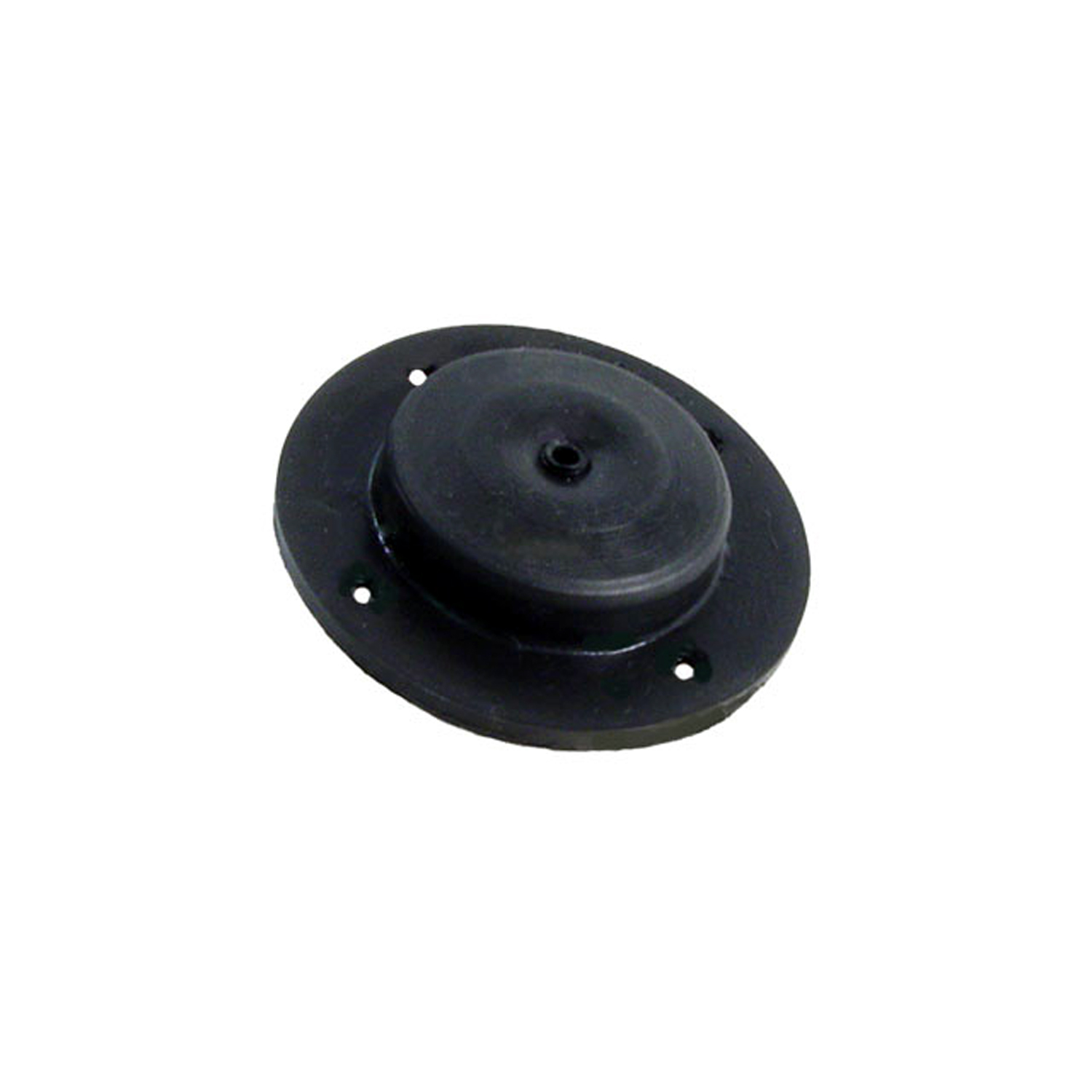 1952 Bentley Continental Speedometer Cable through Dash Grommet. 2-3/8" O.D. Each-SM 70-ASpeedometer Cable through Dash Grommet. 2-3/8" O.D. Each
Why Choose Metro?
For over 100 years, Metro Moulded Parts has been the pinnacle of quality in classic car restoration parts. Our commitment to precision and authenticity in every component ensures a perfect fit and an OEM-level appearance.
- Expert Craftsmanship & Quality: Each part is a testament to our dedication to reliability and perfection, crafted from original designs and thoroughly tested.
- Advanced Technology: We use cutting-edge techniques to create flawless, long-lasting parts that surpass others in performance.
- SuperSoft Sponge – The Ultimate Door Seal: Not only are our door seals 30% softer than competitors', but they're also guaranteed to never leak. They effectively reduce wind and road noise, enhancing your classic car's comfort and driving experience.
- Proudly American: Our parts are a product of American craftsmanship, made in the USA with a spirit of excellence and heritage.
- Unrivaled Warranty: We back our products with a 30-year industry-leading warranty, a testament to our confidence in their quality.
Join us in preserving the legacy of classic cars with parts that are crafted for perfection, not just made.