
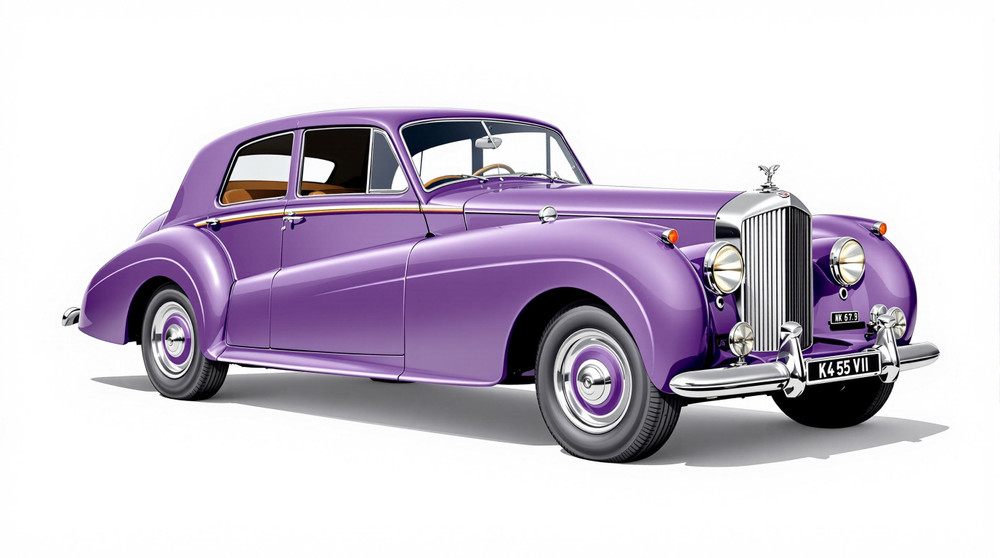
Image of 1952 Bentley Mk Vi, Note: These illustrations use artistic license and may differ from actual historical models.
Performance Metrics
Fundamental Metrics
Emotional Appeal
MMP Rating
| Engine Specifications | |
|---|---|
| Engine: | 4.6 L F-head I6 |
| Displacement: | 4,566 cc |
| Horsepower: | 130 hp |
| Torque: | Not specified for this model |
| Compression Ratio: | Not specified for this model |
| Ignition System: | Coil ignition |
| Cooling System: | Water-cooled |
| Performance Specifications | |
| 0-60 Time: | 15 seconds |
| 1/4 Mile Time: | Not specified for this model |
| Top Speed: | 100 mph |
| Transmission and Drive | |
| Drive Type: | Rear-wheel drive |
| Transmission Type: | 4-speed manual |
| Fuel and Efficiency | |
| Fuel System Type: | Twin SU carburetors |
| MPG: | Not specified for this model |
| Dimensions and Brakes | |
| Brakes: | Drum brakes |
| Wheelbase: | 120 inches |
| Weight: | 1,950 kg |
Note: Specifications for classic cars are given to the best of our ability, considering the limited and variant data available.
1952 Bentley Mk VI: A Postwar Grand Tourer with Handcrafted Soul
The 1952 Bentley Mk VI brought prewar prestige into the modern age, pairing a smooth six-cylinder engine with a body that could be ordered ready-made or commissioned from a coachbuilder. Built by Bentley Motors in Crewe, England, the Mk VI was the marque’s first postwar production model and an important step toward making Bentley ownership available beyond the world of one-off coachbuilt cars. Its 1952 significance is especially clear: it was the final year of Mk VI production before the larger-booted R-Type took over.
One detail makes the model especially interesting to collectors today. Early Mk VIs used a 4.25-litre engine, while later cars received a larger 4.5-litre “Big Bore” version. A 1952 car may have that larger engine, but the exact specification depends on its build date and chassis records.
Elegant Styling and Traditional Craftsmanship
The standard Mk VI saloon has a composed, upright presence rather than the dramatic proportions of a sports car. Its tall radiator grille, long bonnet, sweeping front wings and rounded rear body give it a dignified profile. Chrome trim is restrained, and the overall impression is one of substantial quality rather than showy decoration. The radiator mascot and details could vary according to specification and owner preference.
Inside, the Mk VI feels like a carefully appointed English drawing room made for the road. Depending on the car’s specification, occupants would find leather upholstery, polished wood trim, deep carpets and generously padded seats. The dashboard is laid out around clear instruments and traditional controls. Materials and finishes could differ between the standard saloon and coachbuilt examples, but a well-preserved car still conveys the close attention to fit and finish expected of a Bentley.
The standard steel saloon was the most common and recognizable body style. Bentley also supplied chassis to independent coachbuilders, who created bespoke saloons, coupés, drophead coupés and other individual designs. Names associated with Mk VI coachwork include H.J. Mulliner, Park Ward, James Young and Freestone & Webb. These special bodies are often more distinctive, but the factory saloon remains the model’s signature form.
Paint choices depended on the original order and coachbuilder. Solid colors, formal dark finishes and two-tone schemes were all possible, so there is no single definitive palette for every Mk VI. Dark blue, black, maroon and green look particularly at home on the car, while two-tone combinations can emphasize its flowing bodywork.
Engineering That Bridged Two Eras
The Mk VI’s major innovation was not a single futuristic gadget. It was the way Bentley combined established engineering and hand-finished luxury with a factory-built steel body. The standard saloon body was produced by Pressed Steel and then finished to Bentley’s standards. That gave the company a more consistent, practical production model than building every car entirely through an outside coachbuilder, while still preserving the craftsmanship customers expected.
Under the bonnet is a straight-six engine with overhead intake and side exhaust valves, a configuration often described as an F-head. The original 4.25-litre unit was enlarged to approximately 4.5 litres in later production. Power was not officially advertised in the modern fashion, so published horsepower figures are estimates rather than a definitive factory claim. A four-speed manual gearbox and rear-wheel drive complete the traditional grand-touring layout.
The Mk VI also marked a transition in Bentley’s identity. Bentley had become part of Rolls-Royce in 1931, and the postwar car drew on the company’s manufacturing resources while retaining Bentley badging and a distinctly sporting character. It shared some engineering and production thinking with Rolls-Royce models, but was presented as the more driver-focused alternative.
Performance and Road Manners
For a large luxury saloon of its period, the Mk VI is brisk rather than outright fast. A healthy example can reach roughly 100 mph, with 0 to 60 mph taking about 14 to 16 seconds. Figures vary with engine size, body weight, mechanical condition and testing method. The later 4.5-litre cars have a useful increase in flexibility, especially when accelerating from cruising speed.
On the road, the six-cylinder engine is best appreciated for its smooth, unhurried delivery. It makes a muted mechanical sound rather than a sharp sporting roar, and the car feels happiest covering distance at a steady pace. The manual gear change is part of the experience: it asks for a measured hand and a little familiarity, rather than quick, modern shifts.
The suspension is designed for comfort, with independent front suspension and coil springs helping it absorb ordinary road imperfections. On rough surfaces, the car has the substantial, insulated feel of a luxury saloon, though worn suspension components can make an old example feel loose or unsettled. On winding roads, its size and weight are always present. It can make smooth progress, but it is not a nimble sports car, and the driver must plan braking and cornering in advance. Steering effort is also heavier at low speeds than in a modern car.
What Mk VI Ownership Is Really Like
Today, most Mk VIs are used for touring, club events, concours displays and occasional special outings rather than daily commuting. A well-sorted example can cover distance comfortably, but its age, fuel consumption and the cost of specialist repairs make regular modern traffic a demanding environment. It also lacks contemporary safety features, so owners should drive it with the caution appropriate to a car designed more than seven decades ago.
Maintenance is manageable for a committed owner, but the Mk VI is not an ideal first restoration project. Routine servicing is best handled by someone familiar with vintage Bentley and Rolls-Royce engineering. Parts availability is generally supported by specialist suppliers and marque networks, though coachbuilt body components and trim can be harder to source or reproduce. Before buying, pay close attention to engine condition, cooling, gearbox operation, brakes, electrical systems, corrosion and the quality of any restoration work.
Mechanical repairs are not necessarily mysterious, but they are rarely as simple or inexpensive as those on a common classic car. A knowledgeable home mechanic can handle some jobs, while major engine, chassis or bodywork repairs are usually best entrusted to a specialist. The car’s hand-finished construction means that two examples can differ in details, particularly when coachbuilt bodies are involved.
Notable Facts and Common Criticisms
The Mk VI helped re-establish Bentley after the Second World War and introduced the company’s first standard steel-bodied production saloon. That body made the car a more repeatable factory product, but it did not eliminate bespoke coachwork: buyers seeking a more individual car could still purchase a chassis for a specialist body.
Across the full Mk VI production run, approximately 5,208 cars were built. That total includes standard steel saloons and chassis supplied for coachbuilt bodies; it is not the production figure for 1952 alone. The model is therefore uncommon today, but not so scarce that examples never appear on the market.
The car’s main criticisms are familiar to owners of large prewar-influenced classics: high running costs, heavy controls, modest acceleration by modern standards and a need for regular specialist attention. Some buyers also prefer the R-Type’s larger luggage compartment. In return, the Mk VI offers a particularly formal design and a direct connection to Bentley’s postwar revival.
1952 Bentley Mk VI Values and Collectibility
Values depend heavily on condition, originality, documentation, engine specification and body style. As a broad 2026 estimate in the U.S. market, a usable but imperfect standard steel saloon may sell for about $30,000 to $55,000. A sound, well-maintained example often falls in the $55,000 to $90,000 range, while exceptional, highly original or beautifully restored cars can exceed $100,000. Coachbuilt cars vary much more widely, with especially attractive or historically significant examples potentially reaching well into six figures.
These are guide ranges, not fixed price tags. A car with hidden corrosion, deferred mechanical work or a poorly documented restoration can be worth substantially less than its appearance suggests. Conversely, strong provenance, rare coachwork and meticulous maintenance can command a premium. As with many prewar-influenced British luxury cars, the market tends to reward condition and quality more than simply being a particular model year.
Mk VI values have generally been selective rather than uniformly rising. The best cars remain desirable, but ownership and restoration costs can limit how much buyers are willing to pay for projects. Availability is occasional: with roughly 5,208 produced across the model’s life, buyers can find examples, but locating a specific 1952 car with the right body, history and condition may take patience.
Why the Mk VI Still Matters
The 1952 Bentley Mk VI combines dignified styling, traditional materials and a smooth straight-six with an important production milestone: it helped Bentley move from a largely coachbuilt tradition toward a more standardized postwar car. The standard steel saloon is the model’s best-known form, while coachbuilt versions show just how personal a Bentley could still be.
It is not the quickest or easiest classic to own, and it makes few concessions to modern driving. Its appeal lies elsewhere: in the quiet authority of its design, the quality of its cabin and the sense of occasion it brings to an ordinary journey. The Mk VI is a landmark Bentley that still turns a drive into an event.
1952 Bentley Mk Vi Catalog of Parts
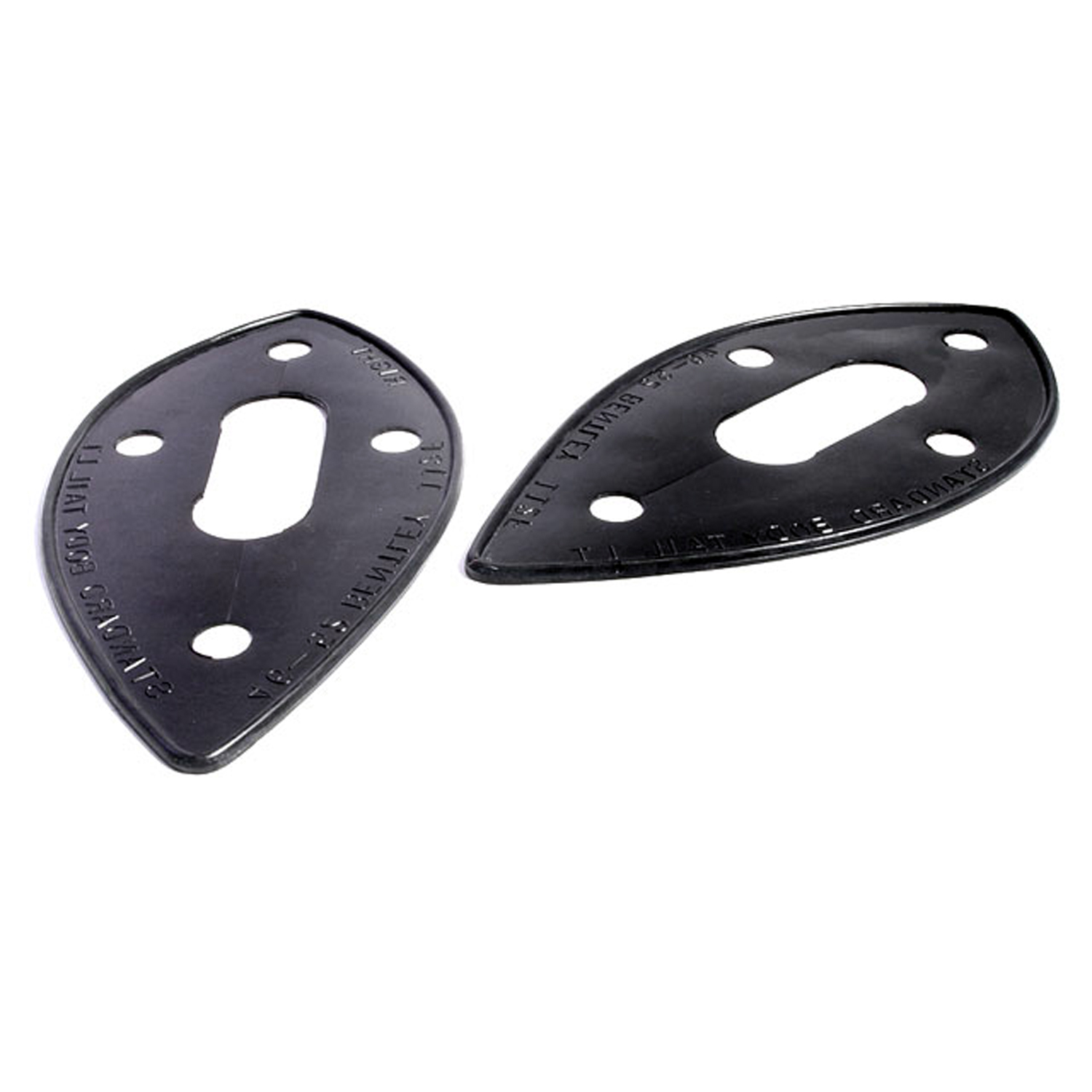 1952 Bentley Mk VI Standard Body Tail-light Pads. 3-7/8" wide X 7-3/8" long-MP 112-FStandard Body Tail-light Pads. 3-7/8" wide X 7-3/8" long. Pair R&L
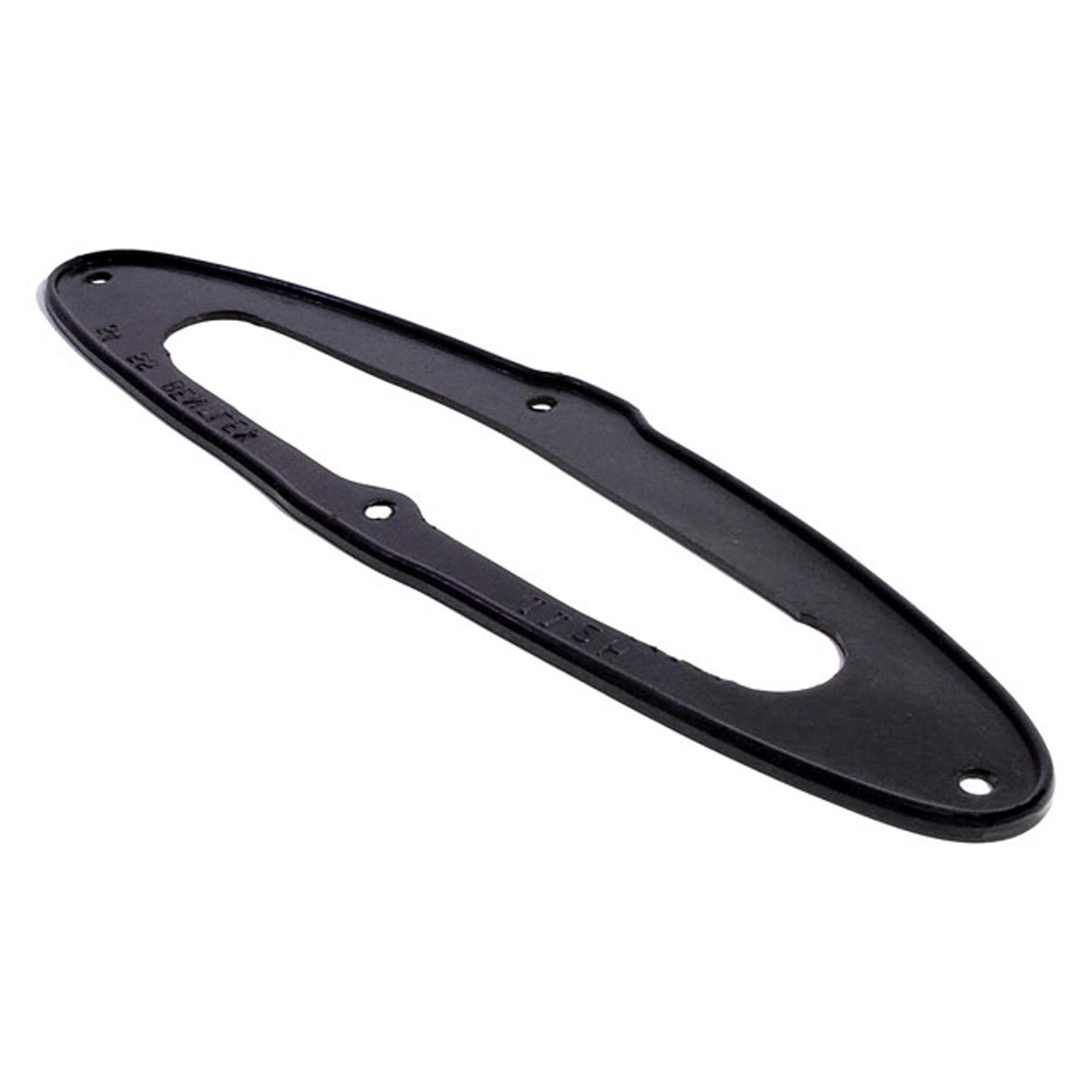 1952 Bentley Mk VI License Light Pad. 3-1/4" wide X 12" long. Each-MP 112-HLicense Light Pad. 3-1/4" wide X 12" long. Each
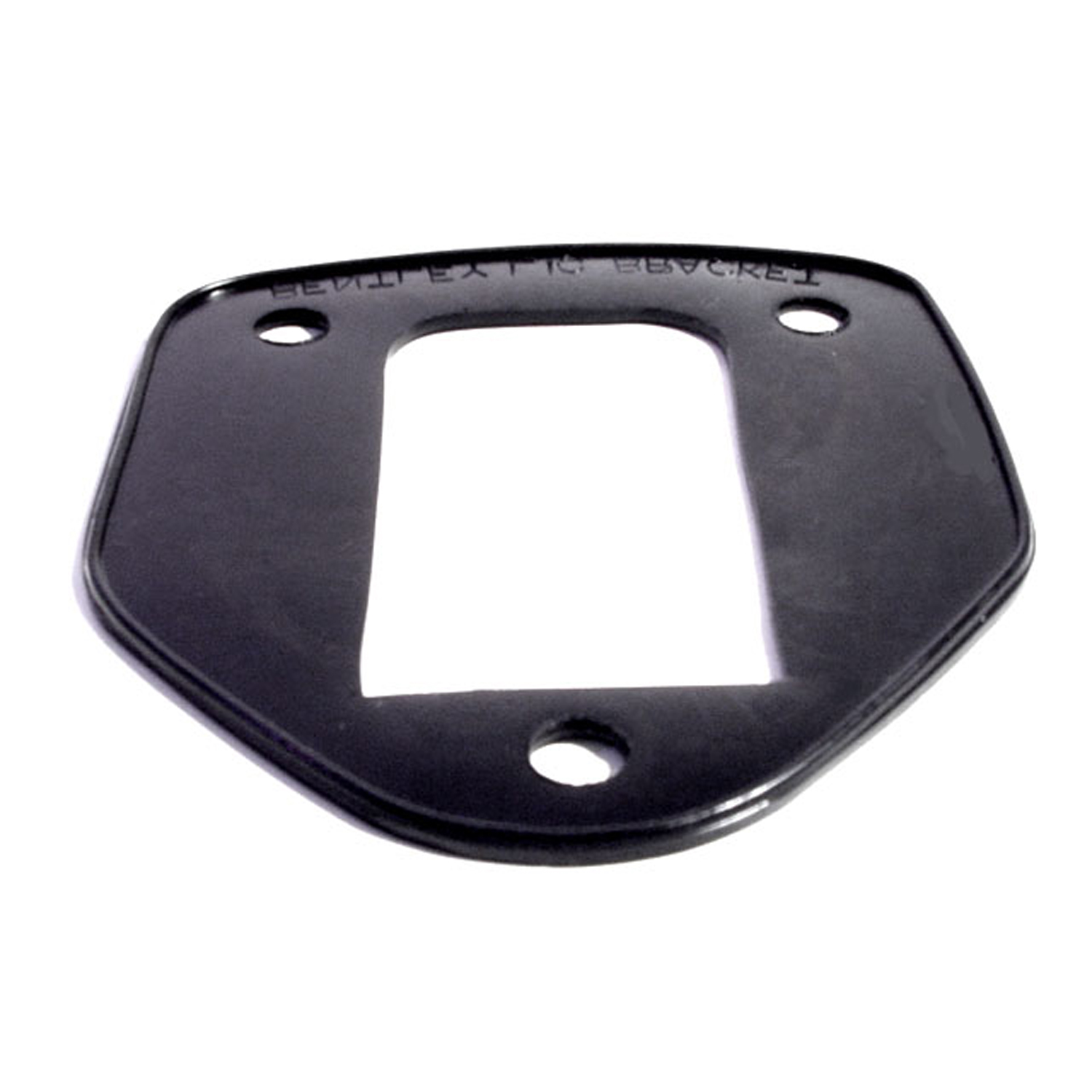 1952 Bentley Mk VI License Bracket Pad. 4-3/8" wide X 5" long. Each-MP 112-JLicense Bracket Pad. 4-3/8" wide X 5" long. Each
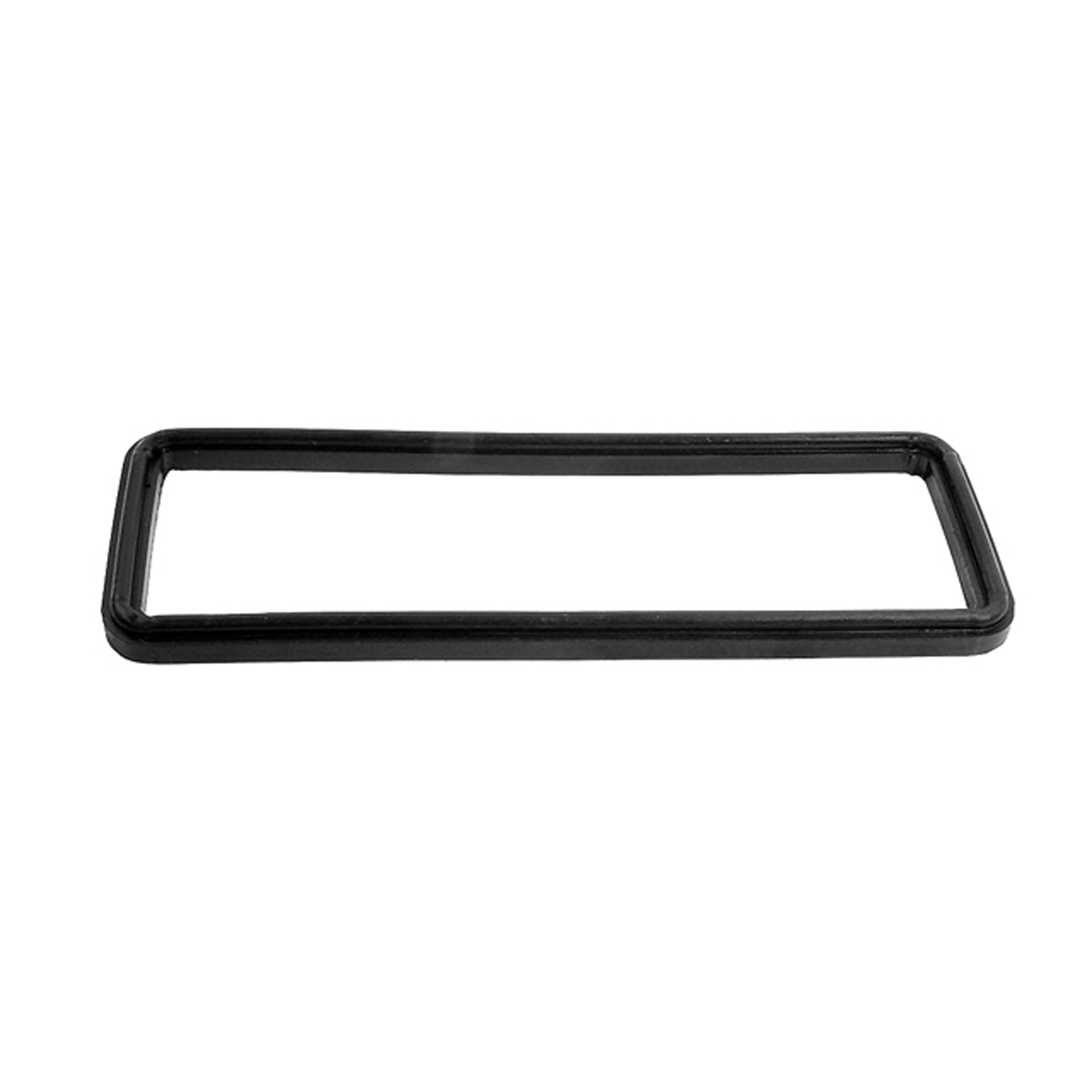 1952 Bentley Mk VI Side Vent Seal. Standard steel saloon-RP 100-FSide Vent Seal. Standard steel saloon. 3" wide X 8-1/2" long. Each
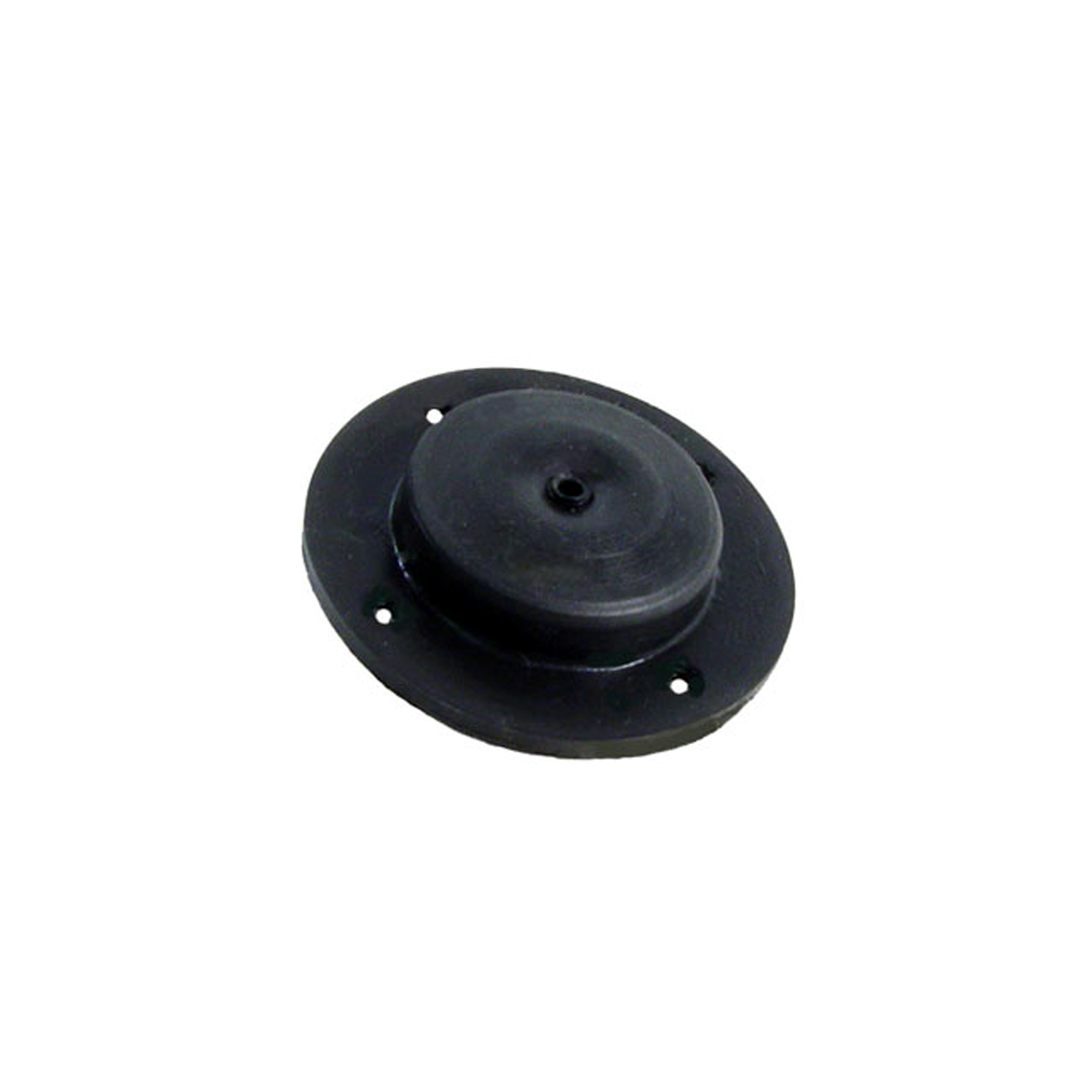 1952 Bentley Mk VI Thermo Tube through Dash Grommet. 2-3/8" O.D. Each-SM 70Thermo Tube through Dash Grommet. 2-3/8" O.D. Each
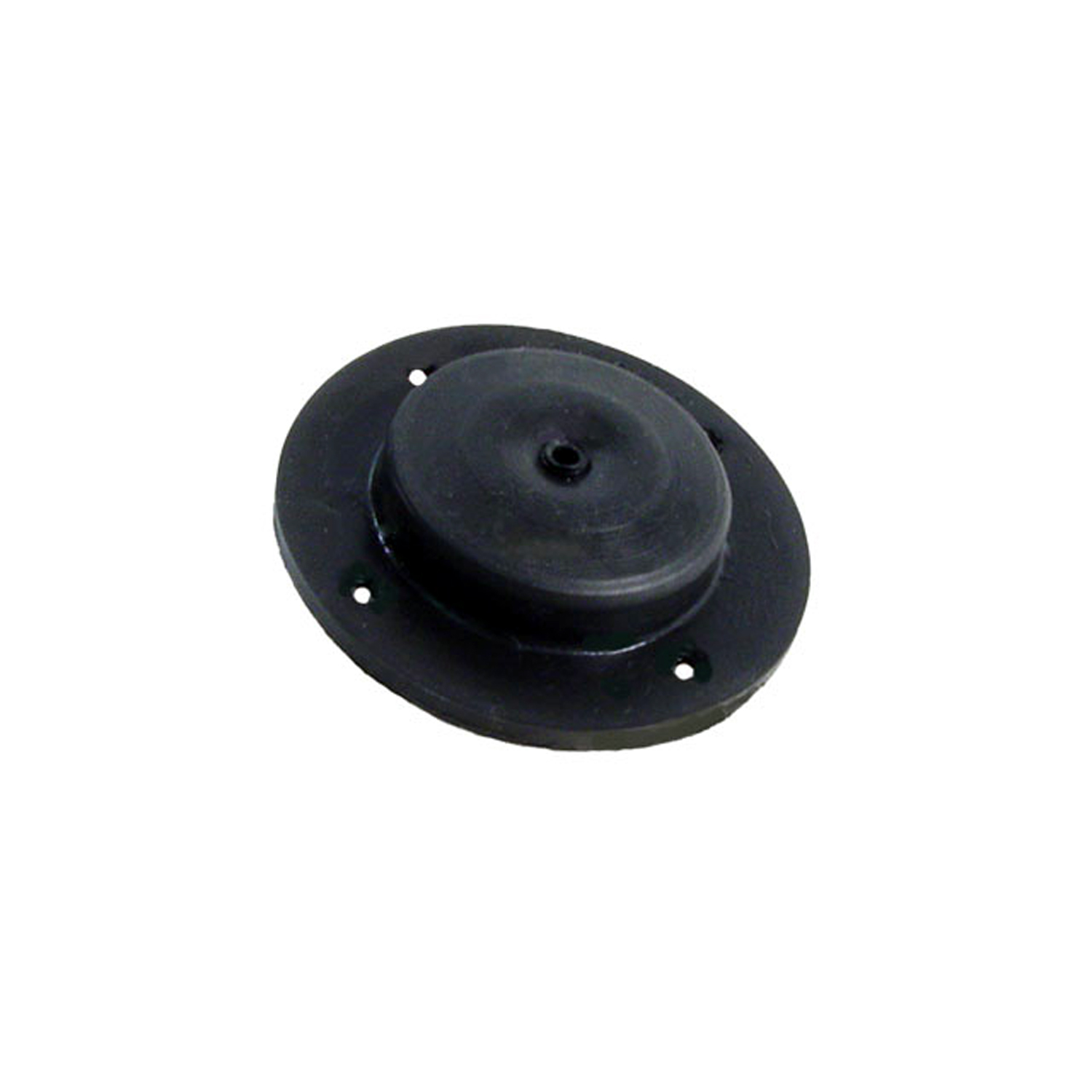 1952 Bentley Mk VI Speedometer Cable through Dash Grommet. 2-3/8" O.D. Each-SM 70-ASpeedometer Cable through Dash Grommet. 2-3/8" O.D. Each
Why Choose Metro?
For over 100 years, Metro Moulded Parts has been the pinnacle of quality in classic car restoration parts. Our commitment to precision and authenticity in every component ensures a perfect fit and an OEM-level appearance.
- Expert Craftsmanship & Quality: Each part is a testament to our dedication to reliability and perfection, crafted from original designs and thoroughly tested.
- Advanced Technology: We use cutting-edge techniques to create flawless, long-lasting parts that surpass others in performance.
- SuperSoft Sponge – The Ultimate Door Seal: Not only are our door seals 30% softer than competitors', but they're also guaranteed to never leak. They effectively reduce wind and road noise, enhancing your classic car's comfort and driving experience.
- Proudly American: Our parts are a product of American craftsmanship, made in the USA with a spirit of excellence and heritage.
- Unrivaled Warranty: We back our products with a 30-year industry-leading warranty, a testament to our confidence in their quality.
Join us in preserving the legacy of classic cars with parts that are crafted for perfection, not just made.