

Image of 1952 Bentley R Type, Note: These illustrations use artistic license and may differ from actual historical models.
Performance Metrics
Fundamental Metrics
Emotional Appeal
MMP Rating
| Engine Specifications | |
|---|---|
| Engine Options: | 4.6L I6 |
| Displacement Range: | 4566 cc |
| Horsepower Range: | 130-150 HP |
| Torque: | Estimated 230-250 lb-ft |
| Compression Ratio: | 6.6:1 |
| Ignition System: | Coil ignition |
| Cooling System: | Water-cooled |
| Performance Specifications | |
| 0-60 Time: | Estimated 13-15 seconds |
| 1/4 Mile Time: | Not available |
| Top Speed: | 101 mph |
| Transmission and Drive | |
| Drive Type: | Rear-wheel drive |
| Transmission Type: | 4-speed manual or automatic |
| Fuel and Efficiency | |
| Fuel System Type: | Twin SU carburetors |
| MPG: | Estimated 10-15 mpg |
| Dimensions and Brakes | |
| Brakes: | Drum brakes |
| Wheelbase: | 120 inches |
| Weight: | 1850 kg |
Note: Specifications for classic cars are given to the best of our ability, considering the limited and variant data available.
1952 Bentley R-Type: The British Grand Tourer That Bridged Two Eras
The 1952 Bentley R-Type paired quiet, hand-finished luxury with the pace to cover Britain’s roads at a serious clip. Built by Bentley Motors at its Crewe works, it followed the Mark VI and carried the marque’s pre-war reputation for sporting performance into the modern post-war era. It was a car for owners who wanted more than a chauffeur-driven limousine: the R-Type could cross long distances briskly, in comfort, and with unmistakable Bentley character.
One especially intriguing branch of the family was the R-Type Continental. Introduced in 1952, it was designed as a high-speed grand tourer, and Bentley described it as the fastest four-seat car in the world at the time. Its sleek, lightweight coachwork and higher performance made it a very different proposition from the stately standard saloon.
Elegant Shape, Bespoke Detail
The standard R-Type saloon has a balanced, upright profile, with a tall radiator grille, long bonnet, separate front wings, and gently rounded rear bodywork. Its proportions look formal without feeling ponderous. The most apparent practical change from the Mark VI was at the back: the R-Type had a larger boot, giving it more useful luggage space for touring.
Inside, the car offered the kind of craftsmanship expected of a British luxury marque. Rich wood veneers, typically walnut, framed the dashboard and furnished details such as the folding picnic tables fitted to many cars. Connolly leather upholstery, wool carpets, polished fittings, and clear, neatly arranged instruments created an interior that felt both handsome and functional. Coachbuilt examples could vary considerably, so trim and detailing depended on the original specification and the coachbuilder.
The R-Type’s restrained mechanical specification was advanced in its own quietly effective way. Its 4.6-litre, six-cylinder engine used an inlet-over-exhaust layout, a traditional Rolls-Royce and Bentley design that offered strong low-speed pulling power. Buyers could choose a four-speed manual gearbox or, on many cars, an automatic transmission. Independent front suspension helped improve comfort and control, while the car’s power-assisted braking system combined hydraulic front brakes with mechanically operated rear brakes.
Standard saloons were available in a range of factory and special-order paint finishes. Dark green, maroon, black, and formal two-tone schemes suit the car particularly well, though individual coachbuilt cars could be specified to a customer’s taste. The most iconic body style is arguably the fastback R-Type Continental, with its long, low roofline and tapered rear. H.J. Mulliner built most examples, while several other coachbuilders also produced Continental bodies. Standard steel saloons were much more common, alongside a smaller number of bespoke bodies by firms including Park Ward, James Young, Hooper, and Freestone & Webb.
Why the R-Type Mattered
The R-Type was an evolution rather than a clean-sheet technological revolution. It refined the Mark VI formula with a more practical luggage compartment, updated styling, and the performance expected of a Bentley. That blend mattered in the early 1950s, when British manufacturers were rebuilding production and customers were again looking for cars suited to long-distance travel.
What set the R-Type apart was the way it combined luxury with genuine touring ability. It was quieter and more comfortable than many sporting cars, yet its six-cylinder engine delivered ample torque for relaxed overtaking and sustained cruising. The Continental took that idea further. Its aerodynamic body and carefully developed performance showed that an exclusive coachbuilt car could be shaped around speed as well as prestige. The fastback Continental remains one of the most admired post-war Bentleys and helped establish a lasting template for the high-speed luxury grand tourer.
Performance and Road Manners
Bentley did not publish the R-Type’s horsepower figures, following the company’s longstanding practice of describing output as “adequate.” The standard 4.6-litre engine is commonly estimated at around 130 horsepower, though output varied with specification and condition. A sound standard saloon could reach roughly 100 mph and accelerate from 0 to 60 mph in about 13 seconds. These are period-style estimates, not modern instrumented test figures. The more powerful, lighter R-Type Continental could approach 120 mph, making it exceptionally quick for a four-seat car of its day.
The R-Type feels substantial, but it is not meant to be hurried through corners like a sports car. Its suspension smooths out broken pavement and undulating roads, while the long wheelbase gives it a settled, reassuring ride at speed. On winding roads, a driver needs to plan ahead: the car’s size, mass, and period steering and brakes reward smooth inputs rather than sharp corrections. The Continental’s lower, more aerodynamic body gives it a sportier character, though it remains a grand tourer rather than a dedicated competition machine.
From behind the wheel, the engine’s appeal is its reserve of low-speed torque and its smooth, muted note. The cabin is insulated from much of the road and mechanical noise, so the experience is less about dramatic engine sound and more about effortless progress. The steering feels weighty at parking speeds, while the view over the bonnet and upright grille gives the driver a clear sense of the car’s dimensions. In a manual car, changing gear is part of the experience; an automatic makes relaxed cruising easier.
Living with an R-Type
Today, most R-Types are used for touring, club events, and concours gatherings rather than everyday commuting. They are capable of covering long distances, but their age, size, fuel consumption, and specialist maintenance needs make routine modern traffic less appealing. A well-maintained example can still be a rewarding driver, especially on open roads where its quiet ride and steady pace make sense.
Reliability depends heavily on maintenance history. The basic engineering is robust, but these are complex luxury cars with aging electrical systems, braking components, cooling systems, and automatic transmissions that may need expert attention. Routine servicing is straightforward for a specialist, but the average owner should not assume that a vintage Bentley is easy or inexpensive to repair. Parts availability is generally better than for many low-volume classics, yet coachbuilt body repairs and major mechanical work can become costly. A pre-purchase inspection by a marque specialist is essential.
R-Type Facts and Common Criticisms
Production ran from 1952 to 1955, with approximately 2,323 R-Types built in total. About 208 were R-Type Continentals, making them far rarer than the standard saloon. The precise details of individual cars matter: coachbuilder, original specification, matching components, restoration quality, and documented history can all have a major effect on value.
The Continental’s claim to fame was its remarkable speed for a four-seat production car of its period. It was not, however, a mass-market record-breaker or a racing special. Its achievement came from combining high cruising speed with comfort, elegant coachwork, and room for passengers. The standard R-Type’s significance is more practical: it brought Bentley’s established luxury-and-performance formula to customers in a post-war market that was steadily expanding.
Common criticisms are much the same as those attached to many large 1950s luxury cars. The R-Type is thirsty by modern standards, takes up plenty of road space, and can feel heavy at low speed. Its braking system and period electrical components require knowledgeable upkeep. On the Continental, exclusivity and bespoke bodywork can make restoration especially expensive. These drawbacks are part of the ownership calculation, not reasons to overlook the car’s appeal.
Collector Values and Market Outlook
As a broad estimate in the current collector market, a standard R-Type saloon may sell for around US$35,000 to US$100,000, depending on condition, history, and the quality of any restoration. Particularly well-presented or exceptional examples can exceed that range. A genuine R-Type Continental is in a different category: values commonly fall around US$1 million to US$2.5 million, with outstanding, highly documented cars potentially selling for more.
Standard saloons appear on the market periodically, but buyers should look carefully at mechanical condition and restoration quality rather than choosing solely by appearance. Continental examples are genuinely scarce, and each car’s provenance and coachwork can strongly influence its price. Values have generally favored well-preserved, correctly restored cars, with the Continental enjoying the strongest demand. The broader classic-car market can fluctuate, so it is wiser to treat these figures as approximate ranges than guaranteed resale prices.
A Bentley Built for the Open Road
The 1952 Bentley R-Type brought together craftsmanship, comfort, and useful performance at an important moment in post-war motoring. Its standard saloon was a refined long-distance car, while the rare Continental pushed the same idea toward high-speed grand touring. More than seventy years later, the R-Type still captures a distinctive Bentley quality: the promise that a journey can be both swift and beautifully composed.
1952 Bentley R Type Catalog of Parts
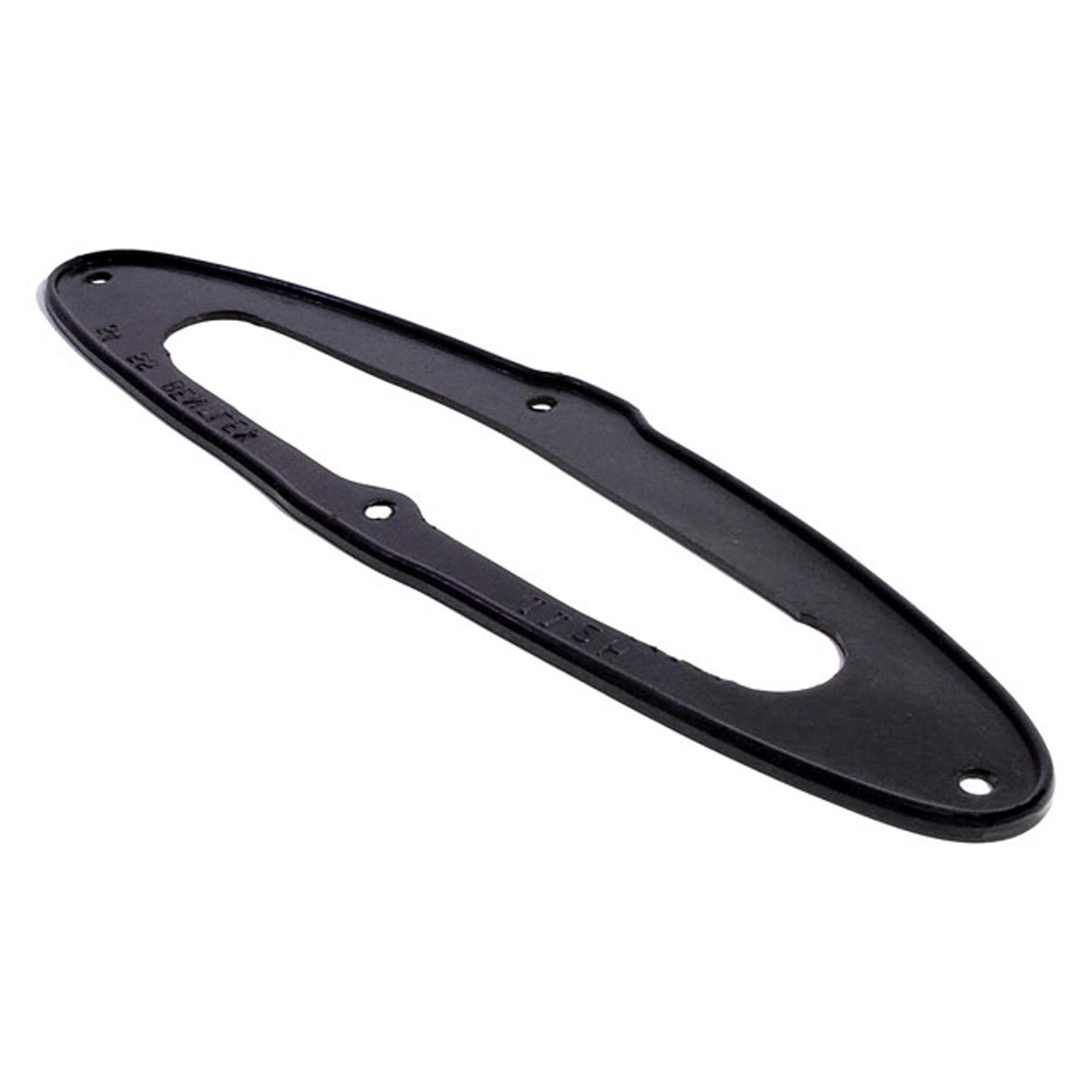 1952 Bentley R Type License Light Pad. 3-1/4" wide X 12" long. Each-MP 112-HLicense Light Pad. 3-1/4" wide X 12" long. Each
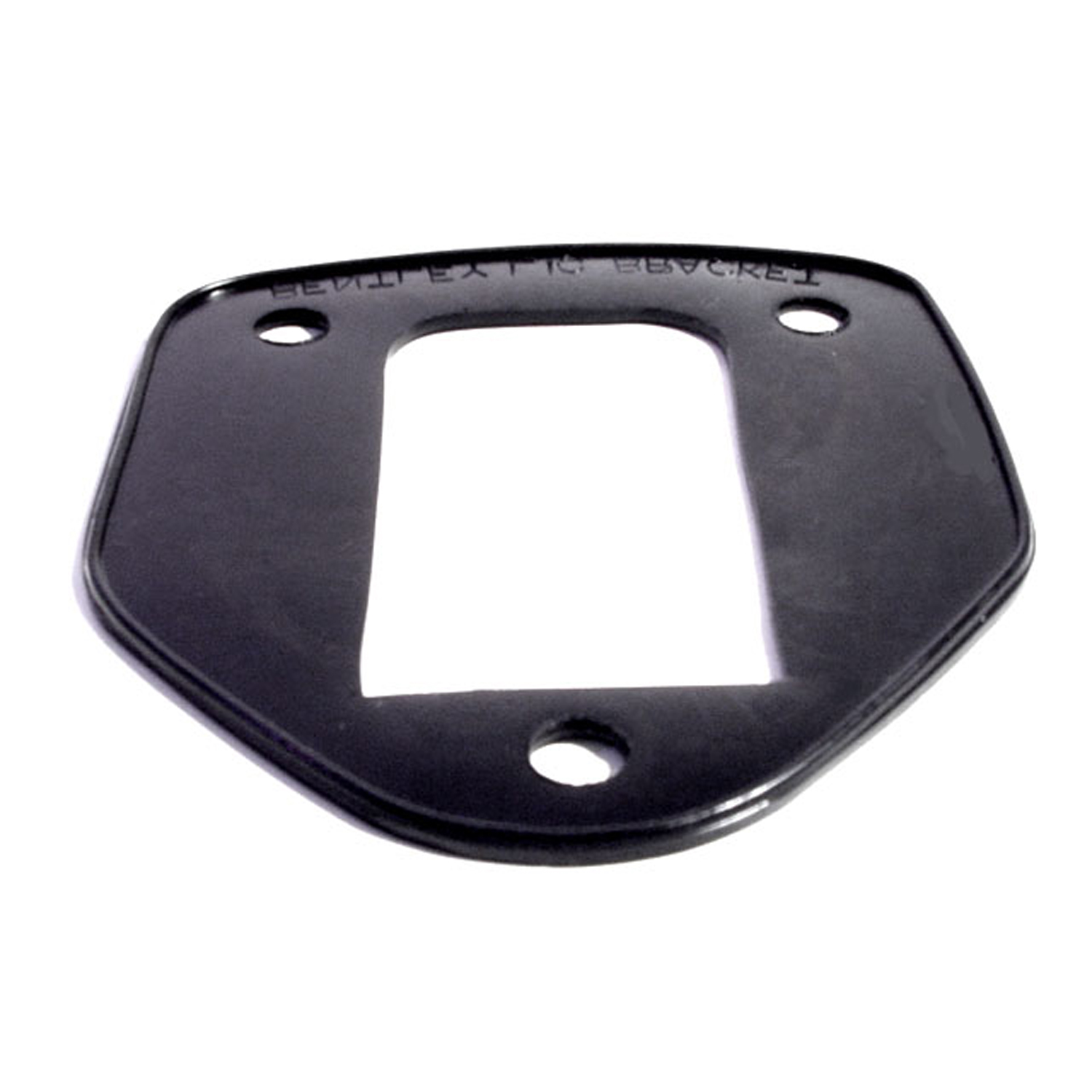 1952 Bentley R Type License Bracket Pad. 4-3/8" wide X 5" long. Each-MP 112-JLicense Bracket Pad. 4-3/8" wide X 5" long. Each
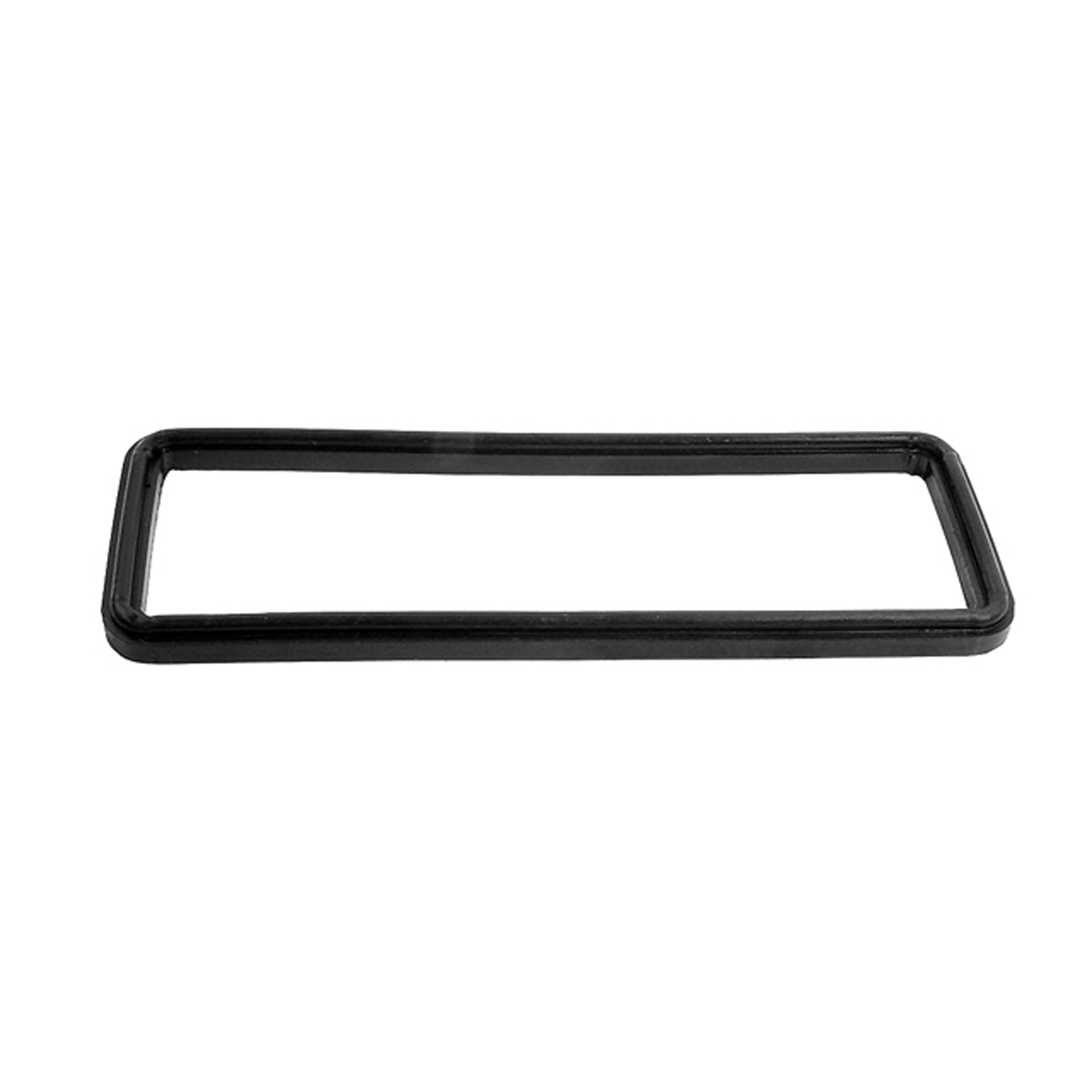 1952 Bentley R Type Side Vent Seal. Standard steel saloon-RP 100-FSide Vent Seal. Standard steel saloon. 3" wide X 8-1/2" long. Each
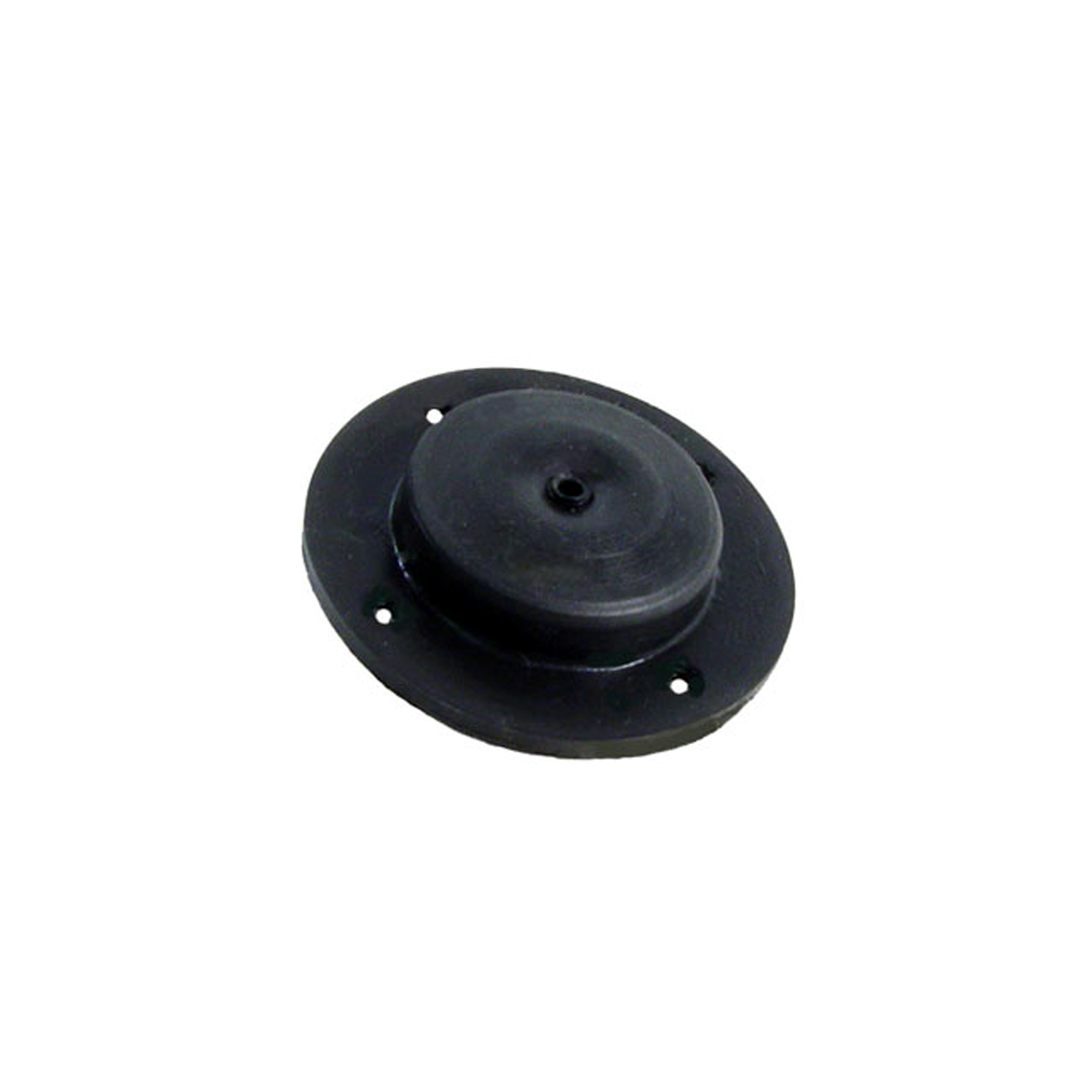 1952 Bentley R Type Thermo Tube through Dash Grommet. 2-3/8" O.D. Each-SM 70Thermo Tube through Dash Grommet. 2-3/8" O.D. Each
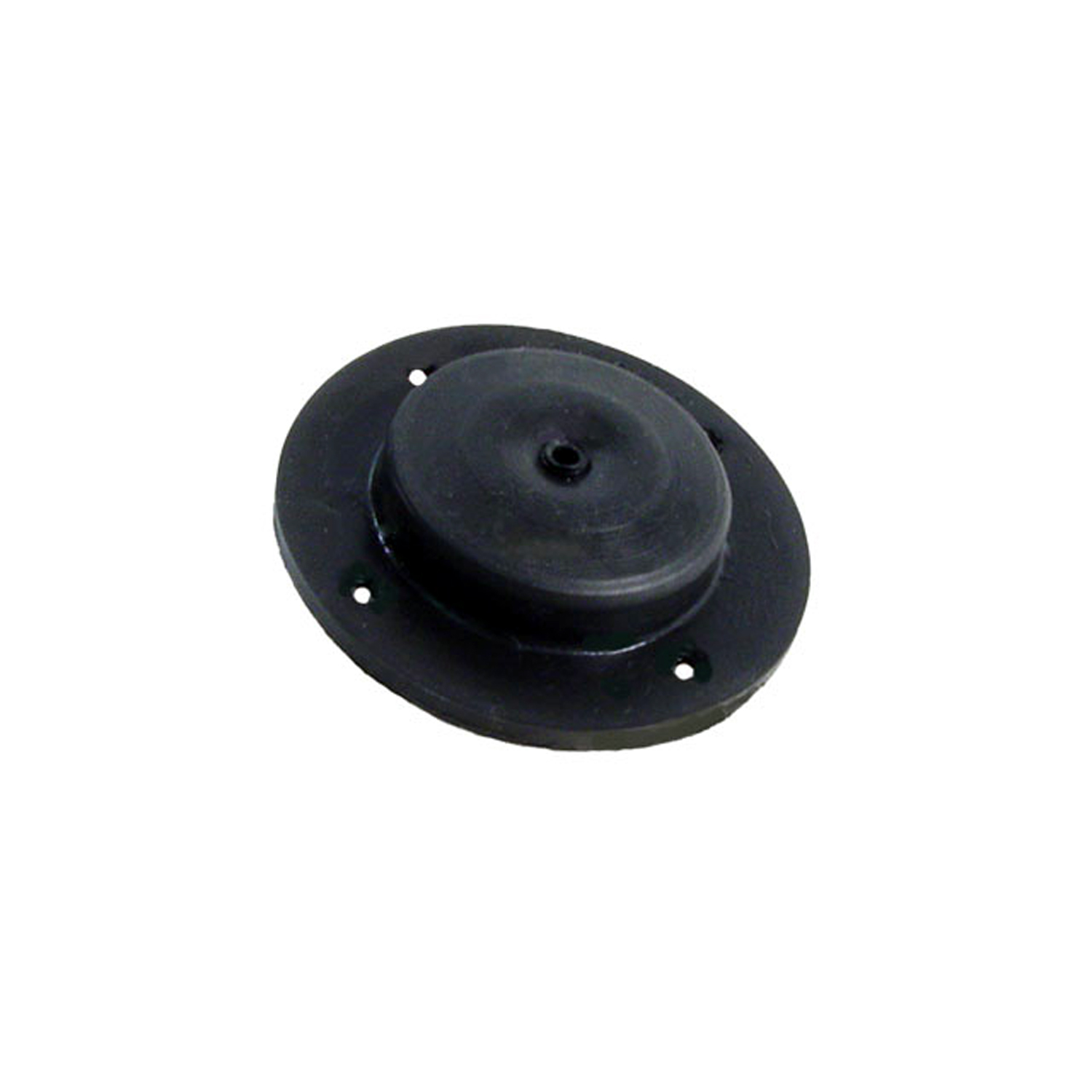 1952 Bentley R Type Speedometer Cable through Dash Grommet. 2-3/8" O.D. Each-SM 70-ASpeedometer Cable through Dash Grommet. 2-3/8" O.D. Each
Why Choose Metro?
For over 100 years, Metro Moulded Parts has been the pinnacle of quality in classic car restoration parts. Our commitment to precision and authenticity in every component ensures a perfect fit and an OEM-level appearance.
- Expert Craftsmanship & Quality: Each part is a testament to our dedication to reliability and perfection, crafted from original designs and thoroughly tested.
- Advanced Technology: We use cutting-edge techniques to create flawless, long-lasting parts that surpass others in performance.
- SuperSoft Sponge – The Ultimate Door Seal: Not only are our door seals 30% softer than competitors', but they're also guaranteed to never leak. They effectively reduce wind and road noise, enhancing your classic car's comfort and driving experience.
- Proudly American: Our parts are a product of American craftsmanship, made in the USA with a spirit of excellence and heritage.
- Unrivaled Warranty: We back our products with a 30-year industry-leading warranty, a testament to our confidence in their quality.
Join us in preserving the legacy of classic cars with parts that are crafted for perfection, not just made.