
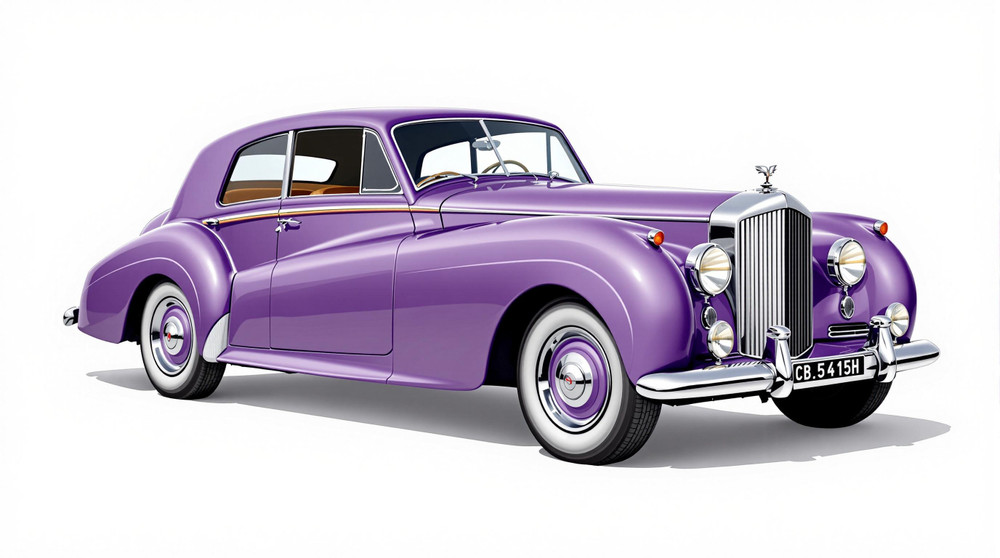
Image of 1953 Bentley Continental, Note: These illustrations use artistic license and may differ from actual historical models.
Performance Metrics
Fundamental Metrics
Emotional Appeal
MMP Rating
| Engine Specifications | |
|---|---|
| Engine: | 4.9L Inline 6 |
| Displacement: | 4887 cc |
| Horsepower: | 158 hp |
| Torque: | 230 lb-ft |
| Compression Ratio: | 6.6:1 |
| Ignition System: | Coil and distributor |
| Cooling System: | Water-cooled |
| Performance Specifications | |
| 0-60 Time: | 13 seconds |
| 1/4 Mile Time: | Not available |
| Top Speed: | 120 mph |
| Transmission and Drive | |
| Drive Type: | Rear-wheel drive |
| Transmission Type: | 4-speed manual |
| Fuel and Efficiency | |
| Fuel System Type: | Twin SU carburetors |
| MPG: | 14 mpg |
| Dimensions and Brakes | |
| Brakes: | Drum brakes |
| Wheelbase: | 120.5 inches |
| Weight: | 3650 lbs |
Note: Specifications for classic cars are given to the best of our ability, considering the limited and variant data available.
1953 Bentley Continental: The Fastback That Redefined Luxury
The 1953 Bentley Continental was a grand tourer with an unusual mission: cross a continent at speed without asking its passengers to give up comfort. Based on the Bentley R-Type and built by Rolls-Royce’s Bentley division, it combined a powerful six-cylinder engine with exceptionally light, custom coachwork. The result was one of the most exclusive and capable British cars of its era.
The name needs a little context. “1953 Bentley Continental” usually refers to the R-Type Continental, produced from 1952 to 1955. It is not the later S-series Continental, nor the modern Continental GT. Its sleek fastback shape and remarkable performance helped establish the Continental as a distinct kind of Bentley: a swift, elegant touring car made for long distances.
At launch, the R-Type Continental was promoted as the world’s fastest four-seat production car. That was a bold claim, but period testing gave it substance: a well-known road test recorded a top speed of about 120 mph and a 0-to-60 mph time of roughly 13.25 seconds. In the early 1950s, those figures were exceptional for a substantial luxury car.
Fastback Styling and Coachbuilt Craftsmanship
The Continental’s most recognizable feature is its long, gently sloping roofline, which flows into a tapered rear end. The design is elegant rather than showy. A long bonnet, upright grille, rounded front wings and slim, balanced proportions give the car a poised stance, while the fastback tail makes it look ready to travel even when parked. The shape was developed with speed and aerodynamic efficiency in mind, not merely decoration.
Most R-Type Continentals wore two-door fastback coupé coachwork by H.J. Mulliner. The body was made largely from lightweight aluminium, helping reduce weight compared with a conventional steel-bodied luxury car. This choice mattered: the Continental needed to carry passengers and luggage at high speed, and keeping the body light helped the engine do that job more effectively.
Inside, the atmosphere is traditional Bentley: Connolly leather upholstery, fine carpeting and carefully finished wood veneers, often walnut, across the dashboard and cabin trim. The seats are designed for long-distance comfort, and the dashboard presents its instruments in a clear, purposeful layout. Rather than relying on modern conveniences, the car communicates quality through its materials, joinery and quiet attention to detail.
These were coachbuilt Bentleys, so buyers could specify details to suit their tastes. Paint and trim choices were not limited to a single standard palette in the way they might be on a mass-produced car. Dark greens, blues, black, silver and restrained two-tone combinations all suit the car’s period character, while leather and wood finishes could also be tailored. The iconic configuration remains the Mulliner fastback coupé, though other coachbuilders produced a small number of distinct bodies.
Engineering for the Open Road
Power comes from Bentley’s 4,566 cc, or 4.6-litre, inline-six engine. It uses overhead inlet valves and side exhaust valves, a layout often described as F-head or inlet-over-exhaust. Twin SU carburettors feed the engine, and a four-speed manual gearbox sends power to the rear wheels. Bentley did not emphasize a headline horsepower figure in the modern way; the engine was valued for its smooth, flexible delivery and ability to sustain high cruising speeds.
The Continental was not simply a standard R-Type with a different body. Its specification was adapted for faster touring, including a higher final-drive ratio and other chassis and engine adjustments. The goal was to make the car comfortable at speed, with enough reserve to pass slower traffic without drama. Its independent front suspension and rear live axle with leaf springs reflect the engineering of the period, balancing road comfort with the ability to carry a substantial load.
It also offered useful technology for its time. Hydraulic drum brakes provided stopping power at all four wheels, while the suspension and steering were tuned for stable, high-speed travel. The light alloy body was itself a practical innovation, reducing mass without sacrificing the car’s grand touring character. There is no modern driver assistance or automatic transmission to soften the experience: the Continental is a mechanically direct car, built around the driver’s inputs.
Road Manners and Performance
A top speed of around 120 mph made the R-Type Continental remarkable in 1953, especially given that it was a four-seat luxury car rather than a stripped-down sports racer. Acceleration to 60 mph took about 13.25 seconds in period testing. Those numbers should be treated as historical test figures, not guarantees for every surviving example. Engine condition, gearing, tyres, bodywork and tuning all affect how an individual car performs today.
On a smooth open road, the Continental feels composed and substantial. The six-cylinder engine delivers power with a deep, restrained note rather than a sharp sports-car bark. The long gearing suits steady cruising, and the car’s carefully shaped body helps it feel more settled at speed than its size might suggest.
On winding roads, the driver has to work with the car rather than expect modern sports-sedan precision. The steering is more deliberate, the body has noticeable mass, and the brakes require anticipation. On broken surfaces, the suspension can absorb ordinary bumps, though the ride is not isolated in the way a contemporary luxury car’s would be. The reward is a distinctive, connected experience: a view over the long bonnet, the measured movement of the manual gearbox and the steady sound of a Bentley six working at an easy pace.
Why the R-Type Continental Mattered
The R-Type Continental helped define the high-speed luxury coupé. It showed that a large, hand-built car could combine genuine long-distance performance with four-place accommodation and fine interior appointments. Its streamlined shape was not an accessory to the engineering; it was part of the car’s purpose, helping distinguish it from upright, heavier luxury saloons of the same period.
Its influence can be seen in the way later Bentleys used the Continental name for models that paired grand touring comfort with stronger performance and more focused styling. The underlying idea remains relevant: a Continental should be more than a luxurious car. It should be a car capable of covering serious distance quickly and comfortably.
The model also stands apart from many contemporaries because it was produced in tiny numbers and individually finished. This was not a mass-market performance package. Each car represented a substantial investment in materials, coachbuilding and engineering, placing it at the meeting point of bespoke craftsmanship and practical speed.
Ownership, Maintenance and Reliability
Today, an R-Type Continental is most often used as a collector car, a show car or a carefully driven touring car. It is not a sensible everyday commuter for most owners. Its value, rarity, specialist parts and age make regular use a considered decision, although a properly maintained example can still be enjoyed on road trips and club events.
Maintenance calls for experienced hands. The engine is robust by the standards of its era, but decades of use mean condition matters more than reputation. Cooling systems, fuel delivery, ignition, brakes, steering, suspension and electrical components all deserve thorough inspection. The aluminium body also requires knowledgeable attention, particularly where it meets the chassis and where past repairs may have been carried out.
Repairs are not generally a do-it-yourself proposition for an average owner. The car’s mechanical systems are understandable to a skilled vintage-car mechanic, but specialist knowledge, correct parts and careful workmanship are essential. Coachwork repairs can be particularly demanding. Before buying, a buyer should commission a detailed inspection from a Bentley specialist and review the car’s chassis records, restoration history and documentation.
Rare Details and Common Criticisms
Approximately 208 R-Type Continentals were built, making the model exceptionally rare beside ordinary production cars. Most received H.J. Mulliner fastback coachwork, while a handful were bodied by other coachbuilders, including Park Ward and several European firms. These less common bodies give the model extra variety, but the Mulliner fastback remains the design most closely associated with the Continental name.
The first experimental Continental, known as “Olga,” helped shape the production car’s development. Its story reflects how seriously Bentley approached the combination of speed, weight and aerodynamics. The production model’s reputation was then reinforced by its period performance figures and by the simple fact that it could carry four people at speeds few luxury cars of the day could match.
The Continental was not primarily a competition car, so it is better known for grand touring than for racing records. Its most memorable achievement is its position as an exceptionally fast four-seat production car in its day. A common criticism today is that the car’s drum brakes, manual controls and period steering feel demanding compared with modern machinery. It is also expensive to restore and maintain. Those drawbacks are part of the ownership reality, not flaws that can be fixed with a quick service.
Collector Value and Market Outlook
R-Type Continentals sit among the most collectible postwar Bentleys. As a broad 2026 guide, a sound, well-documented example may fall around US$1 million to US$2 million, while exceptional cars with strong provenance, high-quality restoration or unusual coachwork can exceed US$2.5 million. Condition and originality make a major difference, and individual auction results can vary substantially.
Availability is limited. With only about 208 built and many already held in established collections, examples do not appear on the market regularly. A buyer may need patience, and a rare coachbuilt variant can command a premium over a more familiar Mulliner coupé. Restoration quality, matching or well-documented components, and a clear ownership history all matter.
Over the long term, the R-Type Continental has generally benefited from its rarity, historic importance and instantly recognizable shape. Like other high-value classics, it can still be affected by the wider collector-car market, restoration costs and changes in buyer taste. It is best viewed as a significant piece of automotive history rather than a guaranteed short-term investment.
A Bentley Built to Cross Continents
The 1953 Bentley Continental brought together a smooth 4.6-litre six-cylinder engine, lightweight coachbuilt bodywork and a fastback design created for high-speed travel. Its pace was remarkable for its time, but the car’s importance reaches beyond its period performance figures. It helped establish a lasting formula for the luxury grand tourer: genuine speed, room for passengers and luggage, and craftsmanship that makes every journey feel special.
More than seventy years later, the R-Type Continental remains a rare and compelling Bentley. It is a car built not just to look prestigious, but to make distance disappear in style.
1953 Bentley Continental Catalog of Parts
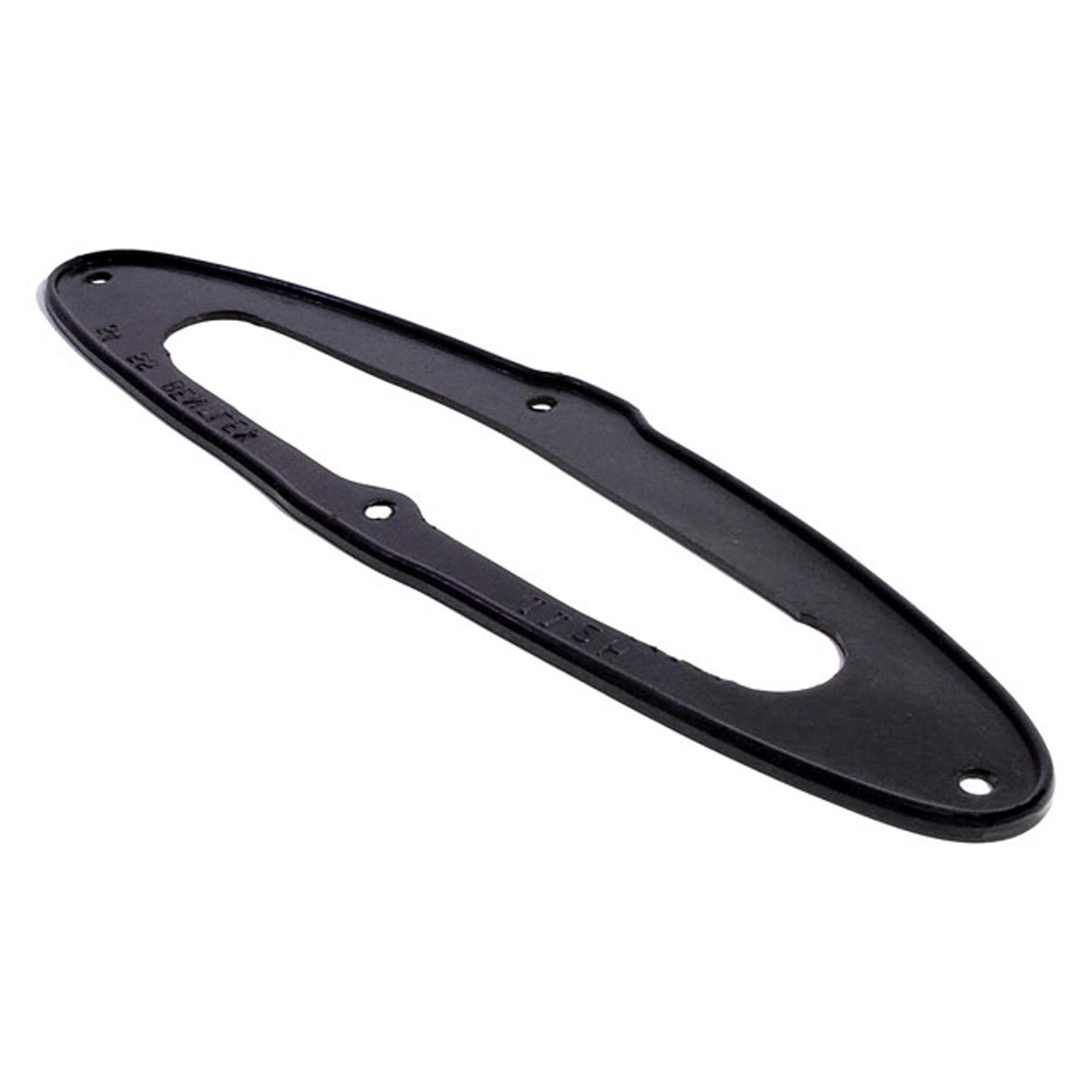 1953 Bentley Continental License Light Pad. 3-1/4" wide X 12" long. Each-MP 112-HLicense Light Pad. 3-1/4" wide X 12" long. Each
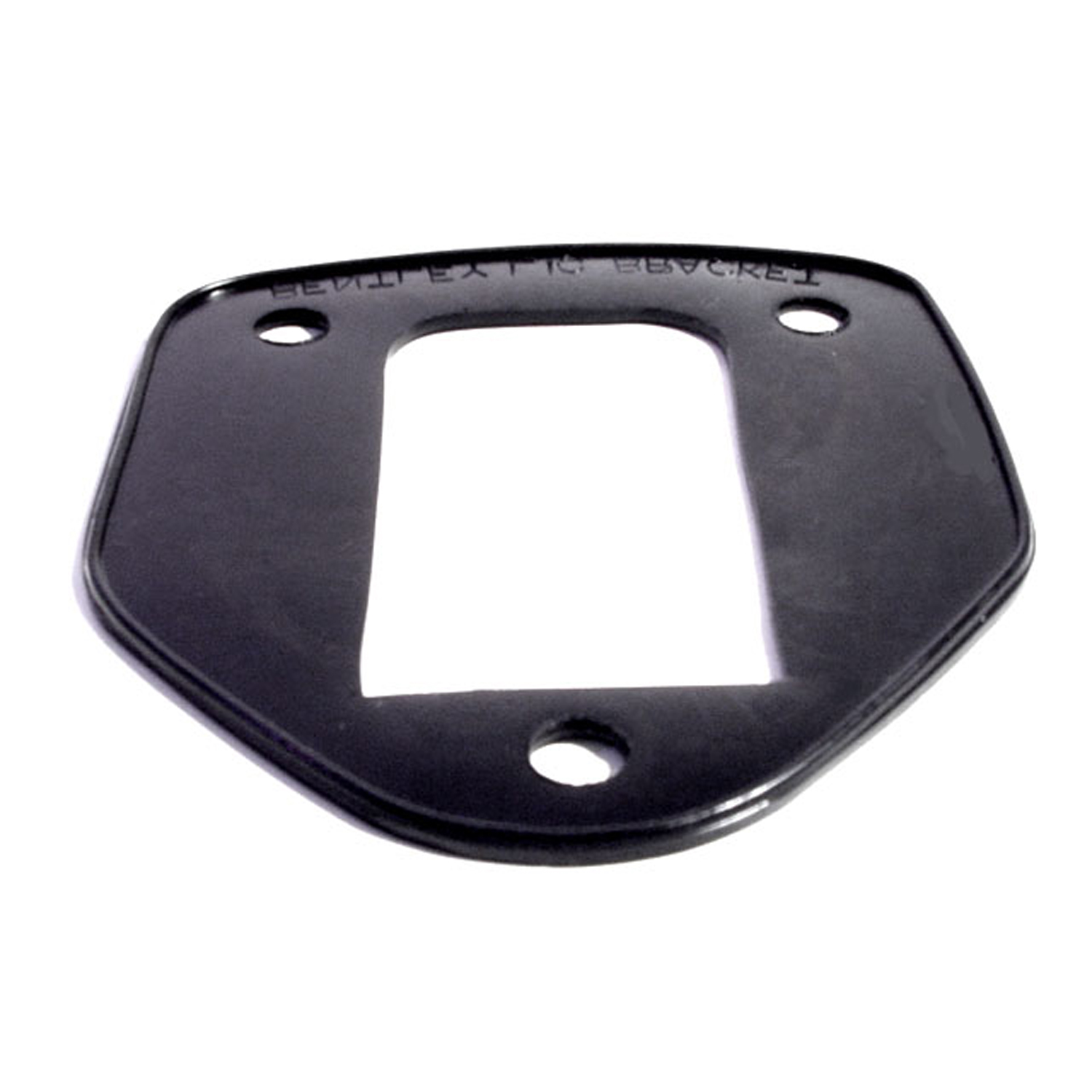 1953 Bentley Continental License Bracket Pad. 4-3/8" wide X 5" long. Each-MP 112-JLicense Bracket Pad. 4-3/8" wide X 5" long. Each
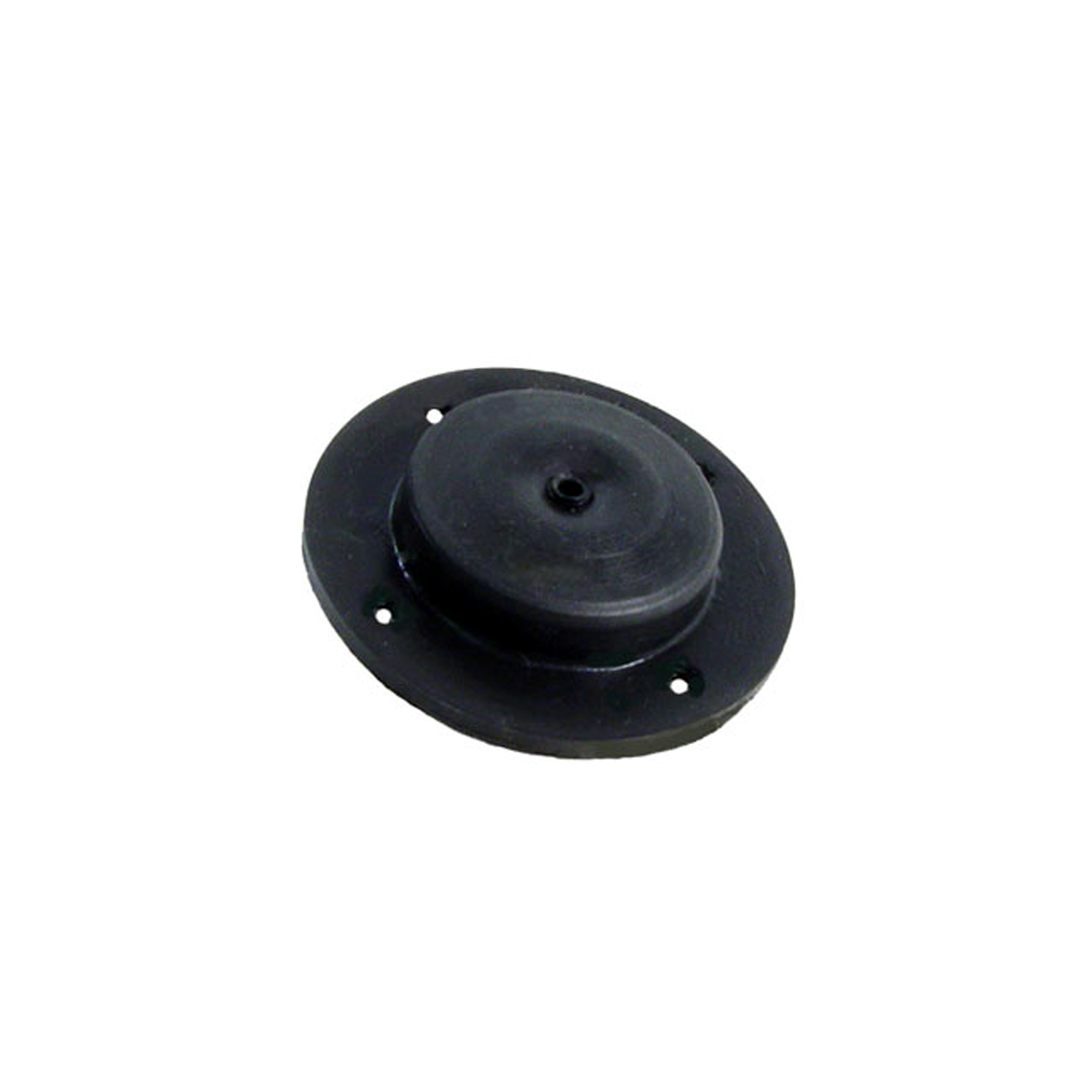 1953 Bentley Continental Thermo Tube through Dash Grommet. 2-3/8" O.D. Each-SM 70Thermo Tube through Dash Grommet. 2-3/8" O.D. Each
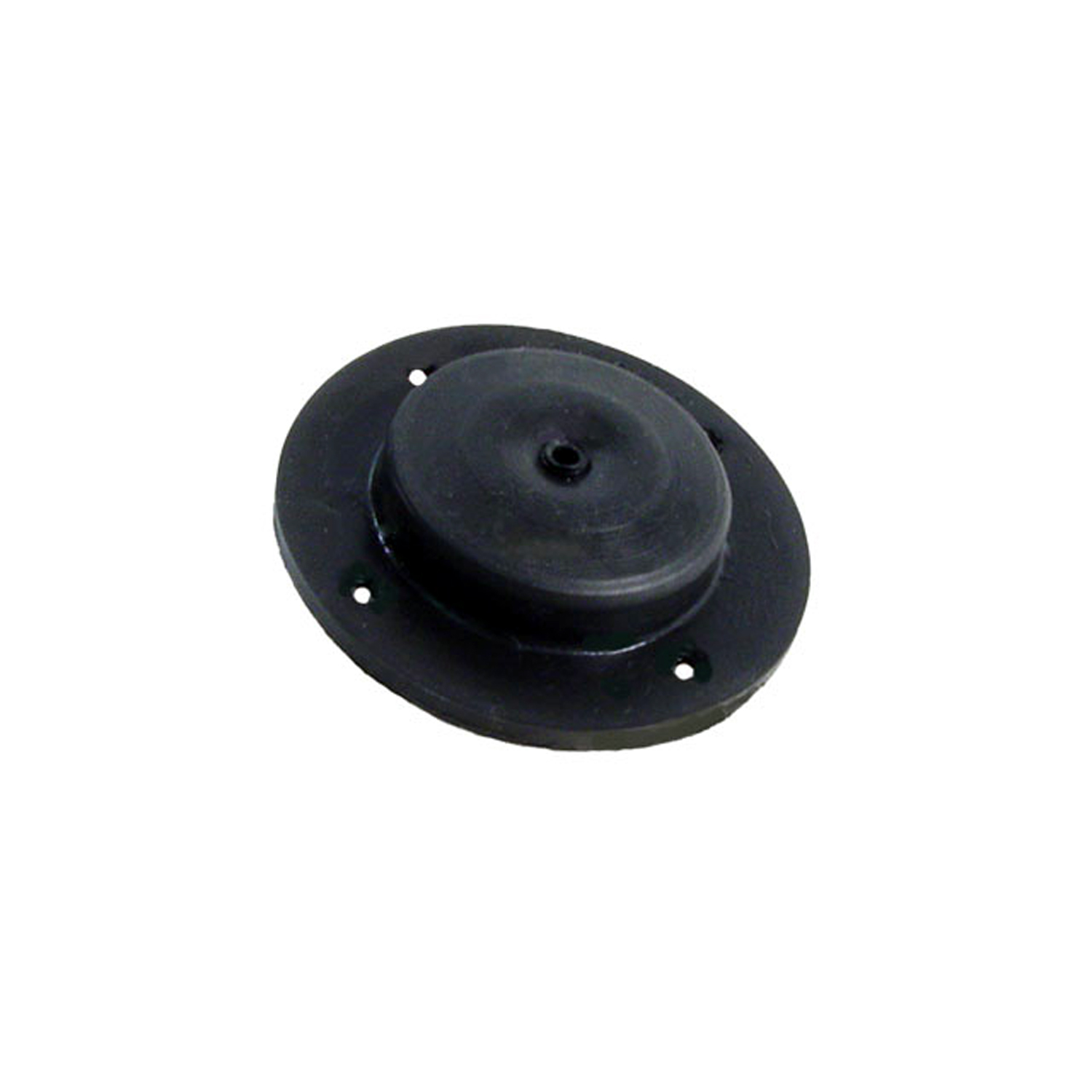 1953 Bentley Continental Speedometer Cable through Dash Grommet. 2-3/8" O.D. Each-SM 70-ASpeedometer Cable through Dash Grommet. 2-3/8" O.D. Each
Why Choose Metro?
For over 100 years, Metro Moulded Parts has been the pinnacle of quality in classic car restoration parts. Our commitment to precision and authenticity in every component ensures a perfect fit and an OEM-level appearance.
- Expert Craftsmanship & Quality: Each part is a testament to our dedication to reliability and perfection, crafted from original designs and thoroughly tested.
- Advanced Technology: We use cutting-edge techniques to create flawless, long-lasting parts that surpass others in performance.
- SuperSoft Sponge – The Ultimate Door Seal: Not only are our door seals 30% softer than competitors', but they're also guaranteed to never leak. They effectively reduce wind and road noise, enhancing your classic car's comfort and driving experience.
- Proudly American: Our parts are a product of American craftsmanship, made in the USA with a spirit of excellence and heritage.
- Unrivaled Warranty: We back our products with a 30-year industry-leading warranty, a testament to our confidence in their quality.
Join us in preserving the legacy of classic cars with parts that are crafted for perfection, not just made.