
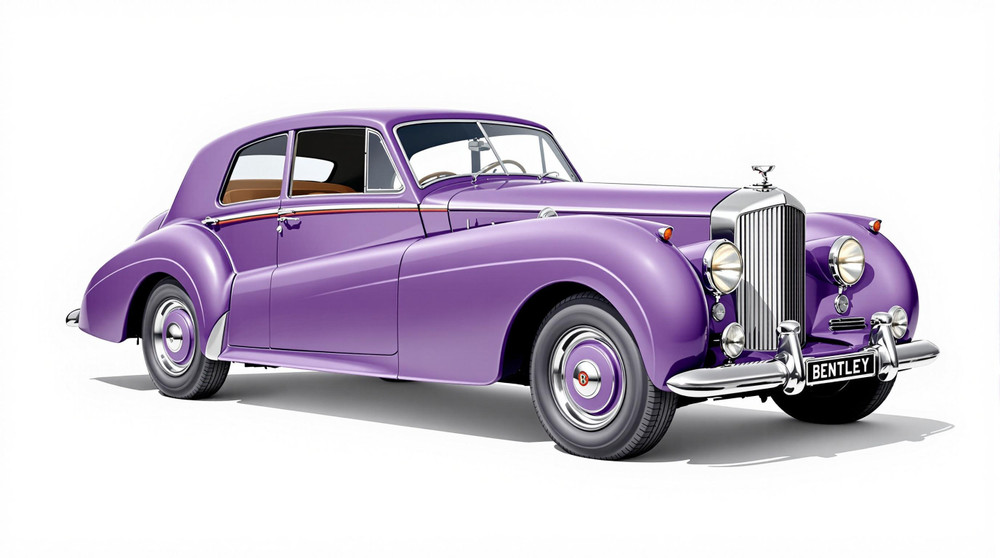
Image of 1953 Bentley R Type, Note: These illustrations use artistic license and may differ from actual historical models.
Performance Metrics
Fundamental Metrics
Emotional Appeal
MMP Rating
| Engine Specifications | |
|---|---|
| Engine: | 4.6L I6 |
| Displacement: | 4566 cc |
| Horsepower: | 130-150 HP |
| Torque: | Estimated 230-250 lb-ft |
| Compression Ratio: | 6.6:1 |
| Ignition System: | Coil and distributor |
| Cooling System: | Water-cooled |
| Performance Specifications | |
| 0-60 Time: | Estimated 13.5 seconds |
| 1/4 Mile Time: | Not available |
| Top Speed: | 101 mph |
| Transmission and Drive | |
| Drive Type: | Rear-wheel drive |
| Transmission Type: | 4-speed manual or automatic |
| Fuel and Efficiency | |
| Fuel System Type: | Twin SU carburetors |
| MPG: | Estimated 14-16 MPG |
| Dimensions and Brakes | |
| Brakes: | Drum brakes |
| Wheelbase: | 120 inches |
| Weight: | 1850 kg |
Note: Specifications for classic cars are given to the best of our ability, considering the limited and variant data available.
1953 Bentley R-Type: The British Grand Tourer That Changed the Brief
The 1953 Bentley R-Type could cross a continent in quiet, hand-finished comfort, then turn up with the pace to embarrass far sportier-looking cars. Built by Bentley Motors in Crewe, England, it was the successor to the postwar Mark VI and a defining example of the marque’s blend of craftsmanship and effortless performance.
The R-Type arrived in 1952, during a period when Britain was still rebuilding after the Second World War. Its larger luggage compartment, improved performance and refined cabin made it a natural evolution of the Mark VI. The model’s name came from its chassis series, while its most famous variant, the R-Type Continental, earned a remarkable distinction: contemporary testing put its top speed at around 120 mph, making it one of the fastest four-seat production cars of its day.
Elegant Lines, Coachbuilt Character
The standard R-Type has a dignified, upright profile, with a tall radiator grille, separate front wings and a long, gently rounded rear body. It looks formal without being ponderous. For 1953, the enlarged boot was a practical improvement over the Mark VI, giving owners more room for luggage on long journeys while keeping the car’s familiar proportions.
Bentley supplied the R-Type as a rolling chassis as well as a complete saloon. Most buyers chose the factory steel four-door saloon, but customers seeking something more individual could commission coachbuilt bodies from firms such as H.J. Mulliner, Park Ward, James Young and Hooper. These specialists produced variations including formal saloons, drophead coupes and other bespoke designs. The sleek, fastback R-Type Continental is the most iconic version, prized for its low roofline and aerodynamic shape.
Paint and trim could be specified to suit the buyer, so there was no single definitive R-Type color palette. Dark greens, maroons, blues, blacks and restrained two-tone combinations all suit the car’s period character. Many cars were finished in conservative shades, though the Continental’s sporting image also worked beautifully in lighter or more vivid colors.
A Hand-Finished Cabin
Inside, the R-Type puts traditional British materials ahead of visual flash. Polished wood veneer covers the dashboard and interior trim, while leather seats, wool carpets and carefully finished metal fittings give the cabin a warm, substantial feel. Rear passengers benefited from generous space, and some cars had additional amenities such as folding picnic tables, depending on the body and specification.
Equipment and details varied because buyers could choose a complete Bentley or commission a coachbuilder. The result is that two R-Types may differ in seating, trim, instruments and fittings. That individuality is part of the model’s appeal, but it also means buyers should check a car’s original build records and later modifications rather than assuming every example left the factory identically equipped.
Engineering for Quiet Speed
Under the long bonnet is Bentley’s 4,566 cc, or 4.6-litre, F-head inline-six. In this arrangement, the inlet valves sit in the cylinder head while the exhaust valves are positioned in the block. Bentley did not publish a definitive horsepower figure, but period estimates commonly put output at roughly 130 bhp. The engine’s character is more about strong, flexible torque than high-revving drama.
A four-speed manual gearbox was standard, and a four-speed automatic transmission became an available option. The R-Type also used independent front suspension with coil springs and a live rear axle on semi-elliptic leaf springs. Its braking system combined hydraulic operation at the front with mechanical operation at the rear, assisted by a power servo. These features helped deliver composed road manners, though the system is very different from the fully hydraulic four-wheel brakes and modern safety equipment drivers expect today.
What the R-Type Feels Like on the Road
Performance depends on body style, gearing, condition and transmission. A sound standard R-Type is generally credited with a top speed of around 100 mph and a 0-to-60 mph time in the neighborhood of 13 to 15 seconds. The lighter, more aerodynamic R-Type Continental was substantially quicker: period reports put its top speed at about 120 mph, with a 0-to-60 mph time of roughly 13 seconds. Those figures were impressive for a large, luxurious four-seat car in the early 1950s.
The six-cylinder engine delivers a muted, purposeful growl rather than a sharp sports-car bark. With the right gear selected, it gathers speed smoothly, and the long-travel suspension softens broken pavement and road joints. The R-Type feels most at home on open roads, where its stability and relaxed engine make sustained cruising its strong suit. On winding roads, it rewards smooth steering and measured inputs; its size, weight and period steering geometry make it less nimble than a modern performance car.
Wind and road noise are generally well controlled for a car of its age, especially in a well-restored saloon. Still, the Continental’s sloping roof and streamlined body are not a substitute for modern aerodynamic refinement, and the car’s brakes, steering and visibility require more attention than those of a contemporary vehicle. Driving one is an involving experience: the driver feels the machinery, but the car is designed to make distance feel easy.
Why the R-Type Mattered
The R-Type helped define the idea of the high-speed luxury car. It combined coachbuilt elegance and a richly appointed interior with the mechanical strength to travel quickly over long distances. The Continental took that idea further, reducing visual bulk and emphasizing aerodynamic efficiency at a time when many luxury cars remained tall and formal.
Its significance is not that it introduced every feature it used. Rather, the R-Type brought established Bentley qualities into a more modern, practical and performance-minded package. The Continental’s fastback profile demonstrated that a four-seat luxury car could be both elegant and genuinely quick. That grand-touring formula became an enduring part of Bentley’s identity.
Living With a 1953 Bentley
Today, an R-Type is most often used for touring, club events, concours displays and special occasions. Some owners drive their cars regularly, but the model is not an inexpensive daily driver. Its size can be inconvenient in modern traffic and parking, while fuel consumption, tire costs and specialist labor are part of the ownership calculation.
Mechanical repairs are possible, and the R-Type’s conventional engineering is understood by marque specialists. That does not make it an easy project for the average owner. Parts can be costly, coachbuilt bodywork may require rare components, and careful maintenance is essential. A pre-purchase inspection by a Bentley specialist should cover the engine, gearbox, cooling system, brakes, suspension, chassis, electrical equipment and the quality of any restoration. A car with incomplete history or deferred maintenance can quickly become far more expensive than its purchase price suggests.
R-Type Facts and Common Misconceptions
The R-Type Continental was developed as a high-speed touring car, not as a racing special. Its streamlined body was created with aerodynamic performance in mind, and its ability to approach 120 mph gave it a headline-grabbing reputation. The standard R-Type, meanwhile, was a more practical luxury saloon with a larger boot than its Mark VI predecessor.
Approximately 2,323 R-Types were built between 1952 and 1955, including about 208 R-Type Continentals. These figures make the Continental far rarer than the standard model. Many R-Types also received bespoke coachwork, so rarity can depend on the exact body, original specification and surviving documentation.
A common criticism is that the car’s reputation for effortless luxury can obscure the realities of age. Even a beautifully presented example may need regular attention, and period brakes, steering and safety features demand a different driving style from a modern Bentley. The Continental’s rarity and desirability also mean that its price can be dramatically higher than that of a standard saloon.
Collector Values and Availability
As a broad guide to the late-2020s market, a standard R-Type saloon may sell for roughly $40,000 to $120,000, with condition, originality, history and restoration quality making a major difference. A high-quality restoration or a particularly desirable coachbuilt car can reach around $150,000 to $300,000 or more. An R-Type Continental is in a different category: well-presented examples can command approximately $1 million to $2 million or higher, depending on provenance and specification.
These are indicative ranges, not appraisals. Auction results vary by country, currency, condition and buyer demand. The strongest cars, especially rare Continentals with compelling histories, have generally held their appeal and may appreciate over time. Ordinary examples can be more sensitive to restoration costs and shifts in the classic-car market, so value is best judged against the specific car rather than the model name alone.
A Bentley Built for the Long Road
The 1953 Bentley R-Type brought together a smooth 4.6-litre six, traditional coachbuilt craftsmanship and the comfort to make long journeys feel civilized. Its standard saloon offered understated practicality, while the rare Continental showed how dramatically a luxury car could benefit from aerodynamic thinking. More than seven decades later, the R-Type remains a compelling reminder that Bentley’s idea of performance has always included not only speed, but also the ability to arrive in style.
1953 Bentley R Type Catalog of Parts
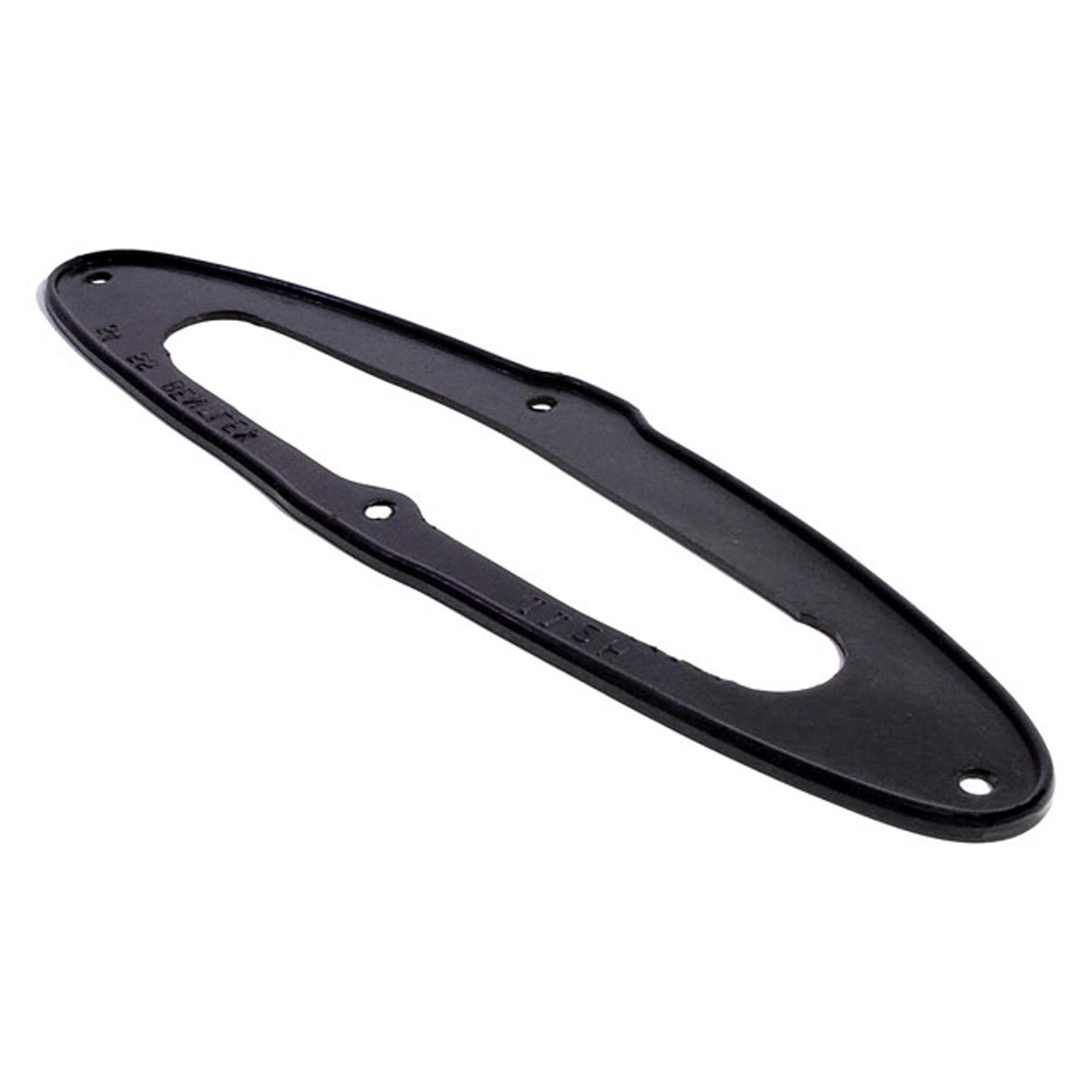 1953 Bentley R Type License Light Pad. 3-1/4" wide X 12" long. Each-MP 112-HLicense Light Pad. 3-1/4" wide X 12" long. Each
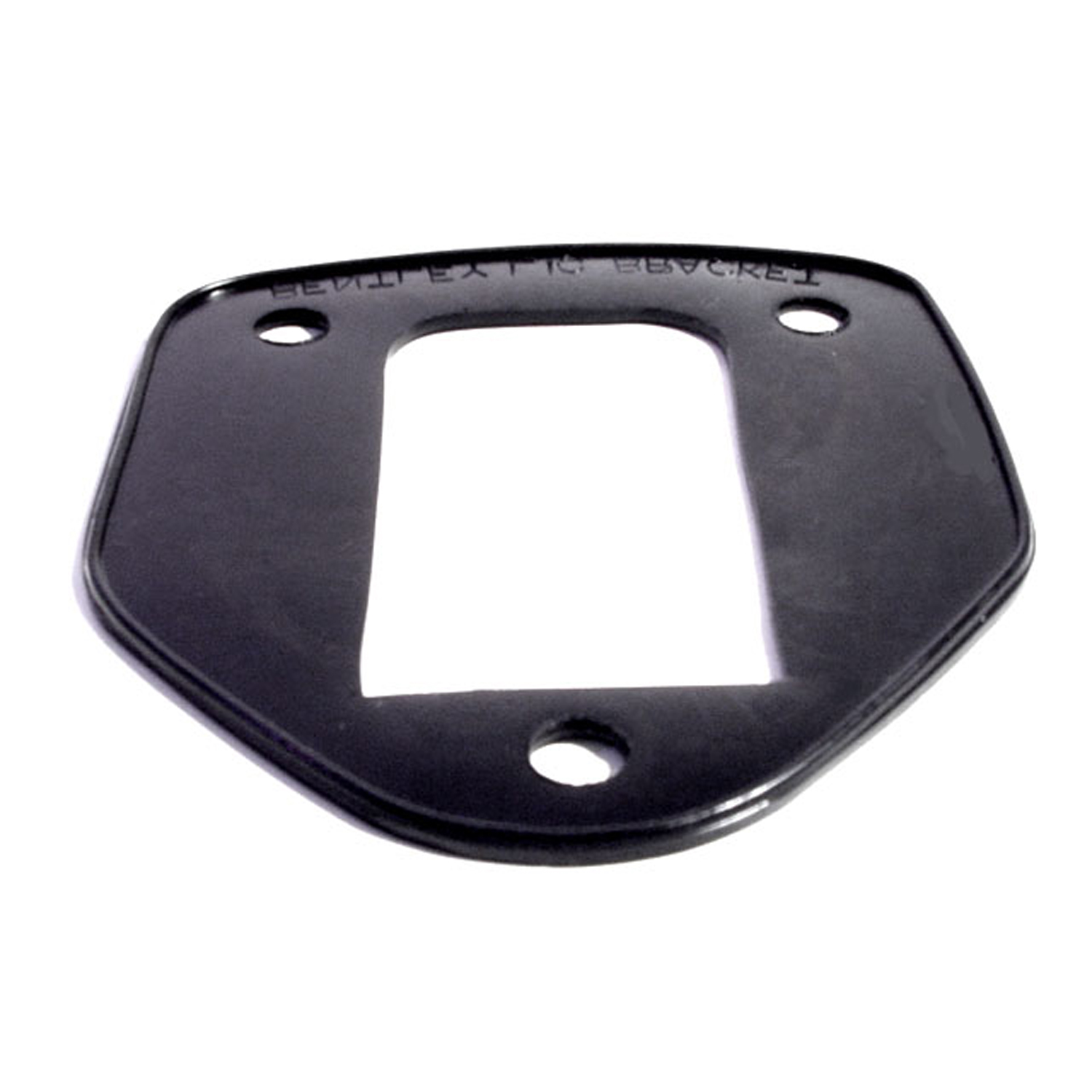 1953 Bentley R Type License Bracket Pad. 4-3/8" wide X 5" long. Each-MP 112-JLicense Bracket Pad. 4-3/8" wide X 5" long. Each
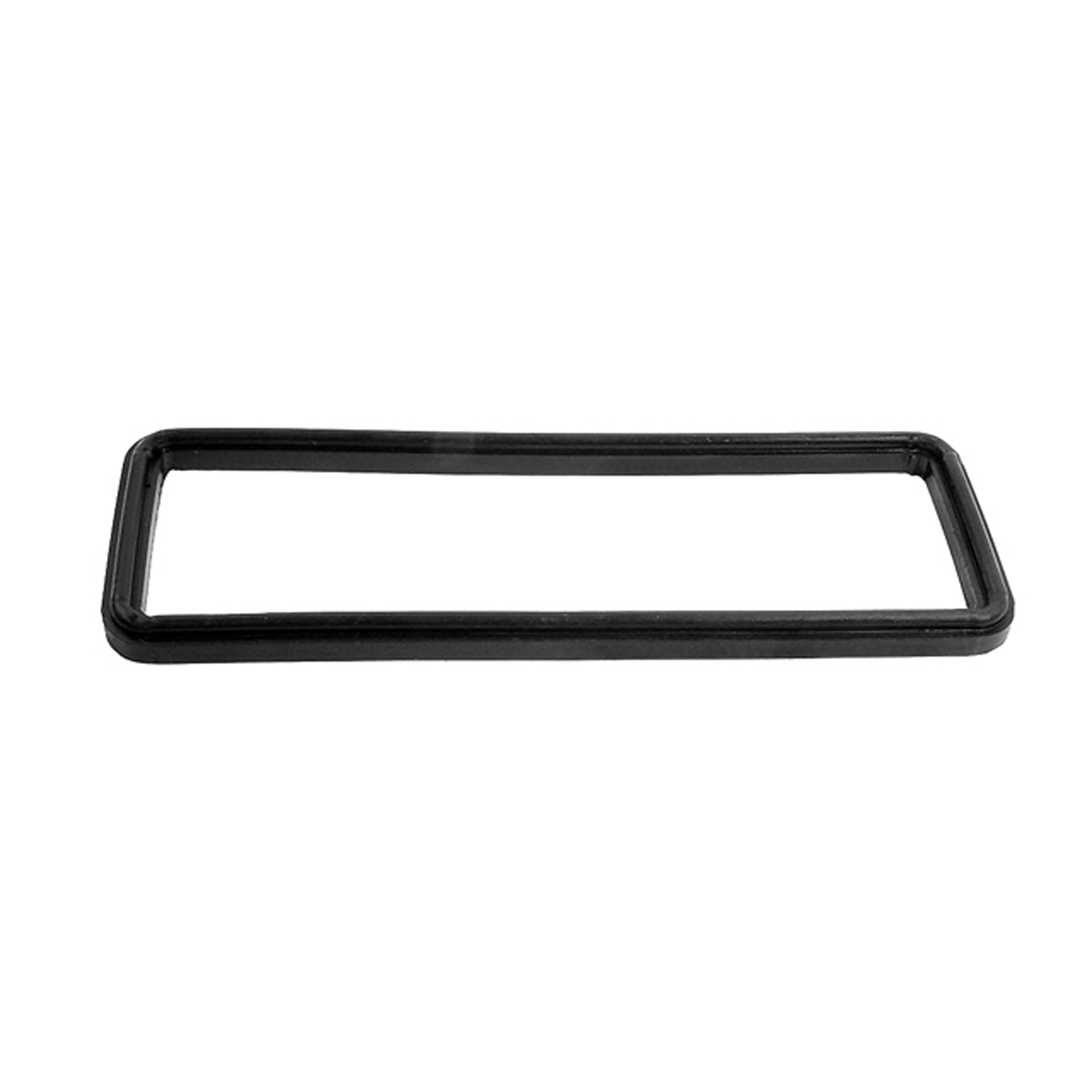 1953 Bentley R Type Side Vent Seal. Standard steel saloon-RP 100-FSide Vent Seal. Standard steel saloon. 3" wide X 8-1/2" long. Each
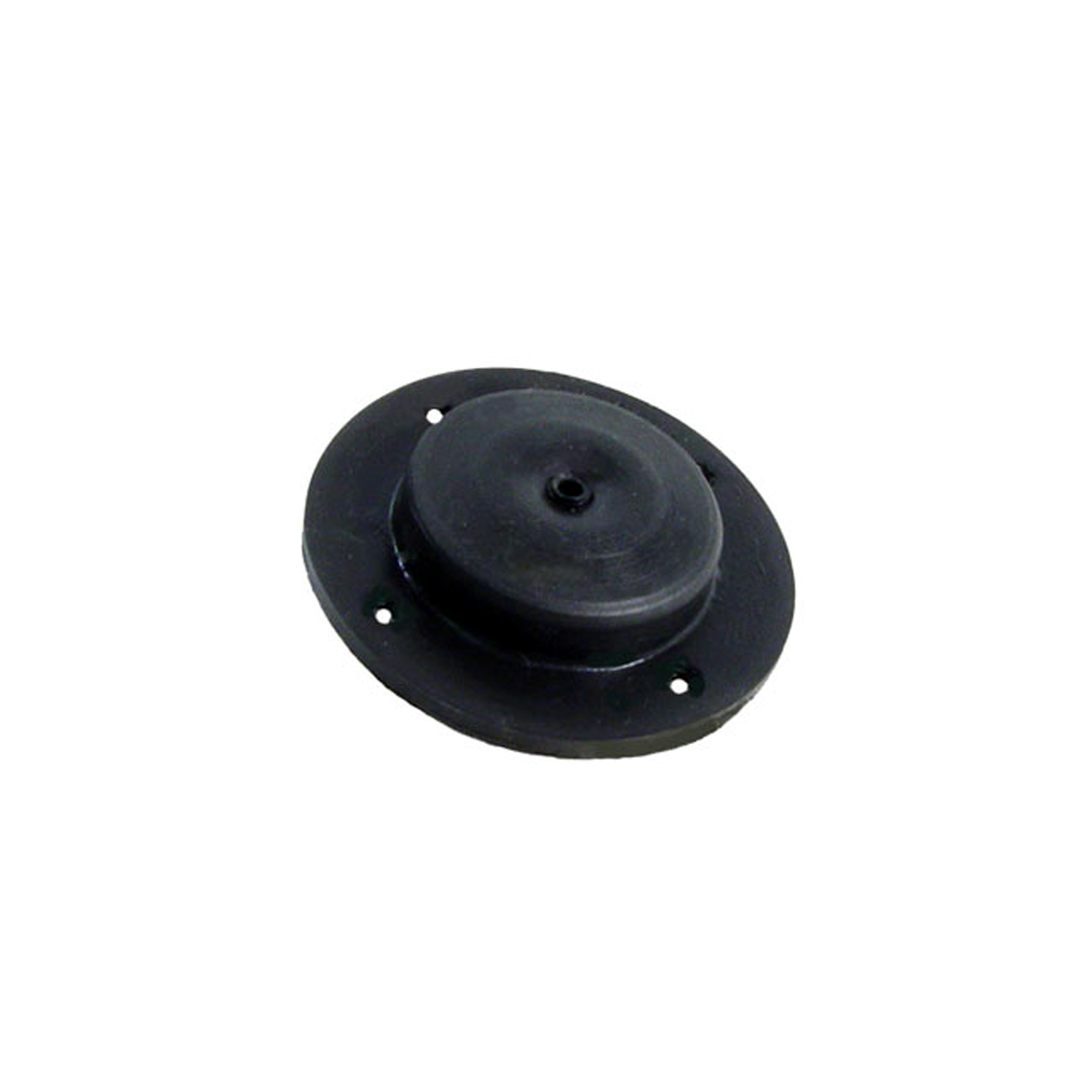 1953 Bentley R Type Thermo Tube through Dash Grommet. 2-3/8" O.D. Each-SM 70Thermo Tube through Dash Grommet. 2-3/8" O.D. Each
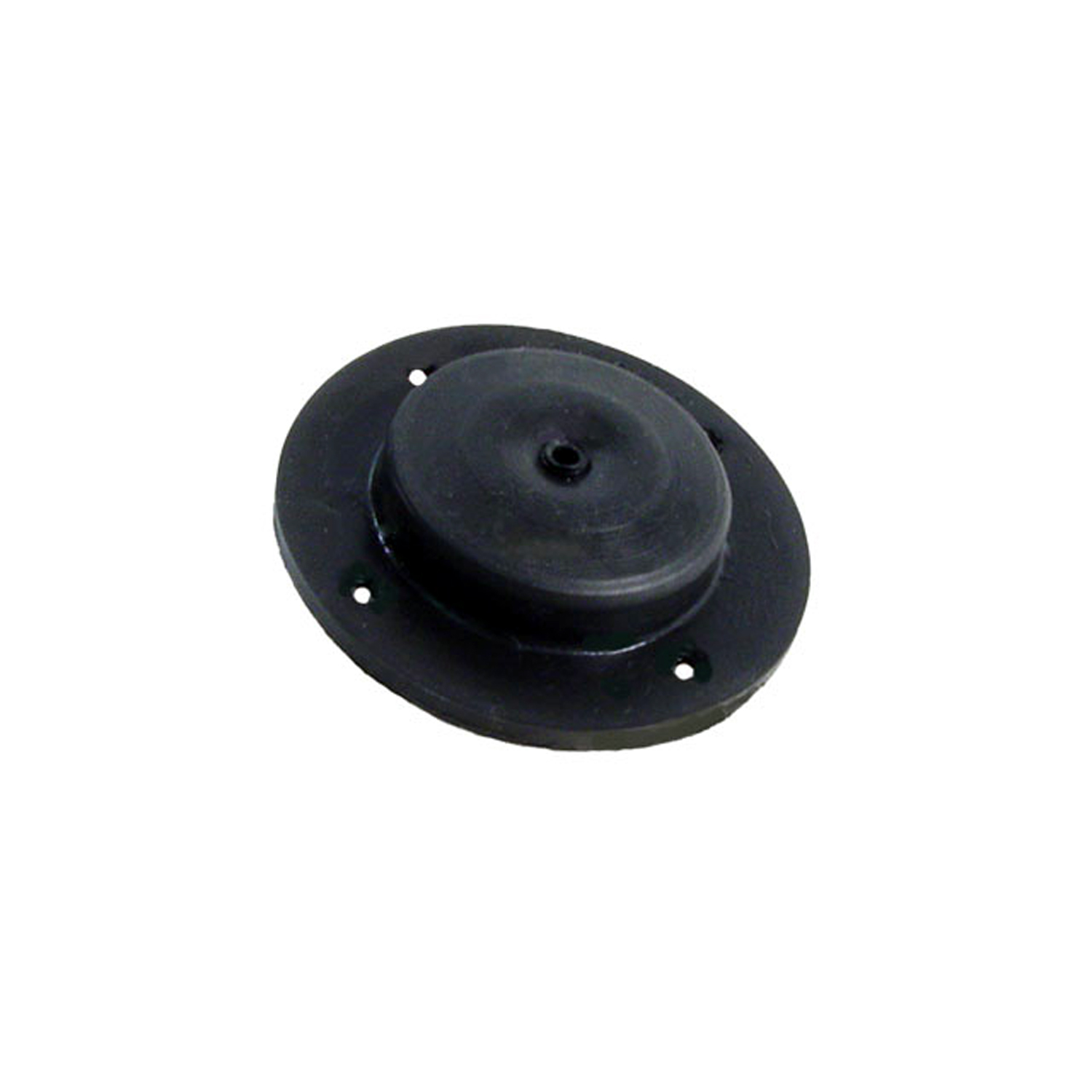 1953 Bentley R Type Speedometer Cable through Dash Grommet. 2-3/8" O.D. Each-SM 70-ASpeedometer Cable through Dash Grommet. 2-3/8" O.D. Each
Why Choose Metro?
For over 100 years, Metro Moulded Parts has been the pinnacle of quality in classic car restoration parts. Our commitment to precision and authenticity in every component ensures a perfect fit and an OEM-level appearance.
- Expert Craftsmanship & Quality: Each part is a testament to our dedication to reliability and perfection, crafted from original designs and thoroughly tested.
- Advanced Technology: We use cutting-edge techniques to create flawless, long-lasting parts that surpass others in performance.
- SuperSoft Sponge – The Ultimate Door Seal: Not only are our door seals 30% softer than competitors', but they're also guaranteed to never leak. They effectively reduce wind and road noise, enhancing your classic car's comfort and driving experience.
- Proudly American: Our parts are a product of American craftsmanship, made in the USA with a spirit of excellence and heritage.
- Unrivaled Warranty: We back our products with a 30-year industry-leading warranty, a testament to our confidence in their quality.
Join us in preserving the legacy of classic cars with parts that are crafted for perfection, not just made.