

Image of 1954 Bentley Continental, Note: These illustrations use artistic license and may differ from actual historical models.
Performance Metrics
Fundamental Metrics
Emotional Appeal
MMP Rating
| Engine Specifications | |
|---|---|
| Engine: | 4.9L Inline 6 |
| Displacement: | 4887 cc |
| Horsepower: | 130-150 HP |
| Torque: | Estimated 230-250 lb-ft |
| Compression Ratio: | 6.6:1 |
| Ignition System: | Coil and distributor |
| Cooling System: | Water-cooled |
| Performance Specifications | |
| 0-60 Time: | Estimated 13-15 seconds |
| 1/4 Mile Time: | Not available |
| Top Speed: | 120 mph |
| Transmission and Drive | |
| Drive Type: | Rear-wheel drive |
| Transmission Type: | 4-speed manual |
| Fuel and Efficiency | |
| Fuel System Type: | Twin SU carburetors |
| MPG: | Estimated 10-15 mpg |
| Dimensions and Brakes | |
| Brakes: | Drum brakes |
| Wheelbase: | 120 inches |
| Weight: | 3800 lbs |
Note: Specifications for classic cars are given to the best of our ability, considering the limited and variant data available.
1954 Bentley R-Type Continental: The Fastest Way to Travel in Style
The 1954 Bentley R-Type Continental could cross a continent at speed without asking its passengers to sacrifice comfort. Built by Bentley Motors in Crewe, England, it was a low-volume, coachbuilt grand tourer for wealthy owners who wanted genuine high-speed ability wrapped in traditional British luxury. Its sleek profile looked unlike the formal saloons Bentley was best known for, and its celebrated top speed made it one of the fastest four-seat cars of its day.
The Continental grew from Bentley’s postwar R-Type saloon, but it was more than a sporting trim package. Bentley engineers and designers set out to create a lighter, more aerodynamic car for rapid long-distance travel. A notable result: the R-Type Continental was promoted as the fastest four-seat production car in the world, with a top speed of about 120 mph. In the early 1950s, that was serious performance for a car carrying four people and their luggage.
Fastback Lines and Coachbuilt Craftsmanship
The most recognizable R-Type Continental is the two-door fastback coupe bodied by H.J. Mulliner. Its long bonnet, narrow grille, gently falling roofline and rounded tail gave it a poised, almost wind-shaped look. The rear wheel spats, which partly covered the back wheels, helped smooth the silhouette and emphasized the car’s clean, uninterrupted flanks. Even beside a standard R-Type, the Continental looked lower, lighter and more purposeful.
These were coachbuilt cars, not mass-produced bodies chosen from a short factory catalogue. Bentley supplied the chassis, while specialist coachbuilders created and finished the bodywork. H.J. Mulliner’s fastback became the signature design, but other firms, including Park Ward, Franay and Graber, also produced Continental bodies. Coupes were the defining form, though special one-off and limited-run body styles broadened the model’s range.
Inside, the Continental paired sporting intent with Bentley refinement. Owners could expect rich leather upholstery, polished wood trim, carefully fitted carpets and substantial, well-finished controls. The cabin was tailored to individual orders, so details could differ from car to car. There was no single fixed paint palette: buyers selected exterior colors and interior materials to suit their taste. Deep greens, dark blues, black, silver and restrained two-tone combinations all suited the car’s elegant lines.
Its technology was advanced in a purposeful, period-correct way. Aerodynamic bodywork and weight-conscious construction helped the car reach high speeds, while the powerful six-cylinder engine and four-speed manual gearbox delivered brisk grand-touring performance. The Continental was not a modern sports car with electronic aids. Its innovation lay in making speed, comfort and bespoke craftsmanship work together in one remarkably capable package.
A Bentley That Changed the Grand Tourer
The R-Type Continental helped establish the modern idea of the high-speed luxury grand tourer: a refined car capable of covering long distances quickly, rather than merely a lavish saloon with extra power. Its development drew on Bentley’s racing heritage and on earlier aerodynamic experiments, including the streamlined 1938 “Embiricos Bentley,” which demonstrated how a more efficient body could transform a conventional Bentley chassis.
What distinguished the Continental from many contemporaries was its combination of real four-seat accommodation, a luxurious cabin and a claimed 120-mph top speed. Cars such as the Jaguar XK120 offered thrilling pace, while many traditional luxury saloons prioritized comfort and dignity. The Bentley brought those qualities together in a distinctive coachbuilt form. Its influence can be seen in the grand touring tradition that Bentley continued to develop for decades.
Six-Cylinder Power and Long-Legged Performance
Power came from Bentley’s 4,566 cc inline-six, an overhead-inlet, side-exhaust design. Continental versions received tuning suited to their sporting mission, with output commonly quoted at around 153 to 172 horsepower depending on specification and source. Most were fitted with a four-speed manual gearbox. Exact figures can vary with the car’s engine, body and condition, so period test results are best treated as a guide rather than a promise for every surviving example.
Period figures put the R-Type Continental’s top speed at approximately 120 mph, with 0-to-60-mph acceleration generally estimated at about 13 to 14 seconds. Those numbers may seem modest beside a modern performance car, but they were impressive for a large, hand-built luxury coupe in 1954. The Continental’s real strength was sustained speed: it could cruise rapidly over long distances while keeping its occupants comfortable.
On the road, the straight-six is known for its smooth, unhurried character. It produces a measured mechanical growl rather than a sharp sports-car bark, and the four-speed manual asks the driver to work deliberately through the gears. The suspension is built for composure and comfort, soaking up ordinary road imperfections with the supple, substantial feel expected of a Bentley. On a winding road, the car rewards a smooth approach rather than abrupt inputs. Its size, weight and period steering mean it does not change direction with modern sports-car immediacy, and strong crosswinds can make its broad body more noticeable.
Living With an R-Type Continental
Today, most R-Type Continentals are treasured as collector cars, displayed at concours events or driven on carefully planned tours and rallies. A well-maintained example can still be used on the road, but its rarity and value make casual daily-driver duties unlikely. These cars were built for touring, and a properly sorted Continental is at its best covering scenic miles at a steady pace.
Maintenance is specialist territory. The mechanical layout is rooted in the engineering of its era, but age, bespoke coachwork and the car’s considerable value make restoration and repairs expensive. Routine work is manageable for an experienced classic-car technician, while engine rebuilding, body repairs and sourcing correct trim may require marque specialists. Parts availability and cost vary, and a neglected car can become a substantial project. Before buying, a detailed inspection of the chassis, engine, gearbox, body structure and restoration history is essential.
Common criticisms are part of the ownership equation: fuel consumption is high, parts and skilled labor are costly, and period braking and handling cannot match modern standards. The cabin also lacks contemporary conveniences such as modern climate control and driver-assistance systems. These are not flaws unique to the Bentley so much as reminders that it is a hand-built 1950s grand tourer, not a modern luxury car.
R-Type Continental Facts and Collecting Notes
Approximately 208 R-Type Continentals were built between 1952 and 1955, making the model rare even by luxury-car standards. The total includes cars from several coachbuilders, with H.J. Mulliner’s fastback coupes forming the most familiar and sought-after image of the model. Each car’s individual coachwork and specification can make its history as important to collectors as its mechanical condition.
The model’s celebrated speed claim is its best-known record: around 120 mph, at a time when that pace was exceptional for a four-seat luxury car. It is also associated with Bentley’s postwar revival and the return of the marque to a more sporting identity. Rather than being defined by a single celebrity owner or one famous race victory, its enduring reputation rests on the engineering and coachbuilt design that made rapid continental touring possible.
Values depend heavily on originality, coachbuilder, condition, provenance and the quality of any restoration. As a broad current-market estimate, an R-Type Continental might sell for roughly $800,000 to $1.8 million, with particularly desirable, well-documented cars capable of exceeding that range. Less familiar coachbuilt versions or cars needing major work may be valued differently. Over the long term, the model has generally held strong collector appeal, though prices can shift with the wider classic-car market and the cost of maintaining these complex, hand-built machines.
Why the 1954 Bentley Continental Still Matters
The 1954 Bentley R-Type Continental combined a powerful six-cylinder engine, refined touring manners and a remarkably aerodynamic coachbuilt body in a package that was both rare and genuinely fast for its time. Its H.J. Mulliner fastback remains one of the most recognizable shapes in British automotive history, while its performance helped define the luxury grand tourer.
More than seven decades later, the R-Type Continental still represents Bentley at its most ambitious: a car built not simply to arrive, but to make the journey itself feel exceptional.
1954 Bentley Continental Catalog of Parts
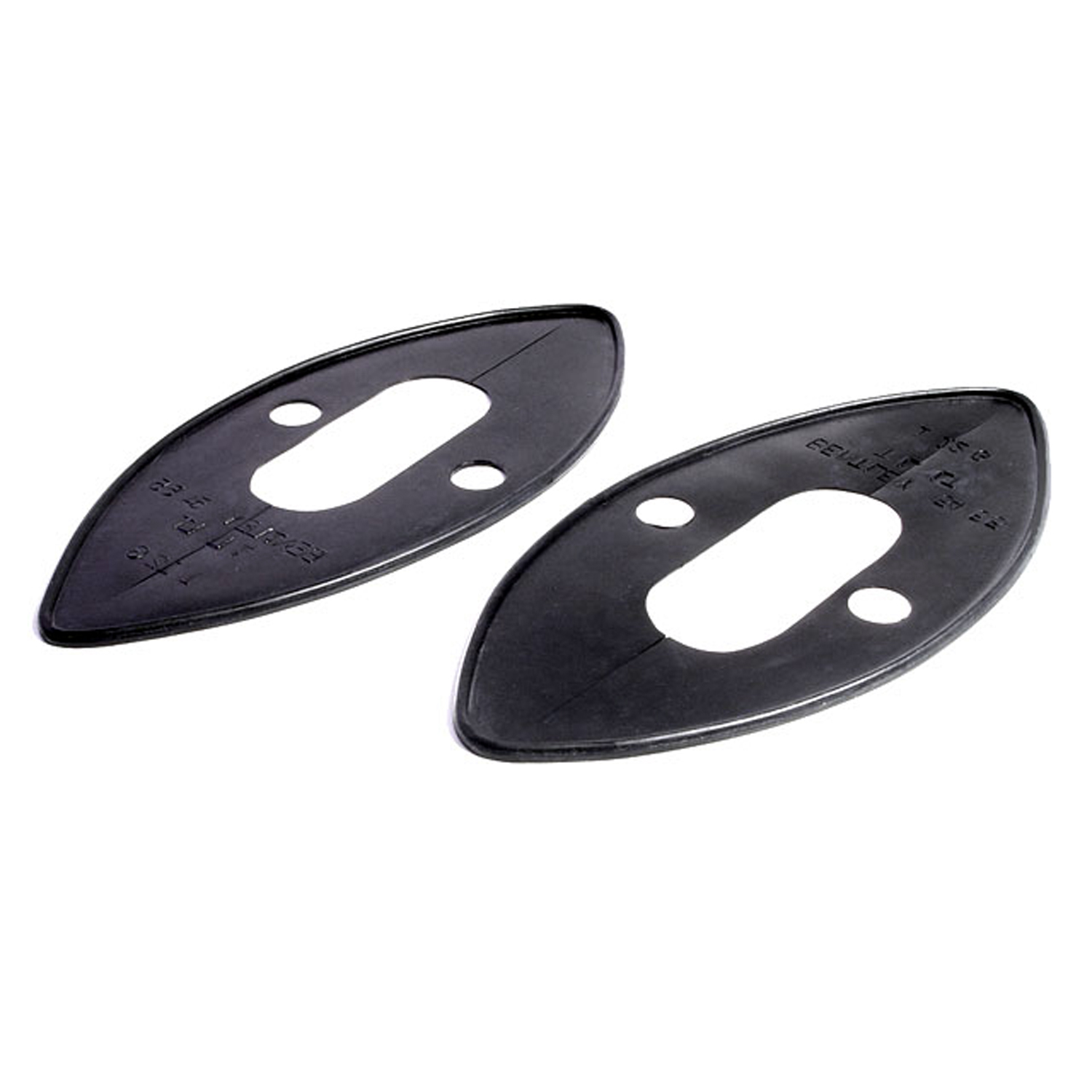 1954 Bentley Continental Tail-light Pads. 3-5/8" wide X 7-5/8" long. Pair-MP 112-GTail-light Pads. 3-5/8" wide X 7-5/8" long. Pair
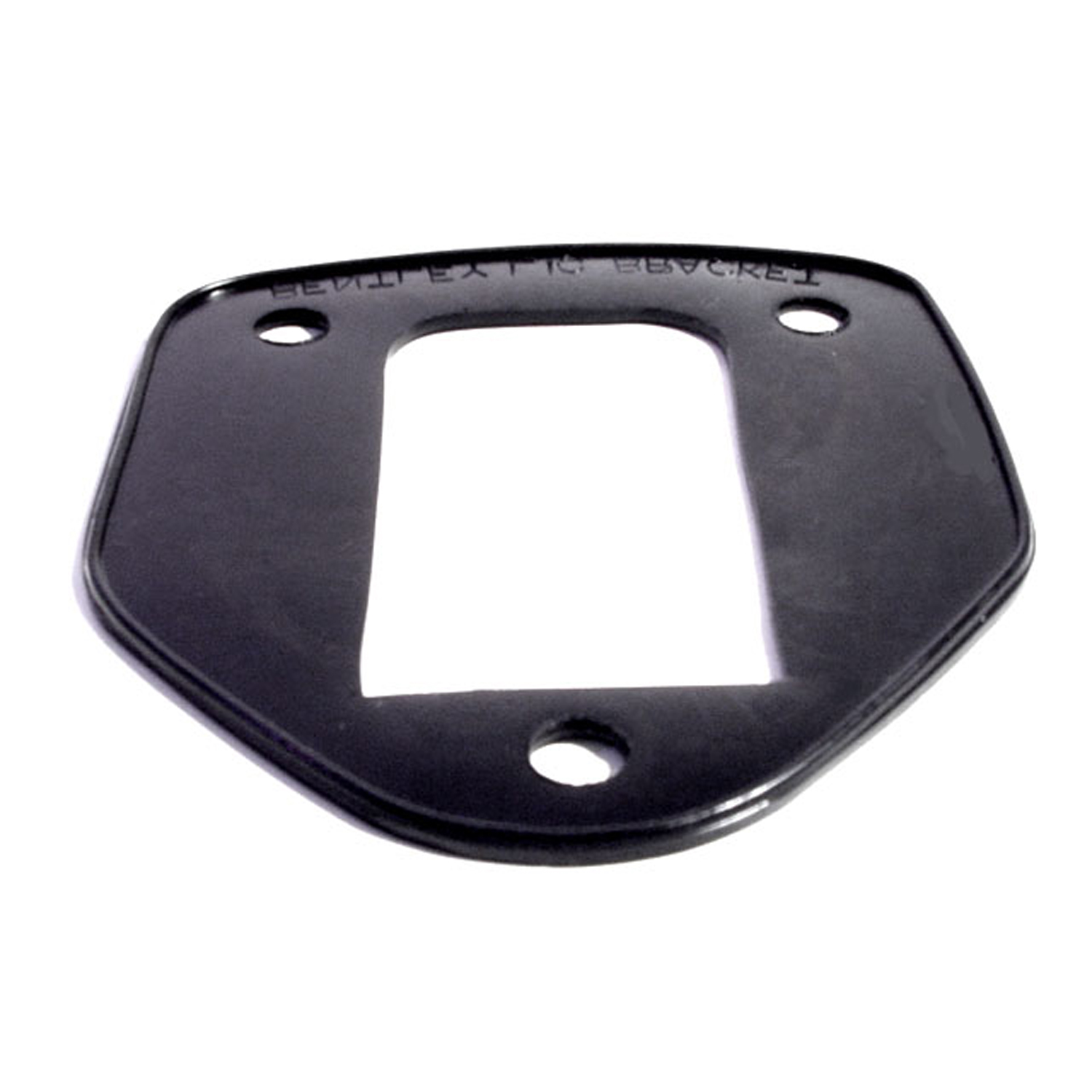 1954 Bentley Continental License Bracket Pad. 4-3/8" wide X 5" long. Each-MP 112-JLicense Bracket Pad. 4-3/8" wide X 5" long. Each
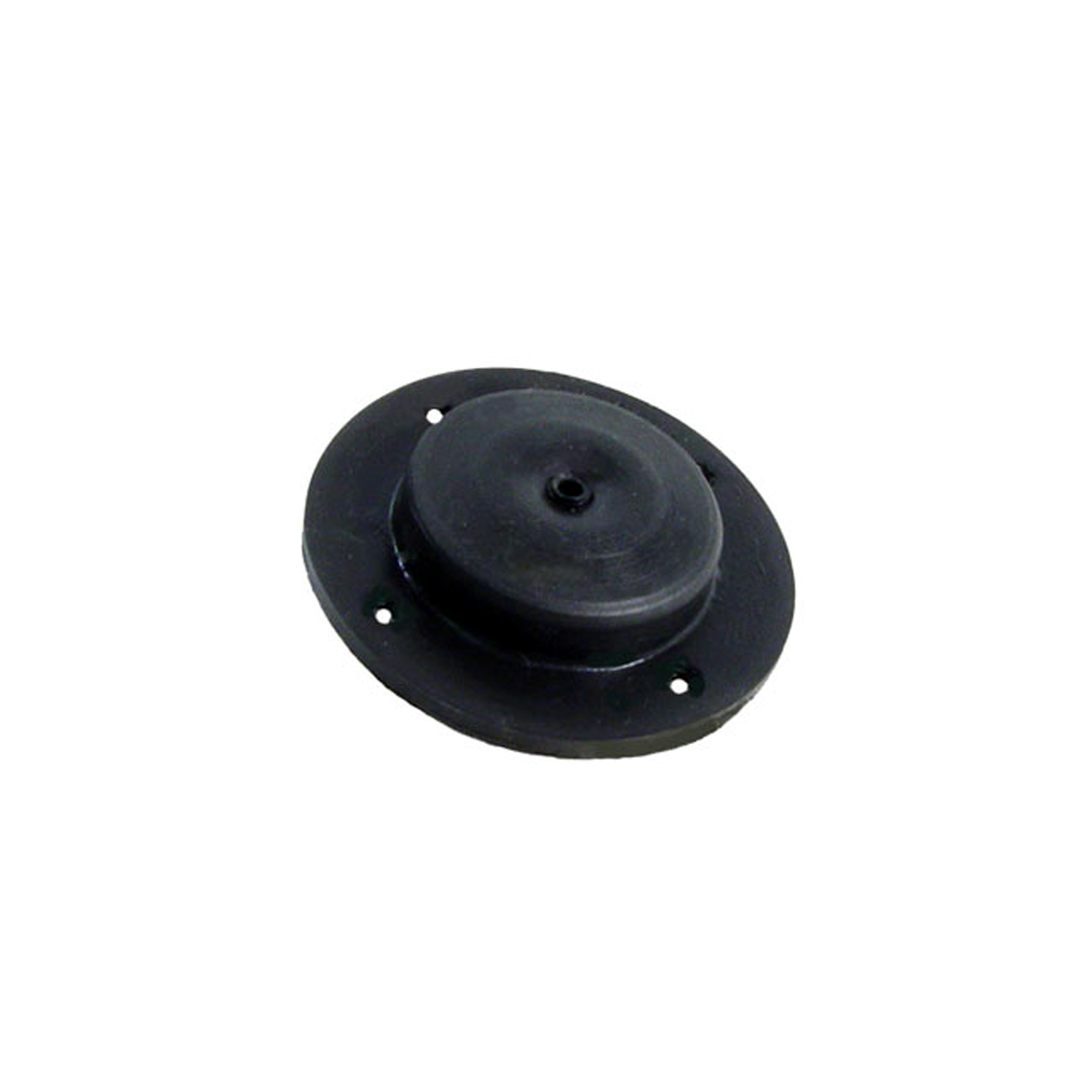 1954 Bentley Continental Thermo Tube through Dash Grommet. 2-3/8" O.D. Each-SM 70Thermo Tube through Dash Grommet. 2-3/8" O.D. Each
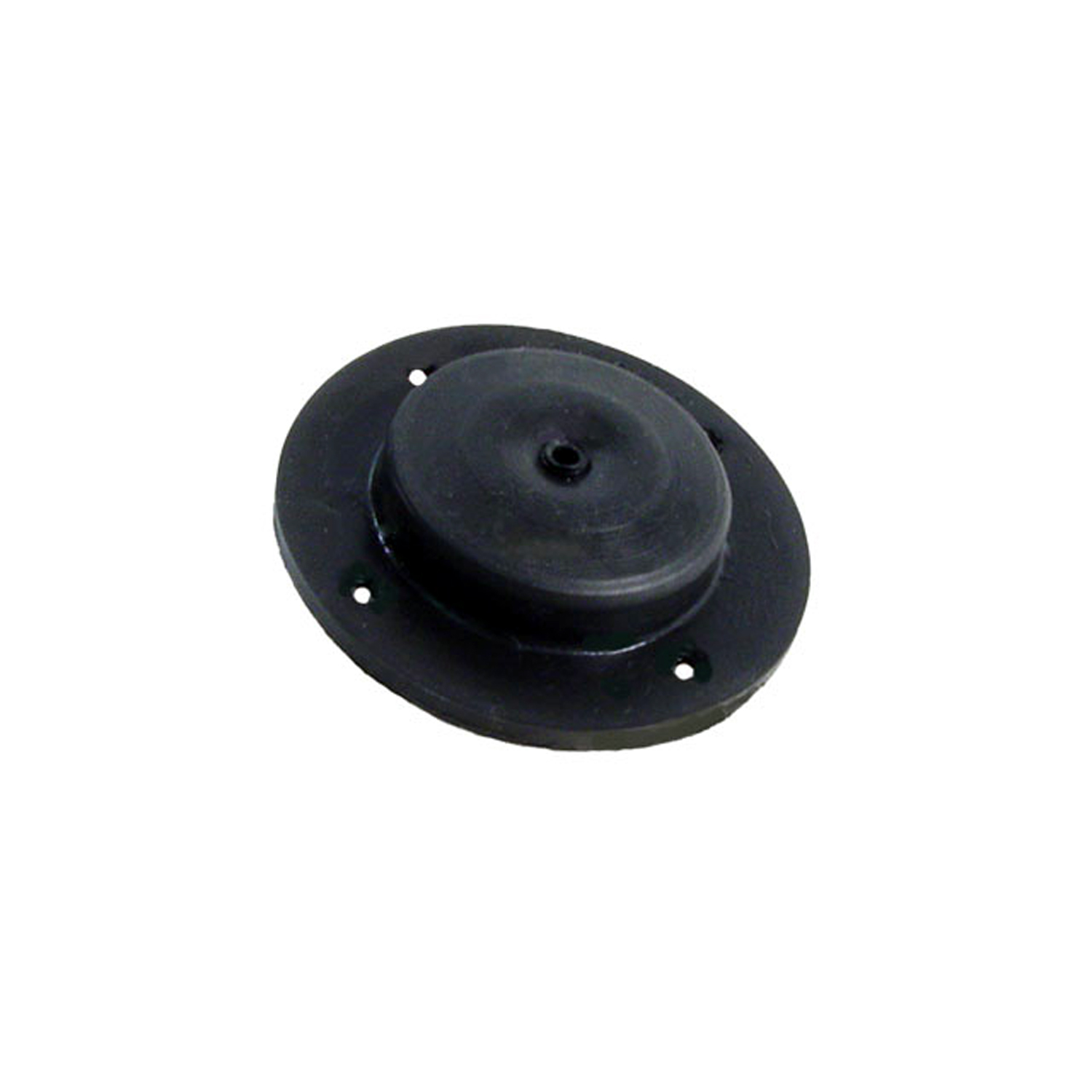 1954 Bentley Continental Speedometer Cable through Dash Grommet. 2-3/8" O.D. Each-SM 70-ASpeedometer Cable through Dash Grommet. 2-3/8" O.D. Each
Why Choose Metro?
For over 100 years, Metro Moulded Parts has been the pinnacle of quality in classic car restoration parts. Our commitment to precision and authenticity in every component ensures a perfect fit and an OEM-level appearance.
- Expert Craftsmanship & Quality: Each part is a testament to our dedication to reliability and perfection, crafted from original designs and thoroughly tested.
- Advanced Technology: We use cutting-edge techniques to create flawless, long-lasting parts that surpass others in performance.
- SuperSoft Sponge – The Ultimate Door Seal: Not only are our door seals 30% softer than competitors', but they're also guaranteed to never leak. They effectively reduce wind and road noise, enhancing your classic car's comfort and driving experience.
- Proudly American: Our parts are a product of American craftsmanship, made in the USA with a spirit of excellence and heritage.
- Unrivaled Warranty: We back our products with a 30-year industry-leading warranty, a testament to our confidence in their quality.
Join us in preserving the legacy of classic cars with parts that are crafted for perfection, not just made.