
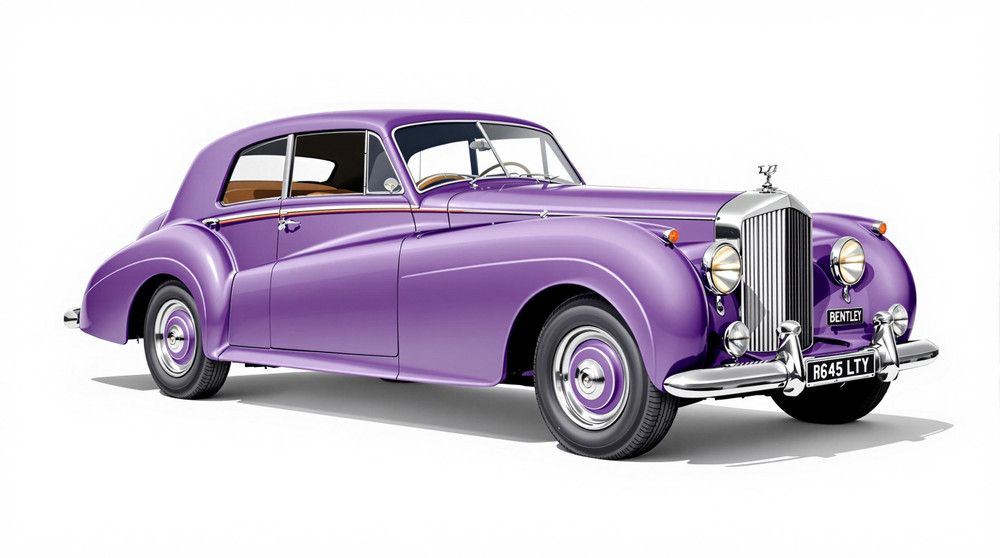
Image of 1954 Bentley R Type, Note: These illustrations use artistic license and may differ from actual historical models.
Performance Metrics
Fundamental Metrics
Emotional Appeal
MMP Rating
| Engine Specifications | |
|---|---|
| Engine: | 4.6 L I6 |
| Displacement: | 4566 cc |
| Horsepower: | 130-150 hp |
| Torque: | Estimated 230-250 lb-ft |
| Compression Ratio: | 6.6:1 |
| Ignition System: | Coil ignition |
| Cooling System: | Water-cooled |
| Performance Specifications | |
| 0-60 Time: | Estimated 13.5 seconds |
| 1/4 Mile Time: | Not available |
| Top Speed: | 101 mph |
| Transmission and Drive | |
| Drive Type: | Rear-wheel drive |
| Transmission Type: | 4-speed automatic |
| Fuel and Efficiency | |
| Fuel System Type: | Twin SU carburetors |
| MPG: | Estimated 14-16 mpg |
| Dimensions and Brakes | |
| Brakes: | Drum brakes |
| Wheelbase: | 120 inches |
| Weight: | 1850 kg |
Note: Specifications for classic cars are given to the best of our ability, considering the limited and variant data available.
1954 Bentley R-Type: A British Grand Tourer with Quiet Authority
The 1954 Bentley R-Type could cross a continent at speed without making a spectacle of itself. Built by Bentley Motors at Crewe, England, it combined traditional coachbuilt luxury with the practical improvements of a postwar family saloon. It was the successor to the Mark VI, and its larger luggage compartment made it better suited to long-distance travel. One version took that idea much further: the R-Type Continental was billed as the fastest four-seat production car in the world when it appeared in 1952.
The R-Type belongs to an important chapter in Bentley’s postwar story. Rolls-Royce had acquired Bentley in 1931, and by the 1950s the two marques shared much of their engineering and production. The R-Type nevertheless retained a distinct Bentley character, with responsive performance and a sporting edge beneath its restrained appearance. The 1954 model sits near the heart of the R-Type’s production run, which lasted from 1952 to 1955.
Elegant Styling and Hand-Finished Craftsmanship
The standard R-Type saloon has a formal, upright profile, with a long bonnet, flowing front wings, a tall radiator grille, and a gently rounded rear. Its design is handsome rather than showy. Close up, details such as the polished grille, bright window trim, and carefully shaped bodywork give the car a sense of occasion, while its substantial proportions make clear that it was built for comfortable, high-speed touring.
Inside, the cabin is finished in the traditional Bentley manner: generous use of leather, polished wood veneer, wool carpets, and substantial switchgear. The broad front seats and spacious rear compartment were designed for real journeys, not just brief appearances. Each car’s exact trim depended on its specification and coachwork, so surviving examples can differ in wood, leather colors, and small interior details.
There was no single fixed color palette. Buyers could specify a range of exterior paint and interior combinations, including sober dark shades, lighter touring colors, and two-tone finishes. Deep green, black, maroon, and silver are among the colors often associated with period Bentleys, but individual specification varied. Two-tone paint is especially striking on the Continental, where it emphasizes the fastback roofline.
Most R-Types were four-door saloons with factory-built steel bodies. A smaller number received coachbuilt bodies from firms including H.J. Mulliner, Park Ward, and Hooper, offering buyers different interpretations of the same Bentley platform. The most celebrated variant is the R-Type Continental, generally fitted with H.J. Mulliner’s lightweight fastback body. It is visually distinctive, exceptionally rare, and much more valuable than a standard saloon.
Engineering for the Open Road
Under the bonnet is Bentley’s 4,566 cc, or 4.6-liter, inline-six. It is a smooth, low-revving engine designed to deliver strong, effortless torque rather than a high-strung sports-car rush. The R-Type used a separate chassis, and its suspension paired independent front suspension with a live rear axle. A four-speed manual gearbox was available, while many cars were equipped with a four-speed automatic transmission.
For its era, the R-Type offered an appealing blend of refinement and useful technology. The automatic gearbox made relaxed motoring easier, while the chassis and suspension were engineered to carry passengers comfortably at sustained road speeds. Its combination of a large six-cylinder engine, substantial brakes, and a well-developed touring chassis helped distinguish it from more modest saloons of the period.
Historical Significance: The R-Type and the Continental
The standard R-Type helped establish the postwar Bentley formula: a luxurious, well-engineered car that could cover long distances quickly and quietly. It was not a radical styling exercise or a mass-market technology showcase. Its importance lies in how effectively it brought together traditional craftsmanship and practical performance, while helping Bentley maintain its reputation in an era when the company’s cars shared more components and production resources with Rolls-Royce.
The Continental gave the model a more dramatic legacy. Created for fast European touring, it used a lighter body and a more aerodynamic shape than the standard saloon. At its introduction, the R-Type Continental was promoted as the fastest four-seat production car in the world, with a claimed top speed around 120 mph. That achievement made it a landmark grand tourer and a direct expression of Bentley’s sporting heritage.
The Continental’s influence can be seen in the idea of the high-speed luxury coupé: a car that could carry several passengers and their luggage across long distances at remarkable pace. It also showed how specialist coachwork could transform a familiar mechanical foundation into a very different kind of automobile. The standard R-Type is the more practical and attainable classic; the Continental is the model that captured the imagination of collectors.
Performance and Driving Feel
A standard R-Type saloon is generally credited with a top speed of about 100 mph and a 0-to-60 mph time in the region of 13 to 15 seconds. Figures vary with body style, gearbox, condition, and the accuracy of period testing. The Continental is considerably quicker at top speed, with its streamlined body helping it reach approximately 120 mph. These are impressive figures for a large luxury car of the early 1950s, though modern performance cars will feel much faster away from a stop.
On the road, the six-cylinder engine delivers power with a smooth, muted growl. The car gathers speed without demanding frequent gear changes, particularly when fitted with the automatic transmission. The ride is supple over ordinary road surfaces, and the long wheelbase helps the Bentley settle into a steady rhythm on open roads. On rough patches, its weight and period suspension are still noticeable, but the car’s purpose is comfort rather than sharp impact control.
On winding roads, the R-Type feels composed when driven at a measured pace, but it is a large, heavy automobile rather than a nimble sports saloon. Steering requires more effort than in a modern car, and drivers need to plan braking and corner entry well in advance. The Continental’s more sporting setup and lower, sleeker body give it a livelier character, but even that car rewards smooth inputs rather than abrupt maneuvers.
Living with a Bentley R-Type
Today, most R-Types are used as weekend tourers, rally entrants, show cars, or treasured additions to private collections. A sound example can still handle longer journeys, but using one as a daily driver is uncommon. Its age, size, fuel consumption, and specialized maintenance needs make regular modern traffic a demanding environment.
Reliability depends heavily on maintenance and the quality of previous repairs. The engine and mechanical systems are durable when properly cared for, but time can take its toll on the cooling system, electrics, suspension, brakes, and gearbox. Replacement parts and expert labor can be expensive, and coachbuilt body repairs may require specialist skills. An average owner can manage basic checks and routine upkeep, but a full restoration or major mechanical repair is best left to a workshop familiar with postwar Bentleys.
Before buying, inspect service records, engine condition, gearbox operation, chassis corrosion, and the quality of any restoration. On a coachbuilt car, confirm the body’s history and whether its major components are original. A low purchase price can be misleading if the car needs extensive mechanical or structural work.
R-Type Facts, Rarities, and Criticisms
Bentley produced approximately 2,323 R-Types between 1952 and 1955. Around 2,032 were standard steel saloons, while roughly 291 received coachbuilt bodies. The R-Type Continental is far rarer, with production commonly cited at about 208 cars, though figures can vary slightly between sources and counting methods.
The Continental’s speed claim is its most famous distinction, but the standard R-Type also matters as a refined, capable postwar touring car. It was not primarily built to set racing records, and its achievement was less about competition than about making high-speed travel comfortable for four passengers. The cars were expensive when new, and their bespoke coachwork made some examples particularly exclusive.
Common criticisms are practical ones: high running costs, heavy controls by modern standards, modest fuel economy, and braking performance that requires a thoughtful driver. The standard saloon is also less visually dramatic than the Continental, which can affect its appeal to collectors. Those trade-offs are part of the car’s character, but they should be understood before ownership.
Collector Values and Market Outlook
Values vary widely according to condition, originality, coachbuilder, documentation, and restoration quality. As a broad current-market estimate in U.S. dollars, a standard R-Type saloon may sell for about $40,000 to $100,000, with exceptional restored examples sometimes exceeding that range. A car needing significant work can be worth considerably less once the likely repair costs are considered.
The R-Type Continental occupies a different market. Its rarity, performance, and iconic fastback shape can place it in the range of roughly $1 million to $2.5 million or more, depending on history and condition. Particularly desirable examples may exceed that estimate. These are broad guide figures, not a substitute for a specialist appraisal or recent comparable sales.
Standard R-Type saloons have generally been more accessible and less explosive in value growth than the Continental. Well-maintained, original cars remain attractive to enthusiasts, but restoration costs can limit investment returns. The Continental has the stronger long-term collector profile because of its rarity and historical status, though market values still rise and fall with condition and demand.
Why the 1954 Bentley R-Type Still Matters
The 1954 Bentley R-Type brought together a smooth 4.6-liter engine, traditional craftsmanship, and the ability to travel quickly in comfort. Its standard saloon body made it a practical luxury car, while the rare R-Type Continental turned the same basic idea into one of the era’s most celebrated grand tourers.
More than seven decades later, the R-Type remains a reminder that performance does not have to announce itself loudly. It can arrive in the form of a quiet six-cylinder engine, a beautifully finished cabin, and a Bentley that makes the long road feel like the point of the journey.
1954 Bentley R Type Catalog of Parts
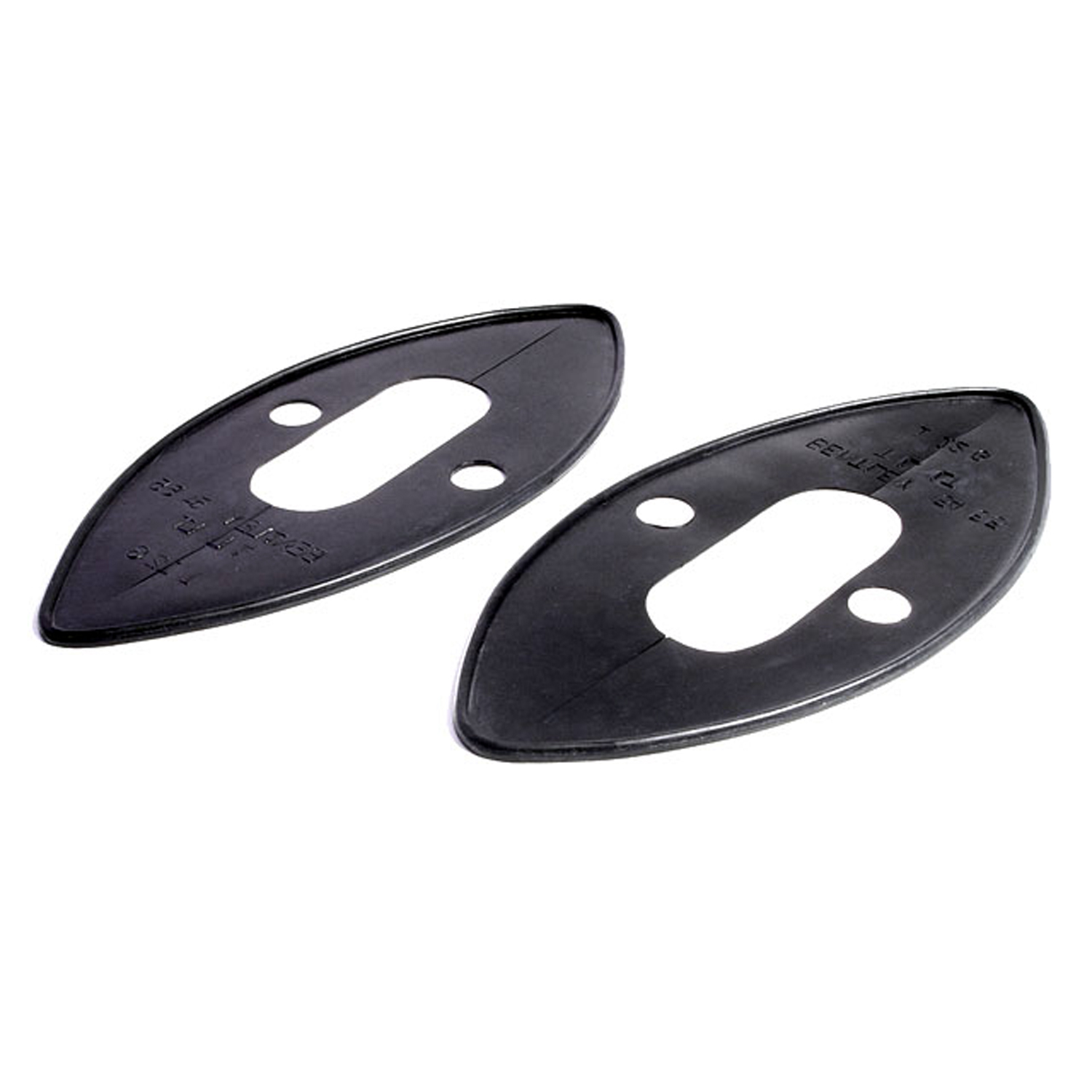 1954 Bentley R Type Tail-light Pads. 3-5/8" wide X 7-5/8" long. Pair-MP 112-GTail-light Pads. 3-5/8" wide X 7-5/8" long. Pair
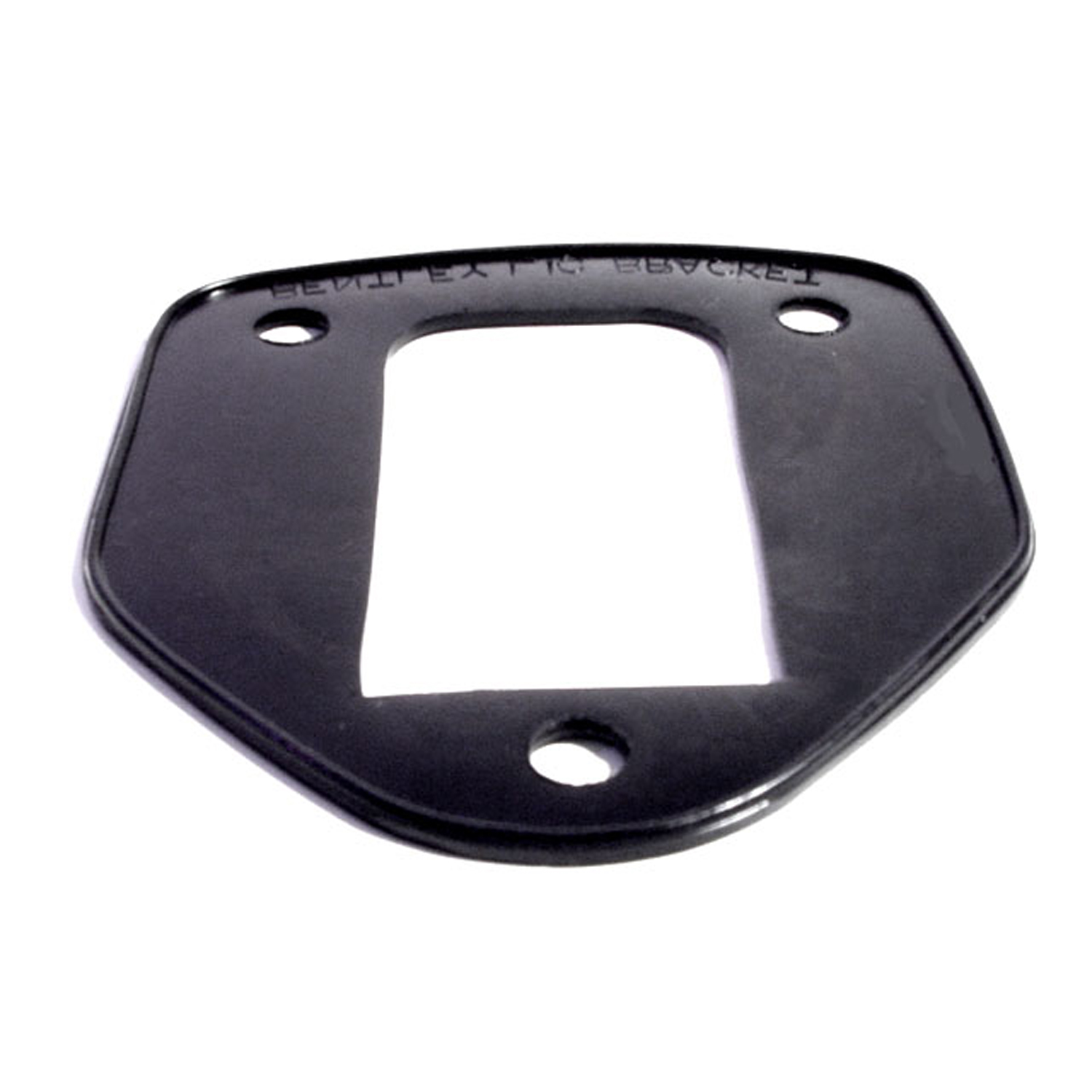 1954 Bentley R Type License Bracket Pad. 4-3/8" wide X 5" long. Each-MP 112-JLicense Bracket Pad. 4-3/8" wide X 5" long. Each
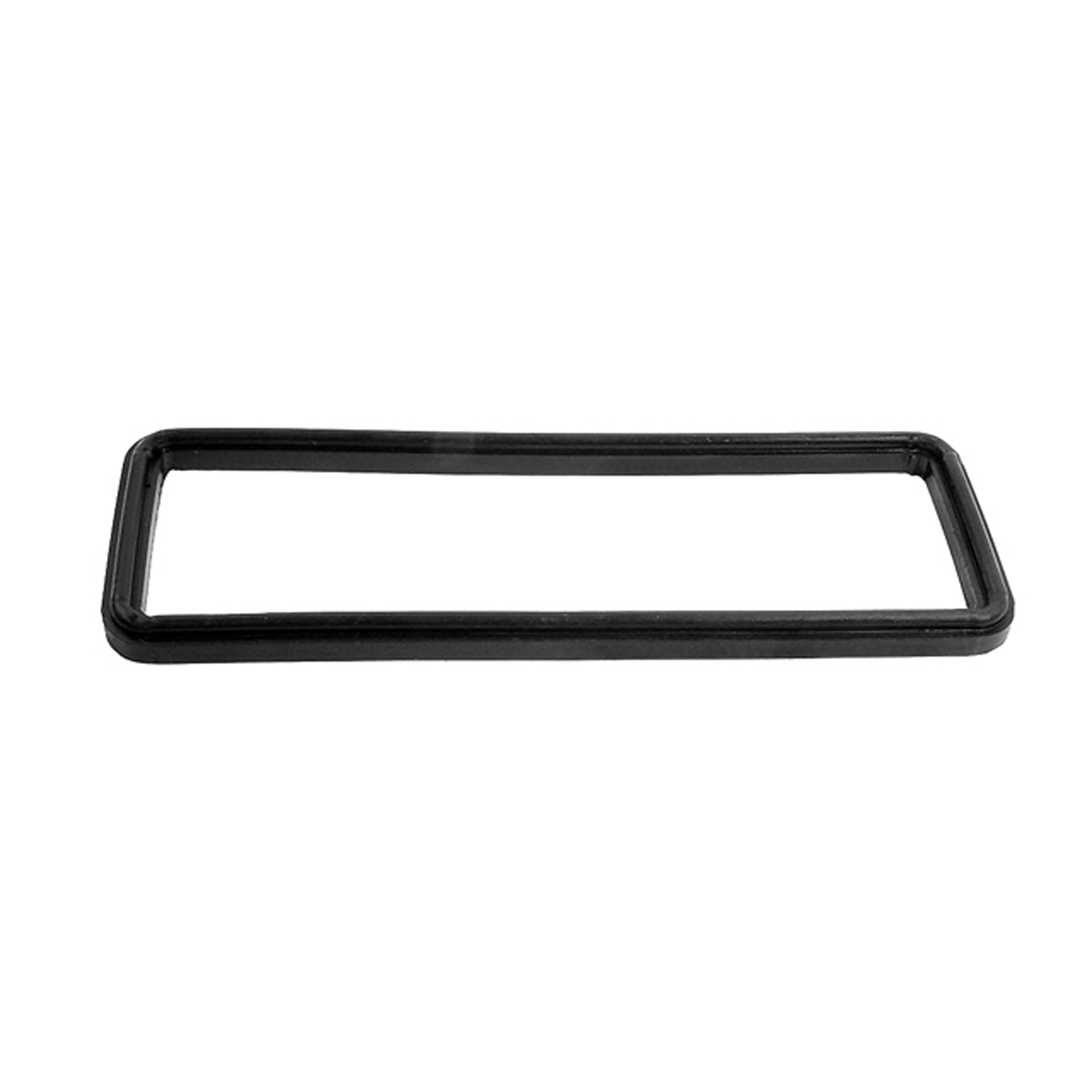 1954 Bentley R Type Side Vent Seal. Standard steel saloon-RP 100-FSide Vent Seal. Standard steel saloon. 3" wide X 8-1/2" long. Each
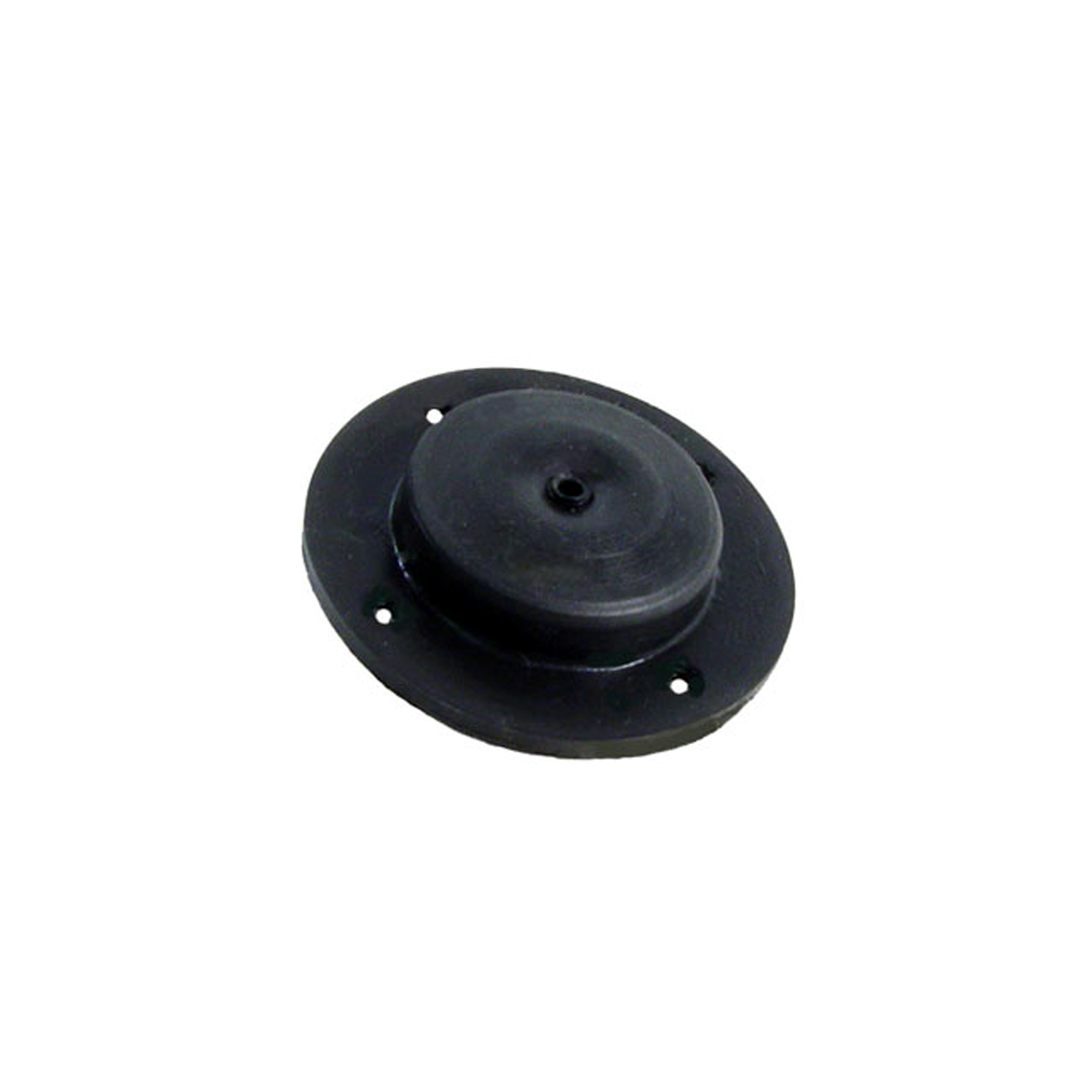 1954 Bentley R Type Thermo Tube through Dash Grommet. 2-3/8" O.D. Each-SM 70Thermo Tube through Dash Grommet. 2-3/8" O.D. Each
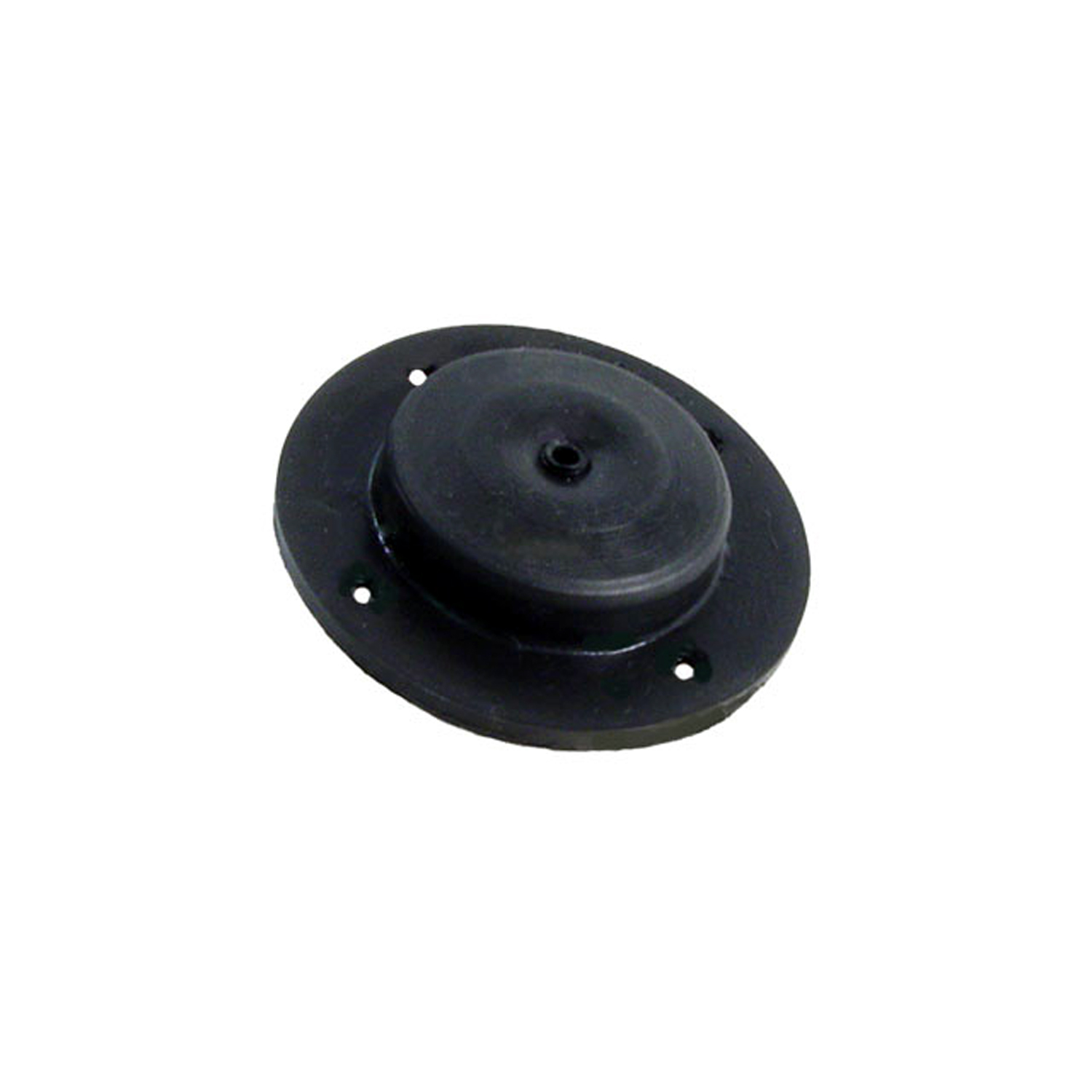 1954 Bentley R Type Speedometer Cable through Dash Grommet. 2-3/8" O.D. Each-SM 70-ASpeedometer Cable through Dash Grommet. 2-3/8" O.D. Each
Why Choose Metro?
For over 100 years, Metro Moulded Parts has been the pinnacle of quality in classic car restoration parts. Our commitment to precision and authenticity in every component ensures a perfect fit and an OEM-level appearance.
- Expert Craftsmanship & Quality: Each part is a testament to our dedication to reliability and perfection, crafted from original designs and thoroughly tested.
- Advanced Technology: We use cutting-edge techniques to create flawless, long-lasting parts that surpass others in performance.
- SuperSoft Sponge – The Ultimate Door Seal: Not only are our door seals 30% softer than competitors', but they're also guaranteed to never leak. They effectively reduce wind and road noise, enhancing your classic car's comfort and driving experience.
- Proudly American: Our parts are a product of American craftsmanship, made in the USA with a spirit of excellence and heritage.
- Unrivaled Warranty: We back our products with a 30-year industry-leading warranty, a testament to our confidence in their quality.
Join us in preserving the legacy of classic cars with parts that are crafted for perfection, not just made.