
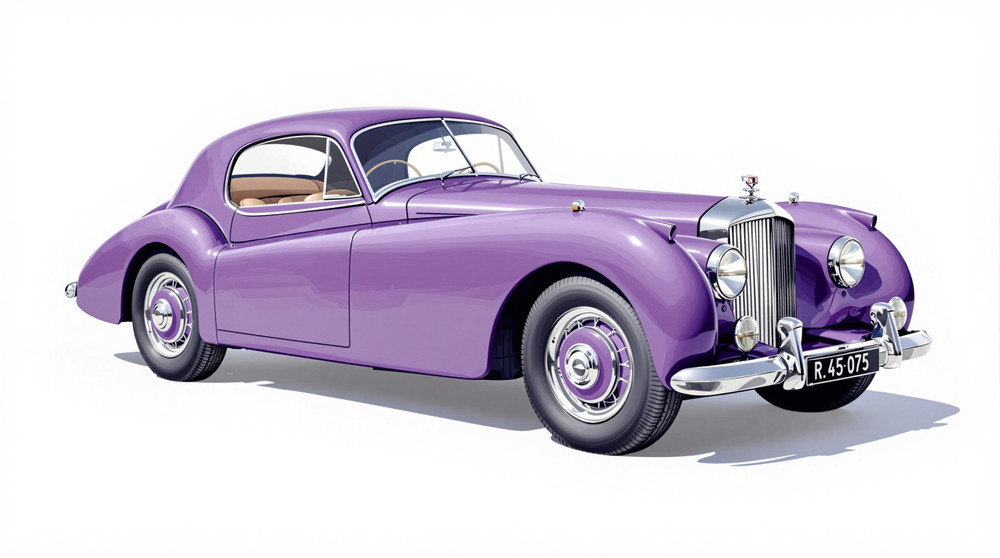
Image of 1955 Bentley R-Type, Note: These illustrations use artistic license and may differ from actual historical models.
Performance Metrics
Fundamental Metrics
Emotional Appeal
MMP Rating
| Engine Specifications | |
|---|---|
| Engine: | 4.6L I6 |
| Displacement: | 4566 cc |
| Horsepower: | 130-150 HP |
| Torque: | Estimated 230-250 lb-ft |
| Compression Ratio: | 6.6:1 |
| Ignition System: | Coil and distributor |
| Cooling System: | Water-cooled |
| Performance Specifications | |
| 0-60 Time: | Estimated 13-15 seconds |
| 1/4 Mile Time: | Not available |
| Top Speed: | 101 mph |
| Transmission and Drive | |
| Drive Type: | Rear-wheel drive |
| Transmission Type: | 4-speed automatic |
| Fuel and Efficiency | |
| Fuel System Type: | Twin SU carburetors |
| MPG: | Estimated 10-12 mpg |
| Dimensions and Brakes | |
| Brakes: | Drum brakes |
| Wheelbase: | 120.5 inches |
| Weight: | 3950 lbs |
Note: Specifications for classic cars are given to the best of our ability, considering the limited and variant data available.
1955 Bentley R-Type: British Luxury at Full Throttle
With a broad chrome grille, a quiet six-cylinder engine, and enough pace to make long-distance travel feel effortless, the 1955 Bentley R-Type brought postwar British luxury into a faster, more modern age. Built by Bentley Motors at Crewe, England, it was the successor to the Mark VI and the final evolution of Bentley’s traditional separate-chassis saloon before the S1 arrived in 1955.
The R-Type’s most famous offshoot was the R-Type Continental, a sleek, lightweight grand tourer created for owners who wanted to cross Europe at speed and arrive in style. When new, the Continental was promoted as the world’s fastest four-seat production car, a remarkable claim for a car with room for passengers and luggage. That blend of pace and refinement is a big part of why the R-Type remains one of the most admired postwar Bentleys.
Elegant Lines, Hand-Finished Cabin
The standard R-Type has a dignified, upright profile rather than the low, streamlined look of a modern luxury car. Its tall radiator grille, sculpted bonnet, separate wings, and rounded rear give it a formal presence, while chrome details add just enough sparkle. The design feels substantial without being showy, and the long bonnet hints at the smooth engine beneath it.
Inside, the R-Type is a showcase of traditional British craftsmanship. Depending on specification and coachbuilder, occupants might find supple leather upholstery, polished walnut veneers, deep wool carpets, and finely finished metal fittings. The driving position is upright and commanding, with a broad steering wheel and clear, period-style instruments. These cars were built for comfort over long journeys, with a quiet cabin and generous seating rather than a sporty, close-coupled feel.
Buyers could choose from a broad range of paint colors and bespoke finishes, including two-tone combinations. Dark greens, blues, black, and restrained metallic or silver shades suited the car’s formal character, while the Continental’s contrasting light-and-dark schemes emphasized its long, fastback profile. Many examples were individually specified, so color and trim varied from car to car.
Most R-Types were four-door saloons with factory-built steel bodies, but the separate chassis also allowed specialist coachbuilders to create alternatives. Two-door saloons, coupés, and drophead coupés appeared in smaller numbers. The most celebrated version is the R-Type Continental fastback, especially the streamlined bodies by H.J. Mulliner. Its sweeping roofline and lightweight construction turned the stately R-Type into a genuine high-speed grand tourer.
Engineering for the Postwar Road
The R-Type carried forward the proven formula of a smooth, front-mounted straight-six and a sturdy separate chassis, while adding useful improvements over the Mark VI. Its engine grew to 4,566 cc, or 4.6 litres, and the enlarged luggage compartment made the car more practical for touring. A four-speed manual gearbox was standard, and a four-speed automatic became an increasingly popular option, making the Bentley easier to drive in traffic and on long trips.
For its era, the R-Type was notable less for a single radical invention than for how effectively it combined engineering, comfort, and speed. Independent front suspension helped provide a composed ride, while the robust chassis and carefully tuned suspension suited the imperfect roads of the 1950s. The Continental took the idea further: its more aerodynamic body and reduced weight helped it reach speeds that were exceptional for a four-seat luxury car.
The R-Type also marks an important transition in Bentley history. It retained the coachbuilt tradition, where specialist firms could shape bodies to individual tastes, but it belonged to a period when standardized production and modern manufacturing were becoming increasingly important. Its successor, the S1, moved further toward an integrated, factory-built approach. In that sense, the R-Type stands near the end of one era and the beginning of another.
Performance and Road Manners
A standard 4.6-litre R-Type is generally credited with a top speed of about 100 mph and a 0-to-60 mph time in the neighborhood of 13 seconds. Exact figures vary with body style, condition, gearing, and period testing. The Continental used a larger 4,887 cc engine and a lighter, more aerodynamic body; examples could approach 120 mph when properly specified and in good condition.
On the road, the R-Type feels calm and substantial. The engine delivers its power smoothly, encouraging the driver to build speed without fuss rather than chase high revs. Its long wheelbase and suspension take the edge off bumps, though a well-maintained car still feels like a heavy 1950s machine rather than a modern limousine. On winding roads, it rewards measured inputs. The steering is not especially light by modern standards, and the car’s size and weight call for planning through tighter bends.
From behind the wheel, the experience is defined by quiet authority. The straight-six produces a subdued mechanical hum, the cabin keeps much of the road noise at bay, and the controls feel solid and deliberate. The automatic version is particularly relaxed in town, while the manual gearbox gives the driver a more involved connection to the car. Strong brakes and good tires are essential, especially if the car is expected to keep pace with contemporary traffic.
What R-Type Ownership Is Really Like
Today, most R-Types are used for touring, club events, concours displays, and special occasions. A sound example can cover distance comfortably, but its age, value, and specialist construction make it an unusual choice for everyday commuting. The Continental is especially likely to be preserved and driven selectively, while a standard saloon can be a more practical entry point for an enthusiast who wants to use the car regularly.
Maintenance is manageable for a classic-car owner with the right specialist support, but it is not a casual do-it-yourself project for most people. Routine servicing is only part of the picture: age-related corrosion, worn suspension, brake-system work, tired wiring, engine leaks, and deteriorated interior wood or leather can all require substantial attention. Coachbuilt body repairs and sourcing correct trim can be expensive. A pre-purchase inspection by a Bentley specialist is strongly advised, and a complete maintenance history can be worth far more than a low asking price.
These Bentleys were engineered for durability, but reliability today depends heavily on upkeep. A properly restored and regularly serviced car can be a dependable touring companion. One that has spent decades stored or neglected may need a long, costly recommissioning before it is ready for the road.
R-Type Facts and Famous Claims
The R-Type Continental’s “fastest four-seat production car” description is one of the model’s enduring claims. It referred to the car’s standing when it was introduced, not a record it holds today. Its blend of high speed, passenger comfort, and luggage capacity was unusual enough to make it a landmark grand tourer.
About 2,323 R-Types were built, including approximately 208 R-Type Continentals. The Continental’s low production total, bespoke bodywork, and celebrated H.J. Mulliner fastback shape make it far rarer and more sought-after than the standard saloon. Other coachbuilders also produced distinctive bodies, giving the model a remarkable variety of forms.
There is no single celebrity-owner story that defines the R-Type in quite the way the Continental’s engineering does. Its lasting reputation rests instead on the people and specialist firms who commissioned and built these individual cars. Common criticisms today include high restoration costs, limited parts availability for coachbuilt details, and handling that can feel heavy compared with later luxury cars. Those are real considerations, but they are part of owning a complex, hand-finished car from another era.
Collector Values and Market Outlook
Values vary widely according to condition, originality, body style, provenance, and the quality of any restoration. As a broad 2026 guide, a standard R-Type saloon might sell for roughly US$45,000 to US$120,000, with exceptional, highly original, or expertly restored examples potentially exceeding that range. Coachbuilt cars can command more depending on their maker and history.
The R-Type Continental sits in a different market. Well-documented examples commonly reach roughly US$1.5 million to US$3.5 million, while especially desirable cars with outstanding provenance or rare coachwork can sell for more. These figures are estimates, not fixed prices; currency, market conditions, and the car’s exact specification make a major difference.
Standard R-Types are scarce but do appear through classic-car dealers and specialist auctions. Continentals are much harder to find, and the best examples often trade through marque specialists or high-profile sales. Over the long term, the Continental has benefited from its rarity and iconic design. Standard saloons are generally more accessible, and their prices tend to be more sensitive to condition and restoration costs. As with any prewar or early postwar luxury car, a poor restoration can quickly absorb the difference between a bargain and a well-sorted example.
Why the 1955 Bentley R-Type Still Matters
The 1955 Bentley R-Type brought together understated styling, beautifully finished interiors, durable engineering, and impressive performance for its time. Its standard saloon offered dignified long-distance comfort, while the rare Continental transformed the same basic idea into one of the great postwar grand tourers. Together, they capture Bentley at a turning point between traditional coachbuilding and modern luxury-car production.
More than seventy years later, the R-Type remains compelling because it was never just about arriving. It was built to make the miles between destinations feel effortless, and its finest versions did so at a speed that once seemed astonishing.
1955 Bentley R-Type Catalog of Parts
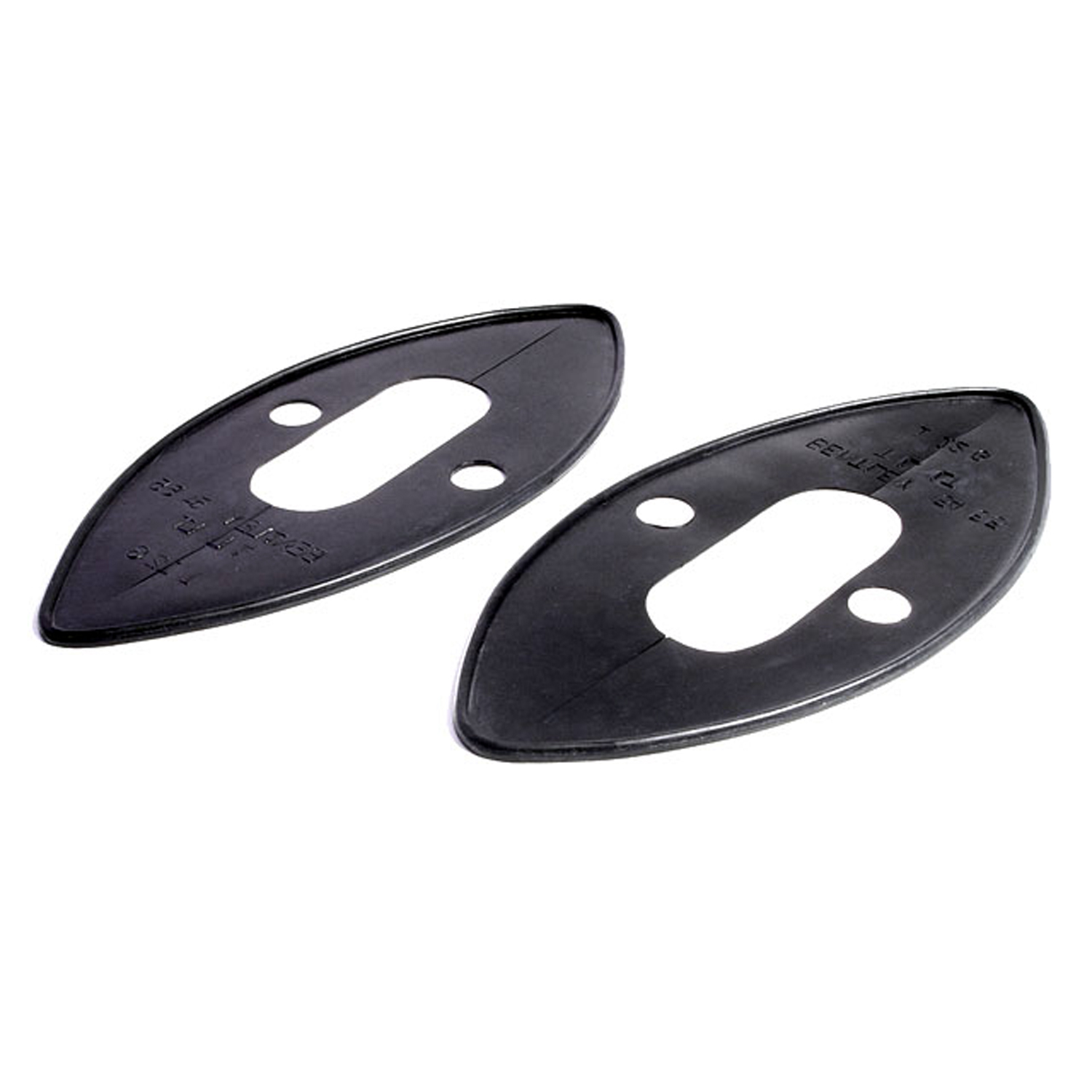 1955 Bentley R-TYPE Tail-light Pads. 3-5/8" wide X 7-5/8" long. Pair-MP 112-GTail-light Pads. 3-5/8" wide X 7-5/8" long. Pair
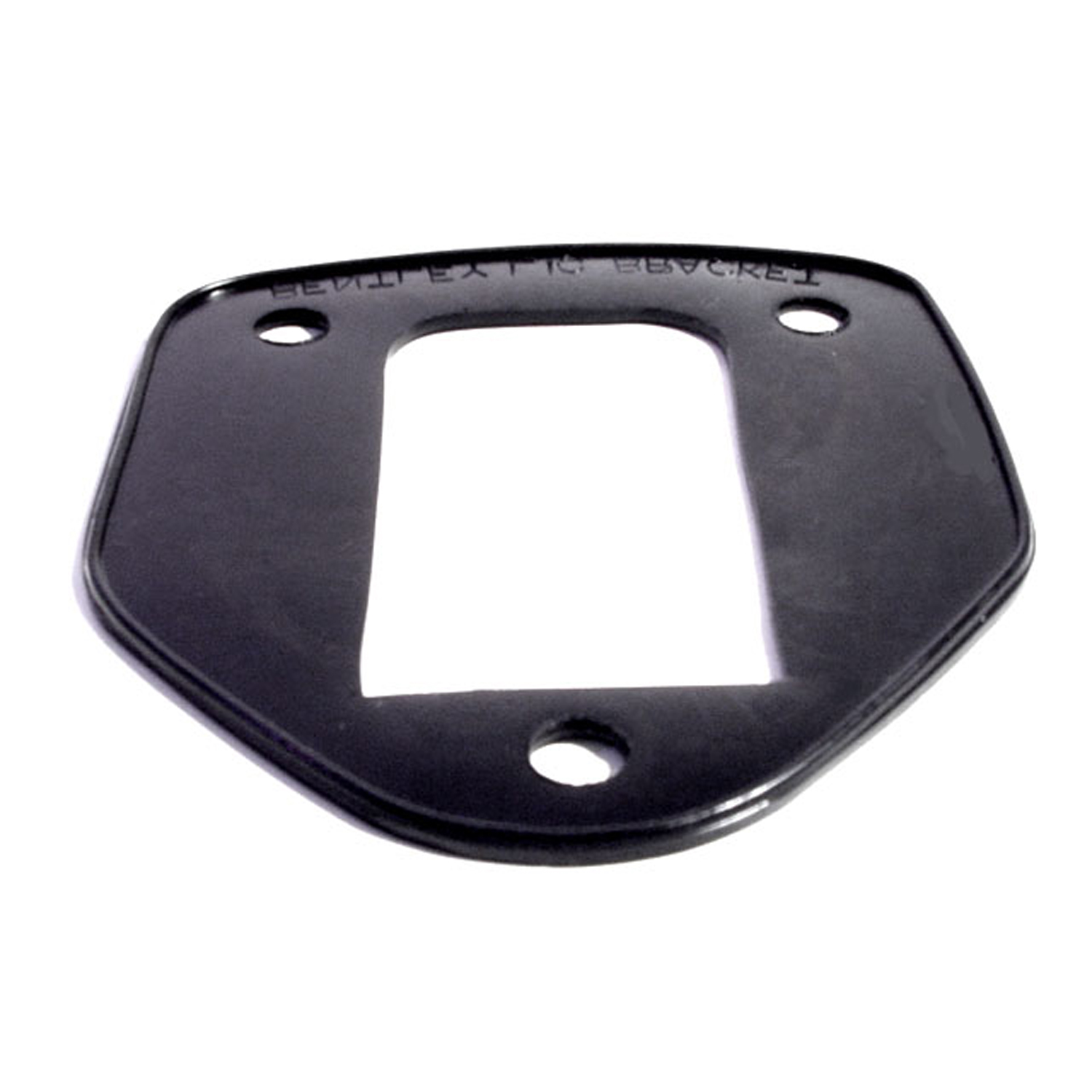 1955 Bentley R-TYPE License Bracket Pad. 4-3/8" wide X 5" long. Each-MP 112-JLicense Bracket Pad. 4-3/8" wide X 5" long. Each
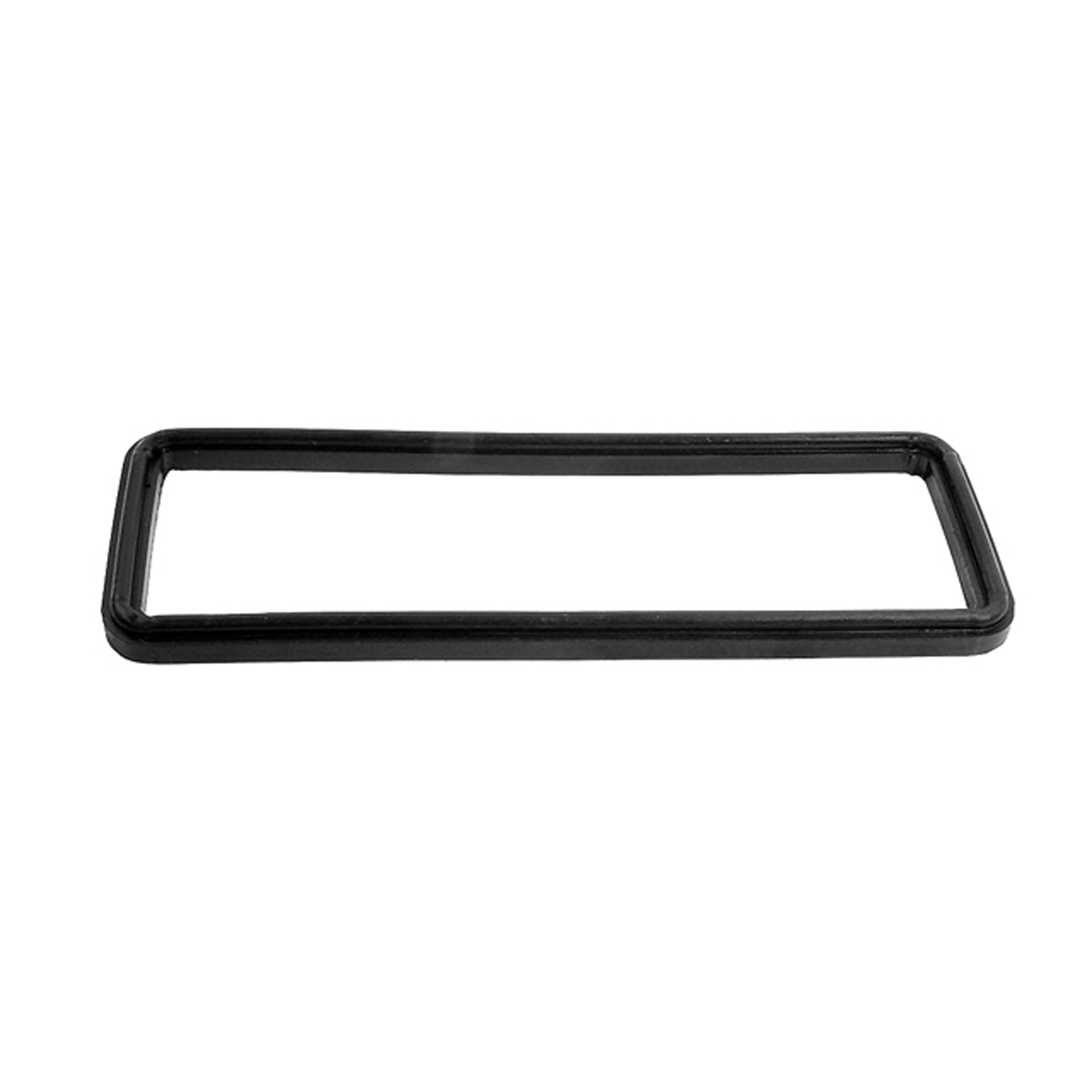 1955 Bentley R-TYPE Side Vent Seal. Standard steel saloon-RP 100-FSide Vent Seal. Standard steel saloon. 3" wide X 8-1/2" long. Each
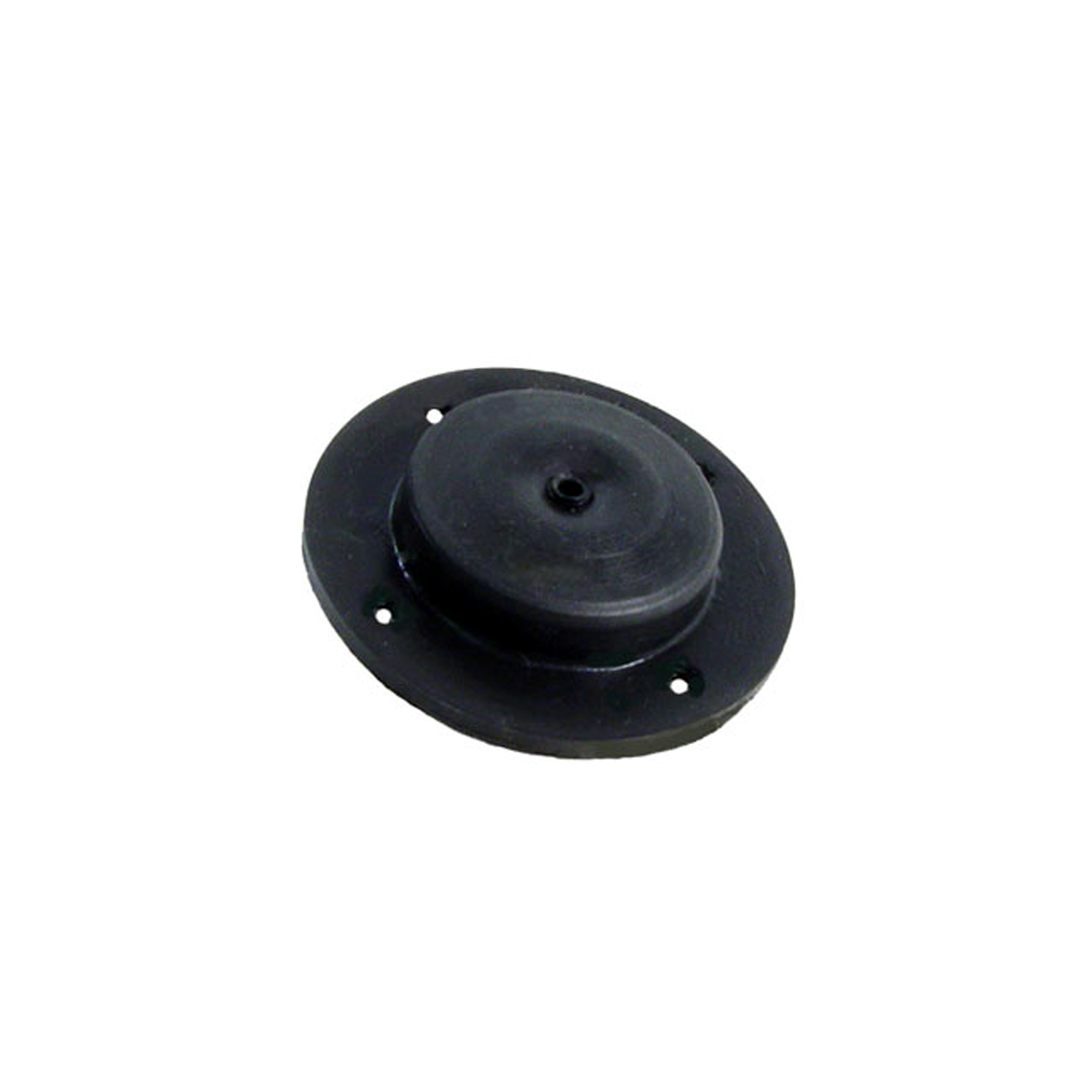 1955 Bentley R-TYPE Thermo Tube through Dash Grommet. 2-3/8" O.D. Each-SM 70Thermo Tube through Dash Grommet. 2-3/8" O.D. Each
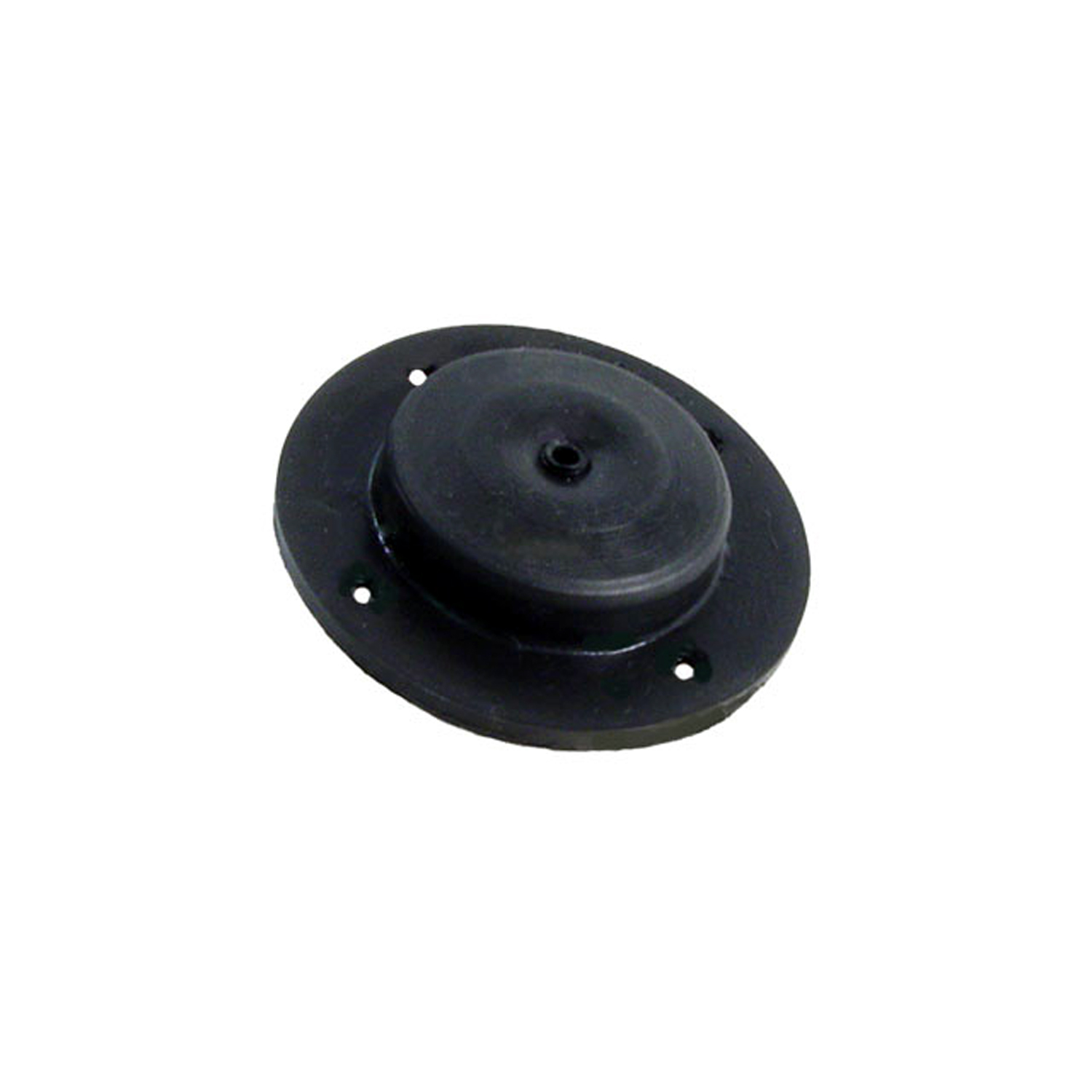 1955 Bentley R-TYPE Speedometer Cable through Dash Grommet. 2-3/8" O.D. Each-SM 70-ASpeedometer Cable through Dash Grommet. 2-3/8" O.D. Each
Why Choose Metro?
For over 100 years, Metro Moulded Parts has been the pinnacle of quality in classic car restoration parts. Our commitment to precision and authenticity in every component ensures a perfect fit and an OEM-level appearance.
- Expert Craftsmanship & Quality: Each part is a testament to our dedication to reliability and perfection, crafted from original designs and thoroughly tested.
- Advanced Technology: We use cutting-edge techniques to create flawless, long-lasting parts that surpass others in performance.
- SuperSoft Sponge – The Ultimate Door Seal: Not only are our door seals 30% softer than competitors', but they're also guaranteed to never leak. They effectively reduce wind and road noise, enhancing your classic car's comfort and driving experience.
- Proudly American: Our parts are a product of American craftsmanship, made in the USA with a spirit of excellence and heritage.
- Unrivaled Warranty: We back our products with a 30-year industry-leading warranty, a testament to our confidence in their quality.
Join us in preserving the legacy of classic cars with parts that are crafted for perfection, not just made.