
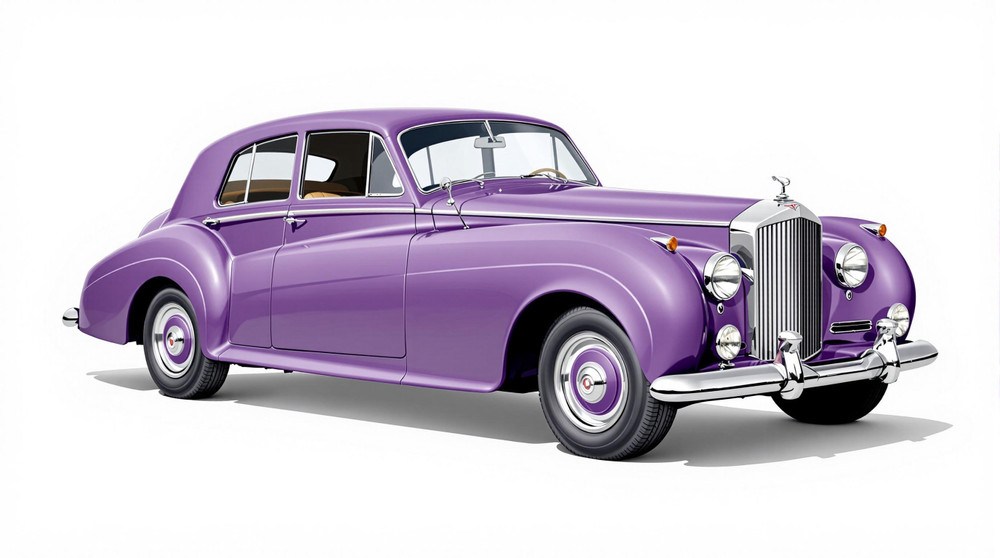
Image of 1955 Bentley S1 Series, Note: These illustrations use artistic license and may differ from actual historical models.
Performance Metrics
Fundamental Metrics
Emotional Appeal
MMP Rating
| Engine Specifications | |
|---|---|
| Engine: | Inline 6 |
| Displacement: | 4.9L |
| Horsepower: | 178 HP |
| Torque: | Estimated 230 lb-ft |
| Compression Ratio: | 8:1 |
| Ignition System: | Distributor ignition |
| Cooling System: | Liquid cooled |
| Performance Specifications | |
| 0-60 Time: | Estimated 13 seconds |
| 1/4 Mile Time: | Not available |
| Top Speed: | 103 mph |
| Transmission and Drive | |
| Drive Type: | Rear wheel drive |
| Transmission Type: | 4-speed automatic |
| Fuel and Efficiency | |
| Fuel System Type: | Carburetor |
| MPG: | Estimated 10-12 mpg |
| Dimensions and Brakes | |
| Brakes: | Drum brakes |
| Wheelbase: | 123 inches |
| Weight: | 4100 lbs |
Note: Specifications for classic cars are given to the best of our ability, considering the limited and variant data available.
1955 Bentley S1: A British Luxury Classic
The 1955 Bentley S1 delivered a rare combination of quiet authority and genuine pace, wrapped in the hand-finished elegance of postwar British motoring. Built by Bentley Motors, then part of Rolls-Royce, the S1 replaced the R-Type in 1955 and carried the marque into a new era of smoother, more modern luxury.
The S1 shared its basic engineering and much of its body design with the Rolls-Royce Silver Cloud I, but Bentley gave the car a distinct character through its grille, badging and sporting image. One intriguing offshoot was the S1 Continental, a lighter, faster coachbuilt version intended for owners who wanted a luxury car capable of sustained high-speed touring. Its most famous body style, the H.J. Mulliner Continental Flying Spur, helped establish a name that Bentley would revive decades later.
Elegant Lines and Hand-Finished Luxury
The standard S1 saloon has the upright, formal proportions expected of a 1950s Bentley. A tall, polished radiator grille and the winged Bentley mascot lead the eye along a long bonnet, flowing front wings and a spacious cabin. The separate headlamps, restrained chrome and gently shaped rear bodywork give it a dignified look without the visual weight of some American luxury cars from the same period.
Inside, the S1 is a study in traditional British craftsmanship. Depending on specification, the cabin could feature richly figured walnut veneer, leather upholstery, deep carpeting and carefully finished metal fittings. The front bench seat gave the standard saloon a roomy, lounge-like feel, while the broad dashboard placed its instruments and controls within easy reach. Coachbuilt examples could have distinctive trim, seating layouts and detailing tailored to their first owners.
Paint choices were extensive, and custom colours were part of the appeal. Solid dark shades such as black, deep green and burgundy suited the car’s formal character, while two-tone finishes gave it extra presence. Coachbuilt Bentleys might be ordered in striking colour combinations, so there was no single palette that defined every S1.
Buyers could choose the four-door standard steel saloon, a longer-wheelbase version, or bespoke coachbuilt bodies. Continental models were built for faster touring and wore individual designs from firms including H.J. Mulliner, Park Ward and James Young. The Flying Spur is among the most recognizable and sought-after variations, while drophead coupes and other coachbuilt forms are especially rare.
Engineering in a Changing Era
The S1 retained a separate chassis, an approach that allowed Bentley to offer both its standard steel body and a range of custom coachwork. Under the bonnet sat a 4,887cc straight-six engine with an aluminum cylinder head and twin SU carburettors. Bentley did not emphasize a single official horsepower figure in the way manufacturers do today, but period estimates commonly place output at around 178 horsepower.
A four-speed automatic transmission was standard, reflecting the S1’s mission as a refined long-distance car rather than a demanding sports machine. Power steering made the substantial Bentley easier to maneuver, and independent front suspension helped smooth the ride. For its time, the combination of automatic shifting, assisted steering and a quiet, high-capacity engine made the S1 an especially relaxed car to cover distance in.
The S1’s historical importance lies partly in its balance of tradition and modernization. It kept Bentley’s separate-chassis construction and coachbuilding heritage alive while adopting features that made luxury motoring less tiring. It also helped define the postwar Bentley formula: understated styling, strong performance and a high degree of refinement. The S1 was not an isolated design revolution, but it became a highly influential expression of the marque’s identity during a period when luxury cars were becoming more standardized.
Performance and Road Manners
A standard S1 saloon can reach roughly 100 to 103 mph, with 0 to 60 mph taking about 13 seconds. Figures vary with body style, condition and test method. The lighter, more aerodynamic S1 Continental was quicker, with top speeds often quoted at around 120 mph in suitable specification. Those were impressive figures for a large luxury car in the 1950s.
On the road, the S1 is built for progress rather than sharp, modern cornering. Its power steering makes low-speed turns manageable, while the long wheelbase and suspension give it a composed ride over ordinary road imperfections. On a winding road, the car feels substantial and measured: it rewards smooth inputs and a deliberate pace rather than sudden direction changes. The Continental’s sporting setup gives it a more urgent character, but even that version remains a grand tourer rather than a lightweight sports car.
The straight-six delivers its power with a muted, cultured note. In a well-maintained example, the engine feels smooth and unhurried, with the automatic transmission helping it gather speed without drama. From the driver’s seat, the high bonnet, large steering wheel and generous cabin create a distinctly pre-modern experience. The S1 asks its driver to work with the car’s size and weight, but repays that attention with an exceptionally calm ride.
Living with an S1 Bentley
Today, most S1s are used as collector cars, touring cars and show vehicles rather than everyday transport. A sound example can still be driven on regular outings, but it needs careful maintenance and is best suited to owners with access to a specialist familiar with Rolls-Royce and Bentley models of the period.
Routine servicing is straightforward for a qualified mechanic, but repairs can be expensive. Age-related needs may include attention to the engine, automatic transmission, cooling system, suspension, brakes, electrical equipment and timber or leather trim. Coachbuilt cars add another layer of complexity because body parts and interior details may be unique. The S1 is not an ideal first restoration project for an average owner without specialist support, and a thorough pre-purchase inspection is essential.
Notable Facts and Common Criticisms
Bentley produced approximately 3,538 S1 cars between 1955 and 1959, including standard saloons, long-wheelbase models, Continental variants and coachbuilt examples. Production figures are commonly divided into about 2,785 standard steel saloons, 35 long-wheelbase cars and 431 Continentals, with other coachbuilt cars accounting for the remainder. The S1 Continental Flying Spur also introduced a name that remains closely associated with Bentley grand touring.
The car’s most frequent criticisms are practical ones. It is large, thirsty by modern standards and costly to maintain. Its braking, handling and safety equipment also reflect the technology of its era, not current expectations. Buyers should pay close attention to mechanical condition and restoration quality, since a low purchase price can be quickly outweighed by deferred repairs.
There is no single famous S1 ownership story that defines the whole model. Its distinction is broader: it was a high-status choice for business leaders, public figures and wealthy private owners, with bespoke versions made to individual tastes. The Continental’s ability to combine high-speed travel with traditional luxury remains one of the model’s most appealing claims to fame.
Collector Values and Availability
As a broad guide in the current market, a standard S1 saloon in usable condition may sell for around $40,000 to $90,000 USD. Excellent, well-documented examples can reach roughly $100,000 to $150,000 or more, while cars needing substantial restoration may be cheaper but carry significant additional costs. Values depend heavily on condition, provenance, originality and the quality of any restoration.
Coachbuilt S1s are much less common and can command far higher prices. A desirable Continental, especially a well-presented Flying Spur, may sell for several hundred thousand dollars, with exceptional examples potentially exceeding $1 million. These figures are estimates rather than fixed price guides, and the market for rare coachbuilt cars can vary considerably from one sale to the next.
Ordinary saloons remain more available than Continentals, but clean, original cars are not everyday finds. Over time, the market has generally favored rare coachbuilt versions more strongly than standard saloons. The best examples remain attractive to collectors, although typical saloon values have not always risen as quickly as headline prices for the rarest Bentleys. For buyers, condition and documentation matter more than simply choosing the most affordable car.
Why the 1955 Bentley S1 Still Matters
The Bentley S1 brought together a powerful straight-six, refined automatic driving, traditional coachbuilding and the composed manners of a proper grand tourer. Its standard saloon offered discreet luxury, while the Continental and bespoke-bodied versions showed how far the design could be tailored to individual tastes.
More than a handsome 1950s saloon, the S1 represents a pivotal chapter in Bentley’s postwar story. It preserved the marque’s craftsmanship while making luxury motoring smoother and more accessible, and its rare coachbuilt variants remain among the most compelling British cars of their era. That blend of quiet confidence and enduring craftsmanship is what keeps the S1 special today.
1955 Bentley S1 Series Catalog of Parts
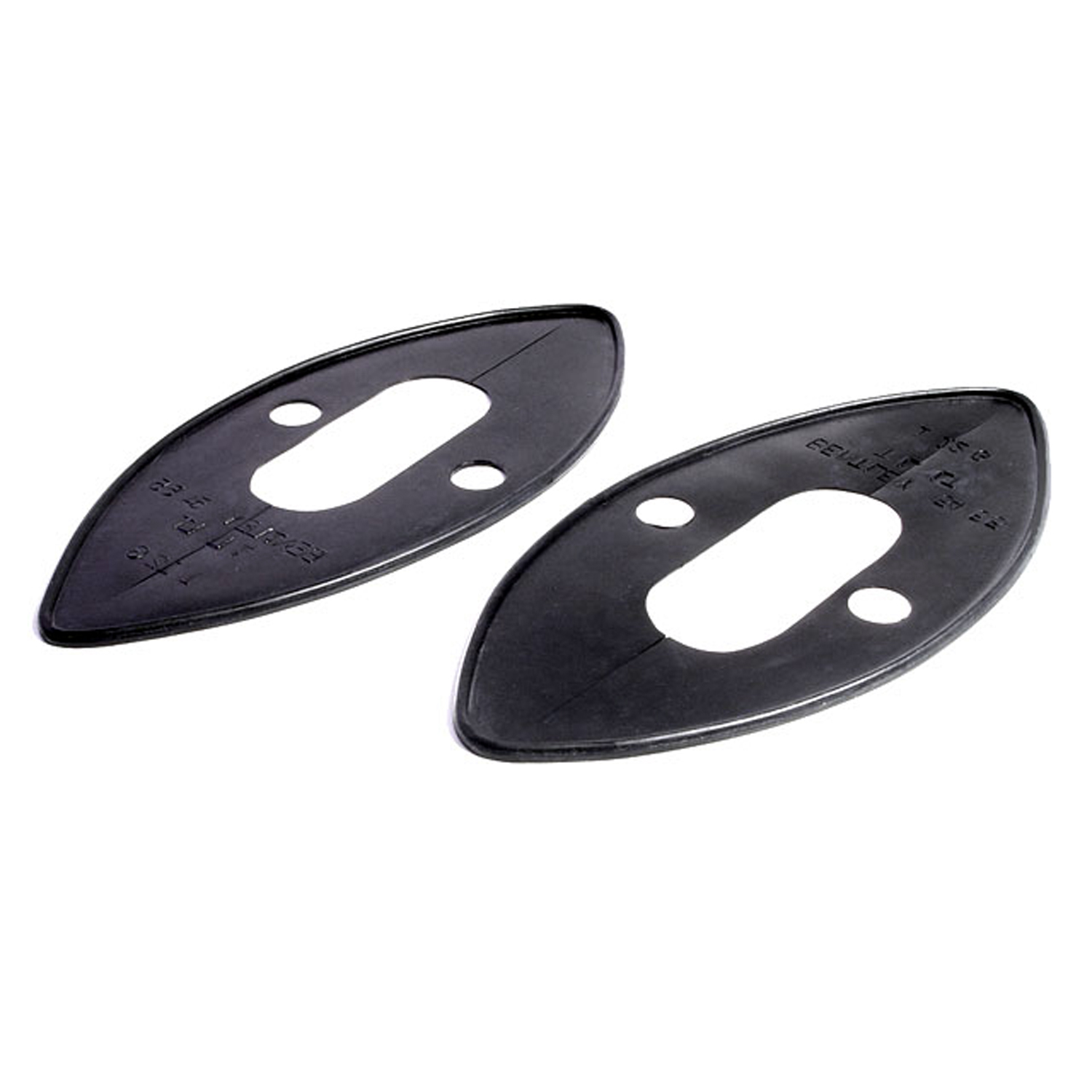 1955 Bentley S1 Series Tail-light Pads. 3-5/8" wide X 7-5/8" long. Pair-MP 112-GTail-light Pads. 3-5/8" wide X 7-5/8" long. Pair
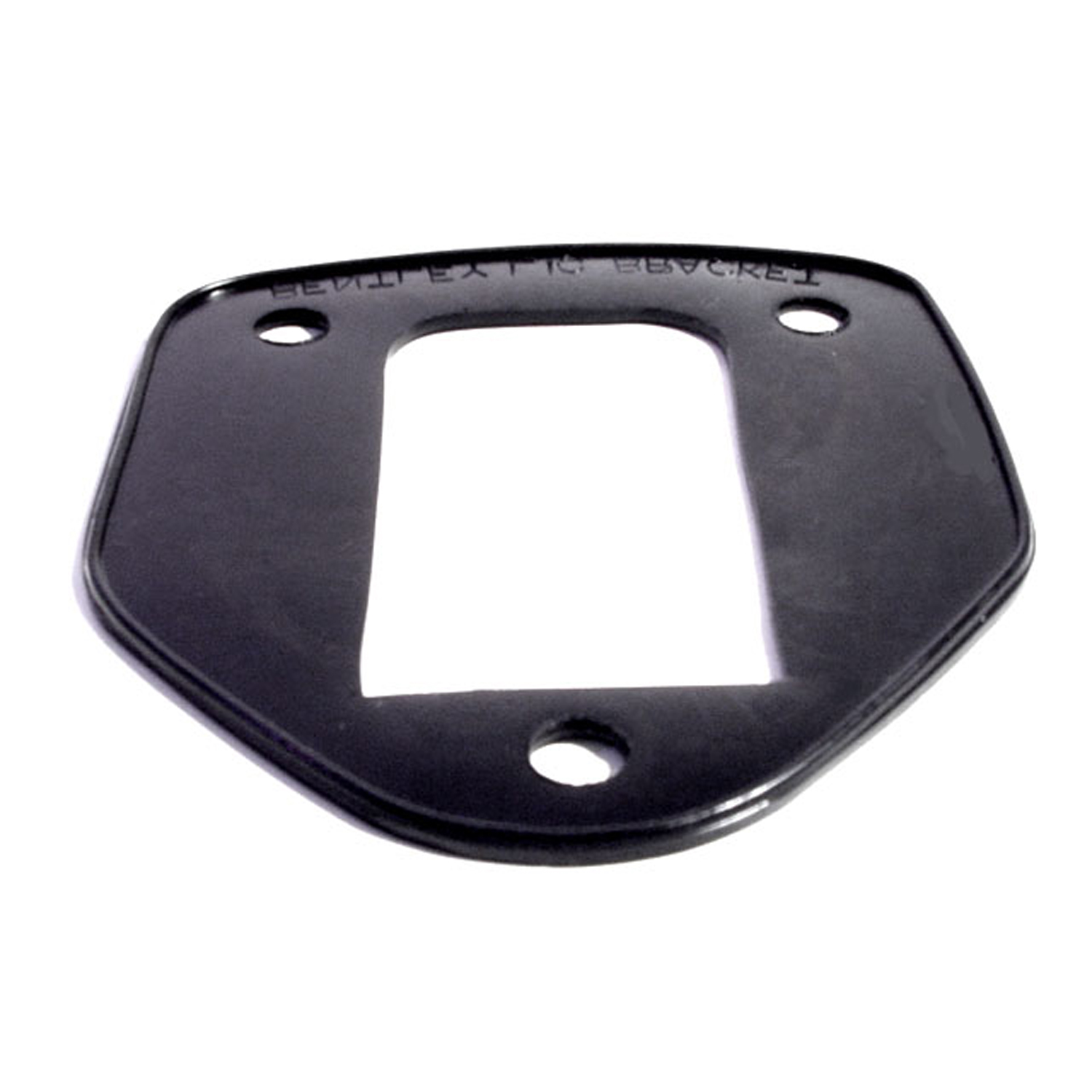 1955 Bentley S1 Series License Bracket Pad. 4-3/8" wide X 5" long. Each-MP 112-JLicense Bracket Pad. 4-3/8" wide X 5" long. Each
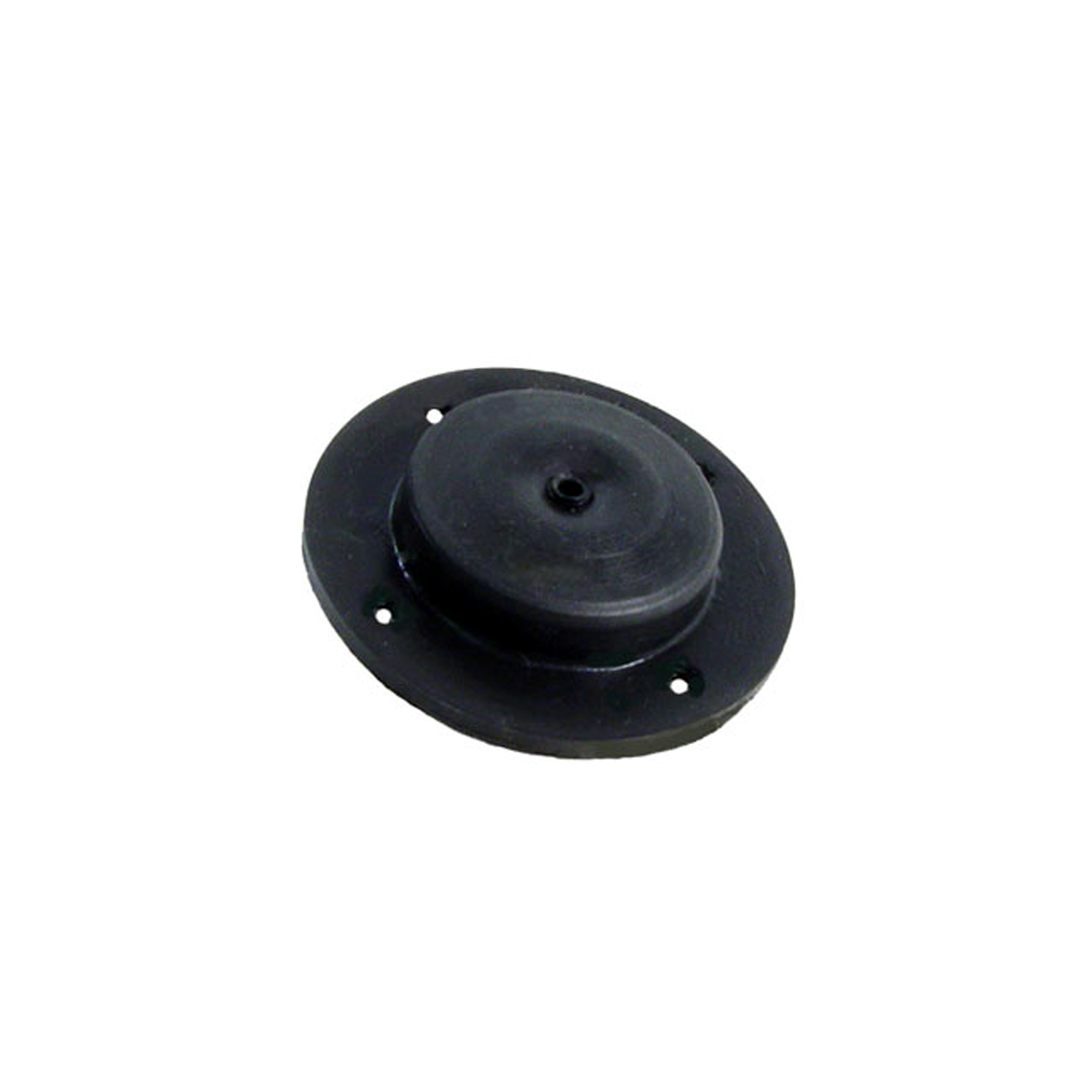 1955 Bentley S1 Series Thermo Tube through Dash Grommet. 2-3/8" O.D. Each-SM 70Thermo Tube through Dash Grommet. 2-3/8" O.D. Each
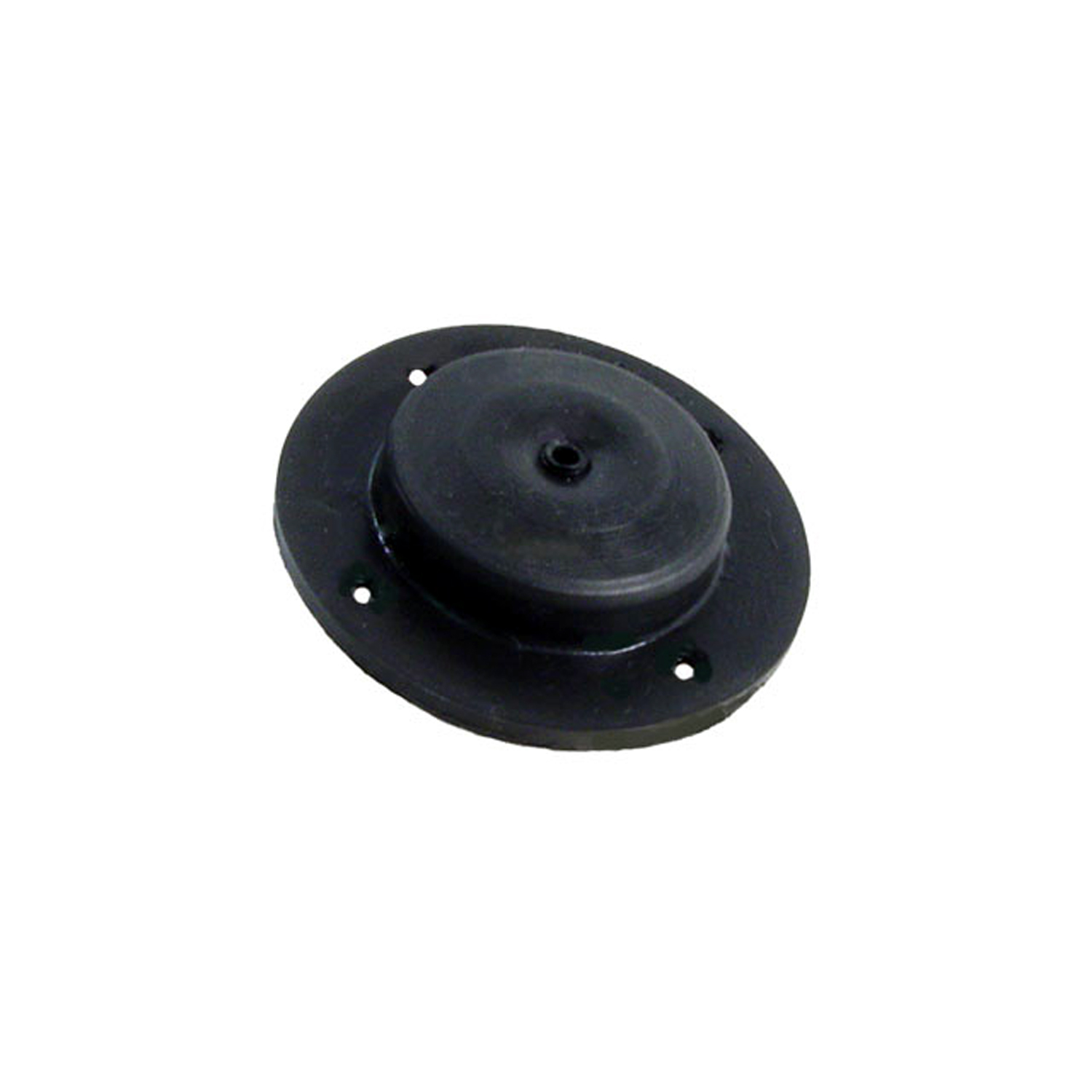 1955 Bentley S1 Series Speedometer Cable through Dash Grommet. 2-3/8" O.D. Each-SM 70-ASpeedometer Cable through Dash Grommet. 2-3/8" O.D. Each
Why Choose Metro?
For over 100 years, Metro Moulded Parts has been the pinnacle of quality in classic car restoration parts. Our commitment to precision and authenticity in every component ensures a perfect fit and an OEM-level appearance.
- Expert Craftsmanship & Quality: Each part is a testament to our dedication to reliability and perfection, crafted from original designs and thoroughly tested.
- Advanced Technology: We use cutting-edge techniques to create flawless, long-lasting parts that surpass others in performance.
- SuperSoft Sponge – The Ultimate Door Seal: Not only are our door seals 30% softer than competitors', but they're also guaranteed to never leak. They effectively reduce wind and road noise, enhancing your classic car's comfort and driving experience.
- Proudly American: Our parts are a product of American craftsmanship, made in the USA with a spirit of excellence and heritage.
- Unrivaled Warranty: We back our products with a 30-year industry-leading warranty, a testament to our confidence in their quality.
Join us in preserving the legacy of classic cars with parts that are crafted for perfection, not just made.