

Image of 1969 Bmw 1800, Note: These illustrations use artistic license and may differ from actual historical models.
Performance Metrics
Fundamental Metrics
Emotional Appeal
MMP Rating
| Engine Specifications | |
|---|---|
| Engine: | Inline 4 |
| Displacement: | 1773 cc |
| Horsepower: | 90 hp |
| Torque: | 130 Nm |
| Compression Ratio: | 8.6:1 |
| Ignition System: | Distributor ignition |
| Cooling System: | Water-cooled |
| Performance Specifications | |
| 0-60 Time: | 13 seconds |
| 1/4 Mile Time: | Estimated at 19 seconds |
| Top Speed: | 100 mph |
| Transmission and Drive | |
| Drive Type: | Rear-wheel drive |
| Transmission Type: | 4-speed manual |
| Fuel and Efficiency | |
| Fuel System Type: | Carburetor |
| MPG: | 24 mpg |
| Dimensions and Brakes | |
| Brakes: | Disc brakes at front, drum brakes at rear |
| Wheelbase: | 100.4 inches |
| Weight: | 2425 lbs |
Note: Specifications for classic cars are given to the best of our ability, considering the limited and variant data available.
1969 BMW 1800: The Sedan That Helped Save BMW
The 1969 BMW 1800 is a four-door family sedan with the heart of a sports car: tidy proportions, rear-wheel drive, a willing four-cylinder engine, and handling that rewards an engaged driver. It belongs to BMW’s Neue Klasse, or “New Class,” a generation of cars that transformed the company from a struggling manufacturer into a builder of sporting sedans.
Built by Bayerische Motoren Werke in West Germany, the 1800 arrived in 1963 as a larger and more powerful companion to the 1500. Its 1.8-liter engine gave it more relaxed performance for everyday driving, while its chassis retained the sharp character that became a BMW hallmark. By 1969, the model was part of an expanding family that also included the 2000 and the compact 2002.
One of the 1800’s most memorable moments came not on a showroom floor but at Spa-Francorchamps. A BMW 1800 TI won the 1964 Spa 24 Hours, demonstrating that the Neue Klasse could be both practical road transport and a serious touring-car competitor.
Neue Klasse Styling and Cabin
The 1800 wears a clean, upright shape that is unmistakably a product of the 1960s. Its long hood, relatively short rear deck, slim pillars, and crisp shoulder line give it a purposeful stance without unnecessary ornament. At the nose, BMW’s twin kidney grille sits between simple round headlamps. The restrained chrome trim and neat proportions make the car look sophisticated rather than flashy.
Inside, the layout is straightforward and driver-focused. The large, legible instruments sit directly ahead of the driver, with simple controls arranged for easy use. Depending on trim and market, the cabin could feature vinyl upholstery or cloth accents, with more supportive seats in sport-oriented versions. The materials are period-correct rather than luxurious by modern standards, but the cabin feels durable and thoughtfully arranged. Four doors and a useful rear seat make the 1800 a genuine family car, not just a sporting novelty.
Buyers could choose from period paint colors that varied by market and model year. White, silver, red, and darker blue or green shades were among the period-appropriate choices, with silver and restrained light colors particularly well suited to the car’s crisp bodywork. Original paint codes and availability should always be checked against the car’s build details, since colors and trim could differ between markets.
The 1969 BMW 1800 was a four-door sedan. It was not offered as a factory coupe or wagon, though options such as a sunroof, radio, and, in some markets, automatic transmission could broaden its appeal. The 1800 TI and the rarer TI/SA were the sporting alternatives, distinguished by stronger engines and competition-minded equipment. The standard four-door sedan remains the most common and recognizable version.
Engineering That Put BMW on a New Course
The Neue Klasse was important because it established a formula BMW would refine for decades: a compact, well-balanced sedan with a responsive engine, rear-wheel drive, and handling that made ordinary roads entertaining. The 1800 was larger and more powerful than the 1500, but it preserved the same basic sporting character.
Its engineering was modern for its time. The front suspension used MacPherson struts, while the rear had independent suspension, helping the car maintain composure over uneven pavement. Front disc brakes provided stronger stopping power than the drum-brake systems still common on many contemporary family cars. The 1800’s layout and dynamic priorities helped shape the later 2002 and, ultimately, the sporting-sedan identity associated with BMW’s 3 Series.
The model also gave BMW a platform for competition. The 1800 TI’s Spa 24 Hours victory showed that a practical four-door could be developed into a capable endurance racer. That blend of everyday usefulness and motorsport credibility became a lasting part of the company’s appeal.
BMW 1800 Performance and Road Manners
A standard 1969 BMW 1800 uses a 1,773 cc inline-four from BMW’s M10 engine family. In typical specification it produces about 90 horsepower, sent to the rear wheels through a four-speed manual gearbox. A three-speed automatic was available in some markets. Exact output and equipment can vary with specification and market.
Expect a top speed of roughly 100 mph and a 0-to-60 mph time in the neighborhood of 12 to 13 seconds for a standard car. Those are estimates rather than universal test figures: gearing, condition, tires, altitude, and the way performance was measured all make a difference. The 1800 TI is notably quicker, with approximately 110 horsepower and a 0-to-60 mph time around 10 to 11 seconds. The highly specialized TI/SA was more powerful still.
On the road, the 1800 feels light and communicative by modern standards. The steering gives the driver a clear sense of what the front tires are doing, and the independent suspension helps it track neatly through a winding road. It is composed over ordinary bumps, though worn dampers, tired suspension bushings, or incorrect tires can make an old example feel unsettled. In strong crosswinds, its upright body can be affected more than a modern sedan, but the car remains predictable when its chassis is in good condition.
The M10 engine has a characterful mechanical hum that turns into a busy, purposeful note as the revs rise. The four-speed manual invites the driver to work the gears, while the engine’s modest low-speed torque means it is happiest when allowed to build momentum. The ride is firm but not punishing, and the car’s narrow dimensions make it easy to place on a tight road. It feels engaging without requiring racing speeds.
Living With a Classic 1800
A sound BMW 1800 can be used for weekend touring, local events, vintage rallies, or even regular driving in suitable conditions. Many survive today as enthusiast-owned classics and show cars. The standard model is generally more relaxed and easier to live with than a competition-oriented TI or TI/SA, while still offering the lively handling that defines the Neue Klasse.
The M10 engine has a strong reputation for durability when maintained properly. Routine service includes keeping the ignition and carburetion in tune, changing fluids, and checking the cooling system. Repairs are often straightforward for an experienced home mechanic, though age, previous modifications, and parts availability can complicate a job. Specialist knowledge may be useful for rebuilding carburetors or restoring original trim and electrical components.
Rust is the key ownership concern. Inspect the sills, floor pans, wheel arches, door bottoms, spare-wheel well, and suspension mounting areas carefully. A clean-looking exterior can hide costly structural corrosion. Also check for worn suspension components, tired rubber seals, and signs of poor-quality past repairs. Finding a structurally solid car is usually more important than finding one with shiny paint.
Racing History and 1800 Trivia
The 1800 TI’s Spa 24 Hours win remains a standout chapter in the model’s history. BMW also developed the rare 1800 TI/SA as a homologation special for competition. Around 200 were built, making it dramatically scarcer than the ordinary 1800. These cars received more serious performance equipment and are now prized by collectors, especially when their identities and specifications can be documented.
The 1800 helped prove that a four-door sedan could deliver credible motorsport performance without giving up its usefulness as road transport. That idea now seems familiar, but in the early 1960s it helped distinguish BMW from many makers whose family cars prioritized comfort and cost over handling.
Common criticisms are part of the ownership picture. The standard 1800 is not especially quick by modern standards, the cabin is compact compared with a contemporary family sedan, and corrosion can be extensive. Its thin period safety equipment also offers little protection by modern expectations. Buyers should value originality and structural condition over claims of easy restoration.
Collector Value and Availability
Production figures vary by source and by how the 1800’s related versions are counted. A reasonable estimate is roughly 130,000 to 135,000 standard BMW 1800 sedans built over the model’s production run, with the TI and TI/SA adding separate sporting variants. That total does not mean clean cars are common today: rust, decades of use, and the popularity of the later 2002 have made well-preserved 1800s comparatively difficult to find.
As a broad 2026 estimate in the U.S. market, a project car may sell for about $5,000 to $12,000, while a usable driver could fall around $12,000 to $25,000. A very good, correctly restored standard 1800 might bring approximately $25,000 to $40,000, with exceptional examples potentially exceeding that range. Values depend heavily on rust, originality, documentation, and location. A genuine 1800 TI/SA is in a different category and can command well into six figures when its provenance and specification are verified.
Interest in early BMWs has generally strengthened over the long term, and the Neue Klasse is receiving more attention as collectors look beyond the better-known 2002. That does not make every 1800 an investment-grade car. The best prospects are original, rust-free examples with sound records. Condition and authenticity matter far more than a recent cosmetic restoration.
Why the 1969 BMW 1800 Still Matters
The 1969 BMW 1800 combines useful four-door practicality with crisp handling, straightforward engineering, and a direct connection to BMW’s rise as a maker of sporting sedans. Its M10 engine, independent suspension, and competition-bred family tree give it real substance beyond its handsome period styling.
It may not be the fastest or rarest Neue Klasse, but the 1800 captures the formula that made BMW special: a car built for everyday life that still makes the driver want to take the long way home.
1969 Bmw 1800 Catalog of Parts
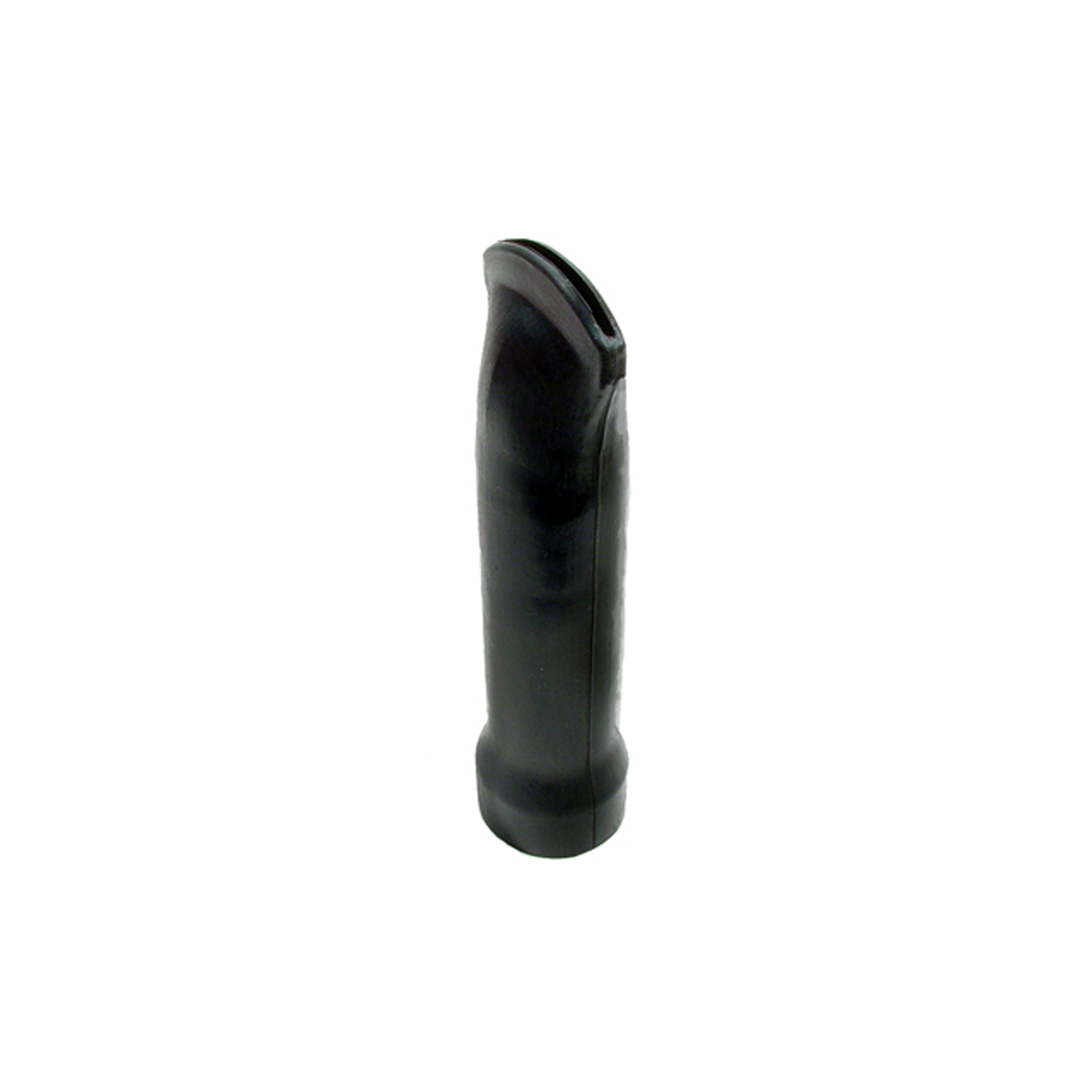 1969 BMW 1800 Cowl Drain Tube. 1-3/8" I.D., 1-1/2" O.D., 5-3/4" High-VH 108Cowl Drain Tube. 1-3/8" I.D., 1-1/2" O.D., 5-3/4" High. Each
Why Choose Metro?
For over 100 years, Metro Moulded Parts has been the pinnacle of quality in classic car restoration parts. Our commitment to precision and authenticity in every component ensures a perfect fit and an OEM-level appearance.
- Expert Craftsmanship & Quality: Each part is a testament to our dedication to reliability and perfection, crafted from original designs and thoroughly tested.
- Advanced Technology: We use cutting-edge techniques to create flawless, long-lasting parts that surpass others in performance.
- SuperSoft Sponge – The Ultimate Door Seal: Not only are our door seals 30% softer than competitors', but they're also guaranteed to never leak. They effectively reduce wind and road noise, enhancing your classic car's comfort and driving experience.
- Proudly American: Our parts are a product of American craftsmanship, made in the USA with a spirit of excellence and heritage.
- Unrivaled Warranty: We back our products with a 30-year industry-leading warranty, a testament to our confidence in their quality.
Join us in preserving the legacy of classic cars with parts that are crafted for perfection, not just made.