

Image of 1971 Bmw 2002, Note: These illustrations use artistic license and may differ from actual historical models.
Performance Metrics
Fundamental Metrics
Emotional Appeal
MMP Rating
| Engine Specifications | |
|---|---|
| Engine Options: | Single 2.0L M10 I4 |
| Displacement Range: | 1990 cc |
| Horsepower Range: | 100-130 hp |
| Torque: | 106 lb-ft |
| Compression Ratio: | 8.5:1 |
| Ignition System: | Electronic ignition |
| Cooling System: | Water-cooled |
| Performance Specifications | |
| 0-60 Time: | 10 seconds |
| 1/4 Mile Time: | 17.5 seconds |
| Top Speed: | 115 mph |
| Transmission and Drive | |
| Drive Type: | Rear-wheel drive |
| Transmission Type: | 4-speed manual, 3-speed automatic |
| Fuel and Efficiency | |
| Fuel System Type: | Carburetor |
| MPG: | 24 mpg |
| Dimensions and Brakes | |
| Brakes: | Front disc, rear drum |
| Wheelbase: | 98.4 inches |
| Weight: | 2,315 lbs |
Note: Specifications for classic cars are given to the best of our ability, considering the limited and variant data available.
1971 BMW 2002: The Compact Sports Sedan That Changed BMW
The 1971 BMW 2002 makes a persuasive case that a small family car can be genuinely thrilling to drive. With a responsive four-cylinder engine, nimble chassis, and clean, purposeful styling, it helped turn BMW from a respected European maker into a household name among American driving enthusiasts.
The 2002 was built by BMW in West Germany and grew from the compact Neue Klasse sedans that revived the company’s fortunes in the 1960s. Its recipe was straightforward: take the two-door 1600-2, install a larger 2.0-liter engine, and create a lively car that could handle weekday duties as comfortably as a winding back road. The result became one of the defining sport sedans of its era.
There is a special footnote to the 1971 model year. BMW introduced the 2002 Touring, a practical two-door hatchback variant, while the more powerful fuel-injected 2002 tii was arriving in key markets. The 2002 range was already more than a tidy little sedan. It was becoming a platform for several distinct personalities.
Clean Lines, Clever Packaging
The 2002’s shape is simple without being plain. Its upright greenhouse, short overhangs, subtly sculpted flanks, and squared-off tail give it a purposeful stance. The front end is instantly recognizable, especially on models with the round headlights used in many European markets. U.S.-market cars commonly had larger rectangular headlights, giving them a slightly different face. Small details such as the kidney grille and restrained chrome trim provide the visual punctuation.
Inside, the 2002 is compact and focused. The dashboard puts the main instruments directly in the driver’s line of sight, and the thin pillars provide good visibility by period standards. Materials were durable rather than lavish: vinyl upholstery was common, while cloth inserts and other trim details varied by market and specification. The cabin feels airy for a small car, but rear-seat space and luggage capacity are modest compared with a modern family sedan.
Its technology was purposeful, not showy. The 2002 paired a front-engine, rear-wheel-drive layout with independent suspension, front disc brakes, and a four-speed manual transmission. A three-speed automatic was available in some markets. The front suspension used MacPherson struts, while the rear used semi-trailing arms. Together, those components gave the car a more sophisticated and sporting feel than many economy cars of the period.
Paint choices changed with market and production period. White, silver, beige, and darker metallic shades were among the more restrained choices, while vivid period colors such as Inka orange and Golf yellow give surviving cars a bolder, unmistakably 1970s look. Exact color availability depends on the car’s original market and build date, so a factory color reference is useful when assessing authenticity.
The best-known body style is the two-door sedan, which accounts for the classic 2002 silhouette. The Touring, introduced in 1971, added a rear hatch and folding-seat practicality while retaining the short, sporty proportions. Earlier cabriolet versions were also offered in limited numbers, but the sedan remains the model most people picture when they hear “BMW 2002.”
The Car That Helped Define the Sport Sedan
The 2002’s importance lies in how successfully it combined everyday usefulness with genuine driver appeal. It was small enough for crowded European streets, comfortable enough for regular travel, and quick and composed enough to make a back road enjoyable. Rather than treating performance and practicality as opposites, BMW brought them together in one compact package.
That formula helped shape the modern sport sedan. The 2002 was not the first small car with a powerful engine, nor the first European sedan to handle well. Its influence came from making the combination accessible and desirable, especially in the United States. The car helped establish BMW as a maker of driver-focused automobiles and set expectations for the brand’s later compact sedans.
It also provided a strong foundation for competition and performance development. Tuners and racing teams found the simple, robust four-cylinder easy to modify, while BMW’s own sporting variants demonstrated how much potential the basic chassis held. The 2002’s reputation was built not only in showrooms, but also through club racing, rallying, and touring-car competition.
Four-Cylinder Character and Road Manners
A typical 1971 BMW 2002 uses a 1,990 cc, single-carburetor M10 four-cylinder engine. Output is commonly quoted at around 100 horsepower, although figures vary by market and by whether a source uses SAE or DIN measurements. A four-speed manual was the enthusiast’s natural choice. Depending on specification and condition, period performance figures put the 0-to-60-mph run at roughly 10 to 11 seconds and top speed at about 105 to 110 mph.
Those numbers may seem modest now, but the 2002 feels lively because it is relatively light and its engine responds readily to the throttle. The gear lever, steering, and pedals give the driver clear mechanical feedback. The engine has a crisp four-cylinder rasp that builds into a busy, purposeful note as the revs rise. It is not a quiet luxury car, and that is part of its appeal.
On a winding road, the 2002 feels eager to change direction. The steering is unassisted on many examples, so parking takes more effort than it does in a modern car, but the payoff is a direct connection to the front tires. The suspension keeps the car settled through corners while still allowing enough movement to communicate what the chassis is doing.
Over bumps, the ride is firm but generally controlled, particularly when the suspension and bushings are in good condition. A worn example can feel unsettled, vague, or noisy, so a tired chassis should not be mistaken for the car’s original character. In crosswinds, its small size and light weight are noticeable, and modern high-speed traffic can make it feel more delicate than a contemporary sedan. At its best, the 2002 is composed, nimble, and engaging rather than brutally fast.
Living With a 2002 Today
Owners use 2002s as weekend drivers, vintage rally cars, show cars, and, in some cases, regular transportation. A well-sorted example can handle local commuting and longer trips, though its age means it demands more attention than a modern car. Noise, limited safety equipment, modest cabin space, and the lack of modern conveniences are part of the ownership bargain.
The M10 engine has a reputation for durability, and the car’s mechanical layout is relatively straightforward. Many routine jobs are accessible to a capable home mechanic, and a large enthusiast community supports the model with specialist knowledge and reproduction parts. Carburetor tuning, ignition adjustments, brake work, and suspension repairs are all manageable for experienced owners, but rust repair and restoration-quality bodywork can become expensive quickly.
Rust is the main inspection priority. Check the floor pans, sills, wheel arches, jacking points, spare-wheel well, and areas around the windshield and rear window. Also inspect the suspension mounting points and look for poor-quality repairs. On a classic 2002, a shiny paint job is not proof of a sound body. A pre-purchase inspection by a BMW specialist can save a buyer from taking on a project far more ambitious than expected.
Trivia, Variants, and Common Complaints
The 2002’s larger family included some particularly memorable versions. The 2002 tii used Kugelfischer mechanical fuel injection and offered a significant performance step over the standard carbureted car. The 2002 Turbo, introduced later in the model’s life, became famous for its turbocharged engine and dramatic appearance. It was one of Europe’s earliest series-production turbocharged passenger cars, though it was not the first turbocharged production car in the world.
The 2002 also gave tuners and racers a flexible starting point. BMW’s motorsport history with the model, alongside the work of independent specialists, helped establish its reputation as a compact performance platform. The 1971 Touring is another standout: its hatchback body was unusual within the 2002 family and is less commonly encountered than the sedan.
Common criticisms are familiar to anyone shopping for a car from this era. The rear seat is tight, the cabin can be noisy, and the ride is firm on rough pavement. Carbureted cars may need careful warm-up and correct tuning, while old rubber components and neglected maintenance can undermine both reliability and handling. The thin bodywork and tendency to rust are bigger concerns than the basic engine design.
1971 BMW 2002 Values and Collectibility
BMW produced roughly 339,000 cars across the broader 2002 family, although totals vary depending on which body styles and related versions are included. That makes the standard sedan reasonably findable by classic-car standards, but not every example is an easy purchase. Rust-free, unmodified cars with good records are increasingly sought after, and the Touring, cabriolet, tii, and Turbo versions have their own, often much smaller, markets.
As a broad U.S. estimate for 2026, a project or rough-running 1971 2002 may sell for about $8,000 to $15,000. A usable driver in sound condition commonly falls around $15,000 to $28,000, while a very good, well-presented example can reach roughly $30,000 to $45,000. Exceptional restorations and rare, correctly specified cars can exceed those figures. Tii and Turbo values are generally higher, and should not be confused with the price of a standard 2002.
Values have generally strengthened over the long term as collectors have recognized the 2002’s role in BMW history. The best cars are the most likely to appreciate, while ordinary drivers tend to be priced according to condition, originality, and maintenance history. Restoration costs can quickly outrun the value of a mediocre car, so buying the soundest body and best-documented example is usually wiser than chasing a low asking price.
A Small BMW With a Lasting Legacy
The 1971 BMW 2002 combines an eager four-cylinder engine, a well-balanced chassis, practical two-door packaging, and styling that has aged with remarkable grace. It helped define the sport sedan, built BMW’s reputation with American drivers, and created a platform that could serve as a commuter, racer, or cherished weekend car.
More than half a century later, the 2002 still delivers the quality that made it special: a direct, involving connection between driver, engine, and road. It is not simply an important old BMW. It is one of the cars that taught the world what a compact sports sedan could be.
1971 Bmw 2002 Catalog of Parts
 1971 BMW 2002 Shift Boot. Nice reproduction. Each-RP 33-WShift Boot. Nice reproduction. Each
 1971 BMW 2002 Fender Water Drain Gasket. Pair-RP 910Fender Water Drain Gasket. Pair
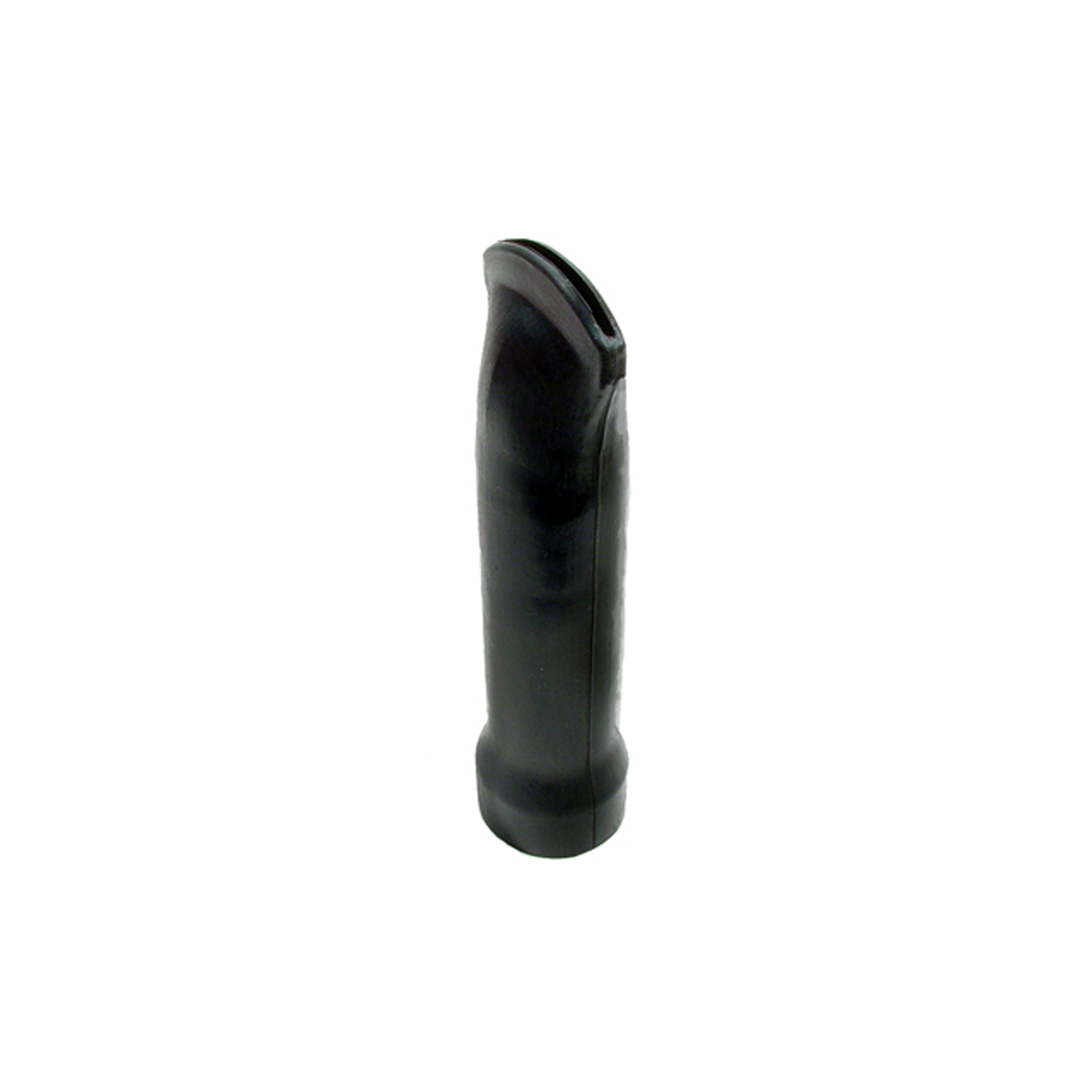 1971 BMW 2002 Cowl Drain Tube. 1-3/8" I.D., 1-1/2" O.D., 5-3/4" High-VH 108Cowl Drain Tube. 1-3/8" I.D., 1-1/2" O.D., 5-3/4" High. Each
 1971 BMW 2002 Rear Roll-Up Seals. 17-5/8" Long. Pair-VS 9-ARear Roll-Up Seals. 17-5/8" Long. Pair
Why Choose Metro?
For over 100 years, Metro Moulded Parts has been the pinnacle of quality in classic car restoration parts. Our commitment to precision and authenticity in every component ensures a perfect fit and an OEM-level appearance.
- Expert Craftsmanship & Quality: Each part is a testament to our dedication to reliability and perfection, crafted from original designs and thoroughly tested.
- Advanced Technology: We use cutting-edge techniques to create flawless, long-lasting parts that surpass others in performance.
- SuperSoft Sponge – The Ultimate Door Seal: Not only are our door seals 30% softer than competitors', but they're also guaranteed to never leak. They effectively reduce wind and road noise, enhancing your classic car's comfort and driving experience.
- Proudly American: Our parts are a product of American craftsmanship, made in the USA with a spirit of excellence and heritage.
- Unrivaled Warranty: We back our products with a 30-year industry-leading warranty, a testament to our confidence in their quality.
Join us in preserving the legacy of classic cars with parts that are crafted for perfection, not just made.