

Image of 1971 Bmw 3.0cs, Note: These illustrations use artistic license and may differ from actual historical models.
Performance Metrics
Fundamental Metrics
Emotional Appeal
MMP Rating
| Engine Specifications | |
|---|---|
| Engine: | Inline 6-cylinder engine |
| Displacement: | 2,986 cc |
| Horsepower: | 180 hp |
| Torque: | 188 lb-ft |
| Compression Ratio: | 9.0:1 |
| Ignition System: | Electronic ignition |
| Cooling System: | Water-cooled |
| Performance Specifications | |
| 0-60 Time: | 7.9 seconds |
| 1/4 Mile Time: | 16 seconds |
| Top Speed: | 130 mph |
| Transmission and Drive | |
| Drive Type: | Rear-wheel drive |
| Transmission Type: | 4-speed manual, 3-speed automatic |
| Fuel and Efficiency | |
| Fuel System Type: | Fuel injection |
| MPG: | 16-18 mpg |
| Dimensions and Brakes | |
| Brakes: | Disc brakes |
| Wheelbase: | 103.3 inches |
| Weight: | 3,000 lbs |
Note: Specifications for classic cars are given to the best of our ability, considering the limited and variant data available.
1971 BMW 3.0 CS: The E9 Coupe That Put Elegance in Motion
The 1971 BMW 3.0 CS pairs a silky straight-six with one of the most graceful pillarless coupe bodies of the 1970s. It arrived as BMW was building its reputation for sporty, driver-focused luxury cars, and it remains a defining example of the classic BMW grand tourer: fast enough to cover distance in a hurry, comfortable enough to make the journey feel effortless.
The 3.0 CS belongs to BMW’s E9 coupe family, which began with the 2800 CS in 1968. For 1971, BMW enlarged the engine to nearly 3.0 liters and gave the coupe the name that enthusiasts still know today. The bodies were assembled by coachbuilder Karmann in Osnabrück, while BMW supplied the mechanical package. One intriguing detail is that the stylish CS shares its basic family tree with the much more aggressive 3.0 CSL, the lightweight racing coupe that earned the nickname “Batmobile.”
Elegant E9 Styling and a Driver-Focused Cabin
The E9’s shape is long, low and unmistakably sporting. A broad, gently sloping hood leads to BMW’s twin kidney grille, while four round headlights give the nose its unmistakable expression. The roofline flows into a short, subtly sculpted rear deck, and the Hofmeister kink at the back of the side window adds a familiar BMW signature. With the side windows lowered, the frameless doors and absence of a fixed B-pillar create a particularly airy, open profile.
Inside, the 3.0 CS blends luxury with a cockpit layout designed around the driver. Large, legible gauges sit behind a relatively thin steering wheel, and the dashboard angles its controls toward the person at the helm. Depending on market and specification, buyers could find quality leather or leatherette upholstery, wood trim and carpeting that gave the cabin a more formal character than a typical sports coupe. It is elegant, but not fussy: the controls are arranged for use, not just display.
Equipment varied by market and individual car. Power steering and power-assisted four-wheel disc brakes helped make the CS manageable as a grand tourer, while independent suspension at all four corners was sophisticated for the period. The 3.0 CS used twin carburetors, whereas the related 3.0 CSi added Bosch fuel injection. A four-speed manual was the classic choice, with an automatic transmission available for buyers who preferred relaxed cruising.
BMW offered the E9 in a range of period colors that varied by year and market. Silver, white, red, blue and green shades all suit the coupe’s crisp lines particularly well. Polaris Silver and Chamonix white are among the colors often associated with the model, while richer hues such as Verona red and metallic blues give it a more dramatic presence. Since paint choices changed over the production run, the original color of an individual car is best confirmed by its records or factory identification.
The 3.0 CS was a two-door pillarless coupe, not a sedan or convertible. The closely related CSL was also a coupe, but it was developed as a lighter, competition-focused version with weight-saving measures. The CS is the more luxurious grand tourer; the CSL is the rarer, more overtly sporting branch of the family.
Why the 3.0 CS Matters
The E9 helped establish a template that BMW would revisit for decades: a refined six-cylinder engine, a driver-oriented cabin and a handsome coupe body with genuine long-distance ability. It sat at the intersection of luxury and performance at a time when European manufacturers were defining the modern premium sports coupe. Its proportions and restrained detailing helped make it a lasting design reference, while its successor lineage led toward later BMW coupes, including the 6 Series.
The 3.0 CS also stands apart from many contemporaries because it feels carefully balanced rather than built around a single headline feature. It is not a stripped-out racer, nor is it a soft luxury car with a sporting badge. Its combination of an eager inline-six, independent suspension, disc brakes and comfortable cabin made it a capable all-rounder. The racing fame belongs chiefly to the CSL, but that competition success reinforced the appeal of the whole E9 shape and its engineering foundations.
Six-Cylinder Performance and Road Manners
Under the long hood sits BMW’s M30 inline-six, enlarged to about 2,985 cc for the 3.0 CS. In carbureted form, output is commonly quoted at around 180 horsepower, though published figures differ with market, rating method and specification. Period road tests generally put 0-to-60 mph acceleration in the neighborhood of 8 to 9 seconds, with a top speed around 130 mph. Those are strong figures for a luxurious early-1970s coupe, especially one that was built to cruise as well as sprint.
The engine is the car’s centerpiece. It pulls smoothly from low revs, becomes more urgent as the tachometer climbs and delivers the mellow, metallic six-cylinder sound that helped define BMW’s sporting identity. The manual gearbox gives the driver a more involved experience, while the optional automatic trades some immediacy for easy, relaxed progress.
On a winding road, the 3.0 CS feels composed and communicative rather than sharp-edged. Its independent suspension helps it settle over ordinary bumps, and the long wheelbase lends stability at speed. On rougher pavement, age and suspension condition matter enormously: worn bushings, tired dampers or incorrect tires can make a good E9 feel unsettled. In crosswinds, the car’s size and period aerodynamics are noticeable, but its long-distance nature encourages a smooth, confident pace rather than abrupt inputs.
The driving position is low, the hood stretches ahead, and the steering offers a direct connection to the road. A healthy, well-maintained example feels substantial without being cumbersome. It is a classic grand tourer, not a modern sports coupe, so expect more body movement and less grip than a contemporary performance car. The reward is a tactile, unfiltered drive with plenty of character.
Living With a 1971 BMW 3.0 CS
Today, most 3.0 CS coupes are enjoyed as weekend cars, touring cars or show-quality classics. Some owners use them regularly, but the rising value of good examples and the cost of bodywork have made many buyers more cautious about daily use. A sorted car is rewarding on a long drive, where the smooth engine, supportive cabin and generous cruising pace make the E9 feel right at home.
Mechanical servicing is familiar territory for a specialist who knows BMW’s M30 engine. Routine work such as ignition, carburetor tuning, brakes and suspension maintenance is generally straightforward for an experienced classic-car owner. The bigger challenge is often the body. E9s are vulnerable to rust in the sills, floors, wheel arches, jacking points, trunk floor and structural areas around the suspension. Karmann-built bodywork can be costly to restore properly, so a careful inspection by an E9 specialist is essential before purchase.
Carburetor condition and tuning deserve attention, and parts or restoration work can be more expensive than for a mass-produced classic. The 3.0 CS is not unusually fragile when maintained well, but neglected examples can become costly projects. A thorough history, sound structure and correctly functioning fuel and cooling systems are worth more than a shiny paint job.
Racing Connections and E9 Trivia
The 3.0 CS is closely associated with the 3.0 CSL, but the two should not be confused. The CSL was BMW’s homologation special for touring-car competition. Its dramatic aerodynamic accessories led to the Batmobile nickname, and the racing program brought BMW major success in the European Touring Car Championship during the 1970s. The standard CS remained the more comfort-oriented road car, though it shared the family’s basic visual identity and six-cylinder character.
BMW produced approximately 10,898 examples of the 3.0 CS, according to commonly cited production figures. That makes it uncommon today, particularly in sound, original condition, but it is not as scarce as the CSL. The model did not establish a major independent speed or endurance record; its historical claim is its role in BMW’s rise as a maker of premium performance coupes and its connection to a successful racing family.
Common criticisms are practical rather than mysterious: rust can be severe, restoration costs are high, and the cabin lacks modern safety and convenience features. Some owners also find that a carbureted car needs careful setup to run smoothly. Those drawbacks are part of the ownership equation, not a reason to dismiss the car, but they make condition and specialist knowledge especially important.
Collector Values and Market Outlook
As a broad 2026 estimate in the United States, a 1971 BMW 3.0 CS needing substantial work might sell for roughly $25,000 to $45,000. A usable driver with sound structure could fall around $55,000 to $95,000, while a carefully restored or exceptionally original example may bring approximately $100,000 to $160,000. Outstanding cars with superb provenance or rare, desirable specifications can exceed that range. These figures are estimates, not a substitute for checking recent sales, and condition can change the value dramatically.
The E9 has become a sought-after collectible, and strong examples have generally appreciated over the long term. The market is sensitive to restoration quality, originality, documentation and rust. Prices can soften when classic-car demand slows, but exceptional cars tend to remain desirable. With fewer clean examples available than the production total might suggest, finding a well-preserved 3.0 CS can take patience.
A Classic BMW With Lasting Presence
The 1971 BMW 3.0 CS brings together elegant E9 styling, a smooth and charismatic inline-six, and the comfort to make long journeys enjoyable. It helped shape BMW’s reputation for driver-focused luxury coupes, while its connection to the racing CSL gives the model family an extra layer of legend. For collectors and enthusiasts, the 3.0 CS is more than a beautiful old coupe: it is a landmark BMW that still makes every mile feel like an occasion.
1971 Bmw 3.0cs Catalog of Parts
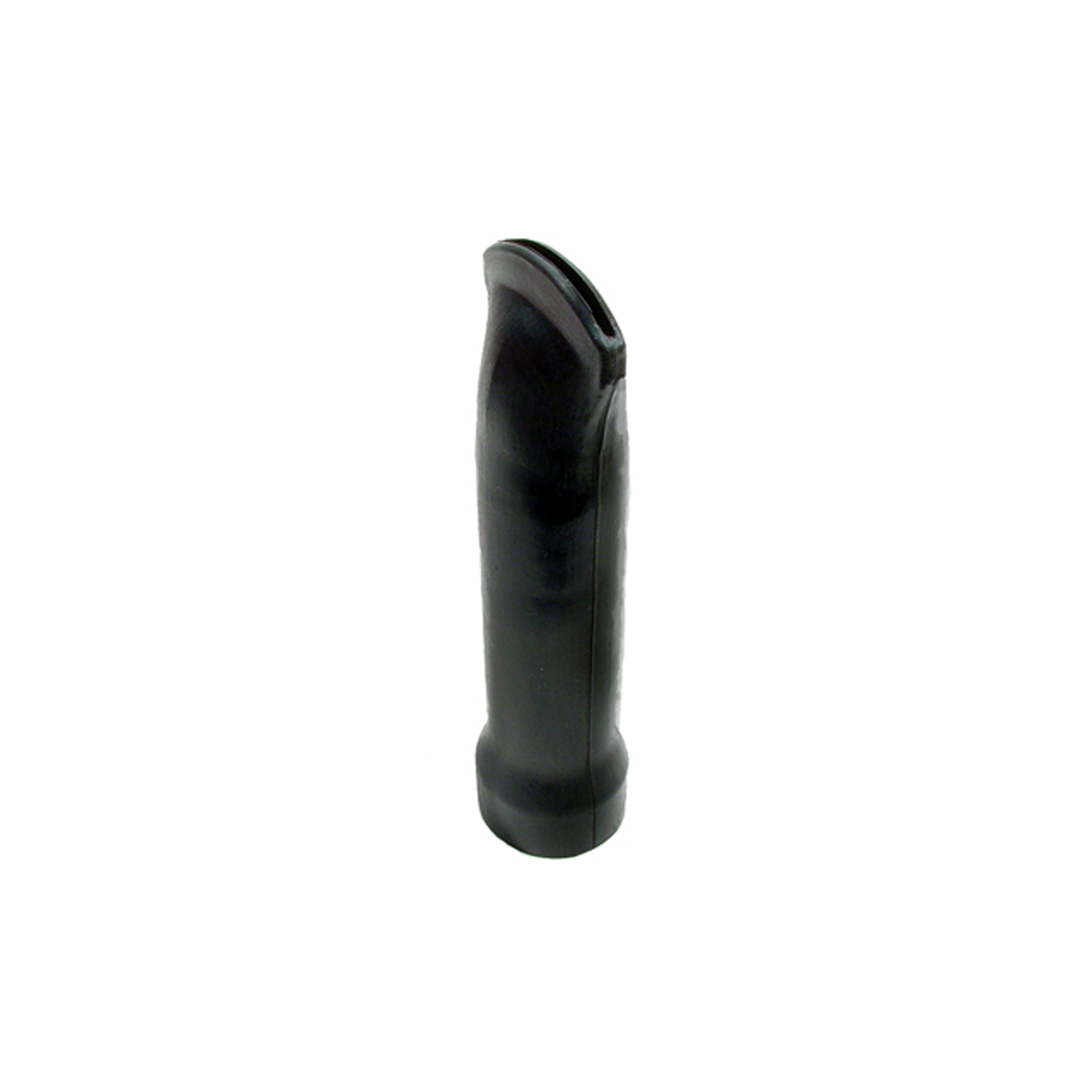 1971 BMW 3.0CS Cowl Drain Tube. 1-3/8" I.D., 1-1/2" O.D., 5-3/4" High-VH 108Cowl Drain Tube. 1-3/8" I.D., 1-1/2" O.D., 5-3/4" High. Each
Why Choose Metro?
For over 100 years, Metro Moulded Parts has been the pinnacle of quality in classic car restoration parts. Our commitment to precision and authenticity in every component ensures a perfect fit and an OEM-level appearance.
- Expert Craftsmanship & Quality: Each part is a testament to our dedication to reliability and perfection, crafted from original designs and thoroughly tested.
- Advanced Technology: We use cutting-edge techniques to create flawless, long-lasting parts that surpass others in performance.
- SuperSoft Sponge – The Ultimate Door Seal: Not only are our door seals 30% softer than competitors', but they're also guaranteed to never leak. They effectively reduce wind and road noise, enhancing your classic car's comfort and driving experience.
- Proudly American: Our parts are a product of American craftsmanship, made in the USA with a spirit of excellence and heritage.
- Unrivaled Warranty: We back our products with a 30-year industry-leading warranty, a testament to our confidence in their quality.
Join us in preserving the legacy of classic cars with parts that are crafted for perfection, not just made.