

Image of 1973 Bmw 2002tii, Note: These illustrations use artistic license and may differ from actual historical models.
Performance Metrics
Fundamental Metrics
Emotional Appeal
MMP Rating
| Engine Specifications | |
|---|---|
| Engine: | Single option - Inline 4-cylinder engine |
| Displacement: | 2.0L (1990 cc) |
| Horsepower: | 130 hp at 5800 rpm |
| Torque: | 130 lb-ft at 4500 rpm |
| Compression Ratio: | 9.5:1 |
| Ignition System: | Kugelfischer mechanical fuel injection |
| Cooling System: | Water-cooled |
| Performance Specifications | |
| 0-60 Time: | 9.0 seconds |
| 1/4 Mile Time: | 16.6 seconds |
| Top Speed: | 115 mph |
| Transmission and Drive | |
| Drive Type: | Rear-wheel drive |
| Transmission Type: | 4-speed manual |
| Fuel and Efficiency | |
| Fuel System Type: | Mechanical fuel injection |
| MPG: | 24 mpg combined |
| Dimensions and Brakes | |
| Brakes: | Front disc brakes, rear drum brakes |
| Wheelbase: | 98.4 inches |
| Weight: | 2,315 lbs |
Note: Specifications for classic cars are given to the best of our ability, considering the limited and variant data available.
1973 BMW 2002tii: The Compact Sedan That Put BMW on the Map
The 1973 BMW 2002tii turned a modest two-door sedan into one of the most entertaining driver’s cars of its era. Compact, quick and unusually precise, it combined everyday practicality with the kind of responsive handling that helped define BMW’s sporting reputation.
The 2002 grew from BMW’s Neue Klasse family of sedans, introduced in the early 1960s as the company rebuilt its fortunes. BMW engineer Alex von Falkenhausen and product planner Helmut Werner Bönsch are often credited with helping inspire the original 2002: they independently fitted a two-liter engine into the smaller 1600-2, then discovered they had arrived at the same idea. The production car appeared in 1968, adding a lively new model to BMW’s growing lineup.
The tii was the fuel-injected flagship of the 2002 range. Its name stood for “Touring International Injection,” and its Kugelfischer mechanical fuel-injection system gave the 2.0-liter engine sharper, more consistent response than a carbureted version. One intriguing piece of BMW history arrived the same year: the much rarer 2002 Turbo made its debut in 1973. It was a separate, turbocharged model, but its arrival showed just how far BMW was willing to push the 2002 platform.
Classic 2002 Design and Cabin
The 2002’s shape is simple, upright and instantly recognizable. Its short overhangs, nearly vertical grille, round headlights and restrained chrome trim give it a purposeful look without unnecessary decoration. The long hood and compact greenhouse make the car seem ready to spring forward, while its slim proportions feel refreshingly light beside modern sedans.
For 1973, the 2002 kept the round taillights that distinguish earlier cars from the square-taillight models introduced for 1974. The tii’s identity came less from dramatic bodywork than from its mechanical specification and small details. Depending on market and equipment, buyers could add options such as a sunroof, alloy wheels, air conditioning and sportier seating.
Inside, the layout is straightforward and driver-focused. The dashboard places the main instruments and controls within easy reach, and the large speedometer and tachometer make it easy to keep track of the engine. Materials were appropriate to a premium small sedan of the period: vinyl was common, with cloth inserts or other trim choices varying by market and specification. The cabin is not luxurious by modern standards, but the upright seating, good visibility and compact controls make it welcoming and usable.
Factory paint choices varied by country and model year. Period colors included shades such as Chamonix white, Inka orange, Colorado orange, Verona red, Polaris silver and Fjord blue. Bright orange and red cars suit the 2002’s lively character particularly well, while silver and white emphasize its clean, understated lines. Original color and paint quality can make a meaningful difference to collectors today.
The best-known body style is the two-door sedan, and it is the classic 2002 silhouette most buyers picture. BMW also offered the 2002 Touring in selected European markets, a hatchback-style variant with a more versatile rear opening. Cabriolet versions were available through specialist coachbuilders, including Baur, rather than as the standard, widely sold 2002 body style. For a 1973 tii, the two-door sedan is the central and most collectible configuration.
Why the 2002tii Mattered
The 2002 helped establish the formula that became central to BMW: a relatively compact car with a responsive engine, rear-wheel drive and handling that encouraged its driver to take the scenic route. It was not the first small European sedan to be enjoyable, but it brought a compelling blend of speed, practicality and polish to a growing audience, particularly in North America.
The tii strengthened that appeal with mechanical fuel injection. Its Kugelfischer system was sophisticated for a compact production car, metering fuel mechanically rather than relying on a carburetor. The result was crisp throttle response and strong performance from a naturally aspirated four-cylinder engine. It also brought a more technical, motorsport-flavored character to a car that could still carry passengers and luggage.
Compared with many contemporaries, the 2002 felt lively rather than merely economical. Its influence can be seen in the later generations of compact BMW sedans, especially the idea that a practical four-door or two-door car should also reward enthusiastic driving. The 2002 did not invent the sports sedan, but it became one of the clearest early examples of the category and helped make it a defining part of BMW’s identity.
2002tii Performance and Road Manners
The tii’s 1,990 cc overhead-cam four-cylinder engine used Kugelfischer mechanical fuel injection and produced about 130 horsepower in commonly cited European specifications. Output figures can vary by market and by the rating method used at the time. A four-speed manual was typical, with other transmission options available in some markets and model years.
Period performance figures and modern tests vary with vehicle condition, gearing and measurement methods. A healthy 2002tii can generally reach 60 mph in roughly 8 to 9 seconds and achieve a top speed in the neighborhood of 115 to 118 mph. That was brisk performance for a compact sedan in 1973, and it still feels lively when the engine is properly tuned.
The chassis is a major part of the car’s appeal. MacPherson struts at the front and semi-trailing arms at the rear give the 2002 a nimble, balanced feel. Its modest weight helps it change direction quickly on winding roads, and the communicative steering lets the driver sense what the front tires are doing. Steering effort is heavier at parking speeds than in a modern car, but it becomes an asset once the car is moving.
On a bumpy road, the 2002 feels firm and direct rather than isolated. A well-maintained suspension can absorb ordinary imperfections while keeping the body controlled, but worn bushings, tired dampers or incorrect wheel alignment can make the ride harsh and unsettled. On a windy back road, the car feels eager and engaging, rewarding smooth inputs. Its rear-wheel-drive layout can oversteer if pushed too hard, especially on slippery pavement, so good tires and sensible throttle use matter.
From behind the wheel, the engine has a busy, mechanical four-cylinder sound that builds as the revs rise. The gearshift, pedals and steering all feel more connected than those in a modern commuter car. The 2002tii is quick enough to be fun without requiring very high speeds, which is a large part of its enduring charm.
Living with a BMW 2002tii
Today, owners use 2002tiis in several ways: as weekend drivers, vintage rally cars, club racers, show cars and, occasionally, regular transportation. Their compact size and useful trunk make them more practical than many classics, while the large enthusiast community and strong parts network help keep them on the road.
Routine maintenance is manageable for an experienced home mechanic. The engine bay is relatively accessible, and many ordinary service jobs do not require specialized equipment. The fuel-injection system is the important exception. Kugelfischer injection can work very well, but diagnosis and calibration are best handled by someone familiar with the system. Rebuilding or properly setting up the pump can be expensive, so a low purchase price is not a bargain if the injection needs major work.
Rust deserves close attention. Inspect the rockers and jacking points, floorpans, wheel arches, front and rear suspension mounting areas, spare-wheel well and lower body seams. Structural corrosion can turn a seemingly inexpensive car into a major restoration. Also check for worn suspension bushings, tired brakes, oil leaks and evidence of poor-quality repairs. A sound body and a correctly functioning injection system are usually more valuable than a shiny but mechanically neglected example.
2002tii Trivia and Common Criticisms
The letters “tii” refer to Touring International Injection, an unusually descriptive badge that tells you what makes this version special. The 2002 Turbo, launched in 1973, is a different model from the tii. It is remembered as the first series-production turbocharged passenger car in Europe, though it was not the first turbocharged production car worldwide. Its famous mirrored “Turbo” lettering on the front spoiler was intended to be legible in the rear-view mirrors of cars ahead.
BMW produced an estimated 38,700 examples of the 2002tii across its production run, though published totals can differ slightly depending on how versions and markets are counted. That makes the tii relatively uncommon compared with the wider 2002 family, but not a one-off rarity. It has no widely recognized outright production-car speed or endurance record of its own. Its legacy is better measured by its role in BMW’s growth, its motorsport presence and the generations of compact sport sedans that followed.
Common criticisms are part of the ownership conversation. The cabin is noisy by modern standards, the ride can feel firm, and the car lacks contemporary safety equipment. The mechanical injection is rewarding when healthy but can be costly to put right. The 2002 also has limited crash protection compared with a modern vehicle, so it is best enjoyed with an understanding of its age and limitations.
BMW 2002tii Values and Collectibility
Values depend heavily on rust, originality, mechanical condition and the quality of any restoration. As a broad U.S. market estimate in 2026, a project car may sell for around $8,000 to $18,000. A usable driver might fall roughly between $20,000 and $35,000, while a very good, well-sorted example can bring about $35,000 to $55,000. Exceptional restorations and particularly original cars can exceed $60,000, with top examples potentially reaching $80,000 or more.
These are general ranges, not a guarantee of value. A car with structural rust or unresolved injection problems can sell for far less, while exceptional provenance, originality and documented restoration work can push a price higher. The tii generally commands a premium over a standard carbureted 2002, though condition remains the deciding factor.
Over the long term, the 2002tii has appreciated as enthusiasts have recognized its place in BMW history. Prices can still fluctuate with the wider classic-car market, and restoration costs have risen, but clean, correct cars remain desirable. Supply is limited by age, corrosion and the number of cars modified or restored over the decades. Good examples appear on the market, but finding one that combines solid bodywork, sound mechanicals and originality takes patience.
The Lasting Appeal of the 1973 2002tii
The 1973 BMW 2002tii brought together a responsive injected engine, tidy rear-wheel-drive chassis and practical two-door body in a package that made every trip feel involving. It helped establish BMW’s sporting reputation, influenced the compact sport sedan formula and remains rewarding to drive more than half a century later.
The 2002tii is not memorable because it was the biggest, fastest or most luxurious car of its time. It is memorable because it made the driver part of the experience. That simple idea is still the heart of its appeal.
1973 Bmw 2002tii Catalog of Parts
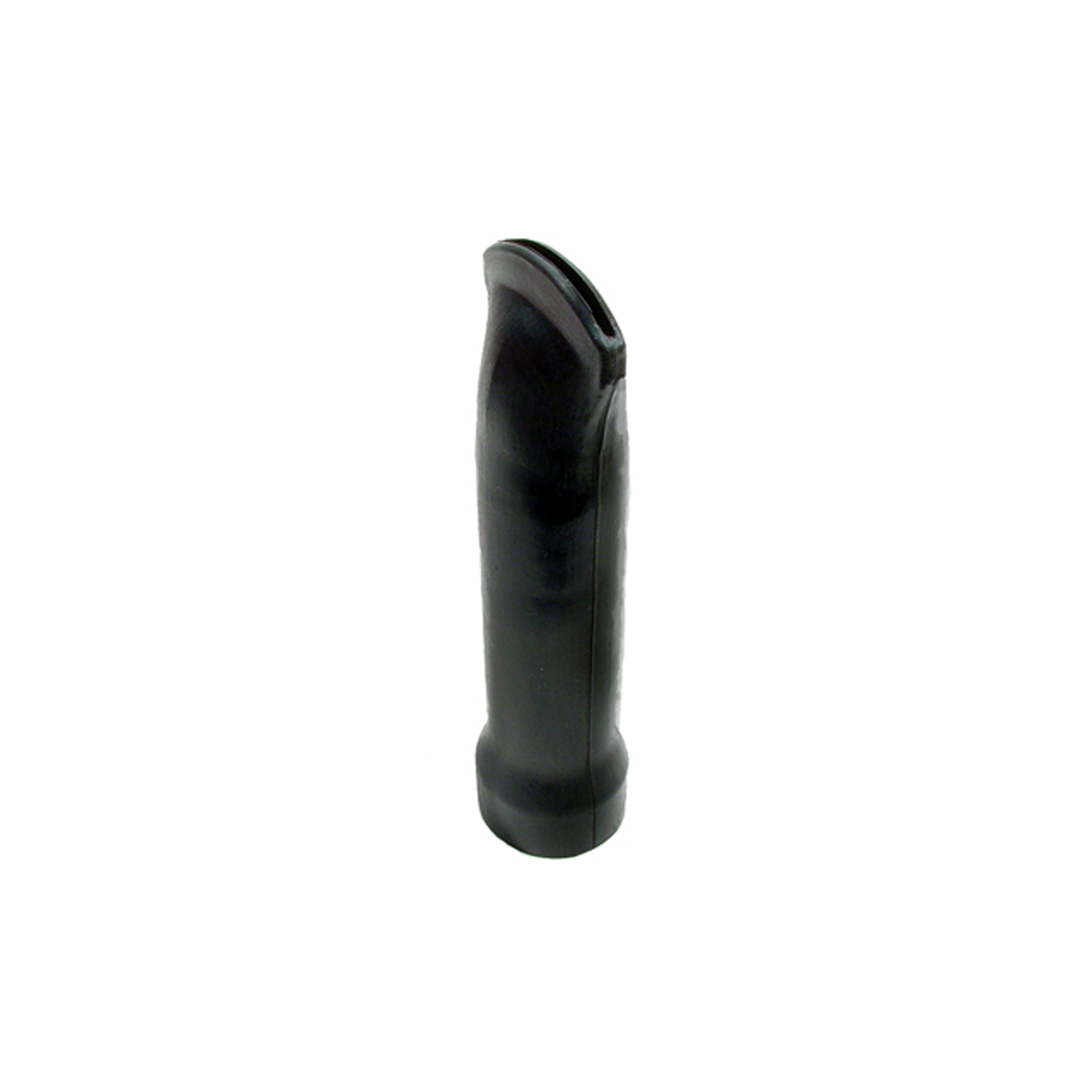 1973 BMW 2002tii Cowl Drain Tube. 1-3/8" I.D., 1-1/2" O.D., 5-3/4" High-VH 108Cowl Drain Tube. 1-3/8" I.D., 1-1/2" O.D., 5-3/4" High. Each
Why Choose Metro?
For over 100 years, Metro Moulded Parts has been the pinnacle of quality in classic car restoration parts. Our commitment to precision and authenticity in every component ensures a perfect fit and an OEM-level appearance.
- Expert Craftsmanship & Quality: Each part is a testament to our dedication to reliability and perfection, crafted from original designs and thoroughly tested.
- Advanced Technology: We use cutting-edge techniques to create flawless, long-lasting parts that surpass others in performance.
- SuperSoft Sponge – The Ultimate Door Seal: Not only are our door seals 30% softer than competitors', but they're also guaranteed to never leak. They effectively reduce wind and road noise, enhancing your classic car's comfort and driving experience.
- Proudly American: Our parts are a product of American craftsmanship, made in the USA with a spirit of excellence and heritage.
- Unrivaled Warranty: We back our products with a 30-year industry-leading warranty, a testament to our confidence in their quality.
Join us in preserving the legacy of classic cars with parts that are crafted for perfection, not just made.