

Image of 1976 Bmw 3.0si, Note: These illustrations use artistic license and may differ from actual historical models.
Performance Metrics
Fundamental Metrics
Emotional Appeal
MMP Rating
| Engine Specifications | |
|---|---|
| Engine: | Inline 6 |
| Displacement: | 3.0 L |
| Horsepower: | 200 HP |
| Torque: | 185 lb-ft |
| Compression Ratio: | 9.0:1 |
| Ignition System: | Electronic |
| Cooling System: | Water-cooled |
| Performance Specifications | |
| 0-60 Time: | 8.1 seconds |
| 1/4 Mile Time: | 16.1 seconds |
| Top Speed: | 130 mph |
| Transmission and Drive | |
| Drive Type: | Rear-wheel drive |
| Transmission Type: | 4-speed manual |
| Fuel and Efficiency | |
| Fuel System Type: | Fuel injection |
| MPG: | 16-18 MPG |
| Dimensions and Brakes | |
| Brakes: | Disc brakes |
| Wheelbase: | 103.3 inches |
| Weight: | 3,200 lbs |
Note: Specifications for classic cars are given to the best of our ability, considering the limited and variant data available.
1976 BMW 3.0Si: The Luxury Sedan with a Sporting Edge
The 1976 BMW 3.0Si could carry four adults in comfort, yet it had the pace and poise to make a winding road feel like its natural habitat. Built by BMW in West Germany, this four-door sedan belonged to the E3 “New Six” family, the company’s flagship line before the 7 Series arrived. Its combination of a smooth, fuel-injected six-cylinder engine and a restrained, driver-focused cabin helped establish a formula BMW would refine for decades.
One intriguing detail: the 3.0Si was the fuel-injected performance flagship of the E3 range, but it was not the version most North American buyers encountered. BMW sold other E3 variants in that market, including the Bavaria, while the 3.0Si is chiefly associated with European and other international markets. A surviving 1976 example is therefore an uncommon sight, especially in original condition.
E3 Styling and Cabin Craft
The E3’s styling is clean and purposeful rather than flashy. Its long hood, upright glass, crisp body sides, and short rear deck give it the proportions of a traditional executive sedan, while the twin kidney grille and paired round headlamps make its BMW identity unmistakable. Chrome window surrounds and bumpers add a formal touch, but the car’s overall shape remains notably restrained.
Inside, the 3.0Si feels like a serious grand touring sedan. The dashboard is broad and driver-oriented, with clear instruments and controls arranged for easy reach. Depending on market and specification, buyers could find cloth or leather upholstery, carpeting, and wood trim. The materials and finish give the cabin a more carefully appointed feel than a basic family sedan, though the design favors function over ornament.
For its era, the headline technology was Bosch electronic fuel injection, which helped the 3.0-liter engine deliver strong, smooth performance. The E3 also had four-wheel disc brakes, independent suspension, and power-assisted steering. Equipment varied by market and individual car, so features such as air conditioning, power windows, and trim details should be checked against the specific vehicle rather than assumed.
BMW offered the E3 in a range of paint colors that changed with model year and market. Period shades included understated silvers, whites, blues, greens, and darker metallic tones. Silver and blue examples suit the car’s crisp lines particularly well, while less common period colors can make a well-preserved car stand out. The 3.0Si itself was a four-door sedan; BMW’s longer-wheelbase E3 models were separate versions, not alternative 3.0Si body styles.
Why the 3.0Si Mattered
The E3 arrived in 1968 as BMW’s move into the upscale six-cylinder sedan class. It helped bridge the gap between the compact, sporting 2002 and the company’s more luxurious models, showing that a large sedan could offer both comfort and genuinely involving road manners. The 3.0Si took that idea further by pairing the E3’s spacious body with the range’s most potent fuel-injected engine.
Its significance is broader than one model’s performance figures. The E3 strengthened BMW’s reputation for building sedans around the driver, with responsive engines, balanced chassis tuning, and controls that felt purposeful. It also helped establish the foundation for the later 7 Series, while the related E9 coupe carried similar mechanical character into a more overtly sporting shape. The 3.0Si was not the only influential BMW of its time, but it was an important expression of the marque’s emerging luxury-sport identity.
3.0-Liter Power and Road Manners
Under the long hood sits BMW’s 2,985 cc M30 inline-six, a smooth, durable engine with a distinctive straight-six character. Period specifications commonly list the 3.0Si at about 200 horsepower in European DIN rating, with roughly 200 lb-ft of torque. Figures can vary by market, emissions equipment, and measurement standard, so published output is not always directly comparable between cars.
Performance was brisk for a large sedan of the mid-1970s. Period figures and later references generally put 0-to-60 mph acceleration in the neighborhood of 7.5 to 8.5 seconds, with a top speed around 130 mph, or about 210 km/h. Those are approximate figures, not guarantees for a present-day car: condition, gearing, tires, altitude, and test method all matter.
On the road, the 3.0Si is more composed than a modern performance sedan, but its balance is immediately apparent. The suspension absorbs ordinary bumps without turning the car vague, and the independent rear end helps it remain settled on uneven pavement. On a winding road, its steering and chassis reward smooth inputs. It is a substantial car, so it does not change direction with the immediacy of a smaller coupe, but it feels stable and confident when driven with care.
The inline-six is a key part of the experience. It starts with a subdued growl, then builds into a cultured mechanical hum as the revs rise. The ride is quiet and comfortable by 1970s standards, while the steering, engine response, and clear view over the hood keep the driver involved. The result is not a hard-edged sports sedan; it is a fast, comfortable touring car that happens to enjoy a spirited road.
Living with a Classic BMW
Today, a 3.0Si can serve as a weekend tourer, a show car, or an occasional-use classic. Some owners drive them regularly, but using one as a daily driver depends heavily on its condition, climate, and the availability of parts. An original, carefully maintained car is a pleasure; a neglected one can quickly become a substantial restoration project.
The M30 engine has a strong reputation and is familiar to many BMW specialists. Routine service is straightforward for a mechanic experienced with classic BMWs, and many mechanical jobs are manageable for a capable home restorer with the right workshop information. The fuel-injection system, however, requires methodical diagnosis. Age-related wiring, vacuum leaks, tired sensors, and worn injection components can cause running problems that should not be blamed on the engine alone.
Rust deserves particular attention. Inspect the sills, floors, wheel arches, door bottoms, jacking points, and areas around the windscreen and rear window. Also check suspension wear, brake condition, electrical equipment, and the availability of correct interior and exterior trim. Specialized trim and market-specific parts can be harder to source than routine mechanical items, so a complete car is often a better starting point than an apparently cheap project.
Rare Details and Common Criticisms
Production totals are commonly reported at about 5,265 E3 3.0Si sedans across the model’s production run. That is a useful estimate for understanding its rarity, but it does not tell us exactly how many 1976 cars were built or how many survive today. Model-year breakdowns and surviving-car registries are incomplete, and the 3.0Si was only one part of a wider E3 family.
The 3.0Si is not generally known for a singular speed record or a famous endurance victory. Its importance is better understood through BMW’s broader development: the E3 helped make the sporting luxury sedan a central part of the brand’s identity. It also shared its era with the E9 coupe, whose racing successes brought greater public attention to BMW’s big six-cylinder cars.
Owners and enthusiasts do raise fair criticisms. The car is large and thirsty by modern standards, its emissions-era equipment can complicate maintenance, and rust can be expensive to repair properly. It also lacks modern conveniences and safety systems. Those trade-offs are part of the ownership calculation, not surprises to discover after purchase.
Collector Value and Market Outlook
As a guide for the 2026 market, a running but tired 3.0Si might fall around $10,000 to $20,000 USD, while a sound, usable example could bring roughly $20,000 to $35,000. A very good, well-documented car may reach approximately $35,000 to $55,000, with exceptional restored or concours-quality examples potentially exceeding that range. These are broad estimates: originality, rust history, maintenance records, specification, and location can move a price substantially.
The 3.0Si is uncommon enough that buyers may wait for the right car, but it is not so rare that every example automatically commands a top-tier price. Values have generally benefited from growing interest in analog BMWs and the E3’s place in the brand’s history. The strongest cars are likely to hold their appeal, while incomplete projects remain limited by restoration costs. Treat condition as the main value driver rather than relying on rarity alone.
A Quietly Important BMW
The 1976 BMW 3.0Si brought together a refined straight-six, period-advanced fuel injection, a spacious cabin, and the balanced road manners that became central to BMW’s reputation. It is quick, comfortable, and distinctive without needing dramatic styling or race-car theatrics to make its case. For enthusiasts seeking a rare chapter in the story of the BMW sport sedan, the 3.0Si remains a compelling classic: a luxury car that never forgot the person behind the wheel.
1976 Bmw 3.0si Catalog of Parts
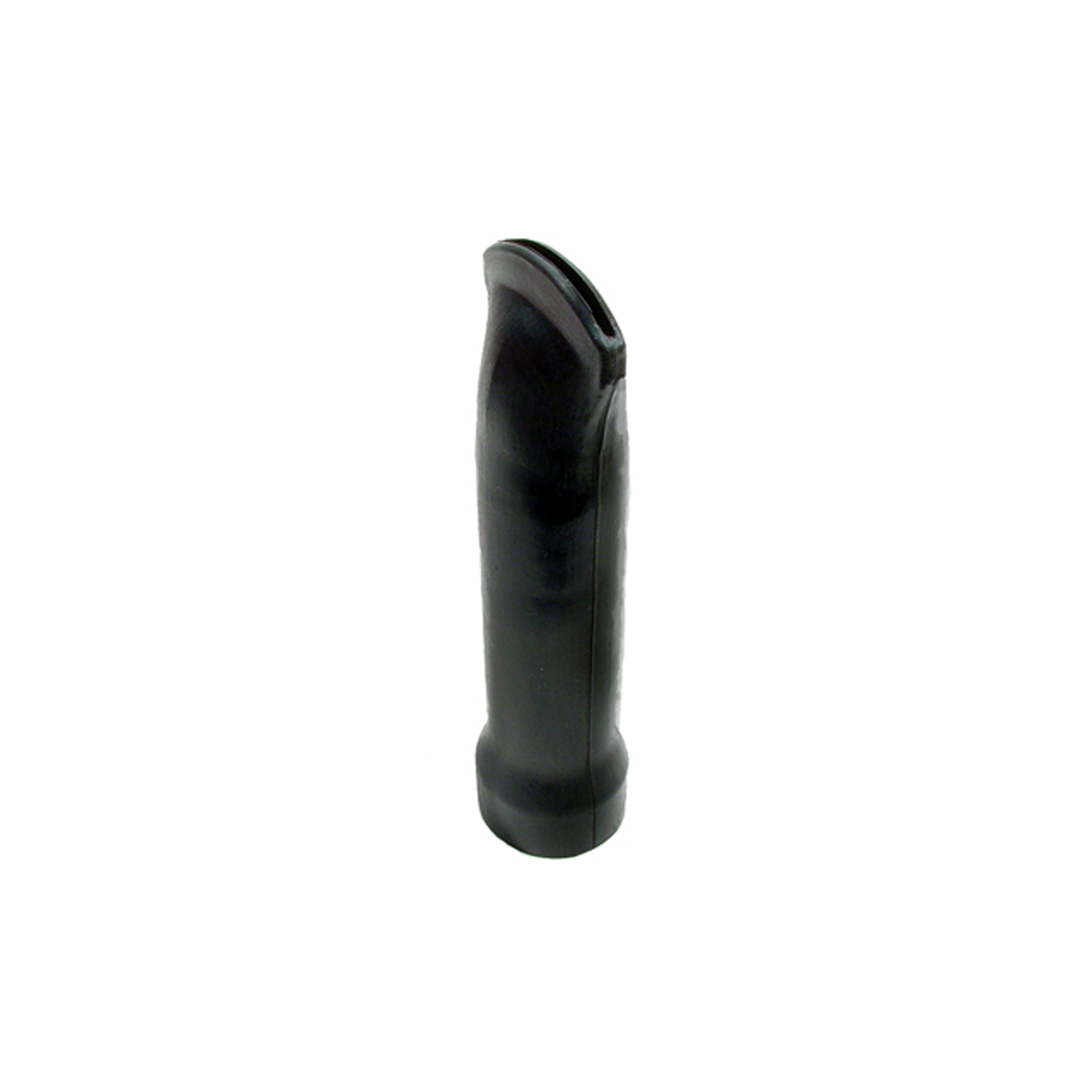 1976 BMW 3.0Si Cowl Drain Tube. 1-3/8" I.D., 1-1/2" O.D., 5-3/4" High-VH 108Cowl Drain Tube. 1-3/8" I.D., 1-1/2" O.D., 5-3/4" High. Each
Why Choose Metro?
For over 100 years, Metro Moulded Parts has been the pinnacle of quality in classic car restoration parts. Our commitment to precision and authenticity in every component ensures a perfect fit and an OEM-level appearance.
- Expert Craftsmanship & Quality: Each part is a testament to our dedication to reliability and perfection, crafted from original designs and thoroughly tested.
- Advanced Technology: We use cutting-edge techniques to create flawless, long-lasting parts that surpass others in performance.
- SuperSoft Sponge – The Ultimate Door Seal: Not only are our door seals 30% softer than competitors', but they're also guaranteed to never leak. They effectively reduce wind and road noise, enhancing your classic car's comfort and driving experience.
- Proudly American: Our parts are a product of American craftsmanship, made in the USA with a spirit of excellence and heritage.
- Unrivaled Warranty: We back our products with a 30-year industry-leading warranty, a testament to our confidence in their quality.
Join us in preserving the legacy of classic cars with parts that are crafted for perfection, not just made.