

Image of 1956 Borgward Isabella, Note: These illustrations use artistic license and may differ from actual historical models.
Performance Metrics
Fundamental Metrics
Emotional Appeal
MMP Rating
| Engine Specifications | |
|---|---|
| Engine: | 1.5L 4-cylinder |
| Displacement: | 1493 cc |
| Horsepower: | 60 hp |
| Torque: | 81 lb-ft |
| Compression Ratio: | 7.5:1 |
| Ignition System: | Distributor ignition |
| Cooling System: | Water-cooled |
| Performance Specifications | |
| 0-60 Time: | 25 seconds |
| 1/4 Mile Time: | Not available |
| Top Speed: | 80 mph |
| Transmission and Drive | |
| Drive Type: | Rear-wheel drive |
| Transmission Type: | 4-speed manual |
| Fuel and Efficiency | |
| Fuel System Type: | Carburetor |
| MPG: | 25-30 mpg |
| Dimensions and Brakes | |
| Brakes: | Drum brakes |
| Wheelbase: | 102.4 inches |
| Weight: | 2,200 lbs |
Note: Specifications for classic cars are given to the best of our ability, considering the limited and variant data available.
1956 Borgward Isabella: A German Classic with Italianate Flair
The 1956 Borgward Isabella brought a little glamour to postwar German motoring, pairing graceful, modern styling with practical family-car engineering. Built by Carl F. W. Borgward GmbH in Bremen, the Isabella was a mid-sized, rear-wheel-drive car aimed at buyers who wanted more than basic transportation but could not stretch to a luxury saloon.
Introduced in 1954, it arrived during West Germany’s economic recovery, when demand for comfortable, well-equipped cars was growing quickly. The Isabella became Borgward’s best-known model and a prominent export car. Its name has a story of its own: “Isabella” was reportedly a working name that caught on, replacing the more utilitarian Hansa 1500 designation associated with the project. That unexpected name helped give the car a character all its own.
Elegant Styling and Everyday Ingenuity
The Isabella’s shape was unmistakably modern for the mid-1950s. Its rounded roof flowed into a gently sloping rear deck, while the integrated fenders and smooth, uncluttered flanks gave it a clean ponton-style profile. A broad grille, bright chrome trim, and distinctive front lamps added polish without making the car look overly ornate. The result was stylish, but still recognizably a practical family car.
Inside, the Isabella offered a roomy cabin, a broad dashboard, and generous glass that made the interior feel light and airy. Materials and finish were considered respectable for the class, with padded surfaces, durable upholstery, and bright trim lending a more upmarket feel than many basic family cars. Exact details varied by year, trim, and market. Buyers could choose from a range of period paint colors, including subdued greys and greens as well as brighter blues, reds, and ivory shades. Two-tone finishes were especially appealing on more highly specified cars, though availability depended on the model and market.
The most familiar body style is the four-door sedan, the practical, classic Isabella that many people picture today. The range also included an estate, known as the Kombi, and more specialized open and sporting versions. A cabriolet was produced in small numbers by coachbuilder Karl Deutsch, while the striking Isabella Coupé arrived later, in 1957, so it was not yet part of the 1956 lineup. The sedan remains the most representative version, while the rarer coachbuilt bodies are especially sought after by collectors.
For its time, the Isabella combined a unitary body structure with independent front suspension, a four-speed manual gearbox, and hydraulic brakes. The gearbox was commonly operated by a column-mounted shifter, freeing up space between the front seats. Those features, along with a well-finished cabin and modern body design, helped make the car feel thoughtfully engineered rather than merely fashionable.
Why the Isabella Mattered
The Isabella helped establish Borgward as a serious force in the competitive European car market. Its design struck a useful balance: more distinctive and stylish than a plain utility-minded saloon, yet more accessible than a large luxury car. The combination of sleek bodywork, comfortable accommodation, and contemporary engineering made it an appealing alternative to its German rivals.
Its influence was less about one revolutionary invention than about the way it brought modern design and everyday usability together. The Isabella showed that a family car could have a strong visual identity without sacrificing practicality. It also became an important ambassador for Borgward abroad, carrying the Bremen manufacturer’s name into export markets at a time when German industry was rebuilding its international reputation.
The company’s later story gives the Isabella an added historical edge. Borgward collapsed in 1961 amid financial and business difficulties, and Isabella production continued briefly before ending in 1962. The model therefore represents both the manufacturer’s greatest success and the final chapter of an ambitious German carmaker.
Engine, Speed, and Road Manners
A standard 1956 Isabella used a front-mounted 1,493 cc four-cylinder engine with an overhead-valve design. Output was generally around 60 PS, or roughly 59 horsepower, while the sportier TS version offered about 75 PS depending on specification. Power went to the rear wheels through a four-speed manual transmission.
Performance figures varied with body style, gearing, condition, and market. A standard sedan could reach roughly 130 to 135 km/h, or about 81 to 84 mph. Period and reference figures for acceleration are not entirely consistent, but a standard car typically needs around 20 to 23 seconds to reach 60 mph. A TS is livelier, with a top speed in the neighborhood of 145 to 155 km/h and a 0-to-60-mph time broadly in the mid-to-high teens. These are brisk figures for a family car of the era, not sports-car numbers.
On the road, the Isabella feels composed and comfortable by 1950s standards. Its suspension takes the edge off ordinary bumps, and the cabin is suited to relaxed touring. On a winding road, the steering and suspension reward smooth inputs rather than aggressive cornering. Like many cars with period suspension geometry, it deserves extra care when pushed hard, particularly on uneven surfaces or in sudden maneuvers. Good tires, correctly set suspension, and a driver who respects the car’s age make a significant difference.
The driving experience is part of the appeal. The engine has a busy, mechanical four-cylinder note when revved, while at a steady touring pace the car settles into a more relaxed rhythm. The column-shift gearbox takes a little practice for drivers used to a modern floor shifter, and the drum brakes call for more anticipation than contemporary braking systems. Behind the wheel, the Isabella feels like a carefully made, pre-electronic machine: direct, tactile, and best enjoyed at an unhurried pace.
Living with a Borgward Isabella
Today, most Isabellas are used as weekend classics, touring cars, and show vehicles rather than everyday transport. A sound sedan can still be driven regularly, but a 70-year-old car needs attentive maintenance and should not be expected to behave like a modern commuter. The cooling system, ignition, fuel delivery, brakes, and suspension all need to be in good order before a long trip.
Routine mechanical work is within reach for an experienced home mechanic, but specialist knowledge helps. The car uses straightforward period systems, and many repairs do not require electronic diagnostic equipment. Parts availability is strongest in Germany and through marque specialists; owners elsewhere may need to plan ahead for components. Rust is a key concern. Inspect the sills, floor pans, wheel arches, body seams, and structural areas carefully, since corrosion repair can cost far more than ordinary mechanical work. A complete, well-restored car is often a better buy than a cheap project with hidden body damage.
Isabella Facts and Collecting Notes
Roughly 202,000 Borgward Isabellas of all versions were built between 1954 and 1962. That total includes different body styles and model years, so it should not be confused with the production figure for 1956 alone. Sedans are the easiest versions to encounter, though they are not common in every market. Cabriolets and later Coupés are considerably rarer.
The Isabella is not chiefly remembered for setting speed records or dominating major racing events. Its claim to fame is more grounded: it became Borgward’s signature car and an international calling card for the company. There is no single widely documented celebrity connection that defines the model. Its appeal comes instead from the design, the unusual Borgward backstory, and the way it captures the confidence of West Germany’s postwar recovery.
As a broad 2026 estimate, a usable 1956 sedan might sell for around US$10,000 to US$20,000, with especially tidy, original, or professionally restored examples reaching roughly US$20,000 to US$35,000 or more. Condition, originality, documentation, and location have a major effect on price. Rare cabriolets and Coupés can command substantially higher sums, sometimes into the tens of thousands and beyond. These are general market estimates, not a substitute for a current appraisal or comparable recent sales.
Values have generally been strongest for excellent, original cars and rare body styles. Good sedans have a smaller buyer pool than the most famous British, Italian, or German sports cars, so price growth can be measured rather than dramatic. In the long term, the Isabella’s rarity, recognizable styling, and connection to Borgward’s rise and fall support its collector appeal. The best examples are likely to remain the most desirable, while rough projects can be difficult to justify unless the buyer has access to affordable restoration expertise.
A Lasting Bremen Original
The 1956 Borgward Isabella is a distinctive blend of family-car practicality, period elegance, and thoughtful engineering. Its smooth body, comfortable cabin, and capable four-cylinder power made it a standout in its day, while Borgward’s abrupt disappearance turned the car into a lasting reminder of a once-prominent manufacturer. For collectors, it offers something more personal than a familiar badge: a handsome, engaging classic with a story built into every curve.
1956 Borgward Isabella Catalog of Parts
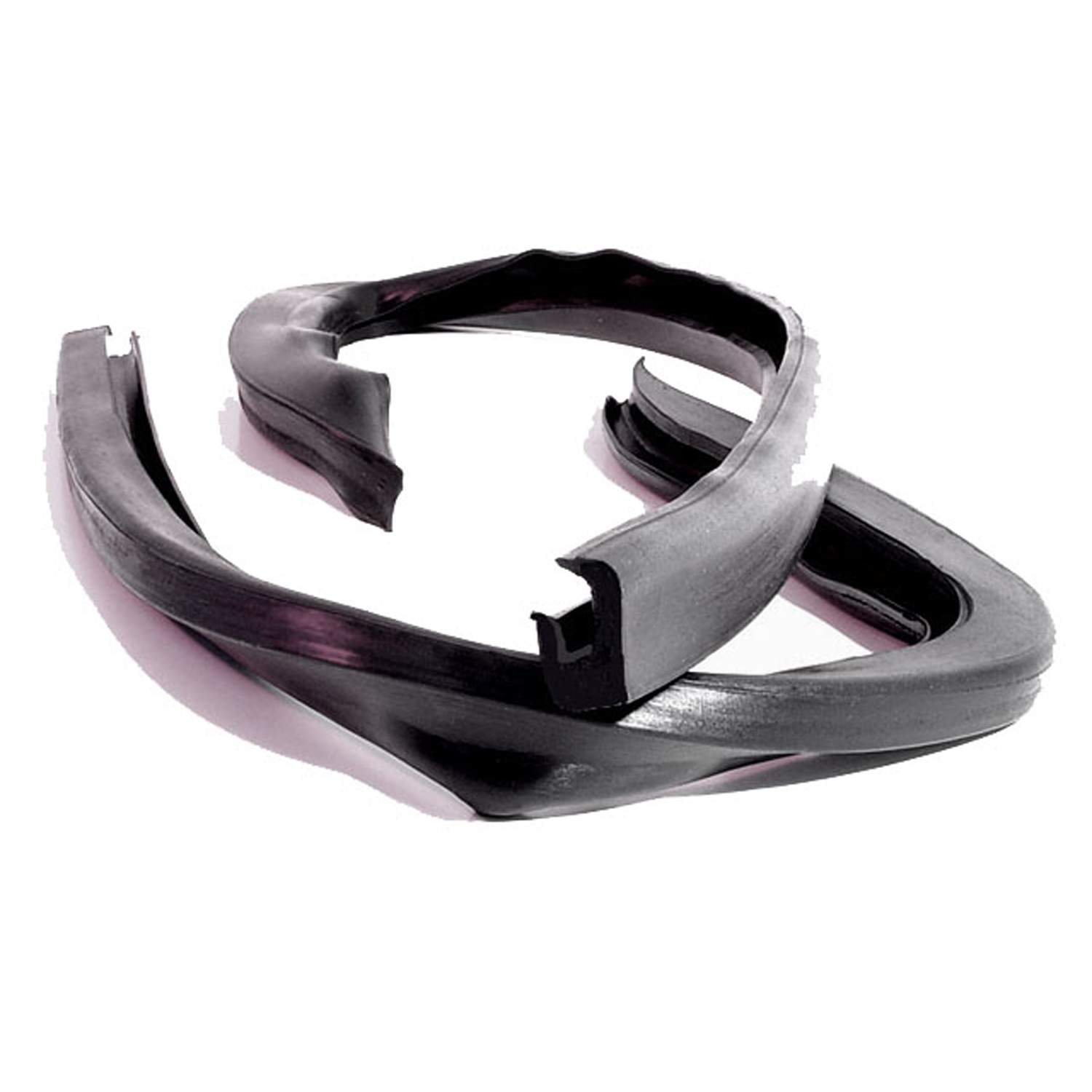 1956 Borgward Isabella Auxiliary Door Seal. Each piece 30" long. Pair-ALP 5661Auxiliary Door Seal. Each piece 30" long. Pair
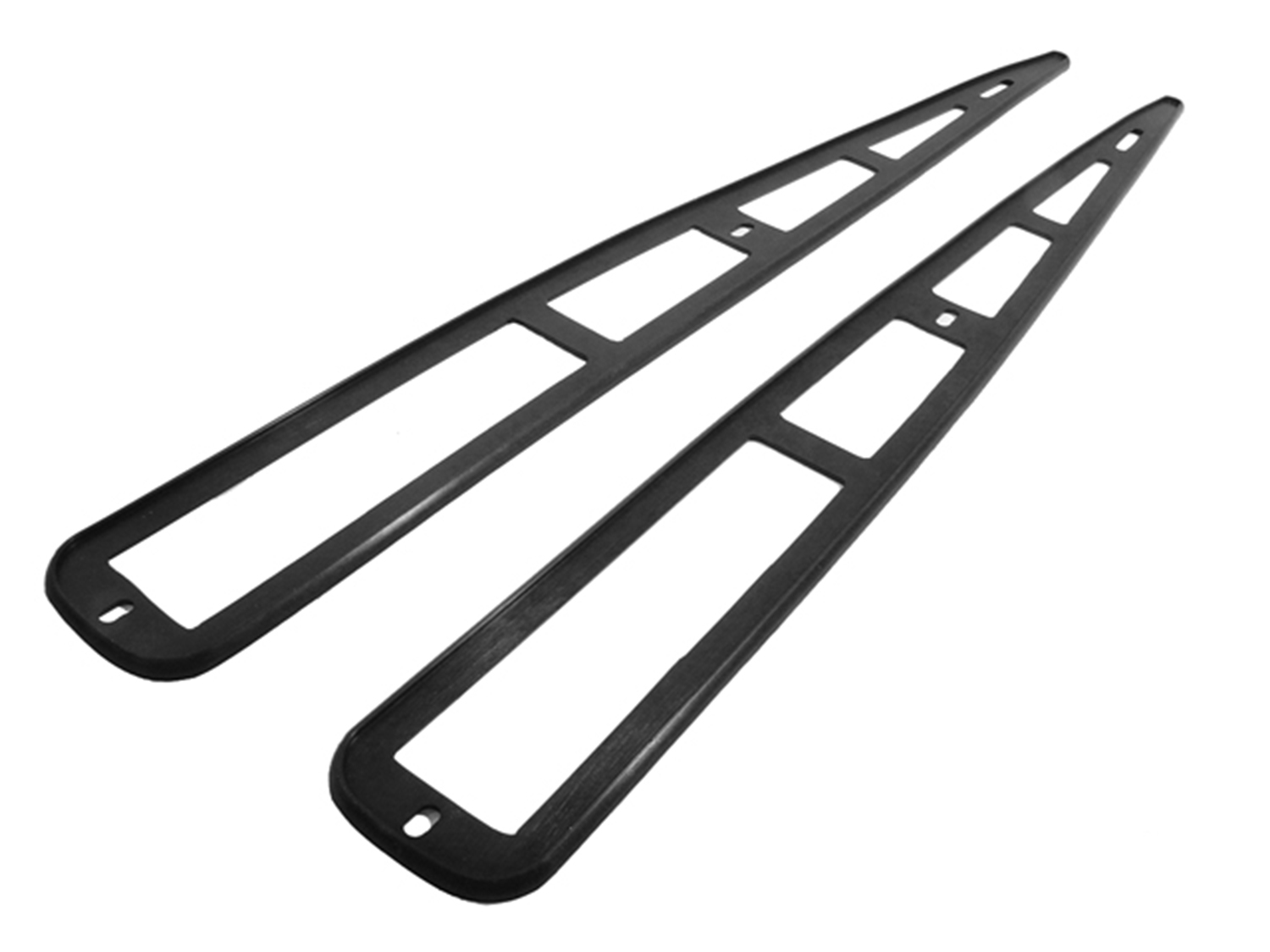 1956 Borgward Isabella Rear Tail-light to Body Seal. Black. Pair-MP 113/BLACKRear Tail-light to Body Seal. Black. Pair
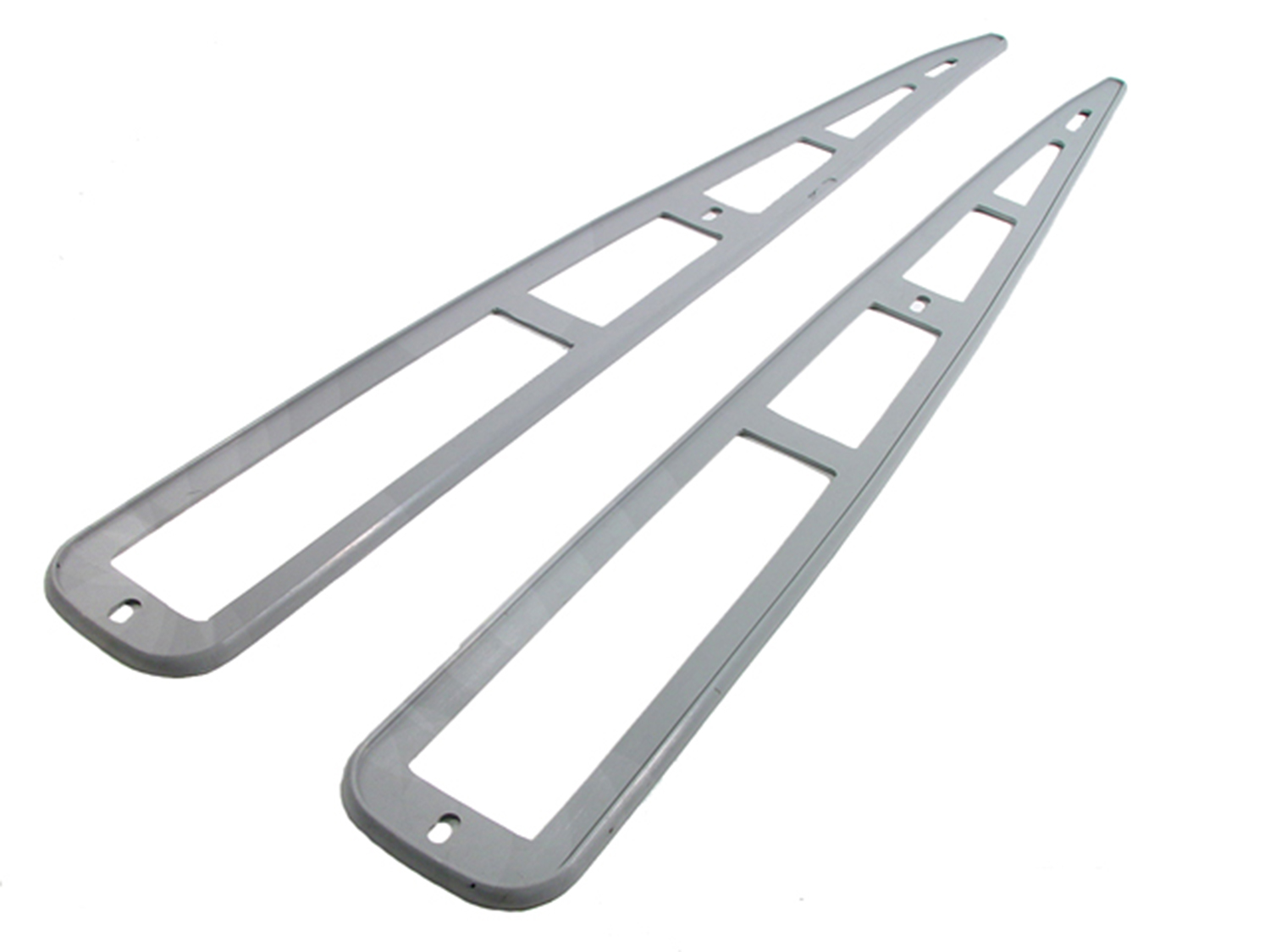 1956 Borgward Isabella Rear Tail-light to Body Seal. Gray. Pair-MP 113/GRAYRear Tail-light to Body Seal. Gray. Pair
Why Choose Metro?
For over 100 years, Metro Moulded Parts has been the pinnacle of quality in classic car restoration parts. Our commitment to precision and authenticity in every component ensures a perfect fit and an OEM-level appearance.
- Expert Craftsmanship & Quality: Each part is a testament to our dedication to reliability and perfection, crafted from original designs and thoroughly tested.
- Advanced Technology: We use cutting-edge techniques to create flawless, long-lasting parts that surpass others in performance.
- SuperSoft Sponge – The Ultimate Door Seal: Not only are our door seals 30% softer than competitors', but they're also guaranteed to never leak. They effectively reduce wind and road noise, enhancing your classic car's comfort and driving experience.
- Proudly American: Our parts are a product of American craftsmanship, made in the USA with a spirit of excellence and heritage.
- Unrivaled Warranty: We back our products with a 30-year industry-leading warranty, a testament to our confidence in their quality.
Join us in preserving the legacy of classic cars with parts that are crafted for perfection, not just made.