
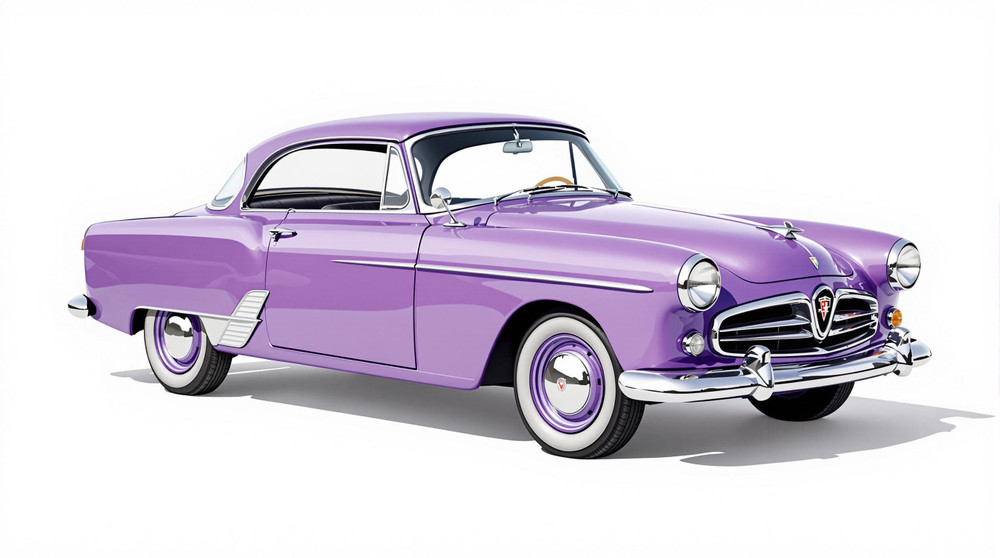
Image of 1957 Borgward Isabella, Note: These illustrations use artistic license and may differ from actual historical models.
Performance Metrics
Fundamental Metrics
Emotional Appeal
MMP Rating
| Engine Specifications | |
|---|---|
| Engine: | 1.5L 4-cylinder |
| Displacement: | 1493 cc |
| Horsepower: | 60 hp |
| Torque: | 81 lb-ft |
| Compression Ratio: | 7.5:1 |
| Ignition System: | Distributor ignition |
| Cooling System: | Water-cooled |
| Performance Specifications | |
| 0-60 Time: | 26 seconds |
| 1/4 Mile Time: | Not available |
| Top Speed: | 80 mph |
| Transmission and Drive | |
| Drive Type: | Rear-wheel drive |
| Transmission Type: | 4-speed manual |
| Fuel and Efficiency | |
| Fuel System Type: | Carburetor |
| MPG: | 25-30 mpg |
| Dimensions and Brakes | |
| Brakes: | Drum brakes |
| Wheelbase: | 102.4 inches |
| Weight: | 2,200 lbs |
Note: Specifications for classic cars are given to the best of our ability, considering the limited and variant data available.
1957 Borgward Isabella: A West German Classic With Italianate Flair
The 1957 Borgward Isabella brought a distinctly stylish shape and lively engineering to the postwar family car. Built by the independent Borgward company in Bremen, West Germany, the Isabella was introduced in 1954 as a modern, self-supporting four-seat car for buyers who wanted more than basic transportation. Its rounded body, generous glass and polished details made it look at home beside more expensive European cars, while its practical size kept it within reach of ordinary motorists.
The Isabella became Borgward’s best-known model and one of West Germany’s most successful independent-car designs. A memorable piece of company lore concerns its name: the car was initially associated with the Hansa 1500 name, but Borgward reportedly began calling the prototype “Isabella.” The informal name stuck, giving the car a memorable identity of its own.
Rounded Lines, Thoughtful Cabin
The Isabella’s exterior combines the smooth, rounded forms of the early postwar years with a more modern, low-slung profile. Its curved front fenders flow into the doors, while a gently sloping hood, bright grille and restrained chrome trim give the nose an elegant look. At the rear, rounded quarters and a tidy trunk keep the design cohesive rather than overly ornate. The result is often described as a European ponton shape, but the Isabella’s proportions and detailing give it plenty of character.
Inside, the cabin was designed for comfortable family travel rather than bare-bones economy. Buyers found broad seating, a large glass area and a clear instrument panel. Materials and trim varied by version and market, but painted metal, chrome accents, cloth upholstery and quality vinyl were typical. More upmarket examples could have richer trim and upholstery. By modern standards the cabin is simple, but the dashboard and controls have an appealing period feel.
Available exterior colors varied with year and market. Solid shades were common, and two-tone combinations could add extra visual drama. Light colors and contrasting roofs suit the Isabella particularly well, though original paint combinations are now an important detail for restorers and collectors. Exact factory options should be checked against the car’s documents and build information, since trim and color offerings were not identical everywhere.
Sedan, Kombi and the Standout Coupé
The four-door sedan was the familiar, practical Isabella, but the range extended beyond it. Borgward also offered the useful Kombi estate, which paired the car’s smooth styling with extra cargo space. The sleek two-door coupé is the most celebrated body style today, thanks to its lower roofline and more dramatic profile. Coupés were available in more sporting TS form, making them especially desirable among collectors.
Convertible versions are considerably less common. Some were produced or completed through specialist coachbuilders, so they should not be confused with the mainstream sedan and Kombi models. As with any rare-bodied Isabella, documentation and close inspection matter: a period conversion can be highly interesting, but its origin and specification affect value.
Engineering That Moved Borgward Forward
Under the hood, the Isabella used a water-cooled, 1,493 cc four-cylinder engine with overhead valves. The standard engine produced about 60 metric horsepower, while the more powerful TS versions delivered roughly 75 PS, depending on year and specification. Power went to the rear wheels through a four-speed manual gearbox. Many examples used a column-mounted gear selector, a common arrangement in family cars of the era.
The car’s self-supporting body was a significant part of its modern character. Rather than relying on a separate chassis, the body structure carried the vehicle’s loads, helping Borgward create a roomy cabin and a relatively light, cleanly styled package. The Isabella also had independent front suspension with coil springs, paired with a live rear axle and leaf springs. Hydraulic brakes and a four-speed transmission rounded out a specification that felt up to date for a mid-1950s family car.
What set the Isabella apart was the combination of this practical engineering with upscale design. It was not a luxury car, but it offered a more distinctive and sophisticated alternative to many conventional family sedans. Its lasting appeal lies less in one revolutionary invention than in how successfully Borgward brought comfort, style and modern construction together in a single model.
Performance and the Road Feel
A standard 1957 Isabella was brisk enough for its time, though it is not fast by modern standards. Period specifications and road-test results vary by body style, tune and market, but a standard 60 PS car is generally estimated to reach about 80 mph, or 130 km/h, and accelerate from 0 to 60 mph in roughly 19 to 22 seconds. A TS model, with around 75 PS, could approach 90 mph, or 145 km/h, with a quicker 0-to-60 time in the mid-to-high teens. Treat these as useful estimates rather than guaranteed figures for every surviving car.
On the road, the Isabella feels more composed than its age might suggest. The independent front suspension helps it deal with ordinary bumps, while the rear leaf springs and live axle give it the durable, straightforward character expected of a family car. On rough roads, the rear can feel firm or unsettled compared with a modern independent setup. On a winding route, the car rewards smooth inputs: its steering is direct enough for relaxed driving, but it is not a sports-car steering system, and the body will lean when pushed hard.
The four-cylinder engine gives the cabin a steady mechanical hum, becoming more noticeable as speed rises. The manual gearbox asks for deliberate, unhurried shifts, and the column selector adds a distinctly period interaction. A well-maintained Isabella is most enjoyable at a flowing touring pace, where its comfortable seating, visibility and suspension can do their best work.
Living With an Isabella Today
Today, most Isabellas are used for club events, classic-car tours, shows and occasional weekend drives rather than as everyday commuter cars. They are practical enough for relaxed outings, but age, traffic speeds and the availability of parts make regular modern use a personal choice. A sound car with properly maintained brakes, steering and cooling system can be a rewarding tourer.
The mechanical layout is relatively straightforward, and many routine jobs are within reach of an experienced home mechanic. The bigger challenge is often finding the right parts, especially for bodywork, trim and less common versions. Rust deserves particular attention: inspect the floors, sills, wheel arches, lower doors, trunk area and structural seams. Also check the condition of the electrical system, cooling components, brakes and gearbox. A careful pre-purchase inspection by a mechanic familiar with older German cars can prevent expensive surprises.
Isabella Facts and the Borgward Story
The Isabella’s strongest production claim is its broad success: estimates put total production at about 202,000 cars across the model range, making it Borgward’s most important passenger-car line. Exact totals can vary between published accounts, particularly when body styles and related versions are counted differently. The sleek coupé is far less common than the sedan, and specialist-built convertibles are rarer still.
The car also carries a bittersweet link to the fate of its maker. Borgward was a major independent German manufacturer during the 1950s, but financial difficulties and a highly publicized crisis led to the company’s collapse in 1961. Isabella production ended with Borgward, turning a successful contemporary model into a reminder of how quickly even a prominent automaker could disappear.
There is no single celebrated speed record or famous celebrity-owner story that defines the Isabella. Its more meaningful distinction is its success as a stylish, export-minded family car from an independent manufacturer. Common criticisms are practical rather than dramatic: modest performance in standard form, a comparatively simple cabin, aging electrical and mechanical components, and the difficulty of sourcing certain restoration parts.
Collector Values and Availability
Isabellas remain available on the classic-car market, particularly as sedans, but condition and body style make a major difference. As a broad international estimate, a usable but imperfect sedan might sell for around US$12,000 to US$25,000. A well-restored or especially original sedan could reach roughly US$25,000 to US$40,000. Coupés, especially desirable TS examples, may range from about US$35,000 to US$75,000, with exceptional cars potentially exceeding that. Rare convertibles can command more, but their values depend heavily on provenance, workmanship and documentation.
These are guide ranges, not appraisals. Prices vary with country, exchange rates, restoration quality, originality, rust history and the availability of records. Over the long term, the Isabella has benefited from its distinctive styling and the growing interest in lesser-known European classics. Values tend to be strongest for genuine, well-documented coupés and original cars. Ordinary sedans are generally more affordable, and restoration costs can rise faster than their eventual sale price, so buying the best example you can reasonably afford is usually wiser than starting with a rusty project.
Why the 1957 Isabella Still Matters
The 1957 Borgward Isabella remains a compelling classic because it offers more than pretty lines. It combines self-supporting construction, independent front suspension, a practical cabin and a range of body styles in a package that reflected West Germany’s postwar confidence. Its standard engine is unhurried by modern standards, but the car’s comfort, character and elegant proportions make it rewarding at a relaxed pace.
As both Borgward’s best-known model and a symbol of an ambitious independent automaker, the Isabella occupies a distinctive place in European motoring history. Find a sound one, and you are not just buying a handsome 1950s car: you are preserving a chapter of automotive history that still turns heads without needing to raise its voice.
1957 Borgward Isabella Catalog of Parts
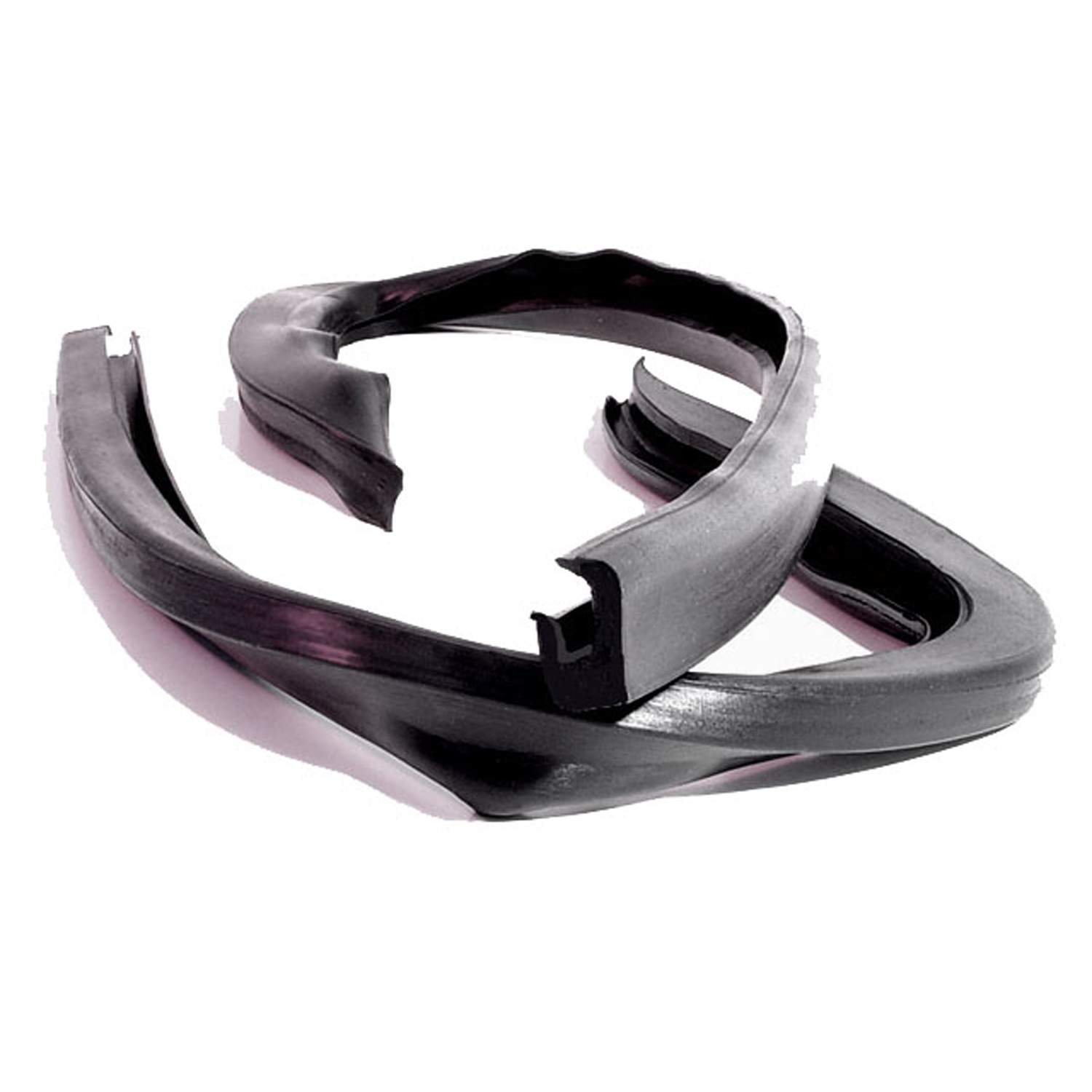 1957 Borgward Isabella Auxiliary Door Seal. Each piece 30" long. Pair-ALP 5661Auxiliary Door Seal. Each piece 30" long. Pair
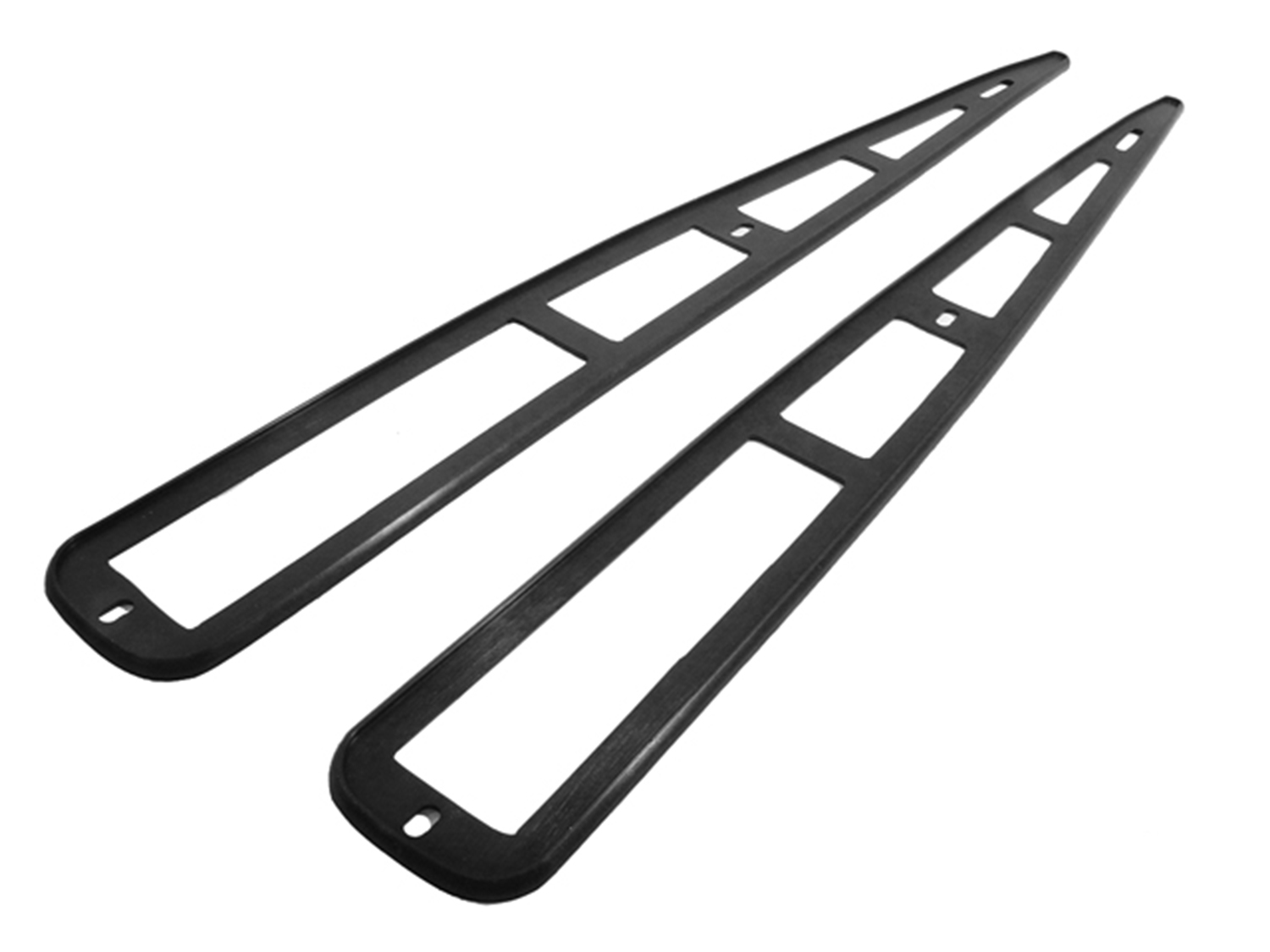 1957 Borgward Isabella Rear Tail-light to Body Seal. Black. Pair-MP 113/BLACKRear Tail-light to Body Seal. Black. Pair
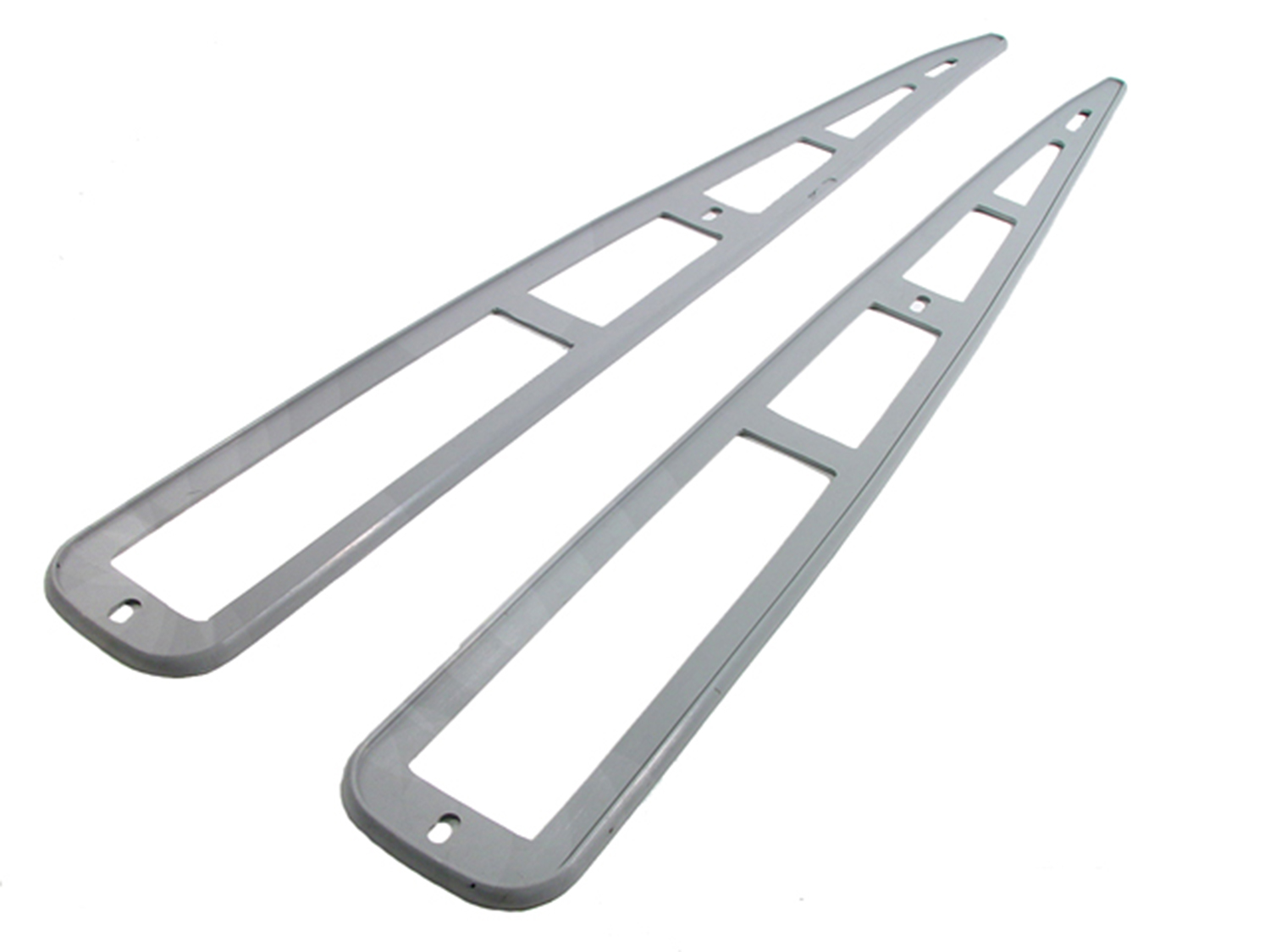 1957 Borgward Isabella Rear Tail-light to Body Seal. Gray. Pair-MP 113/GRAYRear Tail-light to Body Seal. Gray. Pair
Why Choose Metro?
For over 100 years, Metro Moulded Parts has been the pinnacle of quality in classic car restoration parts. Our commitment to precision and authenticity in every component ensures a perfect fit and an OEM-level appearance.
- Expert Craftsmanship & Quality: Each part is a testament to our dedication to reliability and perfection, crafted from original designs and thoroughly tested.
- Advanced Technology: We use cutting-edge techniques to create flawless, long-lasting parts that surpass others in performance.
- SuperSoft Sponge – The Ultimate Door Seal: Not only are our door seals 30% softer than competitors', but they're also guaranteed to never leak. They effectively reduce wind and road noise, enhancing your classic car's comfort and driving experience.
- Proudly American: Our parts are a product of American craftsmanship, made in the USA with a spirit of excellence and heritage.
- Unrivaled Warranty: We back our products with a 30-year industry-leading warranty, a testament to our confidence in their quality.
Join us in preserving the legacy of classic cars with parts that are crafted for perfection, not just made.