

Image of 1929 Bugatti Type 44, Note: These illustrations use artistic license and may differ from actual historical models.
Performance Metrics
Fundamental Metrics
Emotional Appeal
MMP Rating
| Engine Specifications | |
|---|---|
| Engine: | Inline 8 |
| Displacement: | 2,991 cc |
| Horsepower: | 80 hp |
| Torque: | Not available |
| Compression Ratio: | Not available |
| Ignition System: | Magneto ignition |
| Cooling System: | Water-cooled |
| Performance Specifications | |
| 0-60 Time: | Not available |
| 1/4 Mile Time: | Not available |
| Top Speed: | 75 mph |
| Transmission and Drive | |
| Drive Type: | Rear-wheel drive |
| Transmission Type: | 4-speed manual |
| Fuel and Efficiency | |
| Fuel System Type: | Carburetor |
| MPG: | Not available |
| Dimensions and Brakes | |
| Brakes: | Mechanical drum brakes |
| Wheelbase: | 117.3 inches |
| Weight: | 2,200 lbs |
Note: Specifications for classic cars are given to the best of our ability, considering the limited and variant data available.
1929 Bugatti Type 44: A Grand Tourer with Racing DNA
The 1929 Bugatti Type 44 paired a refined straight-eight engine with the craftsmanship of a coachbuilt French automobile, creating a car made for swift, elegant travel rather than the racetrack. Built by Automobiles Ettore Bugatti in Molsheim, the Type 44 arrived in 1927 and remained in production until around 1930. It offered buyers a comparatively practical way to experience the engineering and prestige of the Bugatti name.
Its 3.0-liter engine was a notable step up in size from the smaller engines used in several contemporary Bugattis, giving the Type 44 a relaxed, flexible character suited to touring. One intriguing detail is that customers did not simply choose a standard factory body. They could buy a rolling chassis and commission a coachbuilder to create a body to suit their taste, so two Type 44s can look strikingly different despite sharing the same mechanical foundation.
Elegant Lines and Coachbuilt Style
The Type 44’s long bonnet, upright radiator and slim, tapered body gave it the unmistakable proportions of a classic Bugatti. Its horseshoe-shaped radiator grille provided a strong visual focal point, while the exposed front axle, narrow running boards and sweeping fenders emphasized the car’s mechanical elegance. Depending on the body, the overall impression could range from formal and stately to sporty and open.
Bodywork was supplied in a variety of forms, including touring cars, roadsters, cabriolets, coupés and closed saloons. Four-door saloons and touring bodies suited owners who wanted room for passengers and luggage; open two-door bodies made the most of the car’s sporting character. There was no single universal Type 44 body, but coachbuilt open tourers and elegant cabriolets are among the styles most associated with its grand-touring role.
Interiors were typically finished by the bodymaker, so materials and details varied from car to car. Depending on specification and restoration, a cabin might feature leather upholstery, polished wood trim, quality carpets and carefully made metal fittings. It was craftsmanship rather than modern equipment that made the interior feel special. Buyers could also select paint and trim combinations through their coachbuilder, meaning there was no fixed factory color palette. Deep blues, greens, reds and black were all fitting period choices, often paired with contrasting fenders or subtle striping.
Engineering Ahead of Its Time
At the heart of the Type 44 was a 2,991 cc inline-eight with a single overhead camshaft and three valves per cylinder. Bugatti’s use of a long, smooth-running eight-cylinder engine gave the car a more sophisticated feel than many four-cylinder touring cars of the period. Power is commonly quoted at about 80 horsepower, though figures can vary with source, engine condition and specification.
The engine was paired with a four-speed manual gearbox, and the car used a substantial ladder-frame chassis with mechanical controls and period-style braking. The Type 44 was not a modern car in the contemporary sense: it had no electronic aids, power steering or synchronized convenience features familiar to today’s drivers. Its innovation lay in bringing advanced engine design and careful chassis engineering into a usable touring automobile, rather than in introducing one single feature that transformed the industry.
Why the Type 44 Matters
The Type 44 helped broaden Bugatti’s identity beyond lightweight, competition-focused machines. It brought the marque’s engineering prestige to customers who wanted a fast, comfortable road car for longer journeys. In that respect, it anticipated the idea of the high-performance grand tourer: a car with serious mechanical credentials that could also cover distance in style.
Its coachbuilt construction is a major part of its historical appeal. The chassis provided the engineering foundation, while independent bodymakers could give each example a distinct personality. That approach was common among expensive cars of the era, but it also means surviving Type 44s are not identical museum pieces. Their proportions, cabin layouts and detailing reflect the tastes of their first owners as much as the design direction of the factory.
The Type 44 did not establish a major speed or endurance record, and it was not primarily built as a racing model. Its significance is quieter but lasting: it demonstrated how Bugatti could combine sophisticated engine design, bespoke workmanship and road-going comfort in one prestigious package.
Performance and Road Manners
A Type 44 in sound mechanical condition is generally associated with a top speed in the neighborhood of 70 to 80 mph. Actual performance depends heavily on body style, gearing, engine condition and the weight of the coachwork. Period testing did not use today’s standardized acceleration procedures, so a dependable factory 0-to-60 mph figure is not available. A rough modern estimate would put the sprint at around 20 to 25 seconds, but that should be treated as an approximation rather than a verified specification.
On a smooth road, the straight-eight’s chief virtue is its smooth, sustained delivery. Rather than relying on a sharp burst of power, it builds speed with a measured mechanical urgency. The engine’s layered exhaust note, the gear lever’s deliberate movement and the hum of exposed machinery make the driving experience tactile and involving.
On winding roads, the Type 44 rewards a driver who looks ahead and works the gearbox thoughtfully. Its long chassis and period tires do not invite abrupt, modern-style cornering. Broken surfaces can make the suspension feel busy by contemporary standards, while narrow tires and mechanical brakes call for generous following distances. In crosswinds, the car’s behavior depends on its bodywork, but a tall closed body may feel more affected than a low open tourer. The experience is best understood as brisk, composed touring, not point-and-shoot sports-car driving.
Living with a Type 44
Today, the Type 44 is primarily a concours, touring-event and collection car. A carefully maintained example can take part in vintage rallies and suitable club events, but it is not a sensible daily driver for most owners. Its age, value and specialized components make regular modern traffic a demanding environment, and its mechanical brakes require a different approach from contemporary braking systems.
Maintenance calls for a knowledgeable vintage-Bugatti specialist. Routine work may include attention to lubrication, ignition, fuel delivery, cooling and mechanical linkages, with careful inspection of the chassis and brakes. Some jobs are straightforward for an experienced vintage-car mechanic, but the average owner should not expect ordinary garage servicing to be enough. Correct parts, skilled labor and preservation of original components can all be significant considerations.
Reliability depends on condition and upkeep, not simply on the Bugatti badge. A well-restored and regularly exercised car can be a capable touring machine for its age. One that has been stored poorly or restored without close attention to specification can quickly become expensive to recommission. Before purchase, specialists should inspect the engine, chassis, gearbox, body provenance and documentation.
Type 44 Facts and Myths
Production is commonly estimated at roughly 1,095 cars, although published totals can vary. That makes the Type 44 far less elusive than Bugatti’s rarest racing models, but original, well-documented examples remain scarce on the open market. Many surviving cars have coachwork or restoration histories that need careful research.
There is no single famous Type 44 speed record that defines the model. Its appeal rests instead on the combination of an advanced straight-eight, bespoke bodywork and Bugatti provenance. The marque’s racing reputation often leads people to assume every Bugatti was a competition car; the Type 44 is a useful correction. It was chiefly a fast road and touring car, even if it carried engineering ideas developed in the same ambitious company.
Common criticisms are practical ones: maintenance can be costly, parts and expertise are specialized, and period braking and handling require respect. The car is also less suitable for casual use than its elegant appearance might suggest. Those drawbacks are part of the ownership reality, but they are also a reminder that the Type 44 belongs to a very different automotive era.
Collector Value and Availability
As a broad 2026 market estimate, a Bugatti Type 44 might fall somewhere around $500,000 to $1.5 million, with exceptional provenance, originality, coachwork or restoration quality potentially pushing a car beyond that range. Less complete, modified or poorly documented examples may be valued differently. Auction results are highly individual, so a recent sale is not automatically a reliable guide to another car’s worth.
The Type 44 is rare enough that buyers may wait a long time for the right example, but it is not so scarce that every sale sets a new market record. Over the long term, significant prewar Bugattis have generally benefited from their historical importance and limited supply. Values can still rise or fall with the wider collector-car market, and condition, originality and documentation have a major influence on price. As with many coachbuilt cars, a carefully preserved, well-provenanced example is typically more desirable than a superficially polished restoration with unanswered questions.
A Bugatti for the Open Road
The 1929 Bugatti Type 44 brought together a sophisticated three-liter straight-eight, elegant coachbuilt styling and the character of a true prewar touring car. It was not the quickest or most practical choice by modern standards, but it offered owners something more distinctive: the chance to travel in a car shaped by both advanced engineering and individual craftsmanship.
Nearly a century later, the Type 44 remains compelling because no two examples need tell quite the same story. Each is a reminder that, in Bugatti’s world, the journey could be as carefully composed as the machine itself.
1929 Bugatti Type 44 Catalog of Parts
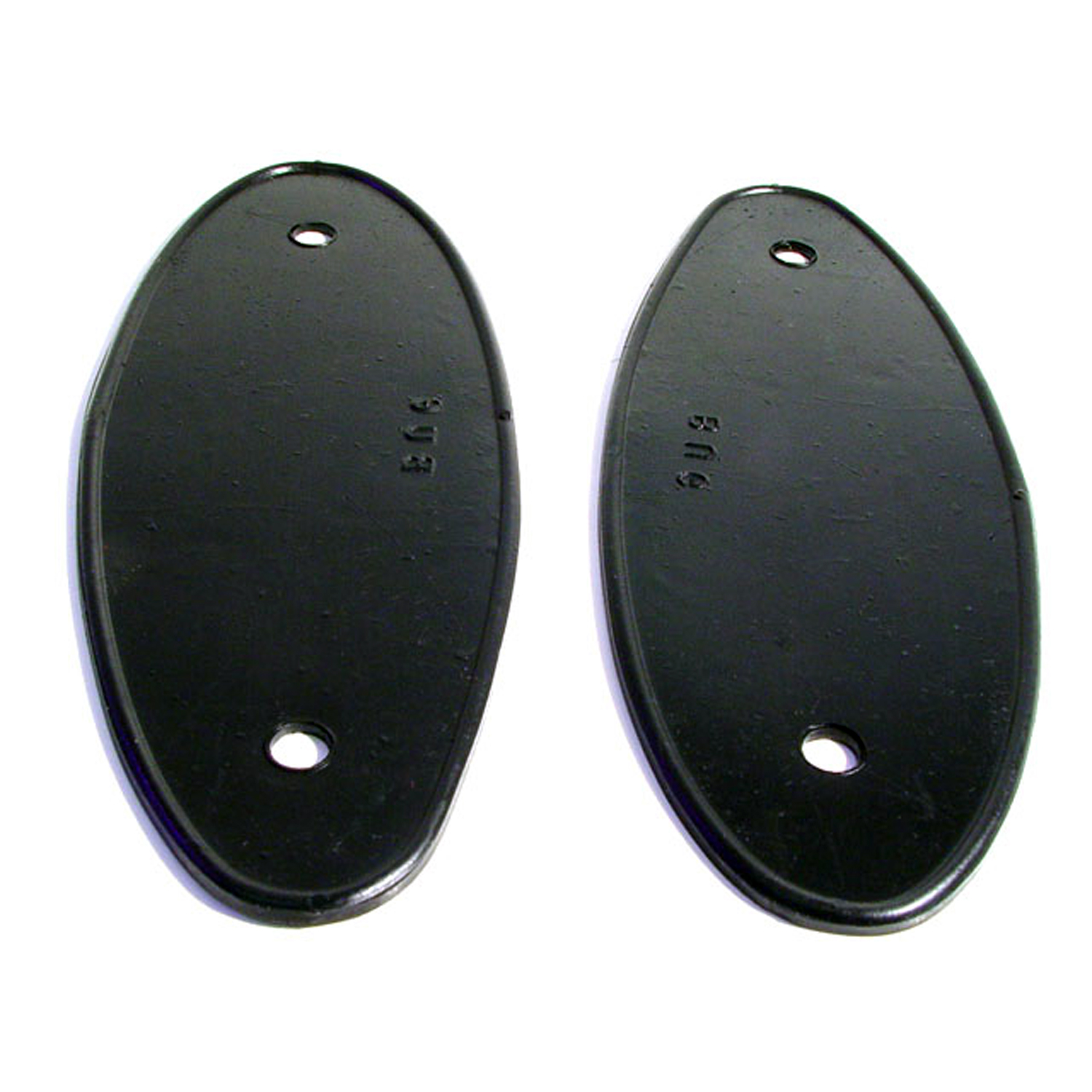 1929 Bugatti Type 44 Headlight Pads. 3" wide X 8-1/8" long. Pair-MP 337-AHeadlight Pads. 3" wide X 8-1/8" long. Pair
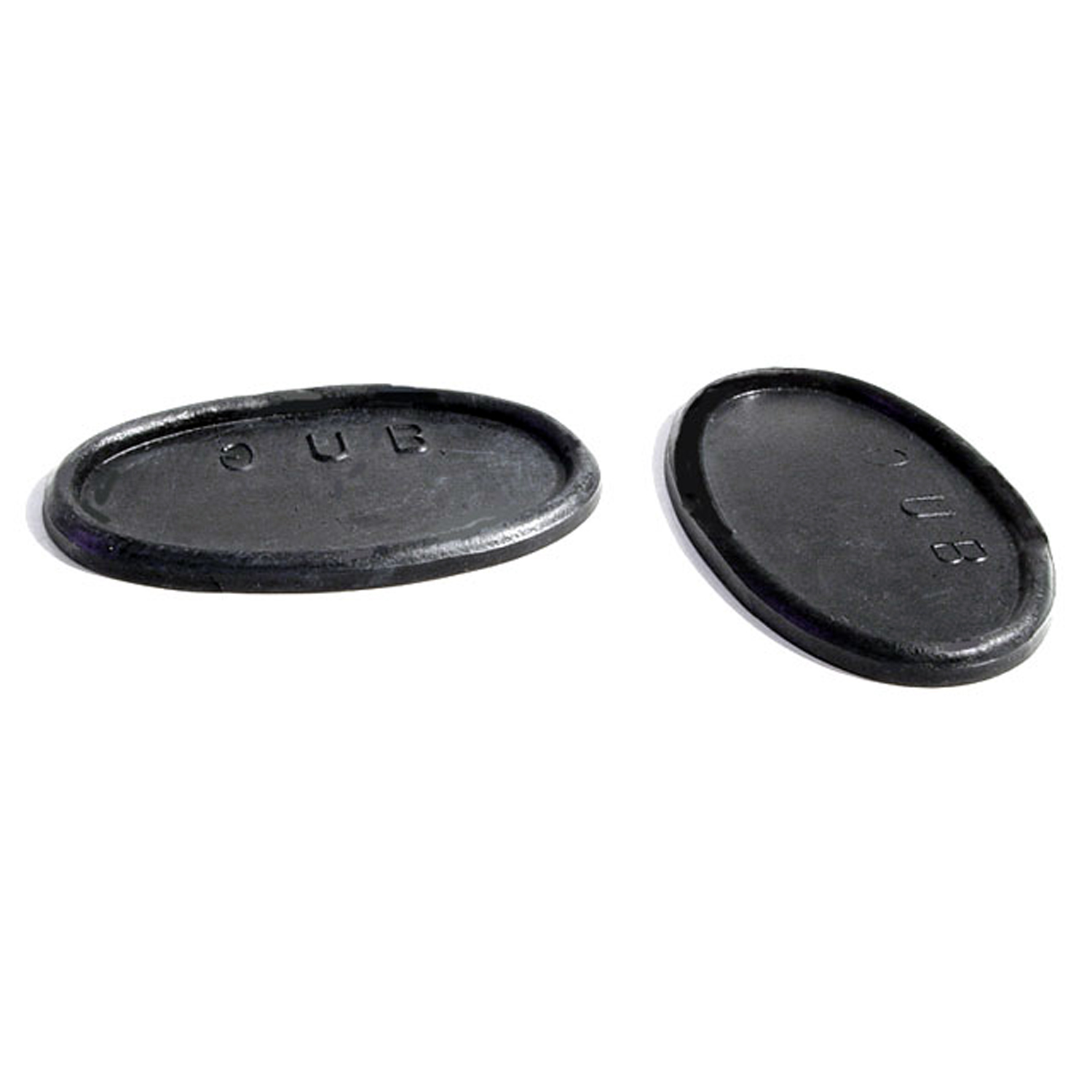 1929 Bugatti Type 44 Door Handle Pads. 1-3/8" wide X 2-1/4" long. Pair-MP 337-BDoor Handle Pads. 1-3/8" wide X 2-1/4" long. Pair
Why Choose Metro?
For over 100 years, Metro Moulded Parts has been the pinnacle of quality in classic car restoration parts. Our commitment to precision and authenticity in every component ensures a perfect fit and an OEM-level appearance.
- Expert Craftsmanship & Quality: Each part is a testament to our dedication to reliability and perfection, crafted from original designs and thoroughly tested.
- Advanced Technology: We use cutting-edge techniques to create flawless, long-lasting parts that surpass others in performance.
- SuperSoft Sponge – The Ultimate Door Seal: Not only are our door seals 30% softer than competitors', but they're also guaranteed to never leak. They effectively reduce wind and road noise, enhancing your classic car's comfort and driving experience.
- Proudly American: Our parts are a product of American craftsmanship, made in the USA with a spirit of excellence and heritage.
- Unrivaled Warranty: We back our products with a 30-year industry-leading warranty, a testament to our confidence in their quality.
Join us in preserving the legacy of classic cars with parts that are crafted for perfection, not just made.