

Image of 1912 Buick Model 29, Note: These illustrations use artistic license and may differ from actual historical models.
Performance Metrics
Fundamental Metrics
Emotional Appeal
MMP Rating
| Engine Specifications | |
|---|---|
| Engine: | 4-cylinder, in-line |
| Displacement: | 318 cubic inches |
| Horsepower: | Estimated 30-40 HP |
| Torque: | Not available |
| Compression Ratio: | Not available |
| Ignition System: | Magneto |
| Cooling System: | Water-cooled |
| Performance Specifications | |
| 0-60 Time: | Not available |
| 1/4 Mile Time: | Not available |
| Top Speed: | 40-50 mph |
| Transmission and Drive | |
| Drive Type: | Rear-wheel drive |
| Transmission Type: | 3-speed manual |
| Fuel and Efficiency | |
| Fuel System Type: | Carburetor |
| MPG: | Not available |
| Dimensions and Brakes | |
| Brakes: | Mechanical drum brakes |
| Wheelbase: | 106 inches |
| Weight: | 1,650 lbs |
Note: Specifications for classic cars are given to the best of our ability, considering the limited and variant data available.
1912 Buick Model 29: A Brass-Era Roadster with Big Ambitions
The 1912 Buick Model 29 made a simple promise: two seats, a lively four-cylinder engine, and the open-air freedom that defined early motoring. Built by Buick in Flint, Michigan, it came from a company already earning a reputation for engineering and reliability. Buick had become part of General Motors in 1908, and its success helped establish the young corporation as a serious force in the American automobile industry.
The Model 29 was a two-passenger roadster, a compact and sporty choice within Buick’s broader range of touring cars and larger automobiles. Its most important talking point was under the bonnet: Buick’s “valve-in-head” engine, now known as an overhead-valve design. At a time when many rival cars used side-valve engines, Buick’s arrangement helped the brand build a reputation for strong performance from a relatively small engine.
A Model 29 was not a mass-produced modern car in today’s sense. It was an early automobile that asked its driver to crank, listen, adjust, and pay attention. That hands-on character is part of what makes the car so compelling to collectors more than a century later.
Roadster Style and Early Buick Engineering
The Model 29’s exterior was lean and upright, with the high ground clearance, narrow tires, and exposed mechanical details typical of the Brass Era. Its tall radiator and brass-toned lamps gave the front end a formal, almost carriage-like presence, while the open cockpit and sweeping fenders supplied its sporting character. The long hood signaled that this was a gasoline-powered machine, not simply a horse-drawn carriage with an engine tucked underneath.
As a roadster, the Model 29 focused on two occupants and open-air motoring. The seating and controls were straightforward, with a large steering wheel, visible levers, and little separation between driver and road. Period materials emphasized practical craftsmanship rather than modern comfort: leather upholstery, painted or varnished woodwork, metal fittings, and a simple, exposed dashboard. Exact trim and equipment could vary with the car’s original specification and later restorations.
Buick’s catalog offered other body styles across its wider 1912 range, including touring cars designed to carry more passengers. The Model 29 itself is best identified with its two-seat roadster layout. That compact body is its most recognizable form and the one most closely associated with the model today.
Color choices could differ by body, equipment, and market. Dark finishes, including black and deep colors such as blue or green, suited the period’s taste and were practical to maintain. Black is a familiar choice on surviving Brass-Era cars, but a restored example’s current color does not necessarily prove its original factory finish.
The Valve-in-Head Difference
Buick’s overhead-valve layout was a significant engineering distinction. In a valve-in-head engine, the valves sit above the cylinders rather than beside them, allowing the engine to breathe more effectively than many contemporary side-valve designs. Buick had been developing this approach since the company’s early years, and it became a defining part of the brand’s identity.
The Model 29 also reflects a turning point in the industry. Cars were becoming more dependable and more useful, but they still demanded mechanical knowledge from their owners. A capable driver had to understand starting procedures, lubrication, tire care, and the sounds of the engine. Buick’s reputation for engineering helped make that ownership experience less daunting than it could be with some lesser-known makes.
Its legacy is not that the Model 29 introduced every feature later associated with the automobile. Rather, it represents Buick’s role in making advanced engineering a central part of a growing American car company. Buick’s early reputation helped support the expansion of General Motors, while the overhead-valve concept remained closely associated with the marque for decades.
Performance, Speed, and the Drive
Published specifications for early cars can vary by source and by how horsepower was rated. The 1912 Model 29 is generally described as a four-cylinder Buick with roughly 30 horsepower, driving the rear wheels through a manual transmission. Its power delivery was intended for the roads of its day, not for modern highway traffic.
A top speed in the neighborhood of 40 to 50 mph is a reasonable period estimate for a sound, correctly tuned example under favorable conditions. A modern 0-to-60-mph figure is not especially useful here: standardized acceleration testing was not part of the car’s original specification, and many Model 29s would not reach 60 mph at all. Tire condition, gearing, road surface, mechanical health, and passenger load would all affect performance.
Behind the wheel, the car feels direct and mechanical. The engine’s exhaust has a steady, purposeful beat rather than the smooth quietness of a later car. Shifts require deliberate movement, steering takes more effort at low speed, and the driver is closely connected to every bump and change in the road.
On rough surfaces, the Model 29’s narrow tires and period suspension transmit plenty of road texture. It is happiest on moderate, familiar routes rather than broken pavement or sustained high-speed driving. On a winding road, its light, open roadster body can feel nimble by early-car standards, but it rewards measured inputs. Braking distances, tire grip, lighting, and visibility are all far removed from modern expectations.
Living with a 1912 Model 29
Today, a Model 29 is primarily a collector car, museum piece, or participant in vintage-car tours and historic motoring events. It is not a sensible daily driver by modern standards. Its appeal lies in the experience of operating a genuinely early automobile and seeing how people traveled before paved highways and enclosed, climate-controlled cabins became normal.
Maintenance is approachable for an experienced hobbyist, but it is not identical to servicing a later classic car. Owners need to understand period ignition, fuel delivery, lubrication, mechanical brakes, and the correct procedures for starting and operating the car. Many repairs are mechanically simple, but parts may require specialist suppliers, careful fabrication, or help from a shop familiar with veteran and Brass-Era vehicles.
Reliability depends heavily on restoration quality and regular care. A well-maintained example can be enjoyable on suitable tours, but old wiring, deteriorated tires, worn bearings, and neglected lubrication can quickly turn a pleasant outing into a roadside repair. The average owner can handle basic adjustments with patience, while major engine or chassis work calls for specialist knowledge.
Brass-Era Trivia and Common Drawbacks
The Model 29’s most memorable feature is also its most historically important one: Buick’s valve-in-head engine helped distinguish the brand in a crowded market. The car belongs to the era when brass fittings, hand controls, and open bodies were still common, just before enclosed passenger cars and electric starting became increasingly familiar.
There is no widely documented Model 29 speed or endurance record that defines the model, and no single celebrity ownership story is consistently associated with it. That does not diminish its significance. Its story is part of Buick’s broader rise and the rapid shift from experimental motorcars to increasingly practical transportation.
Common criticisms are easy to understand from a modern perspective. The car is slow by current standards, offers little weather protection, and requires more physical effort and mechanical attention than later vehicles. Its braking and lighting also demand caution. Those limitations are not defects in the context of 1912, but they matter to anyone considering a purchase or a long-distance tour.
Collector Value and Rarity
Model-specific production figures are not consistently available, so any total should be treated as an estimate rather than a factory-confirmed number. Buick produced many cars in 1912, but the Model 29 was one body style within a larger lineup. A reasonable working estimate is that production was in the low thousands, perhaps around 1,500 to 3,000 cars. The number of surviving, complete, well-documented examples is much smaller.
For a collector, condition and authenticity matter enormously. A complete, running car with a documented history and correct period components will generally attract more interest than a project or a heavily modified example. As a broad current-market estimate, a Model 29 might sell for roughly $30,000 to $80,000, with exceptional restorations potentially exceeding that range and incomplete projects falling below it. Actual sale prices depend on provenance, restoration quality, location, and the strength of the market at the time.
Values for early brass-era cars tend to be more selective than those for better-known postwar classics. The Model 29’s rarity and engineering interest support its appeal, but the pool of buyers is specialized. Over time, excellent examples may appreciate as historically significant early cars become harder to find, though restoration costs can outpace market gains. Buyers should value the car for its history and enjoyment, not assume it will behave like a short-term investment.
A Buick Built for an Emerging Motoring Age
The 1912 Buick Model 29 combines the visual charm of an open Brass-Era roadster with an engine design that helped make Buick stand out. Its upright brass-era styling, hands-on controls, and distinctive overhead-valve engineering offer a vivid look at a moment when the automobile was rapidly becoming more capable and more widely accepted.
More than a century later, the Model 29 is not remembered for modern speed or convenience. It is remembered for showing how ambition, practical engineering, and a little mechanical courage could turn an early motorcar into a memorable drive.
1912 Buick Model 29 Catalog of Parts
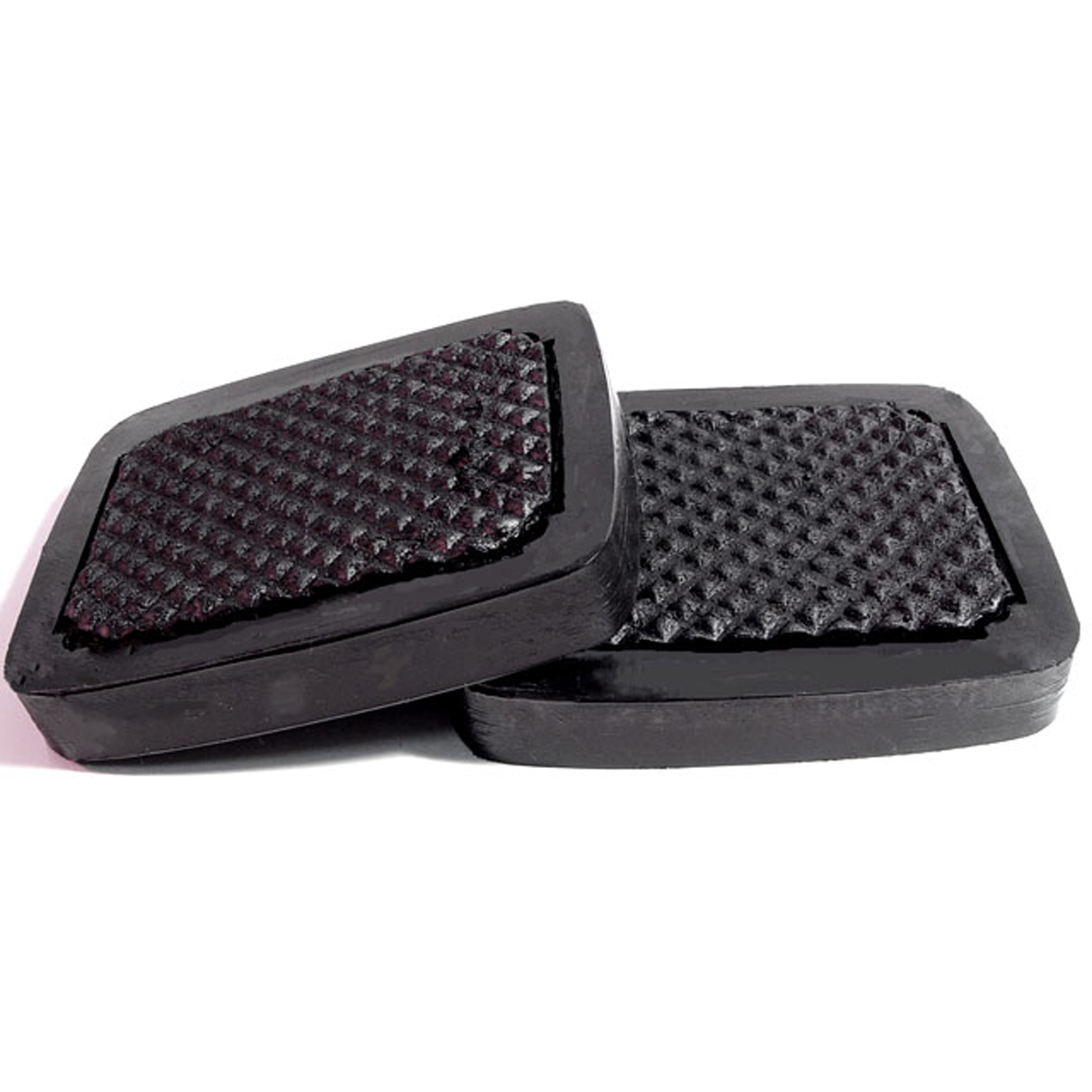 1912 Buick MODEL 29 Clutch and Brake Pedal Pads. 2-3/4" wide X 3-3/8" long-CB 12Clutch and Brake Pedal Pads. 2-3/4" wide X 3-3/8" long. Pair
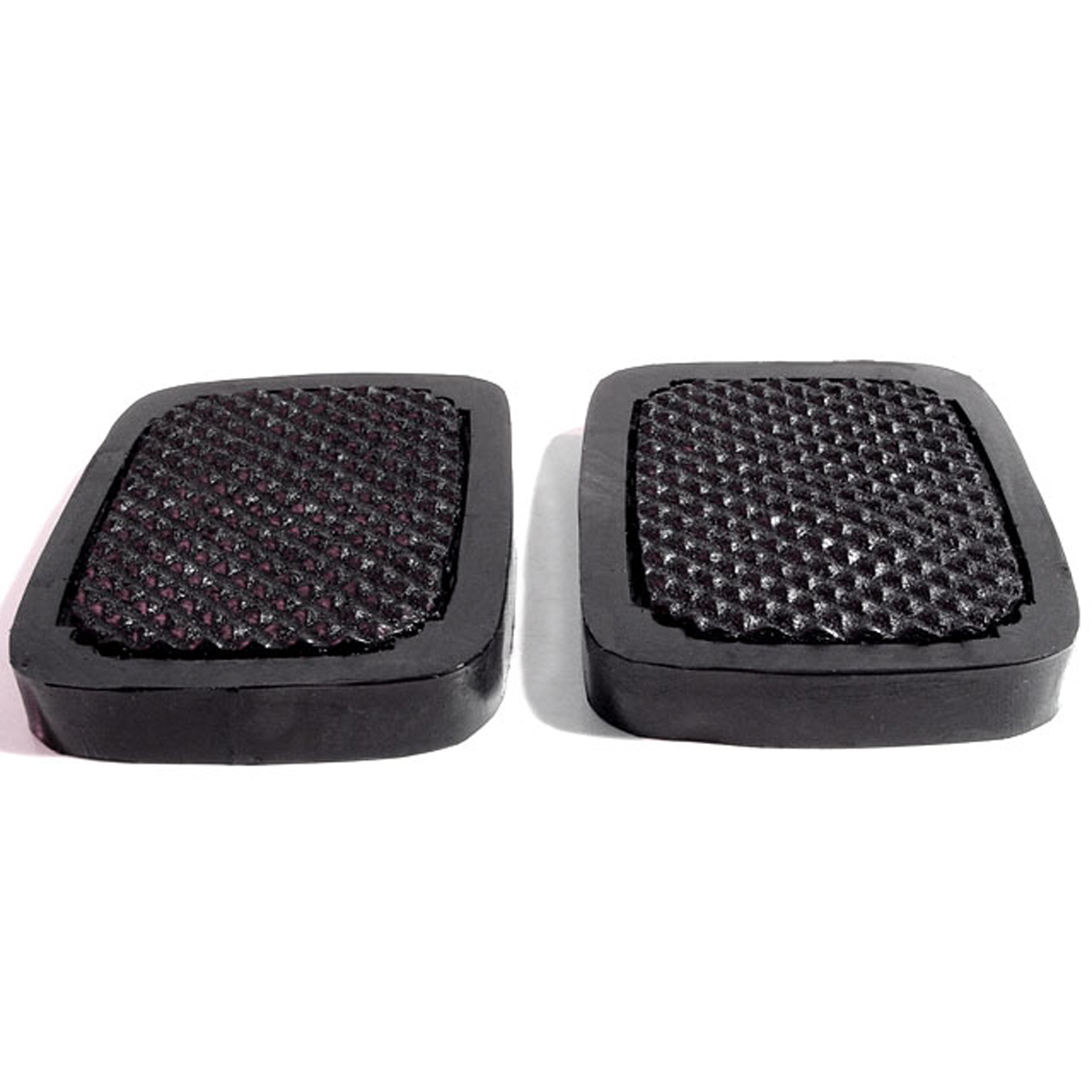 1912 Buick MODEL 29 Clutch and Brake Pedal Pads. 2-3/4" wide X 3-3/4" long-CB 13Clutch and Brake Pedal Pads. 2-3/4" wide X 3-3/4" long. Pair
Why Choose Metro?
For over 100 years, Metro Moulded Parts has been the pinnacle of quality in classic car restoration parts. Our commitment to precision and authenticity in every component ensures a perfect fit and an OEM-level appearance.
- Expert Craftsmanship & Quality: Each part is a testament to our dedication to reliability and perfection, crafted from original designs and thoroughly tested.
- Advanced Technology: We use cutting-edge techniques to create flawless, long-lasting parts that surpass others in performance.
- SuperSoft Sponge – The Ultimate Door Seal: Not only are our door seals 30% softer than competitors', but they're also guaranteed to never leak. They effectively reduce wind and road noise, enhancing your classic car's comfort and driving experience.
- Proudly American: Our parts are a product of American craftsmanship, made in the USA with a spirit of excellence and heritage.
- Unrivaled Warranty: We back our products with a 30-year industry-leading warranty, a testament to our confidence in their quality.
Join us in preserving the legacy of classic cars with parts that are crafted for perfection, not just made.