

Image of 1912 Buick Model 34, Note: These illustrations use artistic license and may differ from actual historical models.
Performance Metrics
Fundamental Metrics
Emotional Appeal
MMP Rating
| Engine Specifications | |
|---|---|
| Engine: | 4-cylinder, in-line |
| Displacement: | 165 cubic inches |
| Horsepower: | Estimated 30-40 HP |
| Torque: | Not available |
| Compression Ratio: | Not available |
| Ignition System: | Magneto |
| Cooling System: | Water-cooled |
| Performance Specifications | |
| 0-60 Time: | Not available |
| 1/4 Mile Time: | Not available |
| Top Speed: | 40-50 mph |
| Transmission and Drive | |
| Drive Type: | Rear-wheel drive |
| Transmission Type: | 3-speed manual |
| Fuel and Efficiency | |
| Fuel System Type: | Carburetor |
| MPG: | Not available |
| Dimensions and Brakes | |
| Brakes: | Mechanical drum brakes |
| Wheelbase: | 100 inches |
| Weight: | 1,800 lbs |
Note: Specifications for classic cars are given to the best of our ability, considering the limited and variant data available.
1912 Buick Model 34: An Early Buick Built for the Open Road
The 1912 Buick Model 34 brought the confident pace of the early automobile age to the open road, combining Buick’s distinctive overhead-valve engineering with the sociable, open-air touring-car bodywork popular with well-to-do motorists. Built by the Buick Motor Company in Flint, Michigan, it arrived at a pivotal moment: Buick had become a central part of General Motors, and the company was helping establish the engineering reputation that would shape its identity for decades.
The Model 34 is most often encountered as a five-passenger touring car, a practical choice for families and groups who wanted room for passengers and luggage. One detail that makes it especially interesting today is its engine design. While many early cars used side-valve layouts, Buick had built its reputation around “valve-in-head” engines, the early name for overhead-valve technology. That design gave the Model 34 a useful talking point in an era when motorists were still deciding which kind of car to trust.
Touring-Car Style and Craftsmanship
The Model 34 has the upright, purposeful proportions of a Brass Era automobile. Its long hood leads to a narrow radiator and prominent lamps, while tall wheels, slim tires, exposed running boards, and a high seating position give it a distinctly mechanical presence. The open touring body leaves the passenger compartment exposed to the elements, but rewards occupants with a clear view of the road and countryside.
Construction reflected the coachbuilding practices of the time. The body typically used a wood framework with metal panels, and the cabin favored durable, straightforward materials over modern comforts. Leather upholstery was common on touring-car seating, with painted or finished wood and simple metal fittings completing the interior. There was no enclosed, climate-controlled cabin: wind, dust, road noise, and changing weather were all part of the trip.
Model-specific catalog details can vary across surviving records and cars. The Model 34 is chiefly associated with the five-passenger touring configuration; Buick’s broader lineup offered other body styles under different model designations. Period color availability could also depend on year, body, and order. Restored examples are often seen in black or other dark shades, but a particular surviving car’s original color should be verified from its history rather than assumed.
Buick Engineering in 1912
The Model 34’s principal technical feature was its four-cylinder overhead-valve engine, rated at about 30 horsepower by the standards of the period. Period horsepower figures are not directly comparable with modern ratings, but the layout itself was significant. Buick’s valve-in-head approach helped the company distinguish its cars from many competitors and became a defining part of Buick’s engineering story.
Power went to the rear wheels through a conventional manual transmission and driveline. Controls were more physical and involved than those in a modern car: the driver had to manage the clutch, gear changes, throttle, and ignition settings while keeping an eye on the road. Equipment also varied, and early-car details such as lighting and starting arrangements should be checked against the individual vehicle rather than assumed from the model name alone.
Why the Model 34 Matters
The 1912 Model 34 belongs to the period when automobiles were changing from experimental machines into increasingly usable transportation. Buick’s growing manufacturing operation, supported by its place in General Motors, helped put its cars before a broader market. The Model 34 was not a mass-market car on the scale of the Ford Model T, but it represented a more powerful, more substantial touring option for buyers able to pay for a larger automobile.
Its lasting significance is tied less to one headline-making record than to Buick’s engineering direction. The overhead-valve engine concept became closely associated with the marque, and the Model 34 offers a tangible example of that approach at an early stage. It also captures a transitional moment in design: still open, upright, and coachbuilt in character, yet increasingly engineered as a dependable road vehicle rather than a novelty.
Speed, Ride, and Road Manners
Published factory performance figures for an individual Model 34 are difficult to compare with modern test data. With roughly 30 horsepower, a healthy example might reach about 45 to 50 mph under favorable conditions, depending on gearing, tire condition, load, and mechanical setup. Treat that as a period-car estimate, not a guaranteed specification.
A modern 0-to-60-mph figure is not a useful measure for this car. Acceleration testing was not standardized as it is today, and many Model 34s would struggle to reach 60 mph, especially with passengers aboard or on an ordinary road. Its intended performance was steady touring, not rapid acceleration or sustained high-speed travel.
On the road, the Model 34 feels tall, direct, and deliberate. Its narrow tires and early suspension transmit bumps more clearly than a modern car, while steering and braking require attentive, anticipatory driving. On a winding road, the driver needs to plan ahead and avoid abrupt inputs. The engine’s mechanical note, the clatter of the driveline, and the rush of air through the open cabin make even a moderate-speed drive feel like an event.
Living With a 1912 Buick
Today, the Model 34 is best suited to touring events, museum displays, and carefully planned pleasure drives. It is not a realistic daily driver in modern traffic. Its open body, modest speed, period braking, and limited protection make it a poor match for highways and crowded urban streets.
Maintenance is hands-on. Owners need to monitor lubrication, ignition, cooling, tires, fasteners, and the condition of the drivetrain. Many mechanical components are understandable to an experienced vintage-car enthusiast, and some repairs can be straightforward with the right manuals, tools, and parts. The challenge is often finding correct components and preserving original details. A pre-purchase inspection by someone familiar with Brass Era cars is essential, especially for the engine, transmission, wooden body structure, and chassis.
Rare Details and Popular Myths
The Model 34 is a product of an era when touring cars were often used for long-distance motoring, local travel, and social outings. Its open seating made it well suited to group trips, but there is no widely recognized Model 34 speed or endurance record that defines the model. Nor is a famous celebrity owner essential to its story. Its strongest claim to distinction is its place in Buick’s early development and its use of the company’s characteristic overhead-valve engineering.
A common criticism is that early touring cars can be uncomfortable, slow by modern standards, and demanding to operate. That is fair. The Model 34 offers little of the convenience drivers now expect, and its performance should not be exaggerated. Its appeal lies in the opposite qualities: mechanical simplicity, visible engineering, and the close connection between driver, machine, and road.
Collector Value and Availability
Surviving Model 34s are uncommon, and the supply of well-documented, complete examples is limited. No reliable Model 34 production total is readily established, so a precise production figure would be misleading. As a broad estimate rather than a factory record, production may have reached the low thousands, perhaps roughly 2,000 to 5,000 cars. The number still surviving in usable or restored condition would be much smaller.
As a rough 2026 collector-market guide, a project car or incomplete example might fall around $15,000 to $30,000. A sound, presentable car could bring approximately $30,000 to $55,000, while a high-quality restoration with strong documentation may reach $55,000 to $80,000 or more. These are broad estimates, not a formal appraisal; condition, originality, provenance, and the quality of restoration can shift the price substantially.
Values for early touring cars tend to be selective rather than uniformly rising. Exceptional, correctly restored examples can attract dedicated collectors, while cars needing specialized restoration may be harder to sell because the work is costly and the buyer pool is comparatively small. For a Model 34, completeness and documented history can matter as much as polish and paint.
A Buick From the Brass Era
The 1912 Buick Model 34 combines open touring-car design, hands-on driving, and an early example of Buick’s overhead-valve engineering. It is not fast or comfortable by modern standards, but it offers a vivid connection to the formative years of motoring and to the company that helped build General Motors.
For collectors, the Model 34 is more than an antique touring car. It is a reminder of when every journey demanded attention, every mile had a mechanical soundtrack, and Buick was already shaping the engineering identity that would carry its name into the future.
1912 Buick Model 34 Catalog of Parts
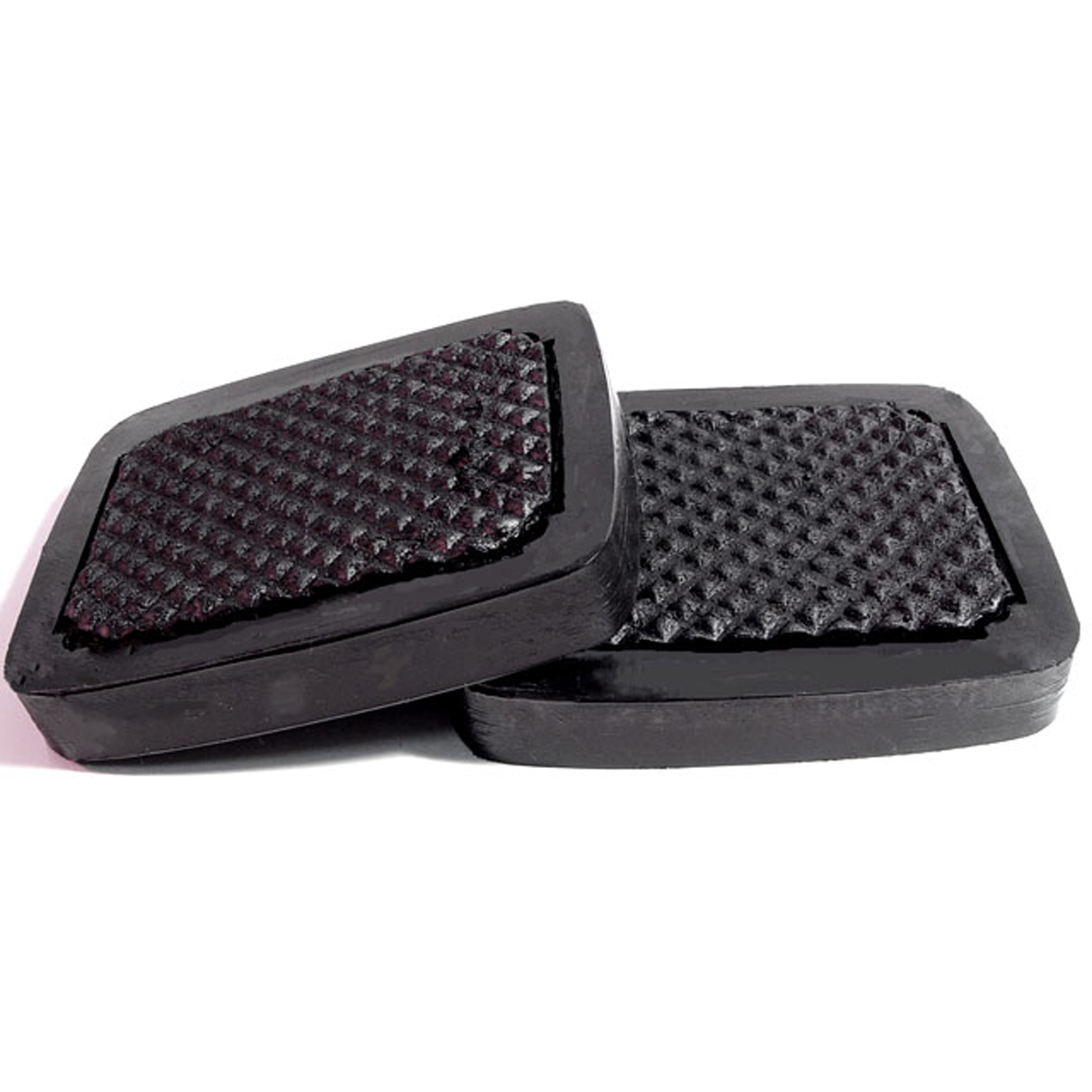 1912 Buick MODEL 34 Clutch and Brake Pedal Pads. 2-3/4" wide X 3-3/8" long-CB 12Clutch and Brake Pedal Pads. 2-3/4" wide X 3-3/8" long. Pair
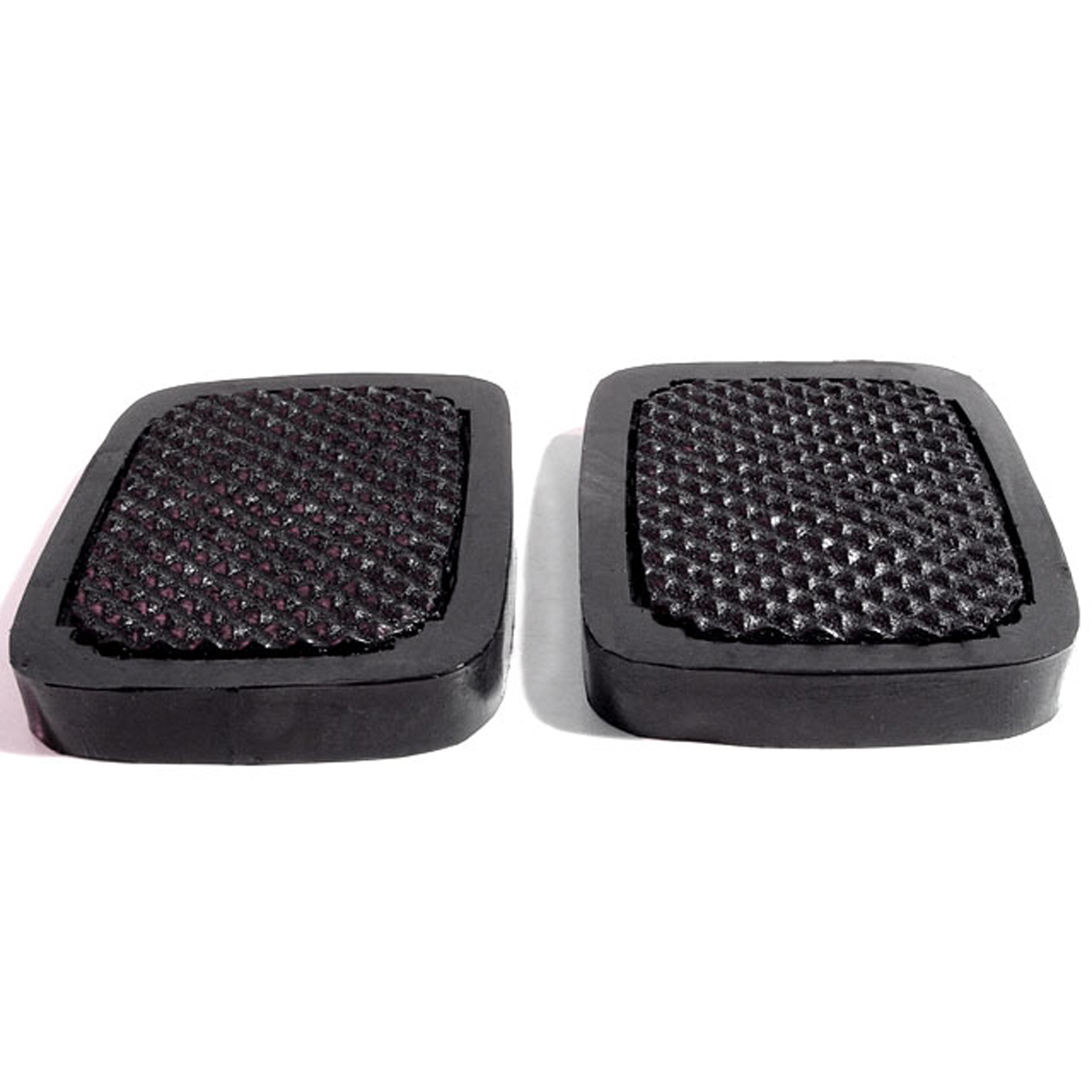 1912 Buick MODEL 34 Clutch and Brake Pedal Pads. 2-3/4" wide X 3-3/4" long-CB 13Clutch and Brake Pedal Pads. 2-3/4" wide X 3-3/4" long. Pair
Why Choose Metro?
For over 100 years, Metro Moulded Parts has been the pinnacle of quality in classic car restoration parts. Our commitment to precision and authenticity in every component ensures a perfect fit and an OEM-level appearance.
- Expert Craftsmanship & Quality: Each part is a testament to our dedication to reliability and perfection, crafted from original designs and thoroughly tested.
- Advanced Technology: We use cutting-edge techniques to create flawless, long-lasting parts that surpass others in performance.
- SuperSoft Sponge – The Ultimate Door Seal: Not only are our door seals 30% softer than competitors', but they're also guaranteed to never leak. They effectively reduce wind and road noise, enhancing your classic car's comfort and driving experience.
- Proudly American: Our parts are a product of American craftsmanship, made in the USA with a spirit of excellence and heritage.
- Unrivaled Warranty: We back our products with a 30-year industry-leading warranty, a testament to our confidence in their quality.
Join us in preserving the legacy of classic cars with parts that are crafted for perfection, not just made.