

Image of 1914 Buick Model B-24, Note: These illustrations use artistic license and may differ from actual historical models.
Performance Metrics
Fundamental Metrics
Emotional Appeal
MMP Rating
| Engine Specifications | |
|---|---|
| Engine: | 4-cylinder, in-line, L-head |
| Displacement: | 165 cubic inches |
| Horsepower: | Estimated 24-30 HP |
| Torque: | Not available |
| Compression Ratio: | Not available |
| Ignition System: | Magneto |
| Cooling System: | Water-cooled |
| Performance Specifications | |
| 0-60 Time: | Not available |
| 1/4 Mile Time: | Not available |
| Top Speed: | 40-45 mph |
| Transmission and Drive | |
| Drive Type: | Rear-wheel drive |
| Transmission Type: | 3-speed manual |
| Fuel and Efficiency | |
| Fuel System Type: | Carburetor |
| MPG: | Not available |
| Dimensions and Brakes | |
| Brakes: | Mechanical drum brakes |
| Wheelbase: | 106 inches |
| Weight: | 1,650 lbs |
Note: Specifications for classic cars are given to the best of our ability, considering the limited and variant data available.
1914 Buick Model B-24: A Brass-Era Buick With Big Ambitions
The 1914 Buick Model B-24 brought Buick’s reputation for sturdy engineering to the open-road touring car. Built by the Buick Motor Company in Flint, Michigan, it belonged to a rapidly expanding American industry in which cars were moving from novelty to practical transportation. Buick was already a major name: the company had become the foundation of General Motors, and its valve-in-head engine design helped distinguish its cars from many competitors.
The B-24 is generally identified as a five-passenger touring car, powered by a four-cylinder engine rated at about 35 horsepower. It was made for motorists who wanted room for family or friends and the confidence to travel beyond town. One especially appealing detail is the contrast between its seemingly simple open body and the mechanical sophistication Buick had developed by this point, including its overhead-valve engine layout.
Touring-Car Style and Craftsmanship
The B-24 wore the upright, purposeful proportions typical of a prewar touring car. Its tall, narrow wheels, exposed running boards, separate fenders and long hood gave it a carriage-like profile, while the engine compartment announced that this was a modern automobile rather than a horse-drawn conveyance. The open touring body offered a broad passenger compartment, a folding fabric top and side curtains for protection from wind and rain. Details such as lamps, trim and wheel finish can differ among surviving cars, particularly after restorations.
Inside, the emphasis was on practical comfort rather than modern amenities. The seats were typically upholstered in leather or leather-like material, with a simple dashboard and exposed controls. The finish was more substantial than the bare-bones image of early motoring might suggest, but passengers still had to accept drafts, road dust and weather as part of the journey. Period paint choices varied with body and production details. Dark, conservative colors such as black, deep blue, maroon or green suited the formal look of the era, although a specific car’s original color is best confirmed through its surviving paint layers or factory documentation.
The B-24 was the touring-bodied member of Buick’s range, while related Buick models served different needs, including two-passenger roadster use. Body availability and equipment could vary by model and market, so a particular car should be identified by its factory designation rather than assumed to be a B-24 simply because it has an open touring body.
Engineering Before the Modern Car
Buick’s overhead-valve, or valve-in-head, engine was an important part of the company’s identity. In an era when many engines used side valves, Buick’s design helped the company build a reputation for strong performance and durability. The B-24’s four-cylinder engine was rated at roughly 35 horsepower and is commonly associated with a displacement of about 269 cubic inches. Power went to the rear wheels through a manual transmission, with the driver operating the controls directly rather than relying on the automatic systems familiar today.
That engineering mattered beyond one model. Buick’s success helped William C. Durant assemble General Motors in 1908, and the marque became one of the new corporation’s central brands. The B-24 therefore represents more than an early touring car: it reflects the rapid growth of a company whose manufacturing strength and engineering reputation helped shape the American auto industry.
How the B-24 Drives
Factory performance figures for a 1914 car do not translate neatly into modern measurements. A top speed of approximately 45 to 50 mph is a reasonable period-style estimate for a well-maintained example under favorable conditions, but it should not be treated as a guaranteed figure. A reliable 0-to-60-mph time is not available, and many cars of this type were not designed or geared for sustained 60-mph travel. Their useful performance was measured in dependable progress on the roads of the day, not quick acceleration by current standards.
Behind the wheel, the experience is physical and deliberate. The engine has a steady, mechanical beat, while wind and tire noise are part of the soundtrack. Steering, braking and gear changes require more attention and effort than in a modern car. On uneven roads, the tall tires and leaf-spring suspension take the sharpness out of some bumps, but the open body and period chassis still transmit plenty of movement. On winding roads, a driver must plan ahead, carry sensible speed and remember that the car’s braking and tire technology are a century old.
Owning and Maintaining a 1914 Buick
Today, the B-24 is principally a touring, show and collection car. Some owners exercise their cars on local antique-car tours and carefully chosen back roads, but it is not a practical daily driver in modern traffic. Its open body, modest cruising speed and lack of contemporary safety equipment call for a very different approach to driving.
Maintenance is manageable for an experienced antique-car enthusiast, but not identical to servicing a later classic. The owner must understand lubrication, ignition, cooling, carburetion and mechanical adjustment, and should inspect the chassis and brakes regularly. Many repairs are mechanically straightforward, and specialist suppliers and vintage-car clubs can help with parts and advice. The challenge is often finding correct components, preserving original details and ensuring that a car restored decades ago is safe and properly assembled. A pre-purchase inspection by someone familiar with early Buicks is strongly recommended.
Notable Details and Common Criticisms
The B-24’s most significant historical connection is its place in Buick’s rise during the years when the company was becoming a cornerstone of General Motors. It is not widely associated with a single famous speed record or celebrity owner, and claims of a particular record or notable appearance should be checked against documentation rather than repeated as fact. The broader story is compelling enough: Buick was among the leading American manufacturers at a time when the automobile was transforming travel and commerce.
Common criticisms are really reminders of the car’s age. The B-24 is slow by present-day standards, offers limited weather protection and requires regular hands-on care. Its brakes, lights and road manners cannot be compared with modern equipment. Those limitations are part of why it is best enjoyed as a carefully maintained historic vehicle, not as an all-purpose form of transport.
Collector Values and Rarity
Exact production totals for the B-24 are not readily established in commonly available model summaries. As a broad estimate rather than a documented factory figure, production may have been in the range of roughly 10,000 to 20,000 cars. That estimate should be treated cautiously: surviving examples are much scarcer than the original production figure suggests, and the number of complete, roadworthy cars is smaller still.
As a general collector-market estimate, a project car may sell for around $15,000 to $30,000, while a sound, presentable example could fall in the $30,000 to $60,000 range. A high-quality restoration, exceptional originality or strong documented history can push a car beyond that range. Actual prices depend heavily on condition, provenance, completeness, mechanical readiness and the quality of the restoration. Early touring cars have a specialized audience, so values can vary considerably from one sale to another.
Long-term appreciation is difficult to predict. A well-documented, correctly restored example is likely to remain more desirable than a poorly executed restoration, but early cars can take longer to sell than more familiar postwar classics. Buyers should focus on condition and authenticity rather than assuming that age alone guarantees rising value.
Why the Buick B-24 Still Matters
The 1914 Buick Model B-24 combines open touring-car character with engineering that helped make Buick one of America’s most influential early manufacturers. Its 35-horsepower overhead-valve engine, practical passenger space and place in Buick’s formative years make it an engaging snapshot of motoring before the First World War. It asks for patience and participation from its driver, then rewards both with a vivid connection to automotive history.
A B-24 is not merely an old car to look at. Properly cared for, it is a working reminder of the era when Buick helped turn the automobile into a serious, dependable part of American life.
1914 Buick Model B-24 Catalog of Parts
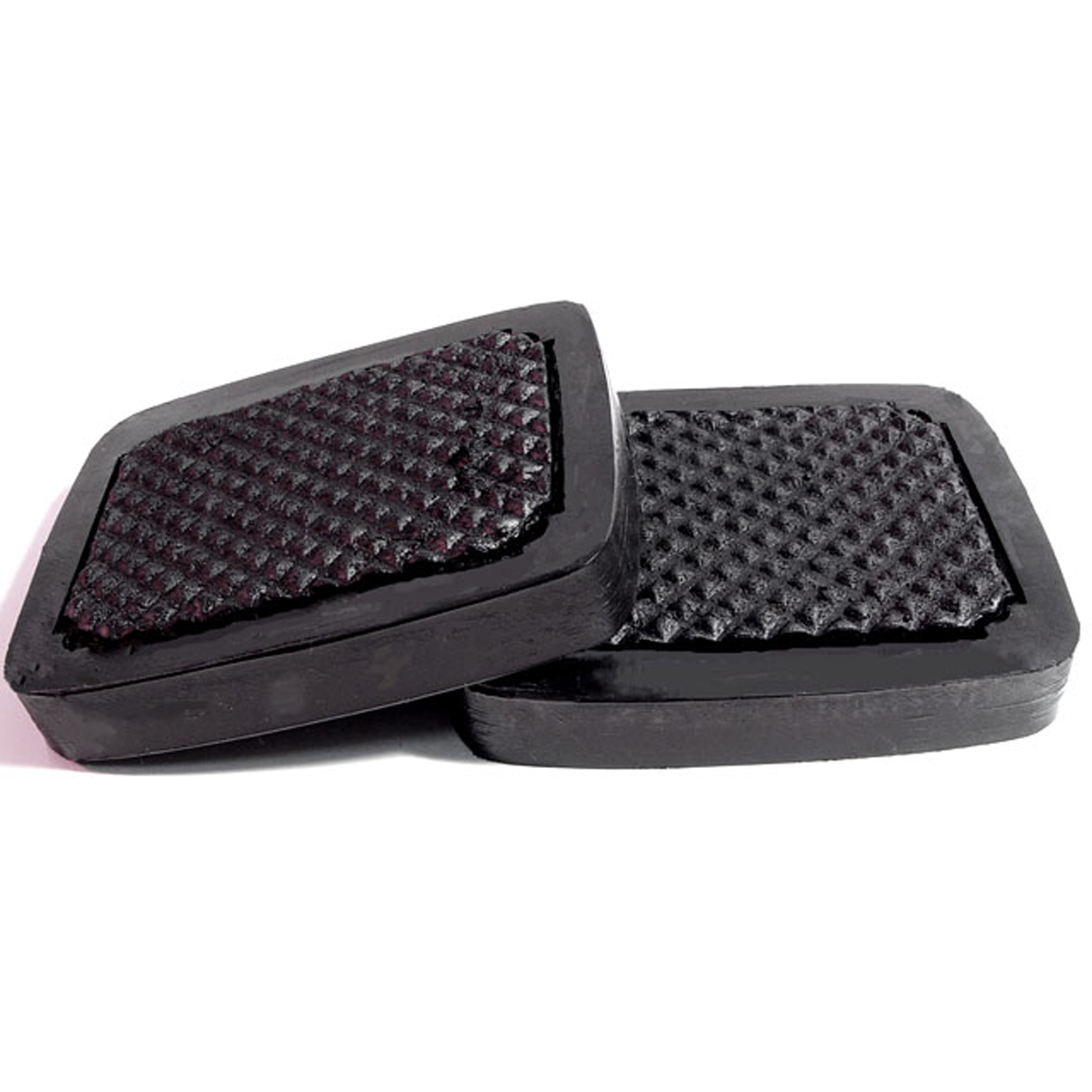 1914 Buick MODEL B-24 Clutch and Brake Pedal Pads. 2-3/4" wide X 3-3/8" long-CB 12Clutch and Brake Pedal Pads. 2-3/4" wide X 3-3/8" long. Pair
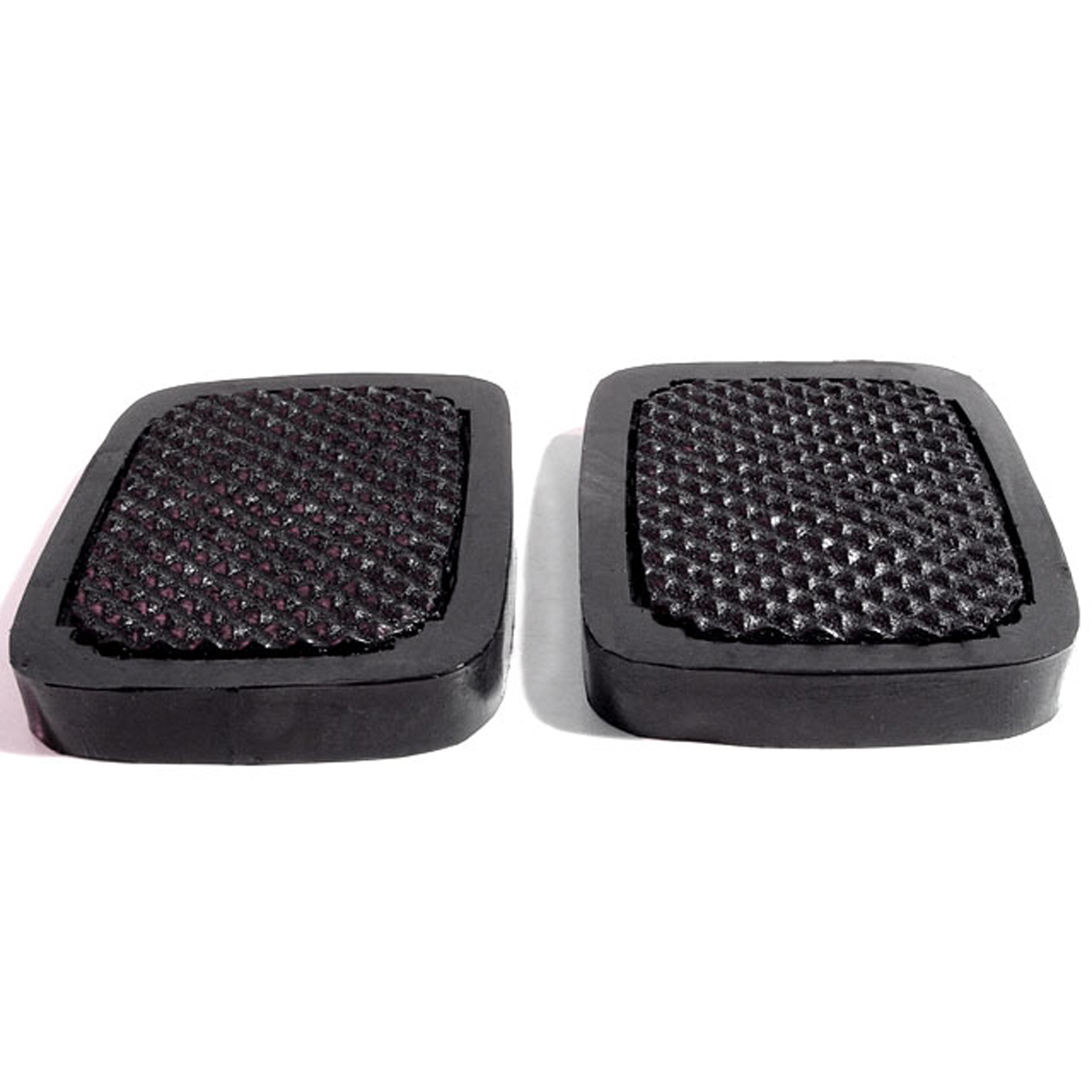 1914 Buick MODEL B-24 Clutch and Brake Pedal Pads. 2-3/4" wide X 3-3/4" long-CB 13Clutch and Brake Pedal Pads. 2-3/4" wide X 3-3/4" long. Pair
Why Choose Metro?
For over 100 years, Metro Moulded Parts has been the pinnacle of quality in classic car restoration parts. Our commitment to precision and authenticity in every component ensures a perfect fit and an OEM-level appearance.
- Expert Craftsmanship & Quality: Each part is a testament to our dedication to reliability and perfection, crafted from original designs and thoroughly tested.
- Advanced Technology: We use cutting-edge techniques to create flawless, long-lasting parts that surpass others in performance.
- SuperSoft Sponge – The Ultimate Door Seal: Not only are our door seals 30% softer than competitors', but they're also guaranteed to never leak. They effectively reduce wind and road noise, enhancing your classic car's comfort and driving experience.
- Proudly American: Our parts are a product of American craftsmanship, made in the USA with a spirit of excellence and heritage.
- Unrivaled Warranty: We back our products with a 30-year industry-leading warranty, a testament to our confidence in their quality.
Join us in preserving the legacy of classic cars with parts that are crafted for perfection, not just made.