

Image of 1914 Buick Model B-37, Note: These illustrations use artistic license and may differ from actual historical models.
Performance Metrics
Fundamental Metrics
Emotional Appeal
MMP Rating
| Engine Specifications | |
|---|---|
| Engine Options: | 4-cylinder, in-line, L-head |
| Displacement Range: | 4.0L |
| Horsepower Range: | Estimated 25-30 HP |
| Torque: | Not available |
| Compression Ratio: | Not available |
| Ignition System: | Magneto |
| Cooling System: | Water-cooled |
| Performance Specifications | |
| 0-60 Time: | Not available |
| 1/4 Mile Time: | Not available |
| Top Speed: | 40-45 mph |
| Transmission and Drive | |
| Drive Type: | Rear-wheel drive |
| Transmission Type: | 3-speed manual |
| Fuel and Efficiency | |
| Fuel System Type: | Carburetor |
| MPG: | Not available |
| Dimensions and Brakes | |
| Brakes: | Mechanical drum brakes |
| Wheelbase: | 106 inches |
| Weight: | 1,650 lbs |
Note: Specifications for classic cars are given to the best of our ability, considering the limited and variant data available.
1914 Buick Model B-37: A Brass-Era Touring Car with Modern Ideas
The 1914 Buick Model B-37 brought one of the most forward-looking engines of its era to the open road: a four-cylinder with overhead valves, at a time when many rivals still used simpler side-valve designs. Built by Buick Motor Company, the B-37 was a practical touring car from a manufacturer already helping shape the American auto industry.
Buick’s rise was closely tied to industrialist William C. Durant, who used the company as the foundation for General Motors, formed in 1908. By 1914, Buick was an established high-volume automaker. The B-37 belonged to a broadening market in which cars were becoming more usable and attainable, though they remained expensive purchases by modern standards.
One detail that makes the B-37 especially interesting is its valve-in-head engine. Buick had made overhead-valve engineering a defining feature well before it became common across the industry. That layout helped the car earn a reputation for strong performance for its size and gave Buick a genuine technical talking point.
Touring-Car Style and Cabin Details
The B-37’s appearance was typical of the Brass Era, but its proportions give it a purposeful, elegant presence. Its long hood covers the engine, while tall, narrow wheels, exposed lamps, running boards, and upright seating make the car’s mechanical character part of its visual appeal. The open touring body usually carried seating for five, with a folding fabric top and side curtains for protection from weather. Depending on equipment and restoration choices, a period car might also have a windshield, brass or nickel-plated fittings, and a rear-mounted spare.
Inside, the emphasis was on durable craftsmanship rather than modern convenience. A wood-framed body and trim, leather upholstery, simple metal controls, and a straightforward dashboard were typical of cars in this class. Materials and details could vary with the original order and equipment. There was no enclosed, climate-controlled cabin, so passengers experienced the road, weather, and engine noise directly.
Factory paint choices were not as standardized or widely advertised as modern color palettes, and surviving cars may have been repainted during their long lives. Black and other dark shades are common on restored examples, while period body colors could vary with the order and finish. The five-passenger touring body is the best-known B-37 configuration. Buick offered multiple models and body styles in its broader range, but buyers should verify the exact body and equipment against the individual car’s documentation.
Buick’s Overhead-Valve Advantage
The B-37’s most important innovation was under the hood. Its four-cylinder engine used overhead valves, also called a valve-in-head design. With the valves positioned above the combustion chamber, the arrangement could breathe more effectively than many contemporary side-valve engines. Buick had developed expertise in this layout early, making it central to the company’s identity.
The B-37 was not a mass-market car in the modern sense, but it helped demonstrate that an automobile could combine useful touring ability with more advanced engine design. Buick’s engineering reputation contributed to the company’s growth and, ultimately, to its importance within General Motors. The car’s lasting influence is less about a single styling feature than about Buick’s continued commitment to overhead-valve engines.
Compared with many contemporaries, the B-37 offered a comparatively lively four-cylinder engine and the comfort of a full-size touring body. It still required considerable skill and attention from its driver. Starting, shifting, braking, and managing the car on rough roads were all more physical tasks than they are today.
Speed, Ride, and Driving Feel
Period specifications and surviving examples can vary, but the B-37 is generally associated with a four-cylinder engine rated at about 35 horsepower and a wheelbase of roughly 112 inches. A well-maintained car might reach approximately 45 to 50 mph under favorable conditions. That figure is an estimate, not a modern instrumented test result, and actual speed depends on gearing, condition, tires, and road surface.
A modern 0-to-60-mph figure is not especially meaningful for the B-37. Reliable period acceleration tests are scarce, and a standard example is not generally considered a 60-mph car. It is better understood as a machine for steady touring at modest speeds, not for rapid acceleration or highway traffic.
On the road, the engine produces a steady mechanical rumble, with the sounds of valves, exhaust, and drivetrain much more present than in a modern car. The ride is compliant by early-car standards, though tall tires and period suspension transmit bumps and body movement that a modern driver will notice immediately. On winding roads, the upright body, narrow tires, and early steering and braking systems call for measured inputs. The driver works the controls rather than simply pointing the car and going.
Ownership, Maintenance, and Reliability
Today, the B-37 is primarily a collector car, show vehicle, and participant in antique-car tours. It can be driven, but it is not a realistic daily driver for most owners. Its open body and limited speed suit scenic back roads and organized events far better than busy modern highways.
Maintenance is hands-on. Owners need to keep up with lubrication, ignition adjustment, cooling-system care, tire condition, and the correct operation of the fuel and oil systems. Many repairs are mechanically straightforward compared with work on a modern vehicle, but parts availability, age-related wear, and the need for period-specific knowledge can make a restoration challenging. A good specialist or marque club can be invaluable.
Reliability depends heavily on restoration quality. A carefully maintained B-37 can be dependable on appropriate outings, but a century-old car should not be expected to behave like a new one. Before a long tour, owners typically inspect the brakes, steering, tires, fuel system, and fasteners, and carry basic tools and spares.
Brass-Era Facts and Common Criticisms
The B-37’s overhead-valve layout is its standout technical talking point. Buick’s early embrace of valve-in-head engineering helped distinguish the marque and later became a familiar feature of American engines. The model is also a reminder that touring cars were once open-air family transport, not simply luxury collectibles.
There is no widely recognized B-37 speed, sales, or endurance record, and reliable documentation tying a famous celebrity to a specific example is difficult to establish. The most notable historical connection is Buick’s broader role in the formation and growth of General Motors, rather than a single headline-making event involving the B-37 itself.
Common criticisms are part of the ownership reality: the car is slow by present-day standards, exposed to weather, physically demanding to operate, and less comfortable than its size might suggest. Braking and road manners also require respect. Those limitations are not defects so much as reminders of how different motoring was in 1914.
Collector Value and Rarity
Exact production figures for the B-37 are not readily established in commonly available model references. Buick’s total output in 1914 was in the tens of thousands, but that figure includes other models and body styles. As a working estimate rather than a documented factory count, B-37 production may have been in the several-thousand to low-five-figure range. The number of surviving, roadworthy examples is much smaller.
Availability is limited. A buyer may encounter a restored touring car through specialist dealers, auctions, or antique-car networks, but examples do not appear as frequently as later Buick models. Condition, originality, completeness, restoration quality, and provenance all have a substantial effect on value.
As a broad market estimate, a project or incomplete example might fall around $15,000 to $30,000. A usable, driver-quality car could bring approximately $30,000 to $60,000, while a high-quality restoration may reach $60,000 to $100,000 or more. These are general estimates, not a formal appraisal, and exceptional cars can fall outside the range. Prices for early cars tend to be selective: well-documented, correctly restored examples attract the strongest interest, while costly restorations do not always return their full investment.
The B-37’s appeal is likely to remain tied to its rarity, early Buick engineering, and open touring-car character. Its value is best judged as part of the specialist antique-car market, where condition and authenticity often matter more than short-term price movement.
Why the 1914 Buick B-37 Still Matters
The 1914 Buick Model B-37 combines the open-air charm of early motoring with an engine design that showed Buick thinking ahead. Its touring body, hands-on controls, and modest pace make it a very different experience from a modern car, while its overhead-valve engine connects it to a major thread in automotive engineering.
For collectors, the B-37 is more than a handsome antique. It is a rolling example of Buick’s early ambition and the engineering ideas that helped the company become a cornerstone of General Motors. Take the time to understand its pace and its needs, and the B-37 rewards you with a direct, memorable connection to the first great age of American motoring.
1914 Buick Model B-37 Catalog of Parts
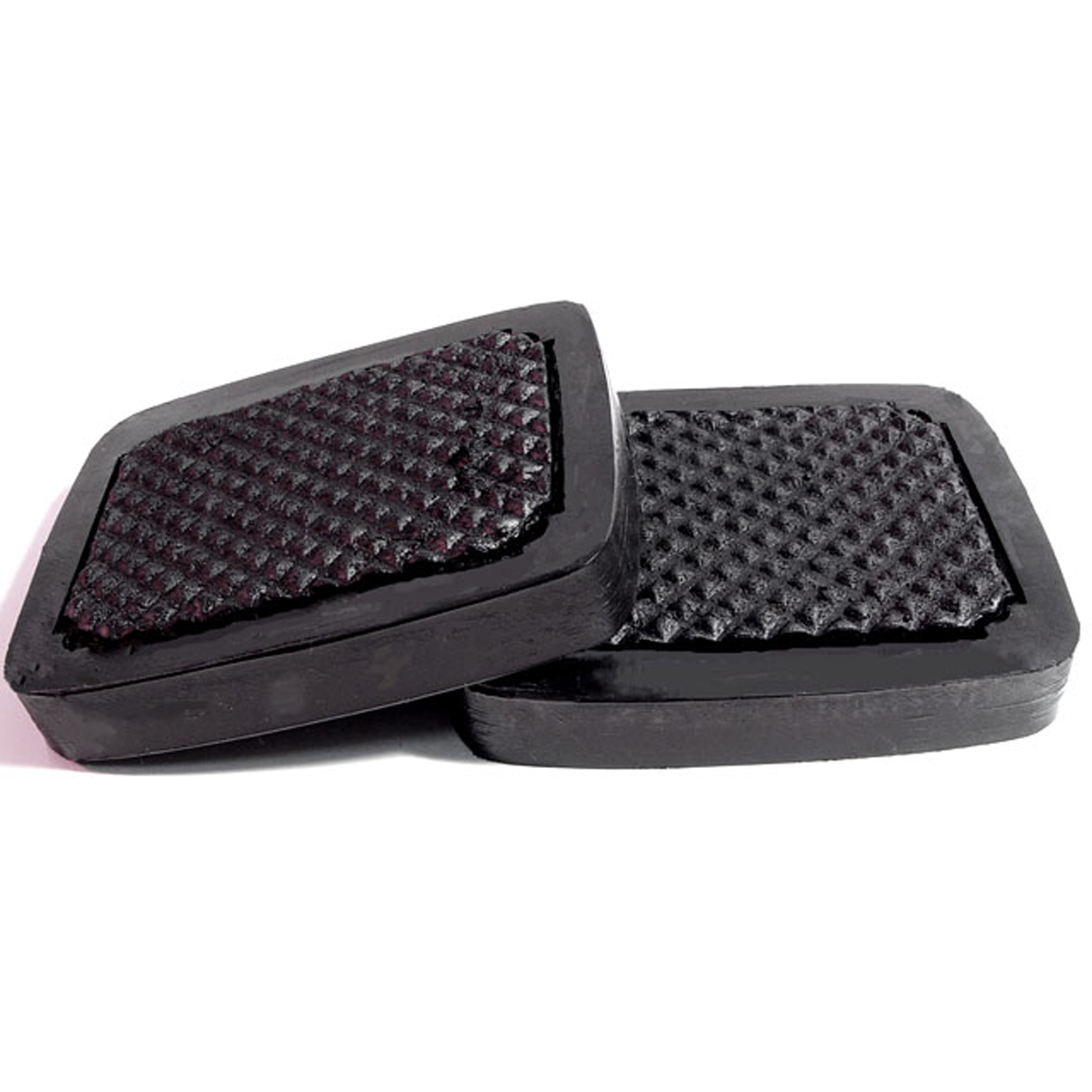 1914 Buick MODEL B-37 Clutch and Brake Pedal Pads. 2-3/4" wide X 3-3/8" long-CB 12Clutch and Brake Pedal Pads. 2-3/4" wide X 3-3/8" long. Pair
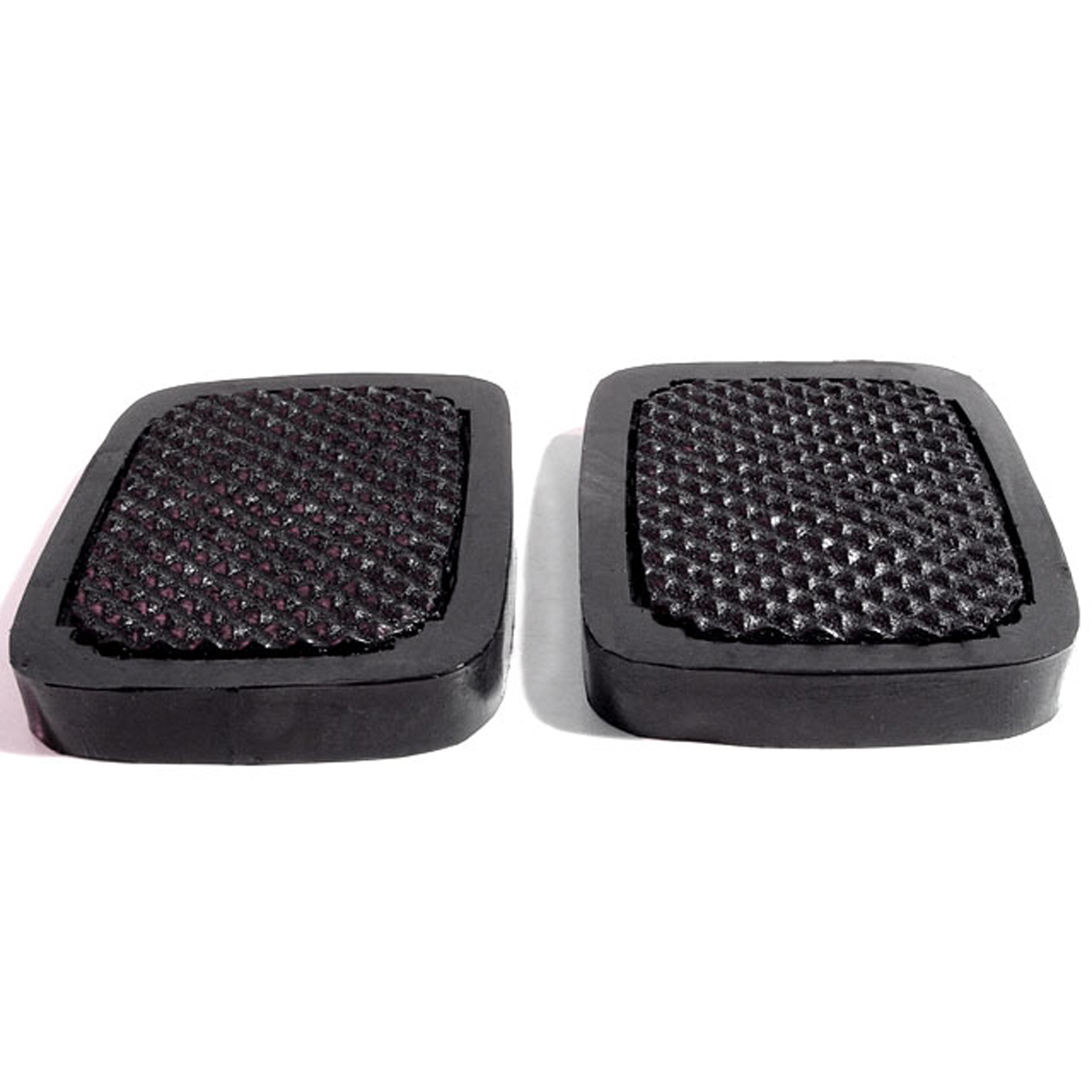 1914 Buick MODEL B-37 Clutch and Brake Pedal Pads. 2-3/4" wide X 3-3/4" long-CB 13Clutch and Brake Pedal Pads. 2-3/4" wide X 3-3/4" long. Pair
Why Choose Metro?
For over 100 years, Metro Moulded Parts has been the pinnacle of quality in classic car restoration parts. Our commitment to precision and authenticity in every component ensures a perfect fit and an OEM-level appearance.
- Expert Craftsmanship & Quality: Each part is a testament to our dedication to reliability and perfection, crafted from original designs and thoroughly tested.
- Advanced Technology: We use cutting-edge techniques to create flawless, long-lasting parts that surpass others in performance.
- SuperSoft Sponge – The Ultimate Door Seal: Not only are our door seals 30% softer than competitors', but they're also guaranteed to never leak. They effectively reduce wind and road noise, enhancing your classic car's comfort and driving experience.
- Proudly American: Our parts are a product of American craftsmanship, made in the USA with a spirit of excellence and heritage.
- Unrivaled Warranty: We back our products with a 30-year industry-leading warranty, a testament to our confidence in their quality.
Join us in preserving the legacy of classic cars with parts that are crafted for perfection, not just made.