

Image of 1914 Buick Model B-55, Note: These illustrations use artistic license and may differ from actual historical models.
Performance Metrics
Fundamental Metrics
Emotional Appeal
MMP Rating
| Engine Specifications | |
|---|---|
| Engine: | 4-cylinder, in-line |
| Displacement: | 5.2L |
| Horsepower: | Estimated 40-60 HP |
| Torque: | Not available |
| Compression Ratio: | Not available |
| Ignition System: | Magneto ignition system |
| Cooling System: | Water-cooled |
| Performance Specifications | |
| 0-60 Time: | Not available |
| 1/4 Mile Time: | Not available |
| Top Speed: | 40-50 mph |
| Transmission and Drive | |
| Drive Type: | Rear-wheel drive |
| Transmission Type: | 3-speed manual |
| Fuel and Efficiency | |
| Fuel System Type: | Carburetor |
| MPG: | Not available |
| Dimensions and Brakes | |
| Brakes: | Mechanical drum brakes |
| Wheelbase: | 120 inches |
| Weight: | Estimated 1,800-2,000 lbs |
Note: Specifications for classic cars are given to the best of our ability, considering the limited and variant data available.
1914 Buick Model B-55: The Six That Helped Define Buick
With a long bonnet, upright brass-era proportions, and a newly important six-cylinder engine beneath its hood, the 1914 Buick Model B-55 represented a confident step into the future. Built by the Buick Motor Company, then one of America’s most influential automakers, the B-55 combined Buick’s established overhead-valve engineering with the smoothness and prestige of a six-cylinder powerplant.
The model belongs to a pivotal period for Buick. The company had helped shape the early American auto industry and was a central part of the General Motors organization founded by William C. Durant. In 1914, Buick offered a broad range of cars, but the Model 55 stood out as a flagship-class machine. Its name reflected its rated 55 horsepower, a figure that made a strong impression in an era when many cars produced far less.
One notable milestone is the engine itself: the Model 55 brought Buick’s celebrated valve-in-head approach to a six-cylinder car. Buick had already built a reputation around overhead-valve engines, and the B-55 showed that the company intended to carry that engineering identity into a more refined, higher-powered class.
Brass-Era Styling and Touring-Car Character
The B-55 wore the unmistakable look of a pre-World War I automobile. Its tall, narrow radiator sat at the front like a polished centerpiece, framed by separate headlamps and exposed fenders. The long hood flowed back toward an open passenger compartment, while large wooden-spoke wheels and running boards emphasized the car’s carriage-like stance. Brass fittings and trim were characteristic of the period, though the exact finish could vary by equipment and production specification.
The best-known B-55 configuration was the open touring car, designed to carry a family or a group of passengers with the top folded down. Period Buick offerings included different open body arrangements across the range, and surviving cars may differ in seating, trim, and equipment. Buyers looking at a specific car should verify its body style against its serial number, original documentation, and period catalog information rather than assume every Model 55 was identical.
Inside, the B-55 was more practical than luxurious by modern standards, but it was a substantial automobile for its time. The cabin typically featured a simple dashboard, exposed controls, a large steering wheel, and broad seating upholstered in durable period materials such as leather or leather-like coverings, depending on specification. The open body made the passenger experience especially dependent on weather: the folding top and side curtains offered protection, but they could not provide the quiet, sealed comfort of a later enclosed sedan.
Factory paint choices could vary, and surviving cars have often been refinished over the decades. Dark, restrained colors were common on early automobiles, with black among the familiar choices, but it is best not to treat one color as universal for every B-55. A car’s original paint history is a matter for documentation and careful inspection.
Buick Engineering in 1914
The B-55’s defining feature was its six-cylinder, valve-in-head engine, rated at 55 horsepower. Overhead valves were a Buick hallmark, helping the company distinguish its cars from many contemporary designs using side-valve layouts. The six-cylinder arrangement also delivered a more even power flow than a typical four-cylinder engine, contributing to a smoother feel at speed.
Like other cars of its era, the Model 55 relied on a driver who was closely involved in operating the machine. A manual transmission, mechanical controls, and hand-operated adjustments made motoring an active task rather than a matter of simply selecting a gear and steering. Exact equipment could vary with production details and later alterations, so individual cars should be assessed on their own specification.
Its significance was not that the B-55 invented the six-cylinder car. Rather, Buick used the model to make a powerful, technically distinctive six-cylinder automobile part of its own product identity. The combination of overhead-valve engineering and six-cylinder smoothness helped establish a template that Buick would continue to develop in later decades.
Performance, Speed, and the Drive
With 55 horsepower, the B-55 was a capable large touring car for 1914. A period-correct example in sound mechanical condition might reach roughly 50 to 60 mph under favorable conditions, although gearing, body style, tire condition, road surface, and mechanical health all affect the result. That is a practical estimate, not a guaranteed factory-tested top speed.
There is no widely accepted modern 0-to-60 mph figure for the Model 55. Contemporary cars were not generally measured by today’s acceleration standards, and a century of changes in engine condition and gearing makes a precise number misleading. A reasonable modern estimate would put 0-to-60 mph well beyond 20 seconds, and some cars may not reach 60 mph at all in ordinary use. The B-55 was built for steady touring, not quick launches.
On the road, expect a very different rhythm from a modern car. The engine’s note is a mechanical, measured six-cylinder growl, accompanied by the sounds of the drivetrain, tires, and wind moving through the open cabin. Steering demands attention, braking distances are long by current standards, and the driver must anticipate rather than react at the last moment.
Large wheels and flexible period suspension help the car roll over rough roads, but they do not make it float over bumps. Uneven surfaces can produce noticeable movement through the body and steering. On a winding road, the B-55 rewards smooth inputs and moderate speeds. Its open touring layout offers a memorable view of the road, but it also exposes occupants to dust, cold air, and weather. Driving one is as much about pace and awareness as it is about horsepower.
Living With a 1914 Buick
Today, a B-55 is best suited to touring events, historic-car gatherings, museum displays, and careful recreational drives. It is not a sensible daily driver in modern traffic. Its visibility, braking, lighting, and crash protection are limited by the standards of current vehicles, and high-speed roads can be stressful for both the car and its occupants.
Maintenance is manageable for an experienced vintage-car owner, but it requires patience and access to specialist knowledge. Routine work may include lubrication, ignition adjustment, carburetor tuning, cooling-system care, and attention to the mechanical brakes and running gear. Many repairs are straightforward in concept, but original parts can be scarce, and age-related wear or past restoration shortcuts may complicate a job.
Reliability depends heavily on the quality of restoration and how regularly the car is exercised. A well-sorted example can be dependable on local tours, but it still needs frequent checks and should not be expected to behave like a modern vehicle. Before buying, inspect the engine, transmission, frame, wood structure where applicable, wheels, and any replacement components. Matching numbers and documented history add confidence, but sound workmanship matters just as much.
Facts, Myths, and Brass-Era Trivia
The Model 55’s 55-horsepower rating was a major selling point and a convenient source for its model designation. Its six-cylinder layout also made it a natural choice for buyers seeking more refinement and power than a basic four-cylinder touring car could offer.
There is no single famous speed record or celebrity association that defines the B-55’s story. Its importance is better understood through Buick’s broader industrial influence and the model’s place in the company’s transition toward larger, more powerful automobiles. Claims that a particular surviving car belonged to a celebrity or took part in a famous event should be supported by reliable provenance, not simply repeated as collector lore.
A common criticism of the B-55 is one shared by nearly all cars of its age: it can be demanding to operate and uncomfortable in poor weather. Parts availability, specialist labor, and the need for regular mechanical attention can also make ownership more involved than a casual buyer expects. Those drawbacks are part of the honest ownership picture, not reasons to dismiss the car’s appeal.
Rarity and Collector Value
Exact production figures for the 1914 Model B-55 are not easy to establish from commonly available summaries, and the number of surviving cars is smaller still. As a best estimate, production was likely in the low thousands rather than tens of thousands, while surviving, complete examples are now scarce. That estimate should be treated as a guide, not an official factory total.
Values vary widely with condition, originality, body style, restoration quality, and provenance. As a broad current-market estimate, a project or incomplete example might fall around $15,000 to $35,000. A sound, usable car could bring roughly $35,000 to $70,000, while a high-quality restoration with strong documentation may reach approximately $70,000 to $120,000 or more. These are indicative ranges, not appraisals, and unusual provenance or exceptional quality can move a car outside them.
Early brass-era automobiles have a dedicated collector following, but their market is specialized. Prices tend to reward authentic details, correct bodywork, and reliable mechanical condition more than flashy upgrades. Values have generally been resilient for well-restored examples, though the broader market for large prewar cars can be selective. Restoration costs can also exceed the eventual sale price, so buyers should purchase for the experience as much as for investment potential.
Why the Buick Model B-55 Still Matters
The 1914 Buick Model B-55 brought together Buick’s signature overhead-valve engineering, a 55-horsepower six-cylinder engine, and the open touring-car style that defined early motoring. It was powerful and ambitious for its day, but it also demanded the attention and skill expected of a 1914 driver.
More than a century later, the B-55 remains a compelling snapshot of Buick at a turning point. Its value lies not only in its rarity or brass-era looks, but in the way it captures an industry learning to make automobiles smoother, stronger, and more capable. Take a seat behind its big steering wheel, and automotive history becomes something you can hear, feel, and drive.
1914 Buick Model B-55 Catalog of Parts
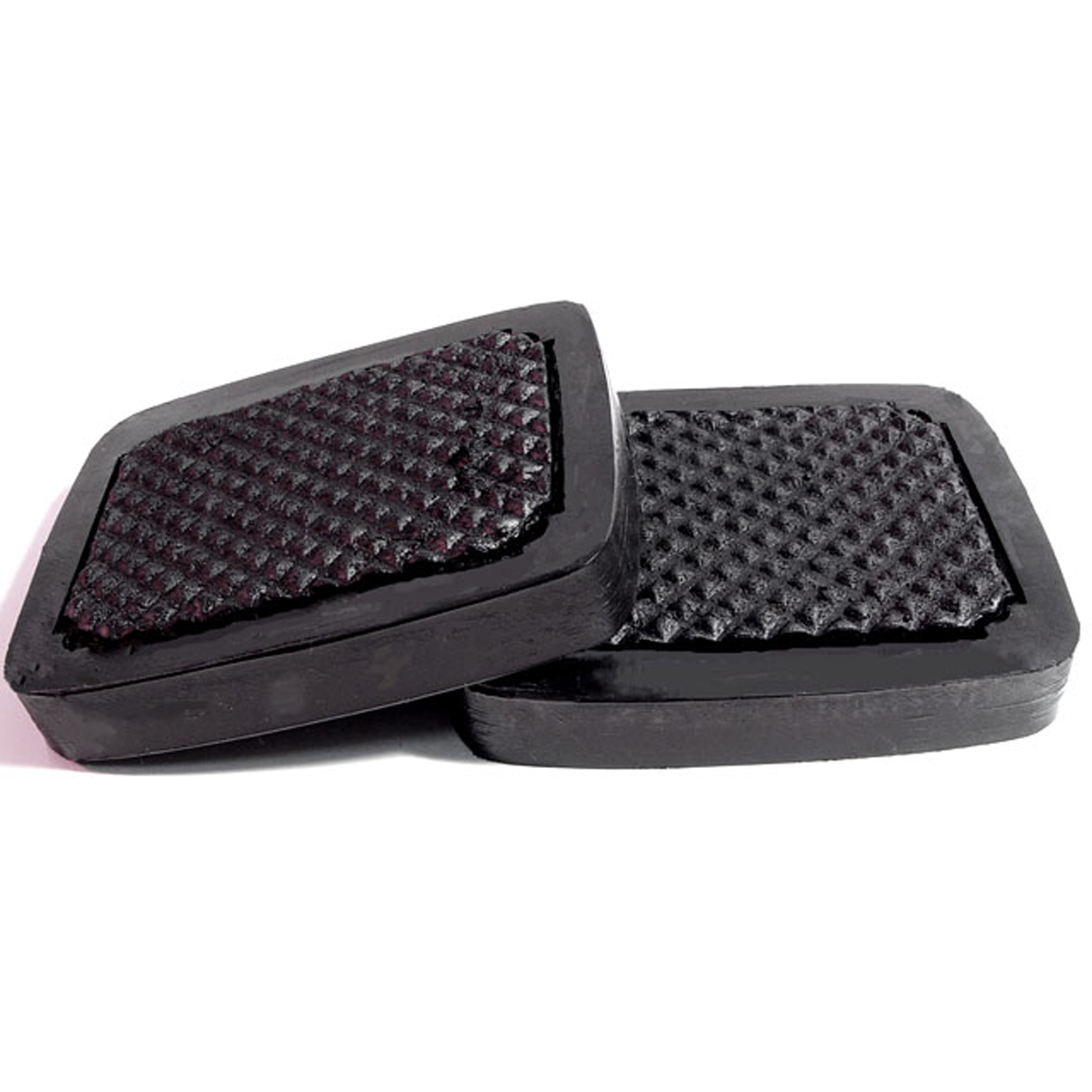 1914 Buick MODEL B-55 Clutch and Brake Pedal Pads. 2-3/4" wide X 3-3/8" long-CB 12Clutch and Brake Pedal Pads. 2-3/4" wide X 3-3/8" long. Pair
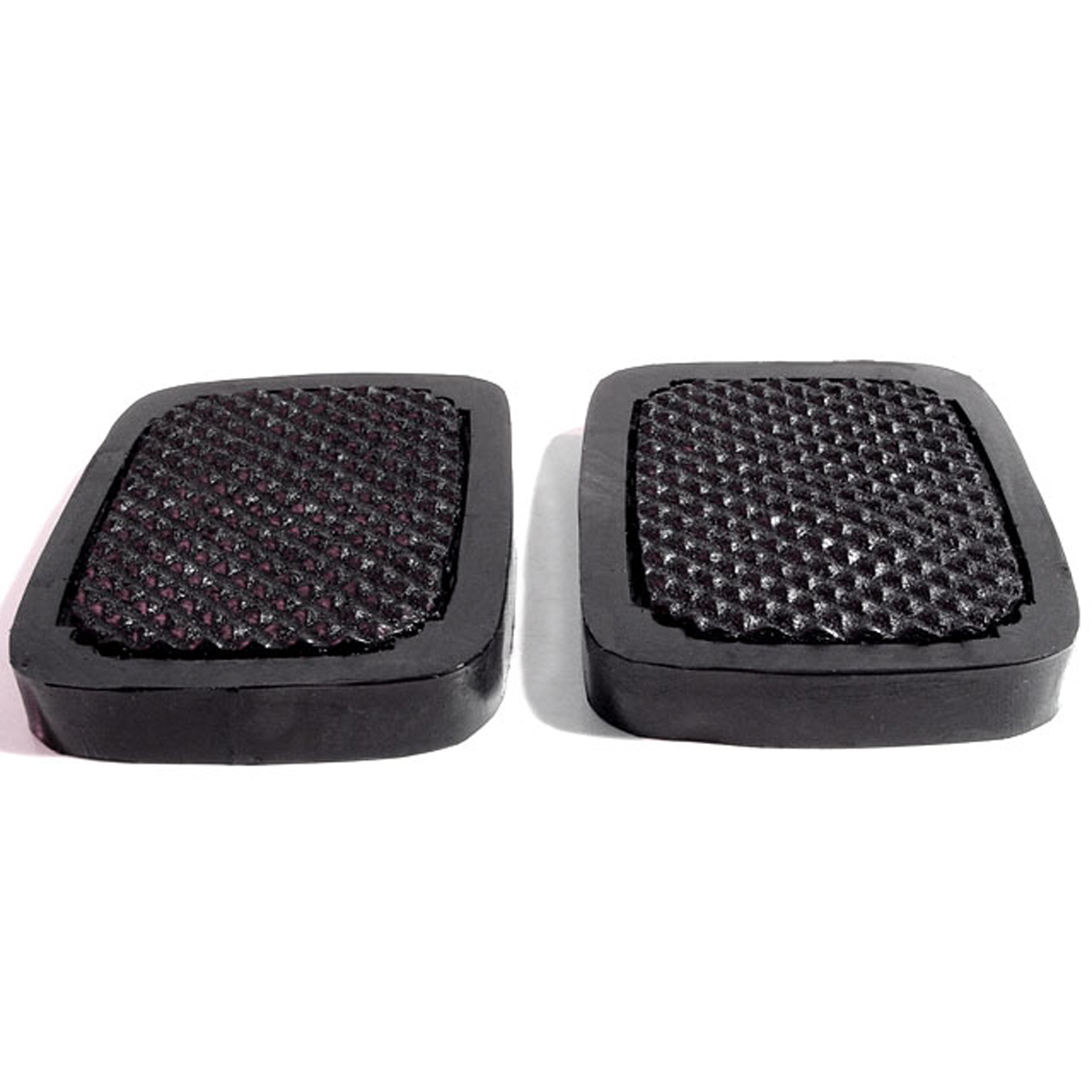 1914 Buick MODEL B-55 Clutch and Brake Pedal Pads. 2-3/4" wide X 3-3/4" long-CB 13Clutch and Brake Pedal Pads. 2-3/4" wide X 3-3/4" long. Pair
Why Choose Metro?
For over 100 years, Metro Moulded Parts has been the pinnacle of quality in classic car restoration parts. Our commitment to precision and authenticity in every component ensures a perfect fit and an OEM-level appearance.
- Expert Craftsmanship & Quality: Each part is a testament to our dedication to reliability and perfection, crafted from original designs and thoroughly tested.
- Advanced Technology: We use cutting-edge techniques to create flawless, long-lasting parts that surpass others in performance.
- SuperSoft Sponge – The Ultimate Door Seal: Not only are our door seals 30% softer than competitors', but they're also guaranteed to never leak. They effectively reduce wind and road noise, enhancing your classic car's comfort and driving experience.
- Proudly American: Our parts are a product of American craftsmanship, made in the USA with a spirit of excellence and heritage.
- Unrivaled Warranty: We back our products with a 30-year industry-leading warranty, a testament to our confidence in their quality.
Join us in preserving the legacy of classic cars with parts that are crafted for perfection, not just made.