

Image of 1915 Buick Model C-25, Note: These illustrations use artistic license and may differ from actual historical models.
Performance Metrics
Fundamental Metrics
Emotional Appeal
MMP Rating
| Engine Specifications | |
|---|---|
| Engine: | 4-cylinder, in-line, L-head |
| Displacement: | 165 cubic inches |
| Horsepower: | Estimated 25-30 HP |
| Torque: | Not available |
| Compression Ratio: | Not available |
| Ignition System: | Magneto |
| Cooling System: | Water, thermosiphon |
| Performance Specifications | |
| 0-60 Time: | Not available |
| 1/4 Mile Time: | Not available |
| Top Speed: | 40-45 mph |
| Transmission and Drive | |
| Drive Type: | Rear-wheel drive |
| Transmission Type: | 3-speed manual |
| Fuel and Efficiency | |
| Fuel System Type: | Carburetor |
| MPG: | Not available |
| Dimensions and Brakes | |
| Brakes: | Mechanical drum brakes |
| Wheelbase: | 112 inches |
| Weight: | 1,650 lbs |
Note: Specifications for classic cars are given to the best of our ability, considering the limited and variant data available.
1915 Buick Model C-25: An Early American Touring Car
The 1915 Buick Model C-25 turned a rough road into a proper outing, with room for a family, a substantial four-cylinder engine, and the open-air style that defined early motoring. Built by the Buick Motor Company in Flint, Michigan, it arrived when cars were becoming more practical and dependable, yet driving one still demanded attention, mechanical sympathy, and a taste for adventure.
Buick was already one of America’s leading automakers. William C. Durant had brought the company into the General Motors organization he founded in 1908, and Buick’s reputation for strong engines and solid construction helped make it a cornerstone of the young corporation. The C-25 belongs to this important period, when manufacturers were moving beyond experimental machines and building cars that could serve as everyday transport for people with the means to own one.
One detail that makes the C-25 especially interesting is its connection to Buick’s signature valve-in-head, or overhead-valve, engine design. While many cars of the period used side-valve engines, Buick had made overhead valves central to its engineering identity. That layout helped the marque earn a reputation for energetic performance and mechanical sophistication.
Touring-Car Style and Cabin Details
The Model C-25’s most recognizable form was the five-passenger touring car. Its long hood, upright radiator, separate fenders, exposed running boards, and tall, narrow wheels gave it the purposeful profile of an early motorcar. The open body made the car feel spacious in fair weather, while its folding fabric top and side curtains offered some shelter when conditions turned.
The cabin was functional rather than luxurious by modern standards. Passengers sat on leather-upholstered benches, with a simple dashboard and straightforward controls. Wood was used in the body structure and interior trim, while metal hardware and painted body panels supplied the durable finish expected of a working automobile. The touring layout was the popular choice because it combined useful passenger capacity with the open-air motoring experience buyers wanted.
Paint availability could vary by year, market, and factory specification. Dark, practical shades were typical of the era, and black was a common choice, though period Buicks could also be ordered in other colors. Original paint records and surviving cars do not always provide a complete picture of every C-25 color option, so claims about a specific shade are best checked against factory documentation for the individual car.
For a 1915 automobile, the C-25’s engineering was notably advanced. Its overhead-valve four-cylinder engine, three-speed manual transmission, and shaft-drive layout made it a purposeful road car. Electrical equipment was becoming more common in the industry at this time, but equipment can vary by car and specification. On any surviving example, the actual starting, lighting, and charging systems should be verified rather than assumed from the model name alone.
Buick Engineering in Context
The C-25 was not a radical styling experiment. Its importance lies more in how Buick combined established touring-car practicality with a distinctive engine design. Buick’s overhead-valve approach helped distinguish the brand from many competitors and reinforced the idea that a relatively conventional-looking car could still have thoughtful engineering beneath the hood.
That identity carried forward. Buick continued to build its reputation around durable, capable engines, while the company’s scale and place within General Motors helped it influence mainstream American car production. The C-25 is a snapshot of that foundation: sturdy construction, useful passenger space, and engineering that gave Buick a recognizable character.
Compared with later cars, the C-25 required far more driver involvement. There was no modern traffic protection, climate control, or effortless braking. Yet for 1915, it represented a practical step toward motoring that was less specialized and more accessible than the earliest automobiles. Its lasting appeal comes from that balance of early-car charm and genuine road-going purpose.
Performance and Road Manners
The C-25 used a four-cylinder engine generally rated at about 35 horsepower. Period specifications for early cars do not always translate neatly into modern measurements, and performance varied with condition, gearing, body, tires, and load. A sound example may manage a top speed in the neighborhood of 40 to 45 mph, but that is best treated as an approximate period-car estimate, not a guaranteed figure for every surviving car.
A modern 0-to-60-mph time is not a useful benchmark for the C-25. The car was not designed around that kind of acceleration, and many examples would struggle to reach 60 mph at all. Its intended pace was more measured: steady progress on open roads, with the driver anticipating hills, traffic, and changing surfaces well in advance.
On a rough road, the C-25’s tall tires and period suspension soften some jolts, but the ride is still busy by modern standards. The high seating position and open body expose occupants to wind, dust, and weather. On a winding road, its narrow tires, relatively high center of gravity, and less powerful brakes call for smooth inputs and modest speeds. It rewards a calm driver, not sharp cornering or hurried stops.
Behind the wheel, the experience is physical and mechanical. The engine’s steady exhaust beat, the movement of the gear lever, and the need to coordinate clutch and throttle make every trip engaging. Steering and braking require more effort than in a modern car, and the driver must listen for changes in engine note and feel how the car responds. That direct connection is a major part of the C-25’s appeal today.
What Ownership Is Really Like
A 1915 Buick is best suited to touring events, local parades, museum displays, and careful weekend drives. It can be used on the road, but it is not a sensible modern daily driver. Traffic speeds, limited braking performance, exposed occupants, and the challenge of finding suitable roads all favor short, planned outings over routine commuting.
Maintenance is straightforward in principle but depends heavily on the car’s condition and completeness. Owners should expect regular attention to lubrication, ignition, fuel delivery, cooling, brakes, tires, and fasteners. Many mechanical repairs are accessible to an experienced home mechanic, but period-specific parts and restoration work can require specialist knowledge. A well-maintained car is rewarding; a neglected one can quickly become a demanding project.
Reliability is closely tied to restoration quality. A carefully rebuilt C-25 can be dependable for appropriate touring, but age alone makes inspection essential. Before buying, check the engine, transmission, frame, wood body structure, wheels, brakes, and electrical equipment. Originality matters to collectors, but safe, sound mechanical condition matters even more when the car is driven.
Notable Facts and Common Criticisms
The C-25’s most notable historical talking point is its overhead-valve engine, a feature closely associated with Buick’s early technical identity. The model is not widely known for a specific speed record, endurance achievement, or celebrity owner, and it is better not to attach those claims without documentation. Its significance is part of Buick’s broader story rather than a single headline-grabbing event.
One common criticism is that early touring cars offer little protection from the elements. The C-25’s top and side curtains help, but they do not make it weatherproof. It is also noisy, slow by modern traffic standards, and demanding to operate. Those drawbacks are real, but they are also part of what makes a drive feel so different from simply traveling in a modern car.
Collector Values and Availability
Model-specific production figures for the 1915 C-25 are not consistently available in commonly cited references, so an exact production total should be treated cautiously. As a best estimate, production was likely in the thousands rather than the tens of thousands for this particular model designation. Surviving examples are uncommon, and cars with complete histories, sound body structure, and correct components are harder to find than incomplete projects.
As a broad 2026 estimate, a project car may sell for roughly $10,000 to $25,000, depending on completeness and condition. A running, usable example could fall around $25,000 to $45,000, while a high-quality restoration may bring approximately $45,000 to $70,000 or more. These are general market ranges, not formal appraisals. Provenance, originality, restoration quality, and local demand can move a sale price substantially.
Early touring cars have a dedicated but relatively small collector audience. Values tend to favor complete, well-documented examples, while the cost of restoration can exceed the increase in market value. The C-25 has long-term appeal because of its age and Buick heritage, but it should be bought for its historical interest and driving experience rather than as a guaranteed investment. Prices can be steady or rise gradually for exceptional cars, while ordinary examples may see limited appreciation.
Why the 1915 Buick C-25 Still Matters
The 1915 Buick Model C-25 combines open touring-car design, practical passenger space, and the overhead-valve engineering that helped define Buick. It is not fast by modern standards, nor especially comfortable or easy to operate. What it offers instead is a vivid encounter with an era when every mile required participation from the driver.
More than a century later, the C-25 remains a rolling reminder of how Buick helped shape American motoring: sturdy, purposeful, and a little adventurous. Take the wheel, settle into its measured pace, and the early automobile age feels remarkably close.
1915 Buick Model C-25 Catalog of Parts
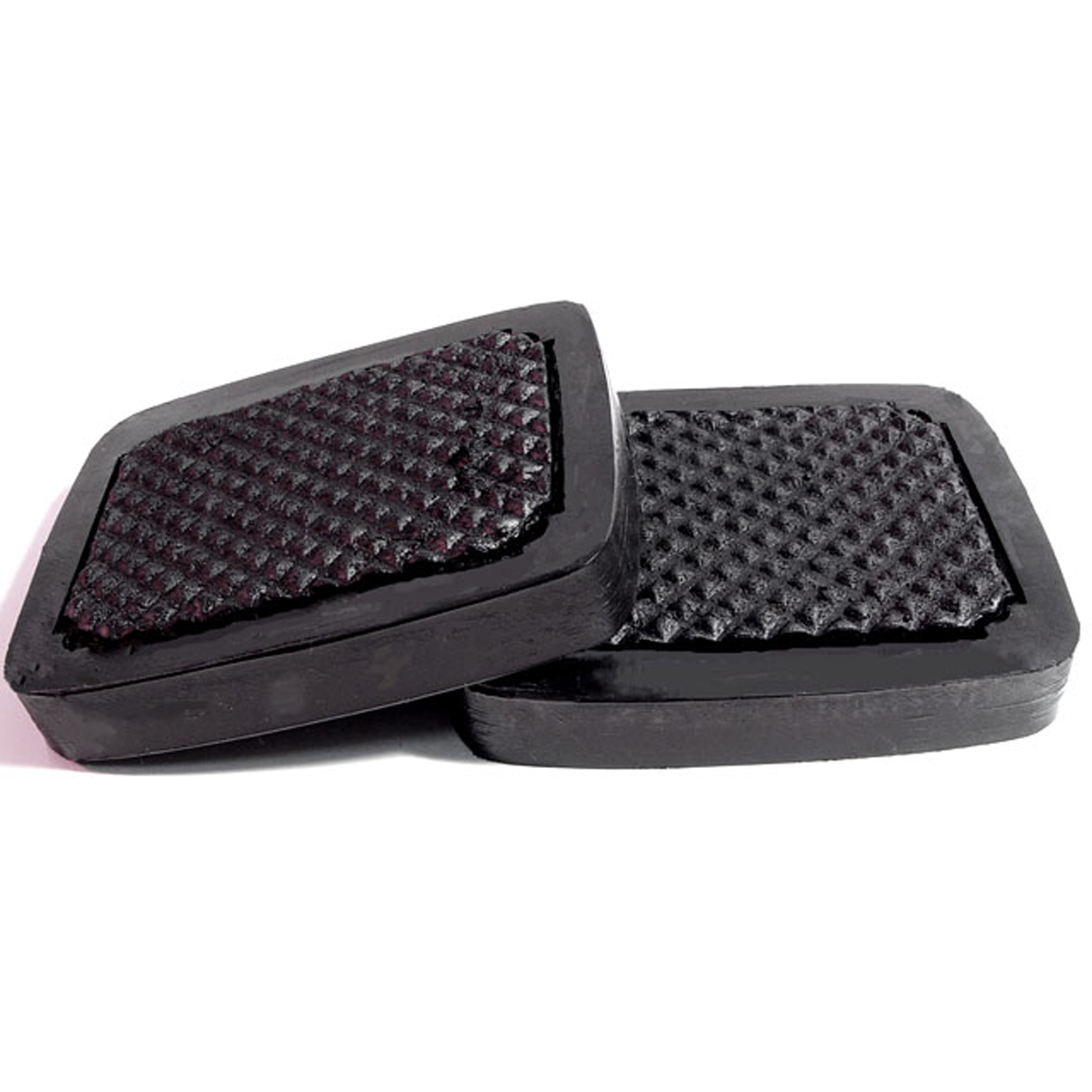 1915 Buick MODEL C-25 Clutch and Brake Pedal Pads. 2-3/4" wide X 3-3/8" long-CB 12Clutch and Brake Pedal Pads. 2-3/4" wide X 3-3/8" long. Pair
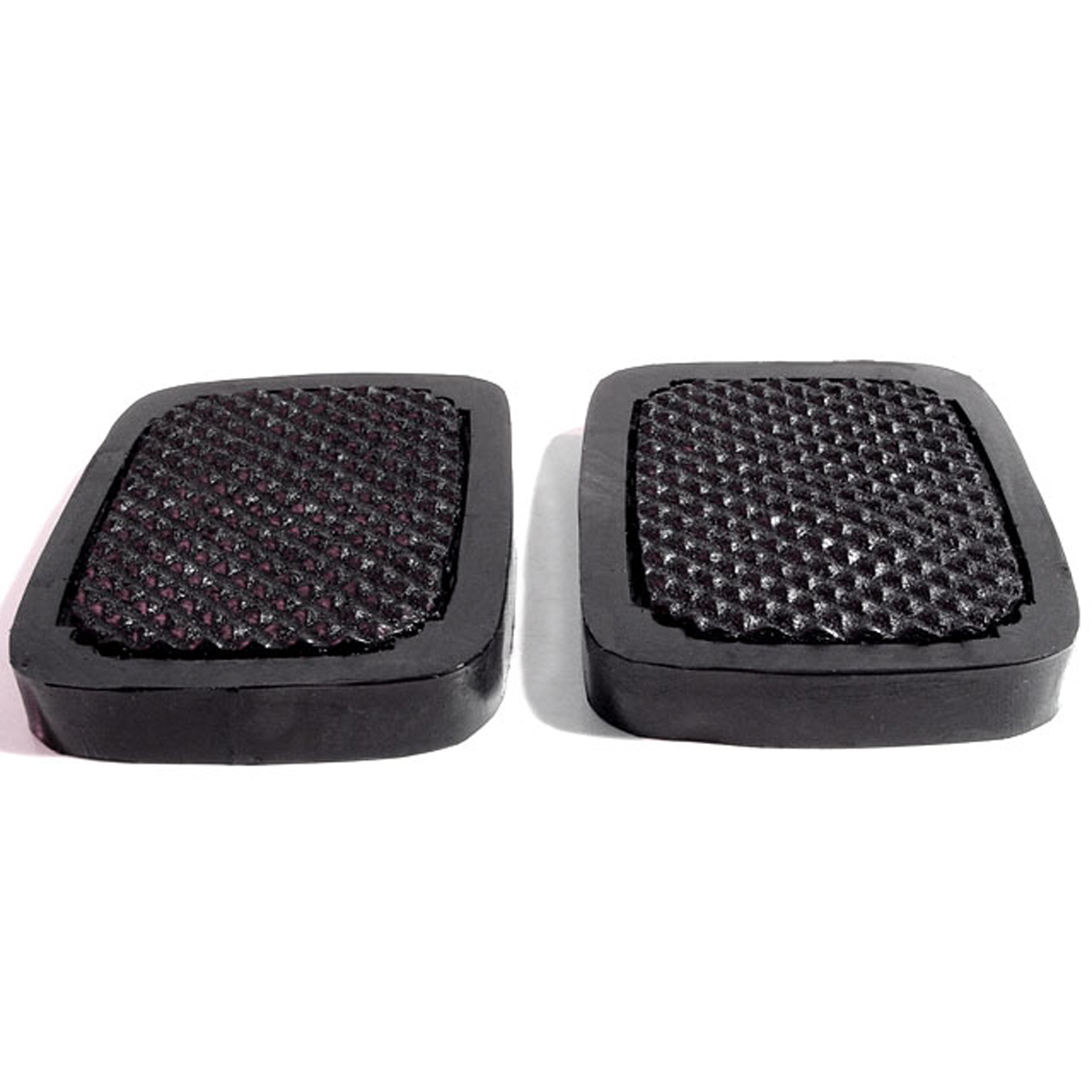 1915 Buick MODEL C-25 Clutch and Brake Pedal Pads. 2-3/4" wide X 3-3/4" long-CB 13Clutch and Brake Pedal Pads. 2-3/4" wide X 3-3/4" long. Pair
Why Choose Metro?
For over 100 years, Metro Moulded Parts has been the pinnacle of quality in classic car restoration parts. Our commitment to precision and authenticity in every component ensures a perfect fit and an OEM-level appearance.
- Expert Craftsmanship & Quality: Each part is a testament to our dedication to reliability and perfection, crafted from original designs and thoroughly tested.
- Advanced Technology: We use cutting-edge techniques to create flawless, long-lasting parts that surpass others in performance.
- SuperSoft Sponge – The Ultimate Door Seal: Not only are our door seals 30% softer than competitors', but they're also guaranteed to never leak. They effectively reduce wind and road noise, enhancing your classic car's comfort and driving experience.
- Proudly American: Our parts are a product of American craftsmanship, made in the USA with a spirit of excellence and heritage.
- Unrivaled Warranty: We back our products with a 30-year industry-leading warranty, a testament to our confidence in their quality.
Join us in preserving the legacy of classic cars with parts that are crafted for perfection, not just made.