

Image of 1916 Buick Model D-44, Note: These illustrations use artistic license and may differ from actual historical models.
Performance Metrics
Fundamental Metrics
Emotional Appeal
MMP Rating
| Engine Specifications | |
|---|---|
| Engine: | 4-cylinder, overhead valve |
| Displacement: | 224 cubic inches |
| Horsepower: | Estimated 40-50 HP |
| Torque: | Not available |
| Compression Ratio: | Not available |
| Ignition System: | Battery and coil |
| Cooling System: | Water-cooled |
| Performance Specifications | |
| 0-60 Time: | Not available |
| 1/4 Mile Time: | Not available |
| Top Speed: | 40-50 mph |
| Transmission and Drive | |
| Drive Type: | Rear-wheel drive |
| Transmission Type: | 3-speed manual |
| Fuel and Efficiency | |
| Fuel System Type: | Carburetor |
| MPG: | Not available |
| Dimensions and Brakes | |
| Brakes: | Mechanical drum brakes |
| Wheelbase: | 118 inches |
| Weight: | 2,800 lbs |
Note: Specifications for classic cars are given to the best of our ability, considering the limited and variant data available.
1916 Buick Model D-44: A Four-Cylinder Buick at the Dawn of the Auto Age
The 1916 Buick Model D-44 brought Buick’s reputation for sturdy engineering to drivers who wanted a capable early automobile without stepping up to a larger, more powerful model. Built by the Buick Motor Company in Flint, Michigan, the D-44 belongs to a pivotal period: automobiles were becoming more practical and more common, even as roads, driving habits, and the cars themselves were still changing rapidly.
Buick had an important place in that transformation. Founded by David Dunbar Buick and expanded under the leadership of William C. Durant, the company became a cornerstone of General Motors, which Durant organized in 1908. By 1916, Buick was known for overhead-valve engines and solid construction. The D-44 represents the compact, four-cylinder side of that story, alongside larger Buick models that appealed to buyers seeking extra power and space.
One detail that makes the car especially interesting is its model name. The “D-44” is not a modern-style trim level, and period references do not always use model designations consistently. Surviving cars, factory literature, and later catalogs are therefore useful for confirming a particular car’s original configuration.
Exterior Design and Period Details
The D-44 has the upright, purposeful look associated with prewar touring cars: a tall radiator, narrow hood, exposed lamps, separate fenders, and running boards that connect the front and rear of the body visually. Its wheels sit relatively close together compared with later cars, while the high ground clearance gives it a confident stance on unpaved roads. The overall effect is practical rather than sleek, with mechanical parts and bodywork kept accessible and visible.
Depending on body configuration, the car could have an open touring body or a more compact roadster-style layout. The touring car’s extra seating made it the more versatile choice for family outings and longer trips. Roadster bodies offered a sportier, lighter appearance, but body availability and exact equipment could vary. On any surviving example, details such as lamps, top hardware, upholstery, and spare-wheel placement may reflect the original order or later restoration choices.
Period paint information can be difficult to pin down for an individual D-44. Black was a common and practical choice in the era, while dark, restrained shades such as green or maroon were also typical of early automobiles. Buyers today should treat a specific color as original only when supported by factory records, surviving paint layers, or other reliable documentation.
Cabin, Materials, and Early Buick Engineering
The interior was built for open-air motoring, not modern comfort. Depending on body style, occupants sat on upholstered benches or individual seats, with a simple dashboard, large steering wheel, and exposed controls. Leather or durable upholstery materials were appropriate to the period, while painted metal and wood formed much of the surrounding structure. The finish could be handsome, but it was designed to withstand use rather than provide the insulation and quiet of a later closed car.
Buick’s overhead-valve engine design was a notable technical feature for its time. The arrangement helped Buick establish a reputation for lively performance and dependable engineering. The D-44 used a four-cylinder engine generally identified in period and reference material as a 22.5-horsepower, or ALAM-rated, unit. That historic rating is not directly comparable with modern horsepower figures: it was a tax-rating convention, not a measured modern output rating.
The car also used period-typical mechanical systems, including a manual transmission and driver-operated controls that demanded attention and coordination. Starting, shifting, steering, and braking all required more direct involvement than in a modern car. That hands-on character is part of the D-44’s appeal, but it also means a driver needs practice before taking one into traffic.
Historical Significance: Buick Before Mass Motoring Was Easy
The D-44 arrived as the automobile was moving from novelty toward everyday transportation. The Model T had made car ownership more familiar, but many early vehicles still required mechanical sympathy, careful maintenance, and a willingness to travel on roads that could be rough or muddy. Buick’s emphasis on sound engineering helped give buyers a more substantial alternative to the simplest low-cost cars.
What distinguished Buick was not one single invention on the D-44, but the company’s broader engineering identity. Buick had made overhead-valve engines a defining part of its reputation, and the D-44 carried that approach into a four-cylinder car. Its place in the lineup also reflects an important market reality: not every buyer needed a large six-cylinder automobile. A smaller Buick could offer the marque’s engineering character in a more modest package.
The D-44 did not create a direct design template that later cars copied wholesale. Its lasting significance is more representative: it shows how established manufacturers balanced durability, power, cost, and usability as motoring expanded. It also captures Buick at a moment when the company was growing into one of America’s major automobile makers.
Performance and Driving Experience
Published performance figures for individual 1916 D-44s are scarce, and condition, gearing, body style, tires, and road surface make a large difference. A well-sorted example might reach roughly 40 to 45 mph under favorable conditions, but sustained high-speed driving is not what the car was designed for. A modern 0-to-60-mph time is not meaningfully available: many examples are unlikely to reach 60 mph, and period acceleration testing was not standardized in the modern way.
Expect deliberate acceleration and frequent gear changes, not brisk modern traffic performance. The four-cylinder engine produces a steady mechanical beat, accompanied by the sounds of gears, tires, and wind that are mostly filtered out of later automobiles. The driver is closely involved, managing the throttle and transmission while allowing plenty of room for braking.
On a smooth road, the D-44 can feel composed at moderate speeds. On broken surfaces, its tall tires and period suspension provide some compliance, but bumps are felt directly through the chassis and seats. The steering is comparatively heavy and less precise than modern rack-and-pinion systems, and a tall, narrow-bodied car can feel more affected by crosswinds than a contemporary vehicle. Slow down for corners, keep extra distance, and treat hills and wet roads with caution.
Owning and Maintaining a 1916 Buick
A D-44 today is usually a collector car, parade vehicle, museum piece, or occasional touring machine rather than a daily driver. Regular use is possible for a carefully maintained example, but it requires realistic expectations about speed, weather protection, safety equipment, and the availability of suitable roads.
Maintenance is approachable for an owner with mechanical experience, but it is not equivalent to servicing a modern car. Ignition, carburetion, lubrication, cooling, tires, and mechanical brakes all need regular attention. Wear items may be manageable, while specialized engine, transmission, body, or trim parts can take time to locate. A car that has been restored with correct parts and sound workmanship is typically easier to enjoy than one that is merely clean on the surface.
Before buying, inspect the chassis and body for corrosion or poor repairs, check the engine for compression and oil-pressure issues, and confirm that the transmission and brakes work correctly. Originality matters to collectors, but mechanical safety matters more when the car will be driven. A qualified early-car specialist can help distinguish normal age-related wear from expensive structural or mechanical problems.
Notable Details and Common Criticisms
The D-44’s greatest “special feature” is its place in Buick’s early engineering story: it offered buyers a four-cylinder Buick at a time when reliable motoring still depended heavily on the quality of a car’s mechanical design. It is not associated with a widely documented speed record or a single famous historical event, and claims about celebrity ownership should be treated cautiously unless supported by records.
There is no dependable, widely accepted production total for the D-44 alone. Buick’s overall production figures do not establish how many cars were built in each specific model and body style. As a broad estimate rather than a documented factory figure, production was likely in the thousands, but a more precise number would require model-specific records that are not readily available.
Common criticisms are the same ones that apply to many cars of the period: modest speed, basic weather protection, heavy controls, limited braking performance by modern standards, and a need for frequent maintenance. Those limitations are not defects by the standards of 1916, but they matter when planning to drive one today. The D-44 rewards patience and mechanical involvement rather than convenience.
Collector Value and Availability
Values vary sharply with condition, originality, body style, restoration quality, and provenance. As a broad current-market estimate in U.S. dollars, a project car might bring about $10,000 to $20,000, while a usable, presentable example could fall around $20,000 to $40,000. A high-quality restoration or unusually original car may reach roughly $40,000 to $60,000 or more, particularly if it has documented history and desirable equipment. These are general guide ranges, not a formal appraisal, and actual auction results can differ.
The D-44 is uncommon compared with mass-produced later classics, but it is not possible to state a verified survival count. Cars do appear through specialist dealers, classic-car auctions, and early-automobile clubs, though buyers may need to wait for the right example. Over the long term, well-preserved early Buicks have collector appeal, but values depend heavily on condition and the relatively specialized market for prewar cars. That makes price movement uneven rather than a guaranteed climb.
Why the 1916 Buick D-44 Still Matters
The 1916 Buick Model D-44 is a useful reminder that early motoring was both an engineering challenge and an adventure. Its upright styling, hands-on controls, overhead-valve Buick identity, and deliberate pace place it firmly in the world before cars became quiet, fast, and effortless.
For collectors, it offers more than an old car to display. It is a tangible piece of Buick’s rise and of the years when American drivers were learning what a practical automobile could be. The D-44 may ask its owner to slow down, listen closely, and do a little more work behind the wheel, but that is precisely what makes a well-preserved example so memorable.
1916 Buick Model D-44 Catalog of Parts
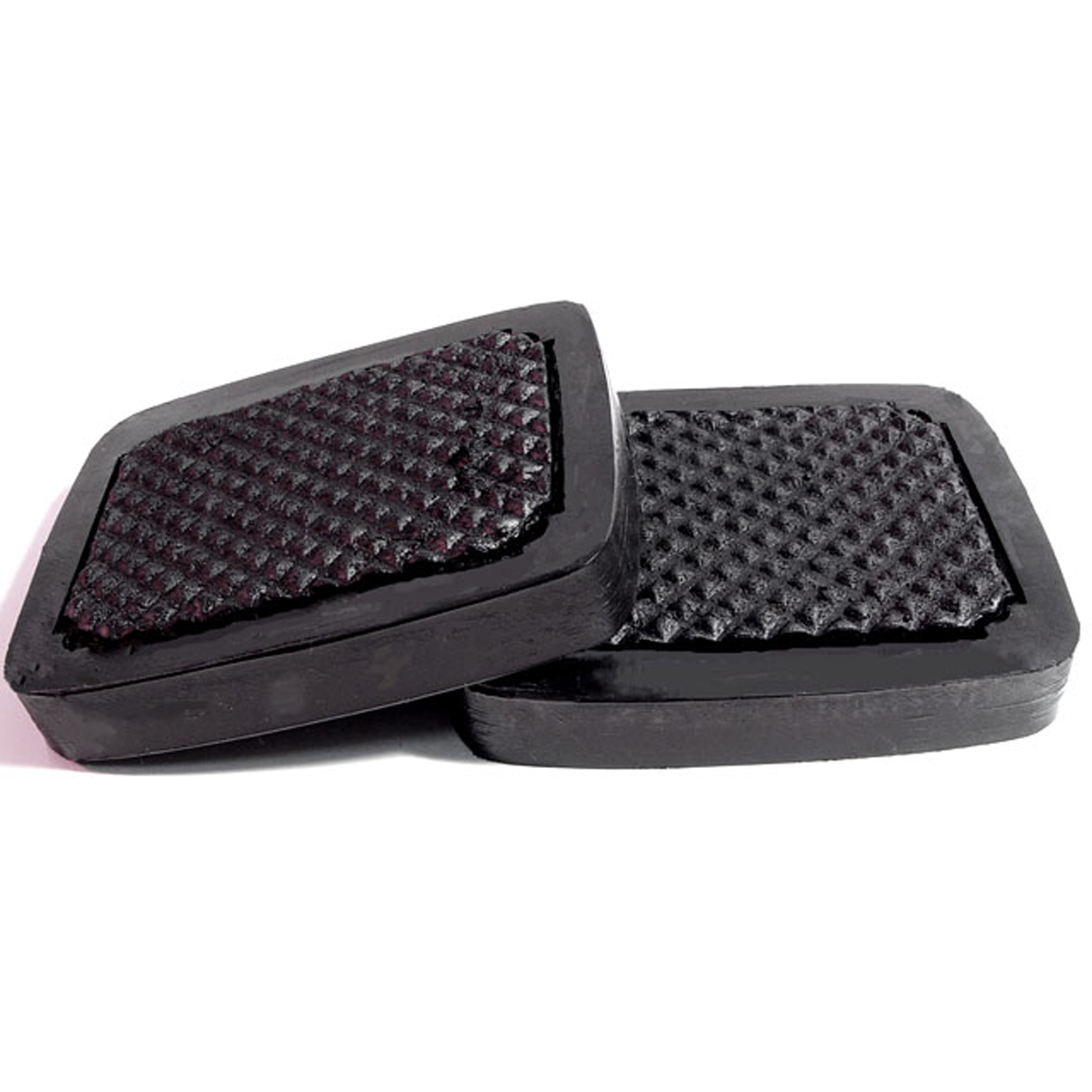 1916 Buick MODEL D-44 Clutch and Brake Pedal Pads. 2-3/4" wide X 3-3/8" long-CB 12Clutch and Brake Pedal Pads. 2-3/4" wide X 3-3/8" long. Pair
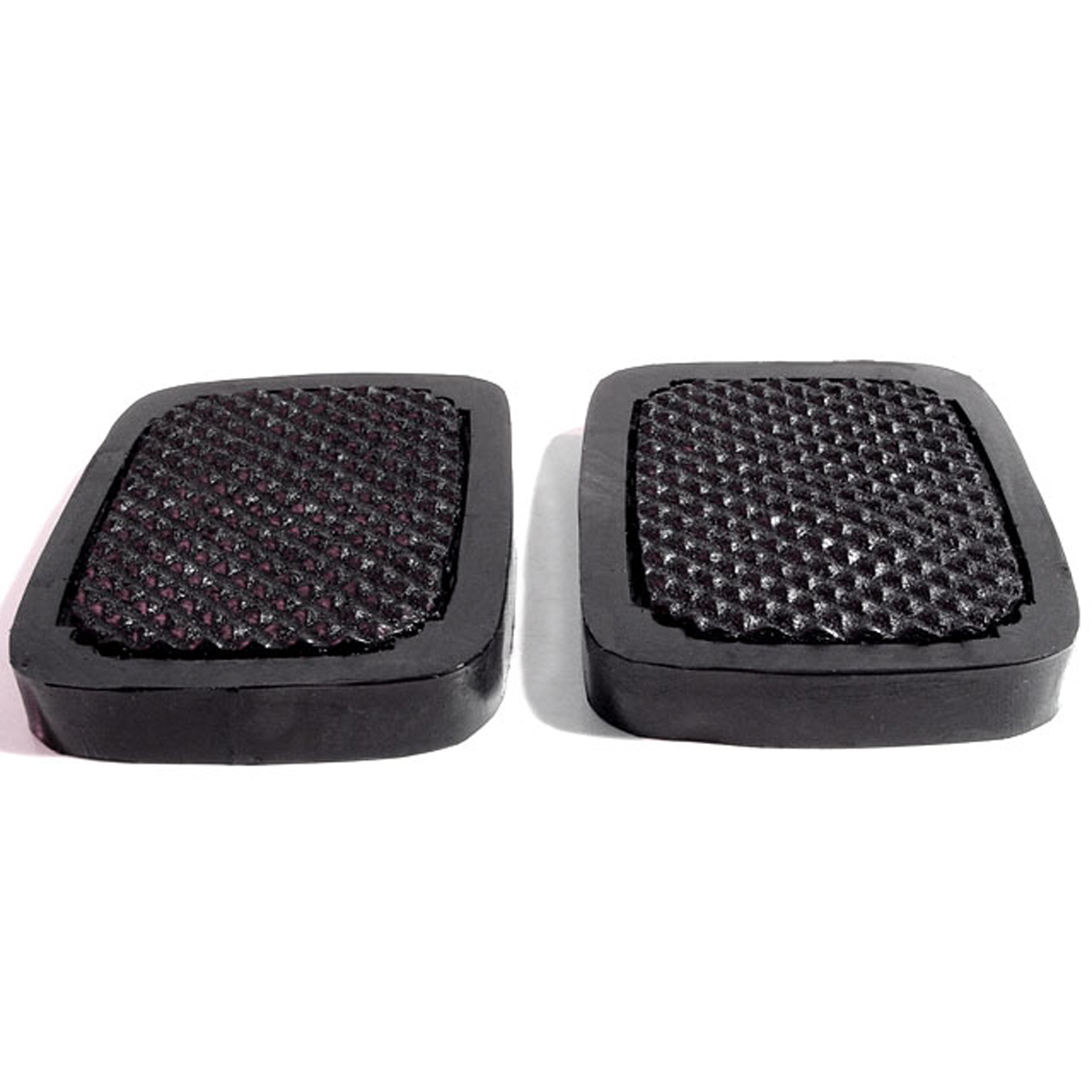 1916 Buick MODEL D-44 Clutch and Brake Pedal Pads. 2-3/4" wide X 3-3/4" long-CB 13Clutch and Brake Pedal Pads. 2-3/4" wide X 3-3/4" long. Pair
Why Choose Metro?
For over 100 years, Metro Moulded Parts has been the pinnacle of quality in classic car restoration parts. Our commitment to precision and authenticity in every component ensures a perfect fit and an OEM-level appearance.
- Expert Craftsmanship & Quality: Each part is a testament to our dedication to reliability and perfection, crafted from original designs and thoroughly tested.
- Advanced Technology: We use cutting-edge techniques to create flawless, long-lasting parts that surpass others in performance.
- SuperSoft Sponge – The Ultimate Door Seal: Not only are our door seals 30% softer than competitors', but they're also guaranteed to never leak. They effectively reduce wind and road noise, enhancing your classic car's comfort and driving experience.
- Proudly American: Our parts are a product of American craftsmanship, made in the USA with a spirit of excellence and heritage.
- Unrivaled Warranty: We back our products with a 30-year industry-leading warranty, a testament to our confidence in their quality.
Join us in preserving the legacy of classic cars with parts that are crafted for perfection, not just made.