

Image of 1916 Buick Model D-47, Note: These illustrations use artistic license and may differ from actual historical models.
Performance Metrics
Fundamental Metrics
Emotional Appeal
MMP Rating
| Engine Specifications | |
|---|---|
| Engine: | 4-cylinder, in-line |
| Displacement: | 170 cubic inches |
| Horsepower: | Estimated 22-24 HP |
| Torque: | Not available |
| Compression Ratio: | Not available |
| Ignition System: | Magneto |
| Cooling System: | Water-cooled |
| Performance Specifications | |
| 0-60 Time: | Not available |
| 1/4 Mile Time: | Not available |
| Top Speed: | 40-45 mph |
| Transmission and Drive | |
| Drive Type: | Rear-wheel drive |
| Transmission Type: | 3-speed manual |
| Fuel and Efficiency | |
| Fuel System Type: | Carburetor |
| MPG: | Not available |
| Dimensions and Brakes | |
| Brakes: | Mechanical drum brakes |
| Wheelbase: | 112 inches |
| Weight: | 1,650 lbs |
Note: Specifications for classic cars are given to the best of our ability, considering the limited and variant data available.
1916 Buick Model D-47: A Prewar Touring Buick
The 1916 Buick Model D-47 turns a journey into an event, with a long hood, an open touring body and the unmistakable mechanical character of an early automobile. Built by the Buick Motor Company, then a leading part of General Motors, the D-47 belongs to an important period when Buick was making practical, relatively powerful cars for a fast-growing market.
Buick’s reputation rested in part on its overhead-valve, or “valve-in-head,” engines. In 1916, that engineering helped distinguish the marque from many competitors using less advanced side-valve layouts. The D-47 was a substantial six-cylinder touring car, intended for comfortable travel with family or passengers rather than for racing.
One intriguing detail is how different driving was from what a modern car makes familiar. The D-47’s driver had to manage a manual gearbox, clutch, hand controls and the realities of narrow tires and modest braking. A long trip was as much a demonstration of motoring skill as a matter of covering miles.
Touring-Car Styling and Craftsmanship
The D-47 has the upright proportions of a prewar automobile: a tall radiator at the front, separate fenders arcing over the wheels, a narrow hood and prominent headlamps. Its open touring body gives the car a formal, almost carriage-like profile. A folding fabric top offered shelter, while optional side curtains could help keep out wind and rain. With the top lowered, the car looks especially purposeful, its long passenger compartment stretching behind the engine.
Period bodies commonly combined a wood framework with metal exterior panels. Inside, the emphasis was on durable, well-finished materials rather than modern convenience. The seats were typically upholstered in leather, with a simple dashboard and exposed, straightforward controls. The touring layout prioritized passenger space and conversation, although occupants had far less protection from weather, road dust and noise than they would in a later closed sedan.
Surviving cars and period specifications may differ in trim and equipment, but dark colors such as blue and black are often associated with early Buicks. Paint and upholstery choices could vary by body and order, so a car’s present-day color should not automatically be treated as proof of its original finish.
The D-47 is commonly identified as a touring model, often described as a seven-passenger car. Buick offered a broader range of open and closed bodies across its 1916 lineup, including roadsters and other touring configurations. The D-47’s roomy touring body is its signature form: it gives the car its distinctive long, sociable profile and suits its role as a family and long-distance automobile.
Buick Engineering in 1916
At the heart of the D-47 was Buick’s six-cylinder, overhead-valve engine. Published specifications commonly list a displacement of about 268 cubic inches and an output around 45 horsepower. Power went to the rear wheels through a three-speed manual transmission. Electric starting and lighting were significant conveniences for the era, replacing some of the effort and uncertainty associated with hand starting and less capable lighting systems.
Those features mattered because automobiles were still developing from specialist machines into useful transportation. Buick’s combination of a six-cylinder engine, established engineering and a broad dealer network helped make the brand a major force in the American market. The D-47 was not a clean-sheet revolution, but it demonstrated how refinement and usable power could be packaged in a production touring car.
Its lasting importance is part of Buick’s larger story. The company’s emphasis on overhead-valve engines became a defining element of its identity, and its early success helped strengthen General Motors during a formative period. The D-47 shows that heritage in a tangible way: its mechanical layout reflects a manufacturer investing in performance and engineering rather than relying on appearance alone.
Performance and Road Manners
With roughly 45 horsepower moving a substantial open car, the D-47 delivered respectable performance by 1916 standards. A top speed in the neighborhood of 50 to 55 mph is a reasonable period estimate, though actual speed depends on condition, gearing, tires and body configuration. A modern 0-to-60-mph figure is not a useful factory benchmark for this car. Acceleration was gradual, and many examples would struggle to reach 60 mph, especially with a full passenger load.
The ride is shaped by a traditional chassis, solid axles and leaf-spring suspension. On a smooth road, the D-47 can feel surprisingly composed at moderate speeds. Over broken surfaces, however, the tall body and period suspension make bumps and ruts impossible to ignore. Narrow tires and a high center of gravity also call for care on winding roads and in crosswinds. This is a car to guide smoothly, not hustle through corners.
From the driver’s seat, the experience is mechanical and involving. The six-cylinder engine produces a steady, low-speed working sound rather than the sharp note of a modern high-revving motor. Shifting requires attention, and the controls demand deliberate inputs. Braking is modest by current standards, so leaving plenty of stopping distance is essential. The pleasure comes from feeling the engine, gearbox and road work together, not from effortless speed.
Living With a D-47 Today
In its own time, the D-47 could serve as family transport, a touring car or a way to make longer journeys more comfortable. Today, it is best suited to historic motoring events, parades, carefully planned tours and show displays. Regular high-speed or all-weather use would be demanding, both for the car and its occupants.
Maintenance is manageable for an owner with mechanical experience, but it is not quite a weekend project for someone expecting modern parts availability. The engine, clutch and transmission are understandable in principle, and many repairs can be approached with conventional workshop skills. The bigger challenges are sourcing correct components, finding specialists familiar with early Buick systems, and preserving original woodwork, trim and body details.
Reliability depends heavily on restoration quality. A well-sorted D-47 can take part in local touring, but ignition, fuel delivery, cooling, tires and brakes all need regular attention. Before driving one, an owner should verify that the braking system and steering are sound and that the tires are appropriate for the car. Good maintenance is not optional when the vehicle lacks modern safety systems.
Noteworthy Details and Common Criticisms
The D-47 is a good example of Buick’s prewar engineering at a time when the automobile was changing quickly. Its overhead-valve six-cylinder engine, electric starting and practical touring layout were meaningful features for buyers in 1916. It is not especially known for a speed record or a single celebrated historical event, and there is no widely documented celebrity ownership story that defines the model.
Its most common criticisms are also part of the early-car experience: limited weather protection, slow acceleration, demanding controls and braking that feels weak beside a modern car. The open cabin can be noisy and dusty, while the large touring body takes up considerable road space. Those drawbacks are worth acknowledging, but they do not diminish the car’s appeal to enthusiasts who value period character over convenience.
Collector Value and Availability
Exact production figures for the D-47 are difficult to establish from commonly available model-by-model records. Buick built substantial numbers of cars during this period, but an exact D-47 total should not be treated as settled. As a broad, clearly speculative estimate, production may have been in the low thousands. The number of surviving, roadworthy examples is much smaller, and complete cars with documented history are especially desirable.
As a 2026 U.S. market estimate, a project car or incomplete example might bring roughly $10,000 to $20,000, depending on completeness and condition. A sound, usable car could fall around $25,000 to $45,000, while a high-quality restoration with strong originality or provenance might reach approximately $50,000 to $75,000 or more. These are broad estimates, not a formal appraisal; body style, restoration quality, originality and local demand can move the price substantially.
Well-preserved early Buicks have a durable niche among brass-era and prewar collectors. Values are best described as condition-sensitive rather than uniformly rising. Exceptional, correctly restored examples can attract stronger interest, while cars needing major work may be difficult to sell at restoration cost. Over time, a rare and well-documented car may appreciate, but upkeep and specialist restoration can exceed any increase in market value.
Why the 1916 Buick D-47 Still Matters
The 1916 Buick Model D-47 combines substantial touring-car proportions with the engineering that helped establish Buick as a leading American manufacturer. Its six-cylinder overhead-valve engine, period conveniences and roomy open body made it a capable choice in its day. Today, its value lies in both its mechanical character and its place in Buick’s prewar history.
Drive a D-47 and you do not simply see an early automobile; you experience how people traveled before motoring became quiet, sealed and effortless. That is the car’s lasting appeal: a distinctive Buick that turns a short trip into a vivid reminder of how the automobile first changed the road.
1916 Buick Model D-47 Catalog of Parts
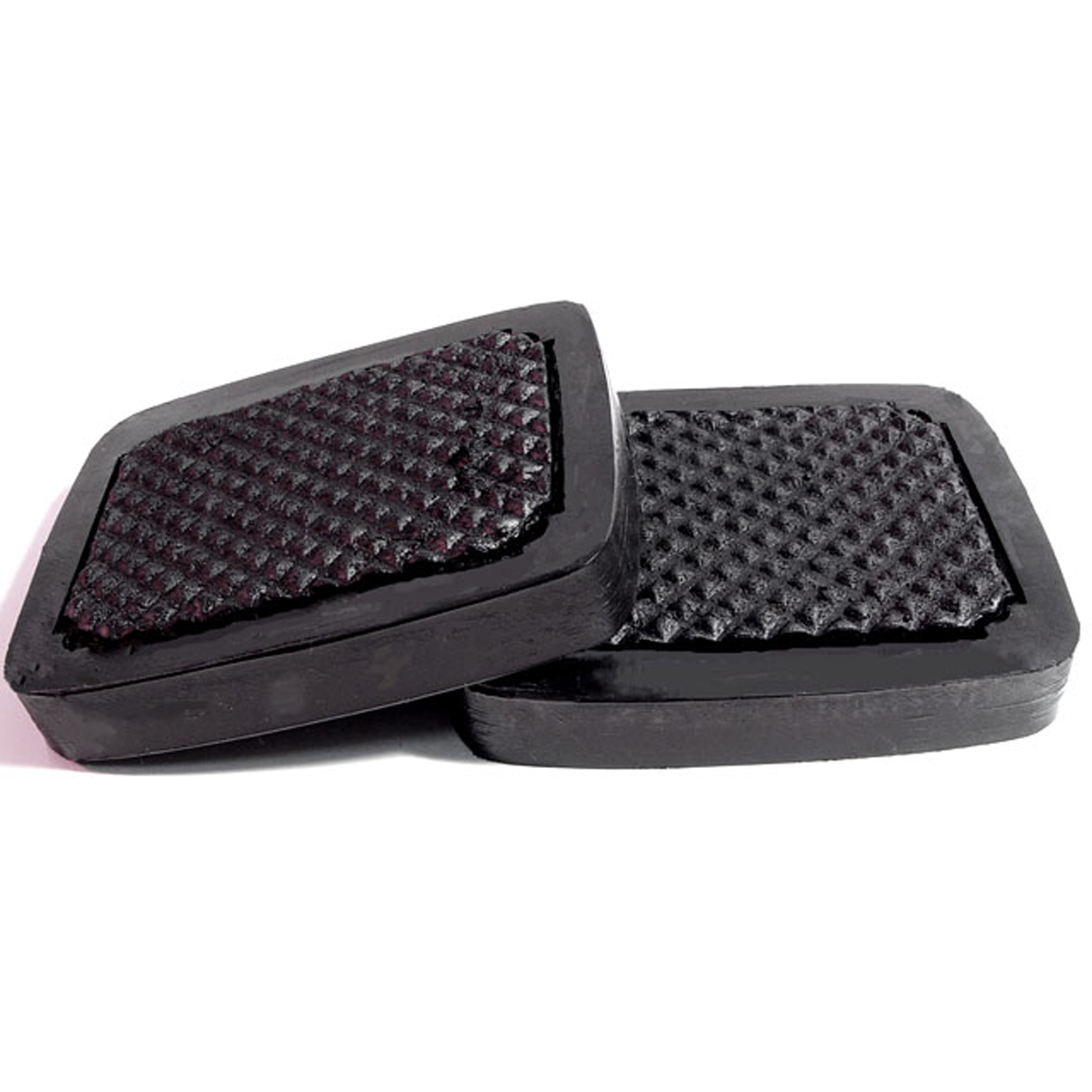 1916 Buick MODEL D-47 Clutch and Brake Pedal Pads. 2-3/4" wide X 3-3/8" long-CB 12Clutch and Brake Pedal Pads. 2-3/4" wide X 3-3/8" long. Pair
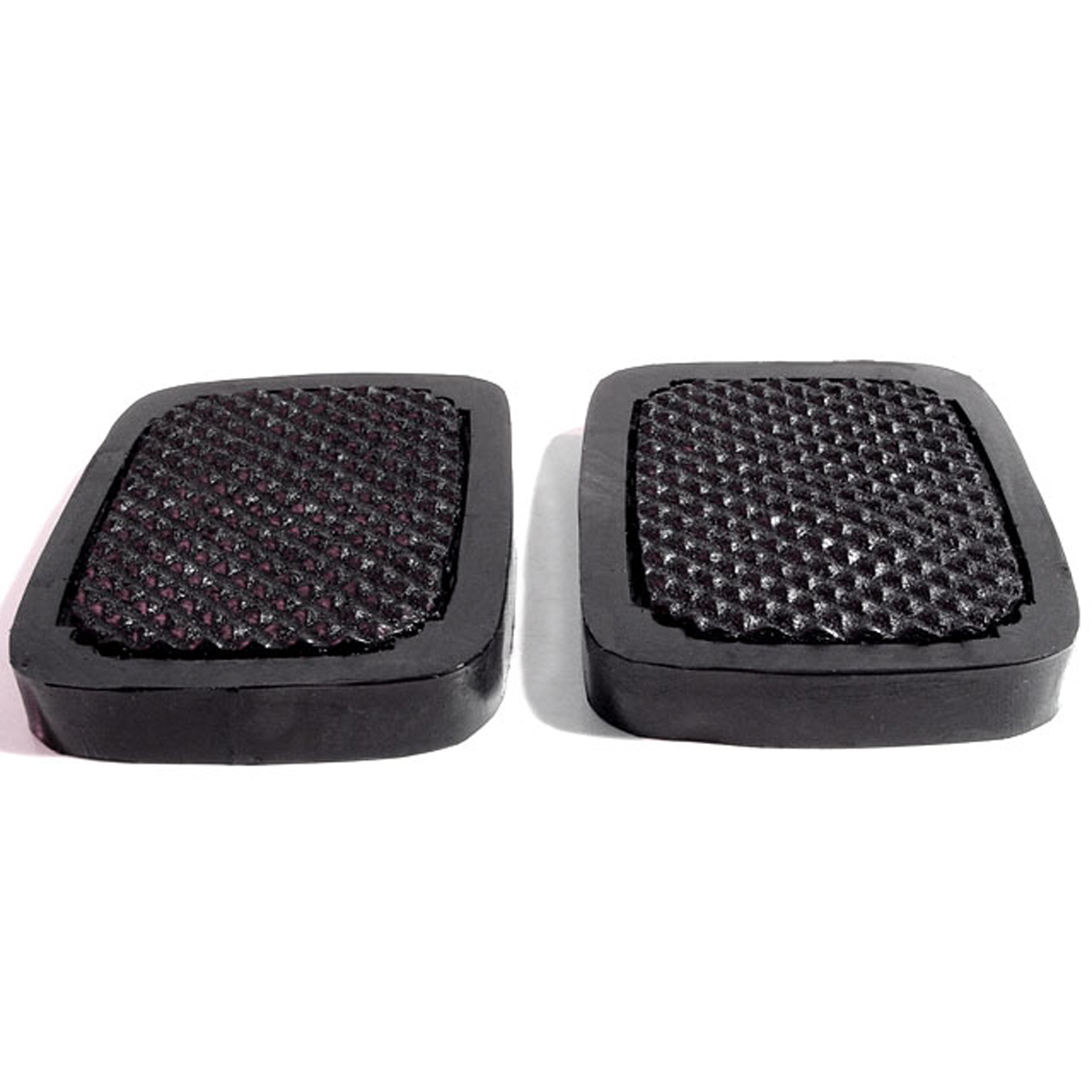 1916 Buick MODEL D-47 Clutch and Brake Pedal Pads. 2-3/4" wide X 3-3/4" long-CB 13Clutch and Brake Pedal Pads. 2-3/4" wide X 3-3/4" long. Pair
Why Choose Metro?
For over 100 years, Metro Moulded Parts has been the pinnacle of quality in classic car restoration parts. Our commitment to precision and authenticity in every component ensures a perfect fit and an OEM-level appearance.
- Expert Craftsmanship & Quality: Each part is a testament to our dedication to reliability and perfection, crafted from original designs and thoroughly tested.
- Advanced Technology: We use cutting-edge techniques to create flawless, long-lasting parts that surpass others in performance.
- SuperSoft Sponge – The Ultimate Door Seal: Not only are our door seals 30% softer than competitors', but they're also guaranteed to never leak. They effectively reduce wind and road noise, enhancing your classic car's comfort and driving experience.
- Proudly American: Our parts are a product of American craftsmanship, made in the USA with a spirit of excellence and heritage.
- Unrivaled Warranty: We back our products with a 30-year industry-leading warranty, a testament to our confidence in their quality.
Join us in preserving the legacy of classic cars with parts that are crafted for perfection, not just made.