

Image of 1916 Buick Model D-54, Note: These illustrations use artistic license and may differ from actual historical models.
Performance Metrics
Fundamental Metrics
Emotional Appeal
MMP Rating
| Engine Specifications | |
|---|---|
| Engine: | 6-cylinder, overhead valve |
| Displacement: | 331 cubic inches |
| Horsepower: | Estimated 40-50 HP |
| Torque: | Not available |
| Compression Ratio: | Not available |
| Ignition System: | Magneto |
| Cooling System: | Water-cooled |
| Performance Specifications | |
| 0-60 Time: | Not available |
| 1/4 Mile Time: | Not available |
| Top Speed: | 50 mph |
| Transmission and Drive | |
| Drive Type: | Rear-wheel drive |
| Transmission Type: | 3-speed manual |
| Fuel and Efficiency | |
| Fuel System Type: | Carburetor |
| MPG: | Not available |
| Dimensions and Brakes | |
| Brakes: | Mechanical drum brakes |
| Wheelbase: | 128 inches |
| Weight: | Estimated 2,800 lbs |
Note: Specifications for classic cars are given to the best of our ability, considering the limited and variant data available.
1916 Buick Model D-54: A Prewar Buick with Six-Cylinder Muscle
The 1916 Buick Model D-54 brought the smooth pull of a six-cylinder engine to an era when many cars still relied on four-cylinder power. Built by the Buick Motor Company in Flint, Michigan, it reflected the company’s growing reputation for sturdy engineering, practical touring cars, and Buick’s signature overhead-valve engines.
Buick’s roots reach back to the company founded by David Dunbar Buick in 1903. Under the leadership of William C. Durant, Buick became a cornerstone of General Motors, which Durant organized in 1908. By 1916, Buick was an established national marque, and its cars offered a step up from basic transportation without entering the most expensive luxury-car territory.
The D-54 belongs to the final years of prewar American motoring. The United States would enter World War I in 1917, changing industrial priorities and the way Americans thought about manufacturing and mobility. One notable detail about the D-54 is its place in Buick’s transition toward six-cylinder power: it offered more relaxed, even-running performance than many contemporary four-cylinder cars, while retaining the open, hands-on character of an early automobile.
Touring-Car Style and Period Craftsmanship
The D-54 wore the upright, purposeful proportions typical of a 1910s touring car. Its long hood led to a tall, narrow radiator, separate headlamps, exposed running boards, and large wire-spoke wheels. The fenders curved over the wheels rather than blending into the body, while the open cabin left passengers exposed to fresh air, dust, and the weather. A folding fabric top and side curtains offered some protection, though neither could match the comfort of a modern enclosed car.
The touring body was the most recognizable configuration associated with cars of this class. It gave occupants room to climb aboard easily and made the car well suited to family outings and longer trips. Buick’s wider 1916 range included other open and closed body types, but exact body availability could vary by series and market. Buyers should check the chassis and body identification on a surviving example rather than assume every D-54 was built in the same configuration.
Inside, the emphasis was on function and durable materials. The cabin typically featured a simple instrument panel, large steering wheel, exposed controls, and upholstered seating. Leather was a common choice for open touring-car interiors, although trim and upholstery could differ with body style, equipment, and owner specification. Compared with a modern car, the interior was spare; compared with a basic carriage-like runabout, it felt substantial and carefully finished.
Period cars were commonly ordered in dark, practical paint colors. Black, dark blue, and deep green are plausible choices for a D-54, but original paint schemes could vary, and surviving cars have often been repainted. A restoration aiming for authenticity should rely on factory records or undisturbed evidence on the particular car instead of treating one color as universal.
Valve-in-Head Engineering in 1916
Buick’s defining engineering feature was its overhead-valve, or “Valve-in-Head,” engine. In an overhead-valve layout, the valves sit above the combustion chamber rather than in the side of the cylinder block. Buick had built its identity around this design, which helped the company distinguish its cars from many competitors and gave the marque a reputation for lively, dependable performance.
The D-54 is generally identified with a six-cylinder engine of roughly 4.2 liters and a period rating of about 45 horsepower. It used a conventional front-engine, rear-wheel-drive layout and a manual transmission. Exact specifications can vary among reference sources and individual cars, so numbers should be confirmed against a reliable period catalogue or the vehicle’s own documentation. The key point is that the D-54’s six-cylinder powerplant was a substantial selling feature for a touring car of its time.
Its controls were entirely mechanical. The driver shifted through a manual gearbox, managed the throttle and ignition, and relied on the braking system of the period, which was far less powerful than modern four-wheel hydraulic brakes. There were no electronic aids, power steering, or modern safety systems. Driving one demanded attention and anticipation rather than quick corrections.
Road Manners: A Different Kind of Performance
There is no meaningful factory 0-to-60-mph figure for the D-54. Automakers of the period did not routinely publish acceleration tests in the modern format, and a century of changes to engines, tires, gearing, and restoration quality makes a single number misleading. A healthy example could likely cruise at moderate road speeds, with a top speed often estimated in the neighborhood of 50 to 60 mph. Reaching 60 mph would depend heavily on the car’s condition, gearing, load, and road surface, and is not a sensible routine target for most surviving examples.
The six-cylinder engine would have delivered a smoother, more flexible feel than many four-cylinder rivals. Acceleration was gradual by modern standards, and the driver had to work the gearbox to keep the engine in its useful range. The exhaust note was mechanical and unfiltered: a steady series of firings, valve sounds, and drivetrain noise rather than the muted hum of a contemporary sedan.
On rough roads, the tall tires and generous suspension travel helped absorb bumps, but the open body and relatively high center of gravity made the car feel less settled than a modern vehicle. On winding roads, the D-54 rewarded gentle steering and measured speed. Its large steering wheel provided leverage, but steering effort could be considerable at low speed. A skilled driver would plan ahead, brake early, and avoid abrupt inputs.
Why the D-54 Mattered to Buick
The D-54’s significance lies less in one dramatic invention than in how it represented Buick’s engineering direction. Its overhead-valve design reinforced the company’s reputation for purposeful engine development, while the six-cylinder configuration offered smoother power for buyers who wanted more than basic transportation. Buick was helping make multi-cylinder touring cars feel practical and attainable to a wider group of motorists.
That combination helped set Buick apart from many contemporaries. The brand was neither a bare-bones economy choice nor an ultra-luxury specialist. It occupied a useful middle ground: substantial construction, recognizable engineering, and enough performance for touring. Buick’s broader success helped establish the company as one of the major American manufacturers and laid the groundwork for its long-running reputation as a premium GM division.
The D-54 did not create the six-cylinder automobile or invent the overhead-valve engine. Its importance is as a representative of Buick’s steady development of those ideas at a time when American roads, fuel stations, and service networks were still expanding. The car captures an important stage in the shift from early motoring novelty to dependable personal transport.
Living with a 1916 Buick
Today, a D-54 is best suited to touring events, historic-car displays, and carefully planned drives on suitable roads. It is not a sensible daily driver in modern traffic. Its open cabin, modest braking, period lighting, and lack of crash protection make busy highways and poor weather especially challenging.
Maintenance is straightforward in principle but requires old-car knowledge and regular attention. Owners should keep the ignition, fuel system, lubrication, cooling system, wheel bearings, and brakes in good order. Tires and tubes can be costly or difficult to source, and some replacement parts may need to be found through specialist suppliers, antique-car clubs, or custom fabrication. The mechanical layout is generally more approachable than that of a modern car, but age, worn components, and previous repairs can make an individual car a substantial project.
Reliability depends less on the Buick name alone than on the quality of its restoration and upkeep. A properly sorted car can participate in local tours, but owners should carry basic tools, allow extra time, and understand that roadside repairs are part of the early-car experience. For the average owner, routine work is manageable with patience and suitable manuals; rebuilding an engine or restoring a neglected chassis is a specialist undertaking.
Period Trivia and Common Misconceptions
The D-54 belongs to a period when an automobile was still a mechanical partnership between car and driver. Starting, shifting, braking, and even adjusting the engine could involve actions that modern motorists never perform. That direct involvement is a major part of the model’s appeal to collectors.
There is no widely documented D-54-specific speed, sales, or endurance record that defines the model. Buick had a broader history of early competition and engineering promotion, but those achievements should not be attributed to a particular D-54 without supporting evidence. Likewise, claims of a famous owner or a special celebrity edition should be treated cautiously unless the car’s provenance can be documented.
A common criticism is that early touring cars are uncomfortable and tiring on long trips. That is fair by modern standards: the cabin is exposed, the controls demand effort, and the car needs frequent inspection. Another limitation is braking performance, which requires much more stopping distance and foresight than a modern driver expects. Those drawbacks are also part of what makes the car an honest, vivid example of its era.
Collector Value and Availability
Surviving 1916 Buick D-54s are uncommon, and examples in running, well-documented condition are much harder to find than later classic Buicks. Buick’s total 1916 production was substantial, but a dependable model-specific production figure for the D-54 is difficult to establish. As a rough estimate rather than a factory count, several thousand may have been built; the number surviving today is far smaller.
Condition, originality, body style, completeness, and provenance strongly affect value. As a broad current-market estimate, a project car might bring roughly $10,000 to $25,000, while a sound driver or older restoration could fall around $25,000 to $50,000. A high-quality, correctly restored example may reach approximately $50,000 to $80,000 or more, depending on the car and the sale. These are general estimates, not a formal appraisal, and asking prices can differ considerably from completed sale prices.
Values for early touring cars tend to move gradually rather than follow the sharp swings sometimes seen with newer collectible models. The best examples remain desirable because of their age, Buick engineering, and open-car character, but the buyer pool is specialized. Over time, well-preserved and properly documented cars are more likely to hold their appeal than heavily altered or poorly restored examples.
A Buick That Makes History Feel Close
The 1916 Buick Model D-54 combines Buick’s early overhead-valve engineering with the smoothness of six-cylinder power and the open-air style of the prewar touring car. Its performance is measured by the standards of its time, not by modern acceleration figures, and its ownership asks for patience, mechanical sympathy, and a willingness to travel at a different pace.
For collectors, the D-54 is more than an old automobile. It is a rolling record of Buick’s rise and of the moment when touring by car was becoming a practical part of American life. Hear its engine settle into a steady rhythm, and a century of motoring history suddenly feels very close.
1916 Buick Model D-54 Catalog of Parts
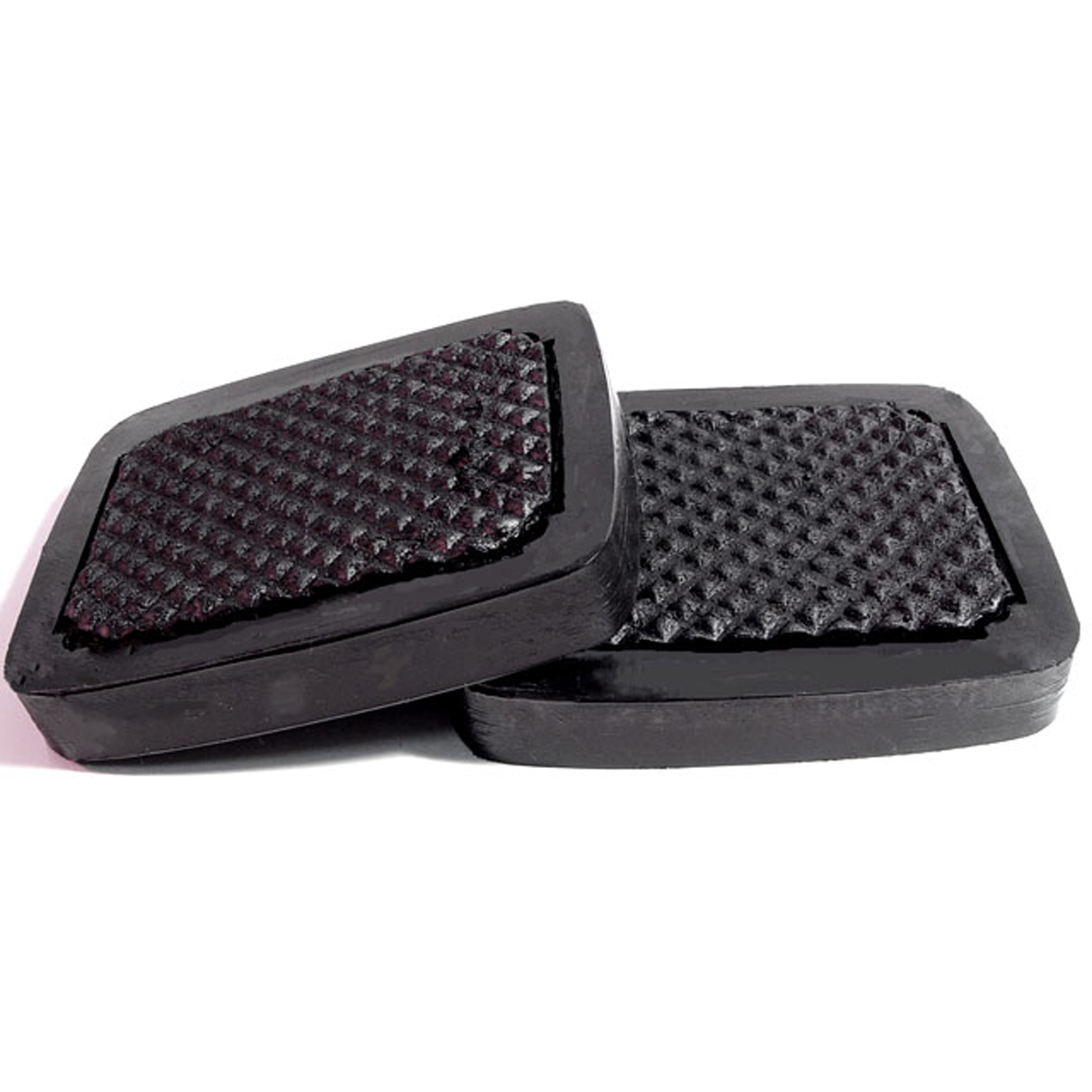 1916 Buick MODEL D-54 Clutch and Brake Pedal Pads. 2-3/4" wide X 3-3/8" long-CB 12Clutch and Brake Pedal Pads. 2-3/4" wide X 3-3/8" long. Pair
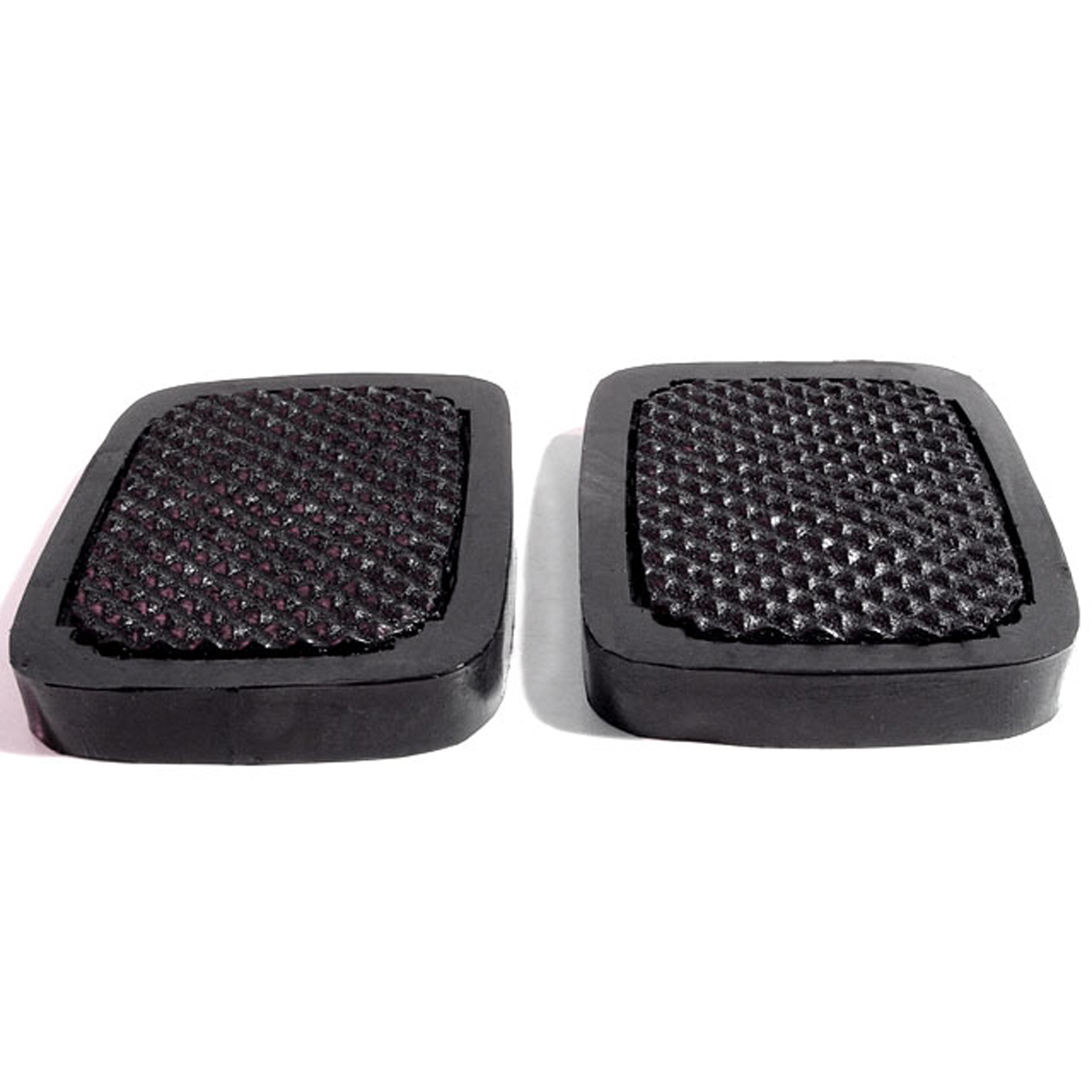 1916 Buick MODEL D-54 Clutch and Brake Pedal Pads. 2-3/4" wide X 3-3/4" long-CB 13Clutch and Brake Pedal Pads. 2-3/4" wide X 3-3/4" long. Pair
Why Choose Metro?
For over 100 years, Metro Moulded Parts has been the pinnacle of quality in classic car restoration parts. Our commitment to precision and authenticity in every component ensures a perfect fit and an OEM-level appearance.
- Expert Craftsmanship & Quality: Each part is a testament to our dedication to reliability and perfection, crafted from original designs and thoroughly tested.
- Advanced Technology: We use cutting-edge techniques to create flawless, long-lasting parts that surpass others in performance.
- SuperSoft Sponge – The Ultimate Door Seal: Not only are our door seals 30% softer than competitors', but they're also guaranteed to never leak. They effectively reduce wind and road noise, enhancing your classic car's comfort and driving experience.
- Proudly American: Our parts are a product of American craftsmanship, made in the USA with a spirit of excellence and heritage.
- Unrivaled Warranty: We back our products with a 30-year industry-leading warranty, a testament to our confidence in their quality.
Join us in preserving the legacy of classic cars with parts that are crafted for perfection, not just made.