

Image of 1916 Buick Model D-55, Note: These illustrations use artistic license and may differ from actual historical models.
Performance Metrics
Fundamental Metrics
Emotional Appeal
MMP Rating
| Engine Specifications | |
|---|---|
| Engine: | 6-cylinder, overhead valve |
| Displacement: | 331 cubic inches |
| Horsepower: | Estimated 60-70 HP |
| Torque: | Not available |
| Compression Ratio: | Not available |
| Ignition System: | Battery and coil |
| Cooling System: | Water-cooled |
| Performance Specifications | |
| 0-60 Time: | Not available |
| 1/4 Mile Time: | Not available |
| Top Speed: | 50-55 mph |
| Transmission and Drive | |
| Drive Type: | Rear-wheel drive |
| Transmission Type: | 3-speed manual |
| Fuel and Efficiency | |
| Fuel System Type: | Carburetor |
| MPG: | Not available |
| Dimensions and Brakes | |
| Brakes: | Mechanical drum brakes |
| Wheelbase: | 128 inches |
| Weight: | Estimated 3,400 lbs |
Note: Specifications for classic cars are given to the best of our ability, considering the limited and variant data available.
1916 Buick Model D-55: A Big Touring Car with Buick’s Signature Engineering
The 1916 Buick Model D-55 was built for a time when a long, open touring car could serve as family transport, weekend escape vehicle, and a statement of success all at once. Produced by the Buick Motor Company, then a central marque in the growing General Motors organization, the D-55 combined generous passenger space with Buick’s increasingly well-known six-cylinder, overhead-valve engineering.
Buick’s engineering roots went back to founder David Dunbar Buick, whose valve-in-head engine design helped distinguish the marque from many early competitors. By 1916, Buick had grown into a major American automaker. The D-55 arrived just before the United States entered World War I, when motoring was moving from a novelty for the wealthy toward a more established part of everyday life. One detail that makes the car especially interesting is that its overhead-valve layout was not simply a technical curiosity: it became a lasting part of Buick’s identity.
Touring-Car Style and Craftsmanship
The D-55 was a large, open touring car with a commanding presence. Its long hood, upright radiator, separate front fenders, tall wheels, and high ground clearance gave it the unmistakable profile of a prewar American automobile. The body sat high above the road, while exposed running boards made it easier for passengers to climb aboard. A folding fabric top offered protection from rain and sun, and side curtains could be fitted for added shelter, though they could not make the car as weather-tight as a modern enclosed vehicle.
As a seven-passenger touring model, the D-55 prioritized room for a full party rather than a sleek, close-coupled silhouette. Its seating layout made it suitable for family outings or carrying guests, and the open cabin helped everyone enjoy the scenery. Upholstery and trim were practical by modern standards but carefully finished for an expensive automobile of the period. Depending on the car’s original specification and later restoration, materials could include leather or leather-like upholstery, finished wood details, and metal fittings designed to stand up to regular use.
Color choices could vary by catalog year, body supplier, and order. Dark finishes such as black, deep blue, and subdued green were common tastes in the period, but surviving cars may have been repainted, so a present-day color should not automatically be taken as original. Buyers choosing a D-55 were choosing a body style as much as a color: the seven-passenger touring configuration is the defining form of this model. Buick offered other body styles across its broader 1916 range, but those should not be confused with the specific D-55 designation.
Engineering Ahead of the Curve
At the heart of the D-55 was a six-cylinder engine of approximately 225 cubic inches, or 3.7 liters, with overhead valves and a period rating of about 45 horsepower. That valve-in-head arrangement gave Buick a valuable engineering talking point at a time when many engines used side valves. The engine’s layout helped establish the company’s reputation for lively, capable powerplants, even though its output and refinement were modest beside those of a modern car.
The engine worked through a manual three-speed transmission and a conventional rear-wheel-drive layout. The D-55 also used mechanical controls and mechanical braking, with braking applied at the rear wheels rather than all four. Electrical starting and lighting equipment made operation more convenient than the hand-cranked cars of earlier years, although the driver still had to manage a manual gearbox, clutch, throttle, and other controls without the assistance systems motorists now take for granted.
Why the D-55 Mattered
The D-55 represents an important stage in Buick’s development from an early engineering-led manufacturer into a major volume automaker. Its six-cylinder engine and overhead-valve design helped set Buick apart from makers relying on simpler four-cylinder powerplants. The car was not a radical one-off, but it demonstrated how advanced engine design could be offered in a substantial production automobile rather than reserved for a limited racing machine.
Its influence is best understood as part of Buick’s broader legacy. The company continued to promote overhead-valve engines as a signature strength, and the idea became closely associated with Buick for generations. The D-55 also reflects a transition in American motoring: cars were becoming more powerful and more usable for longer journeys, while open touring bodies remained popular before enclosed sedans became the dominant choice.
Performance on the Road
Period published performance figures are not as consistent or directly comparable as modern test data. A sound, correctly tuned D-55 is generally estimated to have a top speed in the neighborhood of 50 to 55 mph. That is an estimate, not a guaranteed factory-tested figure; gearing, tire size, mechanical condition, road surface, and load all make a difference.
There is no dependable standardized 0-to-60-mph figure for the Model D-55. Its roughly 45-horsepower engine and three-speed transmission were designed for the roads and expectations of 1916, not modern traffic. A reasonable modern estimate would put acceleration to 60 mph at well over 30 seconds, if the particular car can reach that speed at all. Many owners would sensibly keep one below its theoretical maximum, especially on unfamiliar roads.
On rough surfaces, the tall tires, high chassis, and period suspension provide a very different ride from a modern touring car. The body may sway over uneven ground, and the steering requires more physical effort, particularly at low speeds. On a winding road, the driver needs to plan ahead: the car is heavy, its brakes are limited by modern standards, and cornering is best taken deliberately. The experience is engaging rather than effortless. Expect the engine’s steady mechanical beat, the rustle of the top and curtains, and the constant involvement of working the clutch, gear lever, and throttle.
Living with a 1916 Buick
Today, a D-55 is best suited to touring events, vintage-car displays, club gatherings, and short recreational drives. It can be driven on the road when properly maintained, but it is not a realistic daily driver for most owners. Its open body offers little protection from weather, and its speed and braking performance make modern highways an uncomfortable environment.
Routine care calls for period-aware maintenance: regular lubrication, careful attention to ignition and fuel systems, suitable oils, and frequent checks of tires, wheel spokes, steering, and brakes. Wood-spoke wheels and older electrical components can require specialist attention, particularly if a car has been stored for years. Repairs are often approachable for an experienced home mechanic, but finding correct parts and understanding early systems can take time. A car that appears complete may still need substantial work before it is safe to drive.
Facts, Myths, and Period Context
The D-55’s most notable engineering fact is its overhead-valve six-cylinder engine, a design feature that helped make Buick distinctive. It is tempting to attach a famous owner, record run, or historic event to an early automobile, but reliable model-specific stories of that kind are scarce. The D-55 is more compelling as a representative of Buick’s prewar engineering and American touring-car culture than as a car defined by a single celebrity or record.
Common criticisms are familiar to anyone who has driven a car from the period: limited braking, slow acceleration, exposed passengers, labor-intensive controls, and a ride that can feel unsettled on rough roads. Those are genuine limitations, not flaws that disappear with nostalgia. They are also part of what makes the car such a vivid contrast with modern motoring.
Collector Value and Availability
There is no widely established production total specifically for the 1916 Model D-55, so any exact figure should be treated cautiously. Buick built cars in substantial numbers for the era, but surviving seven-passenger D-55 tourers are far less common than modern collector cars. The number of survivors is difficult to state with confidence because cars may be incomplete, extensively altered, or recorded under varying descriptions.
As a broad market estimate, a project car could fall around $10,000 to $25,000, while a presentable, running example might bring roughly $25,000 to $50,000. A high-quality, well-documented restoration could reach approximately $50,000 to $80,000 or more, depending on condition, originality, provenance, and buyer interest. These are general estimates rather than a formal appraisal; early-car prices vary considerably by region and auction venue.
Values for brass- and early-vintage-era cars have tended to be selective rather than uniformly rising. Exceptional restorations and unusually original cars can hold strong appeal, while cars needing expensive work may be harder to sell. For a D-55, condition and completeness matter greatly: a missing engine component or incorrect body detail can be more consequential than a modest cosmetic imperfection.
A Buick Built for the Open Road
The 1916 Buick Model D-55 brings together a spacious seven-passenger touring body, a capable six-cylinder engine, and the overhead-valve engineering that became part of Buick’s long-term identity. It is not quick or easy to drive by modern standards, but it offers an unusually direct connection to the formative years of American motoring.
For collectors, the D-55 is more than a handsome old touring car. It is a rolling reminder of how Buick used engineering to earn its place among the leading American automakers, one open road and one valve-in-head engine at a time.
1916 Buick Model D-55 Catalog of Parts
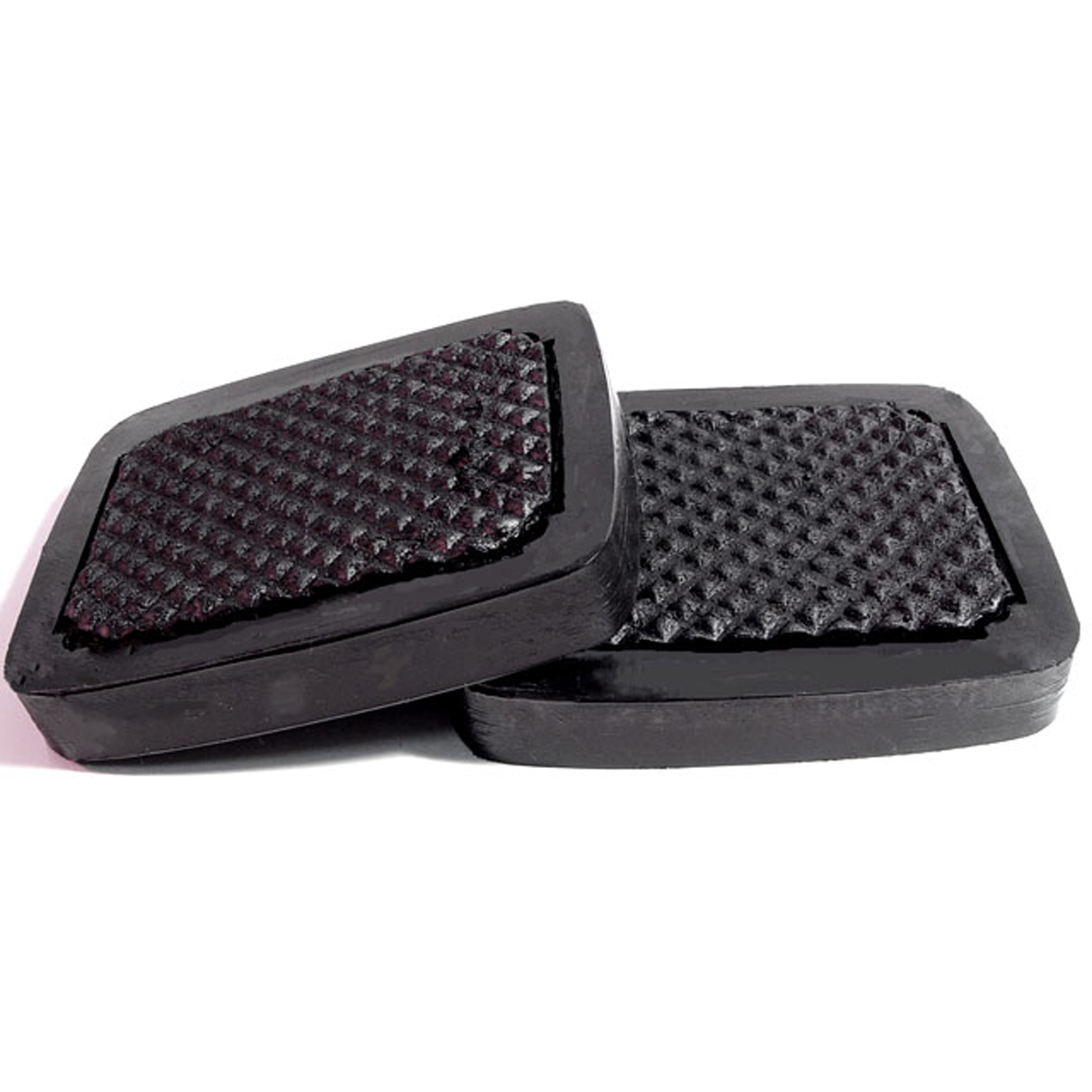 1916 Buick MODEL D-55 Clutch and Brake Pedal Pads. 2-3/4" wide X 3-3/8" long-CB 12Clutch and Brake Pedal Pads. 2-3/4" wide X 3-3/8" long. Pair
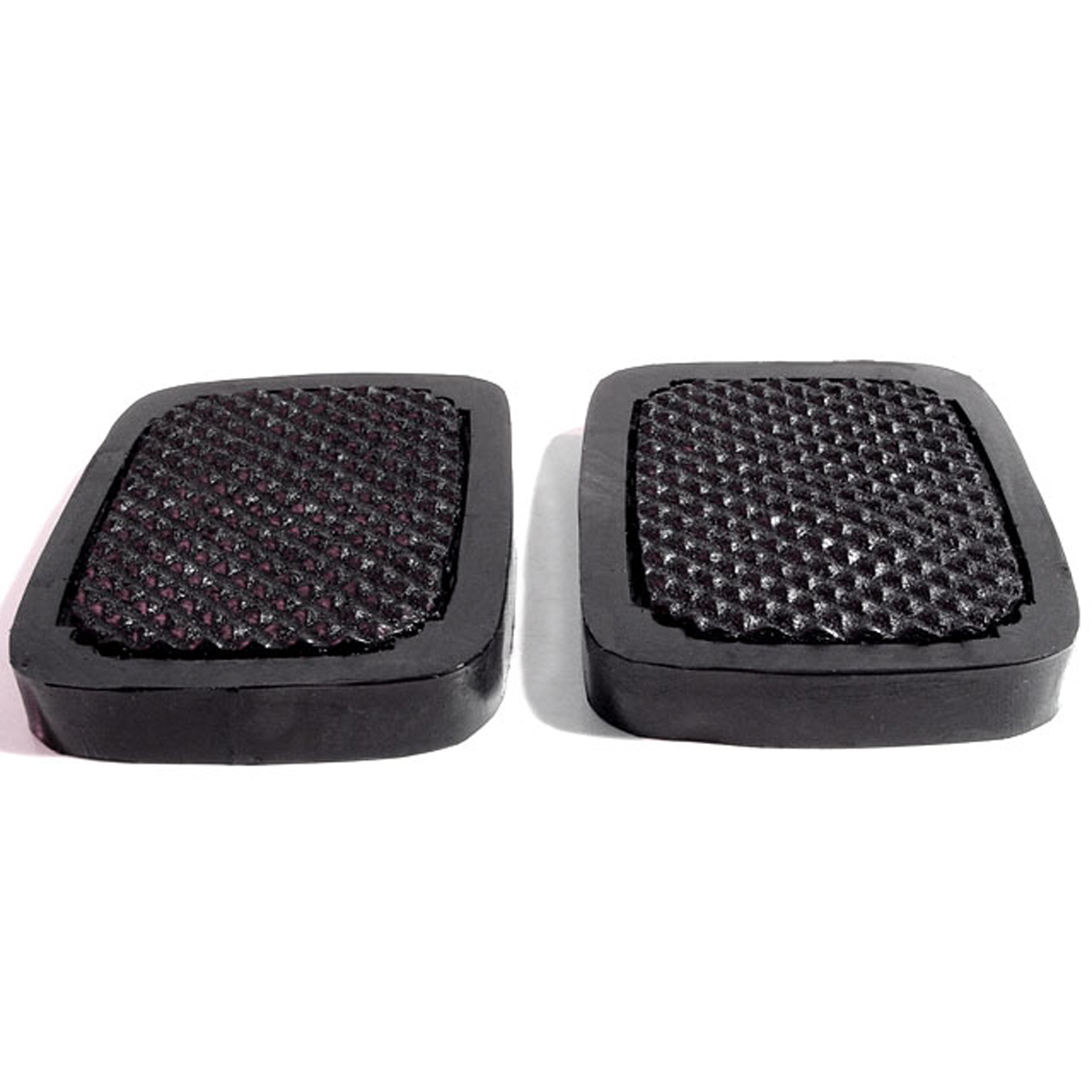 1916 Buick MODEL D-55 Clutch and Brake Pedal Pads. 2-3/4" wide X 3-3/4" long-CB 13Clutch and Brake Pedal Pads. 2-3/4" wide X 3-3/4" long. Pair
Why Choose Metro?
For over 100 years, Metro Moulded Parts has been the pinnacle of quality in classic car restoration parts. Our commitment to precision and authenticity in every component ensures a perfect fit and an OEM-level appearance.
- Expert Craftsmanship & Quality: Each part is a testament to our dedication to reliability and perfection, crafted from original designs and thoroughly tested.
- Advanced Technology: We use cutting-edge techniques to create flawless, long-lasting parts that surpass others in performance.
- SuperSoft Sponge – The Ultimate Door Seal: Not only are our door seals 30% softer than competitors', but they're also guaranteed to never leak. They effectively reduce wind and road noise, enhancing your classic car's comfort and driving experience.
- Proudly American: Our parts are a product of American craftsmanship, made in the USA with a spirit of excellence and heritage.
- Unrivaled Warranty: We back our products with a 30-year industry-leading warranty, a testament to our confidence in their quality.
Join us in preserving the legacy of classic cars with parts that are crafted for perfection, not just made.