

Image of 1917 Buick Model D-46, Note: These illustrations use artistic license and may differ from actual historical models.
Performance Metrics
Fundamental Metrics
Emotional Appeal
MMP Rating
| Engine Specifications | |
|---|---|
| Engine: | 4-cylinder, in-line, L-head |
| Displacement: | 170 cubic inches |
| Horsepower: | Estimated 20-30 HP |
| Torque: | Not available |
| Compression Ratio: | Not available |
| Ignition System: | Battery and coil |
| Cooling System: | Thermosiphon |
| Performance Specifications | |
| 0-60 Time: | Not available |
| 1/4 Mile Time: | Not available |
| Top Speed: | 40-50 mph |
| Transmission and Drive | |
| Drive Type: | Rear-wheel drive |
| Transmission Type: | 3-speed manual |
| Fuel and Efficiency | |
| Fuel System Type: | Carburetor |
| MPG: | Not available |
| Dimensions and Brakes | |
| Brakes: | Mechanical drum brakes |
| Wheelbase: | 112 inches |
| Weight: | 1,650 lbs |
Note: Specifications for classic cars are given to the best of our ability, considering the limited and variant data available.
1917 Buick Model D-46: A Brass-Era Roadster with Modern Ambitions
The 1917 Buick Model D-46 was a compact, open roadster from a company already earning a reputation for building sturdy, technically ambitious cars. Produced by the Buick Motor Company, by then a key part of General Motors, the D-46 paired a four-cylinder engine with the distinctive Buick “valve-in-head” approach. It arrived as the United States entered the First World War, when automobiles were still adapting to rough roads, limited service networks, and the demands of everyday travel.
The D-46 was part of Buick’s 1917 Model D range, and it is generally identified as the two-passenger roadster. Exact specifications can vary among surviving cars and period references, so figures below should be treated as typical rather than universal. One appealing historical detail is that Buick was already using electric starting and lighting on its cars, features that made motoring more convenient than the hand-cranking and lamp-lighting routines familiar to many early drivers.
Roadster Styling and Buick Craftsmanship
The D-46 has the upright, purposeful look of a prewar automobile. Its tall radiator, separate front fenders, exposed lamps, and narrow tires give it a formal stance, while the open body and folding top make its roadster character unmistakable. The long hood leads the eye toward the high-sided passenger compartment, and the running boards provide a practical step between the fenders.
Inside, the roadster was built for two, with a straightforward cockpit rather than the plush appointments of a large touring car. Period cars commonly used leather upholstery, painted or finished metal trim, and a wood-rimmed steering wheel. Materials were selected for durability and serviceability, though the finish could be affected by weather and wear, especially on an open car. The top and side curtains offered some protection, but the D-46 was never meant to feel like a sealed modern cabin.
Buick’s factory finish and trim choices could vary by year and specification, and surviving cars have often been repainted. Dark, conservative colors such as black, blue, and gray suit the period and are frequently associated with early automobiles, but a particular D-46’s original color should be confirmed from its paint traces, build records, or period documentation rather than assumed.
Engine, Controls, and Early-Car Technology
The Model D-46 is generally described as using a four-cylinder engine of roughly 225 cubic inches, producing about 35 horsepower. Buick’s overhead-valve layout, marketed as “valve-in-head,” was an important part of the company’s identity. Placing the valves in the cylinder head helped the engine breathe effectively for its era and distinguished Buick from many competitors using other valve arrangements.
Power went to the rear wheels through a manual transmission, with period-correct controls that demand more attention than a modern driver is used to giving. The D-46 also benefited from electric starting and lighting, a meaningful convenience in a time when hand cranking remained common across the automotive world. Its tires, suspension, brakes, and steering were all mechanical systems, and the driver had to plan ahead rather than rely on modern grip, braking assistance, or safety equipment.
What Made the D-46 Historically Important
The D-46 was not a revolutionary single-model breakthrough. Its significance comes from what it represents: Buick’s steady move toward dependable, technically advanced automobiles for buyers who wanted more than a basic runabout. Buick’s reputation for robust engines and sound construction helped establish the brand as a serious competitor, while its overhead-valve engineering became a lasting hallmark.
In 1917, cars were becoming more practical, but ownership still required mechanical understanding and tolerance for imperfect roads. The D-46’s electric starting and lighting, coupled with Buick’s engine design, reflected the industry’s transition from experimental motoring toward more usable personal transportation. It was part of a broader shift that helped make the automobile a dependable tool for travel and business, not merely a novelty for wealthy enthusiasts.
Performance and the Open-Road Experience
With about 35 horsepower, a healthy D-46 could likely reach roughly 45 to 50 mph under favorable conditions. That is an estimate based on the car’s typical engine output and period performance, not a guaranteed factory figure. A reliable 0-to-60 mph time is not generally documented, and 60 mph was beyond the realistic everyday performance of many cars in this class. Its acceleration would feel gradual by modern standards, especially on hills or with passengers and luggage aboard.
On a smooth road, the roadster would feel lively and direct, with the engine’s mechanical chatter, exhaust note, and tire noise all part of the experience. On rutted or uneven surfaces, its narrow tires and early suspension would pass more road motion to the occupants than a modern car does. Steering takes steady effort, braking requires anticipation, and a winding road rewards measured inputs rather than quick corrections. Wind protection is limited, so even a moderate pace can feel brisk in the open cockpit.
Living with a 1917 Buick
Today, the D-46 is best suited to touring events, vintage-car displays, historical demonstrations, and careful weekend drives. It is not a practical daily driver for modern traffic. Its modest speed, open body, limited safety equipment, and need for specialist attention make it much better suited to planned trips on appropriate roads.
Maintenance is manageable for an owner with mechanical experience, but it is not equivalent to routine work on a modern car. Ignition, fuel delivery, lubrication, cooling, brakes, and wheel bearings all need regular inspection. Many systems are mechanically straightforward, which can make diagnosis easier than on a computer-controlled vehicle, but parts availability and the need for period-correct components can complicate repairs. Reliability depends heavily on the quality of restoration and ongoing upkeep. A well-maintained car can be rewarding; a neglected one can require patient recommissioning.
Notable Details and Common Criticisms
The D-46’s strongest talking point is its combination of traditional roadster form and relatively advanced-for-the-time conveniences such as electric starting and lighting. It also carries Buick’s overhead-valve-engine heritage in a compact, open format. No widely documented record or celebrity association is firmly tied to the Model D-46, so claims of a famous owner or a major speed achievement should be treated cautiously unless supported by specific provenance.
Its common drawbacks are the same ones found in many cars of its age: limited weather protection, modest performance, labor-intensive controls, and braking capability that calls for a generous safety margin. The open body is charming in a parade or on a fine day, but less appealing in rain, cold, or heavy traffic. Its ride and handling also reflect the road conditions and engineering priorities of 1917, not those of a modern touring car.
Collector Value, Rarity, and Market Outlook
A precise production total for the D-46 is not readily established in commonly available model histories. Buick built cars in substantial numbers for the period, but the surviving production figures are not always broken down cleanly by individual body style. As a cautious estimate rather than a documented factory count, several thousand D-46 roadsters may have been produced. The number of complete, well-preserved examples available today is much smaller.
Values depend strongly on originality, restoration quality, mechanical condition, documentation, and whether important components are present. As a broad current-market estimate, a project or incomplete example might fall around $15,000 to $30,000, while a sound, usable restoration could be roughly $35,000 to $65,000. Exceptional, highly original, or concours-quality cars may exceed that range. These are approximate guide figures, not a formal appraisal, and local market conditions can shift them considerably.
Early brass-era and prewar cars have a specialized collector audience. Prices tend to reward authenticity and quality more than flashy modifications, while restoration costs can outpace resale value. Over the long term, the best examples are likely to remain desirable because of their age, Buick heritage, and open-roadster appeal, though values can move slowly and are not guaranteed to rise.
Why the 1917 Buick D-46 Still Matters
The 1917 Buick Model D-46 blends a classic two-seat roadster silhouette with engineering that showed Buick’s growing confidence and technical ambition. Its four-cylinder power, overhead-valve design, and electric starting place it at an interesting point in the evolution of the automobile: still unmistakably early, yet already moving toward greater convenience and dependability.
For collectors, the D-46 is not simply an old car to admire behind a rope. It is a hands-on reminder of how drivers steered, shifted, listened, and adapted in motoring’s formative years. Take the time to understand its pace and its quirks, and this Buick rewards you with something modern cars cannot reproduce: the vivid, mechanical feel of the open road as it was more than a century ago.
1917 Buick Model D-46 Catalog of Parts
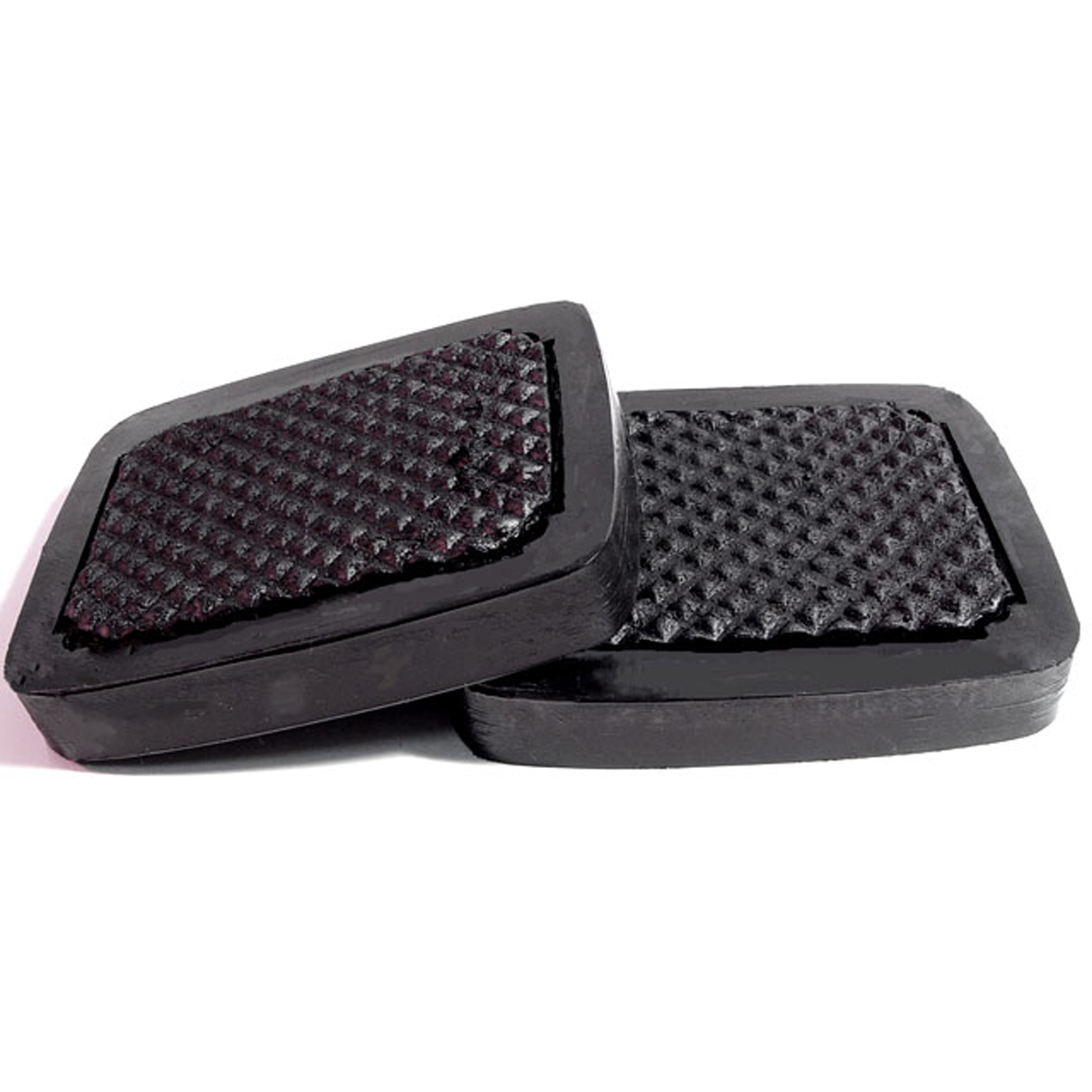 1917 Buick MODEL D-46 Clutch and Brake Pedal Pads. 2-3/4" wide X 3-3/8" long-CB 12Clutch and Brake Pedal Pads. 2-3/4" wide X 3-3/8" long. Pair
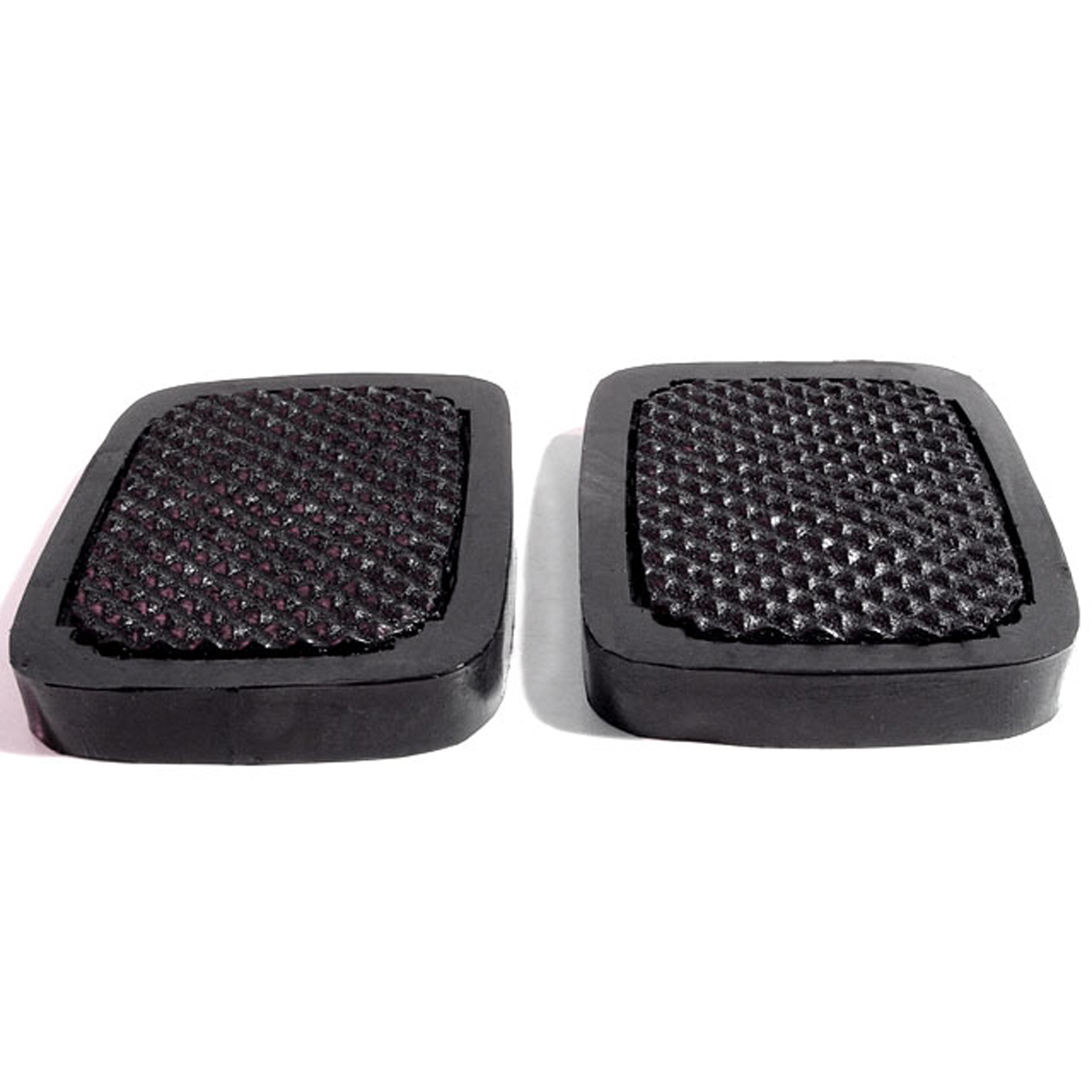 1917 Buick MODEL D-46 Clutch and Brake Pedal Pads. 2-3/4" wide X 3-3/4" long-CB 13Clutch and Brake Pedal Pads. 2-3/4" wide X 3-3/4" long. Pair
Why Choose Metro?
For over 100 years, Metro Moulded Parts has been the pinnacle of quality in classic car restoration parts. Our commitment to precision and authenticity in every component ensures a perfect fit and an OEM-level appearance.
- Expert Craftsmanship & Quality: Each part is a testament to our dedication to reliability and perfection, crafted from original designs and thoroughly tested.
- Advanced Technology: We use cutting-edge techniques to create flawless, long-lasting parts that surpass others in performance.
- SuperSoft Sponge – The Ultimate Door Seal: Not only are our door seals 30% softer than competitors', but they're also guaranteed to never leak. They effectively reduce wind and road noise, enhancing your classic car's comfort and driving experience.
- Proudly American: Our parts are a product of American craftsmanship, made in the USA with a spirit of excellence and heritage.
- Unrivaled Warranty: We back our products with a 30-year industry-leading warranty, a testament to our confidence in their quality.
Join us in preserving the legacy of classic cars with parts that are crafted for perfection, not just made.