

Image of 1920 Buick Model K-46, Note: These illustrations use artistic license and may differ from actual historical models.
Performance Metrics
Fundamental Metrics
Emotional Appeal
MMP Rating
| Engine Specifications | |
|---|---|
| Engine: | 6-cylinder, overhead valve |
| Displacement: | 331 cubic inches |
| Horsepower: | Estimated 27-30 HP |
| Torque: | Not available |
| Compression Ratio: | Not available |
| Ignition System: | Battery and coil |
| Cooling System: | Water-cooled |
| Performance Specifications | |
| 0-60 Time: | Not available |
| 1/4 Mile Time: | Not available |
| Top Speed: | 50-55 mph |
| Transmission and Drive | |
| Drive Type: | Rear-wheel drive |
| Transmission Type: | 3-speed manual |
| Fuel and Efficiency | |
| Fuel System Type: | Carburetor |
| MPG: | Not available |
| Dimensions and Brakes | |
| Brakes: | Mechanical drum brakes |
| Wheelbase: | 120 inches |
| Weight: | 3,400 lbs |
Note: Specifications for classic cars are given to the best of our ability, considering the limited and variant data available.
1920 Buick Model K-46: The Valve-in-Head Buick of the Jazz Age
The 1920 Buick Model K-46 brought one of Buick’s most important engineering ideas to the open road: an overhead-valve six-cylinder engine in a substantial, practical touring car. Built by the Buick Motor Company in Flint, Michigan, the K-46 arrived when the automobile was shifting from a costly novelty to a more familiar part of American life. It combined upright prewar styling with a powerplant that helped define Buick’s reputation for spirited performance.
Buick had become part of General Motors in 1908, and by 1920 it was one of America’s leading carmakers. The K-46 belonged to the company’s postwar range, developed as the nation adjusted to booming car ownership and the economic uncertainty that followed World War I. Its most intriguing claim is not a famous race victory or celebrity owner. It is the engine beneath its long hood: Buick’s “valve-in-head” design, the period term for overhead valves, offered a compelling alternative to the side-valve engines common in many cars of the era.
Touring-Car Styling and Cabin Details
The K-46’s appearance is unmistakably early 1920s. Its tall, upright radiator and long hood lead the eye toward a straight-sided, open passenger compartment. Separate fenders arch over narrow tires, while exposed lamps, running boards and a folding fabric top give the car the purposeful look of a machine built for the road rather than the boulevard. Brass-era ornament had largely given way to nickel-plated and painted finishes, though exact trim details could vary.
The K-46 is commonly associated with a five-passenger touring body. That open layout made it easy for passengers to climb aboard and gave the driver an expansive view, but it offered limited protection from weather. A folding top and side curtains helped, though neither provided the quiet or sealing of a modern car. Across Buick’s broader 1920 range, buyers could also find other body types, including roadsters and closed bodies such as sedans and coupes. These were separate offerings, not necessarily alternate bodies for every K-46.
Materials reflected the car’s price and purpose. The open touring cabin typically used durable leather upholstery, with painted metal surfaces and practical fittings rather than the lavish trim of a top-tier luxury car. Closed Buick models could provide more enclosed, furnished interiors, sometimes with richer fabrics and woodwork. The K-46’s cabin was designed for use: room for passengers, straightforward controls and a direct connection to the mechanical character of the car.
Buyers could choose from period paint and trim combinations, but color availability depended on body style and production details. Dark shades such as black, green, blue and maroon are often associated with cars of the period, and restrained colors suited the K-46’s formal lines. A surviving car’s current color may not be its original finish, so factory records or paint remnants are the best evidence for a particular example.
Buick’s Overhead-Valve Advantage
The K-46’s defining technology was its inline six-cylinder engine with overhead valves. Buick had built its identity around this “valve-in-head” layout, which placed the valves above the combustion chamber rather than alongside it. The arrangement could breathe more freely than many contemporary side-valve designs, helping produce strong performance for the engine’s size.
Period specifications commonly list the K-46’s engine at about 242 cubic inches, or 4.0 liters, with an output of roughly 45 horsepower. Power went to the rear wheels through a three-speed manual transmission. The engine’s design did not make the K-46 a modern high-revving car, but it gave Buick a persuasive combination of usable torque and performance. That engineering helped establish a long-running Buick theme: refined six-cylinder power with an emphasis on smooth, confident road travel.
The K-46 was not a radical styling landmark, and it did not introduce a feature that instantly changed the entire industry. Its significance lies in making Buick’s overhead-valve approach part of an appealing, production automobile. The company’s success helped keep the layout in public view and reinforced the idea that an American family car could offer more than basic transportation.
Speed, Road Manners and the Driving Experience
Exact performance varied with body weight, mechanical condition, gearing and road surface. A well-maintained K-46 is generally estimated to reach around 50 to 55 mph, though sustained high-speed driving would be demanding by modern standards. A reliable factory 0-to-60-mph figure is not generally available, and 60 mph was beyond the practical performance of many examples. In other words, the K-46 was built for steady progress, not stopwatch launches.
On a smooth road, the six-cylinder engine should feel deliberate and tractable, with the exhaust producing a measured mechanical rumble rather than a modern, insulated hum. The driver operates a manual gearbox and works with a comparatively heavy steering system, narrow tires and period controls. There are no electronic aids to smooth out mistakes or compensate for poor technique. The experience is hands-on from the moment the engine is started.
Its ladder-type chassis, solid axles and leaf springs were typical of the era. They could handle ordinary road imperfections, but large potholes and rough surfaces made themselves known through the seat and steering wheel. On winding roads, the K-46 rewards a measured pace. Its tall stance, narrow tires and period braking system call for planning well before a corner or stop. Braking performance is especially different from a modern car, so leaving generous space is essential.
Living with a 1920 Buick
In its own day, the K-46 was an all-purpose touring car for errands, visits and longer drives on the roads available to motorists. Today, it is better suited to vintage motoring events, local parades, museum displays and careful weekend touring than daily commuting. Its open body is a major part of its charm, but weather protection and modern traffic speeds limit its usefulness as everyday transport.
Maintenance is manageable for an owner with mechanical skills, suitable tools and access to specialist knowledge, but it is not maintenance-free. A car of this age needs regular attention to lubrication, ignition, cooling, fuel delivery, chassis fittings and tires. Parts availability varies: some mechanical components can be sourced through vintage Buick networks or reproduced, while body, trim and model-specific pieces may take more searching. The K-46’s relatively straightforward mechanical layout can make repairs understandable, but age, wear and previous repairs matter far more than the car’s original reputation for reliability.
For a prospective owner, the best starting point is a thorough inspection by someone familiar with early Buicks. Check the frame, woodwork where applicable, engine condition, transmission, brakes and completeness of the car. A running example with sound structure is often a better proposition than a superficially shiny restoration with hidden mechanical problems.
Facts, Myths and Model Rarity
The K-46’s strongest claim to fame is its connection to Buick’s overhead-valve engineering tradition. There is no widely documented K-46 speed record or endurance achievement that defines the model, and it is better not to attach a famous race story to the car without evidence. Buick’s broader reputation and production success are the more meaningful historical context.
Model-specific production figures are difficult to establish from commonly available records. Buick as a company built roughly 124,000 cars in 1920, but that total covered the full range and should not be mistaken for K-46 production. As a rough, clearly unverified estimate, the K-46 may have been produced in the thousands, perhaps around 5,000 to 12,000 cars. The number surviving today is much smaller, and complete, correctly identified examples are far less common than the brand’s overall output might suggest.
Common criticisms are part of the ownership reality: the car is slow by modern standards, demands frequent attention, has limited weather protection and requires a driver to think ahead when braking or maneuvering. These are not flaws unique to Buick. They are reminders that a 1920 automobile was designed for a different road network, traffic environment and set of expectations.
1920 Buick K-46 Values and Collectability
Values depend heavily on condition, completeness, restoration quality and whether the car can be documented as a genuine K-46. As a broad current-market estimate in U.S. dollars, a project or incomplete car might fall around $10,000 to $20,000. A usable driver could bring roughly $20,000 to $35,000, while a strong, well-restored example may reach $35,000 to $60,000 or more. Exceptional provenance or unusually high-quality restoration can affect the price, but asking prices do not always match completed sales.
The K-46 sits in a specialist segment of the collector market. It is historically important and visually appealing, but its open touring layout and early controls make it less convenient than later classics. Prices for sound examples have generally been supported by interest in prewar touring cars, though restorations are expensive and may not return their full cost at resale. The best examples are likely to remain desirable, while incomplete cars can be difficult to sell unless priced with their restoration needs in mind.
A Buick Built for the Open Road
The 1920 Buick Model K-46 brings together open touring-car style, a practical five-passenger layout and the overhead-valve six-cylinder engineering that helped distinguish Buick from many competitors. It is not a car for fast modern traffic or effortless daily use. It is a car for measured drives, mechanical curiosity and a vivid connection to the way people traveled a century ago.
More than a handsome survivor, the K-46 represents Buick’s early commitment to putting capable engineering into cars people could actually drive. Its lasting appeal lies in that combination: sturdy road presence, unmistakable period character and an engine design that helped shape Buick’s identity.
1920 Buick Model K-46 Catalog of Parts
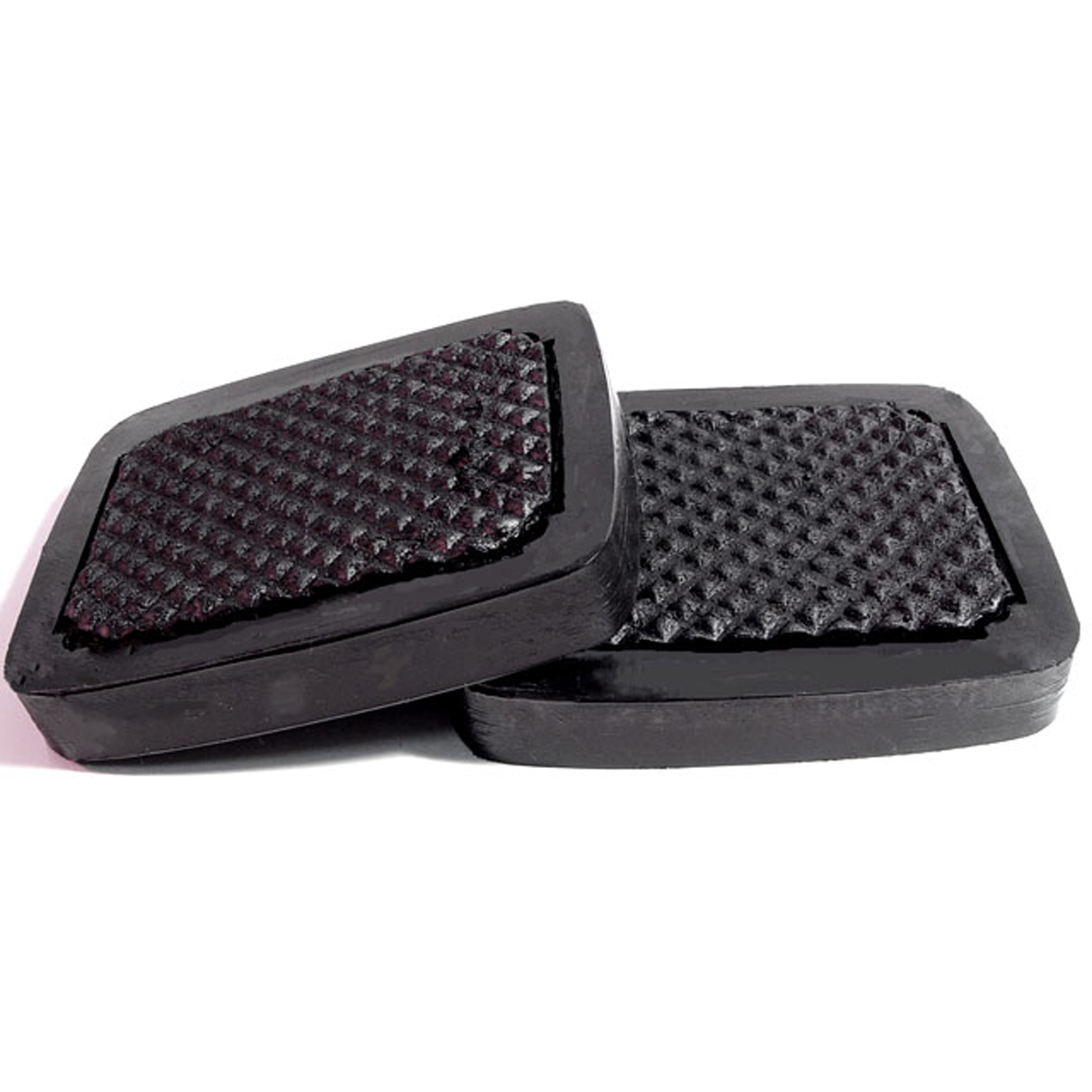 1920 Buick MODEL K-46 Clutch and Brake Pedal Pads. 2-3/4" wide X 3-3/8" long-CB 12Clutch and Brake Pedal Pads. 2-3/4" wide X 3-3/8" long. Pair
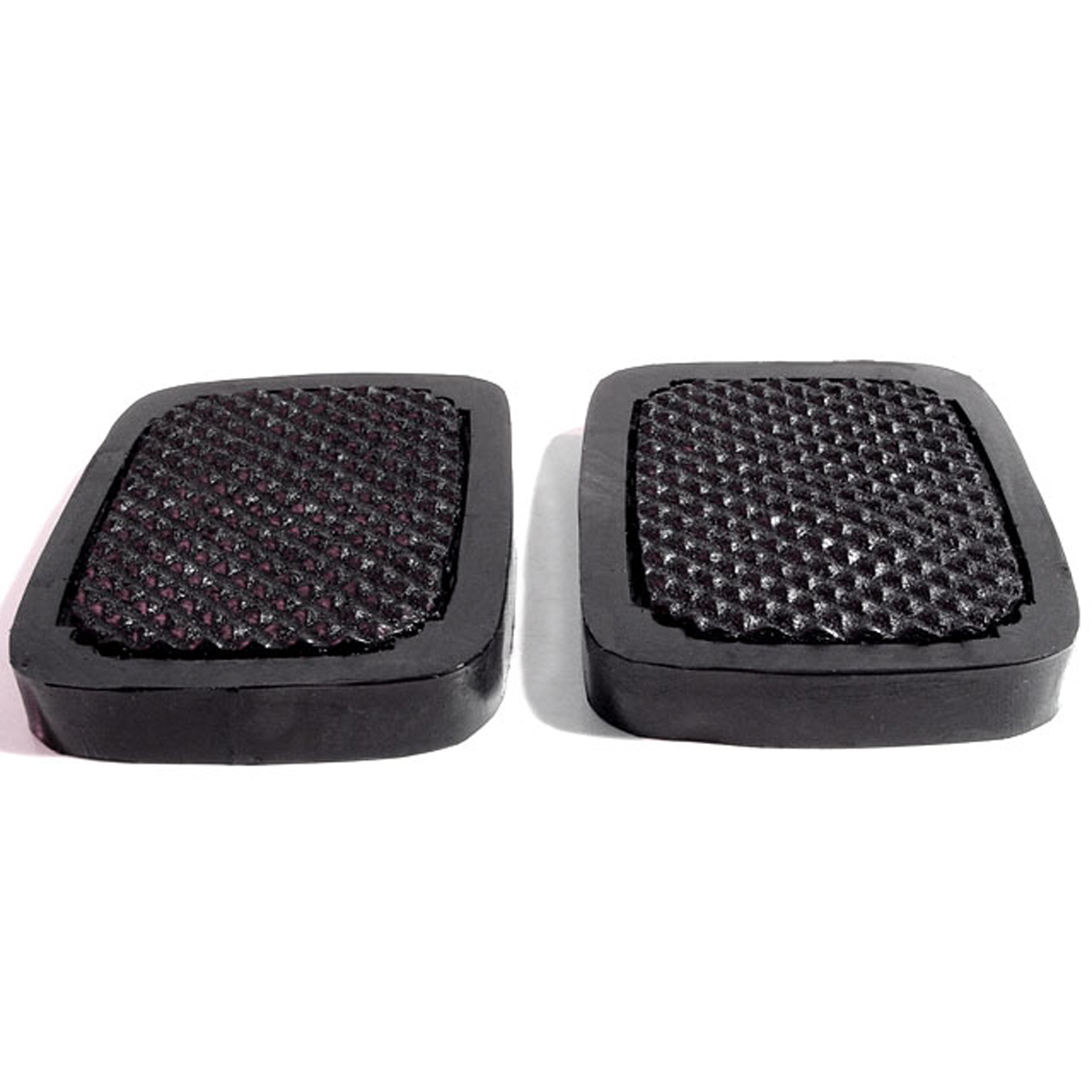 1920 Buick MODEL K-46 Clutch and Brake Pedal Pads. 2-3/4" wide X 3-3/4" long-CB 13Clutch and Brake Pedal Pads. 2-3/4" wide X 3-3/4" long. Pair
Why Choose Metro?
For over 100 years, Metro Moulded Parts has been the pinnacle of quality in classic car restoration parts. Our commitment to precision and authenticity in every component ensures a perfect fit and an OEM-level appearance.
- Expert Craftsmanship & Quality: Each part is a testament to our dedication to reliability and perfection, crafted from original designs and thoroughly tested.
- Advanced Technology: We use cutting-edge techniques to create flawless, long-lasting parts that surpass others in performance.
- SuperSoft Sponge – The Ultimate Door Seal: Not only are our door seals 30% softer than competitors', but they're also guaranteed to never leak. They effectively reduce wind and road noise, enhancing your classic car's comfort and driving experience.
- Proudly American: Our parts are a product of American craftsmanship, made in the USA with a spirit of excellence and heritage.
- Unrivaled Warranty: We back our products with a 30-year industry-leading warranty, a testament to our confidence in their quality.
Join us in preserving the legacy of classic cars with parts that are crafted for perfection, not just made.