

Image of 1921 Buick Model 48, Note: These illustrations use artistic license and may differ from actual historical models.
Performance Metrics
Fundamental Metrics
Emotional Appeal
MMP Rating
| Engine Specifications | |
|---|---|
| Engine: | 6-cylinder, overhead valve |
| Displacement: | 242 cubic inches |
| Horsepower: | Estimated 50-60 HP |
| Torque: | Not available |
| Compression Ratio: | Not available |
| Ignition System: | Battery and coil |
| Cooling System: | Water-cooled |
| Performance Specifications | |
| 0-60 Time: | Not available |
| 1/4 Mile Time: | Not available |
| Top Speed: | 50-55 mph |
| Transmission and Drive | |
| Drive Type: | Rear-wheel drive |
| Transmission Type: | 3-speed manual |
| Fuel and Efficiency | |
| Fuel System Type: | Carburetor |
| MPG: | Not available |
| Dimensions and Brakes | |
| Brakes: | Mechanical drum brakes |
| Wheelbase: | 128 inches |
| Weight: | 3,400 lbs |
Note: Specifications for classic cars are given to the best of our ability, considering the limited and variant data available.
1921 Buick Model 48: A Touring Car Built for the Open Road
The 1921 Buick Model 48 brought six-cylinder power and Buick’s distinctive overhead-valve engineering to the kind of open touring car that made motoring feel like an adventure. Built by the Buick Motor Company in Flint, Michigan, it arrived during a period when cars were becoming more dependable and practical, but still demanded skill and attention from their drivers.
Buick’s roots reach back to David Dunbar Buick, whose company was reorganized under William C. Durant and became a central part of General Motors when GM was formed in 1908. By 1921, Buick had earned a reputation for sturdy construction and capable engines. The Model 48 was part of that established lineup, offering comfortable passenger space and more power than many entry-level cars of the day.
One detail that sets the Model 48 apart from many early touring cars is its six-cylinder, overhead-valve engine. Buick had made its valve-in-head design a major selling point well before it became commonplace. That engineering gave the Model 48 a useful blend of smoothness and pulling power for long-distance travel.
Touring-Car Style and Cabin Details
The Model 48’s open touring body had the upright, purposeful look of an early motorcar. Its long hood led to a tall radiator and prominent headlamps, while separate front fenders arched over narrow tires. A folding fabric top offered some shelter from rain and sun, but it was no substitute for the weather protection of a modern enclosed car. With the top folded down, the car’s high seating position and open sides made it feel more like a carriage with an engine than a contemporary automobile.
Inside, the emphasis was on practical comfort rather than luxury-car appointments. The cabin typically featured broad seating trimmed in leather or similar durable upholstery, with a wood-framed body beneath its exterior panels. A large steering wheel, simple instruments and exposed controls kept the driver connected to the mechanical workings of the car. Materials and trim could vary with body and equipment, and decades of restoration mean that surviving cars do not always retain their original finishes.
Factory paint choices could vary by year, body and market. Dark, conservative colors such as black, deep blue and maroon are often associated with period touring cars, but an individual car’s original color should be confirmed from its factory records or surviving paint evidence. The open five-passenger touring body is the Model 48 style most closely associated with the name. Buick offered other body styles across its broader range, but buyers should check period catalogs and chassis records before assuming a particular closed body was available on a Model 48.
Buick Engineering in 1921
The Model 48’s key technical feature was its 242-cubic-inch inline-six with overhead valves, rated at about 60 horsepower. The valve-in-head arrangement placed the valves above the combustion chamber, a design Buick had championed for years. It helped distinguish Buick from manufacturers still relying on less sophisticated side-valve layouts and contributed to the brand’s performance-minded reputation.
Power went through a manual three-speed transmission to the rear wheels. Controls were entirely mechanical, and the driver had to coordinate the clutch, throttle and gear changes without modern conveniences such as synchromesh. Braking and steering also required more effort and anticipation than in a modern car. The Model 48 was a product of its time: a substantial step forward in dependable personal transportation, but not a car that insulated its occupants from the road or the machinery.
Why the Model 48 Matters
The Model 48 was not a revolutionary one-off, but it represented Buick’s strengths during an important phase in American motoring. Its six-cylinder engine and overhead-valve layout reflected a deliberate investment in smoother, stronger performance. Buick helped popularize the idea that a moderately priced car could offer advanced engine design without being an exotic luxury automobile.
That approach mattered as cars shifted from being novelties and status symbols toward practical tools for travel and everyday use. The Model 48 combined passenger capacity with enough power for touring, helping establish the kind of dependable, well-engineered car Buick would continue to build. Its lasting influence is best understood as part of Buick’s broader engineering story, rather than as a single model that transformed the industry on its own.
Speed, Ride and Driving Feel
Period specifications list the engine’s output, but they do not provide a standardized modern 0-to-60-mph figure. A reasonable estimate for a sound, correctly tuned Model 48 is roughly 35 to 50 seconds to reach 60 mph under favorable conditions, though many examples will struggle to reach that speed consistently. A top speed in the neighborhood of 50 to 55 mph is a more useful expectation for ordinary driving. Actual performance depends on the car’s condition, gearing, body, tires and road surface.
On a smooth road, the Model 48 feels steady and substantial, with the six-cylinder engine delivering a measured, rhythmic pull rather than a sharp burst of acceleration. The engine’s mechanical clatter, exhaust note and gear whine are part of the experience. The tall tires and period suspension soften some bumps, but rough roads can still send plenty of movement through the body. On winding roads, the high center of gravity, narrow tires and heavy steering call for patient cornering. This is a touring car to drive with a relaxed pace, not to hustle through bends.
Wind and weather are constant companions in the open cabin. The top and side curtains provide limited protection, and the driver must plan ahead for stops, hills and traffic. There is no modern power assistance or electronic safety net. The reward is an unusually direct connection to the car: every shift, vibration and change in road surface is easy to feel.
Owning and Maintaining a Model 48
In its day, a Model 48 could serve as family transportation, a country-road tourer or a comfortable way to travel between towns. Today, most surviving examples are collector cars used for local drives, vintage tours, museum displays and shows. Regular commuting is possible only for an owner prepared to accept modest speed, limited weather protection and the needs of a century-old machine.
Maintenance is approachable for an experienced hobbyist, but it is not quite as simple as working on a modern car. The engine, clutch, ignition, carburetor and mechanical systems can be serviced with conventional tools, and many repairs are understandable to a hands-on owner. The real challenges are finding correct parts, locating a specialist for difficult work and preserving components that may be irreplaceable. Before buying, inspect the engine, transmission, frame, wood structure, brakes and electrical system. A car that has been carefully restored and maintained is usually a better choice than a superficially shiny example with hidden structural or mechanical problems.
Model 48 Facts and Common Criticisms
The Model 48’s most notable story is part of Buick’s larger one: its overhead-valve six-cylinder reflected an engineering identity that Buick had been developing since the early years of the automobile. There is no widely documented Model 48 speed or endurance record, and no particular celebrity owner or famous historical event is reliably associated with the model itself. Its appeal lies less in headline-grabbing exploits than in representing the capable American touring car of the early 1920s.
Common criticisms are easy to understand from a modern perspective. The car is slow by today’s standards, the open body offers little protection from weather, and braking, steering and shifting demand concentration. Parts availability can also be uneven. For enthusiasts, those drawbacks are part of the period experience; for anyone expecting modern-car convenience, they can become serious limitations.
Collector Values and Rarity
Exact production figures for the 1921 Model 48 are not consistently available in commonly cited model references. Buick built cars in substantial numbers during this era, but Model 48-specific totals are difficult to establish. As a broad estimate rather than a verified factory count, production may have reached several thousand examples. Surviving cars are much less common, especially those with documented history, correct components and high-quality restorations.
As a general U.S. market estimate, a project or incomplete car might fall around $10,000 to $20,000, while a usable driver could be roughly $20,000 to $35,000. A well-restored example may bring about $35,000 to $60,000 or more, depending on authenticity, condition, provenance and the quality of the work. These are broad guide figures, not guaranteed sale prices. Open touring cars can attract strong interest, but restoration costs can exceed the market value of the finished car.
Values for early automobiles tend to move unevenly. Exceptional, correctly restored cars can remain desirable, while rough projects may be harder to sell because specialist restoration is expensive. The Model 48’s outlook is best described as condition-driven rather than a guaranteed upward trend. Buyers should compare recent completed sales, not just asking prices, and budget for mechanical and structural work before making an offer.
A Buick Worth Experiencing
The 1921 Buick Model 48 combines open touring-car charm with a genuinely significant piece of Buick engineering: a 242-cubic-inch overhead-valve six-cylinder engine. It is not fast, quiet or effortless by modern standards, and that is precisely why it offers such a vivid connection to early motoring. For collectors who value mechanical character and the feel of the open road, the Model 48 is more than an antique Buick. It is a reminder of how ambitious and hands-on a drive could be.
1921 Buick Model 48 Catalog of Parts
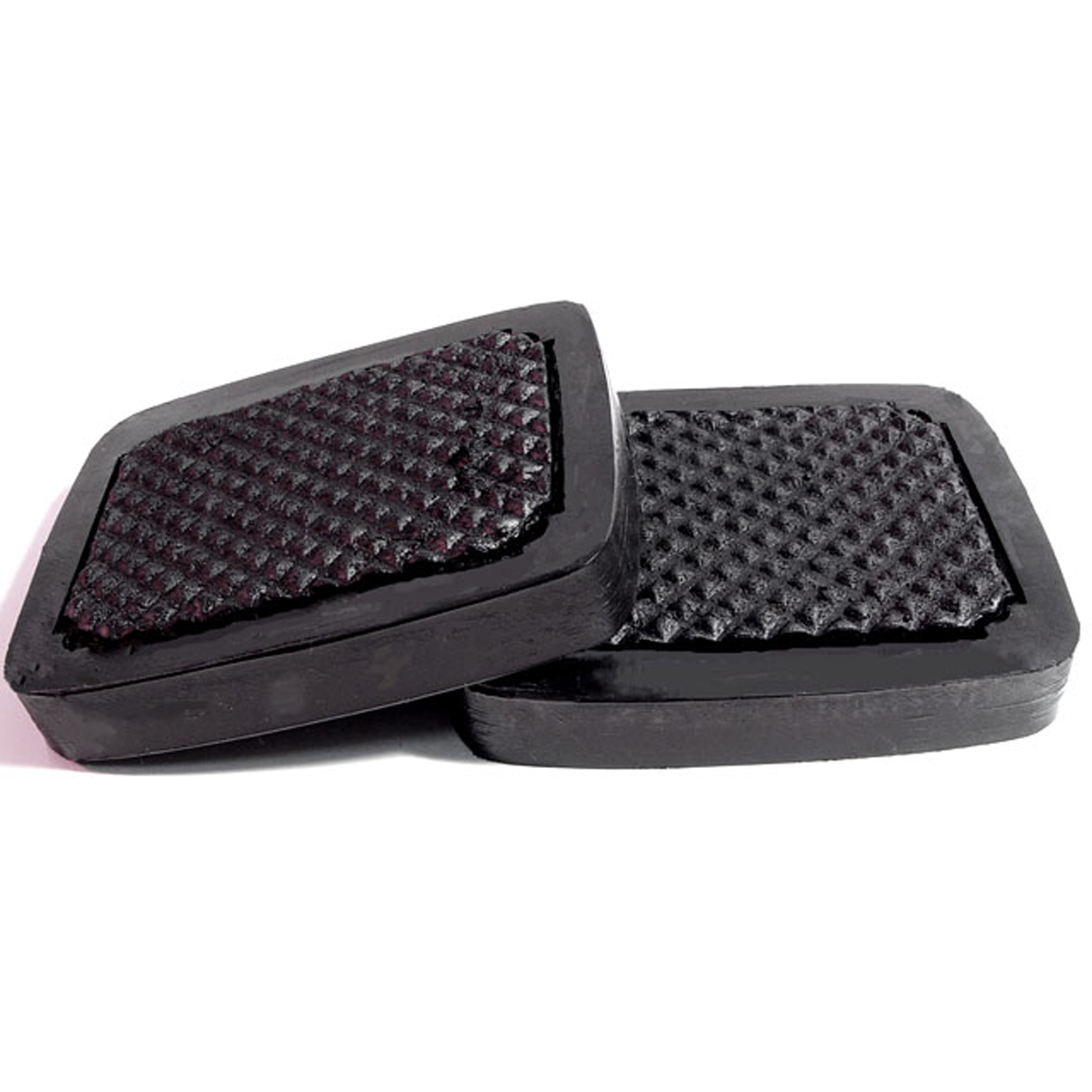 1921 Buick MODEL 48 Clutch and Brake Pedal Pads. 2-3/4" wide X 3-3/8" long-CB 12Clutch and Brake Pedal Pads. 2-3/4" wide X 3-3/8" long. Pair
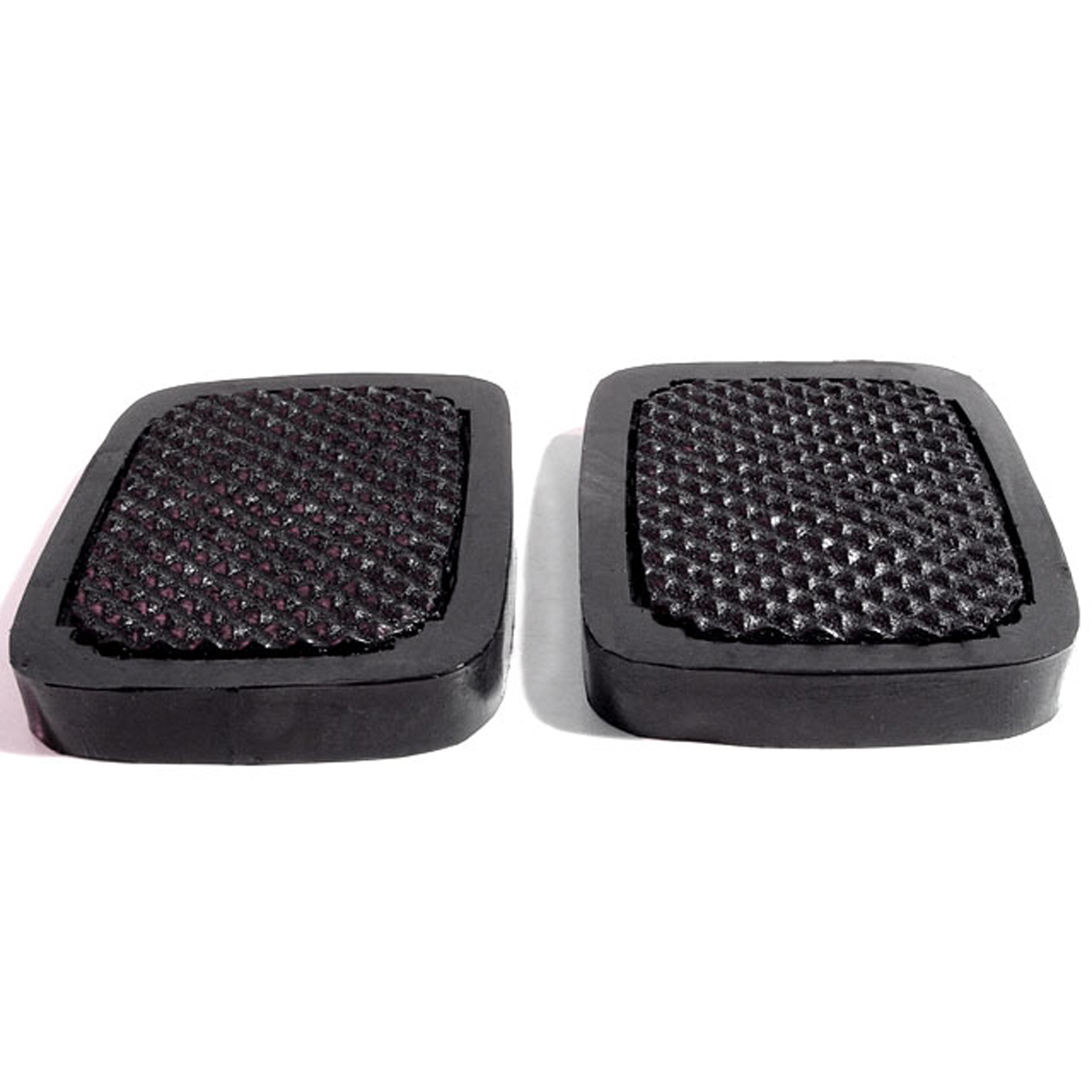 1921 Buick MODEL 48 Clutch and Brake Pedal Pads. 2-3/4" wide X 3-3/4" long-CB 13Clutch and Brake Pedal Pads. 2-3/4" wide X 3-3/4" long. Pair
Why Choose Metro?
For over 100 years, Metro Moulded Parts has been the pinnacle of quality in classic car restoration parts. Our commitment to precision and authenticity in every component ensures a perfect fit and an OEM-level appearance.
- Expert Craftsmanship & Quality: Each part is a testament to our dedication to reliability and perfection, crafted from original designs and thoroughly tested.
- Advanced Technology: We use cutting-edge techniques to create flawless, long-lasting parts that surpass others in performance.
- SuperSoft Sponge – The Ultimate Door Seal: Not only are our door seals 30% softer than competitors', but they're also guaranteed to never leak. They effectively reduce wind and road noise, enhancing your classic car's comfort and driving experience.
- Proudly American: Our parts are a product of American craftsmanship, made in the USA with a spirit of excellence and heritage.
- Unrivaled Warranty: We back our products with a 30-year industry-leading warranty, a testament to our confidence in their quality.
Join us in preserving the legacy of classic cars with parts that are crafted for perfection, not just made.