

Image of 1922 Buick Series 40, Note: These illustrations use artistic license and may differ from actual historical models.
Performance Metrics
Fundamental Metrics
Emotional Appeal
MMP Rating
| Engine Specifications | |
|---|---|
| Engine Options: | 4-cylinder, in-line |
| Displacement Range: | 170 cubic inches |
| Horsepower Range: | Estimated 40-50 HP |
| Torque: | Not available |
| Compression Ratio: | Not available |
| Ignition System: | Battery and coil |
| Cooling System: | Water, thermo-siphon |
| Performance Specifications | |
| 0-60 Time: | Not available |
| 1/4 Mile Time: | Not available |
| Top Speed: | 45-50 mph |
| Transmission and Drive | |
| Drive Type: | Rear-wheel drive |
| Transmission Type: | 3-speed manual |
| Fuel and Efficiency | |
| Fuel System Type: | Carburetor |
| MPG: | Not available |
| Dimensions and Brakes | |
| Brakes: | Mechanical drum brakes |
| Wheelbase: | 118 inches |
| Weight: | 2,800 lbs |
Note: Specifications for classic cars are given to the best of our ability, considering the limited and variant data available.
1922 Buick Series 40: A Guide to Buick’s Early Four-Cylinder
The 1922 Buick Series 40 is a reminder that a century ago, Buick’s reputation was built not only on large, powerful six-cylinder cars, but also on sturdy, practical machines for a wider range of buyers. Produced by the Buick Motor Company of Flint, Michigan, the Series 40 was an early-1920s four-cylinder Buick, commonly identified in period-style references as the Model 22-40. Buick was already a major name in American motoring, and its engineering and manufacturing strength helped make it one of the foundation brands of General Motors.
One detail worth clearing up is the name itself. “Series 40” is a useful label for discussing this early Buick, but model-year catalogs and later reference books do not always use Buick’s designations consistently. The 1922 car is best understood as part of Buick’s early four-cylinder range, rather than confused with the much later Buick Special and Series 40 cars.
Its place in the lineup was significant. Buick offered buyers a more accessible alternative to its six-cylinder models while retaining the brand’s overhead-valve engineering. That combination of comparatively modest size and serious mechanical reputation made the Series 40 an appealing working car in an era when dependable transportation was still a major selling point.
Upright Styling and Practical Coachwork
The Series 40 has the unmistakable profile of an early-1920s automobile: a tall, upright radiator, long bonnet, separate rounded fenders, narrow running boards, and large wheels with slim tires. Its body sits high by modern standards, giving it a stately stance and useful ground clearance. The overall shape is formal rather than streamlined, but the flowing fender lines and carefully finished radiator area give the car real presence.
Open cars were especially characteristic of the period. A roadster or touring model exposed its occupants to the weather, while a folding fabric top offered basic protection when needed. Buick also offered closed bodywork, including coupe and sedan-style configurations, although availability and exact body names could vary by catalog and market. The touring car is among the most evocative and recognizable versions today, with its open cabin, separate windshield, and generous seating.
Paint choices depended on body style and factory specification. Dark, formal colors such as black, deep blue, and maroon suit the car’s period character, though surviving cars and restorations may show other historically appropriate finishes. Open models commonly used leather upholstery, while closed bodies could have more enclosed, upholstered interiors with fabric trim. Materials were selected for durability and craftsmanship, not modern convenience: expect painted metal, wood details, substantial upholstery, and a distinctly hand-finished atmosphere.
Early Buick Engineering
The Series 40’s defining mechanical feature was its four-cylinder engine with Buick’s celebrated overhead-valve layout. Overhead valves were not unique to Buick, but the company had made them central to its engineering identity. The arrangement helped the engine breathe effectively for its size and reinforced Buick’s image as a maker of technically ambitious, dependable cars.
Period equipment included a manual transmission, rear-wheel drive, and electrical starting and lighting, features that made the car more usable than many earlier automobiles. The driver still had to manage a clutch, gear lever, and mechanical controls directly. There were no modern conveniences such as power steering, synchronized shifting, or hydraulic power brakes. Even so, electric starting was a welcome advancement over relying on a hand crank for every departure.
As with any century-old model, details such as equipment, body fittings, and finishes can differ between examples. Buyers today should check the car’s chassis and engine numbers, restoration records, and period documentation rather than assume that every Series 40 left the factory in precisely the same specification.
Why the Series 40 Mattered
Buick’s importance in the early American auto industry went beyond any single model. The company had established a reputation for sound engineering, and its success helped make Buick a cornerstone of General Motors. The Series 40 brought that reputation to a four-cylinder car, showing that a less expensive Buick could still carry the marque’s engineering character.
Its overhead-valve engine was a particularly meaningful distinction in an era when many cars used side-valve designs. Buick’s “valve-in-head” approach became part of the company’s identity for decades. The Series 40 was not a revolutionary styling landmark, but it helped extend Buick’s technical image to buyers who wanted a practical car rather than a large, costly touring machine.
Compared with many contemporaries, its appeal rested on a blend of established engineering, useful body choices, and the backing of a growing manufacturer. It was not built as a dedicated race car or luxury flagship. Its lasting significance is more everyday: it represents the kind of dependable, attainable automobile that helped put American families on the road.
Performance and Driving Feel
The four-cylinder engine produced roughly 35 horsepower, depending on the exact specification and rating cited. A healthy, correctly tuned example may reach approximately 50 to 55 mph under favorable conditions. That is a period-style estimate, not a promise of modern highway performance. A 0-to-60 mph figure is not especially meaningful for the car: acceleration was leisurely, and many examples may struggle to reach 60 mph safely, particularly with original gearing, tires, and mechanical brakes.
At the wheel, the Series 40 asks the driver to be involved. The clutch and gear changes require deliberate coordination, while steering takes more effort than in a modern car. The engine’s sound is a steady, mechanical four-cylinder thrum, accompanied by tire noise, wind, and the familiar chatter of an early automobile. It is less about speed than about operating the machinery with care.
The tall, narrow tires and high seating position make the car feel different from a modern vehicle on uneven pavement. Its suspension can soften ordinary road imperfections, but sharp bumps and rutted roads are felt through the chassis. On winding roads, the driver should take a measured pace: the high center of gravity, period tires, and vintage braking system reward smooth inputs rather than quick maneuvers. Strong crosswinds can also be noticeable in an open-bodied car.
Braking performance deserves particular respect. A 1922 car does not stop like a modern vehicle, and braking equipment may vary by specification or later modification. A prospective owner should have the brakes, steering, wheels, tires, and chassis inspected before attempting road use.
Living With a 1922 Buick
Today, the Series 40 is primarily a collector car, a show vehicle, or a participant in vintage tours and local parades. It can be driven on suitable roads, but it is not a sensible modern daily driver. Its pace, weather protection, braking distances, and lack of contemporary safety equipment make it best suited to short, carefully planned outings.
Maintenance is straightforward in principle but requires period knowledge. The engine and chassis are mechanical and accessible compared with modern vehicles, and many routine jobs can be handled by an experienced owner with basic tools. That does not mean every repair is easy: parts availability, worn or previously modified components, and the need for correct adjustments can turn a simple job into a search for specialist help.
Reliability depends heavily on condition. A well-restored car with a properly rebuilt engine, sound cooling system, and carefully maintained ignition can be enjoyable to operate. A neglected example may need extensive work before it is roadworthy. Owners should expect regular checks of lubrication, ignition, fuel delivery, cooling, fasteners, and tires. Original parts and correct restoration work can be challenging to source, so a good club network and a knowledgeable mechanic are valuable assets.
Notable Details and Common Criticisms
The Series 40’s most telling distinction is its role as a four-cylinder Buick during a period when the company was already strongly associated with capable engines and higher-grade engineering. Its overhead-valve layout is a reminder that Buick’s technical identity was being built long before the postwar era.
There is no widely recognized Series 40 speed, endurance, or sales record that defines the model, and celebrity ownership stories are not central to its history. Its appeal is more grounded: it represents a practical early Buick and the broader expansion of automobile ownership in the 1920s. Individual cars may have interesting local histories, but those claims should be supported by documentation.
Common criticisms are familiar to anyone considering a prewar automobile. The car is slow by modern standards, demands regular attention, offers limited weather protection in open form, and lacks modern safety features. It can also be difficult to use in contemporary traffic. Those limitations are part of the ownership calculation, not details to overlook.
Collector Values and Availability
Exact production totals for the 1922 Series 40 are not consistently documented in readily available references. A reasonable working estimate is several thousand to perhaps the low tens of thousands across the model range, with production spread among different body styles. That is an informed estimate rather than a verified factory total. Surviving examples are uncommon, and complete, correctly restored cars are much harder to find than project vehicles or cars with incomplete histories.
As a broad 2026 guide, a project or incomplete car might fall around $5,000 to $15,000, depending on completeness and condition. A presentable driver or older restoration could bring roughly $15,000 to $35,000. A high-quality, well-documented restoration, especially in a desirable body style, might reach approximately $40,000 to $65,000 or more. These are general estimates, not a formal appraisal; originality, mechanical condition, provenance, and the quality of the restoration can shift value substantially.
Values for early brass-free-era cars tend to be condition-sensitive. Exceptional restorations can attract strong interest, but the smaller market for prewar cars means prices do not necessarily rise steadily. The Series 40 is best viewed as a distinctive enthusiast purchase rather than a guaranteed investment. Over time, well-preserved and correctly restored examples are likely to remain more desirable than poorly documented cars, but maintenance and restoration costs can exceed any short-term price gains.
A Small Buick With a Big Legacy
The 1922 Buick Series 40 combines upright early-automobile styling, practical body choices, and the overhead-valve engineering that helped define Buick. It is not fast, quiet, or effortless by modern standards, and its production figures and market values deserve careful qualification. Its appeal lies in the direct connection it offers to the formative years of American motoring.
For collectors who value mechanical character over speed and convenience, the Series 40 is more than an old touring car. It is a vivid example of how Buick built its reputation, one carefully engineered mile at a time.
1922 Buick Series 40 Catalog of Parts
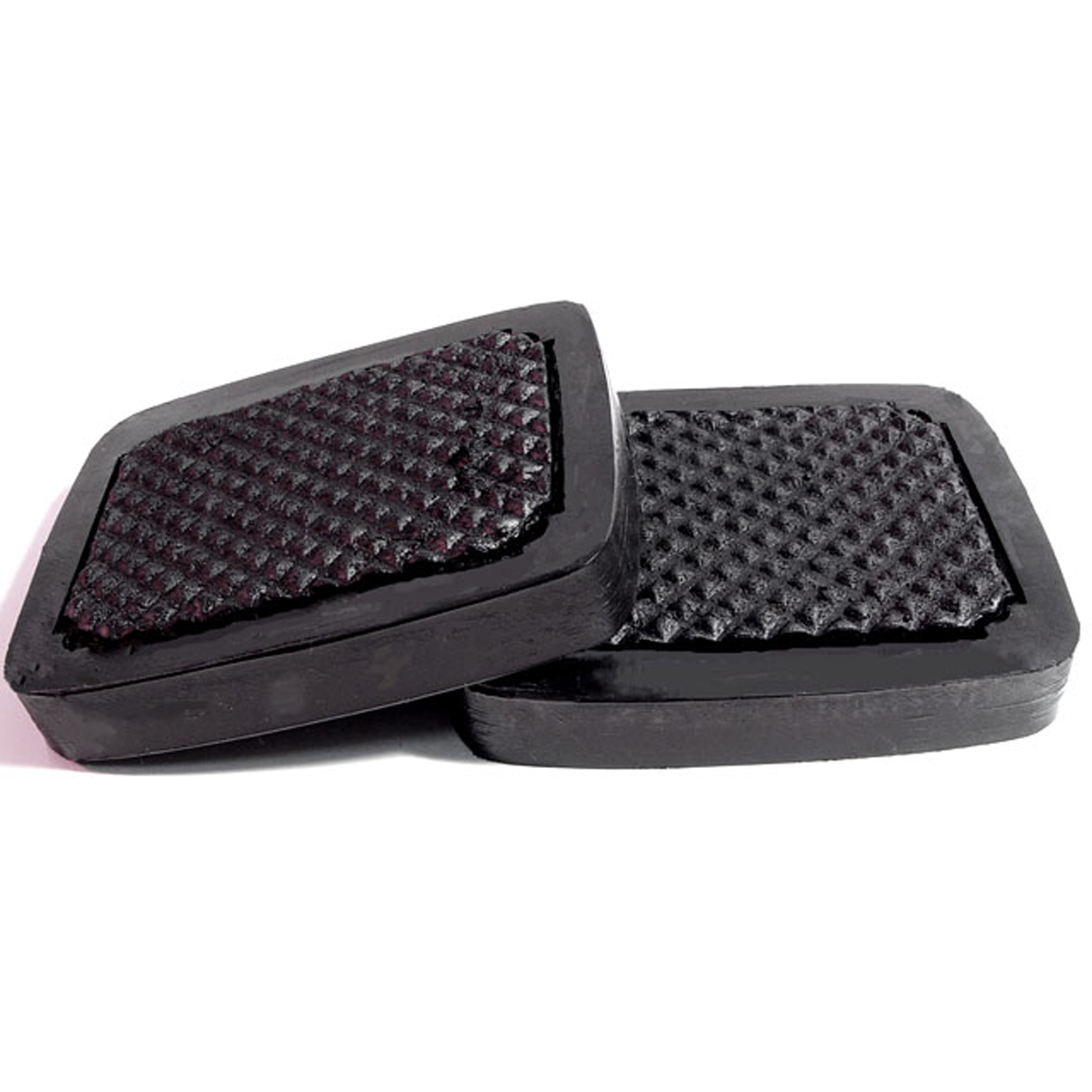 1922 Buick Series 40 Clutch and Brake Pedal Pads. 2-3/4" wide X 3-3/8" long-CB 12Clutch and Brake Pedal Pads. 2-3/4" wide X 3-3/8" long. Pair
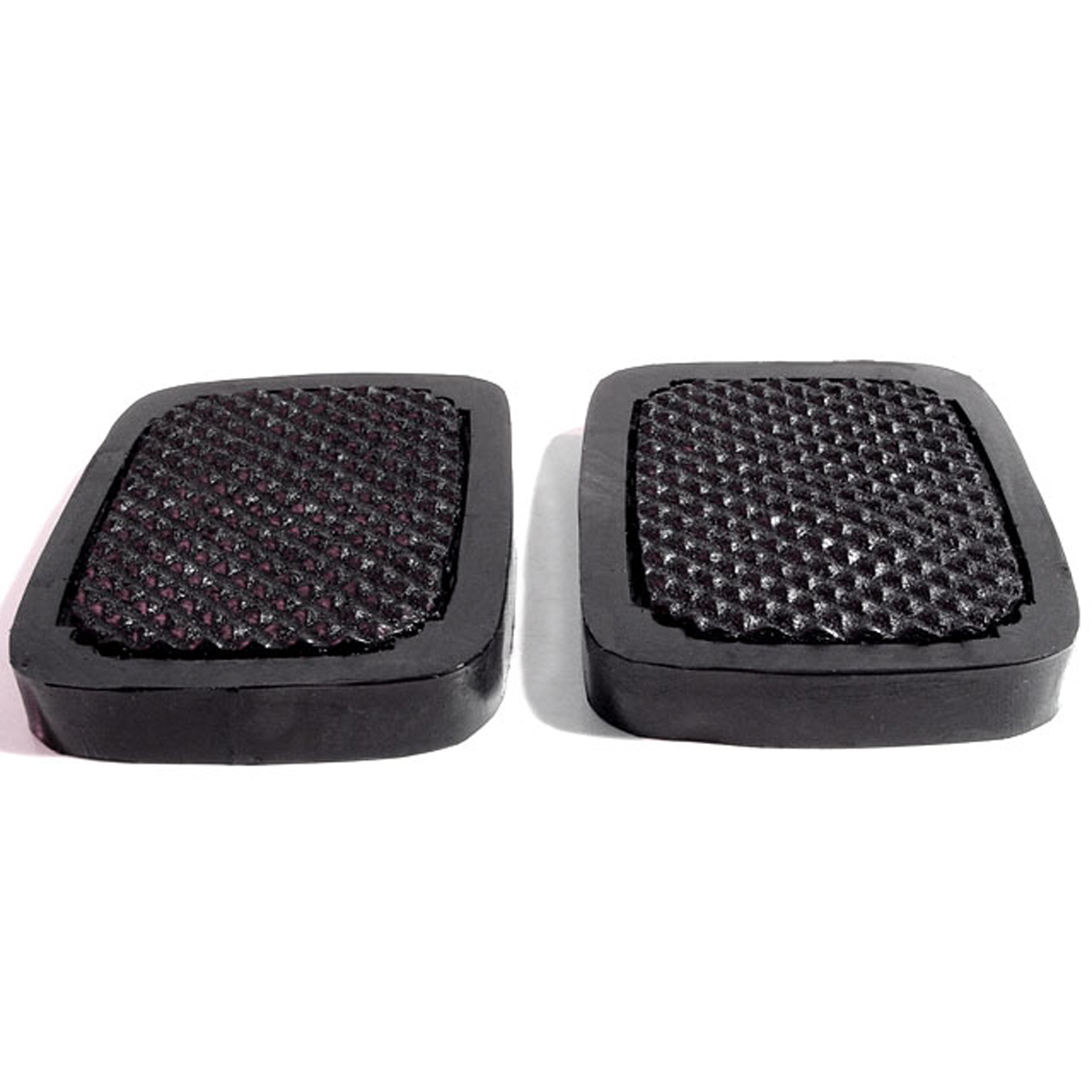 1922 Buick Series 40 Clutch and Brake Pedal Pads. 2-3/4" wide X 3-3/4" long-CB 13Clutch and Brake Pedal Pads. 2-3/4" wide X 3-3/4" long. Pair
Why Choose Metro?
For over 100 years, Metro Moulded Parts has been the pinnacle of quality in classic car restoration parts. Our commitment to precision and authenticity in every component ensures a perfect fit and an OEM-level appearance.
- Expert Craftsmanship & Quality: Each part is a testament to our dedication to reliability and perfection, crafted from original designs and thoroughly tested.
- Advanced Technology: We use cutting-edge techniques to create flawless, long-lasting parts that surpass others in performance.
- SuperSoft Sponge – The Ultimate Door Seal: Not only are our door seals 30% softer than competitors', but they're also guaranteed to never leak. They effectively reduce wind and road noise, enhancing your classic car's comfort and driving experience.
- Proudly American: Our parts are a product of American craftsmanship, made in the USA with a spirit of excellence and heritage.
- Unrivaled Warranty: We back our products with a 30-year industry-leading warranty, a testament to our confidence in their quality.
Join us in preserving the legacy of classic cars with parts that are crafted for perfection, not just made.