

Image of 1923 Buick Series 30, Note: These illustrations use artistic license and may differ from actual historical models.
Performance Metrics
Fundamental Metrics
Emotional Appeal
MMP Rating
| Engine Specifications | |
|---|---|
| Engine: | 6-cylinder, in-line, L-head |
| Displacement: | 170-200 cubic inches |
| Horsepower: | Estimated 50-60 HP |
| Torque: | Not available |
| Compression Ratio: | Not available |
| Ignition System: | Battery and coil |
| Cooling System: | Water, thermo-siphon |
| Performance Specifications | |
| 0-60 Time: | Not available |
| 1/4 Mile Time: | Not available |
| Top Speed: | 45-50 mph |
| Transmission and Drive | |
| Drive Type: | Rear-wheel drive |
| Transmission Type: | 3-speed manual |
| Fuel and Efficiency | |
| Fuel System Type: | Carburetor |
| MPG: | Not available |
| Dimensions and Brakes | |
| Brakes: | Mechanical, 2-wheel brakes |
| Wheelbase: | 120 inches |
| Weight: | 2,800-3,000 lbs |
Note: Specifications for classic cars are given to the best of our ability, considering the limited and variant data available.
1923 Buick Series 30: A Buick Built for the Open Road
The 1923 Buick Series 30 brought the confidence of a big-car maker to a practical, four-cylinder automobile. With its upright radiator, long hood, exposed running boards, and Buick’s distinctive overhead-valve engine, it looked every inch a car from the early motor age, but it also reflected the industry’s rapid shift toward more dependable, widely owned transportation.
Buick was already a major name by 1923. Founded by David Dunbar Buick, the company became the cornerstone of General Motors after its acquisition in 1908. The Series 30 sat toward the accessible end of Buick’s range, offering buyers a less expensive alternative to the larger six-cylinder models while retaining the engineering and finish that helped Buick build its reputation.
One detail that makes the Series 30 especially interesting is its engine design. Buick had made overhead-valve, or “valve-in-head,” engines a defining feature long before they became commonplace. In an era when many cars still used side-valve layouts, that design helped Buick deliver strong performance for its size and became part of the brand’s identity.
Exterior Design and Cabin Details
The Series 30 has the unmistakable proportions of a 1920s car: a tall, narrow radiator at the front, a long bonnet, separate curved fenders, and running boards connecting the front and rear wings. Headlamps sit prominently beside the radiator, while the exposed wheels and upright windscreen give the car a purposeful, open-air look. The result is elegant without being fussy, with the mechanical parts of the car still very much on display.
Open models typically paired practical seating with a folding fabric top and side curtains for protection from weather. Depending on body style and trim, interiors could feature leather upholstery in open cars and durable cloth or broadcloth in enclosed models. Wood trim and a straightforward instrument panel gave the cabin a crafted feel, though the emphasis was on function rather than modern convenience. The driver sat amid a large steering wheel, simple gauges, and controls that required more direct attention than those in a contemporary car.
Period paint choices varied by body style, year, and production order. Dark shades such as black, deep blue, and green are often associated with cars of the period, but original colors should be confirmed against a specific car’s factory records or surviving paint layers. Black is a familiar restoration choice, though it was not the only possibility.
Series 30 body offerings varied by model and market, with open touring and roadster-style cars as well as enclosed coupe and sedan forms represented in Buick’s range. The five-passenger touring car is among the most recognizable configurations today: it shows off the car’s long profile, folding top, and open cabin to full effect. Exact body availability should be checked against the particular 1923 model designation, since Buick’s catalog and body combinations could differ.
Buick Engineering in a Changing Era
The Series 30’s importance is less about one revolutionary feature and more about how it brought established Buick engineering to a broader price point. Its four-cylinder overhead-valve engine gave buyers a simpler, less costly entry into the Buick range without abandoning the brand’s emphasis on mechanical strength. That mattered in the early 1920s, when drivers wanted cars that could handle longer journeys and rougher roads with greater confidence.
Buick’s valve-in-head approach also helped distinguish the company from many competitors. The layout was not unique to Buick, but Buick had championed it for years, and the marque’s reputation for sturdy engines helped make overhead valves an important part of its identity. The Series 30 therefore belongs to a wider story: the evolution from early, basic motorcars toward more capable and refined automobiles for everyday owners.
It was not a luxury car in the way Buick’s larger models could be, nor was it a stripped-down economy machine. Its appeal lay between those poles. Buyers could get recognizable Buick quality and a useful range of body styles without paying for the biggest engine in the showroom.
Engine, Speed, and Driving Feel
The 1923 Series 30 used a four-cylinder, overhead-valve engine of approximately 201 cubic inches, or 3.3 liters, commonly rated at about 35 horsepower. Power went to the rear wheels through a manual transmission. Exact specifications can vary by model and reference source, so a car’s serial number and original literature are the best guides when confirming details.
Period cars were not routinely tested using today’s standardized 0-to-60-mph method. A healthy Series 30 was generally suited to cruising at modest road speeds, with a likely top speed in the neighborhood of 45 to 55 mph depending on body, gearing, condition, and road surface. Reaching 60 mph should not be treated as a normal or guaranteed capability. For a car of this age, mechanical condition matters far more than a theoretical figure.
Acceleration is leisurely by modern standards. The driver works the manual gearbox, listens to the engine, and builds speed gradually rather than expecting an immediate response. The overhead-valve four has a purposeful mechanical note, with the sound of the engine, transmission, and road all part of the experience. There is no sound insulation comparable to a modern car, and the driver feels closely connected to the machinery.
On smooth roads, the Series 30 can feel steady and composed for its era. On broken surfaces, its tall tires and period suspension help absorb some bumps, but the ride is still more active than that of a modern vehicle. Narrow tires, a high seating position, and comparatively basic brakes call for measured driving. On winding roads, the car rewards smooth steering and early braking rather than quick inputs. Windy conditions can also be more noticeable in an open touring model, especially with the top raised.
Living With a 1923 Buick
Today, a Series 30 is primarily a touring, show, or hobby car rather than a daily driver. Owners may take one to vintage-car meets, local parades, heritage events, and relaxed weekend drives. Its open body styles are particularly well suited to short scenic outings, while enclosed versions offer a more sheltered experience.
Maintenance is hands-on. Owners should expect regular attention to lubrication, ignition, fuel delivery, cooling, tires, brakes, and the many adjustments that keep an early car running smoothly. Parts availability varies: some common service items and reproduction components can be found through specialist suppliers, while body-specific or original parts may require patience and networking with Buick clubs and vintage-car groups.
The mechanical layout is comparatively straightforward, which can make routine work approachable for an experienced home mechanic. That does not mean every repair is simple. A car that has been stored poorly or restored without careful documentation may need substantial work, and its brakes, steering, and tires deserve particular scrutiny before road use. Reliability depends heavily on correct restoration and preventive maintenance.
Little-Known Facts and Common Criticisms
The Series 30 represents an important transition in Buick’s product story: a four-cylinder Buick from a manufacturer increasingly associated with more powerful six-cylinder cars. Buick’s four-cylinder models did not remain the center of the range indefinitely, making early Series 30 cars a distinct chapter in the company’s development.
There is no widely recognized Series 30 speed record or celebrity ownership story that defines the model. Nor is it generally remembered for a single famous historical event. Its significance is more everyday and arguably more revealing: it represents the kind of capable, middle-priced car that helped motor vehicles become useful beyond the wealthiest households.
Common criticisms are familiar to anyone who has driven a century-old automobile. The car is slow by current standards, requires frequent mechanical attention, offers limited weather protection in open form, and lacks modern safety equipment. Its braking and handling need to be understood on their own terms. These are not defects that can be cured with a tune-up; they are part of the technology and driving culture of the period.
Collector Value and Availability
Surviving 1923 Buick Series 30s are scarce compared with mass-produced cars such as the Ford Model T, but they do appear in the collector market. A precise production total for the Series 30 alone is difficult to establish from commonly available figures, because Buick production totals are often reported across multiple series and body styles. A reasonable, clearly approximate estimate is that production was in the tens of thousands, perhaps around 25,000 to 50,000 cars. That is a best-guess range, not a confirmed factory count, and surviving examples are far fewer.
Values depend strongly on body style, originality, completeness, restoration quality, and the quality of the paperwork. As a broad current-market estimate, a project or incomplete car might bring roughly $8,000 to $18,000. A sound, usable example could fall around $18,000 to $35,000, while a well-restored or especially desirable example may reach approximately $35,000 to $65,000 or more. Exceptional cars and unusual body styles can sit outside those ranges, while neglected cars may sell for less.
Like many prewar vehicles, the Series 30 has not followed a simple, predictable appreciation curve. High-quality restorations and rare body styles can hold interest, but restoration costs often exceed the eventual sale price. Originality, documentation, and condition generally matter more than the assumption that an old car will automatically rise in value. Buyers should compare recent sales of similar body styles and factor in transport, mechanical work, and specialist parts.
Why the 1923 Series 30 Still Matters
The 1923 Buick Series 30 combines early-twentieth-century style with engineering that helped define Buick’s reputation. Its four-cylinder overhead-valve engine, upright profile, practical body choices, and direct driving experience make it a compelling example of how automakers were broadening the appeal of the automobile.
It is not a car for effortless speed or carefree, modern traffic. It is a car for understanding the road at a slower pace, hearing the machinery work, and seeing how Buick earned its place in American automotive history. That is the Series 30’s lasting appeal: a modest Buick with a substantial story.
1923 Buick Series 30 Catalog of Parts
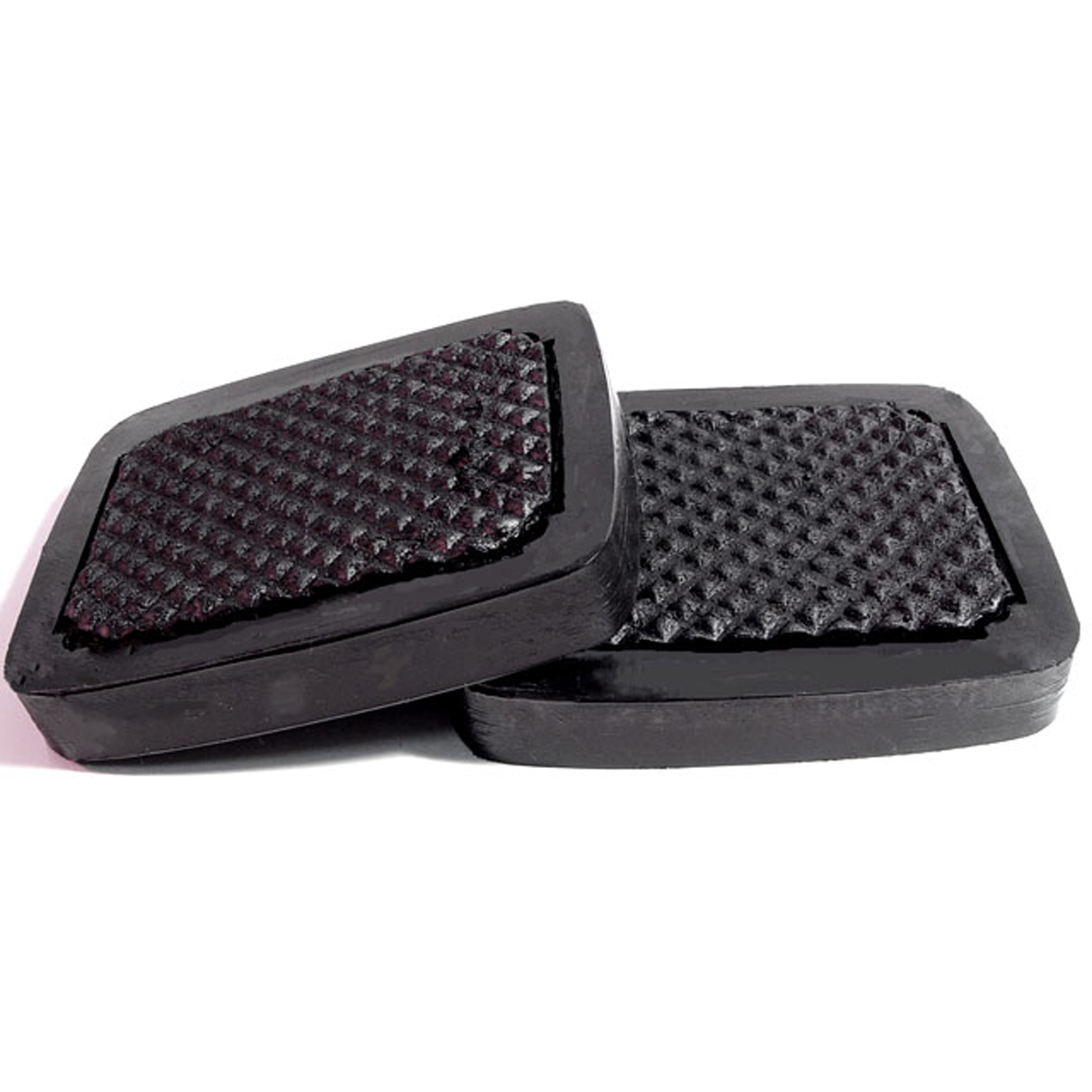 1923 Buick SERIES 30 Clutch and Brake Pedal Pads. 2-3/4" wide X 3-3/8" long-CB 12Clutch and Brake Pedal Pads. 2-3/4" wide X 3-3/8" long. Pair
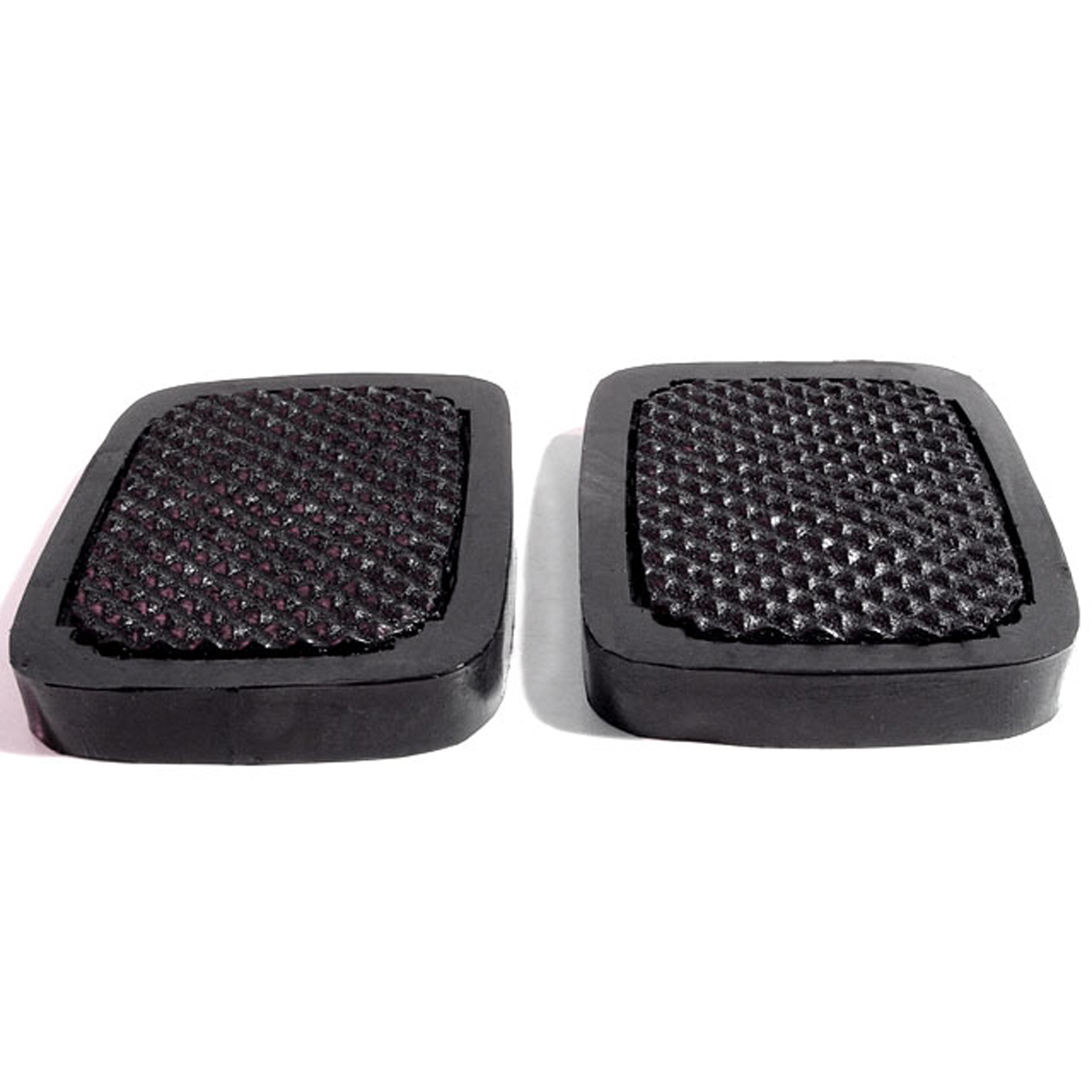 1923 Buick SERIES 30 Clutch and Brake Pedal Pads. 2-3/4" wide X 3-3/4" long-CB 13Clutch and Brake Pedal Pads. 2-3/4" wide X 3-3/4" long. Pair
Why Choose Metro?
For over 100 years, Metro Moulded Parts has been the pinnacle of quality in classic car restoration parts. Our commitment to precision and authenticity in every component ensures a perfect fit and an OEM-level appearance.
- Expert Craftsmanship & Quality: Each part is a testament to our dedication to reliability and perfection, crafted from original designs and thoroughly tested.
- Advanced Technology: We use cutting-edge techniques to create flawless, long-lasting parts that surpass others in performance.
- SuperSoft Sponge – The Ultimate Door Seal: Not only are our door seals 30% softer than competitors', but they're also guaranteed to never leak. They effectively reduce wind and road noise, enhancing your classic car's comfort and driving experience.
- Proudly American: Our parts are a product of American craftsmanship, made in the USA with a spirit of excellence and heritage.
- Unrivaled Warranty: We back our products with a 30-year industry-leading warranty, a testament to our confidence in their quality.
Join us in preserving the legacy of classic cars with parts that are crafted for perfection, not just made.