
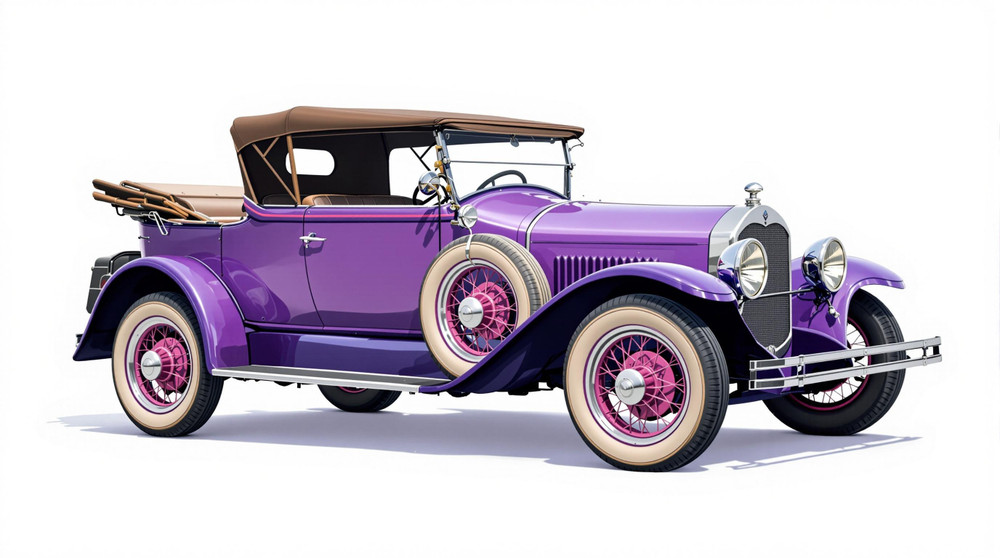
Image of 1923 Buick Series 50, Note: These illustrations use artistic license and may differ from actual historical models.
Performance Metrics
Fundamental Metrics
Emotional Appeal
MMP Rating
| Engine Specifications | |
|---|---|
| Engine Options: | 242 cu in (4.0 L) OHV I6 |
| Displacement Range: | 242 cubic inches |
| Horsepower Range: | Estimated 50-60 hp |
| Torque: | Not available |
| Compression Ratio: | Not available |
| Ignition System: | Battery and coil |
| Cooling System: | Water-cooled |
| Performance Specifications | |
| 0-60 Time: | Not available |
| 1/4 Mile Time: | Not available |
| Top Speed: | 50 mph |
| Transmission and Drive | |
| Drive Type: | Rear-wheel drive |
| Transmission Type: | 3-speed manual |
| Fuel and Efficiency | |
| Fuel System Type: | Carburetor |
| MPG: | Not available |
| Dimensions and Brakes | |
| Brakes: | Mechanical drum brakes |
| Wheelbase: | 120 inches |
| Weight: | 2,800 lbs |
Note: Specifications for classic cars are given to the best of our ability, considering the limited and variant data available.
1923 Buick Series 50: A Big-Six Buick With Road-Ready Ambition
The 1923 Buick Series 50 was built for motorists who wanted more than basic transportation: it paired Buick’s celebrated overhead-valve six-cylinder engine with a roomy, substantial chassis and the kind of finish that made a car feel like a serious investment. Produced by the Buick Motor Company, then a major part of General Motors, the Series 50 sat in the upper-middle part of Buick’s range, above the smaller models and below the larger, more expensive Series 60.
Its story belongs to a fast-changing decade. In the early 1920s, electric starters and enclosed bodies were making motoring easier, while better roads encouraged owners to travel farther from home. Buick had already earned a reputation for its “valve-in-head” engines, an overhead-valve layout that helped distinguish the marque. The Series 50 brought that engineering identity to a substantial six-cylinder automobile suited to touring, business, and family use.
A detail that makes the 1923 car especially interesting is that its mechanical character still comes from a very hands-on era. The driver controlled a manual three-speed gearbox, monitored the road from a high, upright seat, and relied on period braking and steering systems that demanded more effort than a modern car. It was more advanced than many early automobiles, but it still asked the driver to be part of the machinery.
Classic Buick Styling and Coachwork
The Series 50 had the upright proportions typical of early-1920s cars, but with the confident scale of a substantial six-cylinder Buick. Its tall radiator, prominent hood, sweeping front fenders, exposed running boards, and separate lamps gave it a formal, unmistakably pre-streamlined appearance. The long hood advertised the engine beneath it, while the narrow windshield and high seating position gave occupants a clear view over the road.
Inside, the emphasis was on practical comfort and durable workmanship. Depending on body style and equipment, the cabin could feature upholstered seating, a wood-trimmed dashboard, metal fittings, and a large steering wheel. Materials and trim were not identical across every body or production run, but the Series 50 was intended to feel substantial rather than utilitarian. Open cars exposed occupants to weather, while closed sedans and coupes offered a more sheltered, private experience.
Buick offered the Series 50 in several body configurations over the period, including touring cars, roadsters, coupes, and sedans. Exact body names and seating arrangements could vary by catalog and model designation. The open touring body is among the most recognizable today: it showed off the car’s long chassis, accommodated passengers for longer outings, and suited the era’s popular image of motoring as an outdoor adventure. Closed bodies appealed to buyers who wanted more protection from rain, dust, and cold.
Paint choices varied with body style, trim, and production practice. Black was a familiar and practical choice, but period Buicks were not limited to black. Dark blues, greens, maroons, and other subdued shades were typical of the era’s palette. Original color documentation can be difficult to match to an individual surviving car, so restorers often consult factory literature, surviving paint evidence, and marque specialists before choosing a finish.
Engineering That Made Buick Stand Out
The Series 50’s defining feature was its inline six-cylinder engine with overhead valves, a layout Buick had championed for years. In an overhead-valve engine, the valves sit in the cylinder head rather than alongside the cylinders. That arrangement can improve the flow of air and fuel through the engine, helping it produce useful power for its size. Buick’s “valve-in-head” reputation was a meaningful selling point at a time when many engines used less sophisticated side-valve designs.
For 1923, Series 50 specifications are commonly listed with a 255.4-cubic-inch inline-six rated at about 70 horsepower. The engine worked with a three-speed manual transmission and rear-wheel drive. Electric starting and lighting were part of the increasingly modern ownership experience, although the car’s controls, instruments, and maintenance needs remained very different from those of a present-day vehicle.
The Series 50 was not a single breakthrough model that transformed the entire industry. Its importance lies in how it combined Buick’s established overhead-valve engineering with a comfortable, relatively capable touring car. It helped reinforce a reputation for sturdy six-cylinder performance and gave buyers a choice between modest transportation and a larger, more refined automobile without moving to the very top of the market.
Performance and Driving Feel
Period performance figures are not as consistent as modern test data, and results depended on body style, gearing, mechanical condition, road surface, and load. A well-maintained Series 50 could reach roughly 50 to 55 mph, with some accounts and estimates putting the upper limit near 60 mph under favorable conditions. A modern-style 0-to-60-mph figure was not commonly measured for cars of this age. As a practical estimate, reaching 60 mph would take a long time, and some examples may not reach it reliably at all.
Acceleration is better understood as steady rather than brisk. The six-cylinder engine was designed to move a substantial car with useful pulling power, not to deliver quick launches by modern standards. Drivers changed gears deliberately, listened to engine speed, and planned passes well in advance. On hills or with a full passenger load, keeping momentum mattered.
The driving experience is defined by the engine’s rhythmic mechanical sound, the movement of the gear lever, and the relatively direct connection between driver and road. Steering requires more arm strength than a modern car, especially at low speeds. The chassis can feel composed on smooth roads, but narrow tires, older suspension design, and period shock absorption make sharp bumps more noticeable. On winding roads, the car rewards measured steering and moderate speeds rather than quick cornering.
Wind also plays a larger role than it does in a modern automobile, especially in an open touring model. The high body and upright windshield catch the air, while the driver has to account for limited visibility at night and around traffic. Mechanical brakes require more planning and pedal effort than modern hydraulic systems. In short, a Series 50 can be enjoyable on a relaxed vintage drive, but it is not built for present-day traffic pace.
Ownership, Maintenance, and Reliability
In its own time, the Series 50 could serve as a family car, a touring car, or transportation for a business owner. Today, surviving examples are used mainly for local tours, club events, historic displays, and carefully planned vintage drives. A well-restored car can cover short and moderate distances, but most owners treat it as a preservation vehicle rather than a daily driver.
Maintenance is approachable for an owner with mechanical experience, basic tools, and a willingness to learn older systems. The engine and chassis are relatively straightforward compared with later cars, but age brings its own complications. Fuel and ignition systems may need regular attention, and the cooling system, wiring, bearings, brakes, tires, and lubrication points all deserve careful inspection. Parts availability varies: common service items and reproduction parts may be found through specialist suppliers, while body-specific or rare components can take time to locate.
Reliability depends heavily on restoration quality and ongoing care. A car that has been rebuilt thoughtfully can be dependable for its intended use, but “simple” does not mean maintenance-free. Owners should confirm that the brakes, steering, tires, and fuel system are safe before driving, and should avoid assuming that a recently polished car is mechanically sound.
1923 Buick Series 50 Facts and Myths
The Series 50 was part of Buick’s broad early-1920s lineup, when the company was a key General Motors marque and a major American automobile producer. Buick’s overhead-valve identity was a central part of its appeal, and the Series 50 carried that engineering tradition into a larger six-cylinder car. It is also a useful snapshot of the transition from open, exposed motoring toward the more enclosed and comfortable cars that would become increasingly common.
There is no widely recognized Series 50 speed or endurance record that defines the model, and specific claims about celebrity ownership should be treated cautiously unless supported by documentation. The more meaningful historical story is its role as a well-equipped production Buick during a period of rapid growth in American motoring. Individual cars may have fascinating ownership histories, but those stories need to be verified vehicle by vehicle.
Common criticisms are practical ones: the car is slow by modern standards, braking distances are long, steering is heavy, and open versions offer little protection from weather. Closed bodies can feel cramped by current standards, and sourcing correct parts for a precise restoration may be challenging. Those limitations are part of the period experience, but they are also why careful maintenance and sensible driving matter.
Collector Value and Availability
Surviving 1923 Buick Series 50s are uncommon, though not necessarily one-off rarities. Exact production totals for the Series 50 by body style are difficult to establish from commonly available records. Buick produced a large number of cars in the period, but the Series 50 represented only part of the lineup. A reasonable working estimate is that production may have reached several thousand to the low tens of thousands across the model range, but that is an informed estimate, not a confirmed factory total. Far fewer remain in usable or restored condition today.
As a broad U.S. market estimate, a project car might sell for roughly $8,000 to $18,000, depending on completeness and condition. A sound, presentable driver could fall around $20,000 to $40,000, while a high-quality restoration or especially desirable body style may bring approximately $40,000 to $65,000 or more. These figures are approximate: originality, documented history, restoration quality, and regional demand can move the price substantially.
Values for early cars tend to be condition-sensitive, and the market is narrower than for more familiar postwar classics. Over the long term, well-restored examples may hold or gradually increase their value, but appreciation is not guaranteed. Restoration costs can exceed resale value, particularly when specialized bodywork or hard-to-find components are involved. Buyers should purchase for the car’s history and enjoyment, not on the assumption that it will deliver a quick financial return.
Why the 1923 Buick Series 50 Still Matters
The 1923 Buick Series 50 combines a distinctive prewar silhouette, Buick’s overhead-valve six-cylinder heritage, and the substantial feel of an automobile built for longer journeys. Its performance is modest by modern standards, and its controls demand patience, but that is part of its appeal. The Series 50 represents an era when engineering progress was tangible in the engine bay and every drive required the driver’s full attention.
For collectors, it offers more than attractive brass-and-steel-era styling. It is a reminder of Buick’s early reputation for capable six-cylinder cars and of the moment when motoring was becoming more comfortable, more accessible, and more ambitious. Take a Series 50 out on a quiet road, and its significance is easy to hear in the measured beat of the engine and feel in every deliberate turn of the wheel.
1923 Buick Series 50 Catalog of Parts
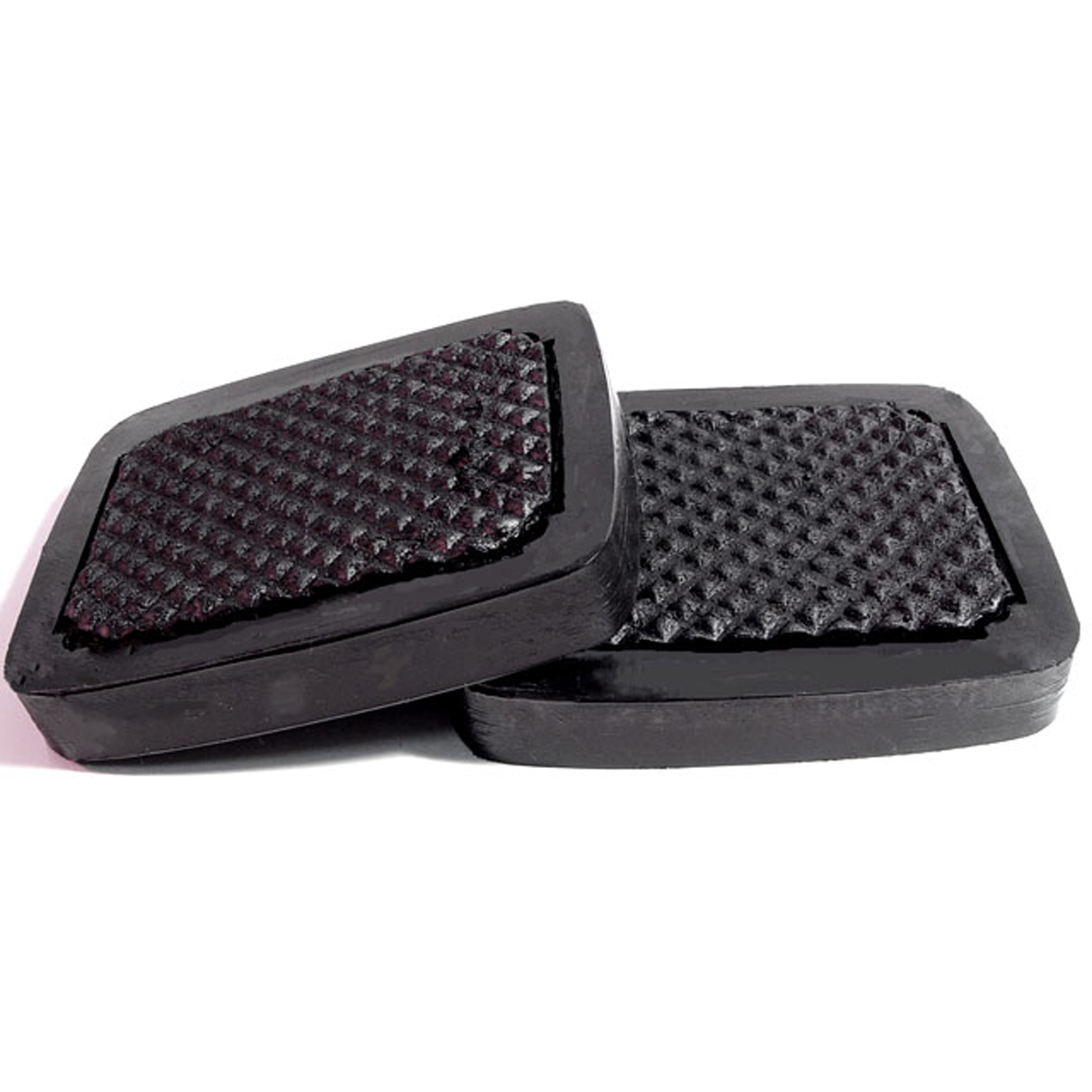 1923 Buick Series 50 Clutch and Brake Pedal Pads. 2-3/4" wide X 3-3/8" long-CB 12Clutch and Brake Pedal Pads. 2-3/4" wide X 3-3/8" long. Pair
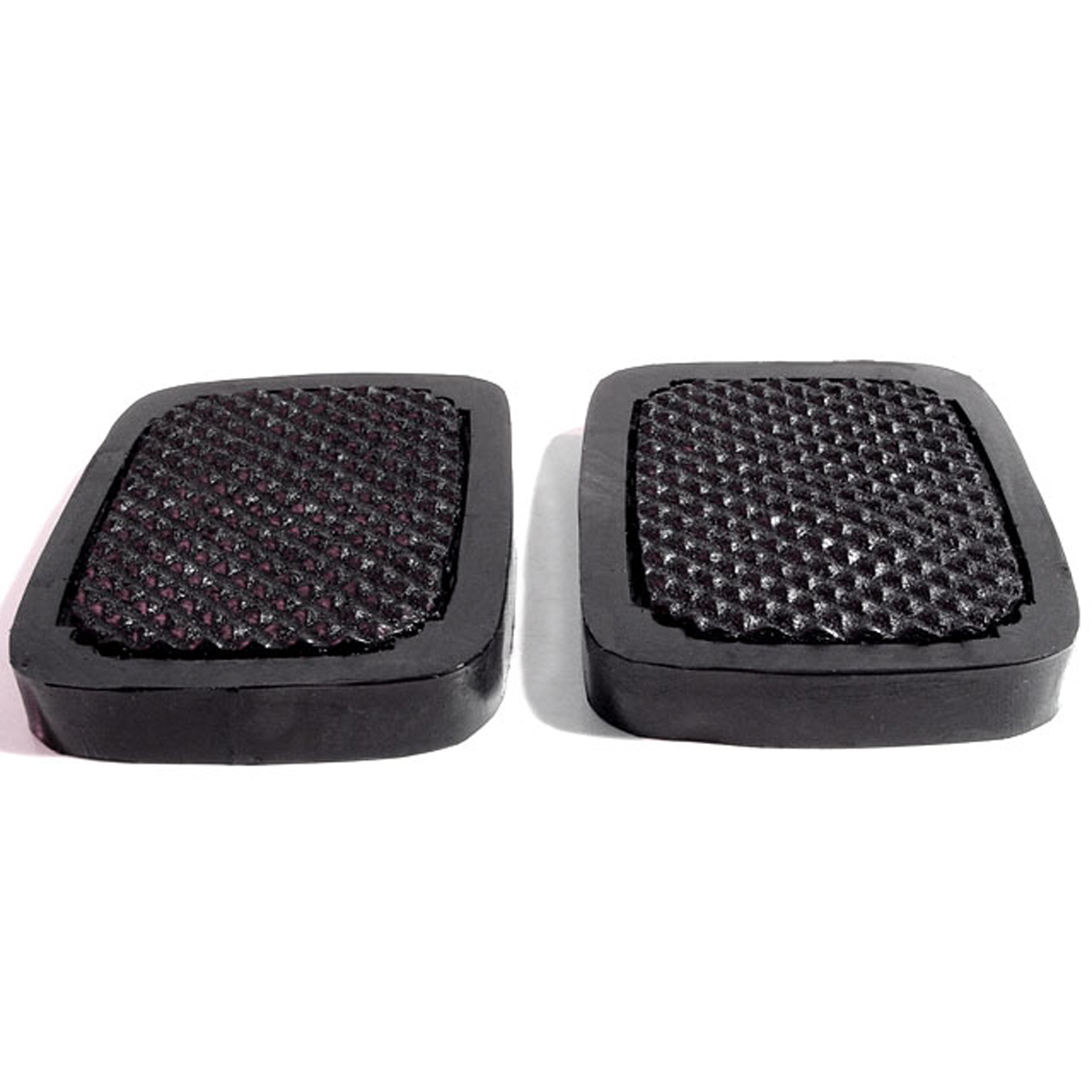 1923 Buick Series 50 Clutch and Brake Pedal Pads. 2-3/4" wide X 3-3/4" long-CB 13Clutch and Brake Pedal Pads. 2-3/4" wide X 3-3/4" long. Pair
Why Choose Metro?
For over 100 years, Metro Moulded Parts has been the pinnacle of quality in classic car restoration parts. Our commitment to precision and authenticity in every component ensures a perfect fit and an OEM-level appearance.
- Expert Craftsmanship & Quality: Each part is a testament to our dedication to reliability and perfection, crafted from original designs and thoroughly tested.
- Advanced Technology: We use cutting-edge techniques to create flawless, long-lasting parts that surpass others in performance.
- SuperSoft Sponge – The Ultimate Door Seal: Not only are our door seals 30% softer than competitors', but they're also guaranteed to never leak. They effectively reduce wind and road noise, enhancing your classic car's comfort and driving experience.
- Proudly American: Our parts are a product of American craftsmanship, made in the USA with a spirit of excellence and heritage.
- Unrivaled Warranty: We back our products with a 30-year industry-leading warranty, a testament to our confidence in their quality.
Join us in preserving the legacy of classic cars with parts that are crafted for perfection, not just made.