

Image of 1924 Buick Series 40, Note: These illustrations use artistic license and may differ from actual historical models.
Performance Metrics
Fundamental Metrics
Emotional Appeal
MMP Rating
| Engine Specifications | |
|---|---|
| Engine Options: | 4.9L I6 |
| Displacement Range: | 4.9L |
| Horsepower Range: | 27-30 HP |
| Torque: | Estimated 60-70 lb-ft |
| Compression Ratio: | Estimated 4.5:1 |
| Ignition System: | Distributor and coil |
| Cooling System: | Water-cooled |
| Performance Specifications | |
| 0-60 Time: | Not available due to the age of the vehicle |
| 1/4 Mile Time: | Not available due to the age of the vehicle |
| Top Speed: | 45-50 mph |
| Transmission and Drive | |
| Drive Type: | Rear-wheel drive |
| Transmission Type: | 3-speed manual |
| Fuel and Efficiency | |
| Fuel System Type: | Carburetor |
| MPG: | Estimated 10-15 mpg |
| Dimensions and Brakes | |
| Brakes: | Mechanical drum brakes |
| Wheelbase: | 120 inches |
| Weight: | 2,800 lbs |
Note: Specifications for classic cars are given to the best of our ability, considering the limited and variant data available.
1924 Buick Series 40: The Six-Cylinder Buick for the Open Road
The 1924 Buick Series 40 brought Buick’s reputation for sturdy engineering to a more accessible price class, pairing a lively overhead-valve six-cylinder engine with the upright, carriage-inspired styling of the early automobile era. Built by the Buick Motor Company, then a major division of General Motors, it arrived as American roads and motoring habits were changing quickly. One especially interesting detail: Buick’s 1924 lineup offered four-wheel brakes, a significant safety feature at a time when many cars still relied on brakes at the rear wheels alone.
The Series 40 was Buick’s entry-level line, not a bare-bones bargain car. It gave buyers a taste of Buick’s signature “valve-in-head” engineering and solid construction, while sitting below more expensive Buick models. Today, it offers a rewarding window into the transition from open touring cars to the more enclosed, practical automobiles that would soon dominate American roads.
Upright Styling and Buick Craftsmanship
The Series 40 wore the unmistakable profile of a 1920s car: a tall radiator, long hood, separate fenders, exposed running boards, and slim, upright glass. Brass had largely given way to nickel-plated or painted fittings, but the car retained the period’s bright, hand-finished details. Its narrow tires and high stance look delicate beside a modern car, yet the overall design feels purposeful, with the engine compartment stretching forward and the passenger cabin set well back.
Inside, the experience depended on the body style and trim level. Buyers could expect practical, durable materials rather than modern luxury-car appointments: a wood-framed body, leather or leatherette seating in many open models, and straightforward painted or upholstered interior panels. The dashboard was simple and functional, with prominent gauges and a large steering wheel. Open cars made the cabin feel airy, while closed bodies offered more protection from weather and road dust.
Period paint choices varied by body and production run. Dark blue, black, maroon, and shades of green or gray were typical choices for cars of the era, often set off by contrasting wheels or trim. Exact factory combinations can be difficult to confirm on an individual car, so restored examples should be judged against reliable period documentation rather than assumed color standards.
Series 40 body offerings included open touring and roadster models as well as closed coupes and sedans, though names and availability could vary by market. The touring car is perhaps the most visually iconic: its open cabin, folding top, and separate side curtains capture the classic prewar motoring image. A coupe or sedan, by contrast, suits owners who value weather protection and a more formal appearance.
Engineering That Moved Buick Forward
The Series 40’s central technical feature was Buick’s overhead-valve, or “valve-in-head,” six-cylinder engine. In an era when many competitors used less advanced side-valve layouts, Buick promoted the breathing and performance advantages of placing the valves in the cylinder head. The engine’s reputation for dependable power helped establish a theme that would follow Buick for decades: engineering with a little more substance than the price tag might suggest.
Four-wheel braking was another meaningful advance in Buick’s 1924 range. Braking systems and equipment could vary by model and specification, so a prospective buyer should inspect the individual car rather than assume every surviving example has identical hardware. Even so, the move toward braking at all four wheels marked an important step in improving control as cars became faster and heavier.
The Series 40 did not reinvent the automobile, but it helped make more capable engineering available to a broad group of buyers. It also reflected a broader shift in the industry: the move away from purely open, carriage-style vehicles toward cars designed for regular use, longer journeys, and increasingly varied road conditions.
Six-Cylinder Power and Period Road Manners
Most reference specifications list the 1924 Series 40’s six-cylinder engine at about 170 cubic inches and approximately 45 horsepower. It worked with a conventional three-speed manual transmission and rear-wheel drive. Exact figures can differ across body styles and sources, and original cars may have been altered during their long lives.
Factory-style performance figures are not as standardized as they are for modern cars. A reasonable period estimate is a top speed in the neighborhood of 55 to 60 mph, with a 0-to-60-mph time likely taking well over 20 seconds and potentially closer to 30 seconds or more, depending on condition, gearing, load, and road surface. The Series 40 was built for steady touring, not quick acceleration or high-speed cruising.
On the road, the engine produces a measured, mechanical six-cylinder note rather than a modern smooth hum. The driver works a large steering wheel and a manual gearbox, and must plan ahead for stops and passing maneuvers. The suspension and tall tires take the edge off rough roads, but the car still moves and leans more than a contemporary vehicle. On winding roads, modest speeds and deliberate steering inputs are essential. Wind, road camber, and uneven surfaces are all part of the vintage driving experience.
Owning and Maintaining a 1924 Buick
A Series 40 can be used for local touring, vintage-car events, parades, and shows. Some owners drive their cars regularly in fair weather, but it is not a practical modern daily driver. Traffic speed, limited braking performance by current standards, minimal weather protection in open models, and the absence of modern safety equipment all call for sensible routes and a cautious pace.
Maintenance is hands-on. Owners should expect regular attention to lubrication, ignition timing, cooling, fuel delivery, brakes, tires, and the wooden or wood-framed components found in many period bodies. Parts support varies, but Buick’s popularity and long production history can make many mechanical components more obtainable than those for obscure marques. Body hardware, trim, upholstery, and correct restoration details can be harder to source.
For a mechanically inclined owner, the car’s relatively straightforward systems can be rewarding to service. That does not make restoration simple: decades of wear, previous repairs, and deterioration in the frame or body structure can turn a seemingly affordable project into a major undertaking. A careful inspection by someone familiar with brass-era and early classic cars is money well spent.
Facts, Myths, and Period Character
The Series 40 is best known as a solid, mainstream Buick rather than a celebrity car or a record-breaker. There is no widely recognized Series 40 speed record or famous individual ownership story that defines the model. Its more meaningful distinction is its place in Buick’s evolution: a practical six-cylinder car carrying the company’s overhead-valve identity into the mid-1920s.
Buick built cars in substantial numbers during this period, but reliable model-by-model production totals for the Series 40 are not consistently available. A reasonable ballpark estimate is tens of thousands of examples, perhaps around 50,000 to 100,000 across the model year and its body variations. Treat that as an informed estimate, not a verified factory count. Surviving cars are far fewer, especially in correct, complete, roadworthy condition.
One common criticism is that the Series 40 can feel slow and demanding beside later classics. Its steering, braking, shifting, and weather protection all reflect the technology of its time. Those limitations are real, but they are also part of what makes driving one engaging: the driver participates in the process rather than simply operating a set of modern controls.
Collector Values and Availability
Values depend heavily on body style, originality, restoration quality, and mechanical condition. As a broad U.S. market estimate, a project or rough driver might fall around $10,000 to $25,000. A sound, usable example could bring roughly $25,000 to $45,000, while a well-restored or especially attractive car may reach $45,000 to $70,000 or more. Exceptional restorations and desirable body styles can exceed those ranges, while incomplete or poorly documented cars may sell for less.
These are general guide ranges, not appraisals. Early Buicks trade in a specialized market, so prices can vary substantially by region and auction venue. In recent years, quality restored examples have generally held interest among collectors, but the market is selective: buyers tend to pay a premium for correct, well-documented cars and discount projects with uncertain structural or mechanical condition.
For a collector, availability is occasional rather than constant. Series 40s appear through specialist dealers, auctions, marque clubs, and private sales, but the exact body style or specification you want may take time to find. Before buying, verify the engine and chassis details, inspect the wood and metal structure, and confirm that the brakes and steering are safe and correctly restored.
Why the 1924 Series 40 Still Matters
The 1924 Buick Series 40 combined Buick’s overhead-valve six-cylinder engineering with practical body choices and the sturdy character that made the marque popular. It was not designed to set speed records or deliver modern comfort. Its significance lies in making capable motoring accessible while reflecting important changes in engine design and braking technology.
More than a century later, the Series 40 rewards owners who appreciate mechanical involvement, period craftsmanship, and the steady rhythm of early motoring. It is a reminder that automotive progress was built one durable, thoughtfully engineered car at a time.
1924 Buick Series 40 Catalog of Parts
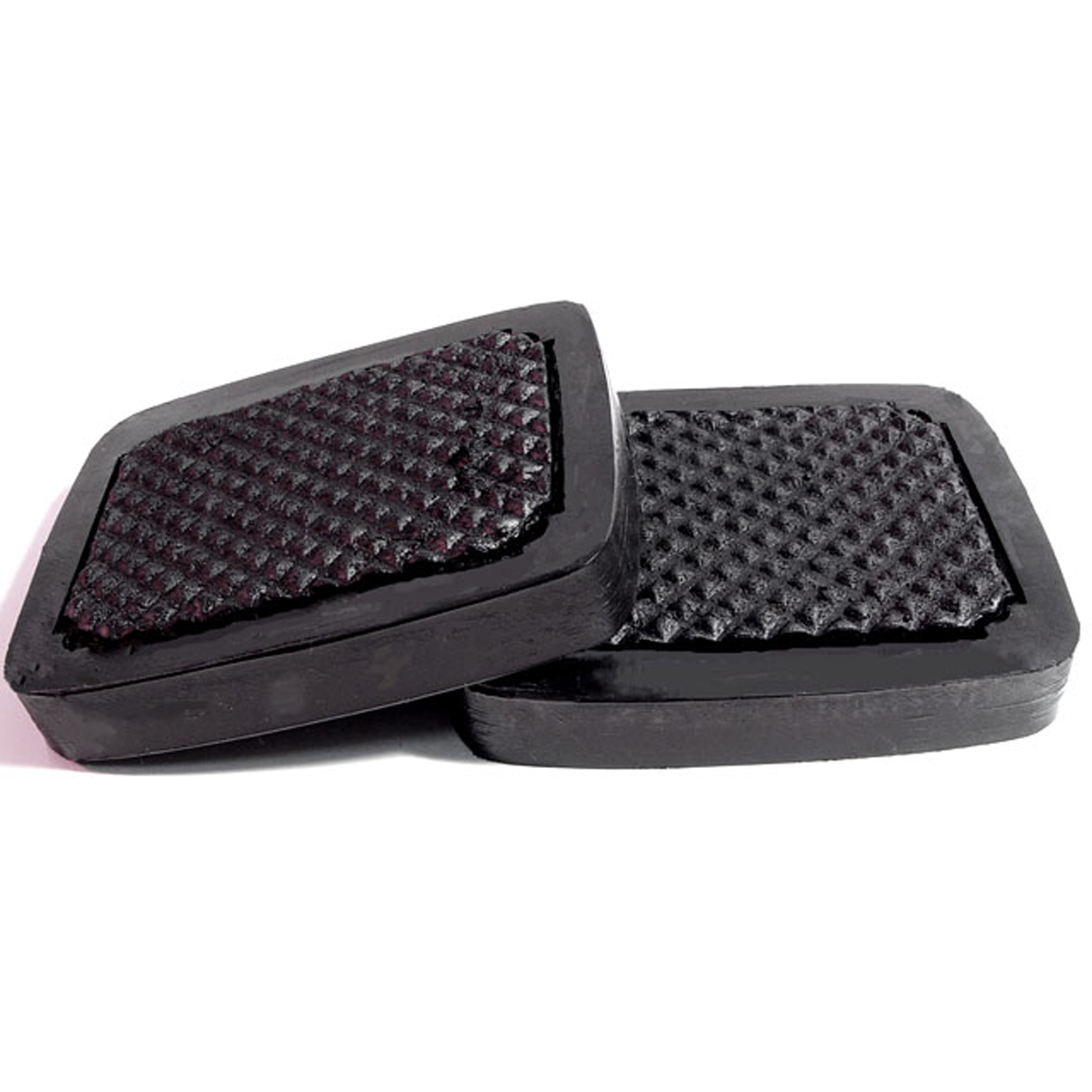 1924 Buick Series 40 Clutch and Brake Pedal Pads. 2-3/4" wide X 3-3/8" long-CB 12Clutch and Brake Pedal Pads. 2-3/4" wide X 3-3/8" long. Pair
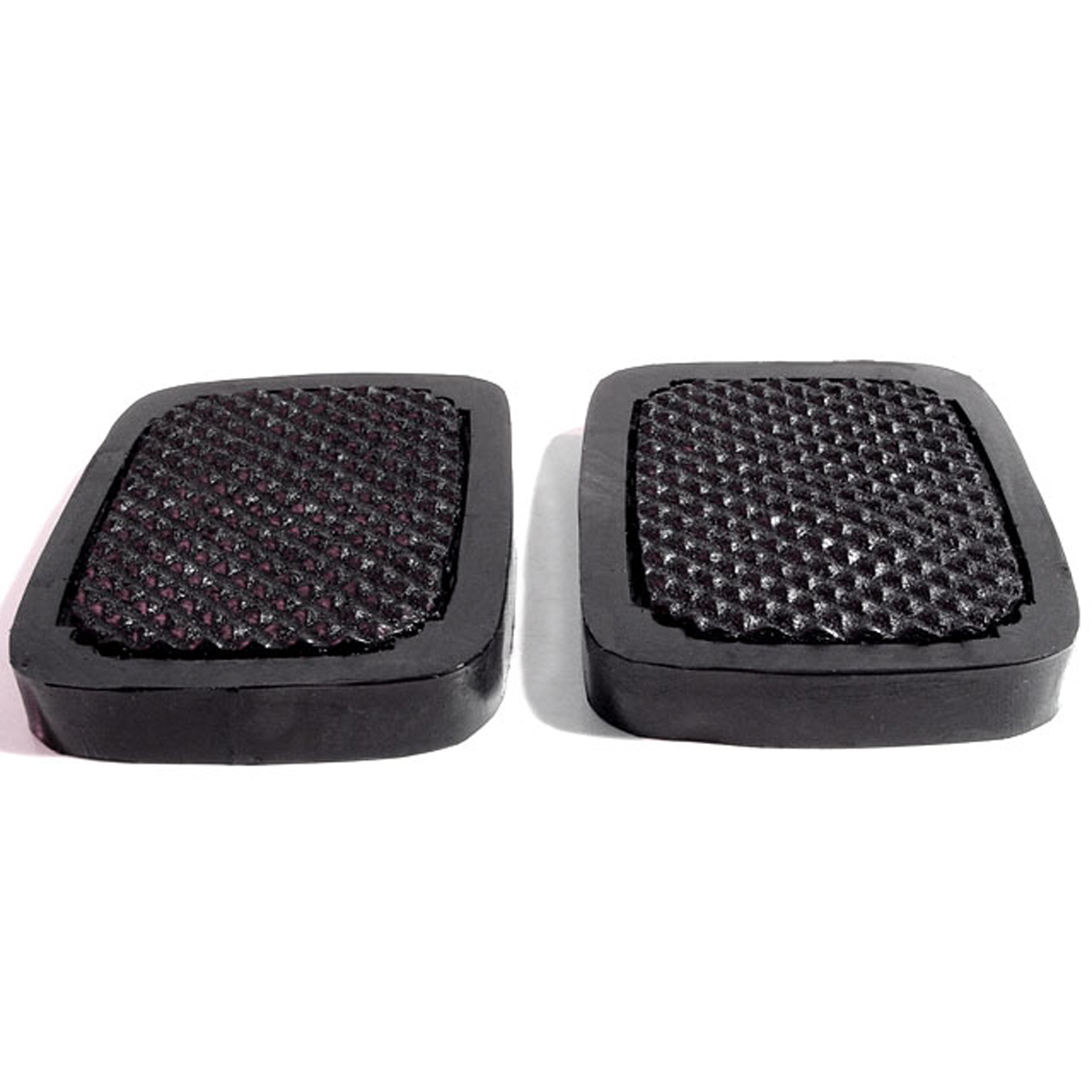 1924 Buick Series 40 Clutch and Brake Pedal Pads. 2-3/4" wide X 3-3/4" long-CB 13Clutch and Brake Pedal Pads. 2-3/4" wide X 3-3/4" long. Pair
 1924 Buick Series 40 Swing-Out Lower Windshield Seal. Sold by the foot-LP 108Swing-Out Lower Windshield Seal. Sold by the foot
Why Choose Metro?
For over 100 years, Metro Moulded Parts has been the pinnacle of quality in classic car restoration parts. Our commitment to precision and authenticity in every component ensures a perfect fit and an OEM-level appearance.
- Expert Craftsmanship & Quality: Each part is a testament to our dedication to reliability and perfection, crafted from original designs and thoroughly tested.
- Advanced Technology: We use cutting-edge techniques to create flawless, long-lasting parts that surpass others in performance.
- SuperSoft Sponge – The Ultimate Door Seal: Not only are our door seals 30% softer than competitors', but they're also guaranteed to never leak. They effectively reduce wind and road noise, enhancing your classic car's comfort and driving experience.
- Proudly American: Our parts are a product of American craftsmanship, made in the USA with a spirit of excellence and heritage.
- Unrivaled Warranty: We back our products with a 30-year industry-leading warranty, a testament to our confidence in their quality.
Join us in preserving the legacy of classic cars with parts that are crafted for perfection, not just made.