

Image of 1925 Buick Series 40, Note: These illustrations use artistic license and may differ from actual historical models.
Performance Metrics
Fundamental Metrics
Emotional Appeal
MMP Rating
| Engine Specifications | |
|---|---|
| Engine: | 4.9L I6 |
| Displacement: | 4.9L |
| Horsepower: | Estimated 70-75 HP |
| Torque: | Estimated 130-140 lb-ft |
| Compression Ratio: | 4.2:1 |
| Ignition System: | Distributor and coil |
| Cooling System: | Water-cooled |
| Performance Specifications | |
| 0-60 Time: | Not available due to the age of the vehicle |
| 1/4 Mile Time: | Not available due to the age of the vehicle |
| Top Speed: | 50-55 mph |
| Transmission and Drive | |
| Drive Type: | Rear-wheel drive |
| Transmission Type: | 3-speed manual |
| Fuel and Efficiency | |
| Fuel System Type: | Carburetor |
| MPG: | Estimated 10-15 mpg |
| Dimensions and Brakes | |
| Brakes: | Mechanical drum brakes |
| Wheelbase: | 120 inches |
| Weight: | Estimated 2,800-3,000 lbs |
Note: Specifications for classic cars are given to the best of our ability, considering the limited and variant data available.
1925 Buick: The “Series 40” Name Explained
With its upright radiator, long hood, and unmistakable valve-in-head six-cylinder engine, a 1925 Buick looks every inch the confident American motorcar of the Jazz Age. There is one important detail for anyone researching or shopping for one, though: Buick did not use the “Series 40” designation for its 1925 cars. That name is associated with Buick models from 1930 onward. A 1925 Buick is more accurately identified by its period model or series, commonly the Standard Six Model 25 or the larger Master Six Model 45.
This guide focuses on the 1925 Standard Six, the likely car people mean when they use the year and make without specifying a larger model. Equipment and specifications could differ by body style, so buyers should check a car’s identification numbers and original documentation rather than relying on a later “Series 40” description.
Buick in the Roaring Twenties
Buick was already one of General Motors’ leading marques in 1925. It occupied an appealing middle ground: more substantial and mechanically ambitious than a basic economy car, yet less expensive than a high-end luxury automobile. Its reputation rested in part on the “Valve-in-Head” engine, Buick’s name for overhead-valve technology, which helped distinguish the brand from many side-valve competitors.
The Standard Six Model 25 is generally described with a 170.3-cubic-inch inline six producing about 55 horsepower. Buick also offered the roomier, more powerful Master Six Model 45, so it is worth distinguishing the two when comparing period advertisements or present-day cars. The Model 25’s combination of six-cylinder power, practical size, and Buick engineering made it a serious family car rather than a bare-bones runabout.
A useful historical twist is that the “Series 40” label belongs to a later chapter of Buick history. A car advertised today as a “1925 Buick Series 40” may simply be described with modern shorthand, or the listing may contain an error. Confirming the model is part of the fun, and the research can prevent a costly mistake.
Brass-Era Roots, Jazz-Age Style
By 1925, Buick styling had moved beyond the ornate look of the earliest brass-era cars, but it still had plenty of presence. The car’s tall, upright radiator and prominent hood gave the front end a formal, almost architectural appearance. Rounded fenders swept over the wheels, while running boards connected the front and rear fenders into a long, continuous silhouette. Large headlamps, a narrow windshield, and exposed hinges and handles made the hardware part of the visual character.
Open models had a particularly appealing profile with their folded canvas tops and exposed passenger compartment. Closed cars looked more formal, with a taller roofline and enclosed passenger space. Paint colors depended on body style, trim, and the ordering program of the time. Dark colors such as black, deep blue, green, and maroon are associated with cars of the period, but an individual car’s original color is best verified through factory records, surviving paint layers, or a marque specialist.
Body Styles and Cabin Details
Buick’s 1925 range included several body configurations, with availability depending on the exact model. Buyers could choose from open touring and roadster-style cars as well as closed coupes and sedans. The five-passenger touring car is among the most recognizable expressions of a mid-1920s Buick: it offers the classic open-car look, room for family or friends, and the option of raising the fabric top when the weather turns.
The cabin was built for straightforward use rather than modern convenience. Open cars typically used durable upholstery, often leather or leather-like trim depending on specification, while closed cars could have more enclosed, fabric-trimmed interiors. The dashboard was simple and upright, with clear, largely mechanical instruments. A large steering wheel, floor-mounted gearshift, and hand controls give the driver a very direct connection to the car.
Materials and condition vary substantially today. Original upholstery, woodwork, and top material may have been replaced during restoration, so a “restored” car is not automatically an original one. For collectors, good photographs of the interior, a description of the restoration, and evidence of period-correct materials are worth close attention.
Technology Ahead of Its Time
The defining engineering feature was Buick’s overhead-valve six-cylinder engine. Compared with many contemporary flathead engines, the valve-in-head layout was a notable point of difference and a central part of Buick’s identity. The Model 25’s six-cylinder engine delivered smoother power than many four-cylinder cars of the day, making it well suited to touring and ordinary road use.
Like other cars of its era, the 1925 Buick relied on a manual transmission and mechanical controls. It does not have power steering, power brakes, or modern safety equipment. Four-wheel mechanical braking was part of the period’s move toward improved stopping capability, but stopping distances and pedal feel are not comparable to a modern car. A prospective owner should have the brakes inspected carefully and confirm that the system is complete and properly adjusted.
Road Manners and Real-World Speed
A healthy Standard Six could reach an estimated top speed in the neighborhood of 55 to 60 mph, depending on its gearing, body style, mechanical condition, and the accuracy of the speedometer. That figure should be treated as a period-car estimate, not a guaranteed factory performance number. Reliable, comparable 0-to-60-mph figures are not readily available for every 1925 body configuration. Given the car’s modest horsepower and substantial weight, acceleration to 60 mph would be leisurely by modern standards and could take well over 20 seconds.
On a smooth road, the Buick feels steady and purposeful. Its long body and old-fashioned suspension absorb ordinary road imperfections, but sharp bumps can produce plenty of movement through the chassis. On winding roads, the high driving position, narrow tires, large steering wheel, and relatively slow steering response encourage a measured pace. This is a touring car, not a sports car.
The engine has a distinctive mechanical rhythm, with the sound of the six-cylinder motor, exhaust, tires, and open air all contributing to the experience. Shifting requires deliberate timing, and the driver must plan braking and turns well in advance. At a comfortable cruising speed, the car rewards smooth inputs and anticipation rather than quick reactions.
Ownership, Upkeep, and Reliability
Most 1925 Buicks today are used for tours, local parades, vintage-car gatherings, and display. Some are capable of regular short drives, but they are rarely sensible modern daily drivers. Traffic speed, limited visibility by current standards, older lighting, and the absence of contemporary safety systems all make careful route planning important.
Mechanical repairs can be manageable for an experienced hobbyist, especially when the car is complete and a good shop manual is available. The basic systems are understandable, but age introduces complications: worn engine internals, tired ignition components, deteriorated wiring, brake wear, and leaks can turn a simple job into a larger project. Wood-framed body structures, where present, also deserve inspection for hidden rot or past repairs.
Routine attention matters. Owners should check lubrication points, fluids, tires, cooling-system condition, ignition, and brake adjustment before driving. Parts are available through vintage-car suppliers and Buick clubs, but some body-specific trim, upholstery details, and correct restoration pieces can be difficult or expensive to source. A well-maintained car can be enjoyable and dependable for appropriate touring, but reliability depends heavily on the quality of its previous restoration and ongoing care.
Details Collectors Enjoy
The biggest bit of trivia is also the most useful: “Series 40” is a later Buick designation, not the correct factory identity for a 1925 Buick. That makes paperwork and model identification especially important when a car is advertised under that name. The exact engine and body configuration should be checked against reliable Buick reference material and the car’s surviving identification details.
There is no widely recognized 1925 Model 25 speed or endurance record that defines the car’s reputation. Its significance is more grounded in Buick’s engineering identity and its role as a capable, well-equipped American six-cylinder car. Nor is there a single famous celebrity-owner story that is essential to understanding the model. Its appeal lies in the everyday history it represents: families touring, businesses using automobiles, and roads becoming increasingly accessible to ordinary motorists.
Common criticisms are familiar to anyone who drives a car from the 1920s. The Buick is slow to accelerate, requires physical effort to steer and brake, and offers little protection by modern standards. Open models can be noisy and weather-exposed. Those limitations are part of the period experience, but they also mean that careful driving and realistic expectations are essential.
Collector Values and Availability
As a broad U.S. market estimate in 2026, a project car may fall around $5,000 to $12,000, while a usable but imperfect example might bring roughly $15,000 to $30,000. A high-quality restoration can reach approximately $30,000 to $60,000 or more, with the final price depending on body style, originality, documentation, restoration quality, and buyer demand. These are general guide figures, not appraisals, and unusual or exceptionally authentic cars can fall outside the range.
Buick produced roughly a quarter-million cars across its 1925 range, but a dependable production total for every individual body style is difficult to establish. That makes the model uncommon today without making every example exceptionally rare. Touring cars and common body configurations are more likely to appear than unusual or especially well-preserved versions, and the right car may take time to find.
Values tend to reward condition and authenticity more than a simple restoration bill. Over the long term, the best examples may appreciate gradually, but the market is selective and restoration costs can exceed a car’s resale value. Buyers should prioritize sound structure, a complete drivetrain, correct model identification, and clear restoration records over shiny paint alone.
Why the 1925 Buick Still Matters
The 1925 Buick combines the formal styling of an earlier motoring age with the smoother, more capable six-cylinder engineering that helped Buick stand out in the 1920s. Its overhead-valve engine, practical range of body styles, and confident road presence made it an important part of the brand’s identity. Just remember that “Series 40” belongs to a later generation, and verify the exact model before buying.
For today’s owner, the reward is not speed or convenience. It is the sound of a working vintage six, the craft of its body and controls, and the chance to experience a Buick from the moment when American motoring was rapidly becoming part of everyday life.
1925 Buick Series 40 Catalog of Parts
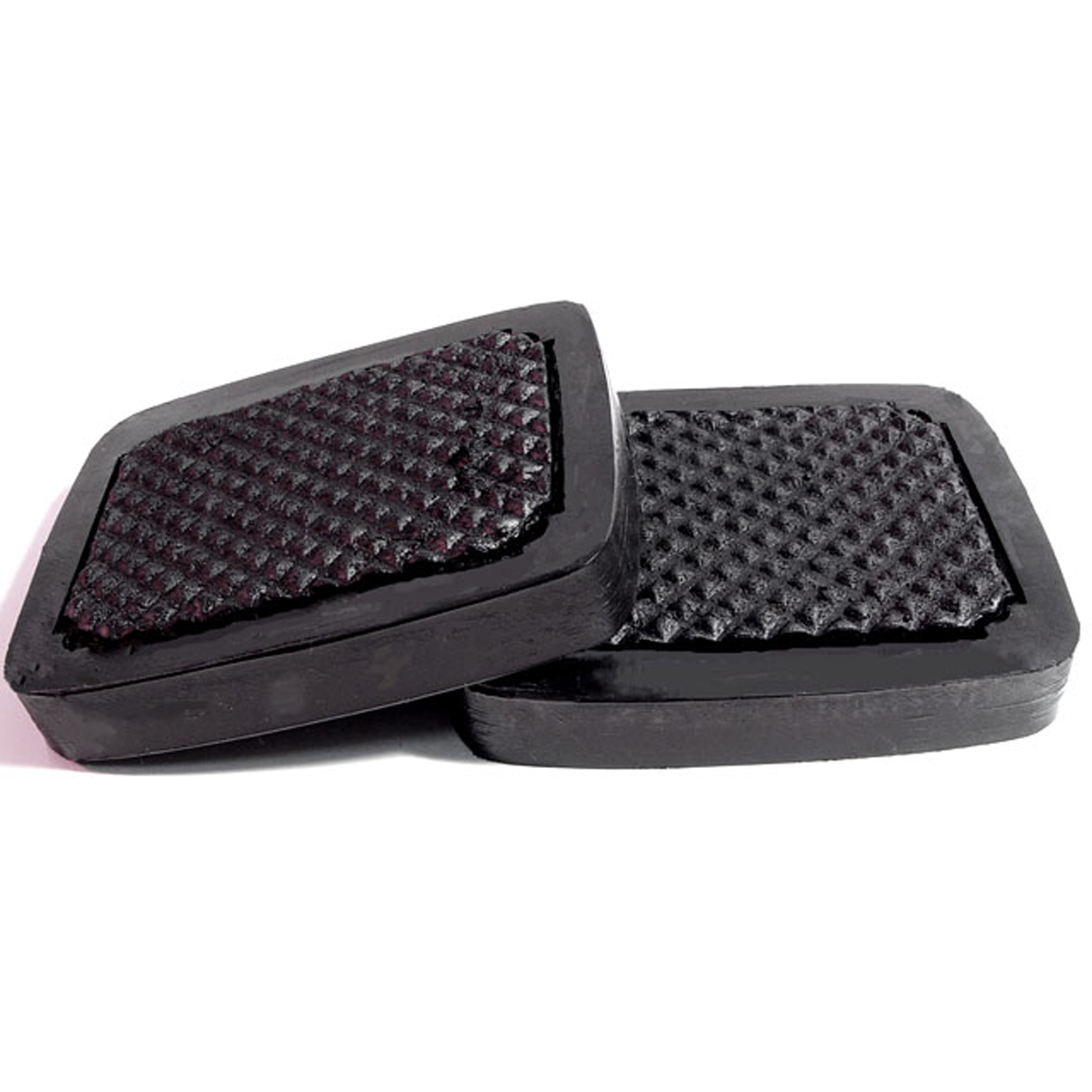 1925 Buick Series 40 Clutch and Brake Pedal Pads. 2-3/4" wide X 3-3/8" long-CB 12Clutch and Brake Pedal Pads. 2-3/4" wide X 3-3/8" long. Pair
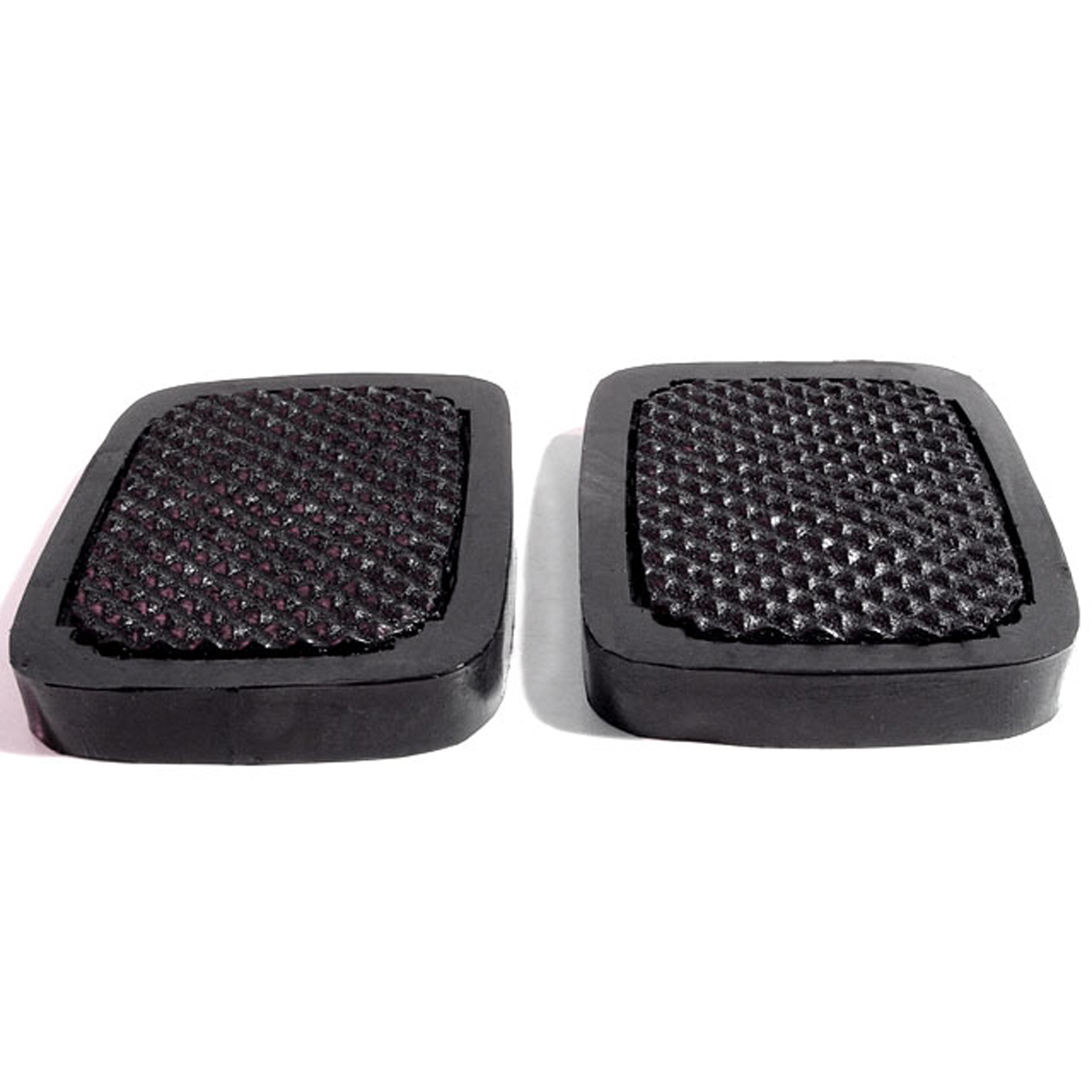 1925 Buick Series 40 Clutch and Brake Pedal Pads. 2-3/4" wide X 3-3/4" long-CB 13Clutch and Brake Pedal Pads. 2-3/4" wide X 3-3/4" long. Pair
 1925 Buick Series 40 Swing-Out Lower Windshield Seal. Sold by the foot-LP 108Swing-Out Lower Windshield Seal. Sold by the foot
 1925 Buick Series 40 Windshield Post Bases. 2-7/16" X 2-5/8", 1" I.D. Pair R&L-MB 17Windshield Post Bases. 2-7/16" X 2-5/8", 1" I.D. Pair R&L
 1925 Buick Series 40 Flexible Rubber Window Channel-WC 32-14Flexible Rubber Window Channel. For Fisher Closed Bodies, except those using a stainless bead type. Used on side windows. 13/16" outer width X 6/16" outer depth, with a 5/16" inner channel width X 14" long. Each
Why Choose Metro?
For over 100 years, Metro Moulded Parts has been the pinnacle of quality in classic car restoration parts. Our commitment to precision and authenticity in every component ensures a perfect fit and an OEM-level appearance.
- Expert Craftsmanship & Quality: Each part is a testament to our dedication to reliability and perfection, crafted from original designs and thoroughly tested.
- Advanced Technology: We use cutting-edge techniques to create flawless, long-lasting parts that surpass others in performance.
- SuperSoft Sponge – The Ultimate Door Seal: Not only are our door seals 30% softer than competitors', but they're also guaranteed to never leak. They effectively reduce wind and road noise, enhancing your classic car's comfort and driving experience.
- Proudly American: Our parts are a product of American craftsmanship, made in the USA with a spirit of excellence and heritage.
- Unrivaled Warranty: We back our products with a 30-year industry-leading warranty, a testament to our confidence in their quality.
Join us in preserving the legacy of classic cars with parts that are crafted for perfection, not just made.