

Image of 1926 Buick Master Six, Note: These illustrations use artistic license and may differ from actual historical models.
Performance Metrics
Fundamental Metrics
Emotional Appeal
MMP Rating
| Engine Specifications | |
|---|---|
| Engine: | Inline 6 |
| Displacement: | 274 cubic inches |
| Horsepower: | Estimated 70-75 HP |
| Torque: | Not available |
| Compression Ratio: | Not available |
| Ignition System: | Distributor and coil |
| Cooling System: | Water-cooled |
| Performance Specifications | |
| 0-60 Time: | Not available |
| 1/4 Mile Time: | Not available |
| Top Speed: | 60 mph |
| Transmission and Drive | |
| Drive Type: | Rear wheel drive |
| Transmission Type: | 3-speed manual |
| Fuel and Efficiency | |
| Fuel System Type: | Carburetor |
| MPG: | Not available |
| Dimensions and Brakes | |
| Brakes: | Mechanical drum brakes |
| Wheelbase: | 128 inches |
| Weight: | Estimated 3200-3500 lbs |
Note: Specifications for classic cars are given to the best of our ability, considering the limited and variant data available.
1926 Buick Master Six: The Big Six That Built Buick’s Reputation
The 1926 Buick Master Six brought smooth six-cylinder power, substantial road presence, and Buick’s signature overhead-valve engineering to a fast-changing American car market. Built by the Buick Motor Division of General Motors, it sat above Buick’s smaller Standard Six and appealed to buyers who wanted a more substantial, better-equipped automobile without stepping up to a luxury marque.
Buick had been part of General Motors since 1908, and by the mid-1920s it was one of the country’s most important carmakers. The Master Six helped establish Buick as a maker of dependable, well-engineered cars positioned between mass-market Chevrolets and more expensive luxury models. A notable detail is that the 1926 car belongs to the last years of Buick’s upright, distinctly pre-streamlined design era. The following years would bring changes in styling and model presentation as buyers increasingly expected more modern-looking cars.
Upright Style, Buick Substance
The Master Six wore the confident proportions typical of a substantial 1920s automobile. Its tall radiator, prominent headlamps, long hood, upright windshield, and separate fenders gave it a formal, purposeful profile. A running board connected the front and rear fenders, while the spare tire was often mounted externally, depending on the body style and equipment. Fine details varied, but the overall effect was unmistakably Buick: dignified rather than flashy.
Buick offered the Master Six in several open and closed body styles. Buyers could choose from configurations such as touring cars, roadsters, coupes, and sedans, with availability and model designations varying across the range. The sedan was a particularly practical choice for families, thanks to its enclosed cabin and protection from weather. Open touring models, by contrast, showed off the car’s long hood and were popular with drivers who enjoyed fresh air and a more social style of motoring.
Interior appointments reflected the body and trim level. Depending on the model, occupants might find leather or durable cloth upholstery, a straightforward painted or wood-trimmed instrument panel, and broad, upright seating. Compared with a modern car, the cabin was simple, but materials and construction were intended to feel substantial. Color choices also depended on body style and production specifications. Dark shades such as black, blue, green, and maroon were common period choices, with individual combinations varying by model and finish.
Valve-in-Head Engineering
The Master Six’s defining mechanical feature was its Buick overhead-valve, or “valve-in-head,” inline-six engine. Buick had promoted this layout for years, and it helped distinguish the marque from many rivals that used side-valve engines. With its valves positioned in the cylinder head, the design supported efficient breathing for the period and helped give Buick its reputation for responsive, dependable performance.
For a 1926 Master Six, commonly cited specifications include a 274.6-cubic-inch inline-six producing around 70 horsepower. It was paired with a three-speed manual transmission and a rear-wheel-drive layout. Exact specifications can differ by model and source, so surviving factory literature is the best reference when identifying a particular car. Four-wheel mechanical brakes were another important feature for the era, although their operation and stopping power feel very different from modern hydraulic systems and disc brakes.
Why the Master Six Mattered
The Master Six was not a radical styling experiment or a record-breaking sports car. Its significance lay in bringing capable engineering and a large six-cylinder engine to a broad upper-middle-market audience. Buick’s overhead-valve approach became a lasting part of the company’s identity, and the Master Six helped reinforce the idea that a Buick should deliver smooth power, durability, and a little more refinement than a basic family car.
Against contemporaries, the Buick offered buyers a convincing balance of size, power, and price. Its six-cylinder engine delivered smoother operation than many four-cylinder cars, while Buick’s established dealer network and General Motors backing offered confidence to buyers outside major cities. The Master Six also reflects an important period in automotive history: the transition from cars that were largely open and utilitarian to enclosed automobiles increasingly suited to year-round family use.
Road Manners and Period Performance
Performance figures for cars of this age are not always consistent, and 0-to-60-mph testing was not standardized in the way it is today. Based on the engine’s output, gearing, and the car’s substantial weight, a healthy Master Six might reach roughly 60 to 65 mph, with a top speed in the neighborhood of 65 to 70 mph under favorable conditions. Reaching 60 mph would take a long time by modern standards, likely around 25 to 30 seconds or more depending on body style, condition, gearing, and road surface. These are estimates, not guaranteed factory test results.
On the road, the engine’s character matters more than the numbers. The inline-six produces a steady mechanical hum, accompanied by the sounds of the transmission, tires, and open or lightly insulated bodywork. Acceleration is deliberate, and the driver shifts manually through the gears rather than relying on a modern automatic. The high seating position and large steering wheel provide a commanding view, but the car requires attention and anticipation. Drivers need to plan braking distances, allow time for gear changes, and avoid treating period top-speed estimates as safe cruising recommendations.
The suspension is built for the roads of its time, not today’s pothole-riddled streets or high-speed corners. It can absorb ordinary bumps with a comfortable, gently rocking motion, but rough surfaces may unsettle the car. On winding roads, its size, narrow tires, steering effort, and period chassis design call for a measured pace. The Master Six feels most at home on a relaxed country drive or a well-maintained local road, where its smooth engine and stately ride can be enjoyed without hurry.
Living With a 1926 Buick
Today, most Master Sixes are collector cars used for touring events, local shows, museum displays, and occasional pleasure drives. They are generally not practical daily drivers. Their lighting, braking, visibility, weather protection, and traffic performance were designed for a very different motoring world.
Maintenance is manageable for an owner with mechanical experience, but it is not the same as servicing a modern car. The engine and chassis use straightforward mechanical systems, and many repairs can be completed with conventional tools. However, age brings its own challenges: worn bearings, tired wiring, deteriorated fuel lines, brake wear, and hard-to-find trim or body parts. Owners should also learn the correct lubrication and adjustment procedures for the car rather than relying on modern service assumptions.
Reliability depends heavily on restoration quality and regular upkeep. A carefully maintained example can be dependable on suitable trips, but a car that has been idle for decades may need extensive recommissioning before it is driven. The best ownership approach is preventive maintenance, access to marque-specific advice, and a willingness to travel at the pace the car was designed for.
Stories, Trivia, and Common Complaints
The Master Six’s most enduring talking point is Buick’s overhead-valve identity. “Valve-in-Head” was more than a technical description; it became a central part of Buick’s advertising and helped communicate the brand’s engineering advantage to buyers. The 1926 model also offers a snapshot of a major industry shift, arriving as enclosed cars were becoming increasingly desirable and manufacturers were refining their model ranges to suit a broader market.
There is no widely recognized 1926 Master Six speed or endurance record that defines the model, and celebrity ownership claims should be treated carefully unless supported by reliable documentation. Production records are not always easy to separate by exact Master Six body and model, so a precise total for this configuration is difficult to establish. Buick produced cars in large numbers during the period, but surviving examples are far less common than that original scale might suggest.
Common criticisms are familiar to anyone who drives a prewar car: slow acceleration, heavy controls, modest braking by modern standards, limited weather sealing, and a cabin that can feel noisy at speed. Parts availability can also be uneven, especially for specific body hardware and trim. These are not flaws in the context of 1926, but they are important realities for modern owners.
Collector Value and Availability
Values vary widely with body style, originality, restoration quality, and running condition. As a broad current-market estimate, a project or incomplete car might fall around $5,000 to $15,000. A presentable driver could bring roughly $15,000 to $30,000, while a well-restored example may reach approximately $30,000 to $50,000 or more. Exceptional cars, rare body configurations, or unusually well-documented examples can exceed that range, while condition and local demand can pull prices lower.
The Master Six is uncommon in today’s marketplace, but it is not necessarily a one-of-a-kind rarity. Cars appear through specialist dealers, classic-car auctions, marque clubs, and private sales, though buyers may need patience to find the right body style and condition. Exact production totals for the Master Six are difficult to pin down, so any number should be treated as an estimate rather than a verified model-by-model count.
Values for usable, well-presented prewar Buicks have generally been supported by their historical interest and the appeal of their mechanical design. Appreciation is not guaranteed, and broad market trends, restoration costs, and buyer preferences all matter. A sound, correctly restored car is usually easier to sell than an ambitious project, but the purchase should be driven by the enjoyment of ownership as much as investment potential.
A Buick Built for the Long Road
The 1926 Buick Master Six combines handsome prewar proportions, a smooth overhead-valve six, and the practical engineering that helped make Buick a major American marque. It is not quick or effortless by modern standards, but it offers a direct connection to an era when motoring demanded skill and rewarded patience. For collectors, the Master Six is more than a vintage sedan or touring car: it is a rolling example of Buick’s drive to make sound engineering part of everyday American motoring.
1926 Buick Master Six Catalog of Parts
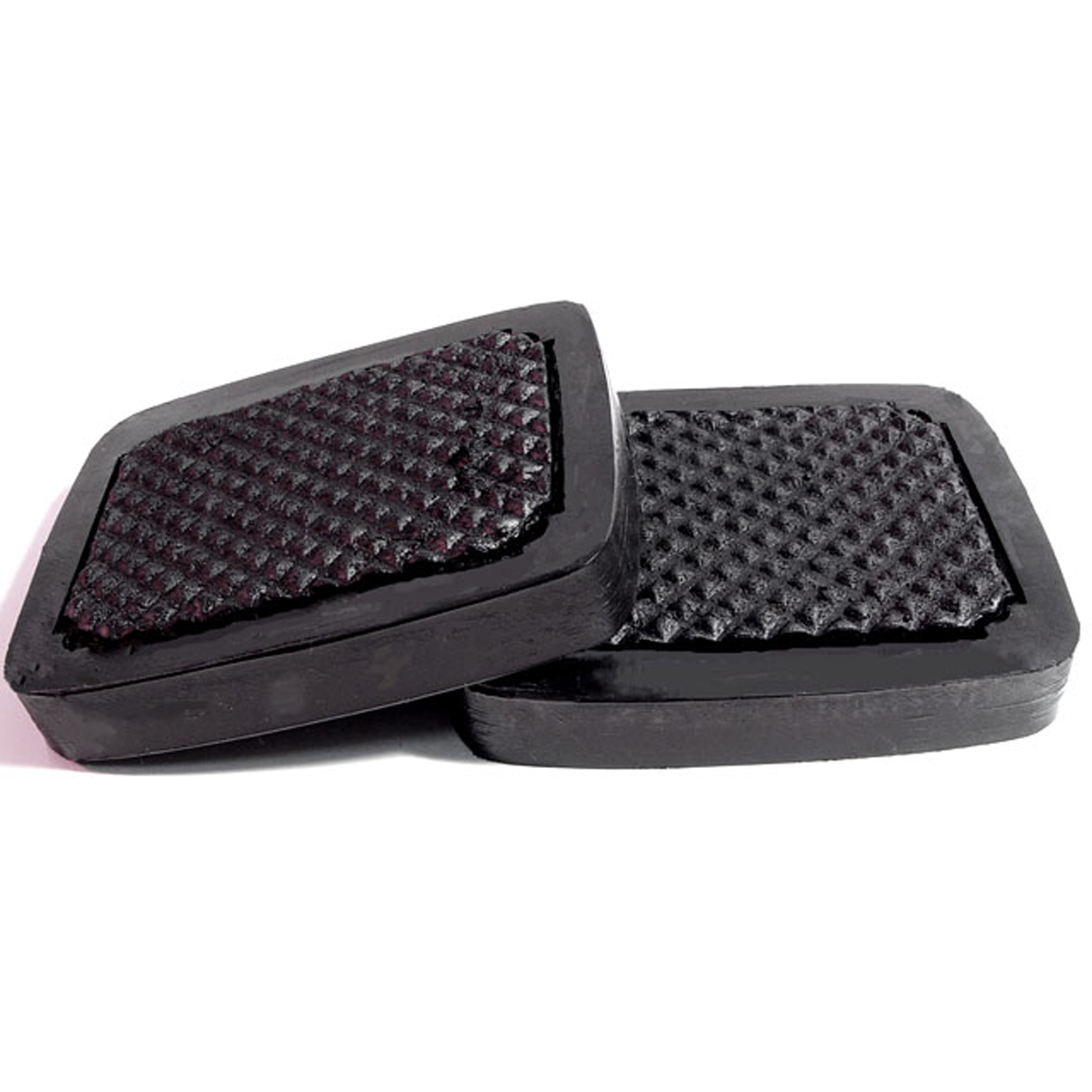 1926 Buick MASTER SIX Clutch and Brake Pedal Pads. 2-3/4" wide X 3-3/8" long-CB 12Clutch and Brake Pedal Pads. 2-3/4" wide X 3-3/8" long. Pair
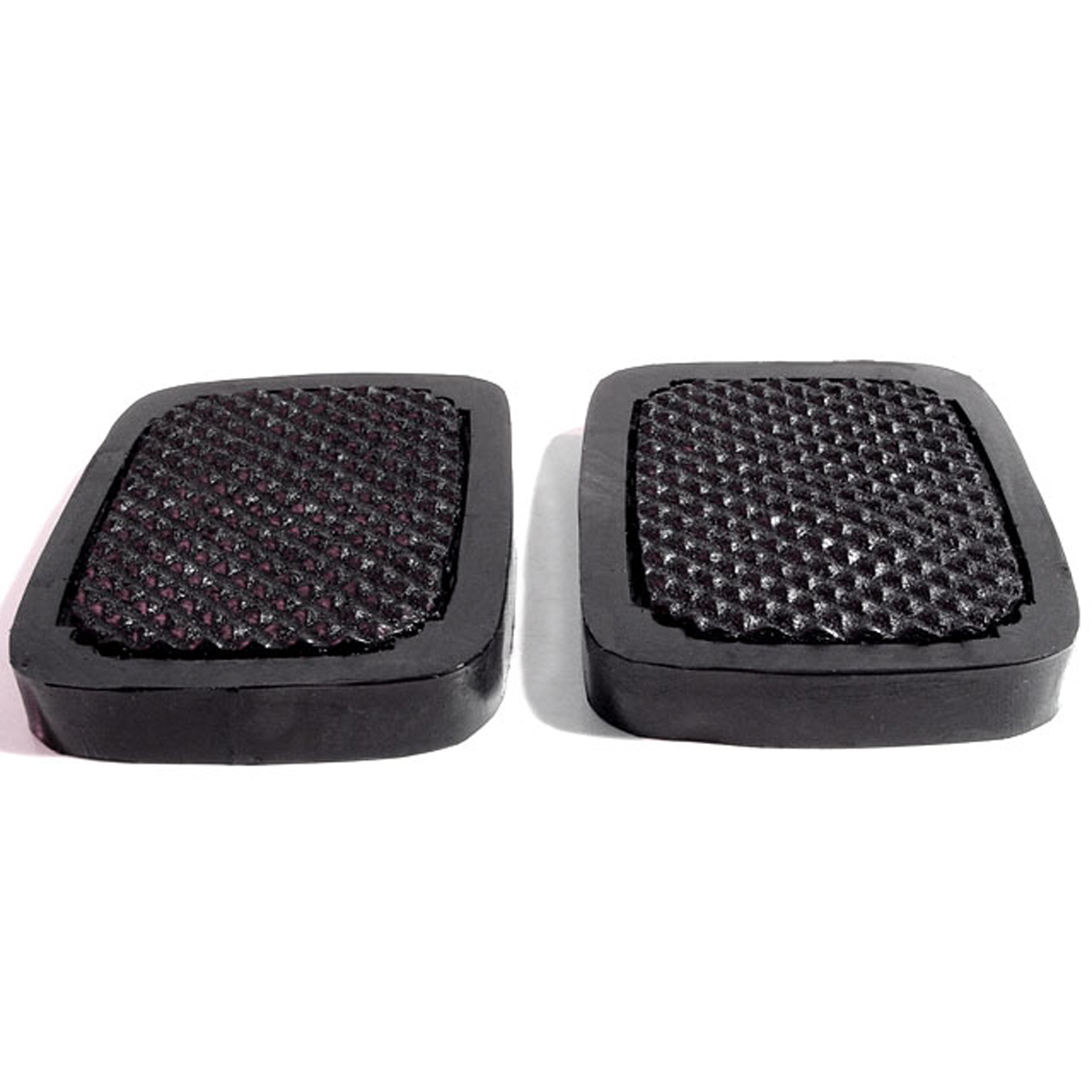 1926 Buick MASTER SIX Clutch and Brake Pedal Pads. 2-3/4" wide X 3-3/4" long-CB 13Clutch and Brake Pedal Pads. 2-3/4" wide X 3-3/4" long. Pair
 1926 Buick MASTER SIX Swing-Out Lower Windshield Seal. Sold by the foot-LP 108Swing-Out Lower Windshield Seal. Sold by the foot
 1926 Buick MASTER SIX Windshield Post Bases. 2-7/16" X 2-5/8", 1" I.D. Pair R&L-MB 17Windshield Post Bases. 2-7/16" X 2-5/8", 1" I.D. Pair R&L
 1926 Buick MASTER SIX Door Handle Ferrule Grommet. I.D. 11/16", O.D. 1-3/16"-MP 546-IDoor Handle Ferrule Grommet. I.D. 11/16", O.D. 1-3/16". Each
 1926 Buick MASTER SIX Flexible Rubber Window Channel-WC 32-14Flexible Rubber Window Channel. For Fisher Closed Bodies, except those using a stainless bead type. Used on side windows. 13/16" outer width X 6/16" outer depth, with a 5/16" inner channel width X 14" long. Each
Why Choose Metro?
For over 100 years, Metro Moulded Parts has been the pinnacle of quality in classic car restoration parts. Our commitment to precision and authenticity in every component ensures a perfect fit and an OEM-level appearance.
- Expert Craftsmanship & Quality: Each part is a testament to our dedication to reliability and perfection, crafted from original designs and thoroughly tested.
- Advanced Technology: We use cutting-edge techniques to create flawless, long-lasting parts that surpass others in performance.
- SuperSoft Sponge – The Ultimate Door Seal: Not only are our door seals 30% softer than competitors', but they're also guaranteed to never leak. They effectively reduce wind and road noise, enhancing your classic car's comfort and driving experience.
- Proudly American: Our parts are a product of American craftsmanship, made in the USA with a spirit of excellence and heritage.
- Unrivaled Warranty: We back our products with a 30-year industry-leading warranty, a testament to our confidence in their quality.
Join us in preserving the legacy of classic cars with parts that are crafted for perfection, not just made.