

Image of 1928 Buick Series 115, Note: These illustrations use artistic license and may differ from actual historical models.
Performance Metrics
Fundamental Metrics
Emotional Appeal
MMP Rating
| Engine Specifications | |
|---|---|
| Engine: | Buick Straight-6 |
| Displacement: | 3.6L |
| Horsepower: | Estimated 70-80 HP |
| Torque: | Not available |
| Compression Ratio: | Not available |
| Ignition System: | Distributor and coil |
| Cooling System: | Water-cooled |
| Performance Specifications | |
| 0-60 Time: | Not available |
| 1/4 Mile Time: | Not available |
| Top Speed: | 60 mph |
| Transmission and Drive | |
| Drive Type: | Rear-wheel drive |
| Transmission Type: | 3-speed manual |
| Fuel and Efficiency | |
| Fuel System Type: | Carburetor |
| MPG: | Not available |
| Dimensions and Brakes | |
| Brakes: | Mechanical drum brakes |
| Wheelbase: | 120 inches |
| Weight: | Estimated 3,000 lbs |
Note: Specifications for classic cars are given to the best of our ability, considering the limited and variant data available.
1928 Buick Series 115: A Six-Cylinder Buick with Big-Car Ambitions
The 1928 Buick Series 115 brought the confident look and engineering reputation of Buick within reach of buyers who wanted a substantial car without stepping up to a larger, more expensive model. Built by Buick, a General Motors division, it paired a 115-inch wheelbase with a smooth-running six-cylinder engine and the marque’s signature overhead-valve design.
Buick had earned a strong reputation for dependable, well-equipped cars, and the Series 115 sat at the more accessible end of its 1928 range. It arrived during a lively period in American motoring: roads were improving, car ownership was expanding beyond city centers, and manufacturers were competing to make automobiles more comfortable and capable. A neat detail for today’s enthusiasts is that “115” refers to the car’s wheelbase in inches, not its engine size or horsepower.
Period Styling, Built for the Road
The Series 115 had the upright, formal proportions typical of the late 1920s, but it presented them with Buick’s trademark confidence. Its tall radiator shell, separate rounded fenders, prominent headlamps, and running boards gave the car a substantial stance. The long hood announced the engine beneath it, while details such as brightwork, wire wheels, and a rear-mounted spare could add polish to the overall presentation.
Inside, the cabin was designed for practical comfort rather than modern luxury. Owners could expect upholstered seating, a straightforward instrument panel, a large steering wheel, and durable trim suited to everyday use. Materials and finishes varied with body style and equipment, but wood trim and quality upholstery helped give Buick models a more refined feel than a basic transportation car. Surviving examples may have been restored or retrimmed, so original interior details can differ from car to car.
Factory paint choices depended on body style and production specifications. Dark, conservative colors were common, with combinations of body and fender colors helping add visual contrast. Exact palettes varied, so a paint code or period sales literature is the best guide when assessing an individual car. The Series 115 was offered in several body configurations, including sedan, coupe, and open touring or roadster forms, with availability varying by catalog and market. The closed sedan is among the most recognizable choices today, while open cars have particular appeal for touring and display.
Buick Engineering in 1928
The Series 115’s most important technical feature was its inline six-cylinder engine with overhead valves. Buick had made valve-in-head engineering a defining part of its identity, at a time when many competing cars still used flathead engines. Overhead valves allowed the engine to breathe efficiently for its size and helped Buick build a reputation for lively, dependable performance.
Power was sent through a conventional three-speed manual transmission. The car also had four-wheel brakes, a meaningful safety feature in an era when braking systems were far from standardized across the industry. These were mechanical brakes, not modern hydraulic systems, so adjustment and condition matter greatly on a surviving car. The Series 115 was not a radical leap forward, but it combined established Buick engineering with practical features that made it a capable everyday automobile for its time.
Where the Series 115 Fit in Buick History
Buick occupied an important middle ground in General Motors’ lineup. It offered more prestige and engineering character than an entry-level Chevrolet, while sitting below the more expensive Cadillac. The Series 115 helped carry that promise to buyers who wanted a roomy, well-built car without paying for a larger Buick model.
Its lasting significance is less about a single revolutionary invention and more about how it brought Buick’s engineering identity to a broad market. The overhead-valve six, solid road-going character, and range of body styles reinforced the idea that a moderately priced car could feel substantial and refined. The Series 115 also belongs to a period when GM was sharpening its brand identities and investing more heavily in coordinated styling, helping establish the model range approach that would become central to the company’s success.
Performance and Driving Character
The Series 115 used a 207-cubic-inch inline six, commonly rated at about 60 horsepower. Period specifications and surviving cars can vary, but a healthy example was capable of roughly 50 to 60 mph under favorable conditions. A modern-style 0-to-60 mph figure is not especially useful for a car of this age. Based on its power, gearing, weight, and period road tests of comparable cars, acceleration to 60 mph would likely take well over 25 seconds, and some examples may struggle to reach that speed comfortably.
On the road, the engine’s appeal is its steady, unhurried pull rather than sharp acceleration. The driver works a manual gearbox and manages speed with more anticipation than in a modern car. The upright seating position and large steering wheel make the car feel commanding, while its long wheelbase helps it settle over ordinary road imperfections. Bumps still make themselves known through the chassis, and narrow tires, vintage suspension, and mechanical brakes call for a patient driving style.
On winding roads, the Series 115 is best enjoyed at a measured pace. Steering and braking effort are greater than in a contemporary car, and body lean is part of the experience. The six-cylinder engine produces a mellow mechanical rhythm, accompanied by the sounds of the transmission, tires, and open cabin. It is a car for scenic drives and careful touring, not hurried commuting or modern highway traffic.
Living with a 1928 Buick
Today, most Series 115s are collector cars used for local tours, historic motoring events, club gatherings, and shows. Some are driven regularly in suitable weather, but few owners would choose one as a daily driver. Its modest cruising speed, limited safety equipment by modern standards, and the realities of vintage-car traffic make it best suited to relaxed use.
Maintenance is manageable for an owner comfortable with older machinery, but it is not maintenance-free. Regular attention may include lubrication, ignition adjustment, cooling-system checks, brake servicing, and inspection of the tires and fuel system. Parts availability is generally helped by Buick’s popularity, though body-specific trim and restoration-quality components can take time to find. Mechanical repairs are often straightforward in principle, but age, previous repairs, and worn components can turn a simple job into a larger restoration task. Correct brake adjustment is especially important.
Notable Details and Common Criticisms
The Series 115 is a good reminder that a model number can tell a useful piece of engineering history: in this case, the 115-inch wheelbase that defined its basic proportions. Its Buick overhead-valve six is another talking point, representing a long-running company commitment to valve-in-head engines.
There is no widely recognized Series 115 speed record or single celebrated historical event attached to the model. Its importance lies instead in its place in Buick’s broad 1928 lineup and in the everyday motoring boom of the era. Claims of celebrity ownership should be checked carefully, since many vintage-car stories become embellished over time.
Common criticisms are the car’s limited speed by modern standards, its mechanical brakes, and the effort required to steer and operate it. It also lacks the comfort, weather protection, and safety systems expected in a modern vehicle. Those drawbacks are part of the ownership calculation, but they are also what make a drive feel distinctly different from taking a newer classic on the road.
Collector Values and Availability
Exact production totals for the Series 115 are difficult to establish from commonly available model summaries. As a broad estimate rather than a factory-confirmed figure, production may have been in the tens of thousands, perhaps around 30,000 to 50,000 cars across the series and its body styles. The number of surviving examples is much smaller, and condition varies widely.
In the current collector market, a project car might sell for roughly $5,000 to $12,000, depending on completeness and body style. A usable, older restoration could fall in the $12,000 to $25,000 range, while a well-restored example may bring about $25,000 to $45,000. Exceptional cars, rare configurations, or especially high-quality restorations can exceed that range. These are broad estimates; geography, originality, documentation, and mechanical condition can change the price substantially.
Values for prewar cars tend to be selective rather than uniformly rising. The best-preserved and most usable examples generally attract the strongest interest, while cars needing extensive restoration can be difficult to sell at a price that covers the work. The Series 115 is likely to remain a steady niche collectible, with value driven more by condition and buyer interest than by speculative investment.
A Buick Worth Taking Slowly
The 1928 Buick Series 115 combines an approachable size, a capable overhead-valve six, and the dignified styling of late-1920s American motoring. It was not the fastest or most radical car of its day, but it delivered the engineering character and substantial feel that helped make Buick a trusted name. For today’s enthusiast, its greatest reward is the chance to experience that history at the speed it was meant to be enjoyed: one unhurried mile at a time.
1928 Buick Series 115 Catalog of Parts
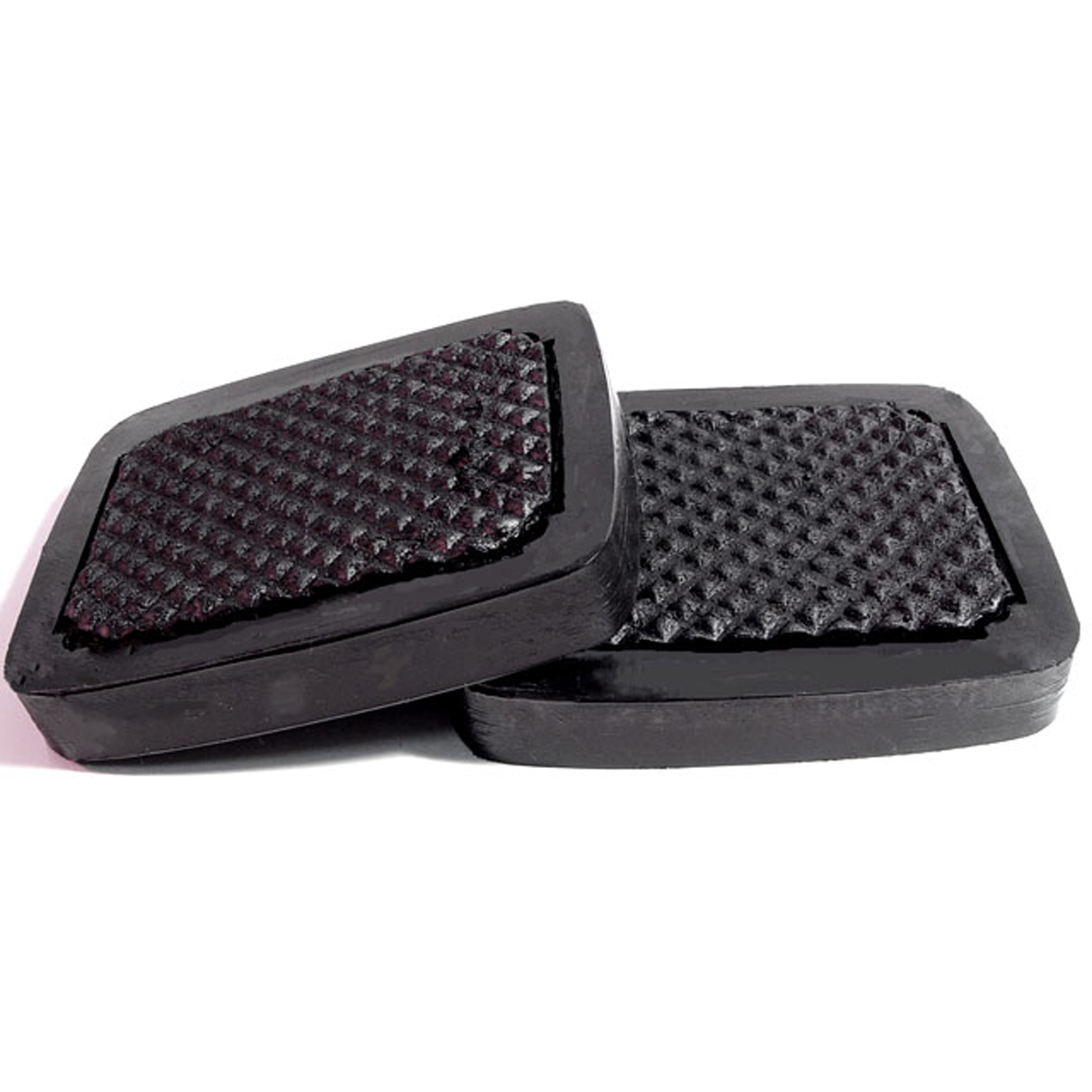 1928 Buick SERIES 115 Clutch and Brake Pedal Pads. 2-3/4" wide X 3-3/8" long-CB 12Clutch and Brake Pedal Pads. 2-3/4" wide X 3-3/8" long. Pair
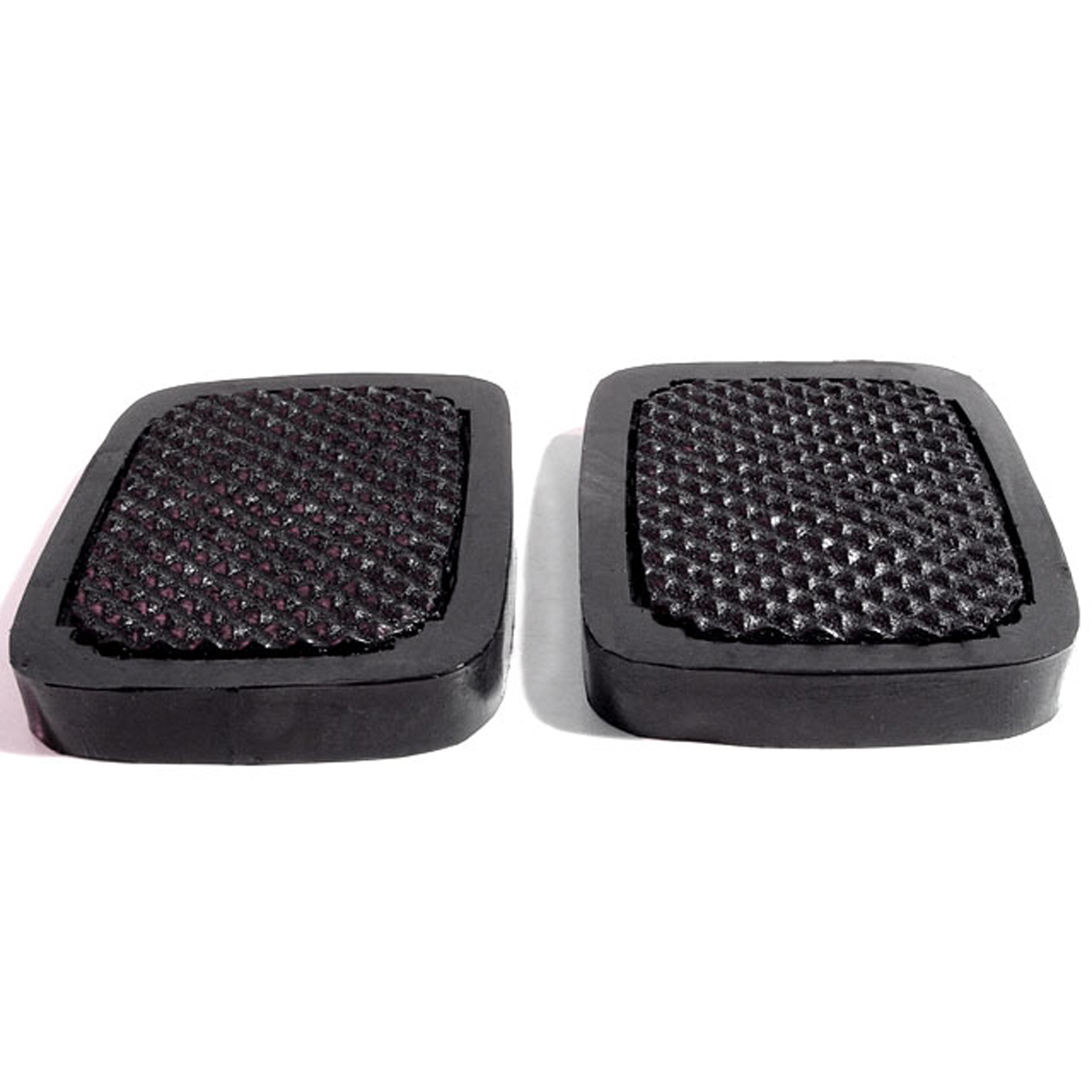 1928 Buick SERIES 115 Clutch and Brake Pedal Pads. 2-3/4" wide X 3-3/4" long-CB 13Clutch and Brake Pedal Pads. 2-3/4" wide X 3-3/4" long. Pair
 1928 Buick SERIES 115 Door Bumper. 1-7/16" high X 1-9/16" wide X 9/16" thick-DB 7Door Bumper. 1-7/16" high X 1-9/16" wide X 9/16" thick. Each
 1928 Buick SERIES 115 Swing-Out Lower Windshield Seal. Sold by the foot-LP 108Swing-Out Lower Windshield Seal. Sold by the foot
 1928 Buick SERIES 115 Windshield Post Bases. 2-7/16" X 2-5/8", 1" I.D. Pair R&L-MB 17Windshield Post Bases. 2-7/16" X 2-5/8", 1" I.D. Pair R&L
 1928 Buick SERIES 115 Sun Visor Pad. 1" wide X 2-3/4" long. Each-MP 120-ASun Visor Pad. 1" wide X 2-3/4" long. Each
 1928 Buick SERIES 115 Headlight Bar Pads. 2-3/4" wide X 5" long. Pair-MP 120-CHeadlight Bar Pads. 2-3/4" wide X 5" long. Pair
 1928 Buick SERIES 115 Rumble Seat Step-Plate Pad. 7-5/8" wide X 4-3/8" long-MP 142-BRumble Seat Step-Plate Pad. 7-5/8" wide X 4-3/8" long. Each
 1928 Buick SERIES 115 Door Handle Ferrule Grommet. I.D. 11/16", O.D. 1-3/16"-MP 546-IDoor Handle Ferrule Grommet. I.D. 11/16", O.D. 1-3/16". Each
 1928 Buick SERIES 115 Door Handle Pads. 1-1/2" wide X 2-1/4" long-MP 556Door Handle Pads. 1-1/2" wide X 2-1/4" long. Pair (Buick: no locking type)
 1928 Buick SERIES 115 Door Handle Pads, Locking Type. 1-1/2" wide X 2-1/2" long-MP 940-EDoor Handle Pads, Locking Type. 1-1/2" wide X 2-1/2" long. Pair
 1928 Buick SERIES 115 Flexible Rubber Window Channel-WC 32-14Flexible Rubber Window Channel. For Fisher Closed Bodies, except those using a stainless bead type. Used on side windows. 13/16" outer width X 6/16" outer depth, with a 5/16" inner channel width X 14" long. Each
Why Choose Metro?
For over 100 years, Metro Moulded Parts has been the pinnacle of quality in classic car restoration parts. Our commitment to precision and authenticity in every component ensures a perfect fit and an OEM-level appearance.
- Expert Craftsmanship & Quality: Each part is a testament to our dedication to reliability and perfection, crafted from original designs and thoroughly tested.
- Advanced Technology: We use cutting-edge techniques to create flawless, long-lasting parts that surpass others in performance.
- SuperSoft Sponge – The Ultimate Door Seal: Not only are our door seals 30% softer than competitors', but they're also guaranteed to never leak. They effectively reduce wind and road noise, enhancing your classic car's comfort and driving experience.
- Proudly American: Our parts are a product of American craftsmanship, made in the USA with a spirit of excellence and heritage.
- Unrivaled Warranty: We back our products with a 30-year industry-leading warranty, a testament to our confidence in their quality.
Join us in preserving the legacy of classic cars with parts that are crafted for perfection, not just made.