

Image of 1928 Buick Series 128, Note: These illustrations use artistic license and may differ from actual historical models.
Performance Metrics
Fundamental Metrics
Emotional Appeal
MMP Rating
| Engine Specifications | |
|---|---|
| Engine: | Straight-6 |
| Displacement: | 274 cubic inches (4.5 L) |
| Horsepower: | Estimated 77-90 HP |
| Torque: | Not available |
| Compression Ratio: | Not available |
| Ignition System: | Battery and coil |
| Cooling System: | Water-cooled |
| Performance Specifications | |
| 0-60 Time: | Not available |
| 1/4 Mile Time: | Not available |
| Top Speed: | 60-70 mph |
| Transmission and Drive | |
| Drive Type: | Rear-wheel drive |
| Transmission Type: | 3-speed manual |
| Fuel and Efficiency | |
| Fuel System Type: | Carburetor |
| MPG: | Not available |
| Dimensions and Brakes | |
| Brakes: | Mechanical drum brakes |
| Wheelbase: | 128 inches |
| Weight: | Estimated 3,400-3,600 lbs |
Note: Specifications for classic cars are given to the best of our ability, considering the limited and variant data available.
1928 Buick Series 128: A Master Six with Road Presence
The 1928 Buick Series 128 brought six-cylinder power, substantial proportions, and the confident presence of a much more expensive car to the road. Built by the Buick Motor Company, then a major division of General Motors, it belonged to Buick’s Master Six line. Its “128” designation refers to its 128-inch wheelbase, a measurement that hints at the car’s roomy cabin and long, imposing profile.
Buick occupied an important place in the American market: it offered more refinement and prestige than an entry-level car, while remaining more attainable than a Cadillac. A notable feature of the Series 128 was its overhead-valve six-cylinder engine. Buick had built its reputation around this engine layout, which helped deliver strong, flexible performance for the era and became a lasting part of the marque’s identity.
Exterior Design and Body Styles
The Series 128 looks every bit a late-1920s Buick. Its tall, upright radiator shell leads into a long hood, usually marked by rows of louvers, while flowing fenders frame the wheels. Running boards connect the front and rear fenders and give the car a formal, balanced stance. Details such as bright trim, hood ornaments, lamps, and wheel equipment varied with the body and specification.
Buick offered the Series 128 in several closed and open body styles. Depending on the model year catalog and body designation, buyers could choose among forms such as a sedan, coupe, roadster, or touring car. Four-door sedans suited families and business travel, while coupes and open models offered a sportier appearance. The sedan is among the most recognizable configurations today, thanks to its generous passenger space and classic enclosed-car profile.
Paint and trim combinations varied by body style and factory offering. Period cars could be finished in subdued dark colors as well as more expressive combinations, with contrasting details or upholstery chosen to complement the exterior. Original paint charts are the best guide for a specific car, since colors and combinations could differ by model and production run.
Cabin Craft and Period Technology
Inside, the Series 128 favored durable, traditional materials over modern conveniences. Upholstery could be cloth or mohair, with leather used in some open-car applications. Depending on the body, occupants would find a broad bench seat, a large steering wheel, clear analog instruments, and carefully finished trim. The cabin was designed for comfort on long trips, rather than the close-fitting, driver-focused layout of a modern car.
Its technology was advanced for its time. The inline six used overhead valves, an arrangement that helped the engine breathe efficiently compared with many side-valve designs. The car also had a three-speed manual transmission and rear-wheel drive. Four-wheel mechanical brakes were an important safety feature for the period, although they require more adjustment and driver anticipation than modern hydraulic braking systems.
Why the Series 128 Mattered
The Series 128 captured a turning point in American motoring. By the late 1920s, buyers increasingly wanted enclosed bodies, more comfortable cabins, and dependable performance for longer journeys. Buick answered with a large, well-equipped car that blended traditional coachbuilt appearance with mechanical sophistication.
Its overhead-valve six was central to Buick’s identity and helped distinguish the brand from makers relying on less advanced engine layouts. The Series 128 was not a radical styling experiment, but it represented an important step in making refinement and useful performance available beyond the very highest luxury segment. Its lasting influence is most visible in Buick’s continuing reputation for smooth six-cylinder power and substantial, comfortable road cars.
Engine, Speed, and Driving Feel
The Series 128 was powered by a 255.4-cubic-inch inline six, commonly rated at about 77 horsepower. It sent power through a three-speed manual gearbox to the rear wheels. Period specifications and surviving cars can vary, so figures should be checked against the exact model and equipment. A sound example could reach roughly 65 to 70 mph under favorable conditions. A modern-style 0-to-60-mph time is not consistently documented; a reasonable estimate is around 25 to 30 seconds, depending on body weight, condition, gearing, and road surface.
On the road, the Buick’s long wheelbase helps it feel composed over broad, gentle undulations, but its suspension cannot disguise sharp potholes or broken pavement. The steering is substantial, and the car takes more effort to maneuver than a modern vehicle, especially at low speed. On winding roads, the Series 128 rewards smooth inputs rather than quick direction changes. Its size, high center of gravity, and period tires call for measured cornering.
The engine’s character is a steady mechanical thrum, with a more pronounced note when working hard. The manual gearbox asks the driver to coordinate clutch and throttle deliberately, while the brakes need more advance planning than contemporary systems. The result is not a fast, effortless drive by modern standards. It is a rewarding one for someone who enjoys the physical involvement of early motoring.
Owning and Maintaining a 1928 Buick
Today, most Series 128s are used for touring, local drives, club events, and classic-car shows rather than daily transportation. Their size and presence make them natural parade and display cars, while their period engineering can make a well-maintained example suitable for gentle road use.
Routine service is approachable for an experienced home mechanic. The engine, ignition, carburetor, clutch, and mechanical brakes use comparatively straightforward systems, and many common service tasks require ordinary workshop skills. However, age brings complications: parts may need specialist sourcing, and correct restoration can depend on locating model-specific components. Wood, upholstery, wiring, cooling systems, and brake linkages all deserve careful inspection. A car that has been stored poorly or restored without attention to detail can demand substantial work.
Reliability depends less on the badge than on the quality of maintenance. Before driving one regularly, an owner should check the brakes, tires, steering, fuel system, cooling system, and lubrication points. Mechanical brakes in particular need to be properly adjusted and kept in good condition.
Buick Series 128 Facts and Myths
The Series 128’s 128-inch wheelbase is an easy-to-remember clue to its imposing proportions. Its overhead-valve six is another highlight, reflecting Buick’s long-standing commitment to this engine design. Rather than relying on an unverified celebrity story or a claimed speed record, the most revealing fact is how closely the car reflects the changing expectations of 1920s buyers: enclosed comfort, more power, and a car suitable for serious travel.
There is no widely recognized Series 128 speed or endurance record that defines the model. Its appeal is instead rooted in Buick’s broader reputation for durability and in the car’s role as a refined, substantial automobile. Common criticisms are practical ones: it is large, slow by modern standards, thirsty compared with newer cars, and dependent on mechanical systems that need regular adjustment. Those limitations are part of its period character, but they matter when planning ownership.
Collector Value and Availability
Exact production totals for individual Series 128 body styles are not consistently available, so any model-specific figure should be treated as an estimate. Buick produced cars in substantial numbers in 1928, but survival is a different matter. For a rough guide, a plausible estimate is several tens of thousands of Series 128 cars originally built across the available body styles, with far fewer surviving today. Complete, well-documented cars are less common than their original production figures might suggest.
Values vary widely by body style, originality, restoration quality, and mechanical condition. As a broad U.S. market estimate, a project car might sell for about $5,000 to $12,000, while a usable driver could fall around $15,000 to $30,000. A carefully restored example may bring roughly $30,000 to $50,000 or more, with exceptional or especially desirable cars potentially exceeding that range. These are general estimates, not a formal appraisal, and regional demand can make a substantial difference.
Like many prewar classics, the Series 128 has a relatively specialized buyer pool. Values tend to reward sound condition, correct details, and strong restoration records more than expensive modifications. Prices have not risen uniformly over time, so the best approach is to compare recent sales of similar body styles and condition rather than assume every example is steadily appreciating.
A Buick Built for the Open Road
The 1928 Buick Series 128 combines a handsome long-wheelbase body, a capable overhead-valve six, and the comfort expected from a premium American car of its era. It is not quick or effortless by modern standards, but its mechanical character and substantial road presence make it an engaging classic for touring and display.
More than a well-preserved relic, the Series 128 is a snapshot of Buick’s ambition in a decade when American cars were becoming more powerful, more comfortable, and more suitable for everyday travel. Its appeal lies in that balance: solid engineering, classic proportions, and the unmistakable experience of driving a car from another motoring age.
1928 Buick Series 128 Catalog of Parts
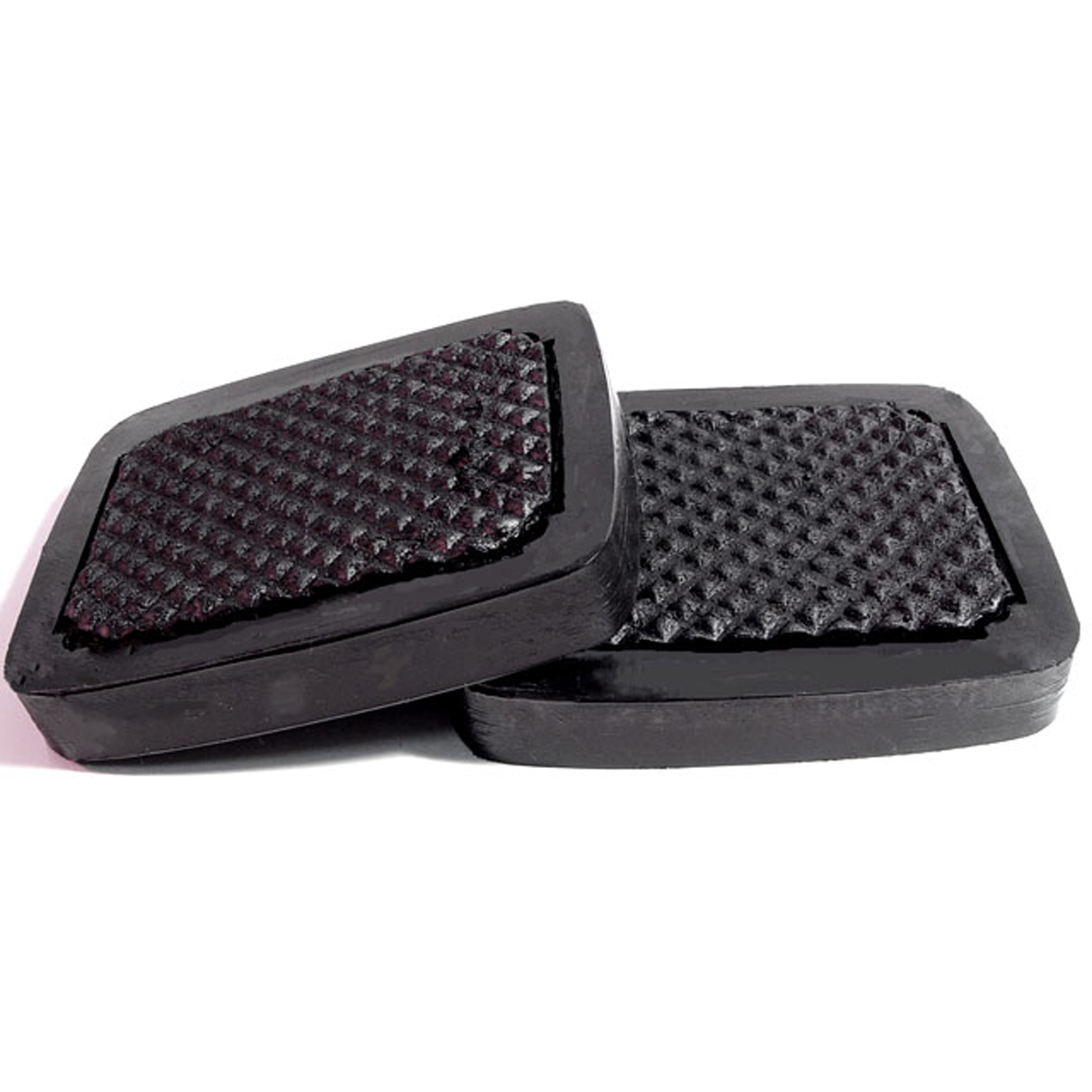 1928 Buick SERIES 128 Clutch and Brake Pedal Pads. 2-3/4" wide X 3-3/8" long-CB 12Clutch and Brake Pedal Pads. 2-3/4" wide X 3-3/8" long. Pair
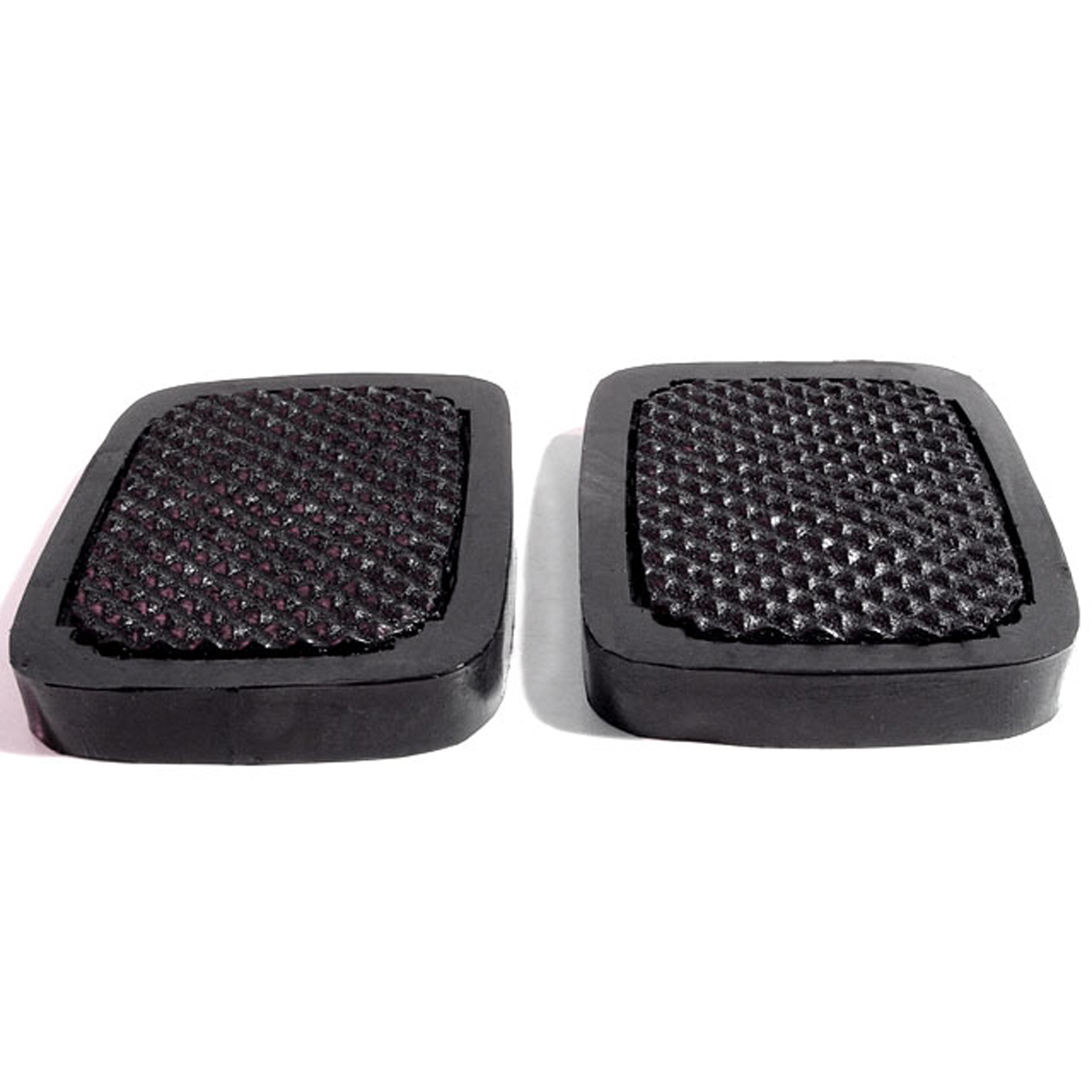 1928 Buick SERIES 128 Clutch and Brake Pedal Pads. 2-3/4" wide X 3-3/4" long-CB 13Clutch and Brake Pedal Pads. 2-3/4" wide X 3-3/4" long. Pair
 1928 Buick SERIES 128 Door Bumper. 1-7/16" high X 1-9/16" wide X 9/16" thick-DB 7Door Bumper. 1-7/16" high X 1-9/16" wide X 9/16" thick. Each
 1928 Buick SERIES 128 Swing-Out Lower Windshield Seal. Sold by the foot-LP 108Swing-Out Lower Windshield Seal. Sold by the foot
 1928 Buick SERIES 128 Windshield Post Bases. 2-7/16" X 2-5/8", 1" I.D. Pair R&L-MB 17Windshield Post Bases. 2-7/16" X 2-5/8", 1" I.D. Pair R&L
 1928 Buick SERIES 128 Sun Visor Pad. 1" wide X 2-3/4" long. Each-MP 120-ASun Visor Pad. 1" wide X 2-3/4" long. Each
 1928 Buick SERIES 128 Headlight Bar Pads. 2-3/4" wide X 5" long. Pair-MP 120-CHeadlight Bar Pads. 2-3/4" wide X 5" long. Pair
 1928 Buick SERIES 128 Rumble Seat Step-Plate Pad. 7-5/8" wide X 4-3/8" long-MP 142-BRumble Seat Step-Plate Pad. 7-5/8" wide X 4-3/8" long. Each
 1928 Buick SERIES 128 Door Handle Ferrule Grommet. I.D. 11/16", O.D. 1-3/16"-MP 546-IDoor Handle Ferrule Grommet. I.D. 11/16", O.D. 1-3/16". Each
 1928 Buick SERIES 128 Door Handle Pads. 1-1/2" wide X 2-1/4" long-MP 556Door Handle Pads. 1-1/2" wide X 2-1/4" long. Pair (Buick: no locking type)
 1928 Buick SERIES 128 Door Handle Pads, Locking Type. 1-1/2" wide X 2-1/2" long-MP 940-EDoor Handle Pads, Locking Type. 1-1/2" wide X 2-1/2" long. Pair
 1928 Buick SERIES 128 Flexible Rubber Window Channel-WC 32-14Flexible Rubber Window Channel. For Fisher Closed Bodies, except those using a stainless bead type. Used on side windows. 13/16" outer width X 6/16" outer depth, with a 5/16" inner channel width X 14" long. Each
Why Choose Metro?
For over 100 years, Metro Moulded Parts has been the pinnacle of quality in classic car restoration parts. Our commitment to precision and authenticity in every component ensures a perfect fit and an OEM-level appearance.
- Expert Craftsmanship & Quality: Each part is a testament to our dedication to reliability and perfection, crafted from original designs and thoroughly tested.
- Advanced Technology: We use cutting-edge techniques to create flawless, long-lasting parts that surpass others in performance.
- SuperSoft Sponge – The Ultimate Door Seal: Not only are our door seals 30% softer than competitors', but they're also guaranteed to never leak. They effectively reduce wind and road noise, enhancing your classic car's comfort and driving experience.
- Proudly American: Our parts are a product of American craftsmanship, made in the USA with a spirit of excellence and heritage.
- Unrivaled Warranty: We back our products with a 30-year industry-leading warranty, a testament to our confidence in their quality.
Join us in preserving the legacy of classic cars with parts that are crafted for perfection, not just made.