

Image of 1929 Buick Series 116, Note: These illustrations use artistic license and may differ from actual historical models.
Performance Metrics
Fundamental Metrics
Emotional Appeal
MMP Rating
| Engine Specifications | |
|---|---|
| Engine: | Straight-6 |
| Displacement: | 309 cubic inches |
| Horsepower: | Estimated 74-90 HP |
| Torque: | Not available |
| Compression Ratio: | Not available |
| Ignition System: | Distributor and coil |
| Cooling System: | Water-cooled |
| Performance Specifications | |
| 0-60 Time: | Not available |
| 1/4 Mile Time: | Not available |
| Top Speed: | 60-70 mph |
| Transmission and Drive | |
| Drive Type: | Rear-wheel drive |
| Transmission Type: | 3-speed manual |
| Fuel and Efficiency | |
| Fuel System Type: | Carburetor |
| MPG: | Not available |
| Dimensions and Brakes | |
| Brakes: | Mechanical drum brakes |
| Wheelbase: | 114 inches |
| Weight: | 3,200 lbs |
Note: Specifications for classic cars are given to the best of our ability, considering the limited and variant data available.
1929 Buick Series 116: A Prewar Buick with Big Ambitions
The 1929 Buick Series 116 brought six-cylinder power, confident proportions, and a touch of prestige to the American road just before the country’s boom years came to an abrupt end. Built by Buick, General Motors’ established premium marque, it was a substantial step above an ordinary economy car, yet sat below the larger, more expensive Buicks in the company’s range.
The “116” refers to the car’s 116-inch wheelbase, not its engine size or production total. At the heart of the Series 116 was Buick’s overhead-valve straight-six, a layout the company had championed for years. That engine helped Buick earn a reputation for practical strength and spirited performance. One telling detail about the model’s era: the Series 116 arrived in 1929, the year the stock-market crash began a crisis that would reshape the American auto industry. It represents Buick at the height of the prosperous 1920s, just before the market changed dramatically.
Exterior Design and Body Styles
The Series 116 has the upright, purposeful stance that makes late-1920s cars so distinctive. Its tall radiator shell and narrow, vertical grille give the front end a formal look, while exposed headlamps, sweeping front fenders, and running boards emphasize the car’s length. From the side, the long hood and separate fenders create a clear division between engine compartment and cabin. Closed models have a relatively high roofline and upright glass, while open cars show off the sweeping lines of their doors and rear bodywork.
Buick offered the Series 116 in several body styles, with availability varying by catalog and market. Buyers could find closed sedans and coupes, as well as open touring, phaeton, or roadster-style bodies. Sedans suited families and business owners who wanted weather protection; coupes offered a more personal, compact look. Open models are especially eye-catching today, but the enclosed sedan was the sensible choice for many owners facing everyday weather and rough roads.
Paint choices depended on body style and the particular factory finish schedule. Period colors included dark shades such as black, blue, green, and maroon, with some models and trim combinations offering contrasting or two-tone treatments. A dark body paired with bright nickel-plated hardware gives the car the classic, formal appearance many collectors favor. Original paint charts are the best guide for an accurate restoration, since colors and combinations could differ across body styles.
Cabin, Materials, and 1920s Technology
Inside, the Series 116 was designed for travel rather than minimalism. Closed cars typically used durable cloth or mohair upholstery, with carpeting, upholstered door panels, and wood or wood-finished trim contributing to a more finished atmosphere than a basic utility car. Open models often used more weather-tolerant materials, and upholstery details varied with the body and trim level. The dashboard was straightforward by modern standards, with mechanical gauges and controls arranged for the driver.
The most important piece of technology was under the hood: Buick’s overhead-valve six-cylinder engine. In an overhead-valve design, the valves sit in the cylinder head rather than beside the cylinders, a configuration Buick had helped make a selling point. The engine was paired with a three-speed manual transmission, operated through a conventional clutch and gear lever. Four-wheel mechanical brakes were another important feature, though they require more adjustment and physical input than modern hydraulic systems.
There was no power steering, automatic transmission, or electronic assistance. Starting, shifting, braking, and steering were all directly connected to the driver’s actions. That simplicity is part of the car’s appeal, but it also means driving one takes more concentration and effort than piloting a modern vehicle.
Historical Significance and Buick’s Position
The Series 116 captures Buick’s role in the expanding middle and upper-middle market of the late 1920s. Buick was not trying to compete with the cheapest cars on price alone. It sold refinement, a robust six-cylinder engine, and the sense that an owner had moved up to something substantial. The 116-inch chassis gave buyers a Buick with imposing road presence without requiring them to purchase one of the marque’s larger models.
Its overhead-valve engine was central to Buick’s identity and helped distinguish the brand from many competitors using side-valve designs. That difference was not just a technical talking point: it supported Buick’s image as a maker of strong, capable cars. The Series 116 itself did not introduce a single technology that transformed the entire industry. Its significance lies in how it combined established Buick engineering with a broad range of body styles and a more accessible place in the company’s lineup.
It also belongs to a pivotal moment in American design. The separate-fender, upright-body look was about to give way over time to lower, more integrated shapes. The 1929 Buick is therefore a useful snapshot of the transition from coachbuilt-looking, formal automobiles toward the more streamlined cars that would follow in the 1930s.
Engine, Speed, and Road Manners
Period specifications commonly list the Series 116’s six-cylinder engine at about 257 cubic inches, producing roughly 60 horsepower. Exact figures can vary among references and configurations, so those numbers are best treated as representative rather than definitive for every surviving car. The engine delivered its power in a steady, low-revving fashion, which suited the Buick’s role as a comfortable touring car.
A healthy, correctly tuned example is generally capable of around 60 to 65 mph, with some cars potentially reaching a little more under favorable conditions. A period factory 0-to-60 figure is not readily established, and performance depends heavily on body style, gearing, mechanical condition, and load. As a practical estimate, acceleration to 60 mph would likely take roughly 25 to 35 seconds. That is not quick by modern standards, but it was respectable for a substantial 1929 car.
On a smooth road, the Series 116 feels composed and weighty. Its chassis and suspension absorb ordinary road imperfections better than the car’s upright stance might suggest, though large bumps can produce plenty of movement. On winding roads, the tall body, narrow tires, and relatively slow steering call for measured inputs. It is happiest when driven with anticipation, not hurried through corners.
The straight-six produces a mechanical, even-running sound, with a deeper note under load and the occasional whirr or rattle that reminds you there are no modern sound-deadening materials. The driver feels the clutch take up, hears the engine change pitch with each gear, and must plan braking well ahead. That direct interaction is a big part of the experience: the car asks for attention and rewards a smooth, deliberate driving style.
Living with a 1929 Buick
Today, most Series 116s are used for touring events, club outings, local shows, and private collections rather than daily transportation. A well-sorted car can cover meaningful distances, but it is best suited to roads and speeds that match its age. It lacks modern crash protection, lighting, braking, and traffic performance, so busy highways and fast-moving traffic are poor environments for regular use.
Mechanical simplicity can make routine work approachable for an owner with tools and patience. The engine, transmission, and chassis use understandable mechanical systems, and many service tasks do not require specialized electronic equipment. That does not mean every repair is easy: parts availability varies, correct restoration components can be difficult to find, and decades of previous repairs may complicate the job. Brakes, ignition, cooling, fuel delivery, and lubrication deserve particular attention before any long trip.
Reliability depends less on the Buick’s reputation than on the condition of the individual car. A car that has been carefully maintained and driven occasionally is a very different prospect from one that has sat for years. Before buying, inspect the engine for oil pressure and cooling problems, check the frame and body for corrosion or poor repairs, and have the braking system evaluated by someone familiar with prewar cars.
Notable Details and Common Criticisms
The model name is an easy source of confusion: 116 identifies the wheelbase, while the engine displacement was approximately 257 cubic inches. Another useful point for buyers is that “Series 116” covers a range of body styles, so two cars bearing the same series name may differ considerably in weight, rarity, and market value.
There is no widely documented, singular speed record or famous endurance achievement that defines the Series 116. Its story is more representative than record-breaking: it was part of Buick’s broad 1929 offering during a period of high production and intense competition. Nor is there one universally recognized celebrity-owned example that makes the model especially famous. Individual cars may have interesting local histories, but provenance should be supported by documentation rather than repeated as fact without evidence.
Common criticisms are familiar to anyone who drives a car from this period. The Series 116 is slow by present-day traffic standards, its mechanical brakes demand regular adjustment, and its steering and ride can feel heavy or loose compared with later cars. Parts and restoration work can also be costly. For enthusiasts, those drawbacks are part of the vintage experience; for an owner expecting modern convenience, they can become frustrations.
Collector Value and Rarity
Production totals for individual 1929 Buick body styles and the Series 116 alone are not consistently published in a way that makes a precise figure easy to confirm. Buick as a marque built a large number of cars in 1929, but not every body-style breakdown survives in readily accessible records. A reasonable working estimate for Series 116 production is roughly 80,000 to 110,000 cars across the series, but this should be treated as an informed estimate, not a verified factory total. Surviving examples are much rarer than the original production suggests, especially in complete, well-preserved condition.
As a broad 2026-market estimate, a project car or rough driver might sell for around $8,000 to $18,000. A sound, presentable touring car or sedan may fall in the $18,000 to $35,000 range, while a high-quality restoration or particularly desirable open body can reach roughly $35,000 to $60,000 or more. Exceptional condition, documented provenance, originality, and the quality of the restoration can move a car outside those ranges. These are general estimates, not appraisals; actual sale prices vary by body style, location, and the car’s mechanical condition.
Values for many prewar cars have been uneven in recent years. Excellent, authentic examples remain appealing, but ordinary restored cars do not automatically rise in value enough to cover restoration costs. The strongest market tends to favor cars with desirable body styles, clear history, and sound workmanship. Buyers should purchase a Series 116 because they want to own and use it, not simply because they expect it to behave like a modern investment.
Why the 1929 Buick Series 116 Still Matters
The 1929 Buick Series 116 combines a capable overhead-valve six, a substantial 116-inch chassis, period-correct style, and a range of practical and stylish body choices. It reflects Buick’s ambition to offer more than basic transportation, while preserving the direct mechanical character that makes prewar motoring engaging today.
It may not set modern performance records or offer effortless daily driving, but it tells a vivid story about American cars at the edge of a new decade. For collectors who value engineering with character and a hands-on driving experience, the Series 116 is more than a handsome survivor. It is Buick’s confident 1920s spirit, still rolling on four wheels.
1929 Buick Series 116 Catalog of Parts
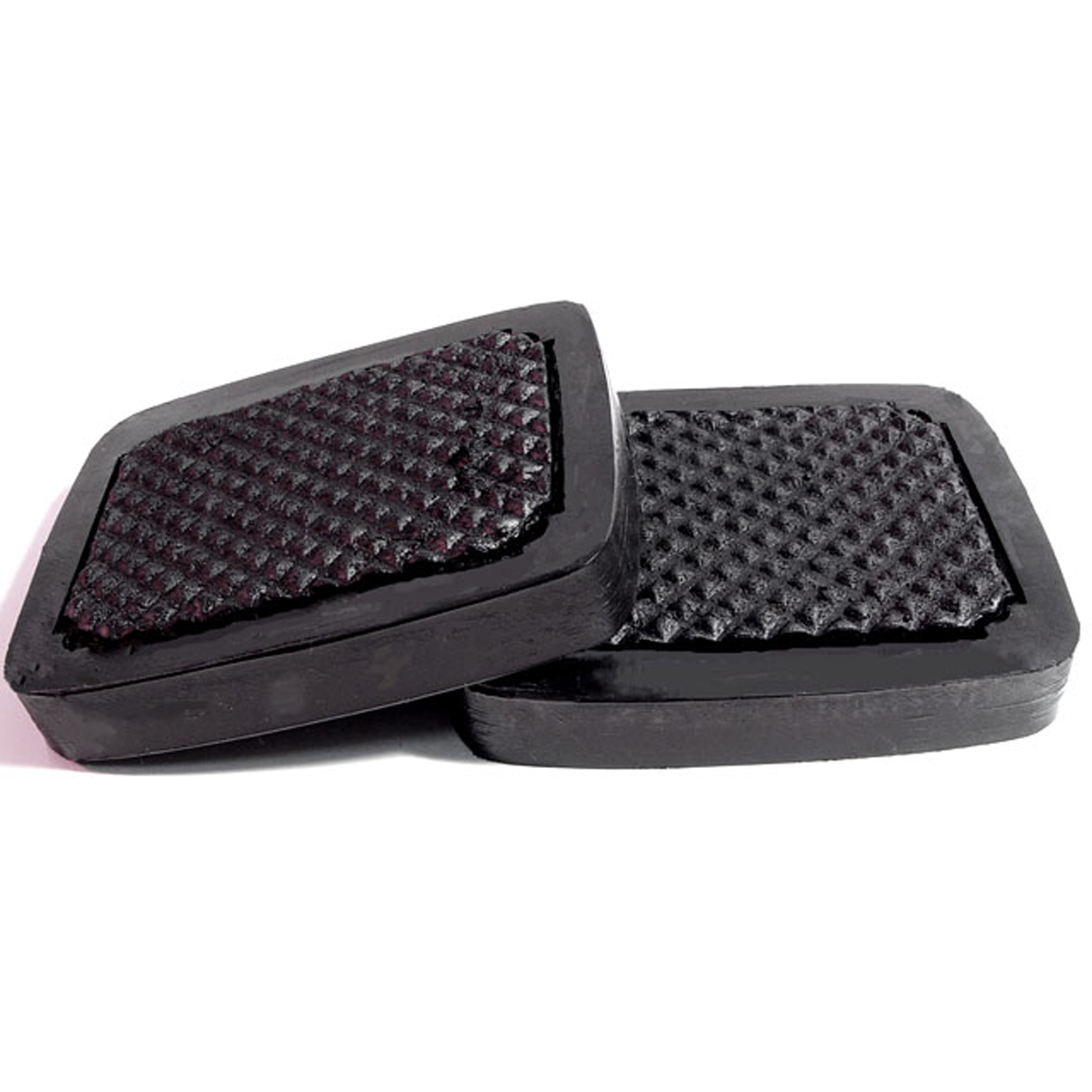 1929 Buick SERIES 116 Clutch and Brake Pedal Pads. 2-3/4" wide X 3-3/8" long-CB 12Clutch and Brake Pedal Pads. 2-3/4" wide X 3-3/8" long. Pair
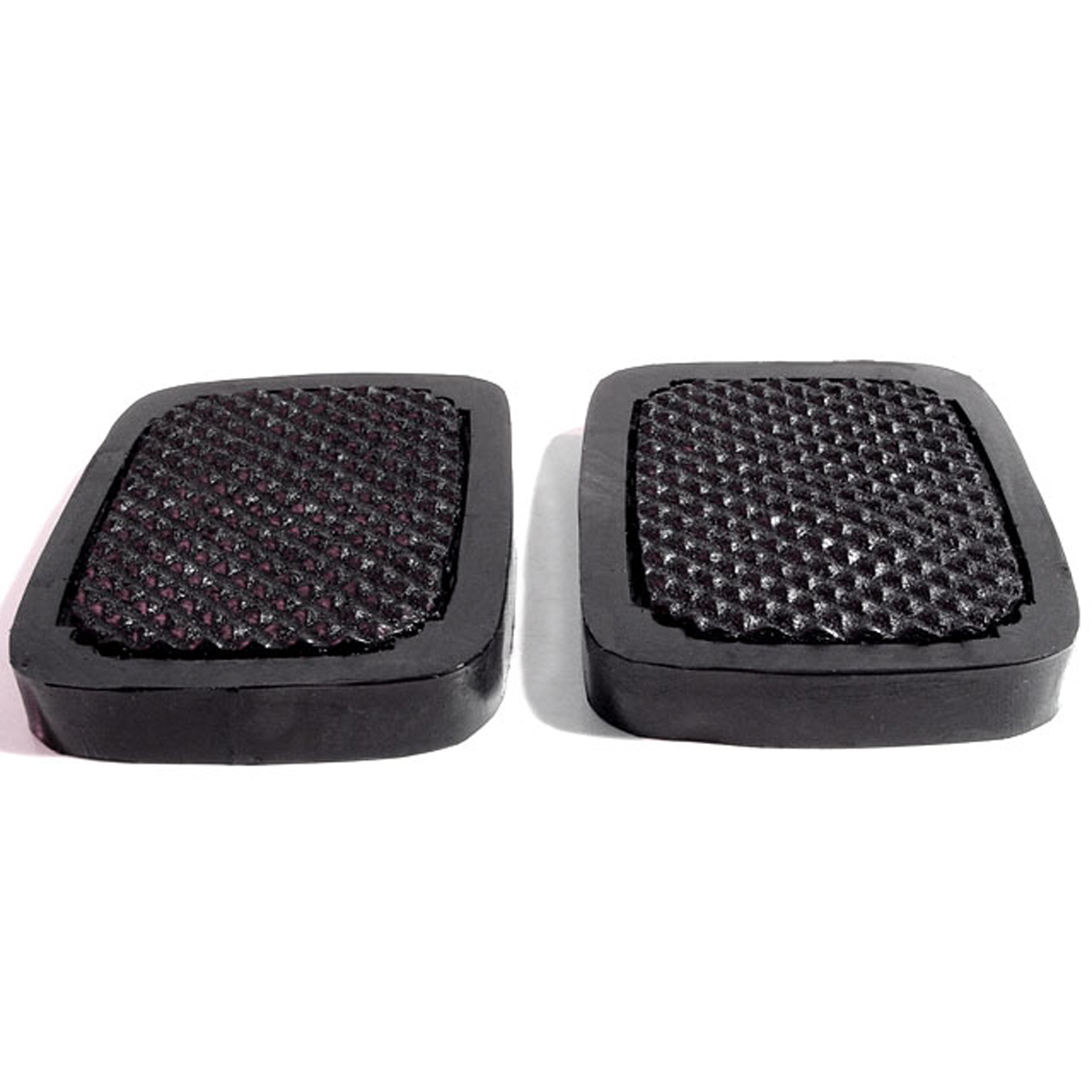 1929 Buick SERIES 116 Clutch and Brake Pedal Pads. 2-3/4" wide X 3-3/4" long-CB 13Clutch and Brake Pedal Pads. 2-3/4" wide X 3-3/4" long. Pair
 1929 Buick SERIES 116 Door Bumper. 1-7/16" high X 1-9/16" wide X 9/16" thick-DB 7Door Bumper. 1-7/16" high X 1-9/16" wide X 9/16" thick. Each
 1929 Buick SERIES 116 Windshield Post Bases. 2-7/16" X 2-5/8", 1" I.D. Pair R&L-MB 17Windshield Post Bases. 2-7/16" X 2-5/8", 1" I.D. Pair R&L
 1929 Buick SERIES 116 Sun Visor Pad. 1" wide X 2-3/4" long. Each-MP 120-ASun Visor Pad. 1" wide X 2-3/4" long. Each
 1929 Buick SERIES 116 Headlight Bar Pads. 2-1/2" wide X 4-1/2" long. Pair-MP 121Headlight Bar Pads. 2-1/2" wide X 4-1/2" long. Pair
 1929 Buick SERIES 116 Rumble Seat Step-Plate Pad. 7-5/8" wide X 4-3/8" long-MP 142-BRumble Seat Step-Plate Pad. 7-5/8" wide X 4-3/8" long. Each
 1929 Buick SERIES 116 Door Handle Ferrule Grommet. I.D. 11/16", O.D. 1-3/16"-MP 546-IDoor Handle Ferrule Grommet. I.D. 11/16", O.D. 1-3/16". Each
 1929 Buick SERIES 116 Door Handle Pads. 1-1/2" wide X 2-1/4" long-MP 556Door Handle Pads. 1-1/2" wide X 2-1/4" long. Pair (Buick: no locking type)
 1929 Buick SERIES 116 Door Handle Pads, Locking Type. 1-1/2" wide X 2-1/2" long-MP 940-EDoor Handle Pads, Locking Type. 1-1/2" wide X 2-1/2" long. Pair
 1929 Buick SERIES 116 Flexible Rubber Window Channel-WC 32-14Flexible Rubber Window Channel. For Fisher Closed Bodies, except those using a stainless bead type. Used on side windows. 13/16" outer width X 6/16" outer depth, with a 5/16" inner channel width X 14" long. Each
Why Choose Metro?
For over 100 years, Metro Moulded Parts has been the pinnacle of quality in classic car restoration parts. Our commitment to precision and authenticity in every component ensures a perfect fit and an OEM-level appearance.
- Expert Craftsmanship & Quality: Each part is a testament to our dedication to reliability and perfection, crafted from original designs and thoroughly tested.
- Advanced Technology: We use cutting-edge techniques to create flawless, long-lasting parts that surpass others in performance.
- SuperSoft Sponge – The Ultimate Door Seal: Not only are our door seals 30% softer than competitors', but they're also guaranteed to never leak. They effectively reduce wind and road noise, enhancing your classic car's comfort and driving experience.
- Proudly American: Our parts are a product of American craftsmanship, made in the USA with a spirit of excellence and heritage.
- Unrivaled Warranty: We back our products with a 30-year industry-leading warranty, a testament to our confidence in their quality.
Join us in preserving the legacy of classic cars with parts that are crafted for perfection, not just made.