

Image of 1929 Buick Series 129, Note: These illustrations use artistic license and may differ from actual historical models.
Performance Metrics
Fundamental Metrics
Emotional Appeal
MMP Rating
| Engine Specifications | |
|---|---|
| Engine: | Straight-6 |
| Displacement: | 309 cubic inches |
| Horsepower: | Estimated 74-90 HP |
| Torque: | Not available |
| Compression Ratio: | Not available |
| Ignition System: | Battery and coil |
| Cooling System: | Water-cooled |
| Performance Specifications | |
| 0-60 Time: | Not available |
| 1/4 Mile Time: | Not available |
| Top Speed: | 60-70 mph |
| Transmission and Drive | |
| Drive Type: | Rear-wheel drive |
| Transmission Type: | 3-speed manual |
| Fuel and Efficiency | |
| Fuel System Type: | Carburetor |
| MPG: | Not available |
| Dimensions and Brakes | |
| Brakes: | Mechanical drum brakes |
| Wheelbase: | 120-128 inches |
| Weight: | Estimated 3,400-3,600 lbs |
Note: Specifications for classic cars are given to the best of our ability, considering the limited and variant data available.
1929 Buick Series 129: A Big Six with Buick Confidence
The 1929 Buick Series 129 brought the confidence of a full-size American touring car together with one of the period’s most distinctive engineering traditions: Buick’s overhead-valve “valve-in-head” engine. Built by Buick Motor Company, then a major division of General Motors, the Series 129 was a substantial, well-equipped automobile aimed at buyers who wanted more room, power, and prestige than a basic family car could offer.
The “129” refers to the car’s approximate 129-inch wheelbase, a useful clue to its roomy proportions. It belonged to Buick’s Master Six range, above the smaller Buick offerings of the day. Its long hood, upright radiator, and generous passenger compartment made it look every inch a substantial late-1920s car. A noteworthy detail is that Buick’s overhead-valve layout was not a novelty added for show: it was a core part of the marque’s identity, helping distinguish Buick engines from many flathead competitors.
The Series 129 arrived in a prosperous, fast-moving decade, when American buyers were increasingly choosing enclosed cars and expecting more comfort and performance. Its 1929 model year also coincided with the stock-market crash and the start of the Great Depression. That abrupt change in the economy makes the car an especially vivid snapshot of late-1920s optimism, built just as the market around it was about to transform.
Long Lines, Rich Trim, and Period Color
The Series 129’s design is defined by its proportions. A tall, upright radiator anchors the front end, flanked by prominent headlamps and a long hood. Sweeping fenders follow the curve of the wheels, while running boards visually connect the front and rear of the car. Depending on body style, the rear could be an open touring compartment or a formal, enclosed passenger cabin. The overall effect is elegant rather than sporty, with a substantial stance that still looks purposeful today.
Inside, the experience depended on the body style and trim level, but the emphasis was on comfort and quality. Buyers could expect upholstered seating, a large steering wheel, clear period-style instruments, and generous room compared with smaller cars. Closed bodies commonly used fabric or broadcloth upholstery, with carpeting and wood or wood-finished trim adding warmth. Open models were more exposed to the weather, but often featured folding tops, side curtains, and durable upholstery suited to touring.
Color choices varied by body style, trim, and the customer’s order. Period Buick paintwork could include black as well as dark green, blue, and maroon tones, often paired with contrasting details or trim. Black remains a familiar and historically plausible choice, but it was not the only option. For a restoration, the most reliable guide is the original paint evidence on the individual car, supported by model-year paint charts when available.
Series 129 cars were offered in multiple body configurations, including closed passenger cars and open touring-style forms. Exact offerings could vary by catalog and market. Sedans were practical and popular as enclosed family cars, while coupes offered a more personal, two-door profile. Open cars, including touring and roadster-style bodies, are especially evocative today because they put passengers directly into the sights, sounds, and weather of the road. The most iconic choice depends on taste: the sedan captures the model’s everyday role, while an open touring body makes the strongest visual statement.
Buick Engineering in a Changing Industry
The Series 129’s most important engineering feature was its inline six-cylinder, overhead-valve engine. Buick had made “valve-in-head” technology a selling point long before 1929. Positioning the valves in the cylinder head allowed an efficient breathing arrangement for its era, helping the engine deliver useful low-speed pulling power and respectable performance for a large car.
The car also reflected the industry’s shift toward more comfortable, enclosed motoring. Its long wheelbase gave passengers room, and its substantial chassis was designed for steady road travel rather than quick, nimble handling. Four-wheel mechanical drum brakes and a conventional three-speed manual transmission were period-typical technologies, but they required more driver input than modern systems. The Series 129 was a well-developed product of its time, not a modern car in disguise.
What set Buick apart was the combination of engineering reputation and broad-market reach. It offered a substantial six-cylinder automobile without stepping all the way into the cost and exclusivity of a luxury marque. The Series 129 helped reinforce Buick’s image as a maker of capable, polished cars for buyers moving up from lower-priced models. Its lasting influence is less about one revolutionary feature than the way Buick made overhead-valve performance part of its everyday brand identity.
Six-Cylinder Pace and Road Manners
The Series 129 used a large-displacement inline six, generally listed at about 309.6 cubic inches, with power commonly quoted around 90 horsepower. Exact specifications can vary between references and configurations, so surviving factory literature is the best authority for a particular car. A three-speed manual gearbox sent power to the rear wheels.
Factory acceleration figures are not consistently documented, and modern tests of surviving cars depend heavily on condition, gearing, tires, and body weight. As a practical estimate, a healthy example might reach 60 mph in roughly 25 to 30 seconds. Top speed is often estimated in the neighborhood of 70 to 75 mph, though that should be treated as a period-car estimate rather than a guaranteed factory performance figure. It is happiest cruising at more moderate speeds, where the engine is relaxed and the chassis feels composed.
On a smooth road, the long wheelbase helps the Buick settle into an even, dignified stride. On rough pavement, its springs and tall tires soften some impacts, but the ride will still feel more direct and less controlled than a modern car. On winding roads, expect deliberate steering, noticeable body movement, and a need to plan braking well ahead. The car rewards smooth inputs rather than hurried cornering.
From behind the wheel, the engine’s sound is a steady mechanical six-cylinder note, accompanied by the hum of the transmission, tire noise, and the open-air rush of road and wind. The driving position is upright, the steering wheel is large, and the controls demand more physical effort than a contemporary vehicle. That interaction is part of the appeal: piloting a Series 129 feels like operating a substantial machine, not simply guiding a car with fingertip controls.
Living with a 1929 Buick
Today, a Series 129 is best suited to touring, local shows, historical events, and occasional pleasure drives. It can be used regularly by a committed owner, but modern traffic speeds, limited braking performance, and the availability of suitable roads make it a poor choice for ordinary commuting. Open examples are especially enjoyable on fair-weather drives, while a sedan offers better protection from the elements.
Maintenance is approachable for an owner comfortable with older machinery, but it is not entirely plug-and-play. Routine work includes checking the ignition and fuel systems, keeping the cooling system in good order, lubricating chassis components, and inspecting the mechanical brakes. Parts availability varies: common service items may be found through vintage-car suppliers and Buick clubs, while body-specific trim, castings, and upholstery details can take patience to source or reproduce.
Reliability depends greatly on restoration quality and regular use. A well-maintained car can be dependable for touring at sensible speeds, but age brings familiar concerns such as deteriorated wiring, fuel-system trouble, worn brake components, and cooling problems. A pre-purchase inspection by a mechanic familiar with prewar cars is especially valuable. Before driving any example, check that the brakes, steering, tires, and fuel lines are safe rather than assuming that a polished restoration is mechanically sound.
Curiosities, Criticisms, and the 1929 Moment
The Series 129’s best-known calling card is its Buick “valve-in-head” heritage. That phrase was a major part of Buick’s public identity, connecting the car to the company’s long-running emphasis on overhead-valve engines. The model is not widely associated with a single speed record, endurance feat, or celebrity owner, and claims of a famous individual connection should be verified against the history of the specific car.
Its timing is a historical talking point of its own. The Series 129 represents the confident, high-output American car market just before the 1929 financial crash and the Depression that followed. It was not a car built for a single historic event, but surviving examples now provide a tangible connection to that turning point in American economic and automotive history.
Common criticisms are largely the trade-offs of its age. The car is heavy, its controls require effort, and its braking and handling cannot match even modest modern vehicles. Owners may also find that restoration costs rise quickly when rare body components or correct upholstery are needed. In return, the Buick offers period craftsmanship, a distinctive engine design, and a driving experience that feels unmistakably prewar.
Collector Value and Rarity
There is no widely cited production total for the Series 129 alone. Buick built a large number of cars across its 1929 range, but model-specific figures are difficult to establish from commonly available records. As an informed estimate rather than a documented count, Series 129 production may have reached the tens of thousands, perhaps around 20,000 to 40,000 cars across its body styles. The number surviving in restorable or roadworthy condition is much smaller, and unusual body configurations are scarcer than familiar sedans.
For a broad present-day U.S. market estimate, a project car might sell for roughly $10,000 to $20,000, depending on completeness and rust. A sound driver or older restoration could fall around $25,000 to $45,000. A high-quality, authentic restoration or especially desirable body style may bring approximately $50,000 to $80,000 or more. These are guide ranges, not appraisals: provenance, originality, body style, mechanical condition, and the quality of the restoration can move a sale substantially in either direction.
Like many prewar cars, the Series 129 has a selective collector market. Exceptional examples remain desirable, but restoration expenses can exceed the value of an average car. Prices are therefore best described as condition-sensitive rather than guaranteed to rise. Over time, well-documented, correctly restored cars may hold interest, while rough projects can be difficult to sell unless priced realistically.
Why the Series 129 Still Matters
The 1929 Buick Series 129 combines a spacious, elegant body with the engineering character that made Buick’s overhead-valve sixes famous. Its long-wheelbase design, period craftsmanship, and steady touring manners capture the ambitions of American motoring just before the Great Depression reshaped the market. It is not a modern-speed machine, nor does it pretend to be one. The Series 129’s appeal is the pleasure of hearing, feeling, and seeing a major piece of Buick history come alive on the road.
1929 Buick Series 129 Catalog of Parts
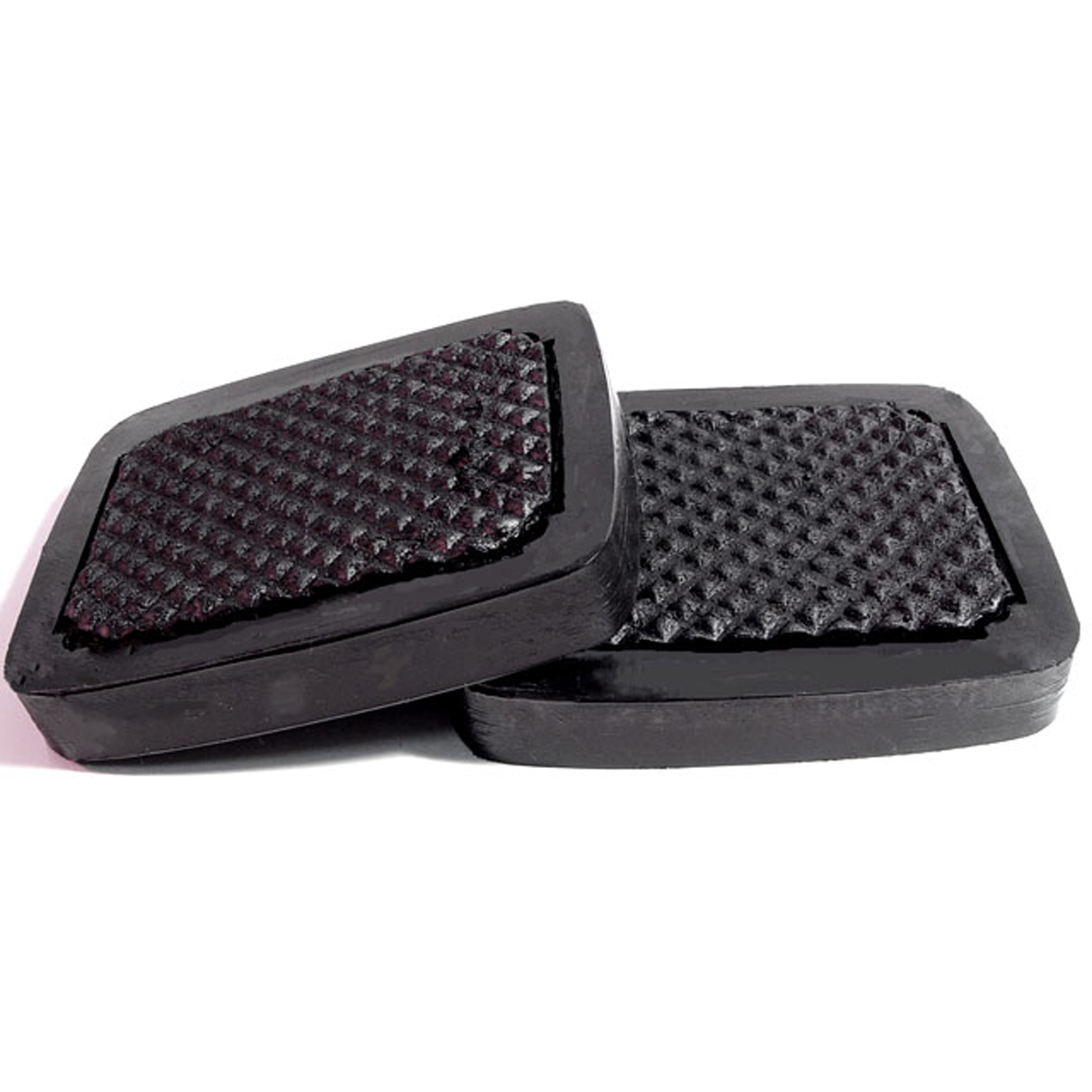 1929 Buick SERIES 129 Clutch and Brake Pedal Pads. 2-3/4" wide X 3-3/8" long-CB 12Clutch and Brake Pedal Pads. 2-3/4" wide X 3-3/8" long. Pair
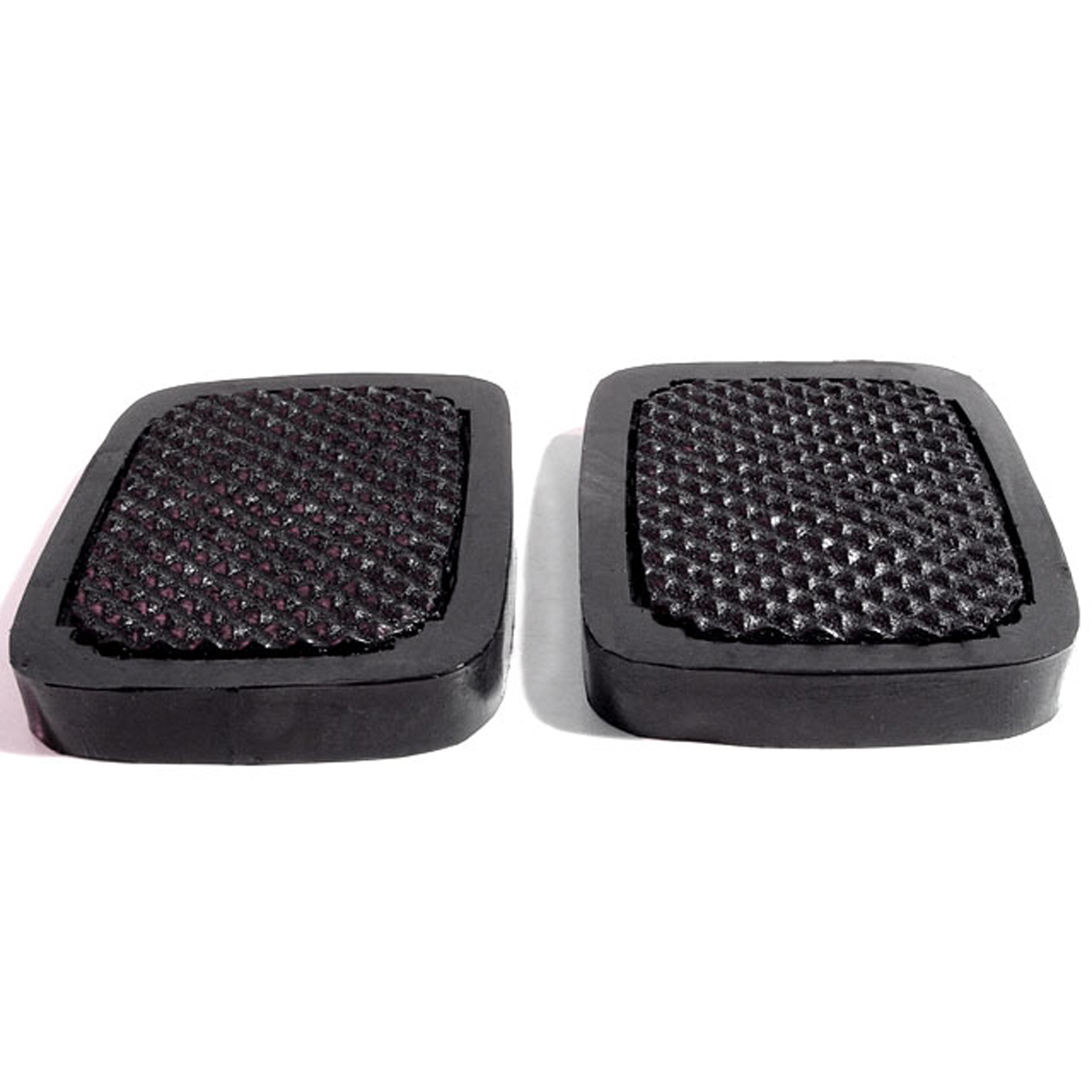 1929 Buick SERIES 129 Clutch and Brake Pedal Pads. 2-3/4" wide X 3-3/4" long-CB 13Clutch and Brake Pedal Pads. 2-3/4" wide X 3-3/4" long. Pair
 1929 Buick SERIES 129 Door Bumper. 1-7/16" high X 1-9/16" wide X 9/16" thick-DB 7Door Bumper. 1-7/16" high X 1-9/16" wide X 9/16" thick. Each
 1929 Buick SERIES 129 Windshield Post Bases. 2-7/16" X 2-5/8", 1" I.D. Pair R&L-MB 17Windshield Post Bases. 2-7/16" X 2-5/8", 1" I.D. Pair R&L
 1929 Buick SERIES 129 Sun Visor Pad. 1" wide X 2-3/4" long. Each-MP 120-ASun Visor Pad. 1" wide X 2-3/4" long. Each
 1929 Buick SERIES 129 Headlight Bar Pads. 2-1/2" wide X 4-1/2" long. Pair-MP 121Headlight Bar Pads. 2-1/2" wide X 4-1/2" long. Pair
 1929 Buick SERIES 129 Rumble Seat Step-Plate Pad. 7-5/8" wide X 4-3/8" long-MP 142-BRumble Seat Step-Plate Pad. 7-5/8" wide X 4-3/8" long. Each
 1929 Buick SERIES 129 Door Handle Ferrule Grommet. I.D. 11/16", O.D. 1-3/16"-MP 546-IDoor Handle Ferrule Grommet. I.D. 11/16", O.D. 1-3/16". Each
 1929 Buick SERIES 129 Door Handle Pads. 1-1/2" wide X 2-1/4" long-MP 556Door Handle Pads. 1-1/2" wide X 2-1/4" long. Pair (Buick: no locking type)
 1929 Buick SERIES 129 Door Handle Pads, Locking Type. 1-1/2" wide X 2-1/2" long-MP 940-EDoor Handle Pads, Locking Type. 1-1/2" wide X 2-1/2" long. Pair
 1929 Buick SERIES 129 Flexible Rubber Window Channel-WC 32-14Flexible Rubber Window Channel. For Fisher Closed Bodies, except those using a stainless bead type. Used on side windows. 13/16" outer width X 6/16" outer depth, with a 5/16" inner channel width X 14" long. Each
Why Choose Metro?
For over 100 years, Metro Moulded Parts has been the pinnacle of quality in classic car restoration parts. Our commitment to precision and authenticity in every component ensures a perfect fit and an OEM-level appearance.
- Expert Craftsmanship & Quality: Each part is a testament to our dedication to reliability and perfection, crafted from original designs and thoroughly tested.
- Advanced Technology: We use cutting-edge techniques to create flawless, long-lasting parts that surpass others in performance.
- SuperSoft Sponge – The Ultimate Door Seal: Not only are our door seals 30% softer than competitors', but they're also guaranteed to never leak. They effectively reduce wind and road noise, enhancing your classic car's comfort and driving experience.
- Proudly American: Our parts are a product of American craftsmanship, made in the USA with a spirit of excellence and heritage.
- Unrivaled Warranty: We back our products with a 30-year industry-leading warranty, a testament to our confidence in their quality.
Join us in preserving the legacy of classic cars with parts that are crafted for perfection, not just made.