

Image of 1930 Buick Series 40, Note: These illustrations use artistic license and may differ from actual historical models.
Performance Metrics
Fundamental Metrics
Emotional Appeal
MMP Rating
| Engine Specifications | |
|---|---|
| Engine: | Straight-8 |
| Displacement: | 230 cubic inches |
| Horsepower: | Estimated 74-90 HP |
| Torque: | Not available |
| Compression Ratio: | Not available |
| Ignition System: | Battery and coil |
| Cooling System: | Water-cooled |
| Performance Specifications | |
| 0-60 Time: | Not available |
| 1/4 Mile Time: | Not available |
| Top Speed: | 60-70 mph |
| Transmission and Drive | |
| Drive Type: | Rear-wheel drive |
| Transmission Type: | 3-speed manual |
| Fuel and Efficiency | |
| Fuel System Type: | Carburetor |
| MPG: | Not available |
| Dimensions and Brakes | |
| Brakes: | Mechanical drum brakes |
| Wheelbase: | 118 inches |
| Weight: | Estimated 3,300 lbs |
Note: Specifications for classic cars are given to the best of our ability, considering the limited and variant data available.
1930 Buick Series 40: Buick’s Refined Six-Cylinder Classic
With its tall chrome radiator, sweeping fenders, and purposeful six-cylinder engine, the 1930 Buick Series 40 brought a distinctly upscale feel to the road without stepping into Cadillac territory. Built by Buick Motor Company, then a major division of General Motors, the Series 40 sat at the more accessible end of Buick’s range while retaining the engineering and finish that helped define the marque.
The Series 40 arrived at a pivotal moment. The 1920s had been a boom era for American cars, but the stock-market crash of 1929 ushered in the Great Depression. Buyers still wanted dependable, well-appointed transportation, and Buick’s reputation for sturdy construction gave the marque an advantage. A notable detail for enthusiasts is that the 1930 Buick used a six-cylinder engine just before Buick’s move to straight-eight power in its later lineup. It represents the close of an important chapter in the company’s engineering story.
1930 Buick Series 40 Design and Styling
The Series 40 wore the upright, formal look typical of a substantial American car at the start of the 1930s. Its tall radiator shell and large headlamps gave the front end a commanding presence, while long hood louvers, curved front fenders, and running boards emphasized the car’s length. Chrome and bright metal trim added polish without overwhelming the body. From the side, the sweeping fenders and high beltline made the Buick look substantial even when parked.
Inside, Buick aimed for comfort and quality rather than bare-bones utility. Depending on body style and trim, occupants could find broadcloth or mohair upholstery in closed cars, with leather more common on open models. The dashboard was laid out around clear, period-style instruments, with a large steering wheel and straightforward controls. Materials and trim varied by model, but the Series 40 generally felt more carefully finished than a basic economy car.
Available paint choices varied with body style and factory offerings. Period Buick finishes included dark, restrained shades such as black, blue, green, gray, and maroon, with contrasting trim or two-tone treatments available on some bodies. Closed sedans in darker colors suited the car’s formal character, while brighter combinations and lighter upholstery helped open models stand out. Exact color availability should be checked against the individual car’s documentation, since repainting and later restoration choices are common.
Buick offered the Series 40 in several body configurations, including closed sedans and coupe styles, with open touring-type bodies available in the broader range of period offerings. Exact model names and availability could vary by catalog and market. The four-door sedan is among the most recognizable choices today: it presents the Series 40’s formal proportions and provides the enclosed comfort many buyers wanted. Coupes, by contrast, have a sportier profile and are especially appealing to collectors who prefer a more compact body.
Engineering and Historical Significance
At the heart of the Series 40 was a Buick overhead-valve inline six of approximately 257 cubic inches. Period specifications commonly list output at about 77 horsepower, though figures and ratings can vary among references. Overhead valves were not unique to Buick, but the company had made the layout a key part of its identity. The design helped the engine breathe effectively for its era and reinforced Buick’s reputation for combining practical performance with refinement.
Power went to the rear wheels through a three-speed manual transmission. The car also used four-wheel mechanical drum brakes, a common arrangement at the time. These features were not modern by today’s standards, but together they made the Buick a capable, well-equipped family car for early-1930s roads. The Series 40’s importance lies less in one revolutionary invention than in how it brought established Buick engineering, substantial construction, and an upscale image into a comparatively accessible model.
In a market crowded with six-cylinder competitors, the Series 40 stood out through its combination of size, finish, and brand prestige. It helped maintain Buick’s position between mass-market Chevrolet and the more exclusive Cadillac within GM’s broad range. Its long hood, upright radiator, and carefully proportioned body also capture a transitional moment in automotive design, just before the more streamlined shapes of the later 1930s became common.
Performance, Top Speed, and Driving Feel
A healthy, correctly tuned 1930 Buick Series 40 is generally estimated to reach roughly 60 to 65 mph, with some cars potentially running faster depending on gearing, tires, body style, and mechanical condition. A modern 0-to-60-mph time was not a normal factory performance measure in 1930. Based on the car’s power, weight, and gearing, a reasonable estimate is around 25 to 30 seconds, but that should be treated as an approximation rather than a recorded factory figure.
The Buick feels strongest when driven smoothly and with anticipation. Its six-cylinder engine delivers measured, low-speed pulling power rather than the sharp response of a modern car. The three-speed transmission rewards deliberate shifts, and drivers may need to double-clutch when changing gears, depending on the gearbox and driving technique. Braking also requires planning: mechanical drum brakes can stop the car safely when properly maintained, but they do not offer the confidence or consistency of modern hydraulic systems.
On a typical paved road, the Series 40’s substantial chassis and generous wheelbase give it a steady, weighty ride. It can absorb ordinary bumps, though rough surfaces still make themselves known through the suspension and frame. On winding roads, the driver feels the car’s height, mass, and relatively narrow tires. It is better suited to relaxed touring than quick cornering. The engine’s subdued mechanical rumble, the gear lever’s direct movement, and the large steering wheel make the driver an active part of the experience.
Owning and Maintaining a 1930 Buick
Today, most Series 40s are used as show cars, weekend tourers, or occasional parade vehicles rather than daily transportation. They can cover distance at a comfortable pace, but their age, braking system, lighting, and lack of modern safety equipment make them a poor substitute for a contemporary commuter car. A well-maintained example can still be enjoyable on local roads and organized antique-car tours.
Routine service is approachable for an owner with mechanical experience. The engine bay is relatively accessible, and many repairs involve familiar tasks such as ignition work, carburetor tuning, lubrication, cooling-system service, and brake adjustment. The challenge is often not complexity but parts availability and correct restoration details. Specialist suppliers, Buick clubs, and marque forums can help locate components, while uncommon trim, body parts, and original interior materials may take patience to find.
Reliability depends heavily on restoration quality and regular use. A car that has sat for years may need attention to fuel lines, wiring, tires, seals, brakes, and cooling components before it is safe to tour. Mechanical brakes demand careful inspection and adjustment, and the original electrical system should be checked rather than assumed to be dependable. For a prospective buyer, a documented restoration and a thorough inspection are more valuable than shiny paint alone.
1930 Buick Series 40 Facts and Myths
The Series 40 is not widely associated with a single celebrity owner, land-speed record, or headline-making competition victory. Its appeal is more representative: it is a well-built Buick from the opening years of the Depression, when automakers had to make refinement and value work together. No famous production or endurance record is generally credited to the model.
One common criticism is that the car can feel slow and demanding by modern standards. That is fair if it is judged as contemporary transportation, but misses the point of the experience. The Series 40 was designed for the roads and driving expectations of its era, and its steady pace, mechanical controls, and formal presence are part of its character. Another practical drawback is that a full restoration can cost far more than the market value of many examples, especially if significant bodywork or rare trim is needed.
Collector Value and Availability
There is no widely accepted, definitive production figure for every 1930 Series 40 body style. As a working estimate rather than a confirmed factory count, total Series 40 production may have been in the broad range of roughly 100,000 to 150,000 cars. The number surviving today is much smaller, and condition, body style, originality, and documentation make a major difference in availability.
As a general 2026 market estimate, a project or incomplete car might sell for about $8,000 to $15,000. A running, presentable driver could fall around $15,000 to $30,000, while a high-quality restoration may bring approximately $30,000 to $55,000. Exceptional examples, particularly desirable open-body cars or rare, well-documented configurations, can exceed that range and may reach $60,000 to $90,000 or more. These are broad estimates, not guaranteed sale prices; auction results and regional demand can vary considerably.
Values have tended to be strongest for complete, correctly restored cars, while ordinary sedans often sell for less than the cost of a comprehensive restoration. The model’s market appears relatively steady, with exceptional examples attracting collector interest but many cars showing modest appreciation at best when inflation and restoration expenses are considered. Buyers should prioritize condition and authenticity over the assumption that every prewar Buick will rise sharply in value.
Why the 1930 Buick Series 40 Still Matters
The 1930 Buick Series 40 combines classic prewar styling, a respected overhead-valve six-cylinder engine, and the substantial feel that made Buick a prominent American marque. It is not a fast or effortless modern classic, but it offers an engaging look at how a well-equipped car was built and driven at the start of the 1930s.
For collectors, the Series 40 is a rewarding choice when originality, mechanical condition, and realistic expectations come together. Its lasting appeal is simple: this Buick turns an ordinary drive into a vivid encounter with the engineering, craftsmanship, and road-going confidence of another era.
1930 Buick Series 40 Catalog of Parts
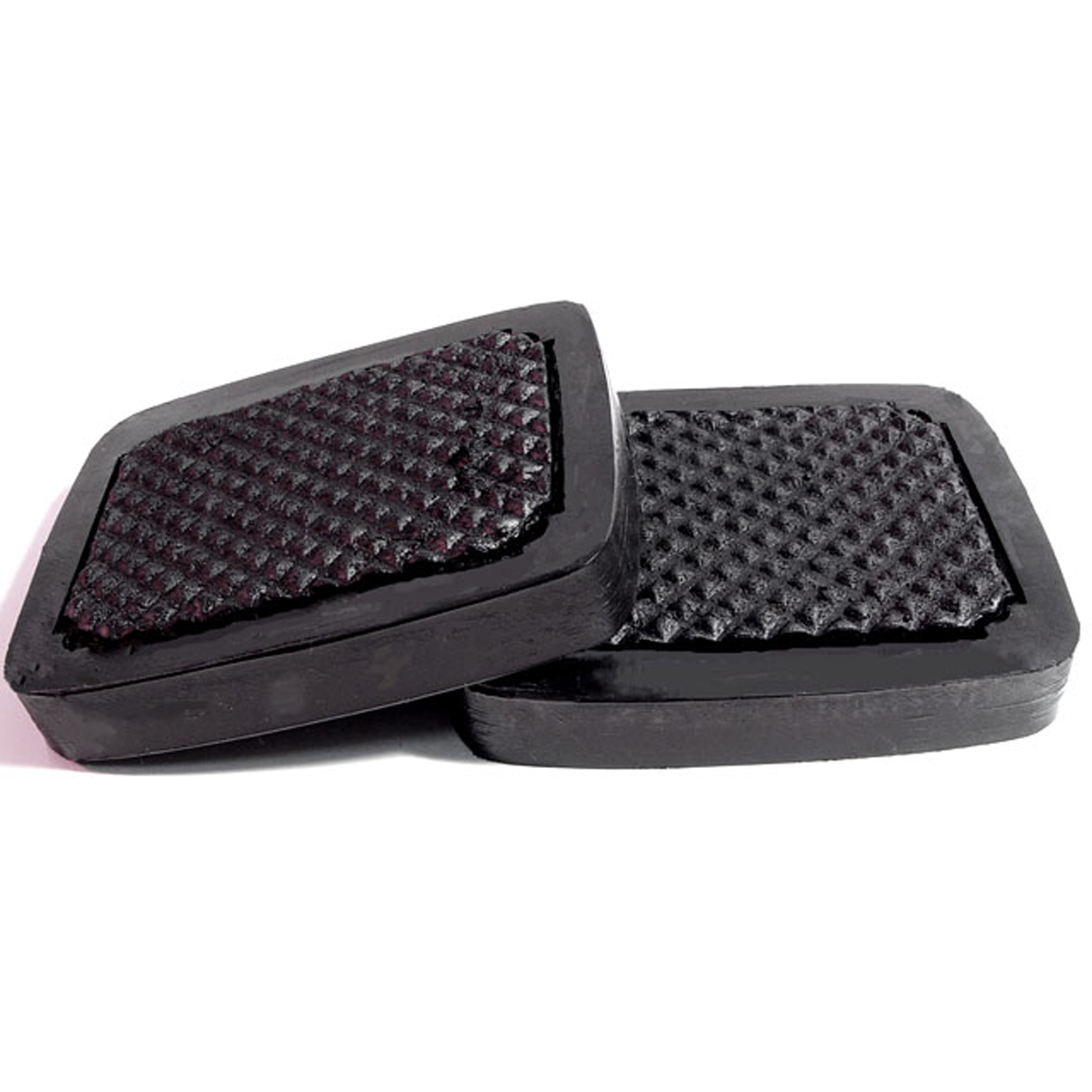 1930 Buick Series 40 Clutch and Brake Pedal Pads. 2-3/4" wide X 3-3/8" long-CB 12Clutch and Brake Pedal Pads. 2-3/4" wide X 3-3/8" long. Pair
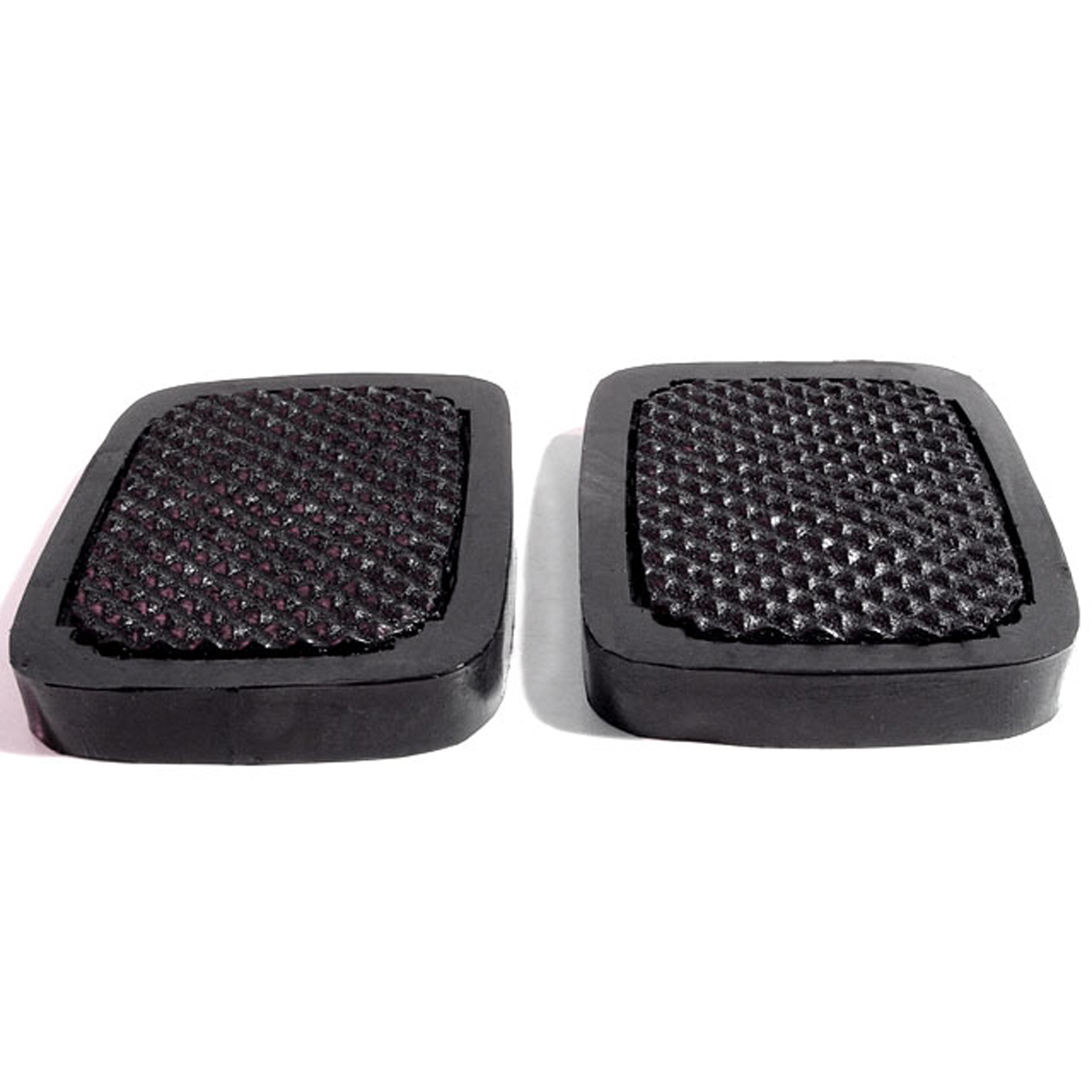 1930 Buick Series 40 Clutch and Brake Pedal Pads. 2-3/4" wide X 3-3/4" long-CB 13Clutch and Brake Pedal Pads. 2-3/4" wide X 3-3/4" long. Pair
 1930 Buick Series 40 Door Bumper. 1-7/16" high X 1-9/16" wide X 9/16" thick-DB 7Door Bumper. 1-7/16" high X 1-9/16" wide X 9/16" thick. Each
 1930 Buick Series 40 Side window seal. Dense rubber. No metal core. 1 in-LP 95-ASide window seal. Dense rubber. No metal core. 1 in. W x 5/8 in. H. Per foot.
 1930 Buick Series 40 Door Handle Ferrule Grommet. I.D. 11/16", O.D. 1-3/16"-MP 546-IDoor Handle Ferrule Grommet. I.D. 11/16", O.D. 1-3/16". Each
 1930 Buick Series 40 Door Bumper. 1" diameter X 1/4" thick Each-SB 60Door Bumper. 1" diameter X 1/4" thick Each
 1930 Buick Series 40 Flexible Rubber Window Channel-WC 32-14Flexible Rubber Window Channel. For Fisher Closed Bodies, except those using a stainless bead type. Used on side windows. 13/16" outer width X 6/16" outer depth, with a 5/16" inner channel width X 14" long. Each
 1930 Buick Series 40 Fender Bolts. For use with Fender Bolt Washers; WF 3001-WF 3000Fender Bolts. For use with Fender Bolt Washers; WF 3001. Zinc Chromate plated, high strength. 1" X 5/16". Set of 25
 1930 Buick Series 40 Fender Bolt Washers. For use with Fender Bolts; WF 3000-WF 3001Fender Bolt Washers. For use with Fender Bolts; WF 3000. High quality, cadmium plated. 1-1/4" O.D., 3/8" I.D. Set of 25
Why Choose Metro?
For over 100 years, Metro Moulded Parts has been the pinnacle of quality in classic car restoration parts. Our commitment to precision and authenticity in every component ensures a perfect fit and an OEM-level appearance.
- Expert Craftsmanship & Quality: Each part is a testament to our dedication to reliability and perfection, crafted from original designs and thoroughly tested.
- Advanced Technology: We use cutting-edge techniques to create flawless, long-lasting parts that surpass others in performance.
- SuperSoft Sponge – The Ultimate Door Seal: Not only are our door seals 30% softer than competitors', but they're also guaranteed to never leak. They effectively reduce wind and road noise, enhancing your classic car's comfort and driving experience.
- Proudly American: Our parts are a product of American craftsmanship, made in the USA with a spirit of excellence and heritage.
- Unrivaled Warranty: We back our products with a 30-year industry-leading warranty, a testament to our confidence in their quality.
Join us in preserving the legacy of classic cars with parts that are crafted for perfection, not just made.