

Image of 1930 Buick Series 50, Note: These illustrations use artistic license and may differ from actual historical models.
Performance Metrics
Fundamental Metrics
Emotional Appeal
MMP Rating
| Engine Specifications | |
|---|---|
| Engine: | Straight-6 |
| Displacement: | 220.7 cubic inches |
| Horsepower: | Estimated 77-90 HP |
| Torque: | Not available |
| Compression Ratio: | Not available |
| Ignition System: | Battery and coil |
| Cooling System: | Water-cooled |
| Performance Specifications | |
| 0-60 Time: | Not available |
| 1/4 Mile Time: | Not available |
| Top Speed: | 60-70 mph |
| Transmission and Drive | |
| Drive Type: | Rear-wheel drive |
| Transmission Type: | 3-speed manual |
| Fuel and Efficiency | |
| Fuel System Type: | Carburetor |
| MPG: | Not available |
| Dimensions and Brakes | |
| Brakes: | Mechanical drum brakes |
| Wheelbase: | 114 inches |
| Weight: | 3,350 lbs |
Note: Specifications for classic cars are given to the best of our ability, considering the limited and variant data available.
1930 Buick Series 50: A Six-Cylinder Buick with Big-Car Presence
The 1930 Buick Series 50 made a persuasive case for the middle ground: it offered the room, finish, and road presence of a substantial American automobile, paired with Buick’s proven overhead-valve six-cylinder engine. Built by Buick, a General Motors division, the Series 50 sat in the brand’s broad lineup as a well-appointed choice for buyers who wanted more than basic transportation without stepping up to one of Buick’s largest and costliest models.
Buick’s roots reached back to 1903, and its early success helped shape General Motors, which William C. Durant organized in 1908. By 1930, Buick had built a reputation for combining sturdy construction with lively performance. The Series 50 carried that reputation into a difficult moment: the Great Depression was beginning to squeeze household budgets, and a new Buick was an important purchase.
One detail that still stands out is the engine’s overhead-valve layout. Buick had championed “valve-in-head” engines since the company’s early years, when that design helped distinguish its cars from many competitors using side-valve engines. The 1930 Series 50 brought that established engineering approach to a comfortable, full-size touring car.
Art Deco Lines and Buick Craftsmanship
The Series 50 wore the upright, formal shape associated with the turn into the 1930s. Its tall, bright-finished radiator shell and vertical grille gave the front end a confident face, while the long hood, sweeping front fenders, and running boards made the car look substantial even at rest. Depending on body style and equipment, externally mounted spare wheels added to its purposeful, long-distance appearance.
Inside, the emphasis was on comfort and finish rather than modern convenience. Closed models typically used durable cloth or broadcloth upholstery, with more luxurious trim available on better-appointed bodies. Open cars could feature leather seating. Polished hardware, neatly finished dashboards, and coordinated interior colors gave the cabin a richer feel than a basic family car. Materials and trim varied by body style, so surviving cars can differ considerably in their original appointments.
Factory paint choices varied with body and trim combinations. Period Buick colors included dark shades such as black, blue, maroon, and green, along with lighter colors on some models. Two-tone treatments and contrasting wheel or upholstery colors could add visual distinction. Black is a familiar restoration choice, but a correct period color should be confirmed against the particular body style and its original records where possible.
Series 50 body offerings included practical closed sedans and coupe variations, with open touring or roadster-style models available in the broader range of Buick catalog offerings. Exact names and availability could vary by market and catalog. The sedan was the sensible all-weather choice, while a sport coupe or open model made the car feel more personal and eye-catching. A coupe’s compact roofline and long hood are among the most memorable Series 50 profiles.
Engineering for Everyday Motoring
At the heart of the Series 50 was a 257.5-cubic-inch (about 4.2-liter) inline six, rated at approximately 80 horsepower. It used Buick’s overhead-valve design and sent power through a three-speed manual transmission. The combination favored smooth, steady pulling power over high-revving performance, making the Buick well suited to touring with passengers and luggage.
Equipment reflected the standards of the period. The car had a conventional chassis, a manual gearbox, and four-wheel mechanical brakes rather than modern hydraulic brakes. Those systems were familiar to 1930 drivers, but they demanded more physical effort and regular adjustment than the power-assisted, hydraulically braked cars that would follow. The Series 50 was advanced in important ways for its time, but it remained a thoroughly mechanical machine.
Why the Series 50 Mattered
The Series 50’s importance lies less in one headline-grabbing invention than in how it brought Buick’s engineering and finish to a broad range of buyers. Its overhead-valve six helped reinforce Buick’s identity as a maker of cars with more spirited performance than many conventional family models. Its substantial proportions and well-trimmed cabin also reflected the growing expectation that a mid-range car could be comfortable, stylish, and capable of long journeys.
Compared with smaller, less expensive cars, the Buick offered greater space and a more imposing road presence. Compared with top-of-the-line luxury models, it delivered much of the same period character in a more accessible package. That middle position helped define Buick’s appeal for decades: an upscale American car with a practical streak.
Performance and Road Manners
Exact performance depended on body style, gearing, condition, and the accuracy of the speedometer. A well-running Series 50 could likely reach roughly 65 to 70 mph, with a leisurely 0-to-60-mph time in the neighborhood of 25 to 30 seconds. These are period-car estimates rather than results from a modern standardized test. The Buick was built for relaxed progress, not quick launches or high-speed cornering.
On a smooth road, the long wheelbase and substantial chassis helped the car settle into a comfortable touring rhythm. Its suspension could soften ordinary road imperfections, though sharp bumps and broken pavement still made themselves known through the frame and cabin. On winding roads, the Series 50’s size, tall body, and period tires called for a measured pace. Steering was manual, and parking or maneuvering at low speed required more effort than a driver accustomed to a modern car might expect.
Behind the wheel, the six-cylinder engine would sound low and purposeful, with mechanical noise and exhaust note becoming more noticeable as the car worked uphill or accelerated. The three-speed gearbox required deliberate shifts, and the driver had to plan braking well ahead. The reward was an unhurried, involving drive: the engine pulling steadily, the body moving with the road, and the driver actively managing every part of the journey.
Living with a 1930 Buick
Today, most Series 50s are enjoyed as touring cars, show vehicles, or weekend classics rather than daily transportation. Their spacious cabins and steady cruising manners suit vintage-car events and local drives. Open models attract attention at shows, while sedans offer more weather protection and often make practical touring choices.
Maintenance is approachable for an owner comfortable with older machinery, but it is not maintenance-free. The ignition, carburetor, cooling system, lubrication, and mechanical brakes all need regular inspection and adjustment. Mechanical parts can often be understood and serviced with ordinary workshop skills, but age, wear, and previous repairs matter more than the car’s original reputation for durability. A neglected example may need specialized engine work, brake rebuilding, or hard-to-source trim and body components.
Before buying, inspect the frame and body for rust, check the engine’s oil pressure and cooling behavior, and confirm that the transmission shifts properly. Pay particular attention to brake condition and steering play. A car that stops straight and confidently is far more enjoyable, and safer, than one that merely starts and runs.
Little-Known Details and Common Criticisms
The Series 50 is not especially known for celebrity ownership or a single famous record-setting run. Its appeal is more representative: it captures the kind of substantial American car that carried families and business travelers through the early years of the Depression. No widely recognized Series 50 speed, endurance, or sales record defines the model.
Production figures for individual body styles can be difficult to pin down, and surviving cars are not always easy to match to a precise factory count. A reasonable broad estimate is that Buick built tens of thousands of Series 50 cars across its body range in 1930, perhaps in the region of 20,000 to 30,000. That is an informed estimate, not a definitive factory total. Survivors are now uncommon, especially in complete, original condition, but the Series 50 is generally more attainable than a rare flagship model.
Its chief criticisms are typical of a car from the period: mechanical brakes need more attention, steering can feel heavy, and acceleration is modest by modern standards. Parts availability also varies. Mechanical components may be easier to source than correct upholstery, trim, glass, or body-specific pieces. Those compromises are part of the ownership experience, but they are worth understanding before taking on a restoration.
1930 Buick Series 50 Collector Values
Values vary widely with body style, originality, restoration quality, and documentation. As a broad current-market guide, a project car may fall around $8,000 to $18,000. A running driver or older restoration may bring roughly $18,000 to $40,000, while a high-quality, carefully restored example can reach about $40,000 to $75,000. A particularly desirable or exceptionally finished open car could exceed that range, while a less sought-after body in need of major work may sell for less.
These figures are estimates, not appraisals. Prices for prewar cars tend to be sensitive to condition and buyer interest, and the market is smaller than for better-known postwar classics. Well-restored examples with documented history generally hold appeal, but values do not rise in a straight line. Over the long term, the Series 50’s limited supply and distinctive prewar character support collector interest; its age, upkeep costs, and relatively specialized audience can temper appreciation.
A Buick Built for the Long Road
The 1930 Buick Series 50 combines a proven overhead-valve six, graceful prewar styling, and a well-finished cabin in a package that feels substantial without being Buick’s most extravagant offering. It is not quick by modern standards, and it asks its owner to stay involved with maintenance and driving. In return, it delivers an unmistakable period experience and a clear view of Buick’s place in American automotive history.
For collectors drawn to cars that reward careful driving as much as careful restoration, the Series 50 remains a compelling piece of Buick heritage: a confident touring car from the moment when American motoring was changing fast, and every mile still required a little skill.
1930 Buick Series 50 Catalog of Parts
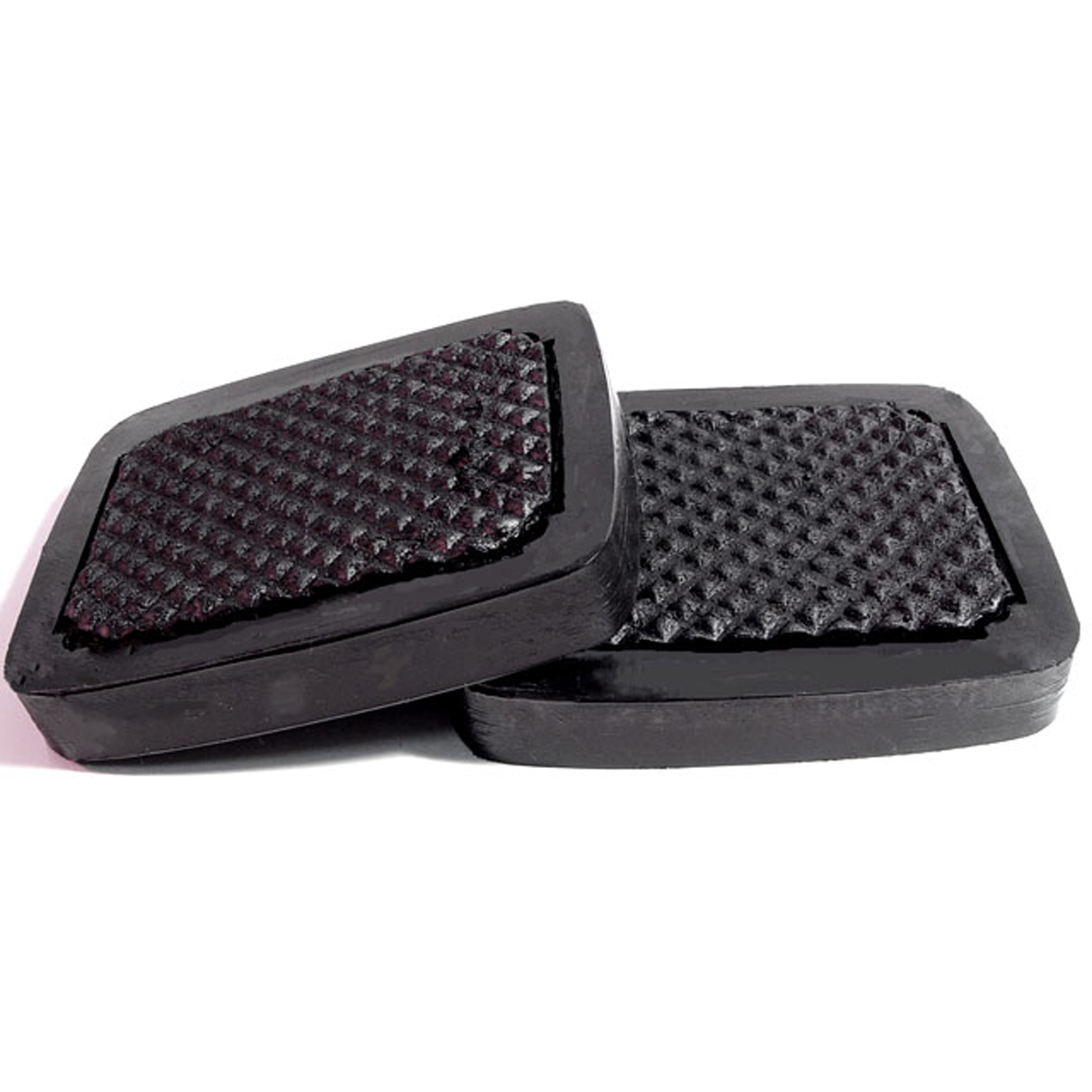 1930 Buick Series 50 Clutch and Brake Pedal Pads. 2-3/4" wide X 3-3/8" long-CB 12Clutch and Brake Pedal Pads. 2-3/4" wide X 3-3/8" long. Pair
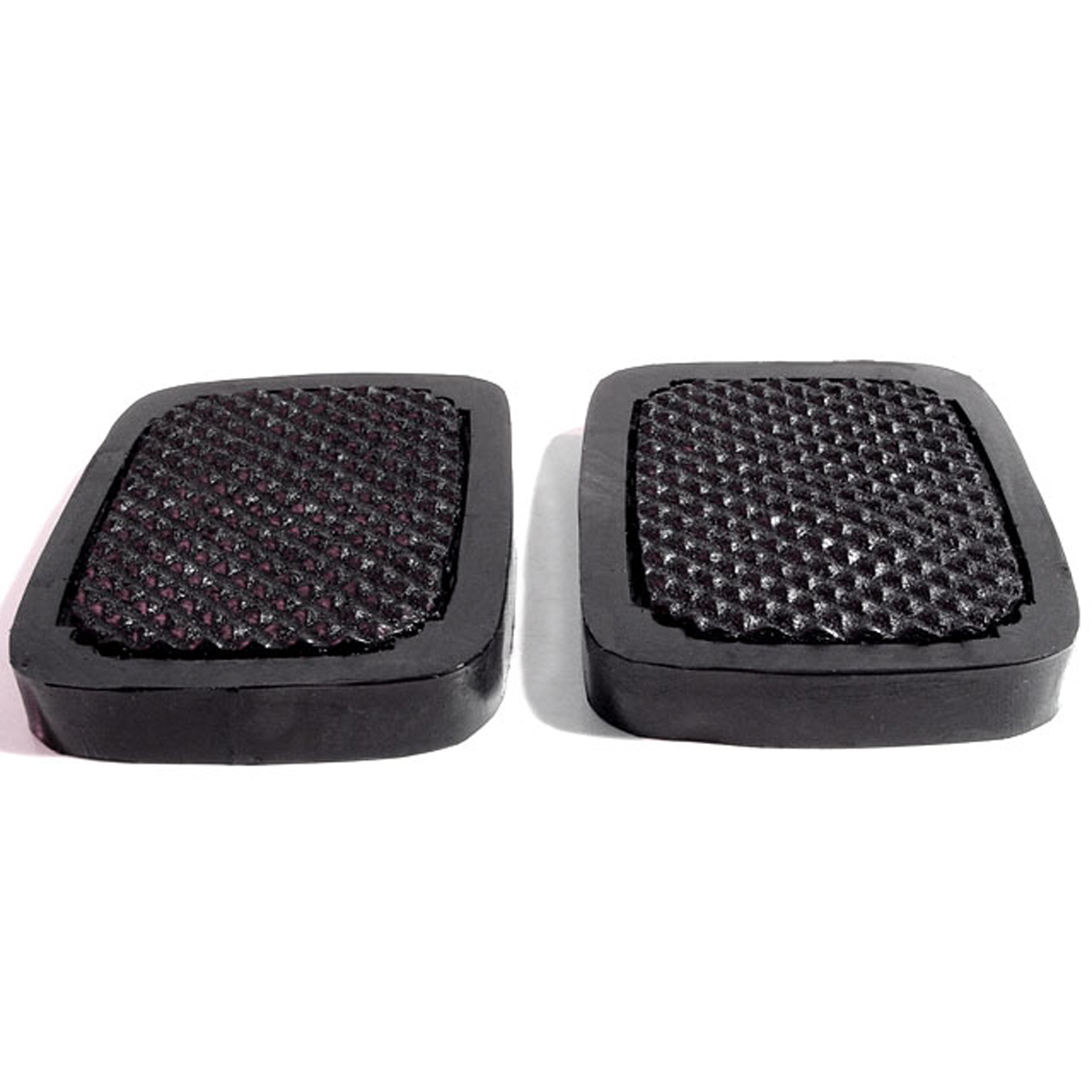 1930 Buick Series 50 Clutch and Brake Pedal Pads. 2-3/4" wide X 3-3/4" long-CB 13Clutch and Brake Pedal Pads. 2-3/4" wide X 3-3/4" long. Pair
 1930 Buick Series 50 Door Bumper. 1-7/16" high X 1-9/16" wide X 9/16" thick-DB 7Door Bumper. 1-7/16" high X 1-9/16" wide X 9/16" thick. Each
 1930 Buick Series 50 Side window seal. Dense rubber. No metal core. 1 in-LP 95-ASide window seal. Dense rubber. No metal core. 1 in. W x 5/8 in. H. Per foot.
 1930 Buick Series 50 Door Handle Ferrule Grommet. I.D. 11/16", O.D. 1-3/16"-MP 546-IDoor Handle Ferrule Grommet. I.D. 11/16", O.D. 1-3/16". Each
 1930 Buick Series 50 Door Bumper. 1" diameter X 1/4" thick Each-SB 60Door Bumper. 1" diameter X 1/4" thick Each
 1930 Buick Series 50 Flexible Rubber Window Channel-WC 32-14Flexible Rubber Window Channel. For Fisher Closed Bodies, except those using a stainless bead type. Used on side windows. 13/16" outer width X 6/16" outer depth, with a 5/16" inner channel width X 14" long. Each
 1930 Buick Series 50 Fender Bolts. For use with Fender Bolt Washers; WF 3001-WF 3000Fender Bolts. For use with Fender Bolt Washers; WF 3001. Zinc Chromate plated, high strength. 1" X 5/16". Set of 25
 1930 Buick Series 50 Fender Bolt Washers. For use with Fender Bolts; WF 3000-WF 3001Fender Bolt Washers. For use with Fender Bolts; WF 3000. High quality, cadmium plated. 1-1/4" O.D., 3/8" I.D. Set of 25
Why Choose Metro?
For over 100 years, Metro Moulded Parts has been the pinnacle of quality in classic car restoration parts. Our commitment to precision and authenticity in every component ensures a perfect fit and an OEM-level appearance.
- Expert Craftsmanship & Quality: Each part is a testament to our dedication to reliability and perfection, crafted from original designs and thoroughly tested.
- Advanced Technology: We use cutting-edge techniques to create flawless, long-lasting parts that surpass others in performance.
- SuperSoft Sponge – The Ultimate Door Seal: Not only are our door seals 30% softer than competitors', but they're also guaranteed to never leak. They effectively reduce wind and road noise, enhancing your classic car's comfort and driving experience.
- Proudly American: Our parts are a product of American craftsmanship, made in the USA with a spirit of excellence and heritage.
- Unrivaled Warranty: We back our products with a 30-year industry-leading warranty, a testament to our confidence in their quality.
Join us in preserving the legacy of classic cars with parts that are crafted for perfection, not just made.