

Image of 1931 Buick Series 60, Note: These illustrations use artistic license and may differ from actual historical models.
Performance Metrics
Fundamental Metrics
Emotional Appeal
MMP Rating
| Engine Specifications | |
|---|---|
| Engine: | Straight-8 |
| Displacement: | 272.6 cubic inches |
| Horsepower: | Estimated 90 HP |
| Torque: | Not available |
| Compression Ratio: | Not available |
| Ignition System: | Battery and coil |
| Cooling System: | Water |
| Performance Specifications | |
| 0-60 Time: | Not available |
| 1/4 Mile Time: | Not available |
| Top Speed: | 75 mph |
| Transmission and Drive | |
| Drive Type: | Rear wheel drive |
| Transmission Type: | 3-speed manual |
| Fuel and Efficiency | |
| Fuel System Type: | Carburetor |
| MPG: | Not available |
| Dimensions and Brakes | |
| Brakes: | Mechanical drum brakes |
| Wheelbase: | 118 inches |
| Weight: | 3,570 lbs |
Note: Specifications for classic cars are given to the best of our ability, considering the limited and variant data available.
1931 Buick Series 60: A Refined Straight-Eight Classic
The 1931 Buick Series 60 brought the sound and smoothness of a straight-eight engine to a substantial, carefully finished automobile built for confident touring. Made by Buick, a General Motors division, it occupied the middle of the marque’s range, offering more size and refinement than an entry-level car without reaching the cost and scale of Buick’s largest models.
Its timing gave the car an especially interesting place in history. The Series 60 arrived as the Great Depression sharply reduced demand for new automobiles, yet Buick continued to emphasize engineering, comfort, and quality. One of its most distinctive features was Buick’s overhead-valve straight-eight, a configuration that helped establish the brand’s reputation for smooth, capable performance.
Exterior Style and Body Choices
The Series 60 had the formal proportions associated with the early 1930s: a tall, upright radiator shell, a narrow vertical grille, sweeping front fenders, and long running boards linking the front and rear bodywork. Large headlamps stood proudly beside the radiator, while the long hood gave the car a purposeful profile. Wire wheels and side-mounted spare tires, when fitted, added to its touring-car presence.
Buick offered the Series 60 in several closed and open body styles, including sedans, coupes, and touring-oriented open cars. Exact body offerings could vary by catalog and market, but the four-door sedan was a particularly practical and popular choice. Coupes offered a more personal, compact look, while open models such as roadster or phaeton-style bodies made the most of fair-weather motoring.
Factory color choices varied with body style and production details. Dark shades such as black, deep blue, green, and maroon suited the car’s formal lines, while selected combinations could include contrasting trim or two-tone treatments. On surviving cars, original paint records and body plates are the best guides to an individual car’s factory finish.
Cabin Comfort and Craftsmanship
Inside, the Series 60 was built for long journeys rather than stripped-down utility. Depending on body style and specification, buyers could find cloth or broadcloth upholstery in closed cars and leather in some open models. The dashboard used period-style instruments and polished trim, with a large steering wheel and straightforward controls. Wood or wood-grain finishes, substantial door panels, and generous seating helped create a cabin that felt more substantial than the price-focused cars of the era.
It was not modern luxury in the contemporary sense: sound insulation, climate control, and power accessories were limited or absent. Still, the Buick’s roominess, comfortable seating, and attention to finish made it well suited to family travel and formal use.
Engineering and Historical Importance
The Series 60’s central engineering feature was its 272.6-cubic-inch (about 4.5-liter) inline-eight, rated at approximately 90 horsepower. Its overhead-valve layout was a Buick hallmark. Compared with many flathead engines of the period, the valve-in-head design helped the engine breathe effectively and deliver strong, flexible power for a full-size car.
Power went through a conventional three-speed manual transmission to the rear wheels. Four-wheel mechanical brakes provided stopping power, while the car’s substantial chassis and long wheelbase helped give it a planted character on the road. At roughly 118 inches, the Series 60’s wheelbase was generous for a mid-range model.
The Buick was not a radical styling or technology breakthrough, and it did not introduce a single feature that transformed the entire industry. Its importance lies in how it combined the straight-eight, solid construction, and upscale presentation in a model positioned below Buick’s most expensive offerings. That formula helped Buick compete as a premium American make and reinforced the appeal of smooth, quiet eight-cylinder power.
Performance and Road Manners
Period performance figures vary with body style, gearing, tire condition, and test methods. A sound, correctly tuned Series 60 might reach roughly 70 to 75 mph, while a 0-to-60-mph run could take approximately 24 to 30 seconds. These are estimates, not a guarantee for every car. The Buick’s strength was relaxed progress and usable torque, not quick acceleration by modern standards.
On a smooth road, the long chassis and substantial weight helped the car feel steady and composed. On rough surfaces, its suspension absorbed bumps with the slower, more deliberate motion typical of cars from the period. Narrow tires, a high driving position, and substantial bodywork meant that tight, winding roads required planning and measured steering inputs. Mechanical brakes also demand more anticipation than modern hydraulic systems.
Behind the wheel, the straight-eight is the star. At low speeds it has a deep, even note, becoming more audible under acceleration without the sharp, high-revving character of a modern engine. The steering is unassisted, the controls are physical, and the driver must coordinate the clutch, gear lever, and brakes. That direct involvement is part of the car’s charm, but it also makes a long drive a more active experience.
Living With a 1931 Buick
Today, most Series 60s are maintained as collector cars, used for tours, club events, parades, and local shows. A well-sorted example can cover moderate distances, but it is not an effortless daily driver. Traffic, steep hills, modern highway speeds, and limited braking performance all require consideration.
The mechanical layout is relatively accessible to an owner familiar with prewar cars. Routine work includes ignition and carburetor tuning, lubrication, cooling-system care, brake adjustment, and attention to the electrical system. The engine itself is robust when maintained, but age brings the usual concerns: worn bearings, tired valve gear, cracked or corroded cooling components, and long-neglected chassis parts. Restoration work can be more difficult than routine maintenance, especially when trim, upholstery patterns, or body-specific parts are missing.
Before buying, inspect the frame, body mounts, floor, and lower body panels for corrosion or old repairs. Confirm that the engine has good oil pressure and cooling behavior, and check the brakes carefully. Parts support exists through vintage Buick clubs and specialist suppliers, but availability varies, and some body and interior pieces may need to be repaired or custom-made.
Trivia and Period Context
The Series 60’s straight-eight was not simply a larger version of a small-car engine. Its length and smooth power delivery helped give the Buick the relaxed, substantial character buyers expected from a premium American automobile. That same long engine bay is one reason the car looks so balanced from the side.
The 1931 model year also unfolded during one of the hardest periods in American automotive history. New-car buyers were becoming scarce, and the Buick had to make a strong case through quality and refinement. The Series 60 is not widely known for a headline speed record or a famous endurance victory, but it represents the sort of carefully engineered touring car that kept established manufacturers competing through difficult years.
Common criticisms are practical rather than mysterious: the car is heavy, acceleration is leisurely, and mechanical brakes need more stopping distance and maintenance than modern systems. Some owners also find that restoration costs can quickly exceed the value of a modest-condition example. Its appeal is greatest for enthusiasts who value period engineering and presence over modern convenience.
Collector Values and Rarity
There is no single dependable production figure for every Series 60 body style, and surviving examples are much less common than the model’s original output suggests. As a broad estimate, total Series 60 production may have been in the tens of thousands, perhaps around 25,000 to 35,000 cars. That is a working estimate rather than a confirmed factory total; individual body styles were produced in smaller numbers, and open cars are generally scarcer today.
Collector values depend heavily on body style, originality, condition, and the quality of any restoration. As a broad current-market guide, a project car may bring about $10,000 to $20,000, a usable driver roughly $20,000 to $40,000, and a high-quality restored or especially desirable example around $45,000 to $70,000 or more. These ranges are estimates, and exceptional cars or rare open bodies can fall outside them.
Values for prewar cars have generally been selective rather than uniformly rising. The best documented, correctly restored cars remain attractive, but buyers often discount incomplete projects because parts and labor are expensive. Over time, the Series 60’s historical interest and distinctive straight-eight character may support demand, while condition and authenticity will continue to matter more than simple age.
Why the 1931 Series 60 Still Matters
The 1931 Buick Series 60 combined a smooth overhead-valve straight-eight, substantial construction, formal styling, and a comfortable cabin in a model designed for serious touring. It was not a record-breaking sports car or a technological revolution, but it showed how Buick could deliver refinement and engineering in a range of body styles during a difficult chapter in American history.
More than nine decades later, the Series 60 remains memorable for its presence and its effortless, measured character. It is a reminder that a classic car’s significance is not always about being first or fastest. Sometimes it is about doing the fundamentals exceptionally well.
1931 Buick Series 60 Catalog of Parts
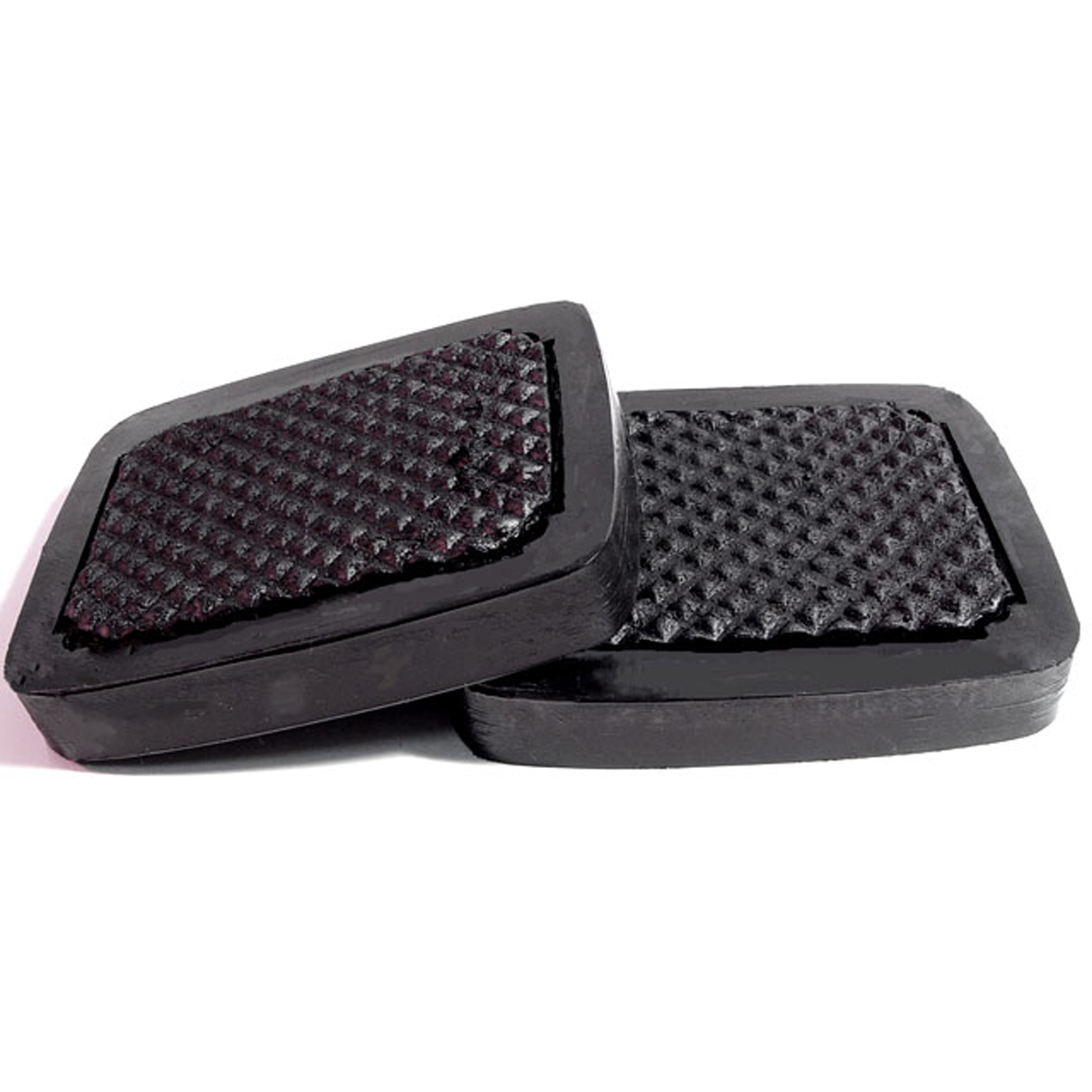 1931 Buick Series 60 Clutch and Brake Pedal Pads. 2-3/4" wide X 3-3/8" long-CB 12Clutch and Brake Pedal Pads. 2-3/4" wide X 3-3/8" long. Pair
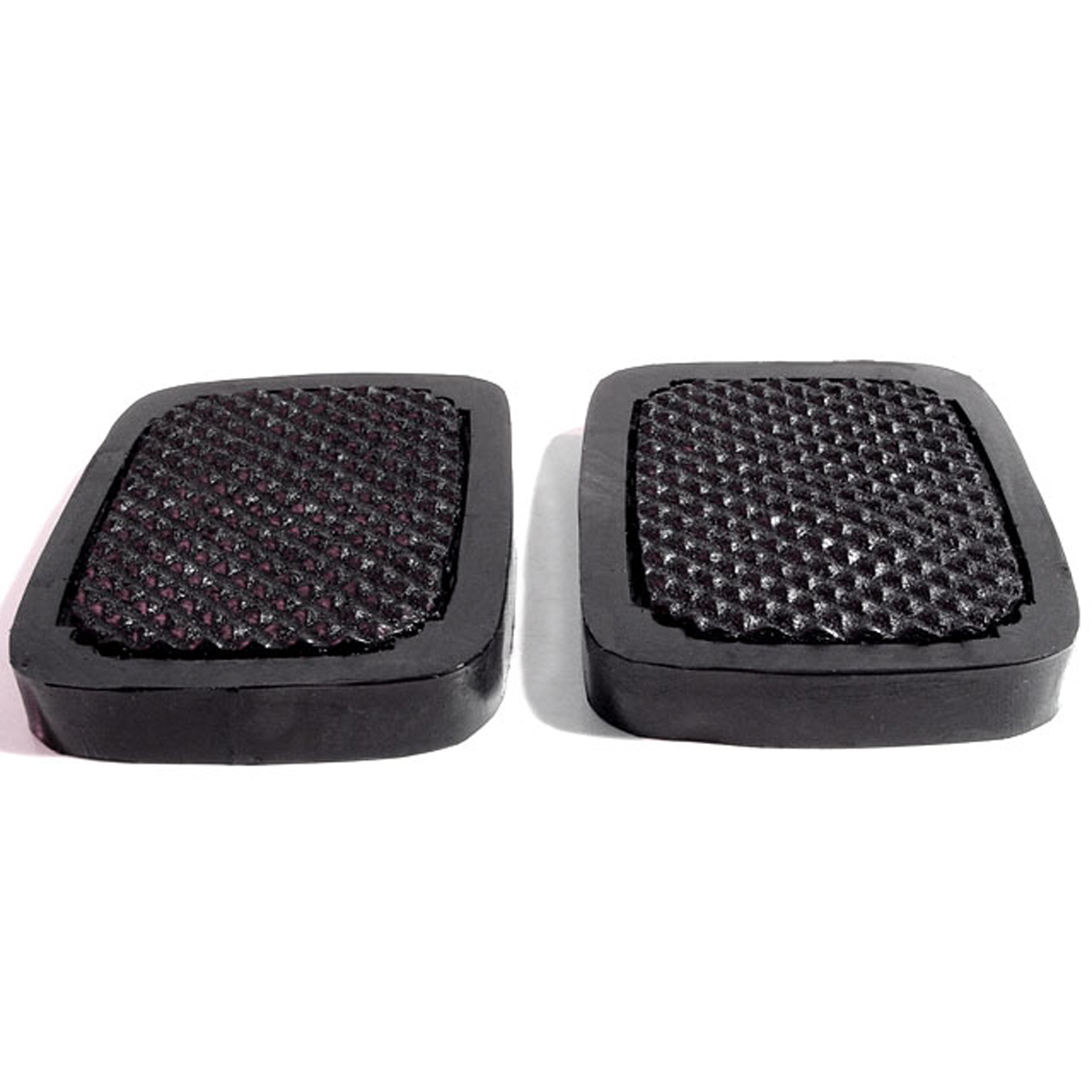 1931 Buick Series 60 Clutch and Brake Pedal Pads. 2-3/4" wide X 3-3/4" long-CB 13Clutch and Brake Pedal Pads. 2-3/4" wide X 3-3/4" long. Pair
 1931 Buick Series 60 Door Bumper. 1-7/16" high X 1-9/16" wide X 9/16" thick-DB 7Door Bumper. 1-7/16" high X 1-9/16" wide X 9/16" thick. Each
 1931 Buick Series 60 Side window seal. Dense rubber. No metal core. 1 in-LP 95-ASide window seal. Dense rubber. No metal core. 1 in. W x 5/8 in. H. Per foot.
 1931 Buick Series 60 Door Handle Ferrule Grommet. I.D. 11/16", O.D. 1-3/16"-MP 546-IDoor Handle Ferrule Grommet. I.D. 11/16", O.D. 1-3/16". Each
 1931 Buick Series 60 Door Bumper. 1" diameter X 1/4" thick Each-SB 60Door Bumper. 1" diameter X 1/4" thick Each
 1931 Buick Series 60 Flexible Rubber Window Channel-WC 32-14Flexible Rubber Window Channel. For Fisher Closed Bodies, except those using a stainless bead type. Used on side windows. 13/16" outer width X 6/16" outer depth, with a 5/16" inner channel width X 14" long. Each
 1931 Buick Series 60 Fender Bolts. For use with Fender Bolt Washers; WF 3001-WF 3000Fender Bolts. For use with Fender Bolt Washers; WF 3001. Zinc Chromate plated, high strength. 1" X 5/16". Set of 25
 1931 Buick Series 60 Fender Bolt Washers. For use with Fender Bolts; WF 3000-WF 3001Fender Bolt Washers. For use with Fender Bolts; WF 3000. High quality, cadmium plated. 1-1/4" O.D., 3/8" I.D. Set of 25
Why Choose Metro?
For over 100 years, Metro Moulded Parts has been the pinnacle of quality in classic car restoration parts. Our commitment to precision and authenticity in every component ensures a perfect fit and an OEM-level appearance.
- Expert Craftsmanship & Quality: Each part is a testament to our dedication to reliability and perfection, crafted from original designs and thoroughly tested.
- Advanced Technology: We use cutting-edge techniques to create flawless, long-lasting parts that surpass others in performance.
- SuperSoft Sponge – The Ultimate Door Seal: Not only are our door seals 30% softer than competitors', but they're also guaranteed to never leak. They effectively reduce wind and road noise, enhancing your classic car's comfort and driving experience.
- Proudly American: Our parts are a product of American craftsmanship, made in the USA with a spirit of excellence and heritage.
- Unrivaled Warranty: We back our products with a 30-year industry-leading warranty, a testament to our confidence in their quality.
Join us in preserving the legacy of classic cars with parts that are crafted for perfection, not just made.