

Image of 1932 Buick Series 60, Note: These illustrations use artistic license and may differ from actual historical models.
Performance Metrics
Fundamental Metrics
Emotional Appeal
MMP Rating
| Engine Specifications | |
|---|---|
| Engine: | Straight-8 |
| Displacement: | 272 cubic inches |
| Horsepower: | Estimated 90-100 HP |
| Torque: | Not available |
| Compression Ratio: | 5.2:1 |
| Ignition System: | Distributor and coil |
| Cooling System: | Water-cooled |
| Performance Specifications | |
| 0-60 Time: | Not available |
| 1/4 Mile Time: | Not available |
| Top Speed: | 80 mph |
| Transmission and Drive | |
| Drive Type: | Rear-wheel drive |
| Transmission Type: | 3-speed manual |
| Fuel and Efficiency | |
| Fuel System Type: | Carburetor |
| MPG: | Not available |
| Dimensions and Brakes | |
| Brakes: | Mechanical drum brakes |
| Wheelbase: | 118 inches |
| Weight: | 3,600 lbs |
Note: Specifications for classic cars are given to the best of our ability, considering the limited and variant data available.
1932 Buick Series 60: A Big Eight for a Difficult Year
The 1932 Buick Series 60 brought the smooth, confident character of a straight-eight engine to a year when many Americans had little room in their budgets for a new car. Built by Buick, General Motors’ established mid-to-upper-market marque, the Series 60 sat above the smaller Buick models and below the more costly Series 80 and 90. It offered substantial road presence and refined engineering without reaching the price territory of the most luxurious cars.
Its timing gives the car much of its historical interest. The Great Depression had sharply weakened demand for new automobiles, and Buick, like other manufacturers, faced a severe sales environment. Yet the company continued to build ambitious cars. One appealing detail is the Series 60’s combination of a relatively accessible position in Buick’s lineup with an eight-cylinder engine, a feature that still suggested prestige and effortless power in the early 1930s.
Streamlined Style and Period Craftsmanship
The Series 60 had the imposing proportions typical of a full-size American car of its era. A tall, upright grille and long hood established a formal front end, while large headlamps, sweeping fenders, and running boards gave the body a strong, continuous profile. Chrome accents added sparkle without overwhelming the shape. Many cars could also be equipped with details such as dual side-mounted spare tires, which emphasized the long, luxurious look and provided useful backup tires on roads that could be rough or poorly maintained.
Inside, the cabin was designed for comfort rather than minimalism. Depending on body style and trim, buyers encountered quality cloth or mohair upholstery, carefully finished door panels, and a substantial dashboard with clearly arranged instruments. Open models and better-appointed versions could use leather. Wood-grain finishes and bright metal trim helped create the dignified atmosphere expected of a Buick, although surviving cars vary considerably after decades of restoration and re-trimming.
The Series 60 was offered in several closed and open body styles during the period, including sedan and coupe forms, with availability varying by catalog and configuration. Closed sedans were practical choices for families and year-round driving, while coupes appealed to buyers seeking a sportier profile. Open models, where available, are especially eye-catching today and tend to attract strong collector interest. Paint choices followed the period’s taste for rich, restrained colors, including dark blues, greens, maroons, and black. Exact colors depended on body and production details, and many cars have been repainted since new.
For its time, the Series 60’s key innovation was less about a single futuristic gadget and more about bringing smooth eight-cylinder power, a well-equipped cabin, and modern road manners together in one package. It used a three-speed manual transmission and conventional controls, so the driving experience remained hands-on. Buyers were paying for refinement and engineering, not the push-button convenience or driver aids familiar in later cars.
Why the Buick Series 60 Matters
The Series 60 reflects Buick’s role as a bridge between mainstream transportation and luxury motoring. Its straight-eight engine gave it a smoother character than many four- and six-cylinder rivals, while its substantial body and finish helped distinguish it from lower-priced cars. Buick’s reputation for dependable, well-engineered automobiles was a major part of its appeal, and the Series 60 reinforced that identity during an especially challenging period for the industry.
Its design also captures a transition in American automotive styling. The car still had the upright stance and separate fenders associated with prewar automobiles, but its flowing lines and coordinated trim pointed toward more integrated, streamlined forms. The Series 60 did not single-handedly transform automotive design, but it shows how manufacturers were refining the classic long-hood, formal-sedan formula before the more aerodynamic styling of later decades took hold.
Straight-Eight Performance and Road Manners
The 1932 Series 60 was powered by a Buick inline-eight of approximately 272.6 cubic inches, producing about 82 horsepower, depending on the specification cited. That figure may seem modest now, but the engine’s smooth delivery was as important as its peak output. A long-stroke straight-eight could build speed in a relaxed fashion and deliver the steady pull expected of a substantial touring car.
Period cars were not measured with today’s standardized acceleration tests, so modern 0-to-60 figures should be treated as estimates. A sound, correctly tuned Series 60 might take roughly 20 to 25 seconds to reach 60 mph. Top speed is commonly estimated in the neighborhood of 70 to 75 mph, although gearing, body style, mechanical condition, tires, and road conditions all affect the result. These are best understood as plausible performance ranges, not guaranteed factory figures.
On a smooth road, the Buick feels composed and weighty, with the straight-eight’s even exhaust note lending the drive a gentle rhythm. Its long wheelbase helps it settle over gradual undulations, but the suspension and tall tires are from another era. Sharp bumps can make the body move more than a modern driver expects, and narrow, winding roads call for deliberate steering and braking. The car rewards anticipation: leave plenty of room, make smooth inputs, and avoid treating it like a modern performance sedan.
Driving one is a physical experience. The driver works a manual gearbox, monitors the instruments, and plans braking well ahead. Steering effort can be noticeable at low speed, particularly without assistance, while the engine’s smoothness makes steady cruising feel unhurried. The sound is not a sharp, high-revving roar; it is a mellow mechanical hum with the distinctive cadence of a large straight-eight.
Living With a 1932 Buick
Today, most Series 60s are used as show cars, touring vehicles, or occasional weekend drivers rather than daily transportation. A well-sorted example can take part in local events and leisurely drives, but regular highway use requires careful attention to brakes, tires, cooling, steering, and electrical condition. Modern traffic moves faster and stops more abruptly than the traffic for which the Buick was designed.
Maintenance is manageable for an owner comfortable with prewar mechanics, though parts sourcing and specialist knowledge can be challenging. Routine work includes lubrication, ignition and carburetor tuning, cooling-system care, and regular inspection of the chassis and braking system. The car’s mechanical layout is generally accessible compared with that of a modern vehicle, but age matters: a neglected example may need extensive work before it is safe or reliable. Rebuilding an engine or restoring a body is a specialist project, not a simple weekend tune-up.
Reliability depends far more on the individual car’s condition than on its reputation when new. A recently maintained Buick can be an enjoyable tourer; one with old hoses, tired tires, deteriorated wiring, or poorly adjusted brakes can quickly become a roadside lesson in prewar ownership. A thorough inspection by a mechanic familiar with vintage Buicks is a sensible first step for any prospective buyer.
Facts, Myths, and Common Criticisms
The Series 60’s defining trivia is its position in Buick’s lineup: it offered straight-eight prestige without being the range-topping Buick. That distinction makes it an interesting alternative for collectors who want the scale and character of a 1930s Buick without pursuing the marque’s most expensive models. Exact production figures for individual Series 60 body styles are not consistently presented in easily comparable sources, so claims about a particular configuration being exceptionally rare deserve verification against factory and club records.
There is no widely recognized land-speed or endurance record associated specifically with the 1932 Series 60. Its significance is better understood through Buick’s broader engineering and market position than through a headline-grabbing competition achievement. Nor is it best known as a celebrity car; individual ownership histories may be compelling, but they should be supported by documentation rather than assumed from a model’s reputation.
Common criticisms are the realities of prewar motoring: modest acceleration by modern standards, heavy controls, limited braking performance compared with contemporary cars, and the need for frequent hands-on maintenance. Some drivers also find the cabin and driving position less accommodating than those of later vehicles. Those compromises are part of the car’s period character, but they matter when deciding whether it suits a particular owner.
1932 Buick Series 60 Values and Rarity
Series 60 values vary widely with body style, originality, restoration quality, and mechanical condition. As a broad current-market estimate, a project or incomplete car might fall around $10,000 to $20,000, while a respectable driver-quality sedan could bring roughly $20,000 to $40,000. A high-quality restoration may reach $40,000 to $65,000 or more. Desirable open body styles, unusually original cars, and exceptional restorations can exceed those ranges, while cars needing major work may sell for less.
These figures are estimates rather than a formal valuation. Prewar-car sales are highly dependent on condition and venue, and asking prices are not the same as completed sale prices. Buyers should compare recent transactions for the same body style and inspect documentation, restoration records, and major components before making an offer.
Buick’s total production in 1932 was far below the levels of stronger economic years, but a precise Series 60 total is difficult to pin down across all body styles. A reasonable working estimate is that production was in the several-thousand range, perhaps roughly 5,000 to 10,000 cars. That is an informed estimate, not a verified factory tally. Surviving examples are considerably scarcer than the original production count suggests, especially in complete, roadworthy condition.
Values for sound prewar Buicks have generally been supported by their quality and historical appeal, but the market is selective. Exceptional cars can appreciate, while ordinary sedans may rise slowly or remain steady after inflation and restoration costs are considered. Condition, provenance, and body style usually matter more than broad market trends.
A Buick Built for the Long Road
The 1932 Buick Series 60 combines a smooth straight-eight, formal prewar styling, and the substantial construction that helped define Buick’s reputation. It was built in a difficult economic moment, yet it still offered refinement and presence to buyers who wanted more than basic transportation. Today, it is best enjoyed as a carefully maintained touring car and a tangible piece of American automotive history.
Its appeal is not about matching modern speed or convenience. It is about hearing an eight-cylinder Buick settle into its measured rhythm, seeing its long fenders and upright grille glide past, and experiencing a time when engineering refinement meant smoothness, craftsmanship, and a confident road-going presence.
1932 Buick Series 60 Catalog of Parts
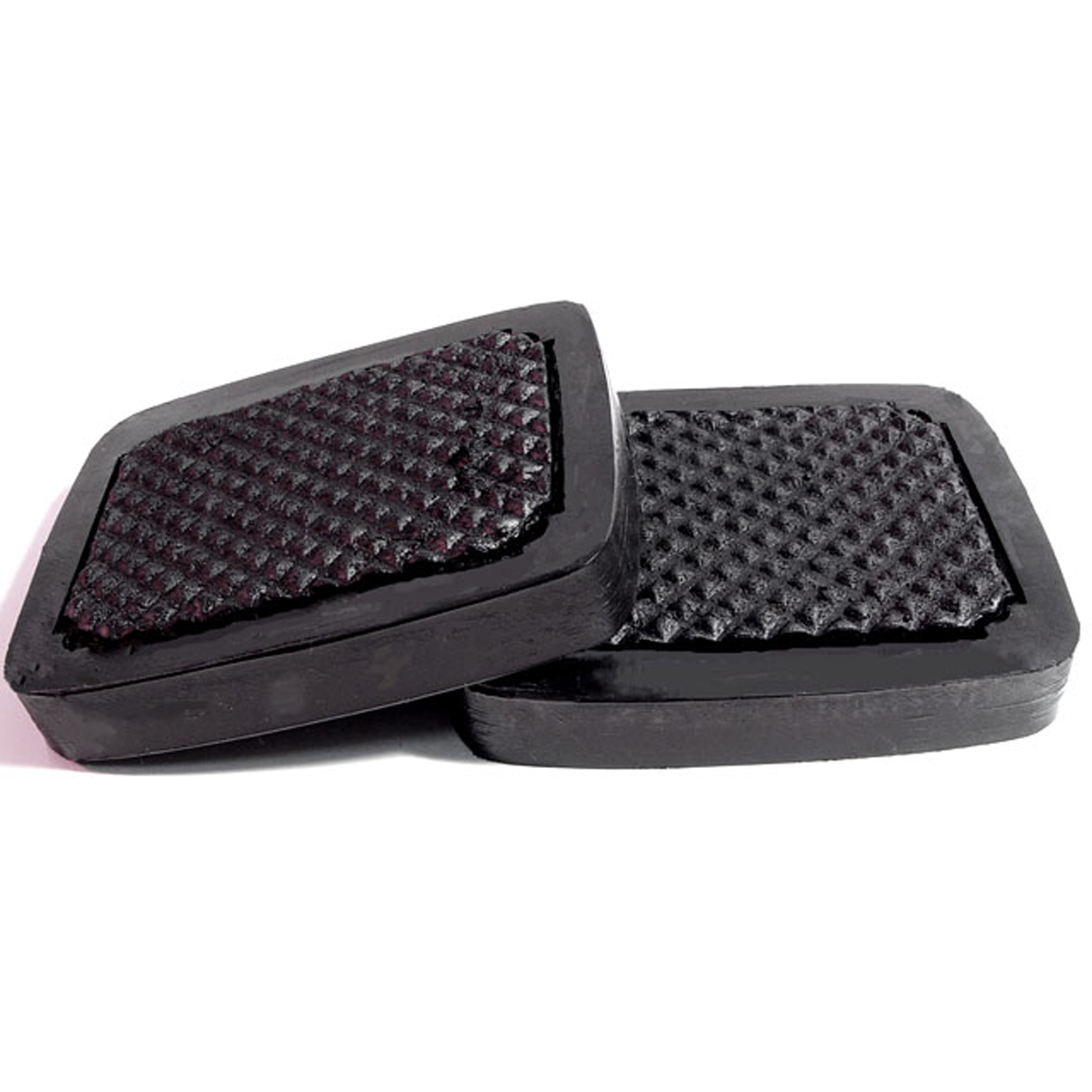 1932 Buick Series 60 Clutch and Brake Pedal Pads. 2-3/4" wide X 3-3/8" long-CB 12Clutch and Brake Pedal Pads. 2-3/4" wide X 3-3/8" long. Pair
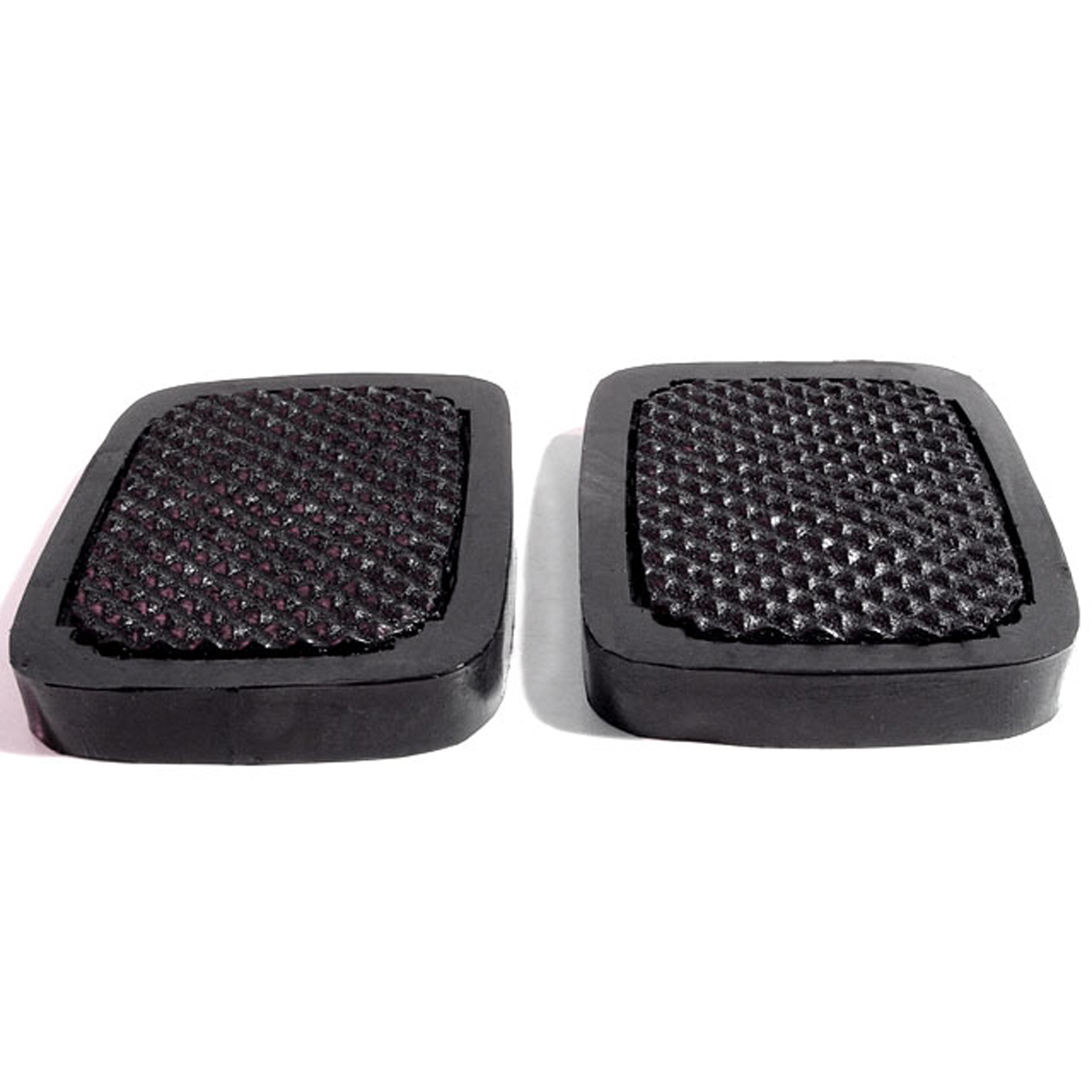 1932 Buick Series 60 Clutch and Brake Pedal Pads. 2-3/4" wide X 3-3/4" long-CB 13Clutch and Brake Pedal Pads. 2-3/4" wide X 3-3/4" long. Pair
 1932 Buick Series 60 Door Bumper. 1-7/16" high X 1-9/16" wide X 9/16" thick-DB 7Door Bumper. 1-7/16" high X 1-9/16" wide X 9/16" thick. Each
 1932 Buick Series 60 Side window seal. Dense rubber. No metal core. 1 in-LP 95-ASide window seal. Dense rubber. No metal core. 1 in. W x 5/8 in. H. Per foot.
 1932 Buick Series 60 Park Light Pads. 1-1/2" wide X 4-1/2" long. Pair-MP 120Park Light Pads. 1-1/2" wide X 4-1/2" long. Pair
 1932 Buick Series 60 Tail-light Pads. 2-1/2" wide X 4-1/8" long. Pair-MP 130Tail-light Pads. 2-1/2" wide X 4-1/8" long. Pair
 1932 Buick Series 60 Headlight (Upper) Pads. 2-1/2" wide X 4-5/8" long. Pair-MP 131-AHeadlight (Upper) Pads. 2-1/2" wide X 4-5/8" long. Pair
 1932 Buick Series 60 Headlight (Lower) Pads. 2-1/4" wide X 4-3/4" long. Pair-MP 131-BHeadlight (Lower) Pads. 2-1/4" wide X 4-3/4" long. Pair
 1932 Buick Series 60 Windshield Wiper Transmission Pad-MP 134-CWindshield Wiper Transmission Pad. 2-1/8" wide X 2-3/8" long. Each
 1932 Buick Series 60 Wiper Arm Pad. 1" wide X 2-7/8" long. Each-MP 134-DWiper Arm Pad. 1" wide X 2-7/8" long. Each
 1932 Buick Series 60 Trunk Lock Pads. 1-5/8" wide X 6-3/8" long. Set-MP 336-CTrunk Lock Pads. 1-5/8" wide X 6-3/8" long. Set
 1932 Buick Series 60 Door Handle Ferrule Grommet. I.D. 11/16", O.D. 1-3/16"-MP 546-IDoor Handle Ferrule Grommet. I.D. 11/16", O.D. 1-3/16". Each
 1932 Buick Series 60 Booster Brake Diaphragm. 7-1/2" O.D., 3" I.D., 1-7/8" deep-RP 32Booster Brake Diaphragm. 7-1/2" O.D., 3" I.D., 1-7/8" deep. Each
 1932 Buick Series 60 Door Bumper. 1" diameter X 1/4" thick Each-SB 60Door Bumper. 1" diameter X 1/4" thick Each
 1932 Buick Series 60 Flexible Rubber Window Channel-WC 32-14Flexible Rubber Window Channel. For Fisher Closed Bodies, except those using a stainless bead type. Used on side windows. 13/16" outer width X 6/16" outer depth, with a 5/16" inner channel width X 14" long. Each
 1932 Buick Series 60 Fender Bolts. For use with Fender Bolt Washers; WF 3001-WF 3000Fender Bolts. For use with Fender Bolt Washers; WF 3001. Zinc Chromate plated, high strength. 1" X 5/16". Set of 25
 1932 Buick Series 60 Fender Bolt Washers. For use with Fender Bolts; WF 3000-WF 3001Fender Bolt Washers. For use with Fender Bolts; WF 3000. High quality, cadmium plated. 1-1/4" O.D., 3/8" I.D. Set of 25
Why Choose Metro?
For over 100 years, Metro Moulded Parts has been the pinnacle of quality in classic car restoration parts. Our commitment to precision and authenticity in every component ensures a perfect fit and an OEM-level appearance.
- Expert Craftsmanship & Quality: Each part is a testament to our dedication to reliability and perfection, crafted from original designs and thoroughly tested.
- Advanced Technology: We use cutting-edge techniques to create flawless, long-lasting parts that surpass others in performance.
- SuperSoft Sponge – The Ultimate Door Seal: Not only are our door seals 30% softer than competitors', but they're also guaranteed to never leak. They effectively reduce wind and road noise, enhancing your classic car's comfort and driving experience.
- Proudly American: Our parts are a product of American craftsmanship, made in the USA with a spirit of excellence and heritage.
- Unrivaled Warranty: We back our products with a 30-year industry-leading warranty, a testament to our confidence in their quality.
Join us in preserving the legacy of classic cars with parts that are crafted for perfection, not just made.